Is My Child Ready for Kindergarten Checklist – The Social Skills That Matter Most
You’ve spent weeks wondering if your child knows enough letters and numbers for kindergarten. However, experienced teachers will tell you something surprising: academic skills aren’t usually what make or break a child’s first year of school. Instead, social and emotional readiness determines how well children adapt, learn, and thrive in the classroom.
Many parents ask themselves, “Is my child ready for kindergarten?” while focusing solely on whether their child can write their name or count to twenty. Meanwhile, the real predictors of kindergarten success often go overlooked. Social skills, emotional regulation, and the ability to navigate relationships matter far more than most families realize.
Why Social Readiness Matters More Than You Think
Kindergarten teachers consistently report that children struggle most with social challenges, not academic ones. According to research from the National Association for the Education of Young Children, children who enter kindergarten with strong social-emotional skills perform better academically throughout their entire school career. Furthermore, these skills create a foundation for all future learning.
Think about it this way: a child who knows the entire alphabet but melts down every time they need to share crayons will struggle far more than a child who enters kindergarten knowing only half the letters but can cooperate with classmates. Additionally, teachers spend valuable instructional time managing behavioral issues rather than teaching when children lack basic social skills.
Children develop academic skills relatively quickly with good instruction. In contrast, social and emotional development takes years of practice and guidance. Therefore, parents who focus exclusively on academics may inadvertently skip the most important preparation work.
The Essential Social Skills Every Kindergartener Needs
Before you complete any “is my child ready for kindergarten checklist,” you need to understand which social skills truly matter. Teachers consistently identify several key abilities that predict classroom success.
Following Directions and Classroom Routines
Kindergarten classrooms operate on schedules and routines. Consequently, children must follow multi-step directions without constant individual attention. Your child should understand and respond to instructions like “Put your backpack in your cubby, hang up your coat, and sit on the carpet.”
Practice this skill at home by giving your child two or three-step directions regularly. For instance, ask them to “wash your hands, then set the table for dinner.” Moreover, create simple routines that your child can complete independently. This preparation builds the listening skills and memory capacity kindergarten requires.
Teachers report that children who struggle to follow directions often feel frustrated and left behind. Subsequently, this frustration can lead to behavior problems and a negative association with school. Child Mind Institute emphasizes that following directions represents a foundational skill for all learning.
Sharing and Taking Turns
Kindergarten involves constant sharing of materials, toys, and teacher attention. As a result, children who haven’t learned to share often experience significant social conflict. Your child doesn’t need to be perfect at sharing, but they should understand the concept and make genuine attempts.
Create opportunities for your child to practice sharing at home and during playdates. Additionally, acknowledge their feelings when sharing feels hard. Say things like, “I know you want to keep playing with that toy, and it’s hard to share. Let’s set a timer so your friend gets a turn, then you’ll get it back.”
Children who resist sharing typically struggle because they lack trust that they’ll get another turn. Therefore, providing structure and predictability around turn-taking helps tremendously. Use timers, take turns choosing activities, and model sharing in your own behavior.
Managing Emotions When Things Don’t Go Their Way
Kindergarten presents countless moments of disappointment: someone else got the red crayon, they weren’t first in line, or they didn’t get picked for a special job. Accordingly, emotional regulation becomes absolutely critical for classroom success.
Your child needs strategies for handling disappointment without major meltdowns. This doesn’t mean they should never cry or feel upset. Rather, they should have some tools for calming down and moving forward. Practice deep breathing, counting to ten, or using words to express feelings.
Teachers consistently report that children with poor emotional regulation disrupt learning for everyone. Moreover, these children often feel embarrassed by their own reactions, which damages their self-confidence. According to Zero to Three, early emotional regulation skills predict social competence throughout childhood.
Separating From Parents Without Major Anxiety
Drop-off time reveals a lot about kindergarten readiness. While some initial nervousness is completely normal, children need the ability to separate from parents and engage with their new environment. This skill develops gradually through practice and positive experiences away from primary caregivers.
Start building separation skills well before kindergarten begins. Arrange playdates where you leave your child for short periods. Similarly, consider preschool, daycare, or regular time with trusted relatives. Each successful separation builds confidence and proves to your child that you always come back.
Some children experience more separation anxiety than others, and that’s okay. However, you can still teach coping strategies. Create a special goodbye routine, give your child something of yours to hold during the day, or draw a heart on their hand that they can look at when they miss you. Additionally, always say goodbye rather than sneaking away, which can damage trust.
Teachers notice that children with severe separation anxiety often miss important learning opportunities while they’re focused on their distress. Furthermore, these children sometimes develop negative associations with school that persist for years.
Building Confidence in Social Situations
Confidence doesn’t mean your child needs to be the most outgoing kid in class. Instead, it means they believe they can handle new situations and challenges. Children with healthy confidence try new things, ask for help when needed, and recover from mistakes.
You build this confidence through everyday interactions. Let your child attempt tasks independently, even when they might fail. Moreover, praise their efforts rather than just their outcomes. Say things like, “You worked so hard on that puzzle!” instead of only praising completion.
Children also build confidence through small social successes. Encourage your child to greet neighbors, order their own food at restaurants, or answer simple questions from adults. These experiences teach children that social interactions are manageable and even enjoyable.
Teachers report that confident children adjust to kindergarten much more smoothly. Consequently, they participate more, make friends more easily, and view challenges as opportunities rather than threats. Check out our article on teaching preschoolers to be confident for more strategies.
Real Teacher Insights on Social Struggles
Kindergarten teachers have seen it all, and their observations provide valuable guidance for parents. When asked what causes children to struggle most socially, teachers consistently mention several patterns.
First, children who haven’t spent much time with peers often lack basic social skills. They don’t know how to join play, resolve conflicts, or read social cues. Therefore, any group experience before kindergarten helps tremendously, whether through preschool, playgroups, or regular playdates.
Second, children whose parents solve all their problems for them struggle with independence. These children immediately seek adult help for every minor issue rather than attempting to work things out themselves. While teacher support is important, children also need problem-solving skills.
Third, children who haven’t learned to handle “no” often have significant behavioral issues. Kindergarten involves many limits and expectations. As a result, children need experience accepting boundaries and disappointment before starting school.
Finally, teachers notice that children who lack a consistent routine at home often struggle with classroom structure. Bedtime routines, predictable schedules, and clear expectations at home transfer directly to school success.
Addressing Anxiety and Building Emotional Strength
Many children feel anxious about starting kindergarten, which is completely normal. However, you can help your child develop emotional strength that carries them through challenging moments. Start by acknowledging their feelings rather than dismissing them.
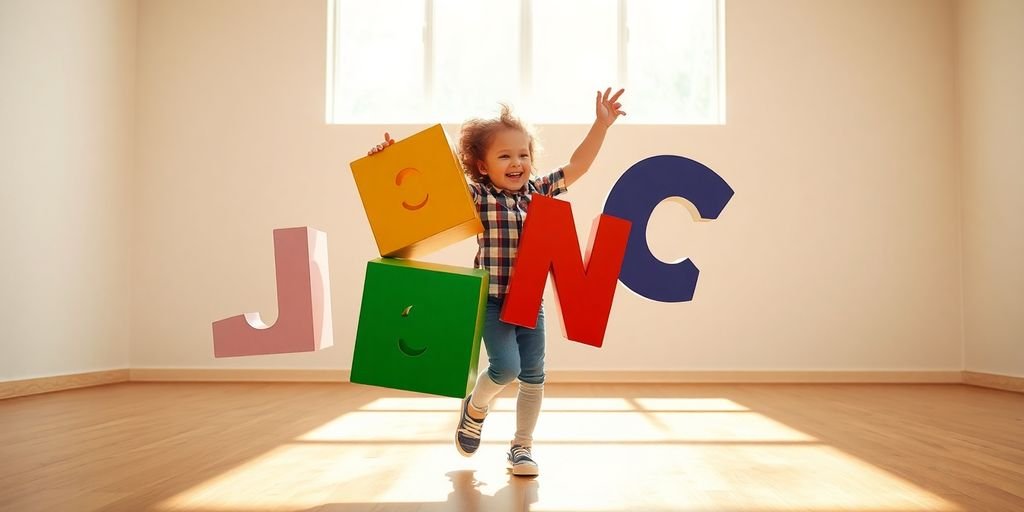
When your child expresses worry about kindergarten, say something like, “It sounds like you’re feeling nervous about meeting new friends. That makes sense! Lots of kids feel that way, and those feelings usually get better once school starts.” This validation helps children understand that their emotions are normal and temporary.
Additionally, read books about starting kindergarten together. Stories help children process their feelings and learn that other kids share their experiences. Practice the morning routine, visit the school if possible, and talk positively about the upcoming change.
Remember that your own emotions affect your child significantly. If you feel anxious about kindergarten, your child will pick up on that anxiety. Therefore, project confidence and excitement about this new adventure, even if you’re feeling nervous yourself.
For more strategies on building emotional resilience, explore our guide on helping preschoolers manage big feelings.
Your Complete Social-Emotional Readiness Checklist
Now that you understand which social skills matter most, use this “is my child ready for kindergarten checklist” to evaluate your child’s readiness. Remember that no child will master every item perfectly, and that’s completely fine. This checklist helps you identify areas where your child might benefit from extra practice before school starts.
Following Directions:
- Follows two to three-step directions consistently
- Transitions between activities with minimal resistance
- Understands and responds to teacher-type instructions
- Can complete simple tasks independently
Social Interaction:
- Initiates play with other children sometimes
- Shares toys and materials with guidance
- Takes turns during games and activities
- Uses words to express needs and feelings
Emotional Regulation:
- Calms down within 10-15 minutes after upset
- Uses some strategies to manage disappointment
- Identifies basic emotions in themselves and others
- Handles transitions without major meltdowns
Separation and Independence:
- Says goodbye to parents without extreme distress
- Engages with activities when parents aren’t present
- Asks for help when needed
- Attempts new tasks independently
Classroom Behaviors:
- Sits still for short periods during activities
- Keeps hands to self most of the time
- Waits for turn to speak
- Respects others’ personal space

Problem-Solving:
- Attempts to solve minor problems before seeking help
- Accepts “no” without major tantrums
- Recovers from disappointment reasonably quickly
- Shows flexibility when plans change
What to Do If Your Child Isn’t Ready
If your “is my child ready for kindergarten checklist” reveals significant gaps, don’t panic. You have several options, and each family’s situation is unique. First, consider whether your child has had sufficient opportunities to practice social skills. Sometimes children simply need more exposure to group settings and peer interaction.
Talk to your child’s preschool teachers if they attend preschool. Teachers often provide valuable insights about development and readiness. Similarly, your pediatrician can offer guidance about whether concerns warrant evaluation or simply need more time and practice.
Some families choose to wait an additional year before starting kindergarten, particularly for children with summer birthdays. This decision, often called “redshirting,” gives children extra time to develop socially and emotionally. However, this choice involves many factors, including your child’s specific needs and your family situation.
Regardless of timing, you can actively work on social-emotional skills at home. Create regular opportunities for peer interaction, practice following directions, and teach emotional regulation strategies. Progress happens gradually, but consistent practice makes a real difference.
Moving Forward With Confidence
Evaluating whether your child is ready for kindergarten involves much more than academic assessment. Social and emotional readiness determines how well children adapt to school, make friends, and embrace learning. While academics matter, they’re far easier to teach than the fundamental social skills kindergarten requires.
Use your “is my child ready for kindergarten checklist” as a starting point for preparation rather than a judgment. Every child develops differently, and some skills emerge right before school starts. Focus on creating opportunities for social practice, teaching emotional regulation, and building your child’s confidence.
Remember that kindergarten teachers expect children to arrive with varying skill levels. They’re trained to support development and help children succeed. Your job as a parent isn’t to deliver a perfect student but rather to prepare your child as well as possible for this exciting new chapter.
Starting kindergarten represents a major milestone for both children and parents. By focusing on social-emotional readiness alongside academics, you’re giving your child the foundation they need for school success and lifelong learning.
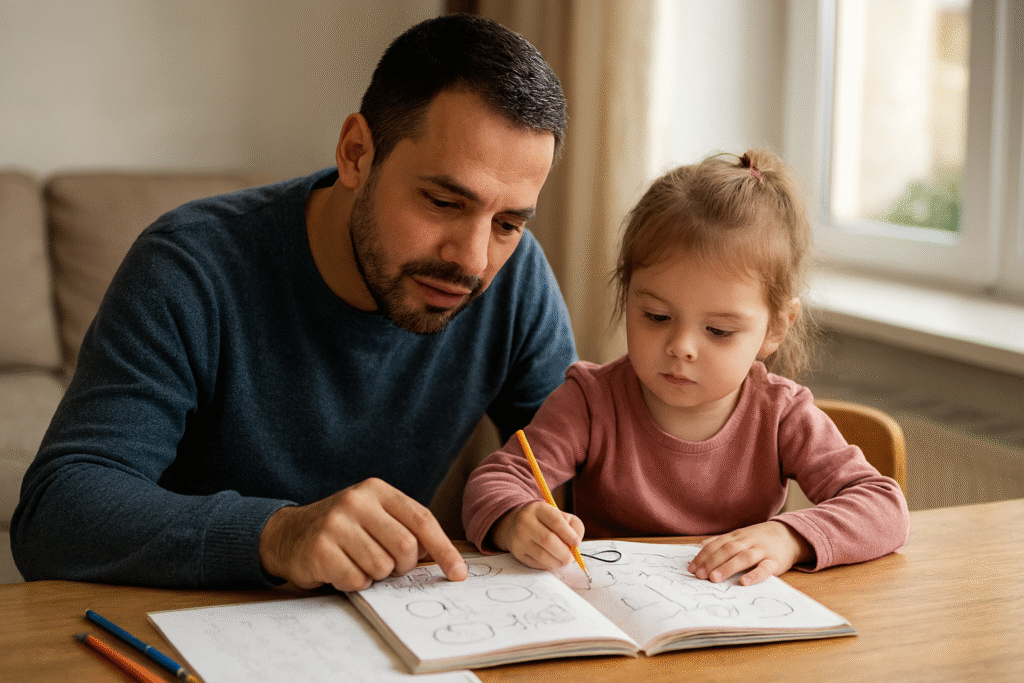

Ms. Kerri’s Corner provides a exciting virtual space for preschool learning. Through a variety of engaging activities, she exposes young minds to early math, literacy, science and social-emotional skills in a developmentally appropriate way. Centers for blocks, art, books and music allow children to explore hands-on learning at their own pace. Guided lessons subtly introduce number sense, letter sounds and narrative thinking. Careful observation gives insight into each child’s progress across domains. Viewers are also invited to participate, reinforcing that their ideas are valued. By making learning fun yet purposeful, Ms. Kerri lays the groundwork for future academic success while fostering creativity and imagination. Her program offers preschoolers valuable screen-based learning experiences.