How to Prepare 4 Year Old for Kindergarten in Just a Few Months
Getting your little one ready for kindergarten can feel like a big task, especially when you only have a few months to do it. It’s easy to worry if they’ll be ready for ‘big kid school,’ but don’t stress too much! Kindergarten today is different from what it used to be, and teachers know kids come with all sorts of different experiences. This guide will walk you through how to prepare your 4-year-old for kindergarten, focusing on skills that really matter, without taking away their childhood.
Key Takeaways
- Read together daily to build vocabulary and understanding of how books work. Talk about the pictures and words.
- Encourage your child to try solving problems on their own before jumping in to help. This builds confidence and a ‘can-do’ attitude.
- Help your child become independent with daily tasks like dressing themselves and using the bathroom.
- Practice using school tools like scissors and glue, and work on holding pencils correctly for writing.
- Talk about feelings and practice ways to handle them. Also, make sure they know their name and important contact numbers.
Foster Foundational Academic Skills
Getting your little one ready for kindergarten is more than just knowing their ABCs. It’s about building a solid base so they feel confident and curious when they walk into that classroom. Think of it as giving them a little head start, not to make them a super-student overnight, but to make the transition smoother and more enjoyable.
Engage In Daily Reading Aloud
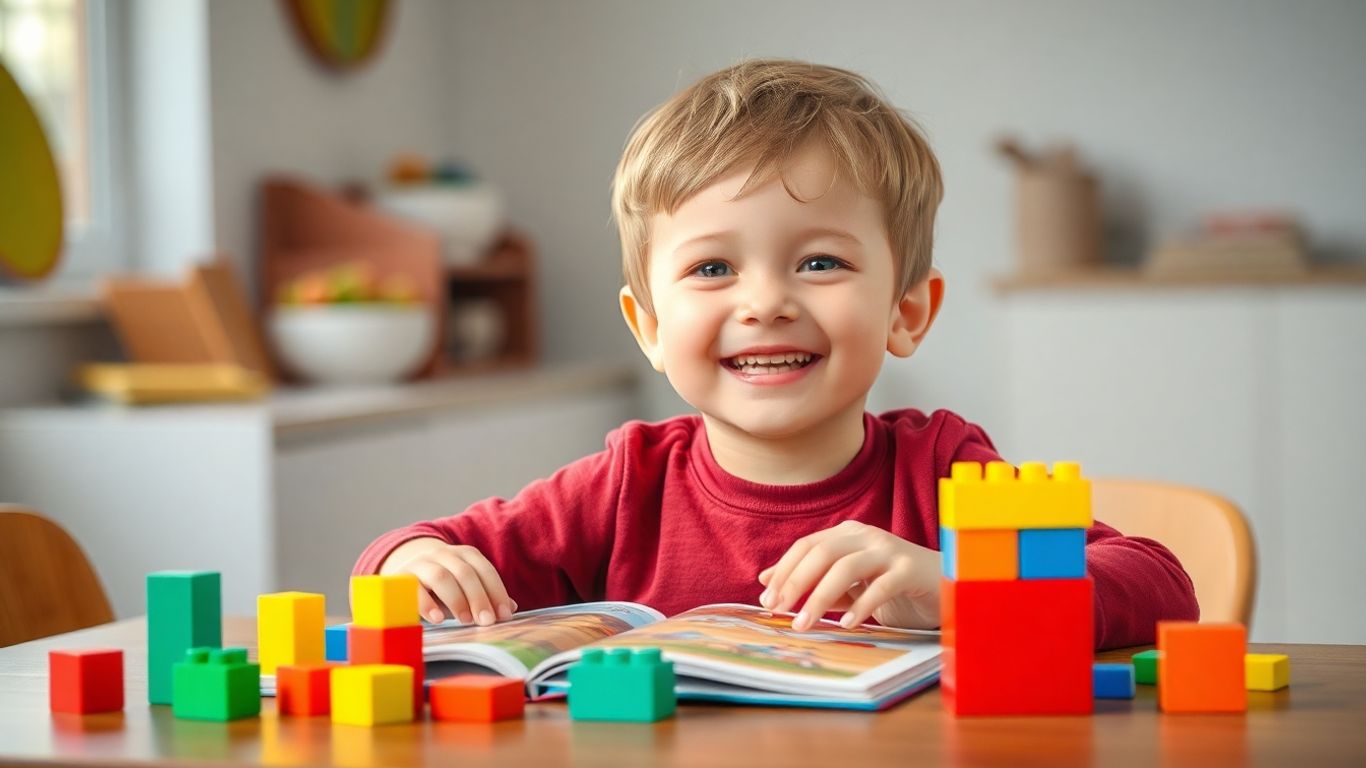
Reading together every day is probably one of the best things you can do. It’s not just about the stories, though those are great! When you read aloud, you’re showing your child how words work, how sentences are built, and that books are full of amazing things. It helps them build a bigger vocabulary and understand different ideas. Try to make it a cozy time, maybe before bed or after a snack. Let them pick the books sometimes, even if it’s the same one for the tenth time! That repetition is actually super helpful for learning.
Introduce Letter Sounds And Recognition
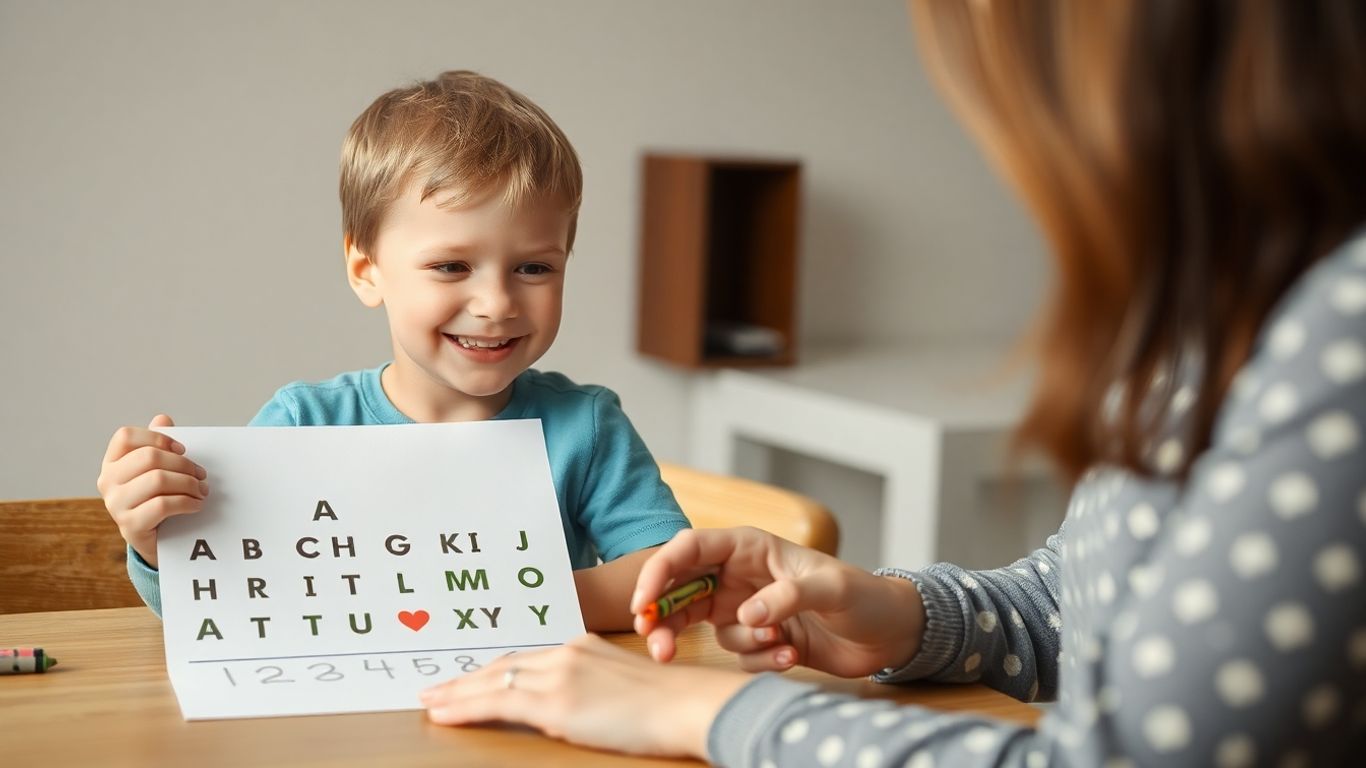
While knowing the whole alphabet is neat, understanding what sound each letter makes is a big step for reading. You don’t need to turn it into a drill. You can make it fun by pointing out letters on signs, in books, or even on cereal boxes. “Look, that’s the letter ‘B’, and it makes the /b/ sound, like in ‘ball’!” Games like matching uppercase and lowercase letters, or finding objects that start with a certain sound, can be really effective. The goal is for them to start connecting the visual symbol of a letter with its spoken sound.
Practice Counting And Number Recognition
Numbers are everywhere! Start by counting everyday objects – toys, stairs, fingers, snacks. “We have three cookies, one, two, three!” Point out numbers on clocks, phones, or house numbers. You can also use simple games to help them recognize numbers. Maybe a simple chart showing numbers 1 through 10 with corresponding dots or pictures. This helps them not just count, but also understand that a numeral represents a specific quantity. It’s amazing how quickly they can pick this up with a little consistent practice.
Cultivate Essential Life Skills
Kindergarten is a big step, and while academics get a lot of attention, don’t forget about the everyday skills that help kids feel confident and capable. These aren’t just about making your life easier (though they do that too!); they’re about building independence and a sense of accomplishment for your child.
Encourage Independence In Daily Tasks
Getting ready for school involves more than just knowing letters. It means being able to manage personal needs. Think about lunch time. Can your child open their own lunchbox, their juice pouch, or those tricky little containers? Practicing this at home, even if it means a little mess, is super helpful. They can learn to sort what’s trash and what needs to go back home. It’s a small thing, but knowing they can handle their own lunch can be a big confidence booster.
Develop Problem-Solving Abilities
Life isn’t always smooth sailing, and kids need to learn how to figure things out. Sometimes, this means letting them try to solve a small problem on their own before jumping in. If two kids are playing and a toy disagreement pops up, give them a moment to talk it through. You can step in if things get heated, but letting them practice talking, sharing, and maybe even saying sorry (and meaning it!) builds important social muscles. Remember, even grown-ups mess up sometimes, and apologizing is a skill worth modeling.
Master Bathroom Routines
This might seem obvious, but being able to manage bathroom needs independently is a big deal in a classroom setting. This includes knowing how to properly use the toilet, wash hands thoroughly, and manage clothing. It’s about hygiene and self-care, and it helps children feel more in control of their day. A little practice at home with these routines can make a world of difference when they’re in a new environment with new expectations.
Prepare For The School Environment

Kindergarten is a big step, and getting your child used to the idea of school is super important. It’s not just about ABCs and 123s; it’s about getting them comfortable with a new daily rhythm and expectations. Think of it as easing them into a new routine so the first day isn’t a total shock.
Establish Consistent Routines
Kids thrive on predictability. A steady morning and evening schedule before school even starts can make a world of difference. This means setting a regular bedtime so they’re well-rested and a consistent wake-up time that allows for a relaxed morning. Try to build in enough time for getting dressed, eating breakfast, and maybe even packing their own little backpack. Practicing this routine for a few weeks before school begins helps everyone know what to expect and how long things really take. A little goodbye ritual, like a special handshake or a quick hug, can also help ease the transition out the door.
Build Stamina For Sitting And Focusing
School days are longer than they might be used to. Kindergarteners are expected to sit and pay attention for longer stretches than they might at home or in a preschool setting. You can help build this stamina gradually. When you’re reading together, encourage them to sit and listen without distractions for a set amount of time. Small, independent tasks, like simple activity sheets or puzzles, can also help them practice focusing on their own. This ability to concentrate, even for short periods, will really help them keep up with lessons once school starts. It’s all about building that patience muscle!
Practice Following Simple Directions
Teachers give directions all day long, and kids need to be able to follow them. Start practicing at home with multi-step directions. Instead of just saying “Put your toys away,” try “Please put your blocks in the bin and then hang up your coat.” You can even make a game out of it. Keep the directions clear and simple, and offer praise when they get it right. This skill is so important for classroom management and for your child to feel confident and capable in their new environment. You can find some great resources for kindergarten readiness checklists online to see what else teachers might expect on day one.
Familiarize With School Tools And Procedures
Kindergarten is a whole new world for little ones, and getting them comfortable with the tools and how things work at school can make a big difference. It’s not just about ABCs and 123s; it’s also about knowing how to use things and what to expect.
Practice Using Scissors And Glue
Getting a handle on scissors and glue might seem simple, but it takes practice for a four-year-old. You can start with chunky safety scissors and construction paper at home. Let them cut strips, then squares, and eventually try to cut along lines. For glue, show them how a little bit goes a long way – no need to drown the paper! Practicing these skills means they’ll be ready to tackle art projects without too much fuss on the first day.
Develop Proper Grip For Writing Tools
Think about how kids hold crayons or pencils. The way they grip can really affect their ability to write. The goal is a relaxed, tripod grip – where the pencil rests on the middle finger and is held by the thumb and index finger. You can help by offering chunky crayons or pencils designed for little hands. If they’re gripping too tightly, it can make their hand tired quickly. Encouraging a good grip now will make learning to write their name much easier later.
Understand Classroom Rules And Procedures
Schools have rules, and kindergartners need to learn them. This includes things like raising their hand before speaking, walking in the hallways, and what to do during different parts of the day. You can help by talking about these rules at home. Role-playing different scenarios can be super helpful. For example, pretend you’re the teacher and they’re the student, and practice what to do when they need to ask a question or when it’s time to clean up. It’s also a good idea to find out the school’s specific rules beforehand so you can prepare your child.
Schools often have specific procedures for drop-off, pick-up, and even what to do if a child needs to use the restroom during class. Knowing these ahead of time can prevent a lot of confusion and anxiety for both you and your child.
Build Social And Emotional Readiness
Kindergarten is a big step, and it’s not just about ABCs and 123s. Kids need to feel ready to be around other children and adults in a new setting. This means helping them understand their feelings and how to get along with others.
Encourage Positive Social Interactions
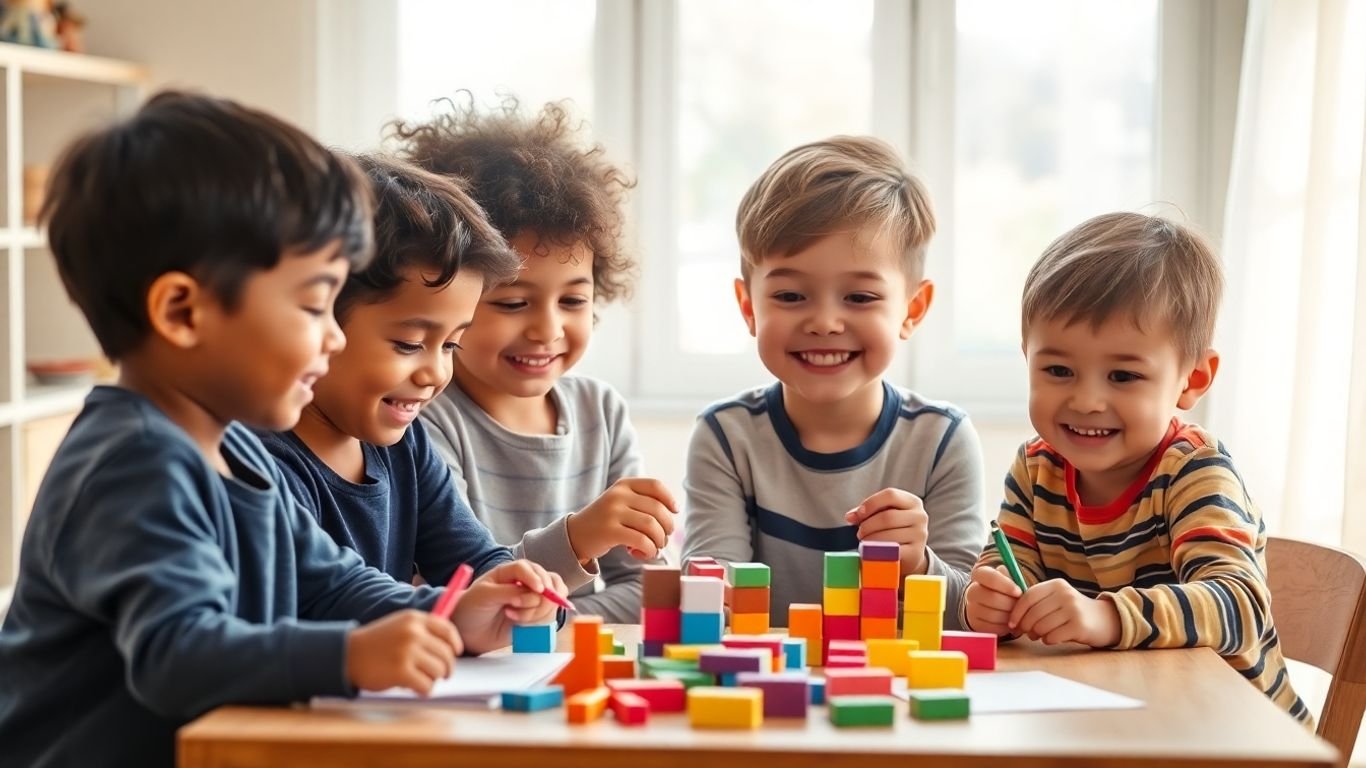
Playdates are gold right now. They’re not just fun; they’re practice for the real world. When kids play together, they learn to share, take turns, and figure out how to solve little disagreements. It’s okay if it’s messy sometimes – that’s part of learning. Encourage them to talk about what they’re playing and how they’re feeling.
- Schedule regular playdates: Aim for at least once a week.
- Join in sometimes: Help guide interactions if needed, but let them try to work things out first.
- Talk about feelings: After play, ask questions like, “How did it feel when Maya took the toy?” and “What could you do next time?”
Teach Emotional Regulation Strategies
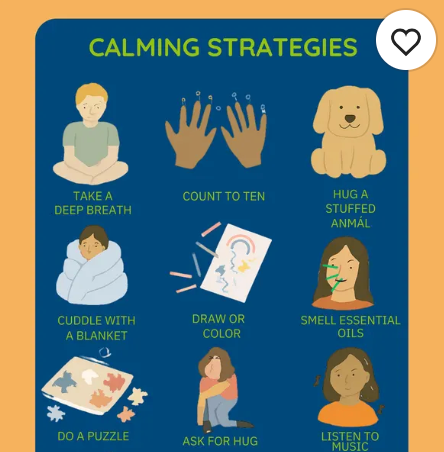
Little kids have big feelings, and they don’t always know what to do with them. Helping them name their emotions is the first step. “Are you feeling frustrated because the blocks fell down?” or “Are you excited because we’re going to the park?” Once they can name it, you can help them find ways to calm down or express themselves appropriately.
Learning to manage big feelings is a skill that takes time and practice. It’s about helping your child understand that all feelings are okay, but not all behaviors are. We want them to learn healthy ways to cope, like taking deep breaths or asking for a hug, instead of hitting or yelling.
Some simple strategies include:
- Deep Breaths: Practice taking slow, deep breaths together. You can make it fun by pretending to smell a flower and blow out a candle.
- Quiet Corner: Designate a cozy spot where your child can go to calm down when they feel overwhelmed.
- Talking it Out: Encourage them to use their words to explain what’s bothering them, even if it’s just a few words.
Prepare For Separation Anxiety
It’s totally normal for kids to feel a bit nervous about leaving you, even if they’re excited about school. The key is to make goodbyes quick and confident. A long, drawn-out goodbye can actually make things harder.
- Practice short separations: Arrange for a trusted friend or family member to watch your child for an hour or two.
- Talk about the school day: Explain what will happen when you drop them off and when you’ll pick them up.
- Create a goodbye ritual: A special hug, a high-five, or a secret handshake can make the transition smoother.
Ensure Key Information Is Known
Getting your child ready for kindergarten isn’t just about ABCs and 123s. There are some really important personal details they need to have down pat. It might seem obvious, but many kids head into school without knowing basic facts about themselves, which can be a little tricky for everyone involved.
Memorize First and Last Name
This is a big one. Your child absolutely needs to know their full name. Not just their first name, but their last name too. Teachers need this for attendance, for identifying their work, and for safety. Practice saying it together, writing it down, and even singing a little song about it. Make it a fun daily review, maybe during breakfast or on the drive to the park. It’s a simple step that makes a huge difference.
Learn Emergency Contact Information
Beyond their name, knowing who to contact if something happens is super important. This includes your name, their other parent’s name (if applicable), and a phone number. You can break it down into smaller chunks. Maybe focus on the phone number first, repeating it often. You could even create a little card they keep in their backpack with this info, though memorization is the goal. This is part of building a good kindergarten readiness checklist.
Understand Basic Personal Details
This category covers a few other bits and pieces that help a child feel more secure and independent at school. Think about:
- Home Address: Knowing the street name and city is helpful. You don’t need them to recite the whole thing perfectly every time, but recognizing it is a good start.
- Parent’s Phone Number: As mentioned, this is key for emergencies.
- Birthdate: While not always a top priority, knowing their birthday month and day can be a nice bonus.
Practicing these details doesn’t have to feel like a chore. Integrate them into everyday conversations and activities. For instance, when you’re driving, point out street signs. When you’re on the phone, have them repeat the number. Small, consistent efforts really add up over time and build confidence.
You’ve Got This!
Getting your little one ready for kindergarten can feel like a big task, especially when you only have a few months. But remember, you’ve learned a lot about building their independence, encouraging their curiosity, and practicing those key skills. It’s not about making them perfect, it’s about giving them a solid foundation and a confident start. Trust the process, trust your child, and know that their kindergarten teacher is there to support them too. Take a deep breath – you’ve done a great job preparing them for this exciting new adventure!
Frequently Asked Questions
How much reading should I do with my child before kindergarten?
Reading aloud to your child every day is super important. It helps them learn new words and understand how books work. While you read, chat about the letters, words, and even the pictures. Letting them turn the pages and finish sentences makes it more fun and helps them get involved. Don’t worry about reading perfectly; sometimes reading a page upside down can be a funny way to show them how books are supposed to be read.
What if my child struggles with a puzzle or task? Should I help them right away?
It’s tough when you see your child getting frustrated, but try your best not to jump in and solve it for them immediately. Giving them space to figure things out on their own builds their problem-solving skills and confidence. Encourage them to keep trying! This helps them develop a ‘can-do’ attitude, which is really valuable.
What kind of independence skills should my child have before starting kindergarten?
By kindergarten, your child should be able to handle basic self-care tasks. This includes getting dressed on their own, like putting on socks, shoes, and coats, and managing zippers and buttons. They should also be able to use the bathroom independently, which means wiping themselves and pulling their pants and underwear back up afterward.
Is it really necessary for my child to know their full name and emergency contact info?
Yes, knowing their first and last name is crucial. In any situation, especially an emergency, they might need to tell someone who they are. It’s also a good idea for them to learn your phone number and maybe their home address. You can practice this during car rides or quiet times; they’ll pick it up faster than you think.
How can I help my child get used to sitting and focusing in class?
Kindergarten requires kids to sit and pay attention for longer periods than they might be used to. You can help build this stamina by having them sit with you during reading time without interruptions. Giving them simple tasks or activity sheets to complete on their own can also help them practice focusing and working independently, which is a big part of school.
My child is nervous about leaving me. How can we prepare for separation anxiety?
It’s normal for kids to feel a little anxious about leaving parents. Establishing a consistent morning and evening routine before school starts can make a big difference. Create a special goodbye ritual, like a hug or a high-five, that signals it’s time for you to leave but reassures them you’ll be back later. Practicing this before the first day can ease their worries.

Ms. Kerri’s Corner provides a exciting virtual space for preschool learning. Through a variety of engaging activities, she exposes young minds to early math, literacy, science and social-emotional skills in a developmentally appropriate way. Centers for blocks, art, books and music allow children to explore hands-on learning at their own pace. Guided lessons subtly introduce number sense, letter sounds and narrative thinking. Careful observation gives insight into each child’s progress across domains. Viewers are also invited to participate, reinforcing that their ideas are valued. By making learning fun yet purposeful, Ms. Kerri lays the groundwork for future academic success while fostering creativity and imagination. Her program offers preschoolers valuable screen-based learning experiences.