Discover the Best Educational Toys for Preschoolers Learning and Development
Figuring out the best educational toys for preschoolers learning can feel like a puzzle itself. You want things that are fun, sure, but also ones that actually help them grow and pick up new skills. It’s not just about keeping them busy; it’s about giving them tools to explore, create, and figure things out. We’ve put together a list of toys that do just that, covering everything from building to pretend play, to help make your choices a little easier.
Key Takeaways
- Building blocks and construction sets help with problem-solving and fine motor skills.
- Puzzles and shape sorters are great for spatial reasoning and hand-eye coordination.
- Pretend play items like play food, dress-up clothes, and dolls encourage imagination and social skills.
- Art supplies and musical instruments allow for creative expression and sensory exploration.
- Balls and ride-on toys promote gross motor development and physical activity.
1. Building Blocks
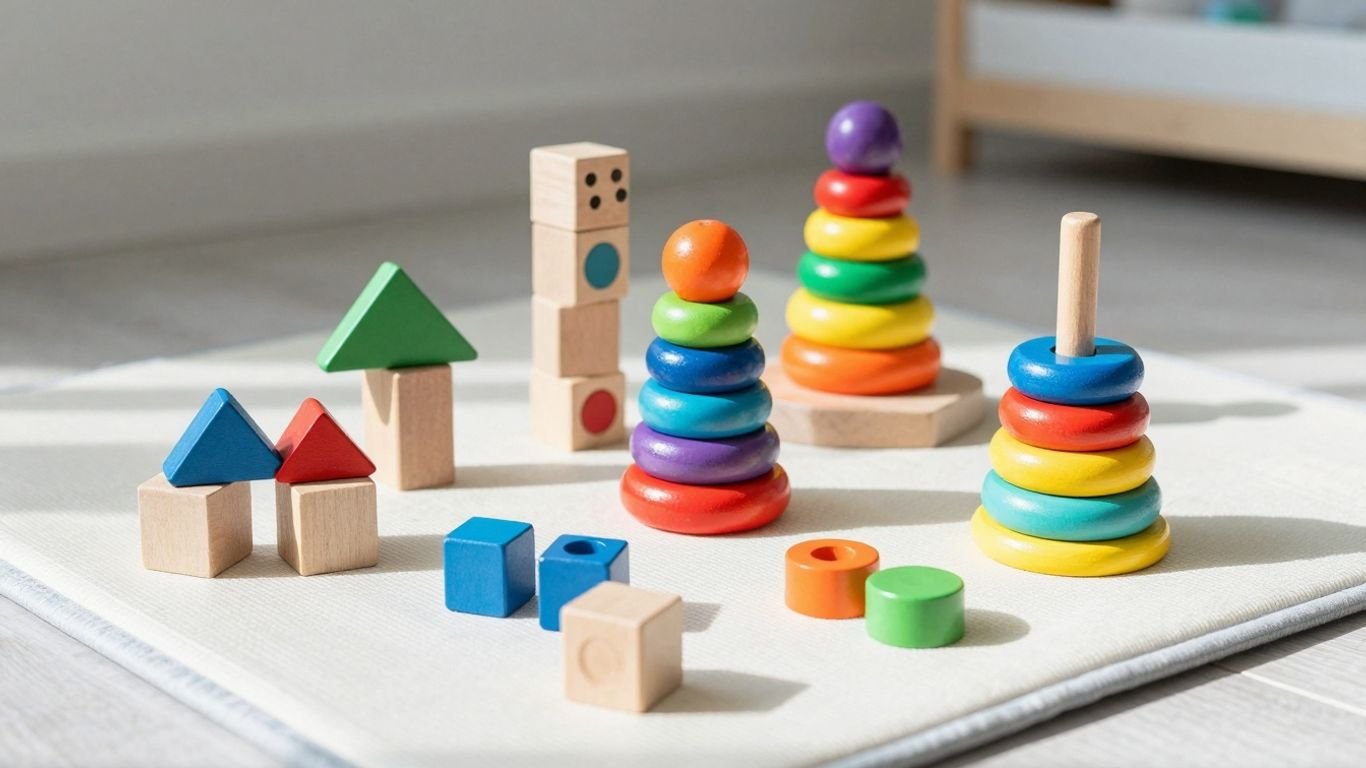
Building blocks are a classic for a reason. They’re simple, open-ended, and kids just seem to naturally gravitate towards them. These toys are fantastic for developing spatial reasoning and problem-solving skills. When a child stacks blocks, they’re not just building a tower; they’re experimenting with balance, gravity, and cause and effect. It’s a hands-on way to learn about engineering principles without even realizing it.
Blocks come in all sorts of materials and sizes, from soft foam for the littlest ones to intricate wooden sets for older preschoolers. Each type offers a slightly different play experience. For instance, larger blocks are great for gross motor skills and building big structures, while smaller, more detailed blocks can help with fine motor control and more complex designs. It’s amazing to see what they come up with!
Here’s a quick look at what makes blocks so great:
- Creativity: Kids can build anything they imagine – castles, cars, abstract sculptures.
- Problem-Solving: Figuring out how to make a tower stable or how to bridge a gap requires critical thinking.
- Fine Motor Skills: Grasping and placing blocks helps develop hand-eye coordination.
- Early Math Concepts: Understanding shapes, sizes, and counting comes naturally with block play.
Blocks are more than just toys; they are tools for early STEM learning. Through constructive play, children develop critical thinking, problem-solving abilities, and creativity. Engaging with blocks fosters a foundational understanding of science, technology, engineering, and mathematics, preparing them for future academic success. Building blocks are essential tools.
When you’re looking for blocks, consider the age of your child and the space you have. Some sets are designed for simple stacking, while others, like magnetic tiles or interlocking bricks, offer even more building possibilities. No matter the type, blocks provide hours of engaging, educational fun.
2. Puzzles
Puzzles are fantastic for little ones. They really help kids work on their problem-solving skills and hand-eye coordination. When a preschooler fits that last piece into a puzzle, you can see the pride on their face! It’s a simple but effective way to build confidence.
What makes puzzles so good?
- They encourage patience and focus.
- Kids learn to recognize shapes and patterns.
- Completing a puzzle gives a real sense of accomplishment.
For younger preschoolers, start with chunky wooden puzzles that have just a few large pieces. As they get older, you can move up to puzzles with more pieces and more complex images. It’s amazing to see how quickly they can progress. You can find a whole collection of educational puzzles designed to make learning fun.
Puzzles are more than just a way to pass the time; they are tools that help children develop critical thinking and spatial reasoning abilities. The process of trial and error, combined with the visual cues of the puzzle image, trains the brain in valuable ways.
When choosing puzzles, think about the number of pieces and the theme. Animals, vehicles, or simple scenes are usually a hit. Don’t be afraid to try different types, like floor puzzles or even simple 3D puzzles, as your child grows.
3. Counting Bears
Counting bears are a simple yet effective tool for teaching young children about numbers and colors. These small, colorful bears come in a set, usually with multiple colors. They are great for little hands to grasp and manipulate, which also helps with their fine motor skills.
These bears are fantastic for introducing basic math concepts in a playful way. They can be used for sorting by color, counting, simple addition and subtraction, and even pattern recognition. It’s amazing how much learning can happen with just a handful of plastic bears!
Here are some ways you can use counting bears:
- Color Sorting: Have your child sort the bears into piles based on their color. This helps with color recognition and categorization.
- Counting Practice: Ask your child to count how many bears are in each color pile, or count the total number of bears.
- Simple Math: Introduce basic addition by combining two piles of bears and counting the total. Subtraction can be shown by taking some bears away from a group.
- Pattern Making: Encourage your child to create patterns with the bears, like red, blue, red, blue, or red, red, blue, red, red, blue.
The versatility of counting bears means they can grow with your child. As they get older, you can introduce more complex activities, like using them to represent quantities in word problems or exploring probability.
They are a classic educational toy for a reason – they are engaging, hands-on, and lay a good foundation for future math skills.
4. Shape Sorter
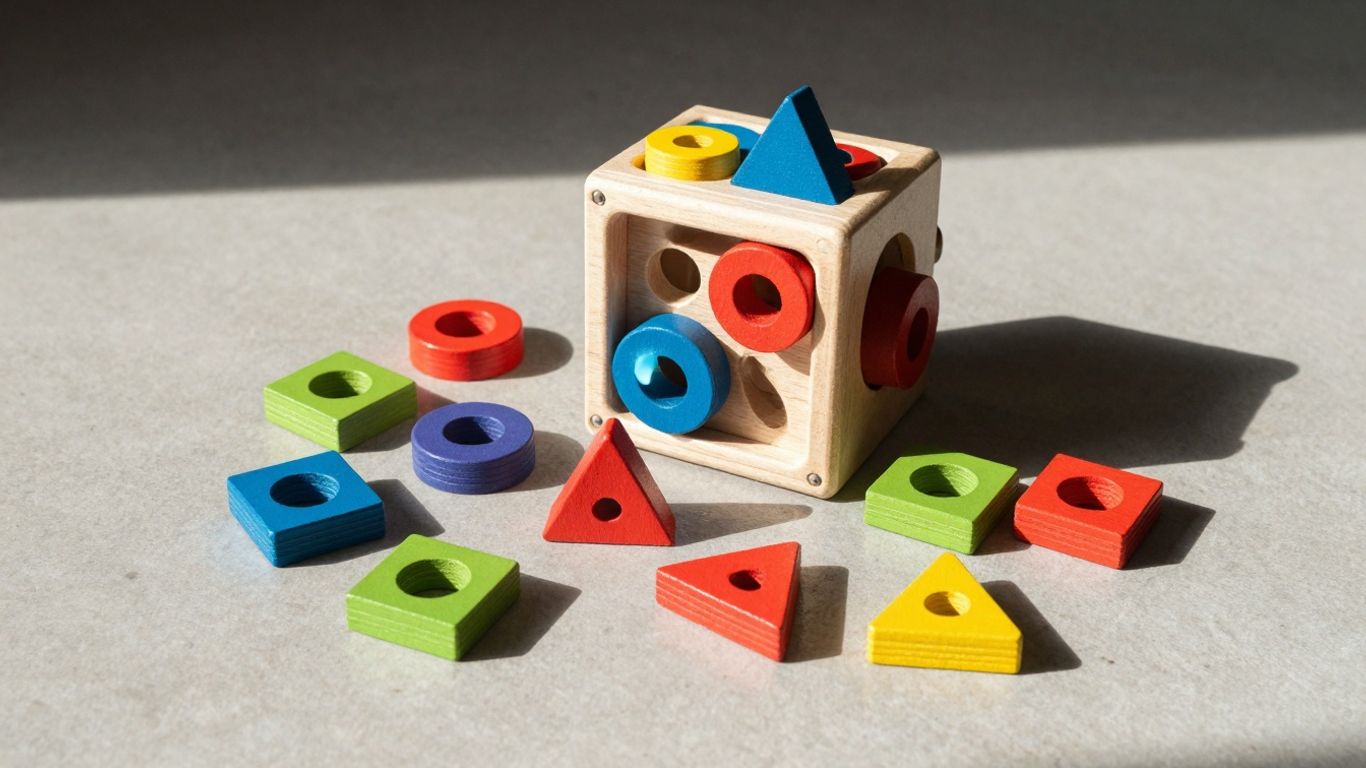
A shape sorter is a classic toy that helps little ones figure out how different shapes fit into corresponding holes. It sounds simple, but it’s a big deal for a preschooler’s brain! This toy is fantastic for developing problem-solving skills and hand-eye coordination.
When a child tries to fit a square peg into a round hole, they’re not just playing; they’re learning about spatial relationships and cause and effect. They learn to observe, compare, and experiment. It’s a hands-on way to grasp concepts like ‘in,’ ‘out,’ ‘fits,’ and ‘doesn’t fit.’
Here’s what makes shape sorters so good:
- Shape Recognition: Kids learn to identify basic shapes like circles, squares, triangles, and stars.
- Fine Motor Skills: Manipulating the shapes and fitting them into the correct slots works those small hand muscles.
- Cognitive Development: It encourages logical thinking and the ability to categorize.
- Patience and Persistence: Sometimes it takes a few tries, teaching kids to keep going until they succeed.
The beauty of a shape sorter lies in its simplicity. It doesn’t need batteries or flashing lights. The learning happens through pure, unadulterated play, which is exactly what preschoolers need. It’s a toy that can be used in many ways, from just sorting to creating patterns or even telling stories about the shapes themselves.
5. Peg Board Set
Peg board sets are fantastic for little hands. They usually come with a board that has holes and a bunch of colorful pegs or shapes that kids can push into those holes. It’s a simple concept, but it does wonders for developing fine motor skills.
Think about it: kids have to pick up each peg, turn it just right, and then push it into a hole. This takes a lot of concentration and hand-eye coordination. It’s not just about sticking pegs in randomly, either. Many sets come with pattern cards, so kids can try to copy a design. This adds a problem-solving element to the play.
Here’s what makes peg boards so great:
- Fine Motor Skill Development: Picking up and placing small pegs really works those tiny muscles in the fingers and hands.
- Hand-Eye Coordination: Kids learn to coordinate what they see with what their hands are doing.
- Color and Shape Recognition: Most peg sets use bright colors and different shapes, giving kids a chance to learn and identify them.
- Patterning and Sequencing: Using pattern cards helps children understand order and how to replicate designs.
These toys are also really good for building patience. When a child is focused on completing a pattern or filling the board, they’re learning to stick with a task. It’s a quiet activity that can keep them engaged for a good while, which is a win for everyone.
When you’re looking for a peg board set, check out options that have larger pegs for younger toddlers, and consider sets that offer a variety of colors and shapes. Some even come with stringing beads that fit the holes, adding another layer of play. It’s a toy that grows with your child, offering new challenges as they get older. You can find some really engaging sets that are perfect for Montessori fine motor activities.
6. Play Food
Play food is a fantastic way for preschoolers to explore the world of meals and cooking without any of the mess. It really sparks their imagination, letting them set up their own little restaurants or grocery stores. This kind of pretend play is super important for social skills, like taking turns and sharing, and it also helps them develop language as they describe what they’re making or serving.
Playing with pretend food helps kids understand different food groups and healthy eating habits. It’s a gentle introduction to concepts they’ll encounter at the dinner table and beyond. Plus, the textures and shapes of different play food items can be a great sensory experience. Engaging children in playing with their food is beneficial for their sensory development. Activities like creating cereal “sand” encourage exploration and learning through tactile experiences, making mealtime a valuable opportunity for growth.
Here are some ways play food helps development:
- Imaginative Play: Kids can create stories, scenarios, and roles, like being a chef or a customer.
- Language Development: They practice new words, describe actions, and engage in conversations.
- Social Skills: Sharing, turn-taking, and cooperating are learned through group play.
- Cognitive Skills: Sorting, matching, and understanding concepts like quantity and size are practiced.
It’s amazing how much learning can happen with a simple set of plastic fruits or a toy kitchen. You can find all sorts of sets, from basic fruit baskets to elaborate play kitchens with accessories, offering endless possibilities for creative fun. These toys are great for developing fine motor skills too, especially when they involve cutting with toy knives or arranging items on plates. It’s a simple way to encourage creativity and learning through pretend play.
7. Dress-Up Clothes
When kids get to play dress-up, it’s more than just putting on a funny hat. It’s a chance for them to step into someone else’s shoes, whether they’re a brave firefighter, a graceful ballerina, or even a roaring dinosaur. This kind of imaginative play is super important for their growing minds. They get to try out different roles and see the world from new perspectives. It helps them understand feelings, practice talking in different voices, and even figure out how to solve little pretend problems.
Dress-up clothes can really help with language development too. As they act out different characters, they’re naturally using new words and phrases they might not use in everyday conversation. It’s a fun way to expand their vocabulary without them even realizing they’re learning.
Here are some ideas for a great dress-up box:
- Old scarves and hats
- Costumes from parties or previous Halloweens
- Accessories like oversized glasses, play jewelry, or a toy stethoscope
- Pieces of fabric or old shirts that can be tied or draped
Pretend play, like dressing up, lets children explore different identities and social situations in a safe environment. It’s a natural way for them to process their experiences and learn about the world around them.
Putting together a dress-up box doesn’t have to be expensive. You can often find great pieces at thrift stores or even use items you already have around the house. The goal is to provide a variety of items that spark their imagination and encourage creative role-playing.
It’s amazing to watch them transform and create their own little stories. They might be a doctor one minute and a chef the next, all while building confidence and social skills.
8. Dolls
Dolls are more than just playthings; they’re companions in a child’s imaginative journey. Through playing with dolls, preschoolers can explore different roles and scenarios, which is a big part of how they learn about the world around them. It’s a fantastic way for them to practice social skills and understand emotions.
Playing with dolls helps kids in a few key ways:
- Emotional Development: Kids can express their feelings by caring for a doll, feeding it, or putting it to bed. This helps them process their own emotions.
- Social Skills: When playing with others, children can take turns being the caregiver or the baby, learning cooperation and empathy.
- Language and Communication: They often create stories and conversations for their dolls, which builds their vocabulary and storytelling abilities.
- Cognitive Growth: Imagining different situations for their dolls encourages creative thinking and problem-solving.
Dolls offer a simple yet powerful way for preschoolers to act out life and develop important life skills. Whether it’s a soft baby doll or a character doll, the pretend play possibilities are endless. It’s about giving them a safe space to experiment with different identities and social interactions.
9. Puppets
Puppets are fantastic for sparking imagination and storytelling. They give kids a way to act out scenarios, explore different characters, and even work through feelings in a safe, playful way. It’s amazing how a simple sock or a felt character can become a whole personality.
Using puppets can help children develop a few different skills:
- Language Development: Kids practice speaking, listening, and forming sentences as they create dialogues for their puppet characters.
- Social-Emotional Skills: Through role-playing, children can explore empathy, understand different perspectives, and practice problem-solving.
- Creativity and Imagination: Puppets are a gateway to creating stories, inventing characters, and building entire imaginary worlds.
There are so many types of puppets available, from simple finger puppets to elaborate hand puppets and even marionettes. For younger preschoolers, simple puppets that are easy to manipulate are best. As they get older, more complex puppets can introduce new challenges and creative possibilities.
Puppets offer a unique way for children to express themselves and engage with the world around them. They can be used for quiet, individual play or for lively group performances, making them a versatile addition to any toy collection.
10. Art Supplies
Art supplies are fantastic for little ones. They really get to express themselves and explore different textures and colors. It’s amazing to see what they come up with when given the chance.
When you’re setting up an art station for preschoolers, think about what’s safe and easy for them to handle. Big, chunky crayons and markers are great because they’re easier to grip. Washable paints and finger paints are a must, because, well, kids paint! And don’t forget plenty of large paper. Construction paper in various colors is also a good addition for collages or cutting practice.
Here’s a quick rundown of what to consider:
- Drawing & Painting: Non-toxic crayons, washable markers, finger paints, large paintbrushes, and plenty of paper (white and colored).
- Cutting & Pasting: Toddler-safe scissors with blunt tips, glue sticks, and various materials for collage like paper scraps or fabric.
- Sculpting: Playdough or modeling clay with simple tools.
Providing a variety of art materials allows children to experiment with different mediums and discover their preferences. It’s not just about the final product, but the process of creation itself.
Safety is key, of course. Make sure everything is labeled non-toxic and washable. For cutting, look for scissors specifically designed for little hands with safety features. You can find some really neat craft kits designed to inspire creativity that come with a good selection of supplies to get you started. It’s a wonderful way to encourage their imagination and build those fine motor skills.
11. Picture Books
Picture books are such a fantastic way to connect with preschoolers and help them grow. They’re more than just stories; they’re windows into new worlds and opportunities for learning. These books often have richer illustrations and more complex narratives than board books, making them perfect for this age group.
When picking out picture books, think about what sparks your child’s curiosity. Are they into animals, vehicles, or maybe fantastical creatures? There are tons of great options out there. Look for books that:
- Have engaging illustrations that tell part of the story.
- Introduce new vocabulary in a natural way.
- Encourage questions and conversations.
- Offer a good rhythm or rhyme, which helps with language development.
It’s amazing how a good story can spark imagination. You can find some really wonderful new releases that are perfect for preschoolers. For example, there are titles that explore different emotions or introduce simple concepts like sharing and friendship. These stories can really help little ones understand the world around them and their place in it. It’s a great way to build their comprehension skills too.
Reading together isn’t just about the words on the page. It’s about the shared experience, the cozy moments, and the way a story can open up discussions about feelings, ideas, and the world. These shared moments build strong bonds and create lasting memories.
Don’t forget that books can also be a springboard for other activities. After reading a book about animals, you could visit the zoo or draw some of the creatures. If you read about building, maybe it’s time to pull out those blocks! It’s all about making learning a fun, integrated part of their day. You can find a great selection of children’s books to explore new picture books that your little one will love.
12. Musical Instruments
Music is a fantastic way for little ones to explore and learn. Introducing preschoolers to musical instruments can really spark their creativity and help them develop a sense of rhythm and timing. It’s not just about making noise; it’s about listening, experimenting, and expressing themselves.
Think about simple instruments like shakers, tambourines, or even a child-sized xylophone. These are great for little hands and provide immediate auditory feedback, which is super engaging for young children. They can learn to keep a beat, follow along with songs, and even start to create their own little tunes. It’s a wonderful way to build coordination too, as they learn to tap, shake, and strike.
Here are a few types of instruments that are great for preschoolers:
- Rhythm Instruments: Things like maracas, rhythm sticks, and tambourines are perfect for developing a sense of beat and timing.
- Melody Instruments: A simple xylophone or a keyboard allows children to explore different notes and create simple melodies.
- Sound Makers: Anything that makes an interesting sound, like bells or even just pots and pans (with supervision!), can encourage auditory exploration.
Playing with music can also help with language development and social skills. When children sing songs together or play instruments in a group, they learn to listen to each other and take turns. It’s a fun, interactive way to learn and grow.
For a great starting point, check out a comprehensive music kit that often includes a variety of instruments and helpful guides for parents or educators.
13. Ride-On Toys
Ride-on toys are fantastic for preschoolers. They’re not just about zooming around the living room or backyard; they’re actually a really great way for kids to build up their physical skills. When a child pushes off with their feet or steers, they’re working on balance and coordination. It’s a fun way to get them moving and exploring their environment.
These toys come in all sorts of shapes and sizes. You’ve got your classic little cars and trucks, but also things like animal-shaped rockers or even small tractors. The key is that the child is in control, using their own body to make it go. This sense of independence is really good for their confidence.
Here’s what makes them so good:
- Gross Motor Skill Development: Pushing off with their feet helps build leg strength and coordination.
- Balance and Coordination: Steering and maneuvering requires them to use their whole body to stay balanced.
- Spatial Awareness: Kids learn how much space they need to move around and avoid bumping into things.
- Pretend Play: Many ride-on toys encourage imaginative play, like pretending to drive to the store or go on an adventure.
These toys offer a playful path to developing important physical abilities. They’re a simple yet effective addition to a child’s toy collection, providing hours of active fun. You can find a great selection of vehicle and train toys for kids who love action. It’s amazing how much they can learn just by playing.
When choosing a ride-on toy, make sure it’s the right size for your child. They should be able to comfortably reach the ground with their feet to push off. Safety is always the top priority, so look for sturdy construction and rounded edges.
14. Balls
Balls are such a simple toy, but they can do so much for a preschooler’s development. From the tiniest baby just learning to track with their eyes to a toddler figuring out how to throw, balls are a constant source of fun and learning. They’re great for developing hand-eye coordination, which is super important for everything from writing to sports later on. Plus, just chasing a ball around the yard is fantastic exercise.
Think about the different ways kids interact with balls:
- Rolling: This is often one of the first ways babies and young toddlers play with balls. It helps them understand cause and effect – push it, and it moves!
- Throwing and Catching: As they get older, they start trying to throw, and eventually, catch. This takes a lot of practice and helps with gross motor skills and spatial awareness.
- Kicking: Another great way to use those big leg muscles and work on balance.
- Bouncing: This introduces concepts of force and rhythm.
Playing with balls is an enjoyable and beneficial activity for children, promoting development, coordination, and fitness. You don’t need fancy equipment either. Sometimes, a rolled-up pair of socks or even a crumpled piece of paper can become a ball for some impromptu fun. It’s amazing how much play value you can get from something so basic. For younger ones, softer, textured balls are great because they’re easier to grip and safe if they end up in their mouths. As they grow, you can introduce slightly larger and firmer balls for more active play. It’s all about meeting them where they are and letting them explore. You can find a variety of simple DIY balls that are easy to make at home.
15. Tunnels
Tunnels are fantastic for little ones. They offer a unique way for kids to engage their bodies and minds. Crawling through a tunnel helps develop gross motor skills, like coordination and core strength. It’s also a great way to build spatial awareness as they figure out how to navigate the enclosed space.
Think about it: a tunnel is like a mini-adventure right in your living room or backyard. It encourages movement and exploration, which is super important for preschoolers. They learn to use both sides of their body at the same time, which is called bilateral coordination. It might sound technical, but it’s just them learning to move their arms and legs together smoothly.
Here’s why tunnels are a hit:
- Physical Activity: Gets kids moving and burning energy.
- Sensory Exploration: Provides a different tactile and visual experience.
- Imaginative Play: Can become a cave, a secret passage, or a race car track.
- Problem-Solving: Figuring out how to get through and where it leads.
Tunnels are more than just a plaything; they’re a tool for development. They encourage independence as children decide when and how to enter and exit, and they can be a safe space for a child to retreat to if they feel overwhelmed. It’s a simple toy that offers a lot of benefits for a growing child.
When choosing a tunnel, look for ones made from durable, easy-to-clean materials. Some even come with fun features like different colored sections or peek-a-boo windows. You can find some really great options for outdoor play that are perfect for warmer weather.
16. Climbing Toys
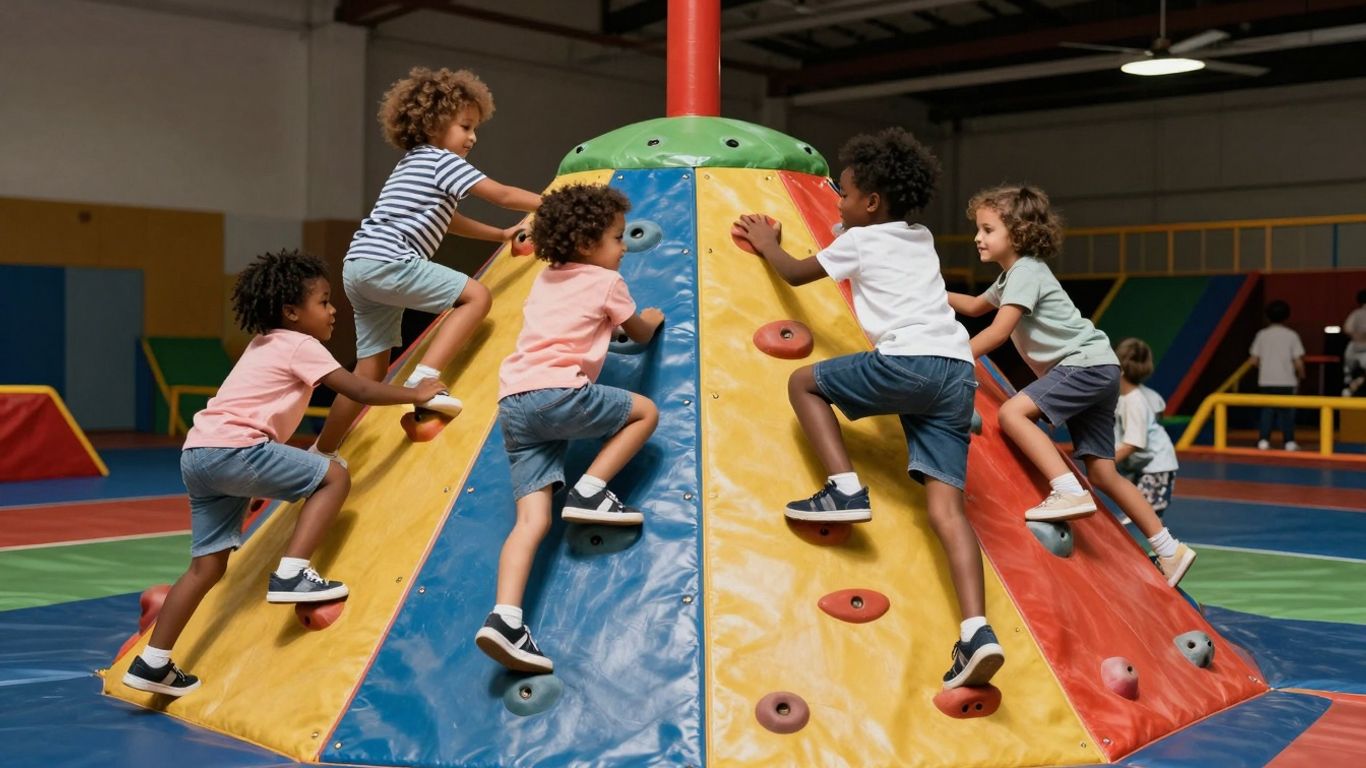
Climbing toys are fantastic for little ones who seem to have boundless energy. They give kids a safe place to explore their physical limits and build confidence. Think of those little indoor climbers, soft play structures, or even sturdy, low outdoor climbing frames. These aren’t just about burning energy; they really help with coordination and balance.
These toys encourage kids to use their large muscles and develop a better sense of their own bodies in space.
Here’s what climbing toys help with:
- Gross Motor Skills: Climbing, reaching, and balancing all work those big muscle groups.
- Problem-Solving: Figuring out the best way to get from point A to point B is a mini-puzzle.
- Spatial Awareness: Understanding where their body is in relation to the climbing structure.
- Confidence Building: Successfully reaching the top of a climb feels like a big accomplishment!
When looking for climbing toys, always check the age recommendations and make sure the materials are sturdy and safe. For younger preschoolers, look for low-to-the-ground options with soft surfaces underneath, just in case.
Climbing structures, whether they’re soft indoor mats with gentle inclines or more elaborate outdoor setups, provide a wonderful outlet for a child’s natural desire to explore their physical capabilities. They offer a chance to test boundaries in a controlled environment, which is super important for development.
17. Workbench Toys
Little builders love to mimic the grown-ups, and a good workbench toy set lets them do just that. These toys are fantastic for developing fine motor skills as kids learn to “hammer,” “screw,” and “build.” They encourage problem-solving and spatial reasoning as children figure out how to put pieces together or complete a task.
When choosing a workbench, look for sets that include a variety of tools and accessories. Things like pretend nuts, bolts, gears, and even a little saw can make the experience more engaging. Some sets even come with project ideas, which can be a great starting point for imaginative play.
Here’s what to look for in a good workbench toy:
- Variety of Tools: Hammers, screwdrivers, wrenches, and maybe even a pretend drill.
- Fasteners: Nuts, bolts, screws, and gears that are easy for little hands to manipulate.
- Project Potential: Pieces that can be assembled into simple structures or vehicles.
- Durability: Sturdy construction that can withstand enthusiastic play.
These toys aren’t just about making noise with a pretend hammer; they’re about engaging a child’s natural curiosity and desire to create. It’s a wonderful way for them to explore cause and effect and understand how things work in a safe, playful environment. The hands-on nature of these toys makes learning feel like pure fun.
18. Construction Sets
Construction sets are fantastic for little builders. They let kids experiment with putting things together, taking them apart, and seeing what they can create. It’s more than just stacking blocks; these sets often involve pieces that connect in different ways, encouraging problem-solving and spatial reasoning. Think about the satisfaction of fitting two pieces together just right to make a wall, or figuring out how to balance a tower so it doesn’t fall over. That’s what construction toys are all about.
These toys really help develop fine motor skills as little hands grasp, twist, and connect the pieces. They also introduce basic engineering concepts in a fun, hands-on way. Kids learn about stability, balance, and how different shapes fit together. It’s a playful introduction to how the physical world works.
Here are some benefits you’ll see:
- Problem-Solving: Figuring out how to make a structure stand or connect pieces requires trial and error.
- Creativity: There’s no single right way to build, so kids can let their imaginations run wild.
- Fine Motor Skills: Manipulating small parts strengthens hand and finger muscles.
- Spatial Awareness: Understanding how objects fit together in space is a key skill.
Construction sets are a great way for children to explore cause and effect. When they build something, they see the direct result of their actions, which is a powerful learning experience. It teaches them that their efforts can lead to tangible outcomes.
When choosing a set, consider the age of your child. Some sets have larger, easier-to-connect pieces for younger preschoolers, while others offer more complex challenges for older ones. The material is also a factor; wood offers a classic feel, while plastic sets might be more colorful and varied. Look for sets that encourage open-ended play, meaning there are many ways to use the pieces, rather than just one specific model to build.
19. Transportation Toys
Little ones are often fascinated by things that move, and transportation toys are a fantastic way to tap into that curiosity. Think beyond just cars and trucks; this category includes trains, planes, boats, construction vehicles, and even ride-on toys. These toys are great for imaginative play and help kids understand cause and effect.
Transportation toys can really help with a child’s development. When they push a car along the floor, they’re working on their gross motor skills. If they’re lining up trains or sorting different types of vehicles, they’re starting to develop organizational skills. Plus, making car noises and creating little scenarios is a big part of developing language and social skills.
Here are a few types of transportation toys that are usually a hit:
- Vehicles: Cars, trucks, buses, emergency vehicles – the more variety, the better!
- Trains: Wooden train sets are classic for a reason. They encourage building and problem-solving.
- Air and Water: Airplanes, helicopters, and boats can spark different kinds of imaginative adventures.
- Construction: Bulldozers, diggers, and dump trucks are perfect for kids who love to build and move things around.
Playing with transportation toys isn’t just about moving things from one spot to another. It’s about creating stories, understanding how things work, and exploring the world around them. A simple toy car can become a race car, a delivery truck, or even a spaceship depending on a child’s imagination.
20. Play Kitchens
Play kitchens are fantastic for letting little ones mimic what they see adults doing. It’s all about pretend play, and honestly, it’s where some of the most imaginative scenarios happen. Kids can whip up a pretend meal, serve it to their stuffed animals, or even run a little restaurant.
These sets really help children develop social skills as they learn to share roles and communicate during their play. They can practice taking turns being the chef and the customer, which is a big deal for their growing social brains. Plus, it’s a great way for them to process everyday experiences they observe.
What can kids do with a play kitchen?
- Prepare pretend meals using play food.
- Serve imaginary guests or family members.
- Practice counting ingredients or setting the table.
- Engage in role-playing scenarios like being a chef or a waiter.
A play kitchen isn’t just about cooking; it’s a whole world of possibilities. Children can explore different roles, practice language, and work on their fine motor skills by manipulating the accessories. It’s a simple toy that opens up a huge avenue for creative thinking and learning about the world around them.
When you’re looking at play kitchens, think about the accessories that come with them. Things like play food, pots, pans, and utensils really add to the experience. Some kitchens even have little ovens and stovetops with knobs that turn, making the pretend play even more realistic. It’s amazing how much learning can happen through such simple, imaginative play.
21. Crayons
Crayons are a classic for a reason. They’re simple, colorful, and let kids get creative without much fuss. Just handing a child a box of crayons and some paper can lead to amazing things. It’s not just about scribbling; coloring actually helps develop fine motor skills as they grip the crayon and try to stay within the lines (or not!). It’s a great way to get them thinking about colors and shapes too.
When picking out crayons for preschoolers, look for a few key things:
- Non-toxic: This is super important since little ones might still put things in their mouths.
- Washable: Because let’s be real, messes happen. Washable crayons make cleanup a breeze.
- Chunky or Triangular: These shapes are easier for small hands to hold and control, which helps with grip development.
Crayons are more than just a coloring tool; they are a gateway to imagination and a fundamental part of early childhood art education. They allow children to express themselves visually, experiment with color mixing, and build confidence with every stroke.
Using crayons can also be a fantastic way to introduce basic concepts. You can ask them to color a specific object a certain color, or count how many red crayons they used. It’s a low-pressure way to practice early math skills and color recognition. Plus, the act of coloring itself is a form of visual engagement that stimulates their brain and encourages self-expression.
22. Markers
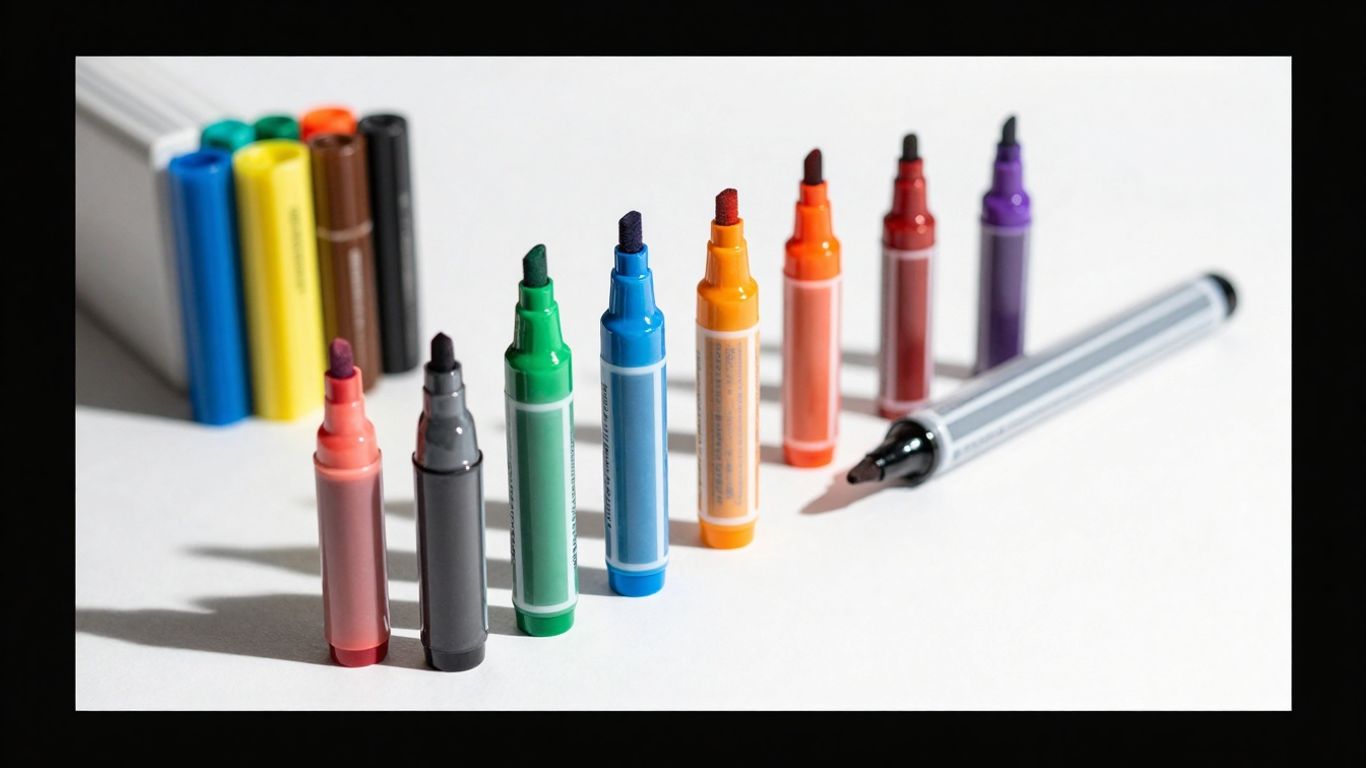
Markers are a fantastic tool for preschoolers to express themselves and develop fine motor skills. They offer a vibrant and accessible way for little hands to create.
When choosing markers for young children, look for a few key features:
- Washable: This is a big one! Accidents happen, and washable markers mean easier cleanup for parents and less worry for kids.
- Non-toxic: Safety first. Always opt for markers specifically designed for children, ensuring they are free from harmful chemicals.
- Chunky or Triangular Barrels: These are easier for small hands to grip and control, which helps with developing hand strength and coordination.
- Broad Tips: For younger preschoolers, broader tips can make coloring within lines a bit more manageable, building confidence.
Markers help with a variety of developmental areas. They encourage creativity, allowing children to bring their imagination to life on paper. The act of holding and controlling a marker also strengthens the small muscles in the fingers and hands, which is important for later writing skills. Plus, it’s a great way to introduce color recognition and mixing.
Using markers can be a simple yet effective way to introduce early art concepts. It’s about the process of making marks and exploring color, not necessarily the final product. Encourage experimentation and let their creativity flow freely.
23. Playdough
Playdough is a classic for a reason. It’s not just about squishing and rolling; it’s a fantastic way for little hands to develop strength and coordination. When kids press, pinch, and shape the dough, they’re working on those fine motor skills that are super important for things like writing and buttoning clothes later on. Plus, it’s a wide-open invitation for imagination.
Think about it: a simple ball of dough can become a snake, a pancake, a pizza, or even a creature from another planet. This kind of open-ended play is where kids really get to experiment and express themselves. It’s a low-pressure way for them to explore textures and colors, and honestly, it can be pretty calming for them too.

Here are some ways playdough really shines:
- Sensory Exploration: The feel of the dough itself is a big part of the experience. It’s cool, soft, and moldable.
- Creativity Booster: Kids can make anything they can dream up, from simple shapes to elaborate scenes.
- Fine Motor Workout: Rolling, pinching, cutting, and pressing all build hand strength and dexterity.
- Problem-Solving: Figuring out how to make a specific shape or structure encourages thinking.
Playdough offers a tactile and engaging experience that supports a child’s development in multiple ways. It’s a simple material that can lead to hours of creative fun and learning.
When you’re looking for playdough, you’ll find tons of options. Some come in pre-made tubs with vibrant colors, while others are kits that let you mix your own. You can even find kits with tools like rollers, cookie cutters, and plastic knives to add another layer of fun and skill-building. It’s a great addition to any preschool learning environment.
24. Chalkboard
A chalkboard is a classic tool that still holds a lot of value for preschoolers. It’s a simple, open-ended toy that lets kids express themselves freely. Think of it as a blank canvas for their imagination.
Chalkboards are great for developing a few key skills:
- Fine Motor Skills: Holding chalk and making marks helps little hands get stronger and more coordinated. This is super important for later tasks like writing.
- Creativity: There are no rules with a chalkboard. Kids can draw, doodle, practice letters, or make up their own games.
- Pre-Writing Skills: Tracing shapes, letters, or numbers on a chalkboard is a fun way to get ready for actual writing.
When choosing a chalkboard, look for one that’s sturdy and a good size for your child. Some come with chalk trays, which are handy for keeping things tidy. Others might be double-sided, offering a whiteboard on the other side for even more drawing options.
Using a chalkboard doesn’t have to be complicated. Sometimes, just letting your child scribble and make their own marks is the most beneficial play. It’s all about exploration and having fun with the process.
Don’t forget to get some chunky chalk that’s easy for small hands to grip. And maybe a damp cloth or eraser for easy cleanup. It’s a simple toy, but the learning possibilities are pretty big.
25. Computer Programs and more
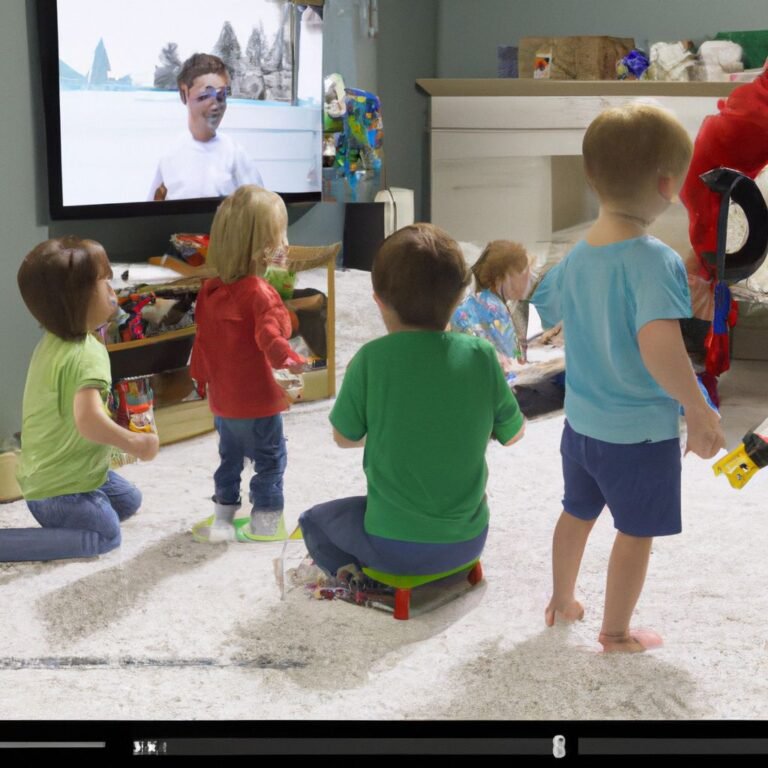
When we talk about educational toys, it’s easy to focus on the physical stuff – blocks, puzzles, and the like. But in today’s world, computers and tablets are a big part of a child’s environment, and there are some really neat digital tools that can help with learning too.
The key is interactivity and age-appropriateness. Think programs where kids can actually do things, not just watch. Good educational software for preschoolers usually has bright graphics and spoken instructions, making it easy for them to follow along without needing to read yet. They should also be able to control the pace, clicking or tapping to move forward or explore different options.
Here are a few things to look for in educational computer programs:
- Interactive Elements: The child’s actions should directly affect what happens on the screen.
- Clear Instructions: Use of graphics and voiceovers is better than relying on text.
- Child-Paced Learning: Kids should be able to decide when to move on or explore further.
- Variety of Concepts: Programs that touch on different skills like numbers, letters, shapes, or problem-solving are great.
While screens can be a concern, when used mindfully, digital tools can offer unique learning experiences. They can introduce concepts in engaging ways and provide practice that feels more like a game than a lesson. It’s about finding a balance and choosing quality content.
Beyond specific software, there are also simple computer peripherals that can be fun. Things like child-friendly keyboards or touchscreens can make interacting with programs easier and more intuitive for little hands. Just remember to always check for safety certifications, especially if the device has any electrical components, and ensure there are no small parts that could be a choking hazard.
Wrapping Up
So, picking out the right toys for your preschooler is a big deal, but it doesn’t have to be complicated. It’s all about finding things that are fun and also help them grow. Whether it’s building blocks, art supplies, or pretend play sets, these toys give kids a chance to learn without even realizing it. Remember, play is how they figure out the world, so choose toys that spark their curiosity and let them explore. Happy playing and happy learning!
Frequently Asked Questions
What makes a toy educational for preschoolers?
Educational toys for preschoolers are those that help them learn new things while they play. They can help kids get better at solving problems, using their hands and bodies, and playing nicely with others. These toys often encourage kids to use their imagination and explore different ideas, making learning fun and exciting.
How do building blocks help preschoolers develop?
Building blocks are fantastic for little ones! They help kids learn about shapes, sizes, and balance. When they stack blocks, they improve their hand-eye coordination and fine motor skills. Plus, building towers or houses sparks creativity and problem-solving as they figure out how to make their structures stand tall.
Why are puzzles good for young children?
Puzzles are like brain games for preschoolers. They teach kids how to look closely at details, recognize patterns, and figure out how pieces fit together. Completing a puzzle gives them a great sense of accomplishment and helps them develop patience and focus.
What skills do counting bears and shape sorters teach?
Counting bears are great for learning numbers, colors, and basic math ideas like sorting and grouping. Shape sorters help children understand different shapes and how they fit into matching holes. Both toys are excellent for developing logical thinking and fine motor skills as kids manipulate the pieces.
How can pretend play toys like play kitchens or dress-up clothes help my child?
Toys that encourage pretend play, such as play kitchens, dolls, or dress-up clothes, are super important for social and emotional growth. Kids can act out different roles, practice communication, and learn to understand feelings. This type of play helps them develop empathy and build confidence as they explore different scenarios.
Are computer programs and apps considered educational toys for preschoolers?
Yes, some computer programs and apps can be very educational. The best ones let children interact, learn at their own speed, and explore different topics. They should have clear instructions and visuals. However, it’s important to balance screen time with hands-on play to ensure well-rounded development.
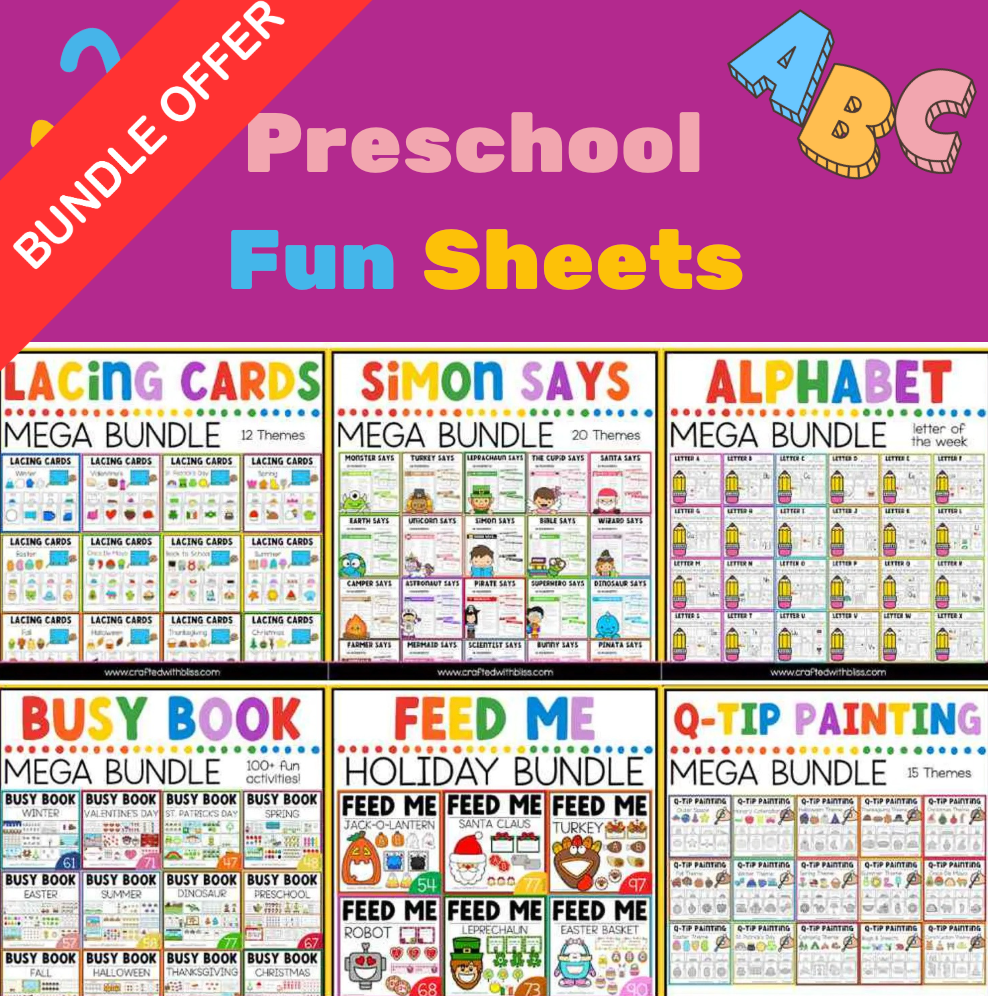

Ms. Kerri’s Corner provides a exciting virtual space for preschool learning. Through a variety of engaging activities, she exposes young minds to early math, literacy, science and social-emotional skills in a developmentally appropriate way. Centers for blocks, art, books and music allow children to explore hands-on learning at their own pace. Guided lessons subtly introduce number sense, letter sounds and narrative thinking. Careful observation gives insight into each child’s progress across domains. Viewers are also invited to participate, reinforcing that their ideas are valued. By making learning fun yet purposeful, Ms. Kerri lays the groundwork for future academic success while fostering creativity and imagination. Her program offers preschoolers valuable screen-based learning experiences.