
Discover the Best Preschool Phonics Program for Your Child’s Early Learning Success
Finding the best preschool phonics program for your child’s early learning success can feel like a big task. There are so many options out there, and you just want what’s best for your little one. This guide is here to help you sort through it all. We’ll look at what makes a phonics program work well, how to pick one that fits your child and your family, and some popular choices that parents like. The goal is to make learning to read feel fun and doable, not stressful.
Key Takeaways
- The “best” phonics program is the one that matches your child’s learning style and your family’s routine. There’s no single perfect fit for everyone.
- Look for programs that teach letter sounds and how to blend them together in a clear, step-by-step way.
- Hands-on and multi-sensory activities can make learning phonics more engaging for young children.
- A good program will offer support and clear instructions for parents, making it easier to teach at home.
- Consider what comes in the program and how easy it is to use daily, aiming for short, consistent learning sessions.
1. Understanding Your Child’s Learning Style
Every kid is different, right? That’s the first thing to remember when you’re looking for a phonics program. Some kids just soak things up by listening, while others need to touch, move, and do things to really get it. Figuring out how your child learns best is like finding the right key for a lock. It makes everything else so much easier.
Think about your child. Do they love building things with blocks? Do they hum along to songs? Or are they happiest when they’re drawing or playing pretend? These clues tell you a lot about their learning style. A program that matches this will feel natural, not like a struggle. If your child is a mover and shaker, a program with lots of games and hands-on activities will probably be a winner. If they’re more of a quiet observer, maybe something with clear instructions and visual aids works better.
Here’s a quick way to think about it:
- Visual Learners: They learn best by seeing. Think charts, colorful letters, and watching demonstrations.
- Auditory Learners: They learn best by hearing. Songs, rhymes, and spoken instructions are their jam.
- Kinesthetic Learners: They learn best by doing. This means hands-on activities, movement, and building things.
Sometimes, we try to fit our kids into a box, but they’re more like little explorers. They’ll show you what works for them if you pay attention. Don’t be afraid to try a few different things until you see that spark of understanding.
It’s also important to remember that kids can have a mix of these styles. The goal is to find a phonics program that offers a bit of everything, or at least leans heavily into what you know works for your child. This way, you’re not just teaching them to read; you’re making learning an enjoyable experience tailored just for them.
2. Matching the Program to Your Teaching Style
Okay, so we’ve thought about how your little one learns best. Now, let’s flip the coin and think about you. Your own style of teaching and how you manage your day really matters when picking a phonics program. Are you someone who likes things super organized with step-by-step instructions, or do you prefer a bit more freedom to go with the flow?
Some parents want a program that’s pretty much “open and go.” You know, you open the book or app, and it tells you exactly what to do for the next 15 minutes. This can be a lifesaver when you’re juggling a million things. Other parents might enjoy spending a little time prepping materials or digging a bit deeper into the ‘why’ behind the phonics rules. It’s about finding what feels right for your energy levels and your schedule.
Think about it like this:
- Structured Programs: These often come with scripted lessons, clear daily plans, and maybe even checklists. They’re great if you want a predictable routine and don’t want to reinvent the wheel each day.
- Flexible Programs: These might offer more choices in activities or allow you to spend more time on concepts your child finds tricky. They’re good if you like to adapt things on the fly or have a child who needs a more personalized approach.
- Hybrid Programs: Some programs mix digital games with physical workbooks, offering variety. This can be a good middle ground.
The most important thing is picking a program you’ll actually use consistently. If a program feels like a chore, you’re less likely to stick with it, and that’s no good for anyone. Be honest with yourself about how much time and mental energy you can realistically put in each day. A program that fits comfortably into your life, rather than adding more stress, is the real winner here.
3. Key Features of Effective Phonics Programs

When you’re looking at different ways to teach your child reading, it’s easy to get lost in all the options. But really, the most successful programs tend to have a few things in common. They aren’t just random activities; they’re built on a solid plan.
First off, systematic instruction is a big one. This means the program teaches letter sounds and how they go together in a specific, logical order. Think of it like building with blocks – you start with the basics and build up. This way, kids learn the code of reading step-by-step, which helps them figure out new words on their own. It’s not about memorizing whole words, but understanding how words are built.
Here’s what that often looks like:
- Direct Teaching: The program clearly shows and tells your child what to do. No guessing involved. For example, it might say, “This is the letter ‘s’, and it makes the /s/ sound. Watch my mouth.”
- Logical Progression: Skills are introduced one after another, with each new lesson building on what was learned before. This prevents gaps and builds confidence.
- Phonemic Awareness Focus: It helps your child hear and play with the individual sounds in words, which is super important before they even start reading.
- Practice Opportunities: Plenty of chances to use what they’ve learned, often with special books that only use the letter sounds they’ve been taught so far.
Many good programs also understand that kids learn best when they’re engaged. So, they often include fun activities that get kids moving or using their hands. This could be anything from tracing letters in sand to playing word games. It makes learning feel less like work and more like play.
A program that clearly explains concepts and follows a step-by-step path helps children build a strong foundation for reading. It’s about giving them the tools to decode words reliably, leading to true reading independence.
4. Multisensory Activities for Hands-On Learners
Some kids just can’t sit still, right? If your little one is always on the move, a program that requires them to stay glued to a chair for ages probably isn’t going to work. That’s where multisensory activities come in. These are activities that use more than one sense at a time. Think about tracing letters in a tray of sand, using colorful magnetic tiles to build words, or playing games where they have to hop or clap out sounds. Engaging multiple senses helps make abstract ideas, like letter sounds, feel more real and, honestly, a lot more fun.
It’s all about turning learning into playtime. When kids can touch, see, hear, and even move while they’re learning, the information tends to stick better. It makes those tricky phonics concepts feel less like homework and more like an exciting discovery.
Here are a few ideas to get you started:
- Letter Formation Fun: Use playdough to roll out letters, trace them with a finger in shaving cream, or build them with pipe cleaners. This tactile approach really helps with letter recognition and formation.
- Sound Hunts: Go on a scavenger hunt around the house or yard looking for objects that start with a specific sound. “Can you find something that starts with the /b/ sound?”
- Word Building Blocks: Use wooden blocks with letters on them, or magnetic letters on the fridge, to build simple CVC (consonant-vowel-consonant) words. Have your child sound out the word as they build it.
- Rhyming Games: Sing rhyming songs, read rhyming books and pause to ask for rhyming words, or play a simple rhyming matching game with cards.
When you incorporate these kinds of active, hands-on methods, you’re not just teaching phonics; you’re building a positive association with learning. It shows your child that reading can be an adventure, not a chore. This positive attitude is a big deal for keeping them curious and eager to learn more.
5. Tools to Track Your Child’s Progress
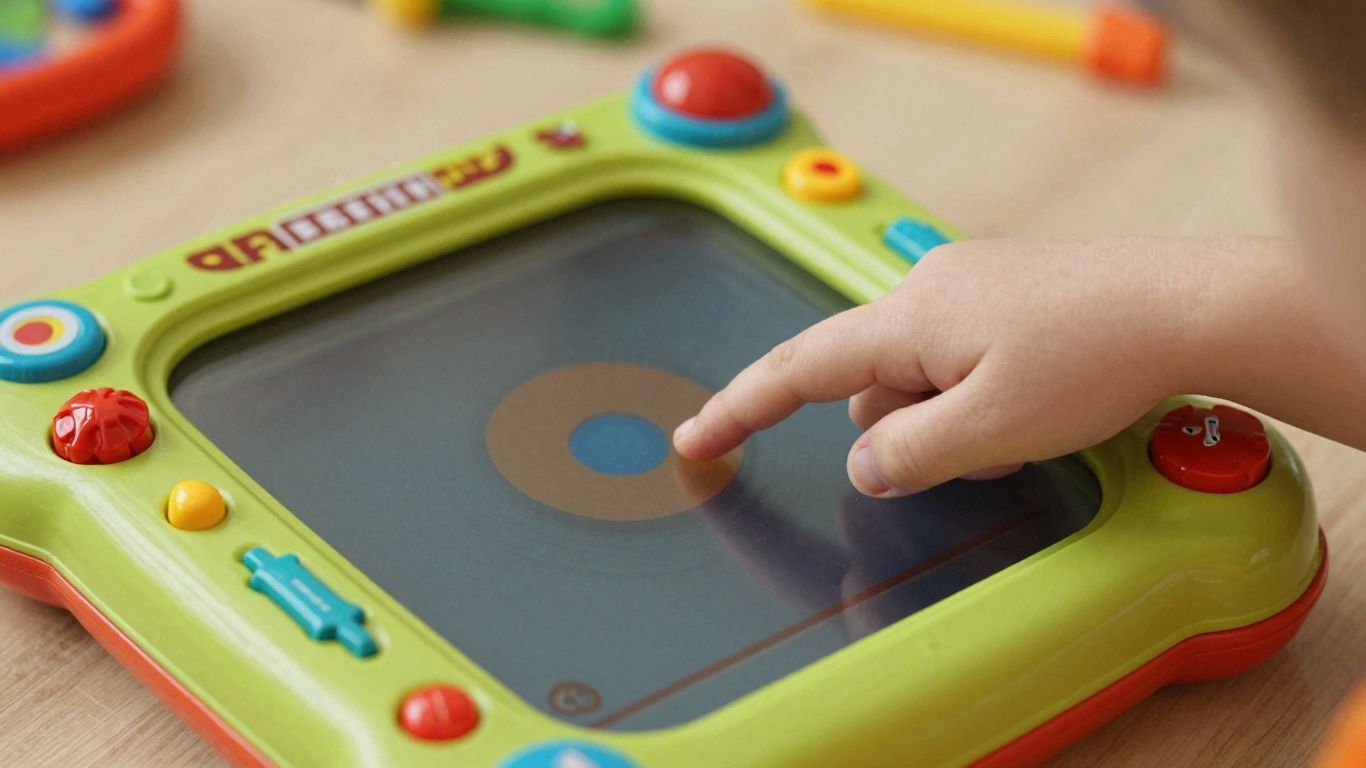
Watching your child learn to read is such a rewarding experience, and keeping tabs on their progress helps you celebrate those wins and know when to offer a little extra support. It’s not just about big tests; it’s about noticing the small steps forward. You’ll see it when they start sounding out letters on signs or when they finally blend sounds together to read a word like ‘dog’.
Tracking progress doesn’t have to be complicated. Many phonics programs come with built-in tools, like checklists or simple assessments, that show you exactly what skills your child has mastered and what might need more practice. These tools often follow a clear sequence, so you know your child isn’t missing anything important. It’s like having a roadmap for their reading journey.
Here are some ways to keep track:
- Observation: Simply listen and watch during reading practice. Can they sound out new words? Are they recognizing sight words?
- Program Assessments: Many programs offer short quizzes or activities to check understanding after a lesson or unit.
- Decodable Books: These books are designed so your child can read most of the words using the phonics skills they’ve learned. Success with these books is a great indicator of progress.
- Progress Charts: A simple chart where you can mark off mastered skills or completed lessons can be very motivating for both of you.
Some programs even use technology to help. For instance, certain reading apps can listen to your child read and give you real-time feedback on their decoding abilities. This kind of instant insight can be super helpful. You can find tools that quickly assess phonics and spelling skills for learners from kindergarten to adult, measuring decoding and encoding abilities efficiently assess phonics and spelling skills.
It’s important to remember that every child learns at their own pace. What matters most is consistent effort and celebrating the progress, no matter how small it may seem. Don’t get too caught up in comparing your child to others; focus on their individual journey and growth.
6. Support and Resources for Parents
You’re the main teacher for your kid, and a good phonics program should make that easier, not harder. Look for programs that give you the tools you need, like a clear guide, maybe some videos, or even a phone number to call if you get stuck. Some companies have online groups where parents can chat about what’s working and what’s not. You don’t need to be a reading expert to help your child learn to read. The best programs give you simple, practical advice and activities you can use every day. Think of it like this: you wouldn’t try to build a shelf without instructions, right? Learning to read is similar, and having good support makes a big difference.
Don’t underestimate the power of community. Connecting with other parents who are going through the same thing can be a lifesaver. You can swap ideas, share frustrations, and celebrate those little wins together. It’s good to know you’re not alone in this.
Here are a few ways to get extra help:
- Parent Guides and Online Training: Many programs offer simple guides or short videos that explain how to use the materials and suggest fun activities. These are great for understanding the why behind the lessons.
- Online Communities and Forums: These are places where parents and sometimes teachers share tips, ask questions, and offer encouragement. It’s a good spot to find out what works for other families.
- Customer Support: If you have a specific question about the program or your child’s progress, a responsive customer support team can be really helpful.
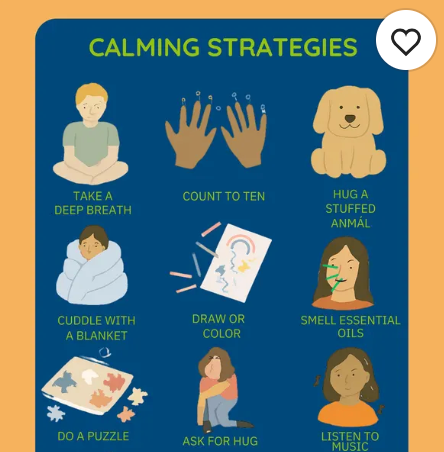
Sometimes, even with the best resources, you might feel like your child is really struggling. It’s okay to trust your gut. If something feels off, don’t hesitate to talk to your child’s teacher or a reading specialist. Getting extra help early on can make a big difference down the road.
7. What Comes in the Box and How to Use It
When you’re looking at different phonics programs, it’s super important to know exactly what you’re getting. Some programs are mostly digital, with online games and activities. Others come with a whole box of stuff – think physical books, workbooks, flashcards, maybe even little manipulatives like letter tiles or magnetic letters. You’ll want to figure out which style works best for your family and your child’s learning habits.
Most programs suggest short, regular lessons. We’re talking maybe 15-20 minutes a day. It sounds like not much, but it’s usually way better than trying to cram everything into one long session. Consistency is key here. Before you buy, see if you can find sample lessons online. This is a great way to check if the instructions are clear and if the activities seem like something your child will actually enjoy. You want a program that feels easy to jump into, not one that adds more stress to your already busy schedule.
Here’s a quick rundown of what you might find:
- Physical Materials: Workbooks, storybooks, letter tiles, flashcards, activity sheets.
- Digital Components: Online games, interactive lessons, video tutorials, printable resources.
- Teacher/Parent Guides: Step-by-step instructions, lesson plans, tips for teaching.
The goal is to find a package that makes teaching phonics feel intuitive and manageable for you.
Understanding the contents and how to use them upfront can save a lot of confusion later. It helps you set realistic expectations and prepare for the learning journey ahead.
8. Finding the Right Fit for Your Child’s Age
Picking a phonics program isn’t a one-size-fits-all deal, especially when you think about your child’s age. What works for a preschooler just learning their ABCs will be totally different from what’s needed for a kindergartener ready to blend sounds. You’ve got to make sure the program meets your child right where they are developmentally.
Think about it like this:
- Younger preschoolers (ages 3-4): These little ones are usually just getting familiar with letters and their sounds. Programs for this age often focus on letter recognition, basic sound-matching, and fun, playful activities. Think songs, simple games, and lots of repetition.
- Older preschoolers/Kindergartners (ages 4-5): By this stage, kids are often ready to start blending sounds together to make simple words. The program should guide them through this process, introducing short vowel sounds and CVC (consonant-vowel-consonant) words. Decodable readers become really helpful here.
- Early Elementary (ages 5-6+): If your child is a bit older or has had some exposure already, they might be ready for more complex phonics patterns, like digraphs (sh, ch, th), blends (bl, st, tr), and longer vowel sounds. The pace might pick up a bit, and the reading material will likely become more challenging.
The key is to look at the program’s recommended age range, but also consider your child’s individual skills. Some kids are ready for more advanced concepts earlier, while others need a bit more time. A good program will have clear starting points and allow you to adjust the pace. You don’t want something too simple that bores them, or too complex that frustrates them. It’s all about finding that sweet spot where they feel challenged but also successful.
9. Comparing Costs and Long-Term Value
When you’re looking at phonics programs, the price tag is definitely something to consider. It’s easy to get caught up in the initial cost, but it’s really important to think about the long-term value too. Some programs are a one-time purchase, which might seem like a lot upfront, but then you’re done. Others are subscriptions, meaning you’ll pay a monthly or yearly fee. Think about whether the materials are sturdy and can be used again if you have more kids down the road. A program that costs more initially might actually be a better deal if it lasts for years and can be passed on.
Here’s a quick look at how different types of programs might stack up:
| Program Type | Typical Cost Structure | Potential Long-Term Value |
|---|---|---|
| Physical Kit | One-time purchase | High, if durable and reusable with siblings. |
| Subscription (Digital) | Monthly/Annual fee | Ongoing access to updates and new content. |
| App-Based | Monthly/Annual fee | Convenience, often includes games and progress tracking. |
Don’t forget to factor in the cost of any extra supplies you might need. Sometimes a program looks affordable, but then you realize you have to buy special markers, workbooks, or even specific books to go along with it. That can add up quickly.
Consider what you’re getting for your money. Does it include a teacher’s guide? Are there online resources? What about parent support? These extras can make a big difference in how effective the program is for you and your child. It’s not just about the price, but about the overall benefit you receive. For example, Hooked on Phonics has different pricing tiers, and understanding what’s included in each can help you make a smart choice.
Sometimes, the most expensive option isn’t the best value. It’s about finding a program that fits your budget and provides the resources you need to help your child succeed without causing financial stress. Think of it as an investment in their future reading skills.
10. Teach Your Child to Read in 100 Easy Lessons
This book, first published way back in 1986, is a classic for a reason. Siegfried Englemann and Phyllis Haddox created a program that really empowers parents to feel like they can teach their kids to read right at home. It’s pretty straightforward, and it sticks to a phonics-based approach, which is great.
The idea is that you can see results by spending just 20 minutes a day with your child. It’s broken down into 100 lessons, and the book promises that your child will become quite competent after working through them. It’s a simple, step-by-step method that doesn’t require any fancy tools, flashcards, or storybooks – just you and your child.
However, it’s worth noting that the lessons can sometimes feel a bit academic. If your child is used to more playful learning, they might find it a little dry. Also, while the 20-minute commitment is a good starting point, some lessons might naturally take longer as the concepts get more complex. This could be a challenge for younger kids or those who have a harder time sitting still for extended periods.
The program’s strength lies in its direct, systematic instruction. It’s designed for parents who want a clear roadmap to teaching phonics without needing prior teaching experience. The focus is on consistent daily practice.
Here’s a quick look at what to expect:
- Lesson Structure: Each lesson builds on the previous one, introducing new sounds and blending them into words.
- Parental Role: You’ll be reading aloud, guiding your child through the exercises, and providing positive reinforcement.
- Pacing: While the goal is 100 lessons, the actual time it takes can vary based on your child’s pace and your consistency.
The main takeaway is that this book is a solid, no-frills phonics program. It works well if you and your child can stick to the daily routine and if your child doesn’t mind a more direct teaching style.
11. All About Reading
All About Reading is a program that really focuses on making reading accessible, especially for kids who might be finding it a bit tricky or who just learn better by doing things themselves. It uses a method called Orton-Gillingham, which is all about breaking down reading into small, easy-to-follow steps. The lessons are written out for you, so you know exactly what to say and do, which is super helpful when you’re juggling a million things.
Most families spend about 20 minutes on the actual lesson and then another 20 minutes reading together. It’s definitely on the pricier side, but a lot of parents feel the detailed, step-by-step approach is worth the cost.
Here’s a quick look at what you can expect:
- Multi-sensory approach: Engages sight, sound, and touch.
- Scripted lessons: Takes the guesswork out of teaching.
- Gradual progression: Builds skills step-by-step.
- Reading practice: Includes time for applying learned skills.
This program is designed to be very clear and direct. It aims to build a strong foundation by teaching letter sounds and how to blend them into words. The focus is on making sure the child truly understands each concept before moving on, which can be great for preventing gaps in learning.
The program is structured to build confidence and a love for reading. It’s a solid choice if you’re looking for a thorough and systematic way to teach your child to read.
12. Reading Eggs
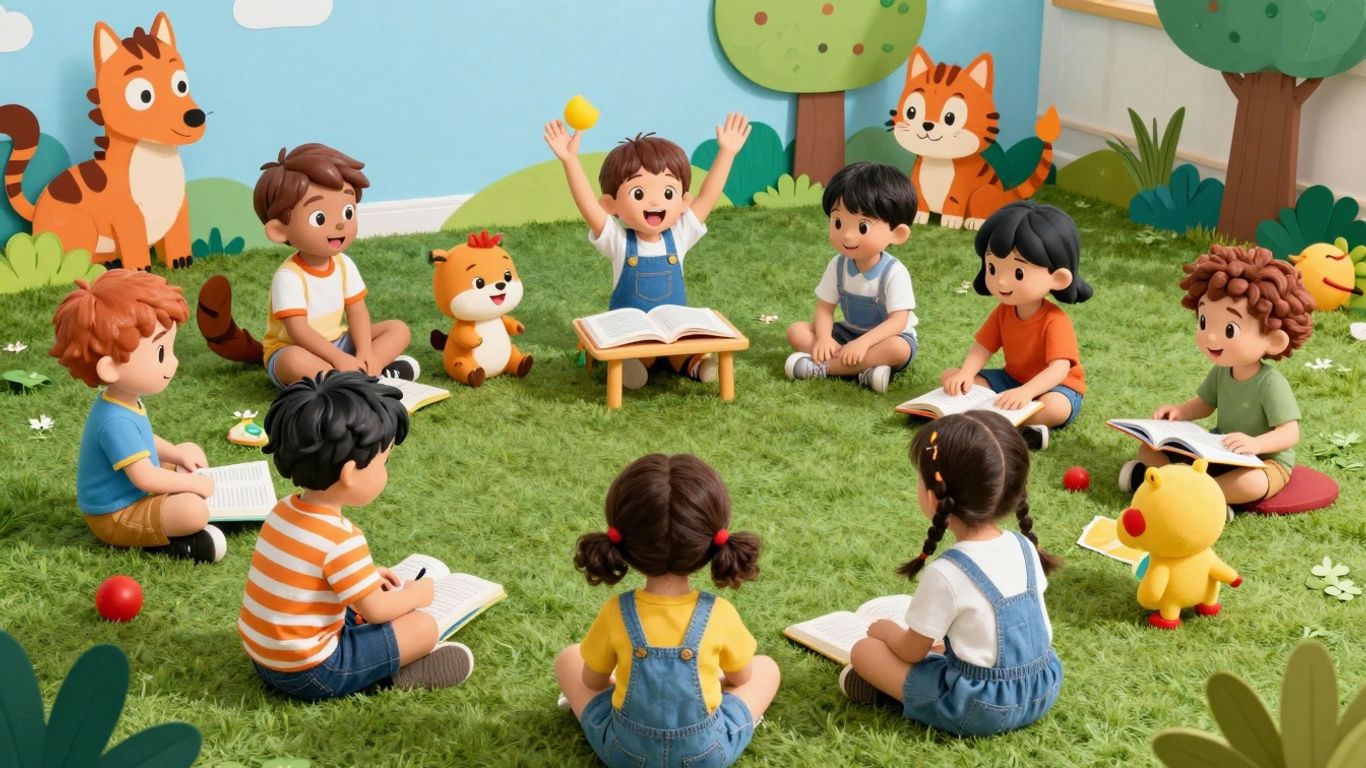
Reading Eggs is a pretty popular online program that aims to teach kids how to read. It’s got a ton of activities, like over a hundred, so there’s usually something new to keep your child engaged. It covers a lot of ground, from the very basics of sounds to reading comprehension and fluency, and it’s designed for a pretty wide age range, from toddlers up to around 13 years old.
One of the things parents often like is that the lessons are usually short, around 15 minutes or less. This can be good for younger kids who have shorter attention spans. Plus, there’s a parent dashboard so you can keep an eye on how your child is doing and what they’ve been working on. It’s kind of a “set it and forget it” kind of deal if your child is an independent learner, which can be a lifesaver for busy parents.
However, there’s a bit of a catch. Because it’s so screen-based, some worry about the amount of time kids spend looking at a device. While it’s designed to be fun and engaging, it can sometimes feel a bit passive compared to more hands-on activities. Also, while it does use phonics, sometimes it introduces words before all the letter sounds have been taught. This might lead to some confusion or have kids guessing at words instead of sounding them out, which isn’t ideal for building a solid phonics foundation.
While Reading Eggs offers a wide variety of games and activities, it’s worth considering how much screen time is involved and whether the phonics approach aligns perfectly with your child’s learning needs. Some children might benefit more from a program that explicitly teaches letter sounds before introducing words that rely on those sounds.
Here’s a quick look at what it offers:
- Age Range: 2-13 years old
- Lesson Length: Typically 15 minutes or less
- Key Skills Covered: Phonemic awareness, phonics, vocabulary, reading comprehension, fluency
- Parental Involvement: Parent dashboard for progress tracking, but designed for independent learning
It’s definitely worth checking out their free trial to see if it clicks with your child before committing.
13. Teach Your Monster to Read
Teach Your Monster to Read is a really fun, game-based program that aims to help kids get through the first couple of years of learning to read. It’s designed for pre-K and kindergarten ages, and the best part? It’s completely free! This is made possible by a foundation that supports early literacy, which is pretty cool.
While it’s not a full, step-by-step phonics curriculum on its own, it’s a fantastic supplement to whatever reading plan you’re using. Think of it as a way to add some extra fun and practice. The games do teach letter sounds and how to sound out words, which is key to phonics. However, the games aren’t always presented in a strict order. This means a child might jump to a new concept before they’ve fully grasped the previous one, which could be a bit confusing for some kids.
It’s a great way to keep kids engaged with reading practice. You’ll probably need to be nearby to help out, especially with the mouse controls, as the games aren’t always super obvious. But for free, engaging practice, it’s hard to beat.
Here’s a quick look at what it offers:
- Game-based learning: Kids play through a series of games.
- Focus on sounds: Teaches letter sounds and blending.
- Free to use: No cost involved.
- Supplemental tool: Best used alongside another reading program.
Because the games aren’t always in a set sequence, it’s best to use Teach Your Monster to Read as a way to reinforce what your child is learning elsewhere, rather than as their sole reading instruction.
14. Hooked on Phonics
Hooked on Phonics has been around for a while, and for good reason. It’s a program designed to teach kids how to read using a systematic phonics approach. They break down reading into manageable steps, starting with letters and their sounds, then moving on to blending those sounds into words, and eventually reading simple stories. It’s pretty neat how they build on skills like that.
The program uses a mix of online games and activities through their app, along with physical workbooks that get mailed to you. This multisensory approach is supposed to help kids learn better by engaging different senses. The idea is that by combining screen time with hands-on activities, kids stay more interested and absorb the material more effectively.
Here’s a general breakdown of how it works:
- Learn: Kids start with the basics, like letter recognition and the sounds each letter makes. This is all done through fun games and songs in the app.
- Practice: Once they know their letters, they move on to blending sounds to read simple words. The app has games for this, and the workbooks offer more practice.
- Read: The program provides custom storybooks that are written using the words and phonics patterns the child has just learned. This helps them apply their new skills in a real reading context.
- Succeed: There are rewards built into the program, like stickers and certificates, to celebrate milestones. This is a nice touch to keep motivation high.
One thing to note is that while the program is designed for kids to use somewhat independently, some children might need a little extra guidance, especially with certain activities in the app. Also, if you’re trying to limit screen time, the app component might be something to consider. The lessons can sometimes be around 20 minutes long, so it might work best for kids who can focus for that duration. However, many parents find it worth the investment for the reading progress their children make, with some reporting significant gains in just a few weeks. It’s a popular choice for parents looking for a structured way to support their child’s reading journey.
The program aims to build confidence alongside reading skills, making the learning process a positive experience. It’s designed to be flexible, allowing children to progress at their own pace without the pressure of grade-level expectations.
15. Little Lions Literacy
Little Lions Literacy is a publisher that really focuses on making reading feel like a positive experience for young kids. They’ve put together a program that’s all about systematic phonics, which is great because it gives kids a clear path to follow. Instead of just throwing a bunch of random words at them, they use sets of decodable books. These books are designed so that kids can actually read the words using the phonics skills they’ve just learned. It’s a smart way to build confidence because they’re not constantly running into words they can’t sound out.
What I like about their approach is that the stories are illustrated and made for little hands and minds. This means they’re not too long or complicated, which is perfect for preschoolers and even kids up to second grade. It’s a straightforward way to get them reading, and it seems like they’ve really thought about how kids learn best. If you’re looking for a program that’s fun and effective, Little Lions Literacy is definitely worth checking out. They offer resources that can help your child build a strong foundation for reading success.
They provide a structured scope and sequence, which means you always know where you are in the learning process. This kind of order can be really helpful for both parents and kids, taking some of the guesswork out of teaching reading. You can find more information about their approach and resources on their website.
Little Lions Literacy’s program includes:
- Engaging decodable books with clear phonics progression.
- Resources designed for young learners.
- A focus on building reading confidence through success.
- A systematic approach to teaching reading skills.
It’s important to remember that every child learns at their own pace. While a structured program like Little Lions Literacy provides a great framework, flexibility and patience are key. Celebrating small wins and making learning enjoyable will go a long way in fostering a lifelong love of reading.
16. Benefits of Systematic Phonics Instruction
Learning to read can seem like a big puzzle for little ones, and a systematic phonics program is like giving them the instruction manual. Instead of just looking at words and guessing, kids learn the actual code of our language. They learn which sounds go with which letters, and then how to put those sounds together to read words. It’s a step-by-step process, so they aren’t trying to learn everything all at once.
This method really helps kids become independent readers. When they encounter a new word, they have a strategy to figure it out. They can sound it out! This builds their confidence because they aren’t relying on just pictures or memorizing a few words. It’s about giving them the tools to tackle any word.
Here are some of the main advantages:
- Clear Path to Reading: It breaks down reading into manageable steps, starting with basic letter sounds and building up to more complex word patterns. This logical order prevents confusion and builds a solid foundation.
- Decoding Skills: Children learn to sound out words, which is the key to reading unfamiliar text. This skill is directly taught, not just implied.
- Improved Comprehension: When kids can read words easily, they can focus more on understanding what the story or text is actually about.
- Stronger Spelling: The connection between sounds and letters learned for reading also helps with spelling.
When children learn phonics in a structured way, they gain a reliable method for decoding words. This direct instruction helps them understand the relationship between letters and sounds, making the process of reading less about memorization and more about understanding the language’s structure. It’s a predictable journey that equips them with the skills to become confident readers.
Think about it like learning to build with LEGOs. You start with a few basic bricks and learn how they connect before you try to build a spaceship. Systematic phonics does the same for reading. It teaches the basic building blocks of words first, making the whole process much less intimidating and a lot more successful for your child.
17. Building Phonemic Awareness
Phonemic awareness is all about hearing and playing with the sounds in words. It’s not about looking at letters on a page, but rather listening to spoken language. Think of it as the ability to break down words into their individual sounds, or phonemes. For example, the word ‘cat’ has three sounds: /c/, /a/, and /t/. Before a child can connect those sounds to the letters ‘c’, ‘a’, and ‘t’ to read the word, they first need to be able to hear those distinct sounds.
This skill is a really strong predictor of how well a child will learn to read later on. It’s like building the foundation for a house; without a solid base, the whole structure can be wobbly. You can help build this foundation through simple, everyday activities.
Here are some ways to practice:
- Rhyming Games: Say a word and ask your child to come up with another word that sounds the same. “What rhymes with ‘sun’?” You can find lots of rhyming books, too. Julia Donaldson’s books are fantastic for this. Try rhyming games with your child.
- Sound Isolation: Ask your child to identify the first, middle, or last sound in a word. “What’s the first sound in ‘dog’?” (/d/)
- Sound Blending: Say sounds separately and have your child put them together to make a word. “What word do you get if you put /b/, /a/, /t/ together?” (bat)
- Sound Segmentation: Say a word and have your child break it into its individual sounds. “What sounds do you hear in ‘fish’?” (/f/, /i/, /sh/)
These sound games don’t need to be long or complicated. Short, fun bursts of practice throughout the day are often the most effective. The key is to make it playful and engaging, not like a chore.
Remember, phonemic awareness is a listening skill. It’s the auditory part of reading readiness. Once a child can hear and manipulate sounds, they’re much better equipped to understand how those sounds connect to letters and eventually form words.
18. The Role of Decodable Books
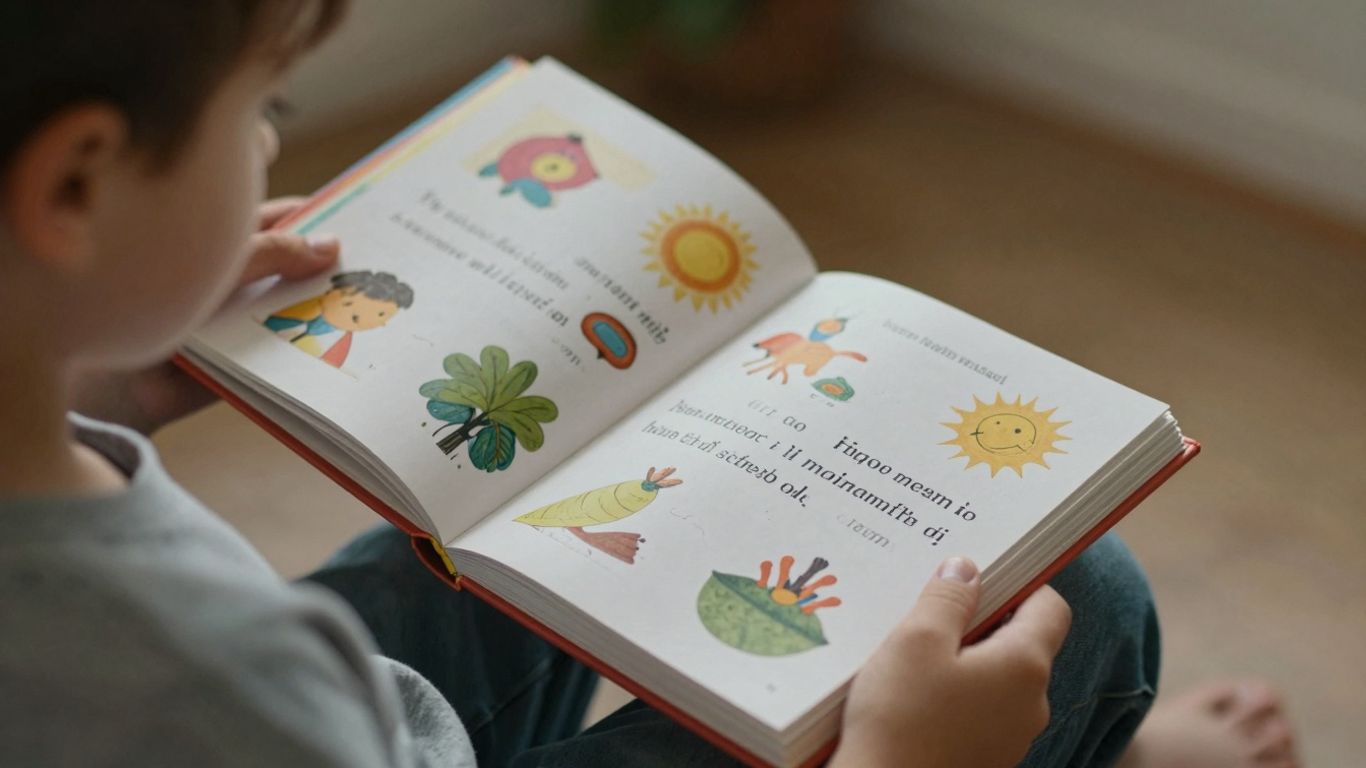
So, you’ve been working on phonics with your little one, teaching them about letters and the sounds they make. That’s awesome! But what happens next? This is where decodable books really shine. Think of them as the practice field for all the skills you’ve been teaching. These books are specifically written so that a child can read them using the phonics rules they’ve already learned.
Instead of just random stories, decodable books are carefully put together. They focus on specific letter sounds and patterns that your child has been introduced to. This means when your child encounters a word like ‘cat’, they can sound it out using the ‘c’, ‘a’, and ‘t’ sounds they know. It’s not about guessing or memorizing whole words; it’s about applying those phonics skills directly.
Why is this so important?
- Builds Confidence: When kids can successfully read words on their own using learned skills, it’s a huge confidence booster. They see that the phonics lessons are actually working!
- Reinforces Learning: Reading decodable books gives kids a chance to practice those letter-sound connections over and over in a meaningful context.
- Develops Fluency: The more they read these controlled texts, the faster and smoother they become at decoding words.
- Prevents Bad Habits: By focusing on sounding out words, decodable books help prevent children from relying on guessing or memorizing, which can cause problems later on.
Decodable books are not just simple stories; they are a bridge. They connect the explicit phonics instruction a child receives with the actual act of reading connected text. Without them, the phonics skills might stay in the ‘lesson’ and not make it into the ‘reading’.
When you’re choosing decodable books, look for ones that align with the phonics sequence you’re following. Some programs even come with their own sets of decodable readers. It’s a really effective way to see those early reading skills take flight.
19. Frequently Asked Questions About Phonics
So, you’re diving into the world of phonics for your little one, and naturally, questions pop up. It’s totally normal! Let’s clear up some common ones.
What’s the difference between just teaching the ABCs and a real phonics program?
Learning the alphabet is a good start, sure. It’s about recognizing letters and knowing their names. But phonics? That’s where the magic happens. A phonics program teaches your child what sounds those letters make and, more importantly, how to put those sounds together to read words. It’s like learning the secret code to reading. Think of it as moving from knowing the actors’ names to understanding the script they’re performing.
- ABCs: Letter names and shapes.
- Phonics: Letter sounds and blending sounds into words.
- Systematic Phonics: A structured, step-by-step approach to teaching letter-sound relationships.
A systematic approach means kids learn the building blocks of reading in a logical order, making it easier to understand how words work. It’s not just memorizing, it’s learning the ‘why’ behind reading.
My kid is a bundle of energy. Will they have to sit still for ages?
Nope! Many great phonics programs know that little ones need to move. They often use games, building blocks, or even tracing letters in sand. The trick is usually short, regular practice sessions – maybe 15-20 minutes a day. This is way better for kids who learn by doing and keeps things from feeling like a chore.
How do I even know if my child is getting it?
Progress isn’t always about reading a whole book overnight. Look for the little wins! Maybe they start pointing out letters on signs, or they can tell you the first sound in ‘cat’. Or perhaps they finally blend ‘c-a-t’ into ‘cat’ all by themselves. These are huge moments that show their brain is connecting those sounds and letters.
Can’t I just use decodable books without a full program?
Decodable books are super helpful, definitely. They let kids practice what they’re learning. But they work best when they’re part of a bigger plan. A good program gives you that clear, step-by-step teaching that helps kids actually learn the skills to read those books. It’s like having a map and a compass versus just looking at a map.
20. Getting Started with a Phonics Starter Guide
So, you’ve decided to jump into the world of phonics with your little one. That’s awesome! It can feel a bit like standing at the bottom of a mountain, though, right? Where do you even begin? Well, a good starter guide is like getting a map and a compass for that climb. It breaks down the first few steps so you’re not just guessing.
The main idea behind a starter guide is to give you a clear, simple path to begin teaching phonics, even if you’ve never done it before. It usually focuses on the absolute basics: teaching individual letter sounds and then showing you how to help your child put those sounds together to make words. Think of it as learning the alphabet’s secret handshake.
Here’s what you can typically expect in a starter guide:
- Step 1: Letter Sounds: This part focuses on teaching your child the sound each letter makes. It’s not just about saying “A is for apple,” but about the /a/ sound in “apple.” Many guides include audio clips, which are super helpful so you know you’re saying the sounds correctly. It’s important to get these sounds right from the start.
- Step 2: Blending Sounds: Once your child knows a few letter sounds, the next step is blending them. This is where the magic happens! You’ll learn how to guide your child to put sounds together, like /c/ /a/ /t/, to make the word “cat.” This is the core skill for sounding out words.
- Tips for Success: Good guides also offer practical advice. This might include how to keep lessons short and fun (because little attention spans are real!), how to make it a game, and how to create a positive learning environment.
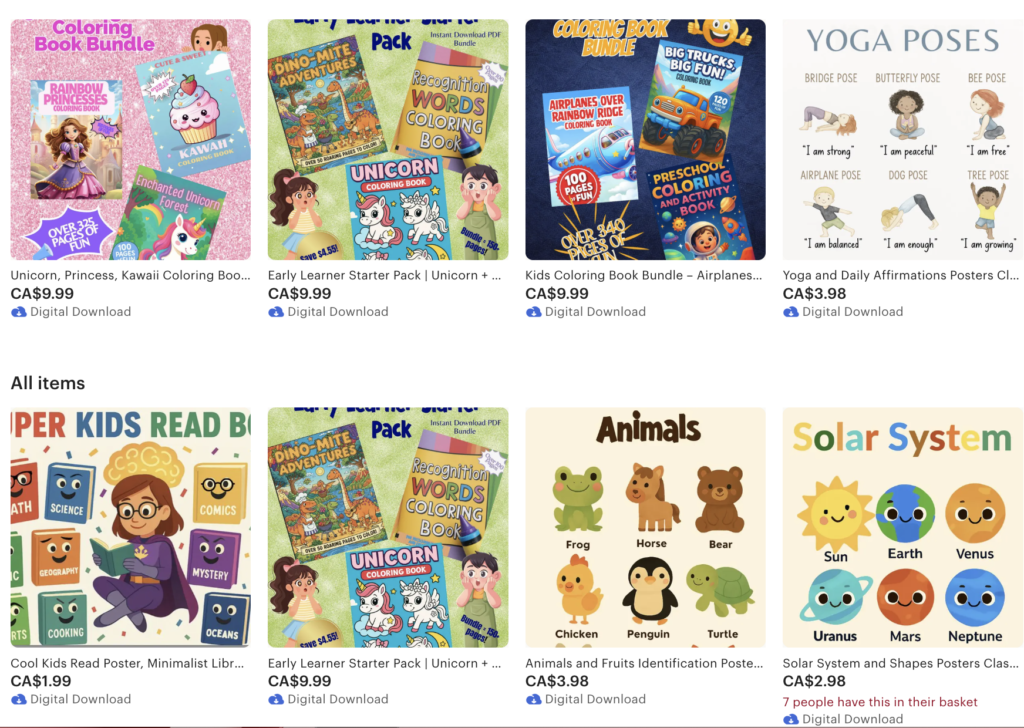
A starter guide is designed to give you immediate wins. The goal isn’t to teach your child to read a whole book on day one, but to see them successfully sound out their first few words. This builds confidence for both of you and shows that learning to read is achievable.
Sometimes, these guides are free downloads, often with a few audio samples so you can hear the sounds. They’re a low-pressure way to dip your toes in and see if a particular program’s approach feels right for you and your child. It’s all about making that first step feel manageable and encouraging.
Ready to Start Reading Adventures?
Picking the right phonics program might seem like a big deal, but remember, the best one is really just the one that fits your child and your family. Think about how your little one learns best, what works for your schedule, and what feels right for you. Don’t get too caught up in finding the ‘perfect’ program; focus on finding one you can use consistently and that makes learning fun. With the right tools and a positive attitude, you’ll help your child build a strong foundation for reading and set them up for success in school and beyond. Happy reading!
Frequently Asked Questions
How is teaching phonics different from just learning the ABCs?
Learning the ABCs is like recognizing faces, while phonics is about understanding what those faces mean in conversation. Knowing the letters is a start, but phonics teaches the sounds each letter makes and how to put those sounds together to read words. It’s a step-by-step process that helps kids crack the code of reading.
My child is really active. Will they have to sit still for long lessons?
Not at all! Many great phonics programs know that kids need to move. They often use fun activities like building words with blocks, tracing letters in sand, or playing games that involve hopping. The key is usually short, daily sessions, about 15-20 minutes, which works well for kids who learn best by doing.
How can I tell if my child is actually learning to read?
Progress isn’t always about reading a whole book right away. Look for the small wins! You’ll notice it when your child starts pointing out letters on signs, can tell you the first sound in a word like ‘cat,’ or successfully blends sounds like ‘s-u-n’ into ‘sun.’ These moments show they’re connecting the dots between letters and sounds.
Do I really need a whole program, or can I just use special reading books?
Those special books, called decodable books, are super important tools. But they work best when they’re part of a bigger plan. A good program gives you the clear, step-by-step lessons needed to understand how to read those books well.
What if my child is struggling with reading?
It’s never too late to help a child learn to read. Many students who had trouble reading in the past simply missed out on good phonics instruction. You might be surprised how quickly they can catch up once they learn the ‘code’ of reading. A structured phonics program can make a big difference.
How do I choose the right program if I’m not a teacher?
You don’t need to be a reading expert! The best programs come with clear guides, videos, or support lines to help you. They provide the tools and information you need to guide your child. Think of yourself as their coach, and the program is your playbook.

Ms. Kerri’s Corner provides a exciting virtual space for preschool learning. Through a variety of engaging activities, she exposes young minds to early math, literacy, science and social-emotional skills in a developmentally appropriate way. Centers for blocks, art, books and music allow children to explore hands-on learning at their own pace. Guided lessons subtly introduce number sense, letter sounds and narrative thinking. Careful observation gives insight into each child’s progress across domains. Viewers are also invited to participate, reinforcing that their ideas are valued. By making learning fun yet purposeful, Ms. Kerri lays the groundwork for future academic success while fostering creativity and imagination. Her program offers preschoolers valuable screen-based learning experiences.