
Best Preschool Learning Resources for Parents in 2026
Finding good ways to help your preschooler learn at home can feel like a lot. There are so many options out there, and it’s hard to know where to start. This list is for parents looking for the best preschool learning resources parents can use in 2026. We’ve put together some solid choices that cover a lot of ground, from reading and math to social skills and general child development. Hopefully, this makes things a little easier for you and your little one.
Key Takeaways
- ABC Mouse offers a wide range of interactive lessons and activities for kids aged 2-7, covering reading, math, and science, with progress tracking for parents.
- Wide Open School provides free, curated resources from various organizations like Khan Academy Kids and PBS Kids, focusing on academic and social-emotional learning.
- PBS Kids offers a wealth of free online games, videos, and printables to support early learning in math and literacy for children.
- Learning Ally provides access to a large library of human-read audiobooks, specifically helpful for children with dyslexia or other reading challenges.
- ZERO TO THREE offers a variety of resources for parents on child development from prenatal stages through early childhood, including information on milestones and responding to behavior.
1. ABC Mouse
ABC Mouse is a pretty popular online learning program for kids aged 2 to 7. It’s got a huge library, like over 850 lessons and 10,000 activities, covering reading, math, science, and even colors. Think of it as a digital playground where learning happens through games, books, songs, and puzzles. Parents can also keep an eye on their child’s progress, which is nice.
It’s designed to be a guided learning experience, so kids aren’t just randomly clicking around. The program tries to follow a learning path, which is helpful for keeping things structured. It’s not free, though; it runs about $10 a month, but for what it offers, many families find it a worthwhile investment.
ABC Mouse aims to blend technology with early childhood education, making learning feel more like play. It covers a good range of subjects and skills that are important for preschoolers.
Here’s a quick look at what it includes:
- Reading Skills: Focuses on letter recognition, phonics, and early reading.
- Math Concepts: Introduces numbers, counting, shapes, and basic math operations.
- Science and Art: Explores the natural world and encourages creativity.
- Printables: Activities you can download and do away from the screen.
It’s a solid choice if you’re looking for a structured, digital way to supplement your child’s learning at home. The sheer volume of content means kids can stay engaged for a long time.
2. Wide Open School
Wide Open School is a really neat resource that pulls together a bunch of free learning materials from different places. Think of it as a big, organized library for parents and kids. It was put together by Common Sense Media, and they teamed up with over 75 other organizations, like Khan Academy Kids and PBS Kids.
It’s designed to help kids learn at home across a few key areas. You’ll find stuff for math, reading, writing, and even social-emotional learning. The activities are pretty varied, including interactive lessons, videos, and worksheets. It’s a great way to supplement what your child is learning in school or to explore new topics together.
Here’s a quick look at what it covers:
- Reading & Writing: Activities to build literacy skills.
- Math: Games and exercises to practice numbers and concepts.
- Social-Emotional Learning: Resources to help children understand and manage their feelings.
- Creative Arts: Opportunities for drawing, music, and imaginative play.
The goal here is to make learning accessible and fun for young children, giving parents easy access to quality educational content without a hefty price tag. It’s all about making learning a family affair.
3. PBS Kids
PBS Kids is a fantastic place for parents looking for free, engaging ways to support their preschoolers’ learning at home. They’ve put together a really solid collection of online games, printable activities, and even some simple science experiments that are perfect for little ones. It’s not just about keeping them busy, though; these resources are designed to help build foundational skills in areas like math and reading.
What I really like is how accessible everything is. You don’t need a special subscription or anything fancy. Just head over to their website, and you’ll find a ton of stuff. They have a whole section dedicated to math, with games that make counting and shapes fun. Plus, there are plenty of literacy activities that can help with early reading skills.
Here are a few things you can expect:
- Interactive Games: Fun, short games that focus on specific learning goals.
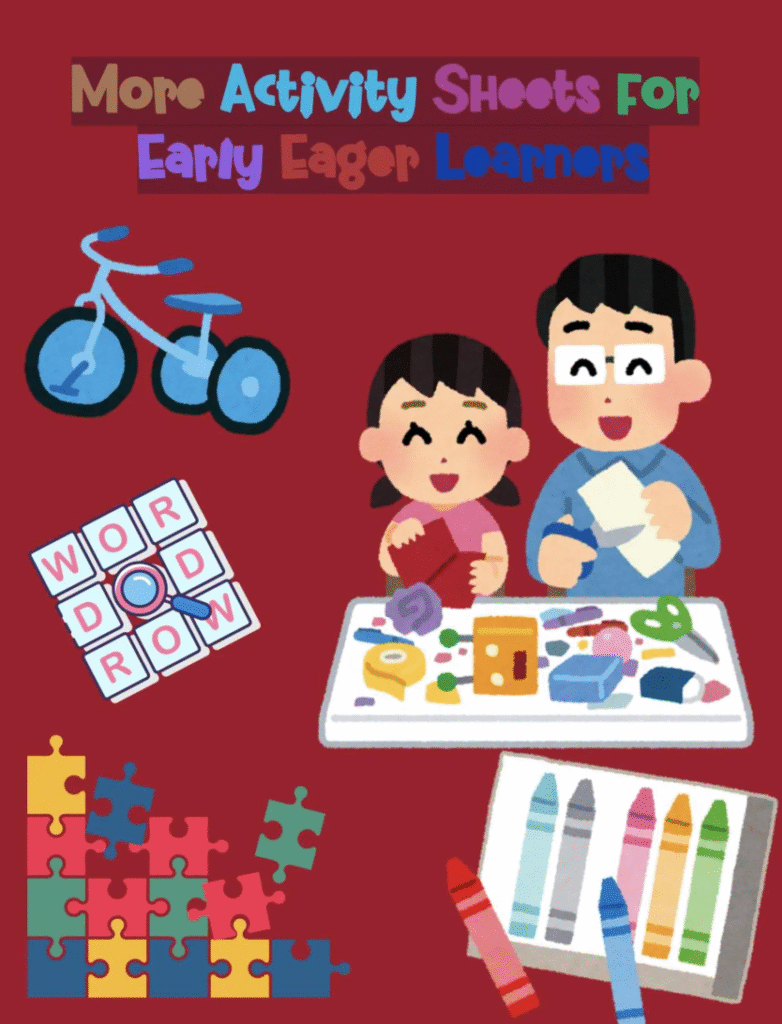
- Printable Activities: Crafts, worksheets, and coloring pages you can do offline.
- Videos: Short, educational clips that explain concepts in a kid-friendly way.
PBS Kids really shines because it feels like it was made with both kids and parents in mind. The activities are playful enough to keep children interested, but they also have a clear learning purpose. It’s a great way to supplement what your child might be learning at school or just to have some quality learning time together.
They also have apps that extend the learning beyond the website, making it easy to bring educational fun wherever you go. It’s a reliable go-to for parents who want to make learning a natural part of their child’s day without any added stress or cost.
4. Learning Ally
Learning Ally is a fantastic resource, especially if you have a child who finds reading a bit of a struggle. They’ve built this huge library with over 80,000 audiobooks, all read by real people. This is a game-changer for kids with dyslexia or other learning differences because it lets them access stories and information without the usual reading hurdles.
It’s a nonprofit organization focused on literacy tools for students with learning differences. They offer more than just books, though. You also get access to parent resources, reading programs designed to keep kids engaged, and even an online community where families can swap tips and talk about their experiences. It’s pretty neat how they bring people together.
Here’s a quick look at what they provide:
- Human-read audiobooks: Over 80,000 titles for ages 3-12.
- Parent & Guardian Education: Resources to help you support your child’s reading journey.
- Family Practice Activities: Ways for the whole family to get involved in reading.
- Online Community: Connect with other parents and share insights.
While the full library access comes with a yearly fee (around $135), it’s worth considering if reading challenges are a concern for your child. It really opens up a world of books that might otherwise be out of reach.
5. CASEL Social-Emotional Learning Resources
When we talk about raising kids, it’s easy to get caught up in ABCs and 123s. But what about how they handle their feelings or get along with others? That’s where social-emotional learning, or SEL, comes in. CASEL, which stands for the Collaborative for Academic, Social, and Emotional Learning, is a big name in this area. They’re basically a go-to source for understanding how kids develop these important life skills.
CASEL has put together some helpful resources for parents. They have videos that explain what social-emotional skills are and why they matter. These aren’t complicated lectures; they’re designed to be easy to grasp, even if you’re not an expert. They also point families toward activities and ideas to help children build skills like empathy, managing frustration, and making friends. It’s about helping kids understand themselves and connect with the world around them in a healthy way.
Here’s a quick look at what you might find:
- Understanding SEL: Simple explanations of what social-emotional learning means for young children.
- Activities for Home: Ideas for games and practices you can do with your child to build these skills.
- Parent Guides: Information to help you support your child’s emotional growth.
It’s really about giving kids the tools to understand their own feelings and how to interact positively with others. This helps them not just in school, but in all parts of their lives, now and in the future.
6. Centers for Disease Control and Prevention (CDC) Resources

The Centers for Disease Control and Prevention, or CDC, has a lot of helpful information for parents, especially when it comes to keeping your little ones healthy and on track. They’ve put together resources that are based on solid research, which is always a good thing when you’re trying to figure out the best way to raise your kids.
One really useful section is called “Essentials for Parenting Toddlers and Preschoolers.” It’s all about giving parents practical ways to interact more positively with their children. Think of it as a guide to making those everyday moments count. They also have a “Learn the Signs. Act Early.” program. This is super important because it helps you track your child’s development from birth to five years old. You can see what milestones they should be hitting in areas like playing, learning, speaking, acting, and moving. If you notice something seems off, it gives you a way to act early.
Here are some key areas the CDC focuses on for parents:
- Developmental Milestones: Tracking how your child grows and learns.
- Health and Safety: Information on preventing injuries, safe sleep, and general well-being.
- Positive Parenting: Strategies for building strong relationships with your child.
- Emergency Preparedness: Guidance for keeping your family safe during unexpected events.
The CDC’s Parent Portal is a great place to start if you’re looking for reliable information. It pulls together resources from all over the CDC, making it easier to find what you need about raising healthy kids and creating a safe home. You can find details on common childhood illnesses, developmental schedules, and even tips on physical activity and nutrition. It’s a pretty thorough resource for parents of all ages of children, not just preschoolers. For specific guidance on child care settings and quality indicators, you might want to check out resources like Care About Quality.
They also have specific information on things like drowning prevention, which is a big concern for young children. It’s all about making sure parents have the facts to keep their kids safe. The CDC really tries to make complex health information easy to understand, which is a big help for busy parents.
7. NAEYC for Families
When you’re looking for the best place for your little one to learn and grow, it can feel like a big task. The National Association for the Education of Young Children, or NAEYC, has a section specifically for families that’s pretty helpful. They offer guidance and information to help parents find quality child care and preschool programs. It’s not just about finding a place, but finding a good place that supports your child’s development. They focus on what makes a program high-quality, so you know what to look for.
NAEYC provides resources that cover different aspects of early learning. Here are a few things they highlight:
- What quality looks like: Information on the key signs of a good child care setting.
- Types of care: Understanding the different options available for your child.
- Asking the right questions: Tips for interviewing potential providers to make sure they’re a good fit.
Finding the right early learning environment is a big step. NAEYC aims to make that process clearer for parents, offering insights into what truly benefits young children during these important years.
8. All About Young Children: Information for Families on Children’s Early Development
This resource is a fantastic online publication aimed at parents and family members, offering insights into what kids learn and how they learn it from birth up to age five. It’s based on established learning foundations, breaking down complex ideas into understandable chunks. You can find out about how children develop language skills, how they figure out feelings and relationships, their early math concepts, and even how they get better at moving their bodies.
It’s like a guide to understanding your child’s world as they grow.
Here’s a peek at what you can explore:
- Language Development: How little ones start talking, understanding words, and communicating their needs.
- Social-Emotional Growth: Learning to manage feelings, make friends, and understand others.
- Cognitive Skills: Early math, problem-solving, and curiosity about the world.
- Physical Development: From crawling to jumping, how kids master their motor skills.
This publication helps parents see the big picture of early development. It’s not about pushing kids to achieve specific goals too early, but rather about appreciating the natural progression of learning and growth. Understanding these stages can help parents support their child’s unique journey without unnecessary pressure.
It’s a great place to get a clearer picture of what’s happening with your child’s development, offering practical information without getting too technical. It really helps you appreciate the milestones your child reaches, big or small.
9. Reach Out and Read
Reach Out and Read is a pretty neat program that works with pediatricians’ offices all over the country. The main idea is to get books into the hands of young kids and give parents some pointers on how to help their children get ready for school through reading. They distribute millions of books each year to children during their regular check-ups. It’s a simple concept, but it makes a big difference.
Think about it: a doctor’s visit is a routine thing for most families. By having books available right there, and having the doctor or nurse talk about the importance of reading aloud, it normalizes literacy as part of a child’s health and development. It’s not just about handing over a book; it’s about the conversation that comes with it. They give advice on how to read with your child, what to look for as they grow, and why it matters.
Here’s a quick look at what they do:
- Book Distribution: Pediatricians give age-appropriate books to children during well-child visits.
- Parent Guidance: Medical providers offer advice on reading aloud and supporting early literacy skills.
- School Readiness: The program aims to prepare children for kindergarten by building strong early literacy foundations.
It’s a really practical way to support families, especially those who might not have easy access to a lot of books or information about early learning. They’ve been around for a while and have a pretty wide reach, which is great for making sure lots of kids get a good start.
10. Math at Home Toolkit
Sometimes, getting kids excited about math can feel like a puzzle. That’s where the Math at Home Toolkit comes in handy. It’s a collection of resources put together by NAEYC, designed to make learning numbers, shapes, sorting, and even time a bit more fun for preschoolers and their families. You don’t need to be a math whiz yourself to use these tools; they’re made for everyday use.
This toolkit offers a variety of ways to bring math into your daily routine. Think of it as a way to sneak in some learning without it feeling like homework. It’s all about making math accessible and engaging for little ones. The goal is to build a positive foundation for mathematical thinking.
Here are some ideas you might find in the toolkit:
- Counting Games: Simple activities that involve counting everyday objects.
- Shape Hunts: Looking for different shapes around the house or on a walk.
- Sorting Activities: Grouping toys or other items by color, size, or type.
- Measurement Fun: Comparing lengths or heights using non-standard units like blocks or hands.
These resources are great for parents who want to support their child’s early math skills without needing fancy materials. It’s about using what you have and making learning an adventure.
It’s a good idea to explore different approaches to see what clicks with your child. For instance, if you’re looking for playful ways to introduce counting, there are some great counting activities available that focus on hands-on learning. The toolkit aims to show parents that math is all around us, and learning it can be a joyful experience for the whole family.
11. Center for Early Literacy Learning (CELL)
The Center for Early Literacy Learning, or CELL, is a resource that really focuses on making literacy a part of everyday life for young kids. It’s not about sitting down for formal lessons all the time, but more about finding those little moments in your daily routine to boost reading skills. Think of it as weaving literacy into playtime, mealtime, and even bath time.
CELL provides materials designed for both parents and teachers. The goal is to give you simple, practical ways to add literacy-focused activities into what you’re already doing. This could be anything from talking about the words on a cereal box to singing songs that play with sounds. They believe that consistent, everyday interactions are key to building strong early literacy.
Here are some ways CELL suggests incorporating literacy:
- Talk about books: Don’t just read the words. Ask questions about the pictures, what might happen next, or how a character feels.
- Play with sounds: Rhyming games, identifying the first sound in words, or making up silly rhymes can help with phonological awareness.
- Label things: Write down the names of objects around the house or in the classroom. This connects spoken words with their written form.
- Sing songs and recite rhymes: These are fantastic for rhythm, memory, and learning new vocabulary.
The idea is to make learning to read feel natural and fun, not like a chore. By integrating these small literacy moments throughout the day, you help children build a positive association with reading and language from the start.
12. Care About Quality: Your Guide to Child Care
Finding the right child care can feel like a big puzzle, right? You want a place that’s safe, nurturing, and helps your little one learn and grow. “Care About Quality: Your Guide to Child Care” is a resource that helps parents figure out what makes a child care setting truly good. It breaks down the different kinds of care available and gives you pointers on what to look for when you’re talking to potential providers.
It’s all about knowing the signs of a quality program.
This guide helps you think about:
- What are the different types of child care options out there?
- What specific things should I be watching for during a visit?
- What kinds of questions should I ask when interviewing a provider?
Choosing child care is a major decision. This guide aims to make that process clearer by highlighting key indicators of a positive and educational environment for your child. It’s not just about finding a sitter; it’s about finding a partner in your child’s early development.
13. Springboard Connect App
The Springboard Connect app is a pretty neat tool for parents who want to keep tabs on their kiddo’s reading progress right from home. It’s free to use, which is always a plus, and it sends you regular text messages with reminders and personalized tips about reading. You can even get these messages in either English or Spanish, which is great for bilingual families.
This app comes from Springboard Collaborative, an organization that’s really focused on closing the gap between what kids learn about reading at school and what they practice at home. They work with teachers and families to help children become better readers. The Connect app is specifically designed for families with kids in preschool through 4th grade.
It’s a straightforward way to stay involved in your child’s literacy journey.
Here’s what you can expect:
- Regular text message updates on your child’s reading.
- Customized tips to help you support their learning.
- Option to receive messages in English or Spanish.
- A connection to Springboard Collaborative’s mission to improve reading skills.
The app aims to make it easier for parents to actively participate in their child’s reading development, offering practical support and encouragement directly to their phones.
14. How Brains Are Built: The Core Story of Brain Development
Understanding how a child’s brain develops is pretty fascinating, and honestly, it’s not as complicated as it sounds. The early years are when the most important connections are made. Think of it like building a house; you need a really solid foundation. This resource breaks down the whole process in a way that’s easy to grasp, even if you’re not a scientist. It uses simple language and visuals to explain what’s happening inside your little one’s head as they grow and learn.
Here’s a quick look at what happens:
- Early Experiences Matter: What your child sees, hears, and feels directly shapes their brain. Positive interactions help build strong pathways.
- Connections Form Rapidly: From birth, a baby’s brain is creating connections at an incredible speed. These connections are the basis for all future learning and behavior.
- Stress Can Impact Development: While some stress is normal, chronic or severe stress can actually change how the brain develops. Creating a safe and nurturing environment is key.
It’s really about how experiences build the brain, layer by layer. You can find a great animated video that explains this core story really well, making it super accessible for parents. It’s a good way to get a basic grasp of child development.
The brain is constantly being shaped by interactions and experiences. This means that the environment and relationships a child has, especially in the first few years, have a lasting impact on their development and well-being.
This information helps parents understand why responsive caregiving and a stimulating environment are so important. It’s not about being perfect, but about being present and providing consistent support. Knowing the basics of brain development can help you feel more confident in the choices you make for your child.
15. Personal Safety for Children: A Guide for Parents
Keeping our little ones safe is pretty much job number one, right? When we talk about personal safety for kids, it’s not about scaring them, but about giving them the tools and knowledge to stay out of harm’s way. Think of it as teaching them how to be aware of their surroundings and what to do if something feels off.
It’s all about empowering them with simple, clear information.
Here are some key areas to focus on:
- Body Safety: This is a big one. Teach your child that their body belongs to them and that no one should touch them in a way that makes them feel uncomfortable or confused. Use correct terms for body parts – it’s not shameful, it’s just factual. They need to know they can say “no” to unwanted touch, even from someone they know.
- Stranger Awareness: While the idea of “stranger danger” is common, it’s more nuanced. Teach kids that not all strangers are bad, but they should be cautious. They shouldn’t go anywhere with someone they don’t know, accept gifts from them, or share personal information like their name or address. A good rule is to always check with a trusted adult first.
- Online Safety: If your child uses screens, this is increasingly important. Talk about not sharing personal information online, being careful about who they talk to, and what to do if they see something online that makes them feel uneasy. Setting clear rules about screen time and what they can access is also key.
- Secrets: Teach kids the difference between good secrets (like a surprise birthday party) and bad secrets (things that make them feel scared, ashamed, or confused). They need to know that if someone asks them to keep a secret that feels wrong, they should tell a trusted adult.
Remember, the goal is to build confidence, not fear. Keep conversations age-appropriate and open. Regular check-ins are more effective than one big, scary talk.
It might seem like a lot, but breaking it down into these manageable topics makes it easier for both you and your child. Consistency is your best friend here. Keep the lines of communication open, and let them know they can always come to you with any concerns, big or small.
16. Principles for Promoting Language, Literacy, and Learning for Preschool English Learners
Supporting young children who are learning English is a big deal, and thankfully, there are some solid guidelines out there to help parents and educators. These principles focus on making sure these kids get the language and literacy skills they need to do well in school and beyond. It’s all about building on what they already know and creating a supportive environment where they feel comfortable trying out new words and ideas.
One of the main ideas is to really pay attention to the child’s home language. Instead of seeing it as something to replace, it’s actually a strong foundation. Using their first language can make learning English a lot easier. Think about it: if you’re trying to learn a new skill, it’s way simpler if you can connect it to something you already understand.
Here are some key points to keep in mind:
- Make language a part of everyday life. Talk, sing, and read together often. Don’t just stick to English; incorporate their home language too. This helps build vocabulary and comprehension in both languages.
- Use lots of visuals. Pictures, gestures, and real objects can make a big difference when explaining new words or concepts. This is especially helpful for English learners who might not grasp everything just from listening.
- Create opportunities for interaction. Encourage children to talk and play with others. Peer interaction is a fantastic way for them to practice their new language skills in a low-pressure setting.
- Be patient and positive. Learning a new language takes time. Celebrate small victories and create a space where mistakes are seen as learning opportunities.
It’s important to remember that language development is a journey, not a race. Providing consistent support and engaging activities can make a significant impact on a child’s success. Focusing on clear communication and positive reinforcement helps build confidence.
These principles are a great starting point for anyone working with preschool English learners. They emphasize a supportive, language-rich approach that respects the child’s background and builds confidence. You can find more detailed information and strategies to help with early literacy development, which is a big part of this process [48f3].
17. Recommended Literature List
Picking out books for your little ones can feel like a big task, right? There are so many out there! Luckily, there are some great lists to help you find just the right stories. These aren’t just random book suggestions; they’re often put together by folks who really know about how kids learn and grow.
Think about it: a good book can be a whole adventure. It’s not just about reading words on a page. It’s about sparking imagination, learning new words, and understanding different feelings. A well-chosen book can be a doorway to a thousand new worlds for a child.
Here are a few places to look for book ideas:
- ReadWorks: They have a free catalog with reading stuff for young kids, perfect for practicing reading at home or with a teacher. They even have videos to show you how to use their resources.
- Reading Rockets: This group has tons of articles and tips for families on how to help kids get better at reading. They also point you to PBS shows and activities, plus a big search tool for books.
- Confident Parents, Confident Kids: If you’re interested in books that help with social and emotional learning, this is a good spot. They list books for different ages and give parents info on the research behind it.
Choosing books that match your child’s age and interests is key. Look for stories that have clear language, engaging pictures, and themes that you can talk about together. Don’t be afraid to revisit favorite books over and over – that’s how kids really learn and connect with stories.
Sometimes, the best literature lists come from places focused on specific needs. For example, if you have a child who finds reading tricky, resources like Learning Ally offer audiobooks that can make a huge difference. They have a big library of human-read books that are great for kids with dyslexia or other learning differences. It’s all about finding the right fit for your child’s reading journey.
18. ZERO TO THREE Child Resources
When you’re raising little ones, it can feel like you’re constantly looking for answers. ZERO TO THREE gets that. They’ve put together a huge collection of resources specifically for parents and caregivers, covering everything from when a baby is still on the way right up through their third birthday. It’s not just a bunch of articles; they have guides, tips, and tools designed to help you feel more confident in your parenting journey.
They really believe that parents are the main experts on their own kids, and that’s why their materials focus on giving you information and support so you can figure out what works best for your unique child. You can find information broken down by age, like prenatal development, birth to 12 months, 12 to 24 months, and 24 to 36 months. This makes it super easy to find what you need, right when you need it.
Some of the topics they cover include:
- Understanding developmental milestones and what they mean.
- Tips for responding to challenging behaviors, because let’s be honest, those happen.
- Ideas for positive parenting that fit your family’s values and your child’s personality.
It’s a really solid place to start if you’re feeling a bit overwhelmed or just want to make sure you’re doing everything you can to support your child’s growth. They even have resources for kinship and grandparent caregivers, which is pretty great. You can explore their extensive library of over 850 resources, filtering by issue area, language, age, and more, to find exactly what you’re looking for. Check out their holiday guides for parents of babies and toddlers during special times.
The early years are so important for setting up a child for life. ZERO TO THREE works to make sure kids get what they need during this time to build a strong foundation.
19. Parenting Tips & Activities
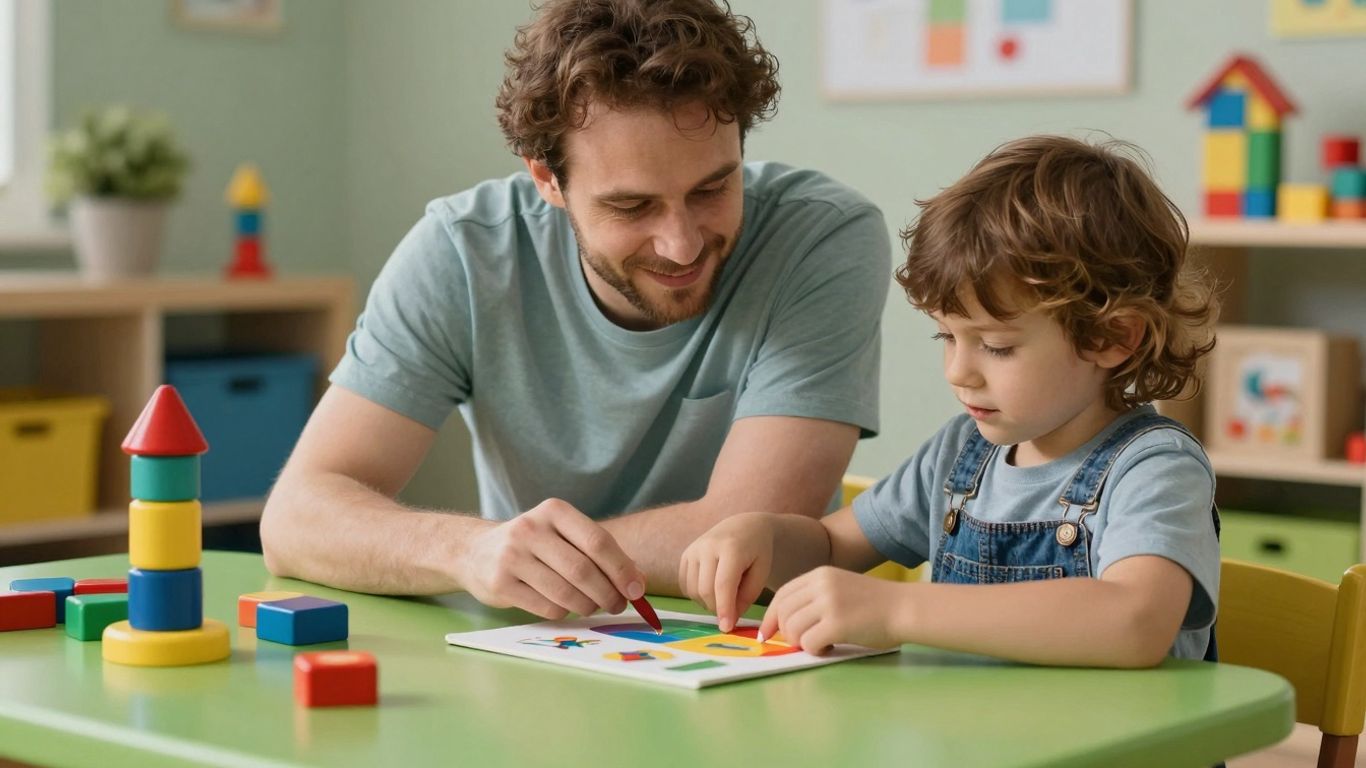
Parenting is a wild ride, right? Some days feel like you’ve got it all figured out, and others… well, let’s just say you’re winging it. That’s totally normal. The good news is there are tons of resources out there to help make those “winging it” moments a little less stressful and a lot more fun.
Think of these tips and activities as your go-to toolkit. They’re designed to help you connect with your child, support their growth, and maybe even give yourself a little break. It’s not about being perfect; it’s about being present and trying your best.
Here are a few ideas to get you started:
- Daily Connection Builders: Even five minutes can make a difference. Try things like:
- “High-five” check-ins when you first see your child.
- Reading a book together before nap or bedtime.
- Asking about their favorite part of the day.
- Playful Learning: Kids learn best when they’re having fun. Look for activities that:
- Involve building or creating something.
- Encourage movement and outdoor exploration.
- Spark their imagination through pretend play.
- Handling Tough Stuff: Every parent deals with challenging behaviors. Remember:
- Stay calm (easier said than done, I know!).
- Try to figure out why the behavior is happening.
- Offer simple choices to give them a sense of control.
It’s easy to get caught up in the day-to-day hustle, but taking a moment to intentionally engage with your child can build a stronger bond and create lasting memories. These small moments add up over time, shaping their development and your relationship.
Don’t forget to look for resources tailored to your child’s age and temperament. What works for a toddler might not work for a preschooler, and that’s okay. The goal is to find what fits your family and makes the journey a little smoother for everyone.
20. The Reading League and PBS Literacy Resources
When it comes to helping your little ones get a good start with reading, The Reading League and PBS have teamed up to offer some really helpful stuff. They’ve put together a collection of free videos on YouTube that are designed for young kids to watch and learn from. These aren’t just random cartoons; they’re based on what’s called the science of reading. Basically, it’s a way of teaching reading that’s been shown to work best, focusing on things like how sounds work in words, how letters make sounds, building up a good vocabulary, reading smoothly, and understanding what’s being read.
For parents, there are also resources available that explain how to use these videos and activities at home. It’s all about making sure kids get the right kind of practice to become strong readers. The Reading League is a nonprofit that really wants to see more kids reading well, and they work to get families and teachers on the same page about how reading works.
Here’s a quick look at what they focus on:
- Phonemic Awareness: Helping kids hear and play with the individual sounds in words.
- Phonics: Connecting those sounds to letters and understanding how they work together to form words.
- Vocabulary: Building a strong base of words so kids can understand and express themselves.
- Fluency: Encouraging smooth, accurate reading with good expression.
- Comprehension: Making sure kids actually understand the meaning of what they are reading.
This partnership provides a solid foundation for families looking to support early literacy development. The materials are designed to be accessible and practical, making it easier for parents to engage with their children in reading activities that are both fun and effective. It’s a great way to get started without feeling overwhelmed.
These resources are generally aimed at preschool through third-grade levels, making them a good fit for many families with young learners.
Wrapping Up
So, there you have it. Getting your little one ready for school doesn’t have to be a huge puzzle. We’ve looked at a bunch of different tools and ideas that can help make learning fun and easy, right at home. Remember, you’re the expert on your child, and these resources are just here to give you some extra support. Pick what feels right for your family, and don’t stress too much. The most important thing is spending that quality time together and watching your child grow and learn. Happy parenting!
Frequently Asked Questions
What are the best ways to support my child’s learning at home?
There are many fun ways to help your child learn! You can read books together, play educational games, sing songs, and talk about their day. Many online resources offer activities for math, reading, and even social skills. The key is to make learning an enjoyable part of everyday life.
How can I tell if a learning resource is good for my preschooler?
Look for resources that are designed for your child’s age group and focus on key learning areas like letters, numbers, and social skills. Resources that allow for hands-on activities, encourage curiosity, and provide feedback to you as a parent are usually a great choice. Many reputable organizations offer guides on what to look for.
Is it important for my preschooler to learn social-emotional skills?
Absolutely! Learning to understand and manage their feelings, get along with others, and make good choices are super important skills. These skills help children succeed not just in school, but in life. Many resources focus specifically on helping kids develop these abilities.
My child is struggling with reading. What can I do?
Don’t worry, there are resources to help! Many programs focus on the science of reading, which includes things like letter sounds and understanding words. Audiobooks and special reading programs can also be very beneficial for children who need extra support.
Are there resources available for parents who are not fluent in English?
Yes, many excellent resources are available in multiple languages, including Spanish. When looking for tools, check if they offer different language options to best support your family’s needs.
How much do these preschool learning resources typically cost?
The cost varies a lot. Some resources are completely free, like many offered by PBS Kids or through school districts. Others might have a monthly subscription fee, like ABC Mouse, or a yearly cost for access to extensive libraries, such as Learning Ally. It’s a good idea to check the pricing before you commit.
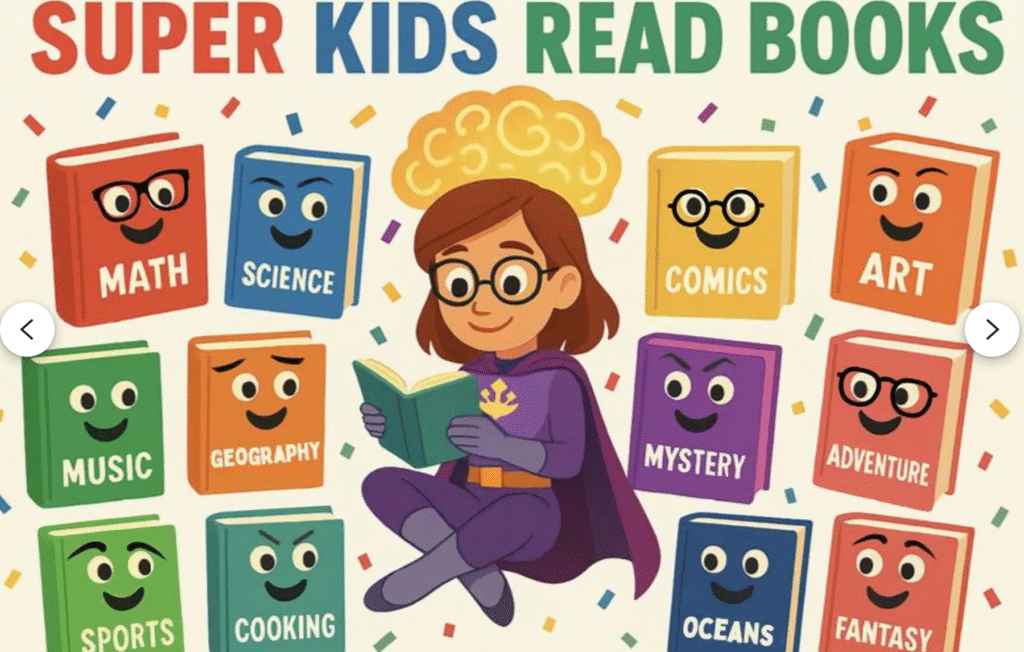

Ms. Kerri’s Corner provides a exciting virtual space for preschool learning. Through a variety of engaging activities, she exposes young minds to early math, literacy, science and social-emotional skills in a developmentally appropriate way. Centers for blocks, art, books and music allow children to explore hands-on learning at their own pace. Guided lessons subtly introduce number sense, letter sounds and narrative thinking. Careful observation gives insight into each child’s progress across domains. Viewers are also invited to participate, reinforcing that their ideas are valued. By making learning fun yet purposeful, Ms. Kerri lays the groundwork for future academic success while fostering creativity and imagination. Her program offers preschoolers valuable screen-based learning experiences.