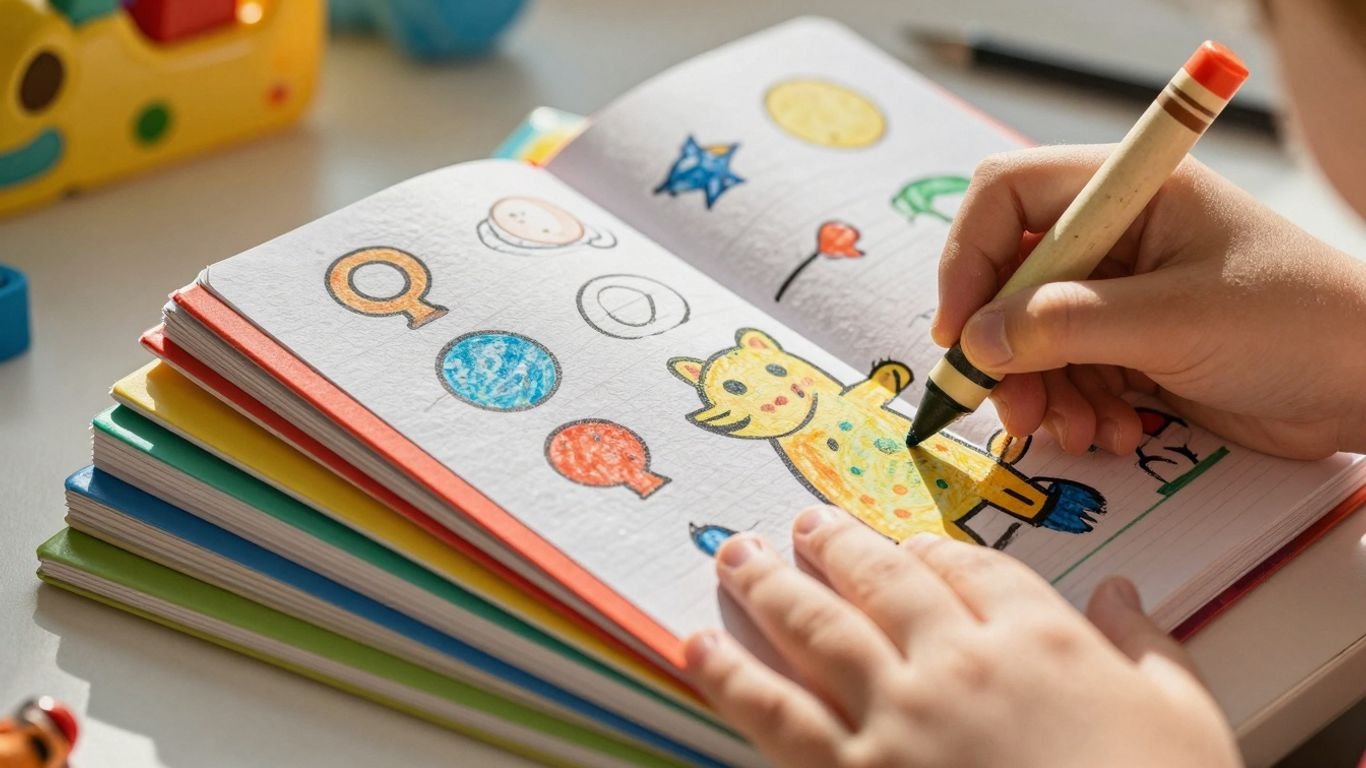
Discover the Best Tracing Books for Preschoolers: Fun & Educational Activities
Looking for ways to help your little one get ready for school? Tracing books are a really great tool for this. They help kids practice holding pencils and making shapes, which is super important for when they start writing letters and numbers. We’ve put together a list of some of the best tracing books for preschoolers that are both fun and educational. These picks are designed to keep your child interested while they build important skills.
Key Takeaways
- Tracing books help preschoolers develop fine motor skills and hand-eye coordination, which are building blocks for writing.
- Many tracing books introduce letters, numbers, shapes, and patterns in a gradual, easy-to-follow way.
- Interactive features like wipe-clean pages or combining tracing with coloring can make learning more engaging.
- Some advanced books offer challenges like mazes or more complex shapes for kids who are ready for them.
- Choosing tracing books that align with your child’s interests, like animals or stories, can boost their enthusiasm for learning.
1. My First Book Of Tracing By Kumon Publishing
When you’re looking for a solid start for your little one’s writing journey, Kumon’s “My First Book of Tracing” is a really good place to begin. This book is all about getting those tiny hands ready for holding a pencil and making controlled movements. It focuses on simple lines and shapes, which might seem basic, but they’re super important for building that initial muscle memory.
The goal here is to develop fine motor skills and hand-eye coordination. It’s not about making perfect letters right away, but about getting comfortable with the physical act of drawing lines. This book uses repetitive patterns, which is actually a smart way to help kids practice without getting bored. Think of it as building the foundation before you start constructing the house.
Here’s what you can expect:
- Lots of straight and curved lines to trace.
- Basic shapes like circles and squares.
- Simple patterns that gradually get a bit more complex.
It’s a straightforward approach that really helps children get a feel for using a writing tool. The pages are designed to be clear and uncluttered, so kids can focus on the task at hand. If you’re looking for a gentle introduction to tracing, this is definitely one to consider. You can find this book and other Kumon tracing products, with prices available in December 2025, to help kickstart your child’s learning. It’s a great way to prepare them for more advanced activities later on.
This book is perfect for preschoolers who are just starting to get the hang of using pencils or crayons. It’s all about building confidence through repetition and simple successes.
2. Trace With Me: Pre-Handwriting Practice By Thinking Kids
This book from Thinking Kids is all about getting little ones ready to write. It’s packed with tracing activities that start out pretty simple and then get a bit more challenging as you go along. The idea is to help kids build up their confidence and get a good handle on how to form letters and numbers before they really dive into writing on their own.
It’s a really structured way to approach pre-handwriting skills. You’ll find a good progression of exercises designed to make sure they’re developing the right muscle memory and hand-eye coordination.
- Gradually increasing difficulty levels.
- Focus on building confidence.
- Prepares for formal handwriting.
This book is a solid choice for parents or educators who want a clear path for teaching early writing skills. It’s not just about scribbling; it’s about building a foundation for future success in school.
It’s a great way to introduce the basics of writing in a fun, low-pressure way.
3. Pre-School Tracing Adventures By Scholastic Early Learners
Scholastic Early Learners really knows how to make learning feel like play, and their “Pre-School Tracing Adventures” book is a prime example. This isn’t just about scribbling lines; it’s a thoughtful introduction to the building blocks of writing. The book starts with simple strokes and gradually introduces more complex shapes and eventually letters, which is a smart way to build confidence without overwhelming little ones.
What I like about this one is the variety. You’ll find activities that focus on:
- Straight lines and curves
- Basic shapes like circles and squares
- Tracing letters of the alphabet
- Simple patterns to follow
It’s designed to help kids get a feel for holding a pencil and making controlled movements. This kind of practice is super important for developing fine motor skills, which they’ll need for everything from writing to cutting with scissors later on. The pages are usually pretty spacious, giving kids plenty of room to maneuver their pencils without feeling cramped.
This book is a great starting point for preschoolers who are just beginning to show an interest in drawing and writing. It lays a solid foundation for future academic success by making early skill development fun and accessible.
It’s a solid choice for parents and educators looking for a structured yet engaging way to introduce tracing concepts. The progression from simple to more complex tasks means kids can keep practicing and improving without getting bored or frustrated.
4. Trace And Learn: Numbers! By Peter Pauper Press
This book from Peter Pauper Press is all about getting little ones comfortable with numbers. It covers tracing the digits from 0 all the way up to 20, which is a pretty good range for preschoolers just starting out.
It’s a colorful and engaging way to introduce number recognition and counting. The activities aren’t just about tracing lines; they mix in other fun stuff to keep kids interested. This helps build those important fine motor skills needed for writing, and it makes learning numbers feel more like a game than a chore.
Here’s what you can expect:
- Tracing practice for numbers 0-20.
- Activities that reinforce number recognition.
- Opportunities to practice counting.
- Development of hand-eye coordination.
This book is a solid choice for parents and educators looking for a straightforward yet fun way to teach early number concepts. It strikes a good balance between educational content and playful engagement, making it a go-to for many.
5. Animal Tracing By Elizabeth Golding
This book by Elizabeth Golding is a really neat way to get kids interested in tracing while also learning about animals. It’s packed with outlines of different creatures, and the idea is that your child traces them. It’s a fantastic way to build those fine motor skills without it feeling like a chore.
What I like about this one is that it doesn’t just stop at tracing. As kids trace the animals, they also get to learn little tidbits of information about each one. So, it’s a bit of a two-for-one deal: practicing their grip and pencil control while also expanding their knowledge of the animal kingdom. It’s a good choice for kids who already have a love for animals and enjoy creative activities.
Here’s what you can expect:
- Lots of different animal outlines to trace.
- Fun facts about each animal included.
- Activities designed to improve hand-eye coordination.
- Encourages creativity as they trace and perhaps color the animals later.
This book strikes a nice balance between educational content and pure fun, making it a hit with little ones who are curious about the world around them.
6. Trace Letters And Numbers Workbook By J.D. Rockefeller
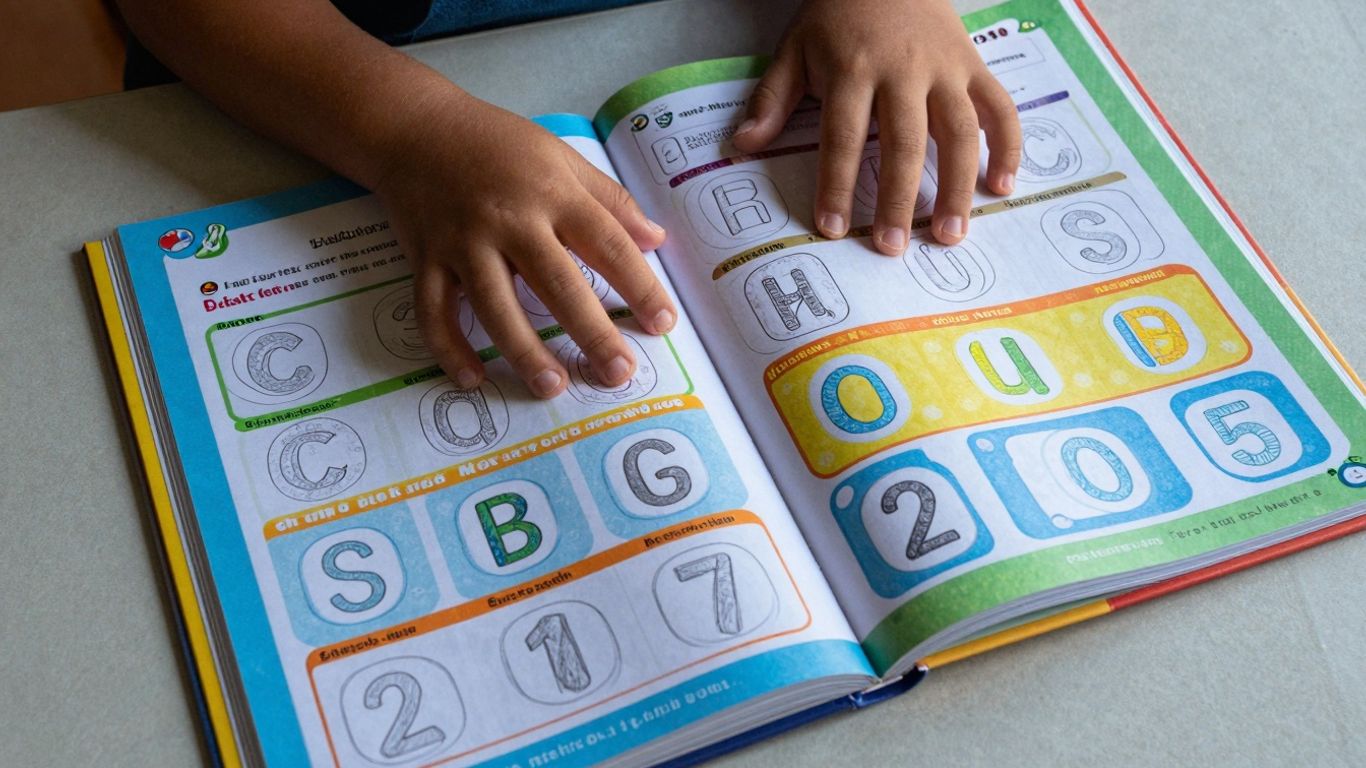
This workbook from J.D. Rockefeller is a straightforward tool for little ones just starting to get a handle on writing. It focuses on tracing both letters and numbers, which is a pretty big step when you’re just learning your ABCs and 123s.
The clear directional arrows are a nice touch, guiding tiny hands exactly where to go. This helps build muscle memory for forming the shapes correctly from the get-go. It’s all about repetition and getting those shapes right.
Here’s what you can expect:
- Alphabet Tracing: Covers both uppercase and lowercase letters.
- Number Tracing: Includes numbers, likely from 0 to 9 or maybe up to 20.
- Directional Guides: Arrows show the correct stroke order.
- Motor Skill Practice: Helps develop the fine motor control needed for writing.
It’s a good option for kids who are ready to move beyond just recognizing letters and numbers and want to start physically forming them. It’s a solid, no-frills approach to early writing practice.
7. Tracing Fun: Write And Wipe! By Roger Priddy
Roger Priddy’s “Tracing Fun: Write and Wipe!” is a really neat option if you’re looking for something your little one can use again and again. The pages are designed to be wiped clean, which is a big plus for parents who want to avoid endless stacks of paper. It means kids can practice tracing letters, numbers, or shapes over and over without you needing to buy a new book every few weeks.
This book is all about repetition, which is honestly how young kids learn best. They get to trace the lines and forms, building up that muscle memory and hand-eye coordination. It’s a straightforward approach, focusing on the actual act of tracing without too many distractions.
Here’s what makes it stand out:
- Reusable pages: Wipe-clean surface means endless practice.
- Focus on basics: Clear lines and shapes for fundamental tracing skills.
- Encourages repetition: Perfect for building confidence through practice.
The interactive nature of this book makes it a hit with kids who like to feel like they’re actively doing something, rather than just passively looking at a page. It’s a simple, effective tool for getting those early writing skills down.
It’s a solid choice for parents who appreciate a practical, reusable learning resource. The wipe-clean feature is a game-changer for repeated practice sessions.
8. Super Fun Tracing By Highlights Learning
Highlights Learning always seems to hit the mark when it comes to keeping kids engaged, and their “Super Fun Tracing” book is no exception. This isn’t just about scribbling lines; it’s a whole activity book designed to make tracing feel more like playtime. You’ll find a good mix of tracing exercises, but they’ve also thrown in some puzzles and games to keep things interesting. It’s a smart way to get little ones practicing their fine motor skills without them even realizing they’re learning.
What makes this one stand out is how it blends learning with pure fun. The activities are designed to be interactive, so kids aren’t just passively tracing. They’re actively participating, which really helps cement those early writing skills. It’s perfect for those children who might get a bit bored with just straight tracing and need a little extra spark.
- Engaging Activities: Combines tracing with puzzles and games.
- Interactive Learning: Encourages active participation.
- Skill Development: Focuses on fine motor skills and early writing.
- Fun Factor: Keeps children entertained while they learn.
This book is a great choice for parents who want their preschoolers to build confidence with writing tools. It makes the process feel less like a chore and more like an adventure, which is exactly what we want for our kids at this age, right?
9. Let’s Trace! By Alex A. Lluch
Alex A. Lluch’s “Let’s Trace!” is a really neat option for little ones just getting their hands dirty with writing. It’s not just about scribbling lines, though. This book is packed with activities that introduce tracing letters, basic shapes, and even simple pictures. The goal here is to get those tiny fingers moving and build up their early writing muscles.
What I like about this one is how colorful and straightforward it is. You won’t find any complicated instructions here. It’s all about clear, easy-to-follow steps that kids can actually manage. This makes learning feel less like a chore and more like playtime, which is exactly what we want at this age, right?
Here’s what makes “Let’s Trace!” stand out:
- Boosts Fine Motor Skills: Tracing helps develop the small muscles in the hands needed for writing.
- Introduces Letter Recognition: Kids start to recognize what letters look like as they trace them.
- Teaches Shape Awareness: Tracing shapes helps them understand spatial relationships and forms.
- Engages with Pictures: Simple pictures provide a fun context for tracing, making it more interesting.
This book is a solid starting point for any child showing an interest in drawing or writing. It lays a good foundation without being overwhelming.
It’s perfect for toddlers who are just beginning to explore the world of writing and drawing. The activities are designed to be engaging, helping them build confidence as they practice.
10. First Steps Series: Tracing Shapes And Patterns By Brighter Child
The “First Steps Series: Tracing Shapes and Patterns” by Brighter Child is a solid choice for little ones just getting a feel for holding a pencil and making marks. It really focuses on the basics, which is super important when they’re just starting out. You’ll find a good variety of simple shapes and patterns in here, nothing too wild or complicated.
This book is great because it breaks down tracing into manageable steps. It’s not just about scribbling; it’s about learning to control the pencil and follow a line. This kind of practice helps build up their hand-eye coordination, which is a big deal for everything from writing to cutting with scissors later on.
Here’s what you can expect:
- Basic Shapes: Circles, squares, triangles, and more.
- Simple Patterns: Lines, zigzags, waves, and dots.
- Progressive Difficulty: Starts easy and gets a tiny bit more involved as you go.
It’s a good way to introduce them to the idea of following a path, which is a precursor to tracing letters and numbers. The focus on shapes and patterns helps them understand spatial relationships and visual cues.
This workbook is designed to help children practice tracing various shapes and patterns, building a foundation for more complex writing tasks. It offers a systematic approach to tracing that helps children gradually improve their skills.
If your child is at the stage where they’re just starting to show interest in drawing or writing tools, this book provides a gentle and effective introduction. It’s all about building that initial confidence and getting them comfortable with the motions involved in tracing.
11. Advanced Tracing Challenges For Little Learners By Dr. Lisa Moon
Okay, so your little one has zipped through the basic lines and curves and is ready for something a bit more… tricky? That’s where Dr. Lisa Moon’s “Advanced Tracing Challenges For Little Learners” comes in. This isn’t your average tracing book; it’s designed to really push those fine motor skills and get those little brains thinking.
This book throws in more complex paths and shapes than you’ll find in most beginner books. Think intricate designs and longer lines that require a steadier hand and more focus. It’s all about building that precision and control, which are super important for when they start forming letters and numbers on their own.
Here’s what makes it stand out:
- Intricate Paths: The tracing lines are more detailed, often with sharper turns or overlapping sections.
- Cognitive Engagement: It’s not just about moving the pencil; kids need to concentrate to follow the paths accurately.
- Skill Progression: It’s a great step up for kids who have mastered simpler tracing and are looking for a new challenge.
This book is a fantastic way to bridge the gap between basic tracing and actual handwriting. It helps build confidence by presenting achievable challenges that reward persistence.
It’s perfect for preschoolers who are showing a good grasp of basic tracing and are ready to tackle more demanding activities. It really helps them develop that hand-eye coordination and concentration needed for more advanced learning tasks.
12. Little Genius Tracing Workbook: Beyond Basics By Emily Frost
This workbook from Emily Frost is aimed at kids who have already gotten the hang of the simpler tracing stuff. It really pushes them a bit further with more complex lines and shapes. Think overlapping figures and tasks that need a few steps to complete, not just one straight line. It’s designed to get their hand-eye coordination working at a higher level, getting them ready for more involved schoolwork down the road.
It’s perfect for those little ones who breeze through basic tracing and are ready for a bit more of a challenge.
Here’s what makes it stand out:
- Varied Activities: Moves beyond simple lines to more intricate patterns and sequences.
- Multi-Step Tasks: Encourages children to follow more than one instruction at a time.
- Advanced Coordination: Promotes better hand-eye coordination needed for more complex learning.
This book is a good step up for kids who have mastered the basics and are looking for activities that require a bit more focus and precision. It’s about building on what they know and preparing them for what’s next in their educational journey.
13. Creative Tracing Art For Young Minds By Anita Patel
Anita Patel’s “Creative Tracing Art For Young Minds” isn’t just about following lines; it’s about bringing scenes to life. This book takes tracing a step further by encouraging kids to complete and color the pictures after they’ve traced the main elements. It’s a really neat way to blend the precision of tracing with the freedom of artistic expression.
What makes this book stand out is how it pushes kids beyond just copying shapes. They have to look at the traced lines and then imagine what comes next to finish the picture. This involves a bit more thinking, which is great for their developing brains. It’s perfect for those little ones who already love to draw and color, giving them a structured starting point for their own artistic adventures.
Here’s what you can expect:
- Tracing foundational elements: Kids will trace outlines and basic shapes.
- Creative completion: They’ll add details to finish scenes like a house, a garden, or a character.
- Coloring and imagination: The final step involves coloring their completed artwork.
This book really helps nurture creativity alongside motor skill development. It’s a holistic approach that makes learning feel like play. If your child enjoys both the focus of tracing and the fun of coloring, this book is a fantastic choice to keep them engaged and learning.
14. Master Tracer: Advanced Paths And Mazes By Clara Hughes
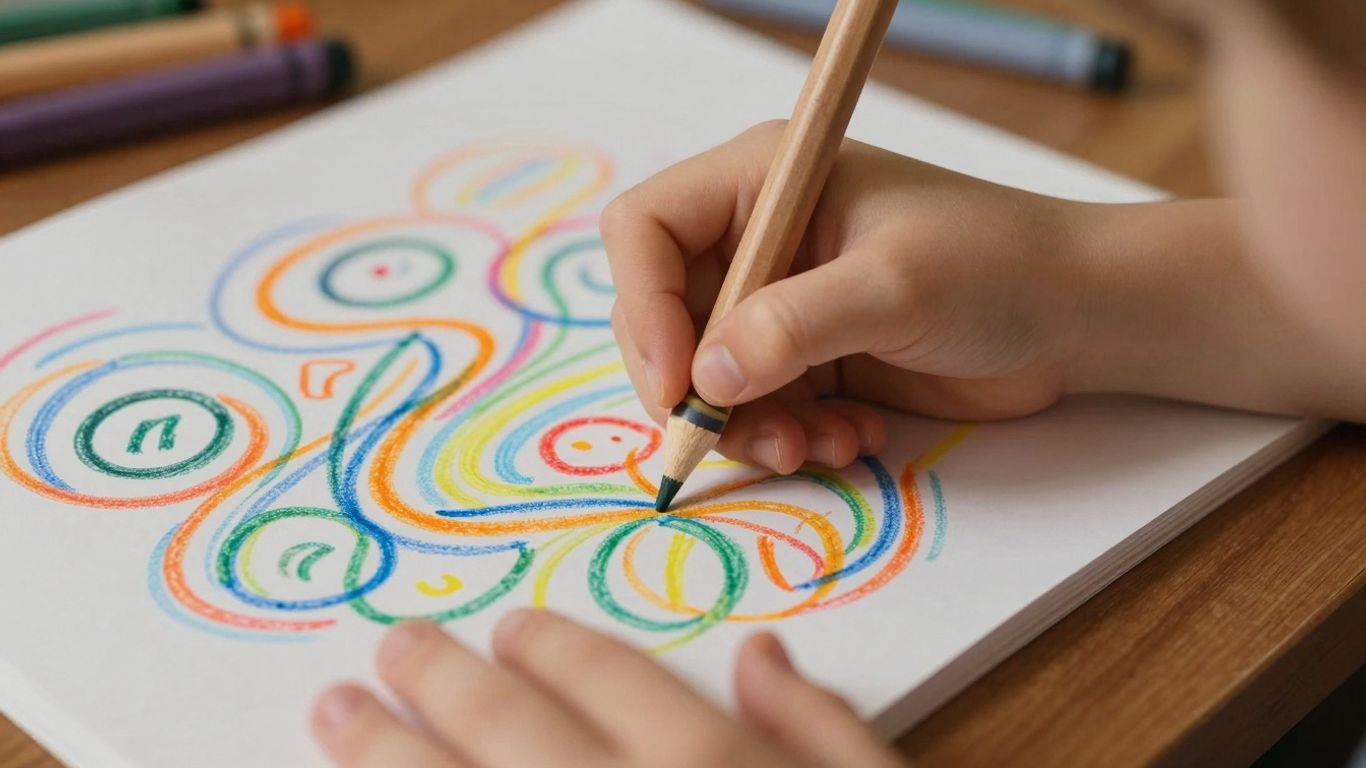
For the little ones who’ve already conquered the basic lines and curves, Clara Hughes’s “Master Tracer: Advanced Paths and Mazes” offers a step up. This isn’t your typical tracing book; it’s more like a puzzle book disguised as a tracing activity. It really pushes kids to think a bit more while they trace.
The mazes in this book get progressively trickier. You start with simpler paths and then move on to more complex ones that require a good amount of focus. It’s great for developing not just fine motor skills but also a bit of problem-solving ability. Kids have to figure out the best way to get from point A to point B without lifting their pencil (or crayon!).
Here’s what makes it stand out:
- Increasing Difficulty: The mazes start easy and get harder, so kids build confidence as they go.
- Focus on Strategy: Some paths require a little planning before tracing.
- Dexterity Boost: Tracing these intricate lines really helps with hand-eye coordination.
This book is perfect for preschoolers who enjoy a challenge and are ready to move beyond simple tracing. It’s a fun way to keep their minds and hands busy, preparing them for more complex tasks down the road.
It’s a solid choice if your child is already comfortable with basic tracing and is looking for something a bit more engaging. The maze format adds an element of game-play that keeps things interesting.
15. Tiny Tracers: A Journey Through The Alphabet By Michael Johnson
Michael Johnson’s “Tiny Tracers: A Journey Through The Alphabet” is a neat little book that focuses on getting preschoolers familiar with the letters. It’s not just about tracing lines, though. Each letter comes with its own set of activities, often featuring animals or objects that start with that letter. This approach helps kids connect the visual shape of the letter with actual words and things they know.
This book is great for building both letter recognition and a basic vocabulary at the same time. It’s a smart way to make learning the alphabet feel more like an adventure than a chore. The tracing tasks themselves are designed to be clear and manageable for little hands, helping them develop that important fine motor control needed for writing.
Here’s what you can expect:
- Letter Focus: Each page is dedicated to a single letter, both uppercase and lowercase.
- Visual Association: Tracing activities are paired with illustrations of items or animals that begin with the featured letter.
- Vocabulary Building: Introduces new words related to the illustrations, expanding your child’s word bank.
- Skill Development: Improves hand-eye coordination and pencil grip.
This book takes a gentle approach to introducing the alphabet, making sure that the tracing practice is tied to meaningful content. It’s a good choice for kids who are just starting to show an interest in letters and might be a little intimidated by more complex workbooks.
16. Clever Eli’s Grooved Letter Tracing Book
This book is pretty neat because it uses a special disappearing ink. It’s like magic for kids! The ink fades away after about 20 minutes, so they can trace the letters over and over again. This is great because it keeps them engaged and lets them practice without needing a whole new page every time.
Clever Eli’s book is designed to help little ones get a good start with writing. It’s got these grooves that guide their fingers, which is super helpful for learning how to form letters correctly. It’s not just about letters, either. The book progresses through different stages:
- Stage 1: Kids start by tracing simple lines in the grooves to get a feel for it.
- Stage 2: They move on to tracing basic shapes and patterns, which builds their hand strength.
- Stage 3: This is where they start tracing both uppercase and lowercase letters, with guides to help them stay within the lines.
- Stage 4: Once they’re comfortable, they can even start tracing simple sight words.
It comes with three refills of the disappearing ink, which is made from plants and is safe for kids. This book really focuses on building those fine motor skills and making the learning process fun and repeatable. It’s a good way to build confidence before they move on to writing on plain paper.
The disappearing ink feature is a big win for keeping kids interested. It turns what could be a frustrating task into a game where they get to see their work vanish and then reappear with a fresh start.
17. Trace The Alphabet
When it comes to getting little ones familiar with the building blocks of language, a good alphabet tracing book is a real game-changer. These books are designed to help preschoolers get a feel for forming letters, both uppercase and lowercase. It’s not just about scribbling lines; it’s about guiding those tiny hands to create recognizable shapes that eventually become words.
The process usually starts with larger, clearer letter guides. Think big, bold outlines that are easy for a beginner to follow. Often, you’ll see dotted lines or faint outlines that kids can trace over. Some books even use different colored lines, like red for the starting point and blue for the rest of the stroke, to give a little extra direction. It’s a simple but effective way to build muscle memory for writing.
Here’s what you can typically expect:
- Uppercase and Lowercase Practice: Most books introduce both capital and small letters, often separately at first, then sometimes together.
- Guided Strokes: Clear directional arrows or numbered steps show kids the correct way to form each letter.
- Repetition: Ample space is provided for tracing each letter multiple times, which is key for developing confidence and skill.
- Visual Cues: Some books use a sample letter alongside the tracing lines, so kids can see the target shape.
Tracing letters helps children develop fine motor skills and hand-eye coordination. It’s a foundational step that prepares them for writing independently later on. The repetition involved also aids in letter recognition and memorization, making the learning process feel more natural and less like a chore.
It’s amazing how much progress can be made with just a few minutes of tracing each day. It really sets them up for success when they start school and begin writing actual words. Plus, seeing their own traced letters start to look like the real thing is a huge confidence booster for them!
18. Follow The Story Path
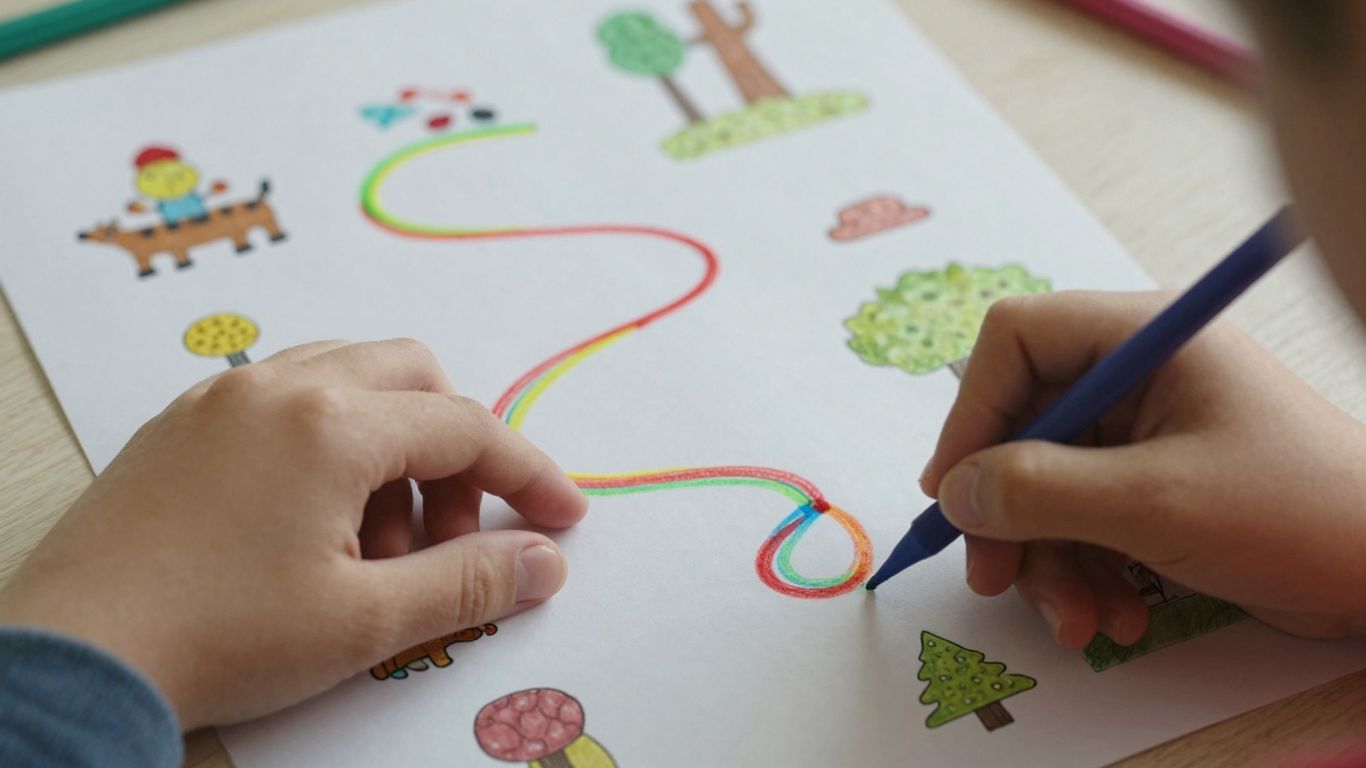
This type of tracing book is pretty neat because it doesn’t just focus on lines and shapes. Instead, it weaves tracing into a narrative. Imagine your little one tracing a path for a character to follow through a simple story. It’s a fun way to get them engaged with the book beyond just copying lines.
It helps kids understand the flow of a story. By tracing a path, they’re visually following the sequence of events – the beginning, the middle, and the end. This can really help them grasp the concept of how stories are put together, which is a big step for early readers.
Here’s what makes these books stand out:
- Interactive Learning: Tracing a path makes the child an active participant in the story.
- Story Comprehension: It visually reinforces the order of events.
- Fine Motor Practice: Still gets those little hands working on control and precision.
- Imagination Boost: Encourages kids to think about the characters and their journey.
When you’re using a book like this, try asking questions as you trace. “Where do you think the bunny is going?” or “What do you think will happen next?” It makes the tracing activity much more engaging and helps build their comprehension skills. It’s a great way to combine early literacy with those important pre-writing exercises, and you can find some really creative options for printable line tracing worksheets online too printable line tracing worksheets.
These books turn tracing into an adventure, making learning feel less like a chore and more like playtime. It’s all about making those early learning steps enjoyable and memorable for your child.
19. Match And Trace
This type of tracing book is pretty neat because it asks kids to do two things at once: match and then trace. It’s a good way to get them thinking a bit more critically while still working on those fine motor skills. You start by having them find a matching shape or letter, and once they’ve made the connection, they get to trace it.
It’s a smart way to build visual discrimination skills. Think of it like a little puzzle before the tracing even begins. This helps them really focus on the details of each letter or shape.
Here’s how it usually works:
- Matching: Kids look for identical shapes, letters, or even simple pictures.
- Identification: They might need to point out the match or draw a line connecting them.
- Tracing: Once matched, they trace over the shape or letter they identified.
It’s a good idea to start with simpler things, like basic shapes or a few letters they already know. You don’t want to overwhelm them right away. As they get better, you can move on to more complex patterns or a wider range of letters. It’s all about building confidence and making sure they’re having fun while they learn. This book really helps them connect what they see with what they can do with their hands.
20. Trace And Color
This book is a fantastic way to combine two enjoyable activities: tracing and coloring. It’s designed to help little ones practice their fine motor skills while also letting their creativity shine. The pages are filled with simple outlines that kids can trace over, and then they get to bring them to life with color.
It’s a great way to work on hand-eye coordination and get kids familiar with holding a crayon or marker. Plus, it gives them a sense of accomplishment when they see their finished, colorful creations.
Here’s what makes this type of book so good for preschoolers:
- Develops Fine Motor Skills: Tracing requires precise movements, which strengthens the small muscles in a child’s hands and fingers.
- Boosts Creativity: After tracing, children can choose their own colors, making each page unique.
- Introduces Basic Shapes and Objects: The outlines are usually of familiar things, helping kids learn what they look like.
- Encourages Focus: Completing a tracing and coloring page takes concentration, a skill that’s important for school.
It’s a simple concept, but the benefits are really quite significant for early development. You can find books like this that focus on specific themes, like animals or vehicles, or more general ones with a variety of pictures. For example, there are resources available that feature a cupcake for students to color after tracing.
This kind of activity book offers a gentle introduction to artistic expression and early learning. It’s all about making the process fun and rewarding for the child.
21. Number Tracing Fun
This section is all about getting those little hands ready to tackle numbers. It’s more than just scribbling lines; it’s about building a connection between the symbol and what it represents. Number tracing books are a fantastic way to introduce basic math concepts and number recognition. They help kids understand that ‘3’ isn’t just a shape, but it means three of something.
Here’s what you can expect and how it helps:
- Number Recognition: Kids learn to identify the visual form of each number.
- Fine Motor Skills: Tracing strengthens the muscles in their hands and fingers, which is super important for writing later on.
- Counting Practice: Many books pair number tracing with counting objects, linking the numeral to a quantity.
- Pre-Math Skills: This is the very first step in understanding mathematical ideas.
When you’re picking out a number tracing book, look for ones that have clear, bold numbers with directional arrows. This makes it easier for preschoolers to follow along. Some books even include fun activities like counting dots or matching numbers to pictures, which really makes the learning stick.
It’s amazing how much progress kids can make with just a little bit of consistent practice. The key is to keep it light and enjoyable, turning number learning into a game rather than a chore. Don’t worry if they don’t get it perfect right away; the goal is exposure and building confidence.
Happy Tracing!
So, we’ve looked at a bunch of tracing books that can really help your little ones get a head start. Whether they’re just learning their ABCs, counting numbers, or getting the hang of shapes, there’s a book out there that fits. Picking the right one means making learning feel like playtime, which is pretty great, right? Keep it fun, keep it simple, and watch them build those skills, one trace at a time. Happy tracing!
Frequently Asked Questions
Why are tracing books good for preschoolers?
Tracing books are awesome for little kids because they help them get better at using their hands and fingers for writing, which is called fine motor skills. They also help kids learn their letters, numbers, and shapes, getting them ready for school in a fun way.
What age is best for starting tracing books?
Many kids can start tracing books around age 3. At this age, they’re usually developing the hand control needed to hold a crayon or pencil and make marks on paper. It’s all about making learning enjoyable and not too hard.
How can I make tracing more fun for my child?
You can make tracing super fun by using colorful crayons or markers, letting your child pick the book they like best, or turning it into a game. Singing songs about letters or numbers while they trace, or even tracing along with them, can also help.
Should I worry if my child doesn’t trace perfectly?
Not at all! The goal at this age is practice and building confidence, not perfection. It’s more important that they’re trying and developing their skills. Praise their effort and celebrate small successes along the way.
What’s the difference between basic and advanced tracing books?
Basic tracing books usually have simple lines, shapes, and large letters or numbers. Advanced books might have more complicated patterns, mazes, or smaller letters that require more focus and steadier hands. They’re great for kids who have already mastered the basics.
Can tracing books help with learning to read?
Yes, tracing books can definitely help! When kids trace letters, they become more familiar with how they look and are formed. This recognition is a big step towards being able to read them later on. It’s a great way to build a strong foundation for reading.

Ms. Kerri’s Corner provides a exciting virtual space for preschool learning. Through a variety of engaging activities, she exposes young minds to early math, literacy, science and social-emotional skills in a developmentally appropriate way. Centers for blocks, art, books and music allow children to explore hands-on learning at their own pace. Guided lessons subtly introduce number sense, letter sounds and narrative thinking. Careful observation gives insight into each child’s progress across domains. Viewers are also invited to participate, reinforcing that their ideas are valued. By making learning fun yet purposeful, Ms. Kerri lays the groundwork for future academic success while fostering creativity and imagination. Her program offers preschoolers valuable screen-based learning experiences.