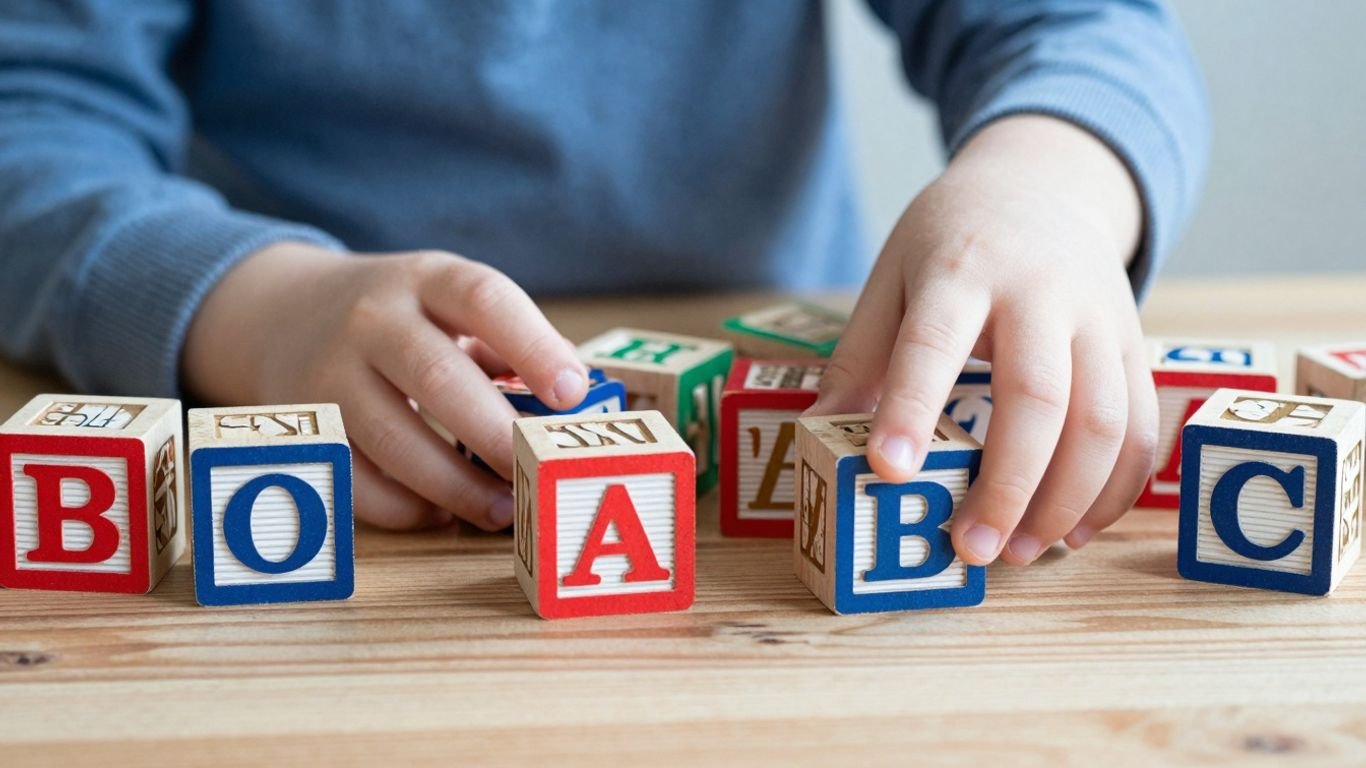
Engaging Letter Recognition Activities Bundle for Early Learners
Getting little ones ready to read is a big deal, and figuring out how to make learning the alphabet fun can be tricky. You want something that keeps them interested but also actually helps them learn. That’s where a good letter recognition activities bundle comes in. It’s like a toolbox full of different ways to practice letters, making sure every child has a chance to get it.
Key Takeaways
- A letter recognition activities bundle is a collection of different learning materials designed to help young children learn their letters.
- These bundles are great because they offer a variety of activities, which can help keep kids engaged and cater to different learning styles.
- Activities often include things like tracing, coloring, matching, and even hands-on stuff like stamping or pasting.
- Using a bundle helps build important skills beyond just recognizing letters, like fine motor control and connecting letters to sounds.
- These resources can be easily used in different parts of a child’s learning day, from center time to morning work or one-on-one practice.
Exploring the Letter Recognition Activities Bundle
This bundle is designed to make learning the alphabet a breeze for your little ones. It’s packed with activities that help kids recognize, trace, and even start writing letters. Think of it as a toolkit for building a strong foundation in reading and writing, all while keeping things fun and interactive.
What is a Letter Recognition Activities Bundle?
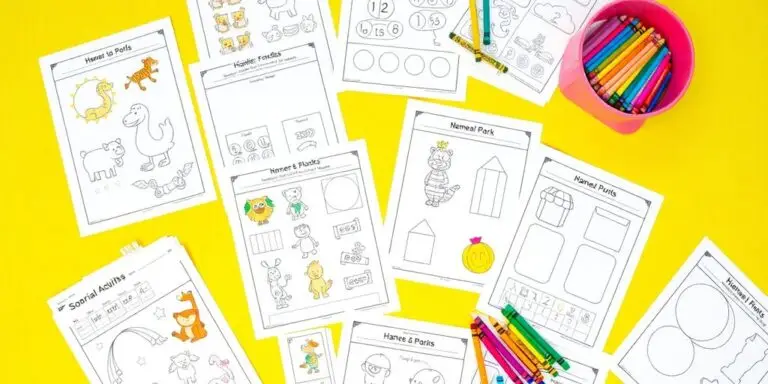
A letter recognition activities bundle is basically a collection of resources all focused on helping young children learn their letters. Instead of just one worksheet or activity, you get a whole set. This might include things like mini-books, coloring pages, tracing sheets, and games. The goal is to give kids lots of different ways to see and interact with each letter, both uppercase and lowercase.
Benefits of Using a Bundle for Early Learners
Using a bundle has some neat advantages. For starters, it offers variety. Kids learn differently, and having a mix of activities means you can find what works best for each child. It also saves time for parents and teachers because all the materials are gathered in one place. Plus, consistent practice across different formats really helps solidify letter knowledge.
- Variety of Activities: Caters to different learning styles.
- Consistent Practice: Reinforces learning through repetition.
- Time-Saving: All materials are ready to go.
- Builds Confidence: Success with multiple activities boosts a child’s self-esteem.
Key Components of Effective Letter Recognition Activities
What makes these activities really work? Well, they usually have a few things in common. They’re hands-on, meaning kids get to do something physical, like coloring, cutting, or stamping. They often connect letters to sounds or pictures, which helps with memory. And importantly, they are designed to be engaging, so kids actually want to participate.
Effective activities make learning feel like play. They use bright colors, simple instructions, and a sense of accomplishment with each completed task. This approach helps children stay focused and motivated without feeling overwhelmed.
Here’s a quick look at what you might find:
- Interactive Booklets: Small books where kids can color, trace, or match letters.
- Tracing and Coloring Pages: Classic activities that help with letter formation and visual recognition.
- Stamping and Pasting: Tactile activities that engage fine motor skills.
- Matching Games: Activities that help children distinguish between similar letters or uppercase and lowercase forms.
Hands-On Activities for Letter Mastery
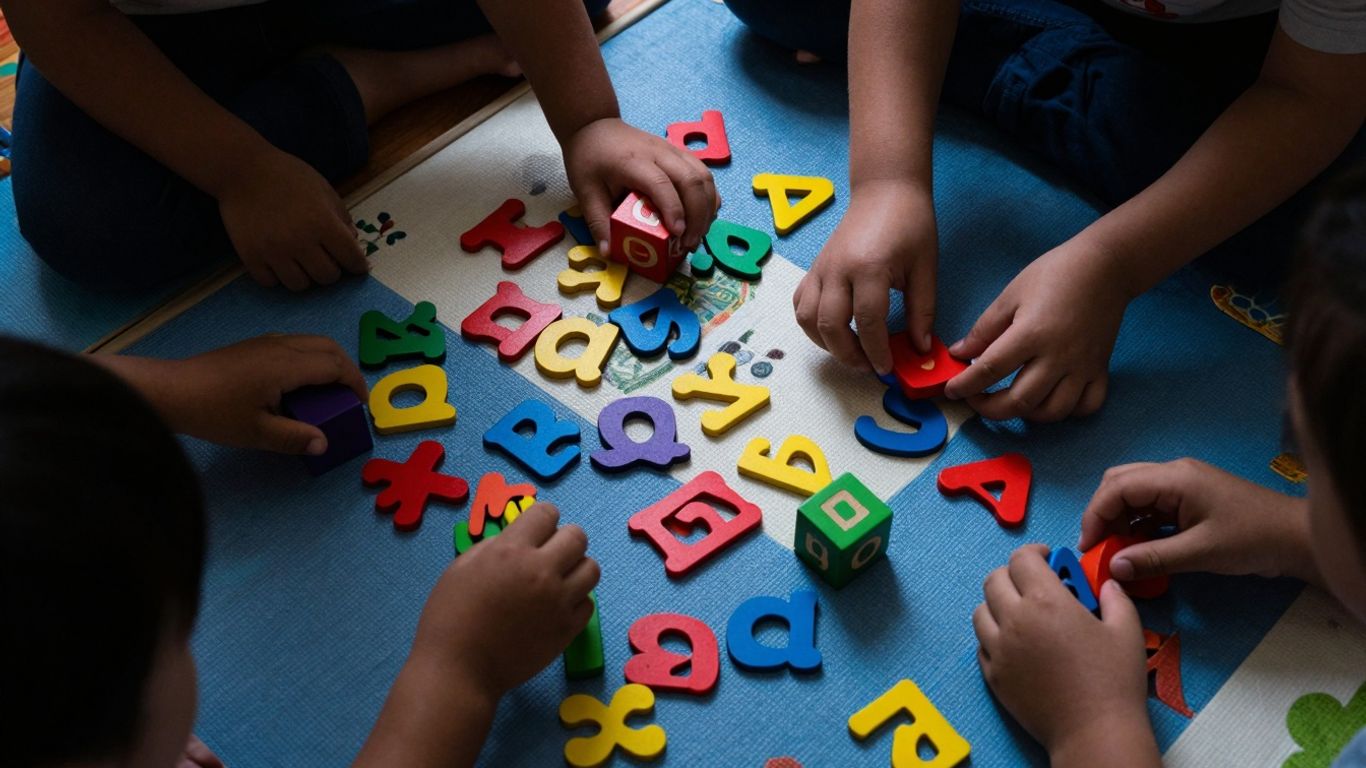
Getting kids to really know their letters goes beyond just looking at them. It’s about touching, making, and doing. This bundle is packed with ways for little ones to get their hands dirty (figuratively, mostly!) and build those letter skills.
Interactive Booklet Creation
Booklets are fantastic because they give kids something to hold and work through step-by-step. We’ve got mini-books that focus on one letter at a time. Kids can trace the letters, color pictures that start with that letter, and even practice writing the uppercase and lowercase versions. It’s a great way to introduce a ‘letter of the week’ concept.
- Focus on one letter: Each booklet is dedicated to a single letter, making it less overwhelming.
- Multi-sensory practice: Combines tracing, coloring, and writing.
- Builds confidence: Completing a booklet gives a sense of accomplishment.
Creative Coloring and Tracing Pages
Sometimes, the simplest activities are the most effective. Our coloring and tracing pages are designed to be engaging. They aren’t just about filling in spaces; they guide little fingers along the correct path for forming letters. This helps with muscle memory and directional understanding, which is super important for writing later on.
These pages offer a low-pressure way for children to interact with letter shapes. They can use crayons, markers, or even dabbers to fill in the letter outlines, making each page a unique creation.
Engaging Stamping and Pasting Exercises
Who doesn’t love stamps and stickers? These activities turn letter practice into a game. Kids can use alphabet stamps to create words or just practice forming letters. Pasting activities, like using pom-poms or small cut-out shapes to fill in letter outlines, are brilliant for developing fine motor control. It’s all about making the learning process feel like play.
Here’s a look at some of the materials you can use with these exercises:
| Activity Type | Suggested Materials |
|---|---|
| Stamping | Alphabet stamps, ink pads, paper |
| Pasting (Pom-Poms) | Pom-poms, glue, letter outlines |
| Pasting (Cut-outs) | Construction paper scraps, glue, letter outlines |
| Dab & Dot | Dab & dot markers, letter outlines |
| Playdough | Playdough, letter mats |
| Pattern Blocks | Pattern blocks, letter mats |
| Snap Cubes | Snap cubes, letter mats |
| Geoboards | Geoboards, rubber bands, letter templates |
| Building Bricks | Building bricks (like LEGOs), letter templates |
| Cotton Swabs & Paint | Cotton swabs, paint, letter outlines |
| Popsicle Sticks | Popsicle sticks, glue, letter outlines |
These hands-on methods help solidify letter recognition in a way that passive learning just can’t match. The more senses involved, the better the memory sticks.
Developing Foundational Literacy Skills
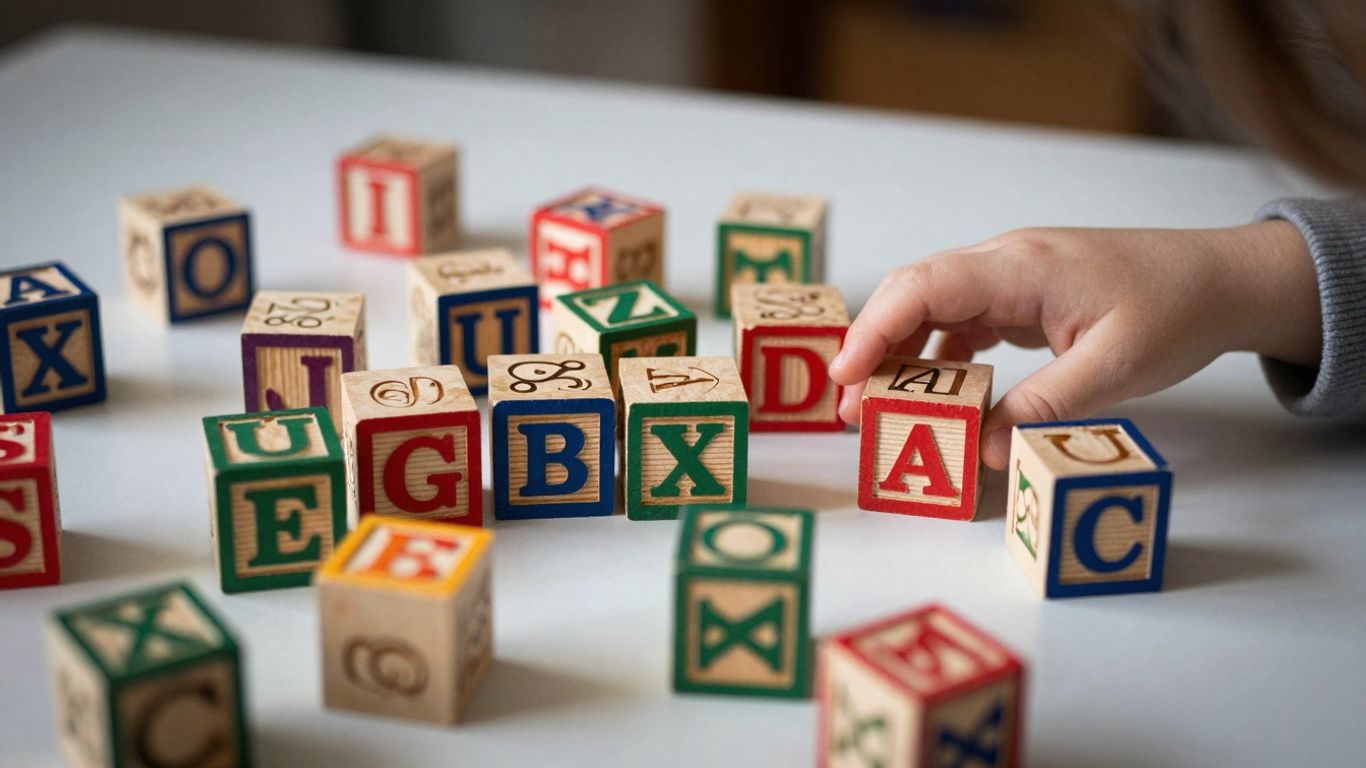
Beyond just recognizing letters, this bundle helps build the groundwork for reading and writing. It’s about making those connections that really stick.
Building Fine Motor Skills Through Play
Little hands need practice to get ready for writing. Activities like tracing, coloring, and even using stamps help develop the small muscle control needed for holding a pencil and forming letters. It’s not just about the letters themselves, but about preparing the hands to do the work of writing.
- Tracing: Following lines and shapes strengthens hand-eye coordination.
- Coloring: Staying within lines requires focus and control.
- Stamping/Pasting: Picking up small objects and placing them accurately builds dexterity.
Connecting Letters with Beginning Sounds
This is where the magic happens – linking a letter’s shape to the sound it makes. When kids can say “B says /b/” and connect it to words like ‘ball’ or ‘bear’, they’re starting to understand phonics. This bundle includes activities that make these connections clear and fun.
Understanding that letters represent sounds is a huge step. It moves learning from just memorizing shapes to understanding how words are built.
Enhancing Letter Formation and Writing Practice
Once kids recognize letters and know their sounds, the next step is forming them correctly. The bundle offers plenty of practice, from tracing dotted lines to writing letters independently. This repetition helps solidify the correct way to form each letter, which is so important for clear handwriting later on.
Here’s a look at how the activities support this:
| Activity Type | Focus |
|---|---|
| Tracing Pages | Practicing correct stroke order |
| Coloring Sheets | Reinforcing letter shape |
| Letter Writing Worksheets | Independent formation practice |
Integrating the Bundle into Learning Routines
So, you’ve got this awesome letter recognition activities bundle, and now you’re probably wondering how to actually make it a regular part of your child’s day. It’s not just about having the materials; it’s about weaving them into the learning flow so they become a natural part of how kids learn. Making these activities a consistent part of the routine is key to seeing real progress.
Utilizing Activities in Learning Centers
Learning centers are fantastic for letting kids explore at their own pace. You can set up different stations, each with a specific activity from the bundle. For example, one center might have the tracing pages and crayons, another could have the stamping and pasting materials, and a third might feature the interactive booklet creation. This setup allows children to choose what they want to work on, fostering a sense of ownership over their learning. It’s a great way to keep things fresh and cater to different interests within the same learning block.
Incorporating into Morning Work and Early Finishers
Morning work is that perfect time when kids are settling in and ready to focus. A few pages from the bundle can be a great way to start the day. Similarly, for those early finishers who zip through their main tasks, having a few engaging letter activities ready to go means they’re still learning instead of getting bored. This keeps their minds active and reinforces what they’ve been learning.
Adapting for Small Group and Individual Support
This bundle is super flexible. You can use it for whole-group introductions to a letter, but it really shines when you break it down. For small groups, you can focus on a specific skill, like letter formation or matching uppercase to lowercase letters, using targeted activities. And for one-on-one support, you can really tailor the activities to a child’s specific needs, whether they need extra practice with a tricky letter or are ready for a challenge. This personalized approach makes a big difference.
The goal is to make learning letters feel less like a chore and more like a fun exploration. When activities are integrated smoothly, children are more likely to stay engaged and absorb the information without even realizing they’re working hard. It’s all about making learning feel like play.
Here’s a quick look at how you might structure some of these routines:
- Learning Centers (Rotation 1):
- Station A: Coloring and Tracing Pages
- Station B: Stamping and Pasting
- Station C: Interactive Booklet Assembly
- Morning Work (Daily):
- 1-2 pages of letter identification or matching
- Early Finishers (As needed):
- Creative coloring sheets or simple letter mazes
- Small Group Focus (Weekly):
- Targeted practice on letter sounds using phonics activities
This kind of structure helps children build familiarity and confidence with letters over time. It’s about consistency and making the learning process enjoyable for every child.
Making Learning Fun and Engaging
The Role of Play in Letter Recognition
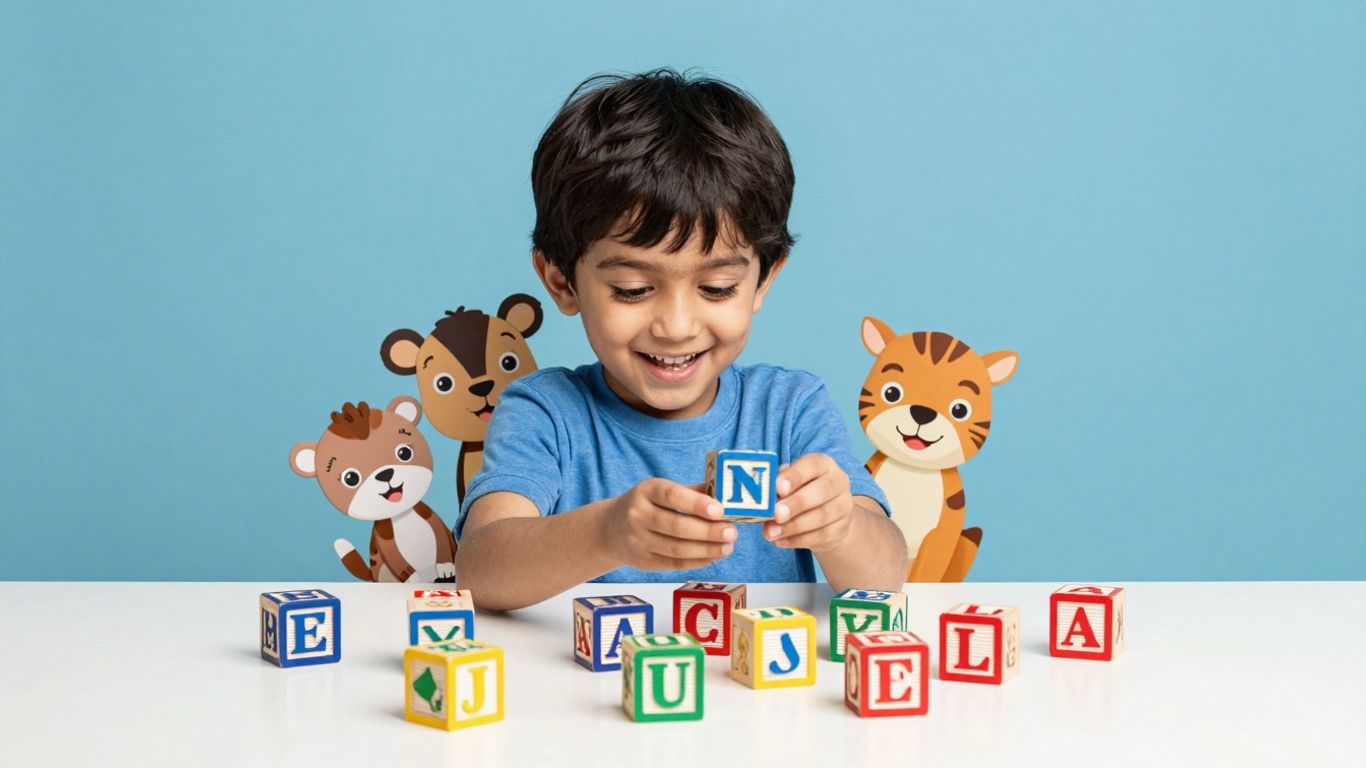
Let’s be honest, kids learn best when they’re having a good time. Turning letter recognition into a game makes all the difference. Instead of just drilling letters, we want to create experiences that feel like play. Think about activities where kids can move, build, or create. When learning is active and enjoyable, those letters and their sounds really start to stick. It’s not just about memorizing; it’s about exploring and discovering.
Sticker Rewards and Motivational Elements
Who doesn’t love a little reward? Stickers are a simple yet super effective way to keep kids motivated. When a child finishes a tricky tracing page or correctly identifies a letter, a sticker can be a small celebration of their effort. These little bursts of encouragement can make a big difference in a child’s attitude towards learning. It’s like giving them a high-five for their hard work. We can also use charts or simple praise to acknowledge progress.
Supporting Diverse Learning Styles
Every child is different, right? Some kids learn by seeing, others by doing, and some by hearing. A good bundle needs to have a mix of activities. We’ve got tracing for the kinesthetic learners, coloring for the visual ones, and sound games for the auditory learners. This variety means that no matter how a child learns best, they’ll find something in the bundle that clicks with them. It’s about giving everyone a chance to shine.
Here’s a quick look at how different activities cater to various learning styles:
| Activity Type | Learning Style Supported | How it Works |
|---|---|---|
| Tracing & Writing | Kinesthetic | Builds muscle memory through physical action. |
| Coloring & Matching | Visual | Connects letters with images and shapes. |
| Sound Games & Songs | Auditory | Reinforces letter sounds through listening. |
| Building with Blocks | Tactile/Kinesthetic | Hands-on creation of letter shapes. |
| Sticker Rewards | Motivational | Positive reinforcement for effort and completion. |
When we make learning feel like play, children are more likely to engage deeply and remember what they’ve learned. It’s about building positive associations with education from the very start.
Comprehensive Alphabet Learning Resources
Mini Books for Letter-of-the-Week Instruction
Mini books are a fantastic way to focus on one letter at a time. Think of a “Letter of the Week” theme. Each week, you can pull out a new mini book. These little books are usually just a few pages long, making them super manageable for little hands and short attention spans. They often include activities like tracing the letter, coloring a picture that starts with that letter, and maybe even a simple matching game. It’s a low-prep, high-impact way to introduce each letter and its sound.
Worksheets for Letter Identification and Matching
Worksheets are a classic for a reason. They offer straightforward practice. You’ll find sheets where kids have to circle the letter ‘B’ among a jumble of other letters, or match uppercase letters to their lowercase twins. Some even have kids match letters to pictures that start with that letter, like matching ‘A’ to an apple. These are great for reinforcing what they’ve learned through the mini books or other activities. They help solidify that visual recognition.
Phonics-Based Activities for Sound Association
This is where the real magic happens – connecting the letter shape to its sound. Phonics activities go beyond just recognizing ‘A’ looks like ‘A’. They help kids understand that ‘A’ makes the /a/ sound, like in “apple” or “ant.” You might see activities where kids have to color pictures that start with a specific sound, or sort objects based on their beginning sound. This step is so important for building the foundation for reading. It’s not just about knowing the alphabet; it’s about knowing what the letters do.
Here’s a quick look at what you might find:
- Letter Tracing: Practice forming the letter correctly.
- Sound Matching: Connect letters to words that start with that sound.
- Picture Sorts: Grouping images based on their initial letter sound.
- Beginning Sound Identification: Saying the sound a letter makes.
Learning the alphabet is more than just memorizing names. It’s about understanding shapes, sounds, and how they work together. These resources provide different ways for kids to interact with letters, making the learning process more effective and enjoyable.
Wrapping It Up
So, that’s a look at some really neat ways to help little ones get a handle on their letters. We’ve seen how different activities, from coloring pages to hands-on building, can make learning the alphabet feel more like playtime than work. It’s all about giving kids fun tools to recognize letters, understand their sounds, and get ready for reading. Using these kinds of resources can really make a difference for young learners, setting them up for success in a way that feels natural and enjoyable. It’s pretty cool how much progress can be made when learning is engaging and hands-on.
Frequently Asked Questions
What exactly is an ‘Engaging Letter Recognition Activities Bundle’?
Think of it as a super-collection of fun activities all designed to help young kids get really good at recognizing letters. It’s like a toolkit packed with different games, worksheets, and crafts that make learning the ABCs exciting and hands-on, rather than just boring drills.
Why is using a bundle better than just individual activities?
Bundles are awesome because they offer a huge variety of ways to learn the same thing. This means kids get to practice letters in many different styles, which helps them learn faster and keeps things interesting. Plus, it saves parents and teachers time by having everything organized in one place.
What kind of activities are usually included in these bundles?
You’ll find all sorts of cool stuff! Many bundles have things like mini-books to create, coloring and tracing pages, activities where kids cut and paste or use stamps, and even games that connect letters with their sounds. The goal is to make learning feel like playing.
How do these activities help with more than just recognizing letters?
Great question! Many of these activities are designed to boost other important skills too. For example, tracing and cutting help build strong finger muscles (fine motor skills), and connecting letters with sounds is a big step towards reading.
Can these activities be used at home and in the classroom?
Absolutely! These bundles are super flexible. You can use them for ‘letter of the week’ lessons, in learning centers at school, as fun homework, or even for one-on-one practice with a child who needs a little extra help. They fit into many different learning setups.
How do these bundles make learning fun for kids?
It’s all about making learning an adventure! Bundles often include colorful designs, stickers for rewards, and activities that let kids be creative. When learning feels like play, kids are more motivated and remember things better. It caters to different ways kids like to learn, too.

Ms. Kerri’s Corner provides a exciting virtual space for preschool learning. Through a variety of engaging activities, she exposes young minds to early math, literacy, science and social-emotional skills in a developmentally appropriate way. Centers for blocks, art, books and music allow children to explore hands-on learning at their own pace. Guided lessons subtly introduce number sense, letter sounds and narrative thinking. Careful observation gives insight into each child’s progress across domains. Viewers are also invited to participate, reinforcing that their ideas are valued. By making learning fun yet purposeful, Ms. Kerri lays the groundwork for future academic success while fostering creativity and imagination. Her program offers preschoolers valuable screen-based learning experiences.