Unlock Early Literacy: The Ultimate Alphabet Learning System for Preschoolers
Getting preschoolers ready to read can feel like a puzzle sometimes, right? There are so many things to teach them, and the alphabet is a big one. We want it to be fun, not a chore. That’s where a good alphabet learning system for preschoolers comes in. Think of it as a toolkit that makes learning letters exciting and helps little ones build a strong start for reading. We’re talking about activities that grab their attention and really help those letters stick.
Key Takeaways
- A solid alphabet learning system for preschoolers uses fun activities to teach each letter from A to Z.
- Hands-on tasks help kids develop fine motor skills while learning letters.
- Combining phonics and letter sounds makes learning more effective.
- Playful methods like games and crafts make the alphabet learning process enjoyable.
- Using resources that are designed for different learning styles helps every child succeed.
Comprehensive Alphabet Learning System for Preschoolers
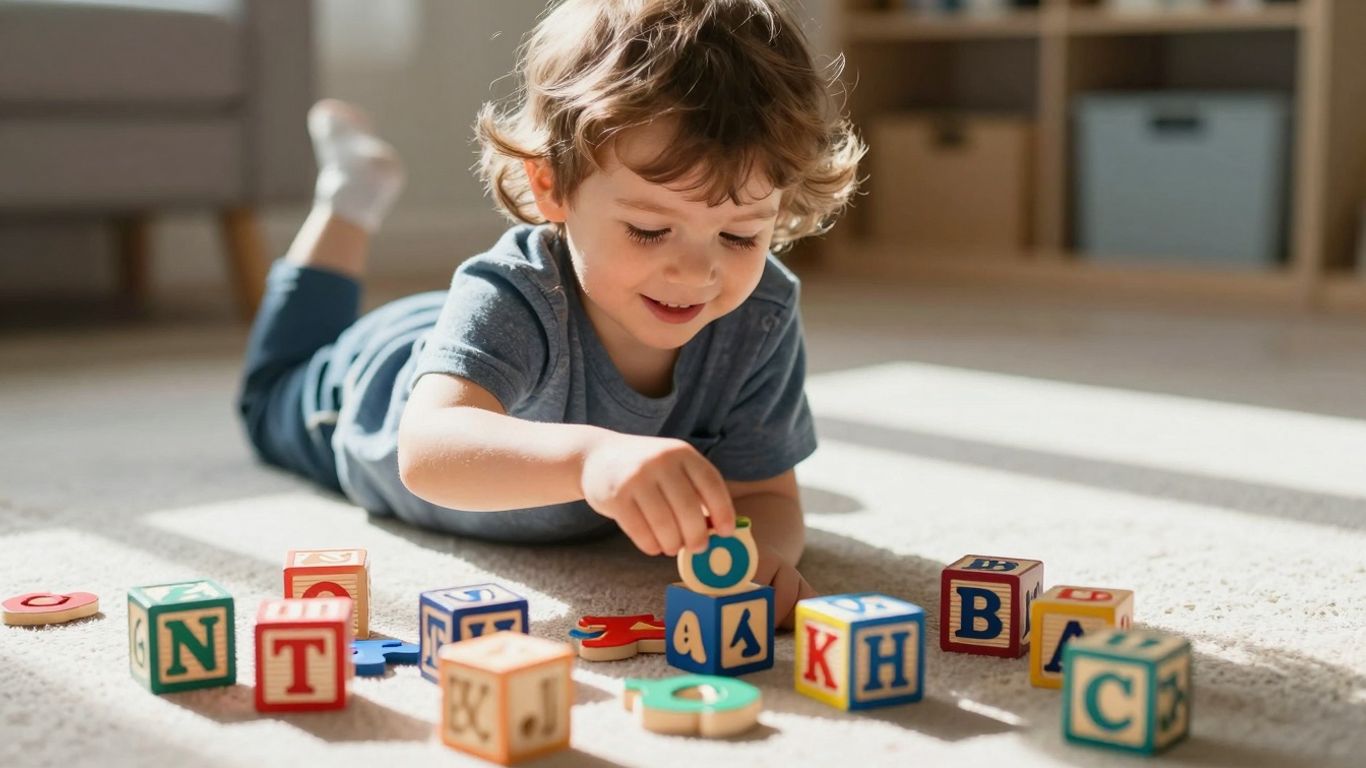
Getting your little ones excited about the alphabet is a big step, and we’ve put together a system that makes it feel more like playtime than homework. This isn’t just about memorizing letters; it’s about building a solid foundation for reading and writing in a way that’s super engaging for preschoolers.
Engaging Activities for Every Letter A-Z
We’ve designed activities that cover every single letter, from A to Z. Think fun games, colorful crafts, and interactive stories. Each letter gets its own spotlight, making sure your child gets plenty of practice without getting bored. It’s all about making each letter memorable through different kinds of fun.
Hands-On Practice for Fine Motor Skills
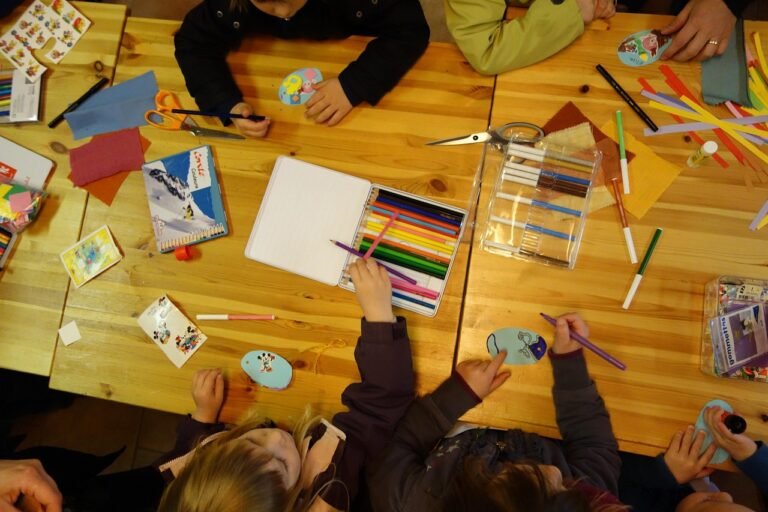
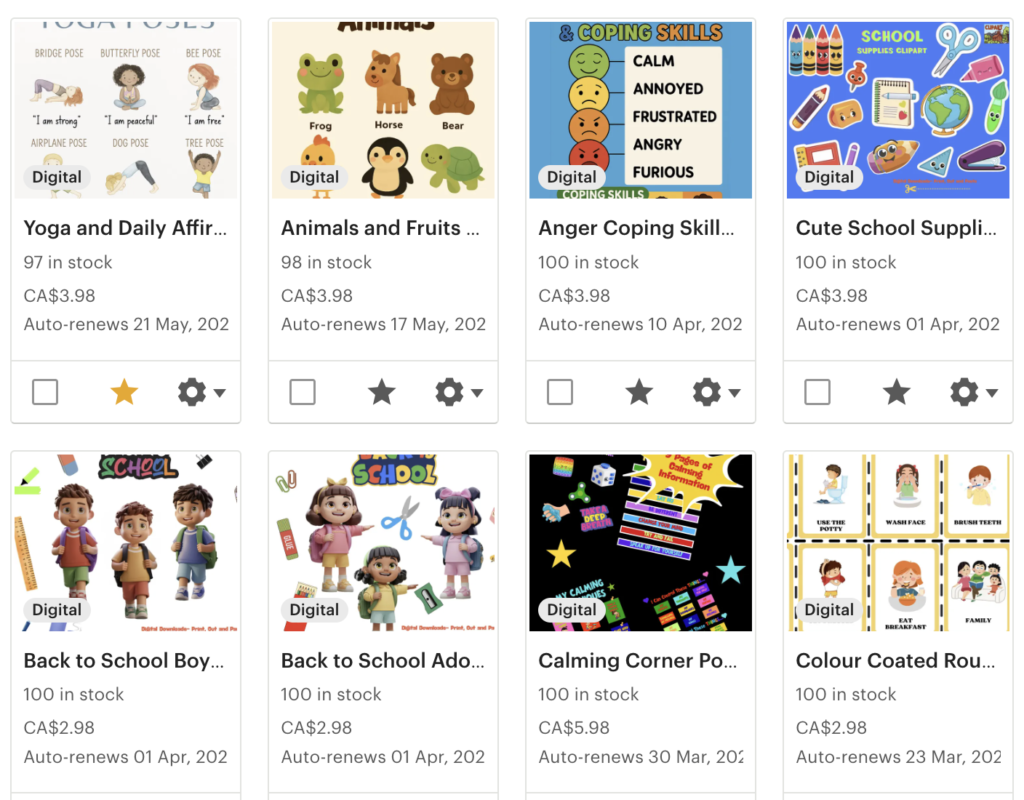
Learning letters also means developing those small hand muscles. Our system includes lots of activities that require little hands to pinch, grasp, and draw. Things like cutting out shapes, using dot markers, and tracing letters really help build the dexterity needed for writing later on. It’s a great way to get them ready for holding a pencil properly. You can find some great resources for this kind of practice here.
Reinforcing Letter Recognition and Sounds
It’s not enough to just know what a letter looks like. Children need to connect that shape with its sound. Our activities do just that. We use songs, rhymes, and picture associations to help kids remember both the letter and the sound it makes. This dual approach really helps solidify their understanding.
This method helps children build strong connections between the visual form of a letter and its spoken sound, which is a key part of early reading.
Here’s a quick look at how we approach each letter:
- Visuals: Bright, clear images that start with the letter.
- Sounds: Simple, clear pronunciation of the letter sound.
- Action: A fun activity, like drawing or a simple craft, related to the letter.
- Practice: Opportunities to trace, write, or identify the letter.
Building Foundational Literacy Skills
Phonics and Phonological Awareness Integration
Getting kids ready to read isn’t just about knowing the ABCs. It’s really about understanding how letters work with sounds. This is where phonics and phonological awareness come into play. Phonological awareness is like listening for the individual sounds in words. Think about the word ‘cat’. It has three sounds: /c/, /a/, /t/. Helping preschoolers hear these sounds is a big step. Phonics then connects these sounds to the letters that make them. So, the letter ‘c’ makes the /c/ sound. When these two work together, kids start to crack the code of reading. It’s not always something kids pick up on their own; explicit teaching makes a huge difference. Many programs skip this, but it’s super important for reading success.
Developing Handwriting and Letter Formation
Beyond just recognizing letters, kids need to learn how to write them. This involves developing fine motor skills, which are the small muscle movements needed for tasks like holding a pencil. Practicing letter formation helps build these skills. It’s not just about making the letter look pretty; it’s about forming it correctly so it’s legible. This practice also reinforces letter recognition. When a child traces or writes the letter ‘B’, they’re seeing and making the shape, which helps them remember it. It’s a hands-on way to solidify their learning.
Boosting Beginning Reading Readiness
Putting it all together, these skills prepare children for reading. When they can hear sounds in words (phonological awareness), connect those sounds to letters (phonics), and form those letters themselves, they’re well on their way. Activities that combine these elements, like sounding out simple words or recognizing sight words, build confidence. It’s about creating a solid base so that when they encounter new words, they have the tools to figure them out. This readiness means they’re not just memorizing words, but truly understanding how reading works.
Interactive Alphabet Learning Tools
Cut and Paste Activities for Engagement
These activities are fantastic for little hands. They involve cutting out shapes or letters and pasting them onto a designated spot, like a letter outline or a picture that starts with that letter. It’s a great way to get kids involved and make them feel like they’re really building something. This hands-on approach really helps solidify what they’re learning. It’s not just about seeing the letter; it’s about physically manipulating it. This also works wonders for developing their fine motor skills, which is super important for when they start writing.
Do-a-Dot Mats for Focus and Coordination
Do-a-dot printables are another winner. You print out a page with a letter, often with a dotted outline or specific spots to fill. Kids use dot markers, stickers, or even just crayons to fill in the dots. It’s surprisingly effective at keeping them focused because they have a clear task. Plus, aiming for those dots helps with hand-eye coordination and control. It’s a simple concept, but it really works to build concentration and precision. You can find tons of free printables online for these, making it an easy addition to your learning routine.
Tracing and Writing Practice Pages
These pages are the bread and butter of early writing. They usually have a letter printed large, with dotted lines showing the correct way to form it. Children trace over these lines, practicing the strokes needed for each letter. It’s a direct way to build muscle memory for handwriting. Starting with tracing helps them get the feel for letter formation before they try writing letters on their own. It’s a gradual process that builds confidence with each successful stroke. These pages are a direct link to learning the alphabet and preparing for future writing tasks.
These interactive tools turn abstract letters into tangible objects and actions. By engaging multiple senses and encouraging active participation, children build a stronger connection with each letter, making the learning process more memorable and enjoyable. It’s about making learning feel less like a chore and more like a fun game.
Here’s a quick look at how these tools help:
- Fine Motor Skill Development: Cutting, pasting, dotting, and tracing all require precise hand movements.
- Letter Recognition: Repeated interaction with letters in different formats helps children identify them more easily.
- Hand-Eye Coordination: Activities like dotting and tracing demand focus and control.
- Creativity and Engagement: Many of these tools allow for artistic expression, keeping children interested.
- Confidence Building: Successfully completing these tasks gives children a sense of accomplishment.
Mastering the Alphabet Through Play
Coloring Pages and Crafts for Creativity
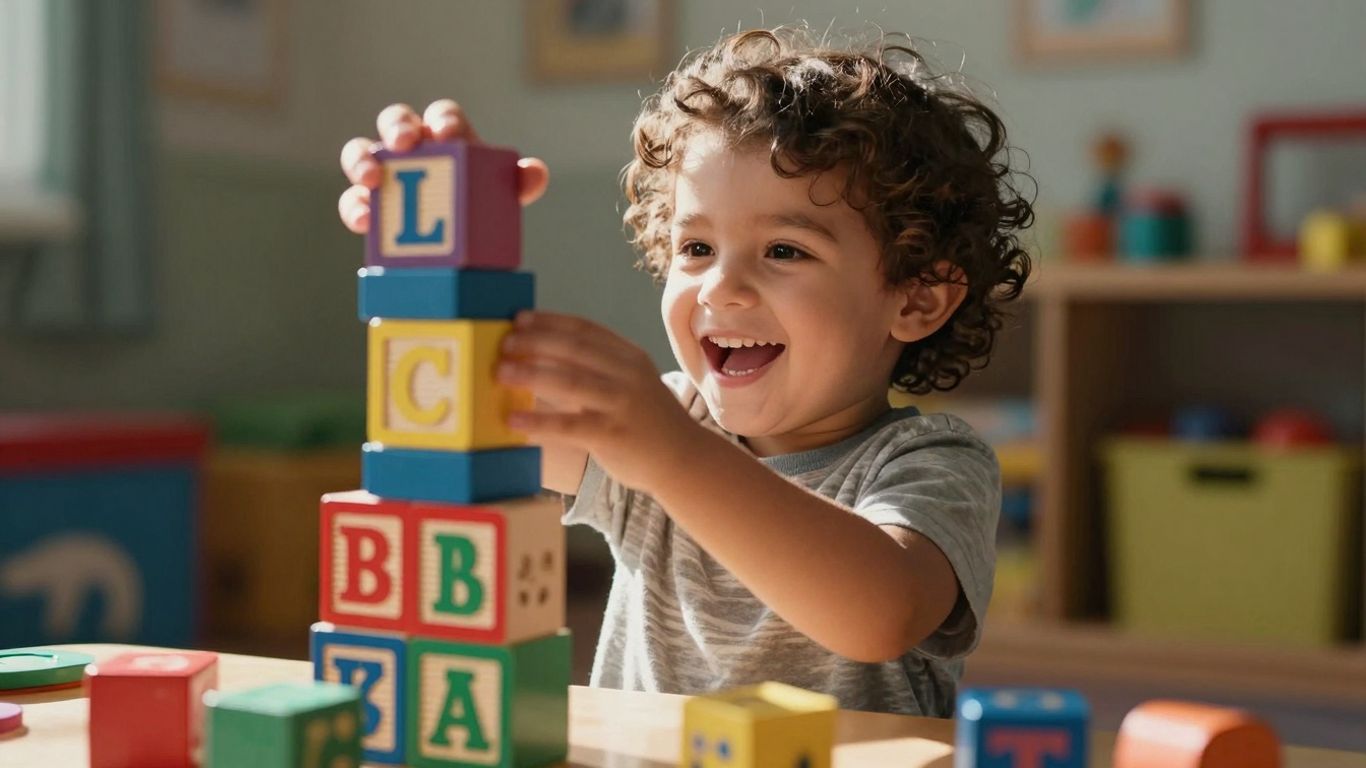
When kids get to color or make something, they really light up. It’s not just about making pretty pictures; it’s a way for them to connect with the letters they’re learning. Think about it: drawing an ‘A’ for apple and then coloring in a big red apple. That makes the letter ‘A’ stick in their mind way better than just seeing it on a page. These activities help with fine motor skills too, like holding crayons or scissors, which is super important for when they start writing. It’s a fun, hands-on way to learn that doesn’t feel like work at all. You can find tons of free printables online, or even just grab some paper and crayons and let their imagination run wild. Making learning an art project is a win-win.
Puzzles and Matching Games for Fun
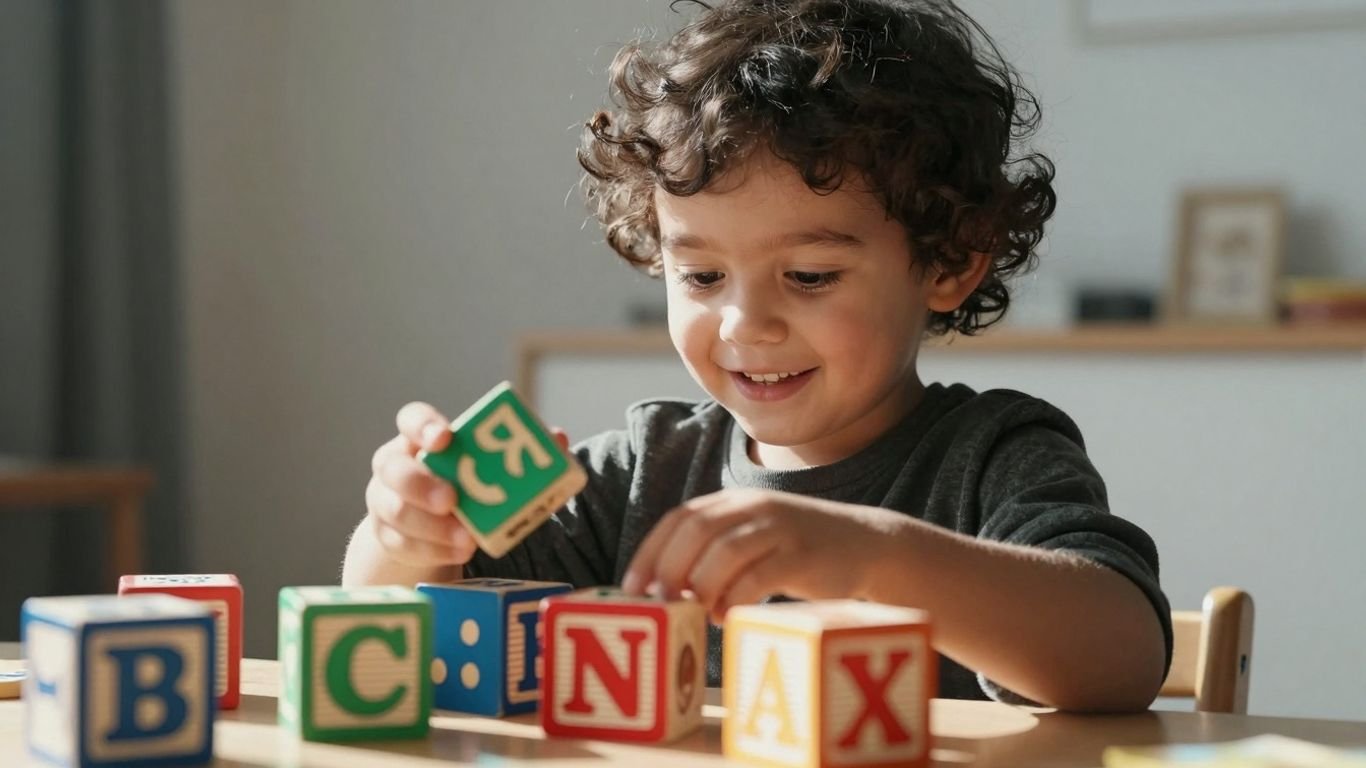
Puzzles and matching games are fantastic for getting kids to really look at letters and their shapes. When they have to find the matching uppercase and lowercase ‘B’ or put together a puzzle of the letter ‘C’ with a cat, they’re actively engaging with the alphabet. This isn’t just about memorizing; it’s about recognizing patterns and differences. These games help build their problem-solving skills too. Plus, they’re just plain fun! Kids love the challenge of completing a puzzle or the satisfaction of making a match. It’s a great way to practice letter recognition without them even realizing they’re studying. Many apps, like ABC Kids, offer digital versions of these games that are super engaging.
Sorting Activities for Letter Understanding
Sorting activities take the learning a step further by helping children understand how letters work together. You can have them sort letters by shape (like all the letters with circles, or all the letters with straight lines) or by sound (all the letters that make the /m/ sound). This kind of sorting really helps them grasp the alphabetic principle – the idea that letters represent sounds. It’s a more advanced concept, but sorting makes it tangible. For example, sorting pictures of objects that start with ‘S’ versus objects that start with ‘T’ helps them connect the letter to its sound in a practical way. It’s a simple yet powerful way to build their understanding of how our written language works.
Playing with letters through art, puzzles, and sorting makes learning feel natural. It taps into a child’s natural curiosity and desire to explore. When learning is presented as a game or a creative endeavor, children are more likely to stay engaged and absorb the information without feeling pressured. This playful approach is key to building a strong foundation for literacy.
Here’s a quick look at how these activities can be structured:
- Coloring & Crafts: Focus on one letter at a time. Draw the letter, then draw or create something that starts with that letter. Example: ‘D’ for Dinosaur – draw a dinosaur, then color it.
- Puzzles & Matching: Use letter puzzles (jigsaw, magnetic) or matching cards (uppercase to lowercase, letter to picture). Aim for a few minutes of focused play daily.
- Sorting: Start with visual sorting (e.g., letters with curves vs. straight lines). Progress to sound sorting (e.g., pictures starting with /b/ vs. /p/).
The Ultimate Alphabet Learning System for Preschoolers
All-in-One Bundles for Complete Instruction
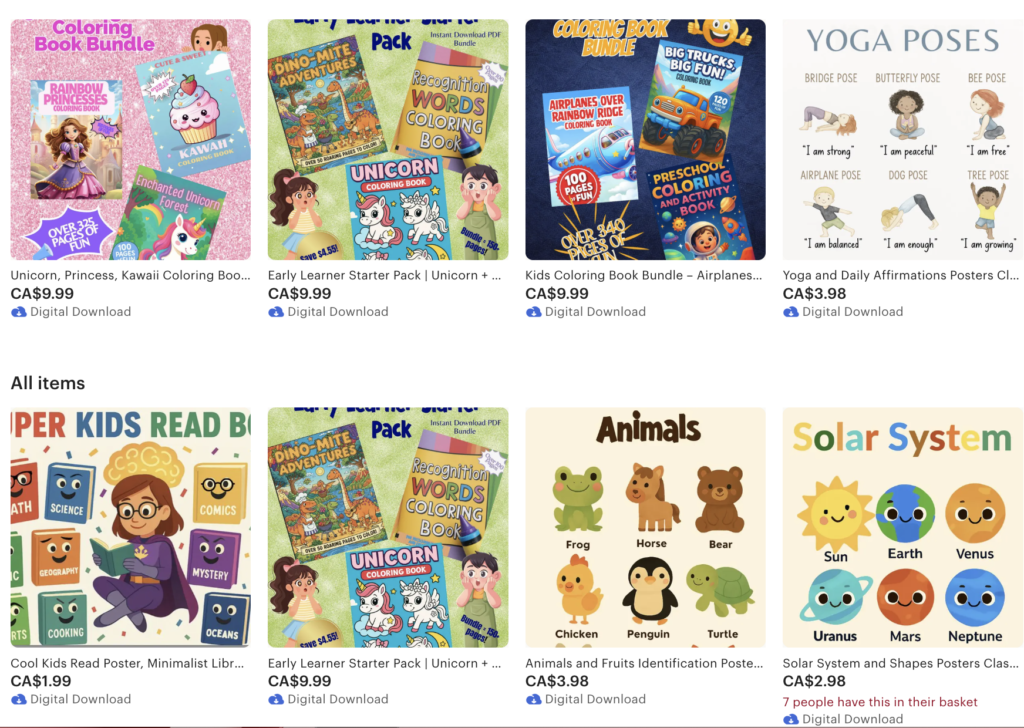
Putting together a complete alphabet learning program can feel like a huge task. That’s where these all-in-one bundles come in handy. They gather a bunch of different activities into one package, so you don’t have to hunt for materials all over the place. Think of it like getting a starter kit for teaching the ABCs. These bundles often include things like tracing pages, coloring sheets, cut-and-paste activities, and even games. It’s a really convenient way to make sure you have everything you need.
Science of Reading Aligned Resources
Many of these ultimate systems are now designed with the Science of Reading in mind. This approach focuses on how kids actually learn to read, emphasizing things like letter sounds and how they work together. So, you’re not just learning letters; you’re building the groundwork for actual reading. This means activities are structured to build phonemic awareness and phonics skills right from the start. It’s about making sure the learning sticks.
Differentiated Practice for Every Learner
Kids learn at their own pace, right? The best alphabet systems understand this. They offer ways to adjust the activities so they work for different kids. Some children might need more tracing practice, while others are ready for matching games. You’ll find resources that can be used in small groups or for one-on-one support. This flexibility means every child can get the practice they need to feel confident with their letters. It’s all about meeting each child where they are on their learning journey. You can find great resources to help with teaching the alphabet effectively.
Wrapping It Up
So, we’ve gone over a bunch of ways to help your little ones get a handle on their ABCs. It’s pretty amazing how many different activities are out there, from tracing pages to fun crafts and games. The main thing is to keep it interesting and find what clicks with your child. Remember, every kid learns at their own pace, and the goal is to make learning feel like playtime. By using a mix of these ideas, you’re giving them a great start on their reading journey. It’s all about building that early confidence and showing them that learning can be a real adventure.
Frequently Asked Questions
What age group is this alphabet learning system best for?
This system is designed for preschoolers, typically ages 3-5. It’s also great for Pre-K, Transitional Kindergarten (TK), and even early Kindergarten students who are just starting to learn their letters and sounds.
What kinds of activities are included in this system?
You’ll find a wide variety of fun activities! This includes things like tracing and writing practice pages, coloring sheets, cut-and-paste exercises, dot marker activities, puzzles, and matching games. The goal is to make learning letters engaging and hands-on.
How does this system help with fine motor skills?
Many activities, like cutting, pasting, tracing, and using dot markers, are specifically included to help little hands develop the strength and control needed for writing. These actions build the foundation for better handwriting later on.
Is this system based on how kids actually learn to read?
Yes, many of the resources are aligned with the ‘Science of Reading.’ This means they focus on phonics and the sounds letters make, which is a proven way to help children become strong readers. It goes beyond just recognizing the letters.
Can this system be used for kids who learn at different paces?
Absolutely! The system offers different types of practice, so you can choose what works best for each child. Whether a child needs more basic tracing or more challenging sound activities, there are options to help them learn at their own speed.
What makes this an ‘ultimate’ learning system?
It’s considered ‘ultimate’ because it brings together a huge collection of resources that cover all the key areas of alphabet learning. From letter recognition and sounds to handwriting and early reading skills, it provides a complete, all-in-one package to help children master the alphabet.

Ms. Kerri’s Corner provides a exciting virtual space for preschool learning. Through a variety of engaging activities, she exposes young minds to early math, literacy, science and social-emotional skills in a developmentally appropriate way. Centers for blocks, art, books and music allow children to explore hands-on learning at their own pace. Guided lessons subtly introduce number sense, letter sounds and narrative thinking. Careful observation gives insight into each child’s progress across domains. Viewers are also invited to participate, reinforcing that their ideas are valued. By making learning fun yet purposeful, Ms. Kerri lays the groundwork for future academic success while fostering creativity and imagination. Her program offers preschoolers valuable screen-based learning experiences.