Unlock Early Reading Success: The Ultimate Sight Words Program for Preschoolers
Getting your little one ready to read is a big step, and sight words are a huge part of that. These are the words kids just need to know by heart, like ‘the,’ ‘is,’ and ‘a.’ They pop up everywhere, and knowing them fast makes reading way easier. But let’s be real, making kids learn lists of words can be a drag. That’s where a good sight words program for preschoolers comes in, turning what could be a chore into something fun and effective. We’re going to look at how to make this happen for your child.
Key Takeaways
- Sight words are common words kids should recognize instantly, not sound out, which speeds up reading and helps with understanding.
- Making sight word learning fun through games and play is much more effective for preschoolers than just drills.
- An effective sight words program for preschoolers should include recognized word lists, clear pronunciation guides, and be easy for kids to use.
- Integrating sight word practice into daily routines, celebrating small wins, and having options like offline access makes learning flexible.
- Building strong speaking and listening skills first, as Speech Blubs does, creates a solid base for mastering sight words and reading.
Understanding The Importance Of Sight Words
What Are Sight Words And Why Do They Matter?
So, what exactly are sight words? Think of them as the most common words you see everywhere when you’re reading, like “the,” “is,” “and,” or “a.” These words pop up so often that it’s way more efficient for kids to just know them on sight, rather than trying to sound them out every single time. Many of these words don’t follow the usual phonics rules, which can be a bit confusing for little ones. Words like “said,” “come,” or “was” are good examples. If a child has to stop and decode every single one of these, reading can become a real struggle.
Mastering these words is a big deal for early readers. It’s not just about memorizing a few words; it’s about building a solid foundation for reading. When kids can recognize these words quickly, it makes a huge difference.
Here’s why they’re so important:
- Faster Reading: When kids don’t have to pause and sound out every common word, their reading just flows better. They can get through sentences and stories more smoothly.
- Better Understanding: If you’re constantly stuck on figuring out individual words, it’s hard to follow what’s happening in a story. Instant word recognition means kids can focus on the meaning.
- More Confidence: Every time a child reads a word they recognize, it’s a little win. These wins add up, making them feel more capable and excited about reading. It’s a great way to build confidence early on.
- Less Frustration: Struggling with reading can be really discouraging. Sight words can be a major stumbling block, so getting past them makes reading feel less like a chore and more like fun. It helps them tackle more complex books later on.
Learning sight words is a key step in becoming a confident reader. It’s about building familiarity with the words that make up most of what we read every day. This familiarity is what helps children move from just sounding out letters to actually understanding stories.
The Impact Of Sight Word Mastery On Reading Fluency
When children can instantly recognize a large chunk of the words they encounter, their reading becomes much more fluid. Instead of painstakingly decoding each word, they can process sentences more naturally. This automaticity is what we call reading fluency. It’s like the difference between someone who speaks slowly, pausing to think about every word, and someone who speaks smoothly and conversationally. For young readers, this shift from decoding to fluent recognition frees up their brainpower. They can then concentrate on understanding the story’s plot, characters, and message, rather than just the mechanics of reading. This ability to read smoothly and with expression is a direct result of having a strong sight word vocabulary. It’s a critical step towards reading comprehension.
Boosting Comprehension Through Instant Word Recognition
Think about it: if a child is spending all their mental energy trying to sound out “because” or “where,” they’re probably not absorbing the story. Instant word recognition, especially for those tricky sight words, changes everything. When these common words are recognized automatically, the child’s cognitive load is significantly reduced. This allows them to focus on the bigger picture – the meaning of the sentences and paragraphs. They can follow the narrative, understand character motivations, and grasp the overall theme of the text. It’s this ability to process text quickly and effortlessly that truly boosts comprehension. Without it, reading can feel like a chore, but with it, books become gateways to new worlds and ideas.
Making Sight Word Learning Engaging For Preschoolers
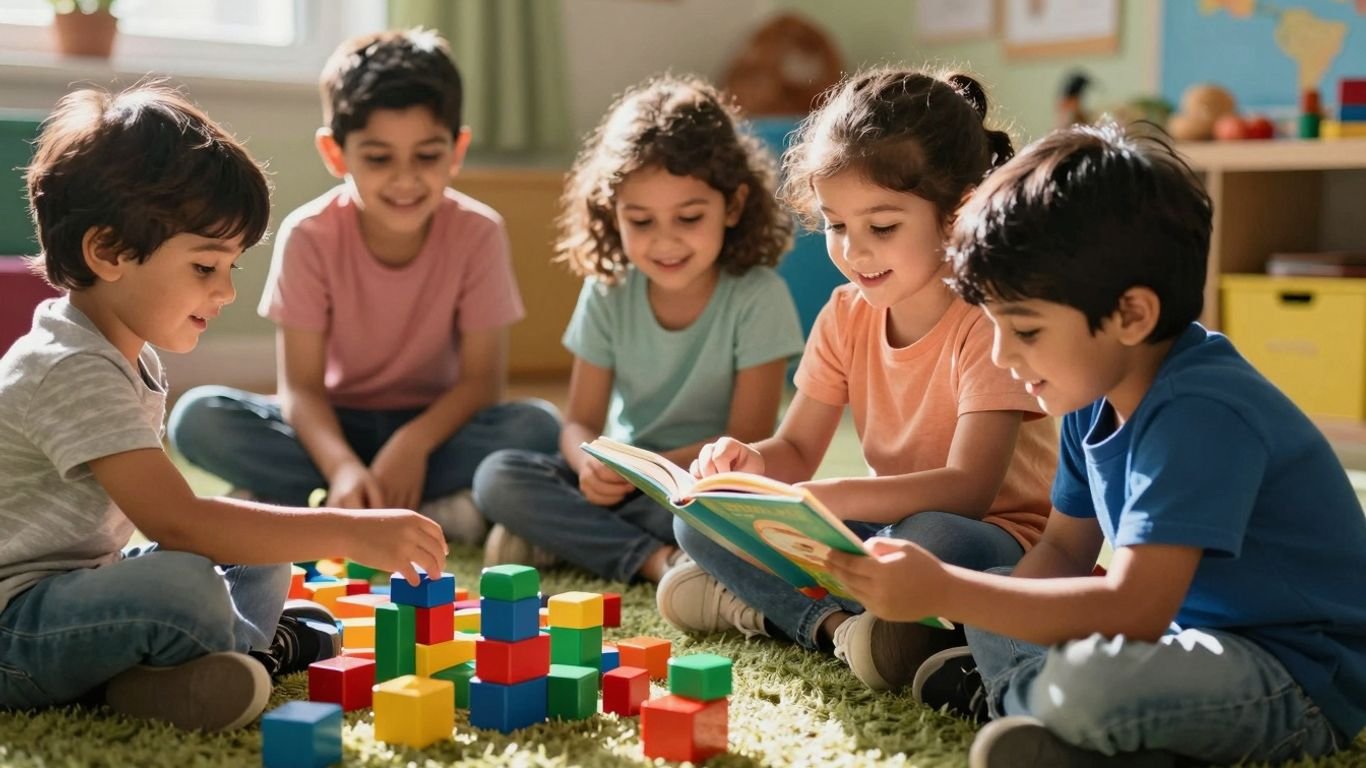
Learning sight words doesn’t have to feel like a chore. For preschoolers, play is the best way to learn anything, and sight words are no exception. Turning drills into exciting games makes a big difference. When learning feels like play, kids want to join in and keep trying, even when it’s a bit tricky. It’s all about making those common words, like ‘the,’ ‘is,’ and ‘and,’ feel familiar and fun.
The Power Of Play: Why Kids Sight Word Games Work
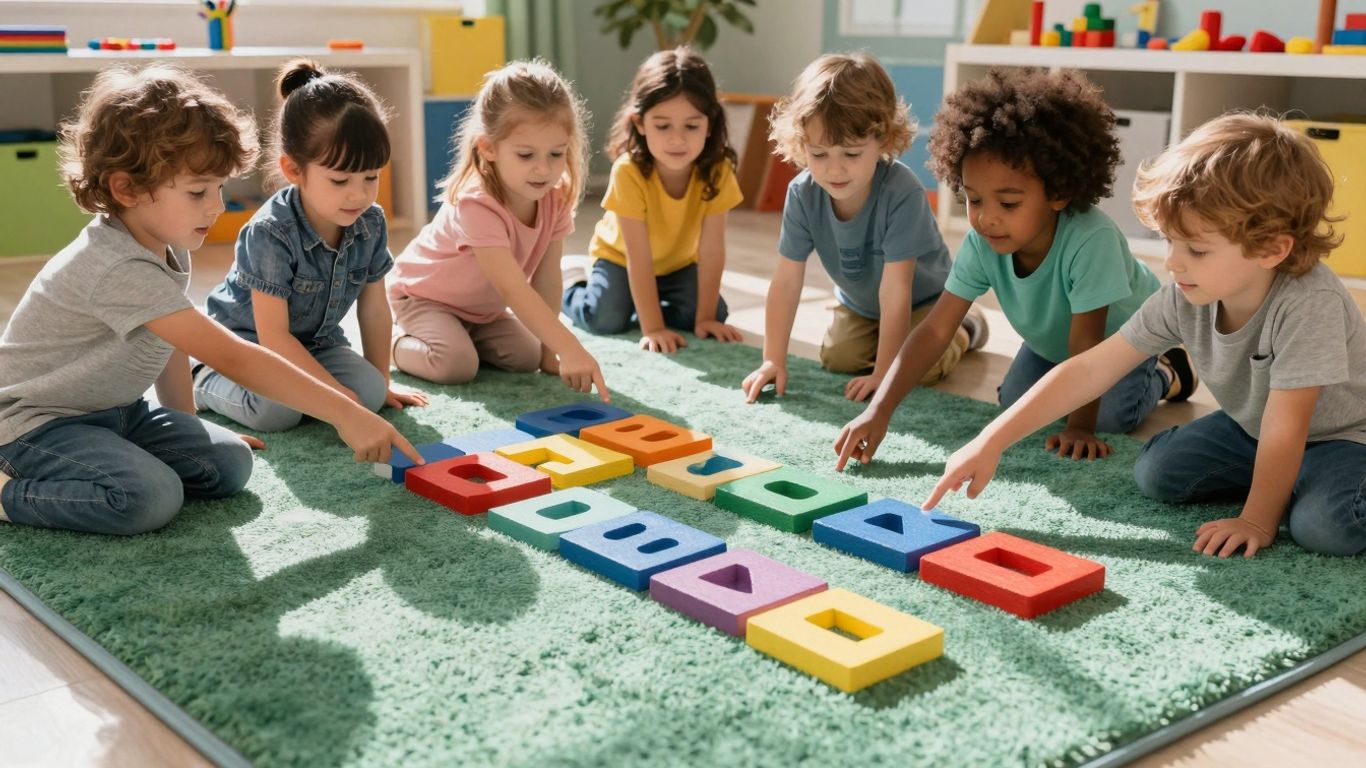
Why are games so good for learning sight words? Well, for starters, kids are naturally drawn to playing. When learning is presented as a game, they’re more motivated to stick with it. Instead of just looking at flashcards over and over, they can play a matching game, go on a word hunt, or even play sight word bingo. These games help them see the same words in different ways, which helps the words stick without feeling boring. Plus, many games let them hear the word while they see it, which really helps connect the sound to the letters. This kind of fun learning helps kids feel good about reading right from the start.
- Games make repetition feel like fun, not work.
- They use multiple senses, helping kids remember better.
- Playing builds positive feelings about reading.
When learning sight words is a joyful experience, children begin to associate reading with happiness and discovery. This positive connection is key to developing a lifelong love for books and learning.
Transforming Drills Into Exciting Learning Adventures
Think about it: endless flashcards can get old fast. But a game? That’s a whole different story. Games can take those same words and put them into exciting scenarios. Imagine a game where kids have to find specific sight words hidden in a picture, or a digital game where they tap the correct word to make a character jump. These kinds of activities keep children interested and actively involved. It’s about making the learning process dynamic and responsive to the child’s pace. For example, some digital games can adjust the difficulty, giving more practice on words a child finds hard. This kind of tailored approach, like what you can find in some literacy apps, makes learning more effective.
Choosing The Right Kids Sight Words Game
With so many options out there, picking the best sight word game can be tough. Here’s what to keep in mind:
- Is it fun? If the game isn’t engaging, kids won’t want to play.
- Does it offer variety? Look for games that present words in different ways.
- Does it provide feedback? Immediate feedback helps kids learn faster.
- Is it age-appropriate? The game should match your child’s current skill level.
- Can you play together? Interactive games where you can join in are often the most rewarding.
Key Components Of An Effective Sight Words Program
So, you’re looking to build a solid sight word program for your little one. That’s great! It’s not just about flashcards, though. A really good program has a few key things that make it work well for preschoolers. Think of it like building with blocks – you need the right shapes and sizes to make something strong.
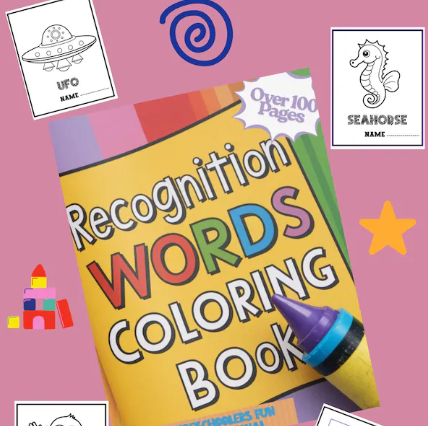
Utilizing Comprehensive Sight Word Lists
First off, you need the right words. Most programs use lists like Dolch or Fry. These lists have the words that pop up most often in books kids read. It makes sense to focus on these, right? They’re like the VIPs of the word world for young readers.
- Dolch Sight Words: These are broken down by grade level, from pre-primer all the way up to third grade. They include common nouns and service words (like ‘a’, ‘the’, ‘is’).
- Fry Sight Words: These are based on how often words appear in text. The first 100 Fry words make up about half of all the words in books!
- Customizable Lists: Some programs let you add your own words, which is handy if your child is working on specific words from their favorite books.
The goal is to expose children to the most frequent words first. This gives them a big head start.
Incorporating Audio For Pronunciation Mastery
Words aren’t just seen; they’re heard too. For preschoolers, hearing the correct pronunciation is super important. If they hear ‘the’ said correctly, they’re more likely to say it correctly. This helps them connect the spoken word to the written word.
- Clear Audio: The program should have clear, friendly voices saying each word. No mumbling allowed!
- Repetition: Kids need to hear words multiple times. The audio should be easy to replay.
- Contextual Use: Hearing words in short sentences is even better. It shows them how the word is used in real talk.
Hearing the word spoken correctly helps a child build a stronger connection between the sound and the letters they see. It’s like giving them a complete picture of the word.
Ensuring User-Friendly Navigation And Control
Preschoolers are still learning how to use technology. A program that’s hard to figure out will just lead to frustration. It needs to be simple, intuitive, and fun to use.
- Big Buttons: Large, easy-to-tap buttons are a must.
- Simple Menus: Kids should be able to move between activities without getting lost.
- Minimal Distractions: Avoid too many flashing lights or confusing pop-ups. Keep the focus on the words.
- Parent Controls: Parents should be able to track progress and adjust settings easily. This is for the grown-ups, of course!
When a program is easy for a child to use, they can spend more time learning and less time trying to figure out how to make it work. It keeps them engaged and feeling successful.
Integrating A Sight Words Program Into Daily Routines
Getting your little one to learn sight words doesn’t have to be a separate, scheduled event that feels like homework. The real magic happens when you weave these learning moments into the fabric of your everyday life. Think of it as adding a little extra learning spice to your usual routine. Consistency is key, but so is keeping it light and fun.
Setting Realistic Expectations And Celebrating Progress
It’s easy to get caught up in wanting your child to master a certain number of words by a specific time. But preschoolers learn at their own pace, and that’s perfectly okay. Instead of focusing on speed, celebrate every little win. Did they recognize a word they’ve seen before? Awesome! Did they try to sound out a new one? Fantastic effort!
- Acknowledge their attempts, not just perfect answers.
- Keep practice sessions short and sweet, maybe 5-10 minutes.
- Use positive reinforcement like high-fives or a special sticker.
Remember, the goal is to build confidence and a positive association with reading, not to create pressure. Every child progresses differently, and that’s a beautiful thing.
Offline Accessibility For Learning On The Go
Life with preschoolers is often unpredictable, and you might find yourselves waiting at the doctor’s office, on a long car ride, or at a restaurant. These are prime opportunities for a quick sight word practice session. Having a program that works without an internet connection means you’re always prepared. You can pull out flashcards, a workbook, or a dedicated app and turn that waiting time into productive learning time. This makes learning feel less like a chore and more like a natural part of your day, wherever you are. Having resources available offline means you can always practice sight words on the go.
Building Foundational Communication Skills
Learning sight words isn’t just about recognizing letters on a page; it’s part of a bigger picture. When children learn to recognize words instantly, it frees up their mental energy to focus on understanding the meaning of what they’re reading. This, in turn, helps them build stronger vocabulary and better communication skills overall. They start to see how words connect and how reading allows them to understand more about the world around them. This connection between recognizing words and understanding them is a vital step in their journey to becoming confident readers and communicators.
Speech Blubs’ Approach To Early Reading Success
Leveraging Video Modeling For Language Development
Speech Blubs uses a video modeling approach to help children learn easy words. This method makes learning engaging and effective through interactive “smart screen time,” building foundational literacy skills. It’s like watching a friend show you how to do something, but for words! Kids see other children saying words and making sounds, and then they get to try it themselves. This isn’t just passive watching; it’s active learning that really sticks. We believe this is a great way to get started with early language development.
Phonemic Awareness Through Interactive Imitation
One of the coolest parts of Speech Blubs is how it helps kids tune into the tiny sounds that make up words, called phonemes. Through imitation, children practice making these sounds. Think about learning the “ssss” sound for ‘snake’. Our app has activities that focus on specific sounds, helping kids get really good at hearing and saying them. This skill is super important for when they start reading, as it helps them sound out new words and recognize familiar sight words.
Expanding Vocabulary And Language Comprehension
Beyond just sounds, Speech Blubs is packed with fun activities that introduce new words. We have sections like “Animal Kingdom” and “Yummy Time” that expose children to a wide range of vocabulary in a way that makes sense to them. When a child knows what a ‘dog’ is and can say ‘dog’, they’re much more likely to recognize the written word ‘dog’ when they see it. This builds their understanding of language, which is a big step towards reading success.
Unlocking Your Child’s Reading Potential
Imagine that moment when your child reads their first sentence all by themselves. It’s a big deal, right? It opens up a whole new world of stories and learning. But getting there often involves mastering sight words. These are the words that pop up everywhere, like “the,” “is,” and “and.” Because they don’t always follow the usual sound rules, kids are often taught to just know them instantly. It’s a key step, but sometimes it can feel like a puzzle.
The Value Of A Holistic Communication And Reading App
When kids struggle to recognize these common words quickly, reading can become slow and frustrating. This can make them less excited about books. A good app can change that. It can turn learning these words into something fun, not a chore. Think of it as giving your child a toolkit. This toolkit helps them build confidence and makes reading feel more like an adventure. It’s about building a strong base for all their future reading adventures.
Choosing The Best Sight Words Program For Your Child
So, what makes a program really work for your little one? It’s not just about a list of words. Look for programs that make learning feel like play. Games, interactive activities, and even videos can make a huge difference. The best programs also focus on more than just words. They help with sounds, understanding what they read, and building their confidence along the way. Here are a few things to keep in mind:
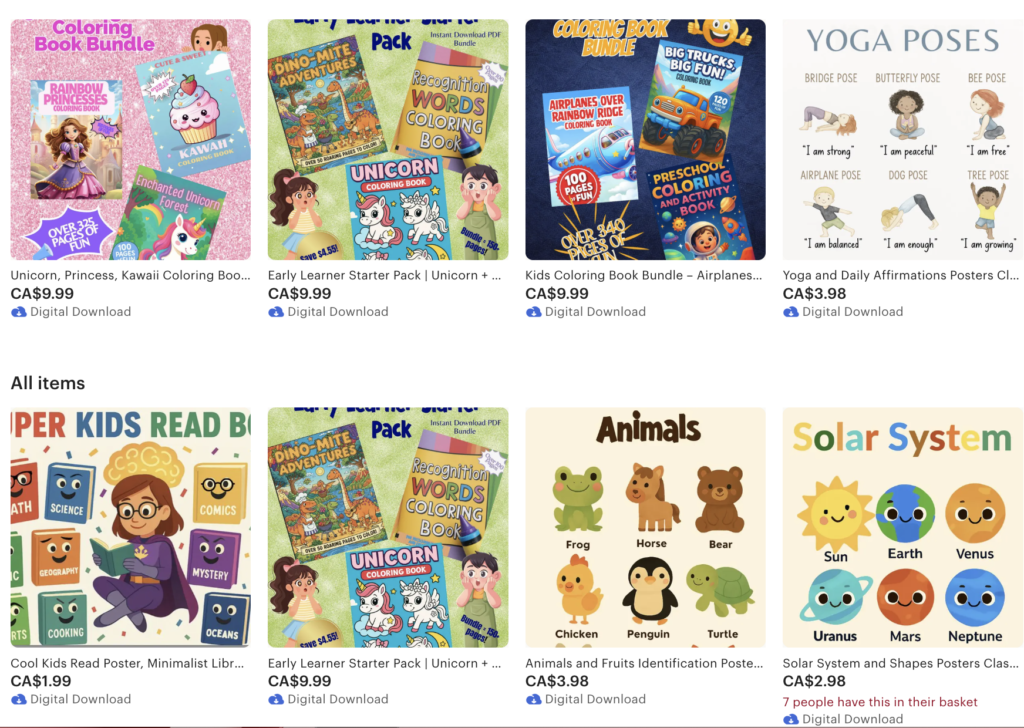
- Make it fun: Learning should feel like a game, not homework.
- Celebrate small wins: Every new word recognized is a victory.
- Keep it consistent: Short, regular practice sessions work best.
- Focus on progress: Every child learns at their own pace.
Fostering A Lifelong Love For Reading
Ultimately, the goal is to help your child enjoy reading. When they can read with ease and understand what they’re reading, books become a source of joy and discovery. A program that supports this journey, making it positive and rewarding, helps build a foundation for a lifelong love of reading. It’s about more than just decoding words; it’s about opening doors to imagination and knowledge.
Learning to read is a journey, not a race. The right tools and a supportive environment can make all the difference in helping your child feel confident and excited about books.
Wrapping Up Your Child’s Reading Journey
So, getting your little one ready to read is a big deal, and sight words are a big part of that. It’s not just about memorizing words, it’s about giving them the tools to feel good about reading and to actually enjoy it. Making learning these words fun, like a game, really helps. Remember, while special games are great, building up how they talk and understand language is super important too. That’s where things like Speech Blubs come in, helping them get ready for reading before they even pick up a book. It’s all about making reading a happy adventure, not a tough task.
Frequently Asked Questions
What exactly are sight words, and why are they so important for young readers?
Sight words are common words that kids learn to recognize right away, without having to sound them out. Think of words like ‘the,’ ‘is,’ ‘and,’ or ‘a.’ They’re super important because they show up a lot in books, and knowing them helps kids read more smoothly and understand what they’re reading much faster. It’s like having a secret code to unlock sentences quickly!
How can playing games help my child learn sight words?
Playing games is a fantastic way for kids to learn because it makes learning fun! Instead of just staring at flashcards, games turn sight word practice into an exciting activity. When kids are having fun, they pay more attention, remember better, and feel more motivated to keep learning. It turns a potentially boring task into an enjoyable adventure.
What should I look for when choosing a sight words game for my preschooler?
When picking a game, make sure it’s colorful and engaging for your child. It should be easy to understand and play, with clear instructions. The best games offer a variety of activities, like matching or building words, and provide positive feedback. Most importantly, your child should actually enjoy playing it – that’s the biggest sign it’s a good fit!
How does Speech Blubs help kids with reading, even though it’s known for speech development?
Speech Blubs focuses on building strong language skills first, which are the foundation for reading. By using fun videos where kids imitate sounds and words, it helps them develop listening skills, understand new words, and even hear the small sounds within words. These skills make it much easier for them to learn and recognize sight words later on.
Can I use a sight words program even if we don’t have internet all the time?
Absolutely! Many great sight word apps and programs, like Speech Blubs, offer offline access. This means your child can keep practicing their reading skills anywhere, anytime, even on a long car ride or when you’re visiting family, without needing a Wi-Fi connection. It makes learning super flexible.
What’s the best way to get my child excited about reading and learning sight words?
The key is to make it a positive and fun experience! Celebrate every little success, like recognizing a new word. Read together every day, point out sight words in books, and use games and activities they love. When learning feels like play and you show enthusiasm, your child is more likely to develop a lifelong love for reading.
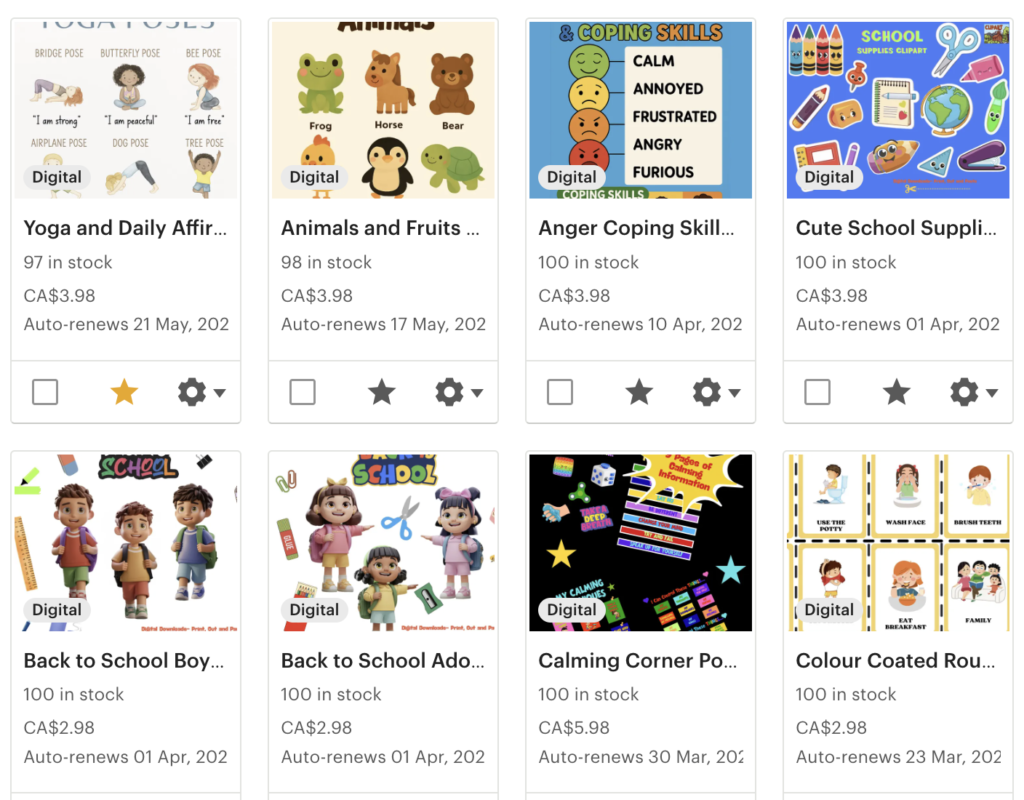

Ms. Kerri’s Corner provides a exciting virtual space for preschool learning. Through a variety of engaging activities, she exposes young minds to early math, literacy, science and social-emotional skills in a developmentally appropriate way. Centers for blocks, art, books and music allow children to explore hands-on learning at their own pace. Guided lessons subtly introduce number sense, letter sounds and narrative thinking. Careful observation gives insight into each child’s progress across domains. Viewers are also invited to participate, reinforcing that their ideas are valued. By making learning fun yet purposeful, Ms. Kerri lays the groundwork for future academic success while fostering creativity and imagination. Her program offers preschoolers valuable screen-based learning experiences.