Quiet Bins for Kindergarten Classroom Calm Down Time
Trying to keep a kindergarten classroom calm can feel impossible some days. Kids have big feelings and sometimes just need a break. That’s where kindergarten quiet bins for classroom calm down time come in. These bins give students a spot to chill out, play quietly, and reset before heading back to group activities. If you’ve ever wondered how to set up these bins or what to put inside, you’re in the right place. Let’s talk about how these simple tools can make a big difference during those tough moments in class.
Key Takeaways
- Kindergarten quiet bins for classroom use help kids calm down and refocus when they’re overwhelmed.
- Every student is different, so it’s smart to fill bins with a mix of sensory, creative, and fine motor items.
- Simple things like stress balls, building toys, or even soft fabric can work wonders for young kids.
- Teaching students how and when to use quiet bins is just as important as what you put in them.
- Switching up the contents and getting feedback from students can keep quiet bins interesting and useful all year.
Understanding Kindergarten Quiet Bins for Classroom Calm Down Time
What Are Kindergarten Quiet Bins?
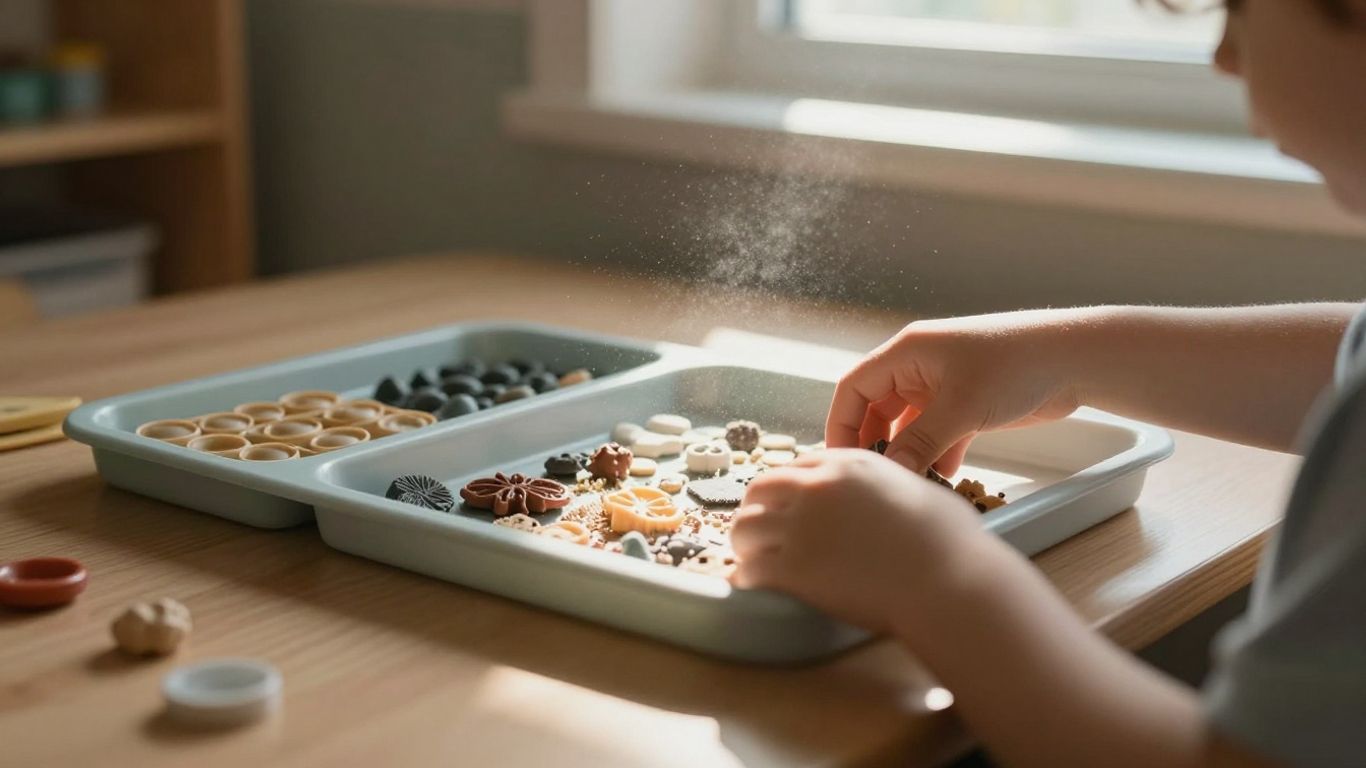
Think of quiet bins as little treasure chests for your kindergarteners, filled with items that help them find a moment of peace. They aren’t just random toys thrown into a box; they’re carefully chosen tools designed to help young children manage big feelings and overwhelming moments. These bins are typically small containers, like plastic tubs or fabric baskets, packed with sensory items, fine motor activities, or simple manipulative toys. The idea is to give kids something engaging and calming to focus on when they feel stressed, frustrated, or just need a break from the classroom buzz. They provide a tangible way for children to self-soothe and regain their composure.
The Purpose of a Calm Down Space
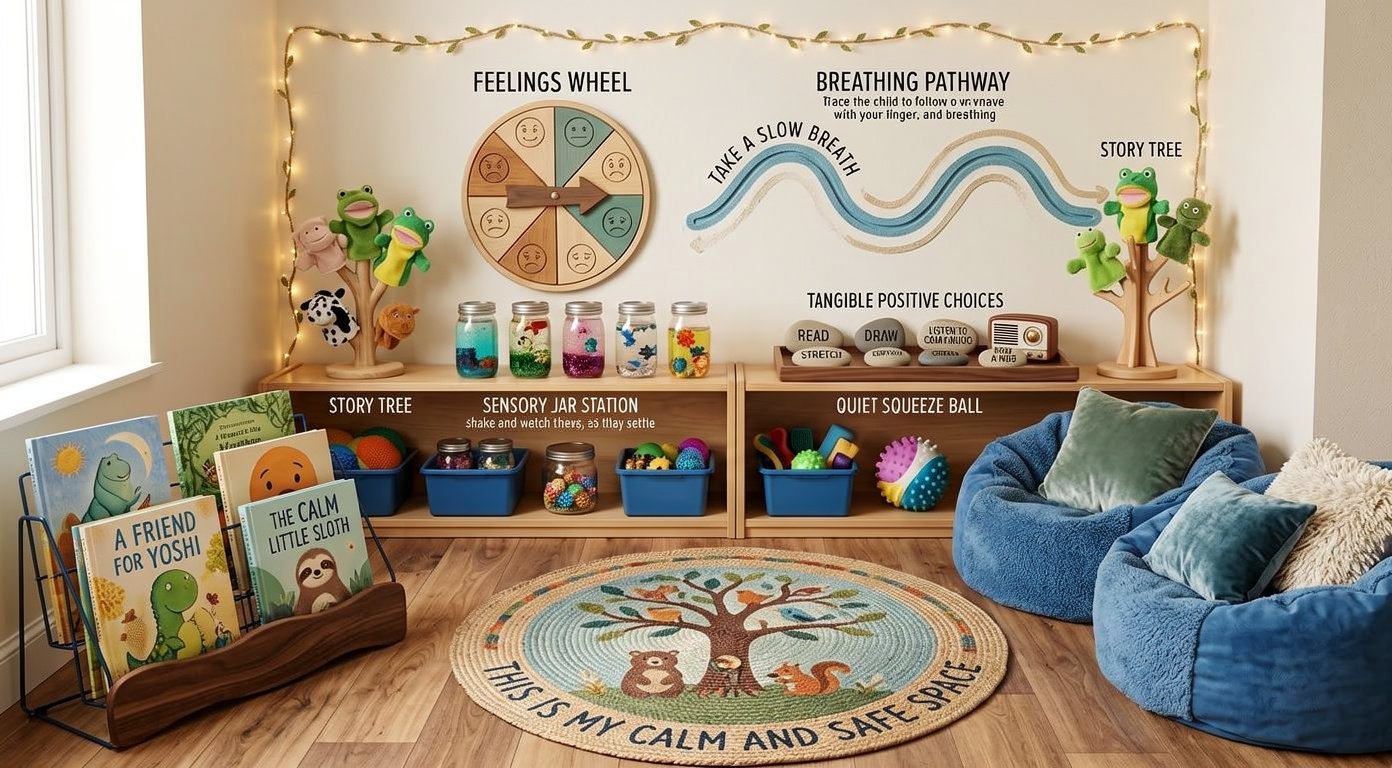
Every classroom can benefit from a designated calm down space, and quiet bins are a fantastic way to support this. This space isn’t a punishment area; it’s a safe haven. Its main purpose is to offer students a predictable place to go when they need to regulate their emotions. When a child is feeling overwhelmed, having a quiet spot and a quiet bin gives them a structured way to de-escalate without disrupting the whole class. It’s about teaching them that it’s okay to take a break and providing them with the means to do so effectively. This proactive approach helps prevent meltdowns and fosters a more peaceful learning environment for everyone.
Benefits of Quiet Bins for Young Learners
Using quiet bins in kindergarten offers a surprising number of advantages. For starters, they are brilliant for developing self-regulation skills. Kids learn to recognize when they need a break and how to use the bin’s contents to calm themselves down. This is a huge step in emotional development. They also get a chance to work on their fine motor skills with many of the items, like threading beads or manipulating putty. Plus, these bins can be a lifesaver for students who are easily overstimulated or have sensory processing needs. They offer a predictable, calming sensory input that can make a big difference in a child’s day.
Here are some key benefits:
- Improved Emotional Regulation: Children learn to identify and manage their feelings.
- Enhanced Focus: A brief break with a quiet bin can help reset attention.
- Development of Fine Motor Skills: Many bin items require precise hand movements.
- Sensory Input: Provides a safe way to get needed sensory experiences.
- Reduced Classroom Disruptions: Empowers students to self-manage, leading to fewer behavioral issues.
Quiet bins are more than just a collection of toys; they are intentional tools that support a child’s emotional and developmental journey within the classroom setting. They teach valuable life skills in a gentle, accessible way.
Creating Effective Kindergarten Quiet Bins for Classroom Use
Tailoring Bins to Individual Student Needs
When you’re putting together quiet bins, the most important thing to remember is that not every child is the same. What calms one student might not do much for another. It’s like trying to find the perfect shoe – one size definitely doesn’t fit all. So, take a good look at your students. What do they seem drawn to? What makes them light up, or what helps them settle down when they’re feeling overwhelmed? Sometimes, a student might just need a soft piece of fabric to hold, or maybe they prefer building things up and knocking them down. Pay attention to these little cues. You might find a student who loves stacking blocks, or another who finds comfort in sorting small objects. The goal is to create bins that speak directly to each child’s unique way of processing the world and their emotions.
Selecting Calming Sensory Items
Sensory items are often the stars of the quiet bin show. They offer a way for kids to engage their senses in a controlled, soothing manner. Think about different textures: smooth, bumpy, squishy, or even a bit rough. Items like therapy putty, stress balls with interesting textures, or even just a small bag of smooth stones can be really effective. Visualizers, like liquid motion bubblers, are fantastic too. Watching the slow movement can be incredibly mesmerizing and help a child focus their attention away from whatever is bothering them. It’s all about providing a safe outlet for their energy and a gentle way to bring them back to a calmer state.
Incorporating Fine Motor Skill Activities
Quiet bins aren’t just about passive sensory input; they can also be a great way to sneak in some fine motor practice. Activities that require a bit of hand-eye coordination and dexterity can be surprisingly calming for some children. Think about things like lacing beads onto a pipe cleaner, using tweezers to pick up small pom-poms, or even simple puzzles. These tasks require focus and gentle movements, which can help a child slow down and concentrate. It’s a win-win: they’re engaged in a quiet activity, and they’re building important skills without even realizing it.
Here are some ideas for fine motor activities:
- Threading large buttons onto pipe cleaners to make bracelets.
- Using child-safe scissors to cut strips of paper or yarn.
- Sorting small objects like colored beads or small toys into different containers.
- Using tongs to transfer pom-poms from one bowl to another.
When choosing items, always consider the age and developmental stage of your kindergarteners. Safety is paramount, so ensure all items are non-toxic and free of small parts that could be a choking hazard for younger children. It’s also a good idea to have a variety of textures and types of activities to appeal to different preferences.
Essential Components for Your Classroom Quiet Bins
When you’re putting together a quiet bin, you want items that are not only engaging but also help kids settle down. It’s not just about filling a container; it’s about selecting tools that can genuinely help a child regulate their emotions and focus. Think about textures, visual appeal, and activities that require a bit of concentration without being frustrating.
Therapeutic Putty and Stress Balls
These are classics for a reason. Therapeutic putty comes in various resistances and colors, offering a satisfying tactile experience. Squeezing and manipulating it can be a great way for kids to release pent-up energy or anxiety. Similarly, stress balls provide a simple, direct way to channel nervous energy. The repetitive motion of squeezing can be incredibly grounding. It’s a physical outlet that doesn’t disrupt the classroom. You can find putty in different scents and textures too, adding another layer of sensory input. For stress balls, look for ones that aren’t too hard or too soft – a good middle ground is usually best for little hands.
Liquid Motion Bubblers and Visualizers
These are like mini, mesmerizing lava lamps for your quiet bin. Watching the slow, colorful blobs descend and rise can be incredibly calming. They offer a visual focus that doesn’t require much mental effort, making them perfect for a child who is feeling overwhelmed. The gentle movement and bright colors can draw a child’s attention away from whatever is causing them distress. They are silent and require no interaction, just observation. This makes them a great addition for calm down support in any classroom setting.
Textured Items for Tactile Exploration
Touch is a powerful sense, and offering a variety of textures can be very soothing. Think about items like smooth stones, soft faux fur scraps, bumpy balls, or even a small brush with soft bristles. Some children find comfort in repetitive tactile input. You might include a small piece of fabric with a unique texture, like velvet or corduroy. Another idea is to have a small container with rice or beans for scooping and pouring, though this requires a bit more supervision to keep contained. The key is to offer a range of sensations that a child can explore safely and quietly.
Beyond Sensory Items: Creative Bin Fillers
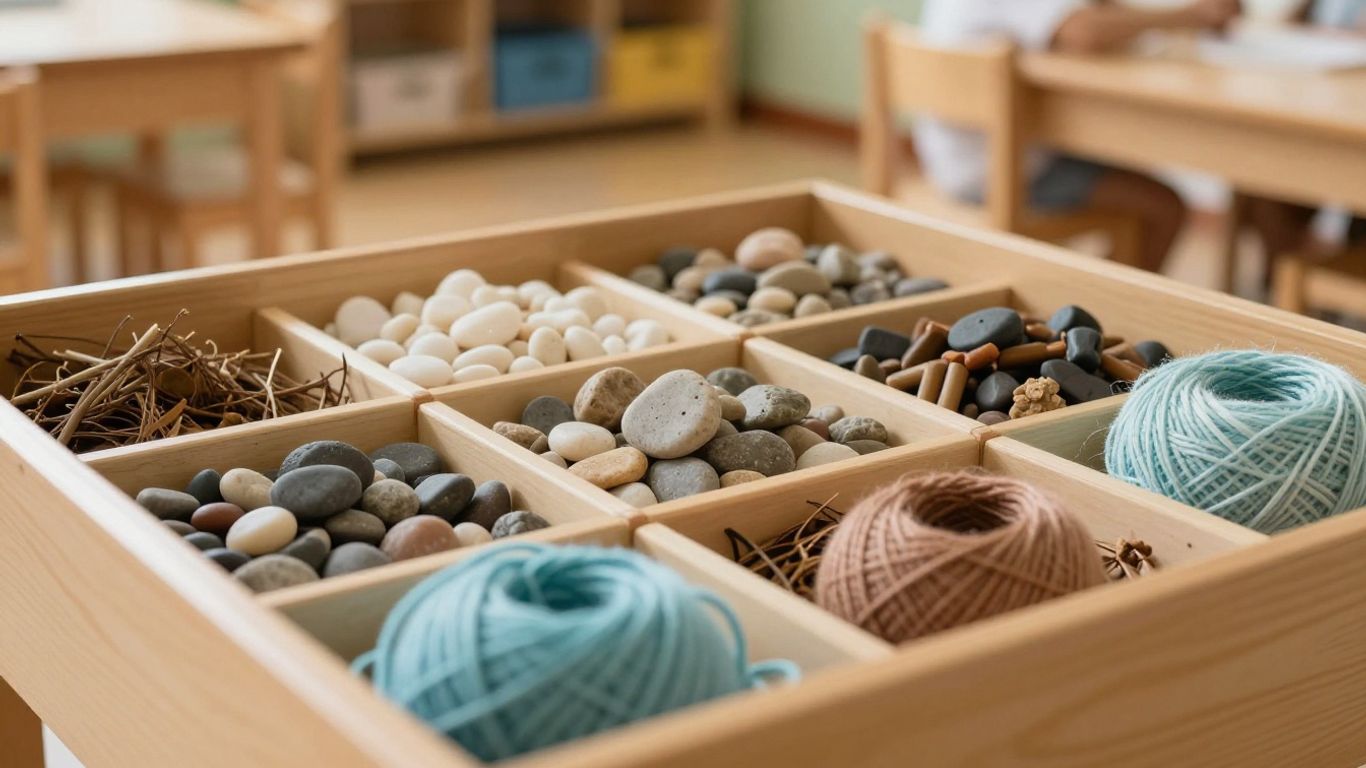
While sensory items are fantastic for calming, quiet bins can also be a treasure trove of creative engagement. Think about activities that encourage building, art, and problem-solving. These kinds of fillers can help children focus their energy in a constructive way, offering a different kind of calm.
Building and Construction Toys
Small building toys can be surprisingly effective for quiet time. They allow children to create and manipulate objects, which can be very absorbing. Consider items like:
- LEGO bricks or DUPLO blocks: Simple, familiar, and endlessly versatile.
- Wooden blocks: A classic choice that encourages stacking and balance.
- Magnetic tiles: These are great for open-ended building and exploring shapes.
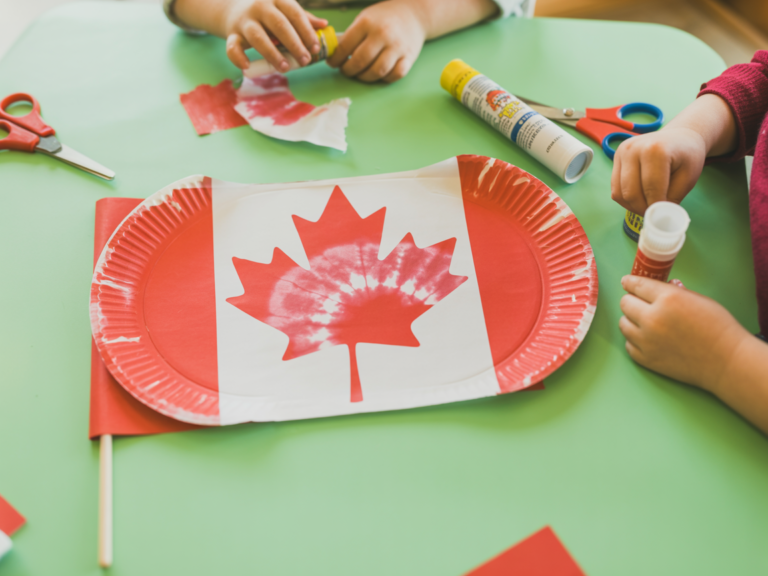
- Popsicle sticks and craft glue: Kids can build small structures or even little fences for toy animals.
These activities require focus and fine motor control, helping to quiet a busy mind. The act of constructing something, no matter how small, can be incredibly satisfying.
Art Supplies for Creative Expression
Art is a wonderful outlet for emotions and a great way to achieve a state of flow. For quiet bins, think about mess-contained art activities:
- Sticker scenes: Pre-printed backgrounds with a variety of stickers allow for imaginative play without much mess.
- Coloring pages and crayons/colored pencils: Simple, classic, and always a good choice. You can even find themed coloring books related to children’s interests.
- Play-Doh or modeling clay: This is a fantastic sensory and creative tool. You can add simple tools like cookie cutters or rollers.
- Pipe cleaners and beads: While beads can be a choking hazard for younger children, pipe cleaners alone can be bent and shaped into various forms, or used to create simple bracelets. For older children, larger beads can be used for threading activities.
These art supplies provide a way for children to express themselves visually and tactilely. It’s a chance for them to make something unique, which can be very calming.
Puzzles and Sorting Activities
Puzzles and sorting games are excellent for developing problem-solving skills and concentration. They give children a clear goal and a sense of accomplishment when they complete it.
- Simple jigsaw puzzles: Choose puzzles with a low piece count (e.g., 12-24 pieces) suitable for kindergarteners.
- Shape sorters: These help children learn about shapes and spatial reasoning.
- Matching games: Cards with matching pictures or patterns can be a quiet and engaging activity.
- Pattern blocks: These geometric shapes can be used to create designs or complete pattern cards.
These types of activities require focus and logical thinking. Successfully completing a puzzle or sorting a set of items can provide a significant boost to a child’s confidence and sense of calm. It’s a great way to engage their minds in a structured way, much like the sensory projects that offer a similar calming effect through engagement.
Implementing Quiet Bins in Your Kindergarten Classroom
Establishing Clear Expectations for Use
Getting quiet bins into your kindergarten classroom is exciting, but it won’t magically create calm without a little groundwork. The key is to set clear, simple rules right from the start. Think of it like teaching them how to use a new toy – they need to know how it works and what’s expected. Before you even hand out the first bin, gather your students and have a chat. What are these bins for? When can they use them? What do they do when they’re finished? Keep it straightforward. You might even role-play a bit. Show them how to pick up a bin, use the items inside gently, and then clean everything up before putting it back. This upfront teaching makes a huge difference.
Here’s a quick rundown of expectations you might cover:
- Quiet Voices: Remind them that this is a time for calm, so voices should be soft.
- Gentle Hands: Items in the bins are for exploring, not for throwing or breaking.
- One Bin at a Time: Encourage them to focus on one bin’s contents before moving to another.
- Clean Up: When time is up, everything goes back in the bin, and the bin goes back to its spot.
Teaching Students How to Self-Regulate
Quiet bins are more than just busy work; they’re tools for learning self-regulation. This means helping kids understand their feelings and find healthy ways to manage them. When a child is feeling overwhelmed, frustrated, or just needs a break, the quiet bin can be their go-to. You can introduce the idea by saying something like, “If you’re feeling a bit wiggly or upset, you can choose a quiet bin to help you feel calm.” It’s about giving them agency. You’re not forcing them to use it, but showing them it’s an option. Over time, they’ll start to connect the feeling with the action. It’s a gradual process, and you’ll see them begin to reach for a bin when they need it, rather than having a full-blown meltdown. This is a huge step towards independence and emotional intelligence. You can find some great ideas for a calm down space that can complement your quiet bin strategy.
Integrating Bins with Social-Emotional Learning
Think of your quiet bins as a natural extension of your social-emotional learning (SEL) curriculum. They provide a hands-on way for kids to practice skills like identifying emotions, problem-solving, and managing impulses. When you introduce a new bin, you can talk about the feelings it might help with. For example, a bin with squishy balls could be for when you feel angry or frustrated. A bin with building blocks might be for when you need to focus and concentrate. You can even use the bins as discussion starters during circle time. Ask questions like, “How did the putty make you feel?” or “What did you build with the blocks?” This helps them articulate their experiences and reinforces the connection between the activities and their emotional state. It’s about making SEL tangible and accessible for little learners.
Troubleshooting and Adapting Your Quiet Bin Strategy
Sometimes, even with the best-laid plans, quiet bins might not hit the mark for every child, or maybe they just lose their sparkle after a while. It’s totally normal! Kids are complex little beings, and what works one day might not work the next. The key is to stay flexible and observant.
When a Student Needs More Than a Bin
If a child consistently seems overwhelmed, agitated, or unable to engage with the quiet bin, it’s a sign they might need something more. This isn’t a failure of the bin itself, but rather an indication that their current needs are beyond what a simple sensory item can address. Perhaps they’re experiencing significant anxiety, a sensory overload from the classroom environment, or a deeper emotional issue. In these cases, the quiet bin can still be a part of the solution, but it needs to be paired with other strategies. This might involve:
- One-on-one check-ins: Spending a few minutes with the child to understand what’s bothering them.
- Modified sensory input: Adjusting the type or intensity of sensory items offered.
- Movement breaks: Allowing for structured physical activity to release pent-up energy.
- Direct emotional coaching: Helping them identify and label their feelings.
Remember, the goal is to support the child, and sometimes that means looking beyond the bin to address the root cause of their distress. It’s about building a toolkit for self-regulation, and the bin is just one tool among many. You might find that a child who needs more than a bin also benefits from a dedicated calm area with different types of support.
Rotating Bin Contents for Engagement
Even the most fascinating items can become mundane with constant exposure. To keep the quiet bins fresh and exciting, a regular rotation is a good idea. Think of it like a library for your bins – new books (or items) keep things interesting! You don’t need to overhaul everything at once. Try swapping out just a few items each week or every couple of weeks. This keeps the element of surprise and novelty alive.
Here’s a simple rotation schedule to consider:
- Weekly Swap: Change 1-2 items in each bin every Monday.
- Bi-Weekly Refresh: Rotate half the contents of each bin every two weeks.
- Themed Rotation: Align bin contents with upcoming holidays, seasons, or classroom themes.
This approach prevents bins from becoming stale without requiring a complete overhaul, saving you time and effort while keeping the children engaged.
Gathering Feedback from Students
Your students are the ultimate experts on their own quiet bin experience! While you can observe their engagement, directly asking them (in age-appropriate ways) can provide invaluable insights. This not only helps you adapt the bins but also teaches children to reflect on their own needs and preferences.
Consider these methods for gathering feedback:
- Simple Surveys: Use picture-based surveys where students can point to a happy face or a sad face for items they like or dislike.
- Informal Chats: During quiet time or at the end of the day, ask open-ended questions like, “What was your favorite thing in the bin today?” or “Was there anything that felt tricky to use?”
- “Bin Wish Lists”: Have a designated spot where students can draw or write (with help) items they’d like to see in future bins.
Listening to your students’ input is not just about improving the bins; it’s about validating their feelings and giving them a voice in their learning environment. It shows them that their opinions matter and that their comfort and regulation are a priority.
By actively seeking and responding to student feedback, you can ensure your quiet bins remain a dynamic and effective tool for fostering calm and self-regulation in your kindergarten classroom.
Wrapping Up Our Quiet Bin Journey
So, that’s the lowdown on creating calm with quiet bins for your kindergarteners. It’s not about fancy gadgets or complicated setups, really. It’s more about watching your kids, seeing what makes them tick, and then giving them a simple tool to help them find their own quiet space when things get a little too much. Whether it’s a bin filled with soft things, building blocks, or just some paper to cut, these little containers can make a big difference in classroom peace. Remember, what works for one child might not work for another, so keep observing and adjusting. And hey, if you’ve got some great ideas for your own calm-down bins, I’d love to hear them in the comments below!

Frequently Asked Questions
What exactly are quiet bins for kindergarteners?
Quiet bins are basically containers filled with items that help young children calm down and focus. Think of them as special baskets or boxes holding things like sensory toys, simple art supplies, or fine motor activities. When a child feels overwhelmed or needs a break, they can choose a quiet bin to use in a designated calm-down spot. It’s a way for them to self-soothe and regain control without disrupting the whole class.
Why are these bins important for a calm-down space?
A calm-down space is a safe spot in the classroom where students can go when they’re feeling upset or need a moment to themselves. Quiet bins are a key part of this space because they offer engaging, yet calming, activities. Instead of just sitting, a child can interact with the items in the bin, which helps them process their emotions and relax. It gives them a tool to manage their feelings constructively.
What kinds of items should I put in a quiet bin?
You can include a variety of items that appeal to different senses and skills. Good choices are things like soft putty or stress balls for tactile input, liquid motion bubblers for visual focus, textured objects for exploration, building toys like LEGOs, or simple art supplies like crayons and paper. The goal is to offer items that are soothing and can hold a child’s attention without being overly stimulating.
How do I know what specific items my students will like?
It’s really important to pay attention to your students’ individual needs and interests. What calms one child might not work for another. For example, one student might find comfort in soft, squishy items, while another might prefer the focus of building with blocks. Observe how your students react to different things and don’t be afraid to swap out items in the bins based on what seems to help them the most.
How do I teach students to use the quiet bins properly?
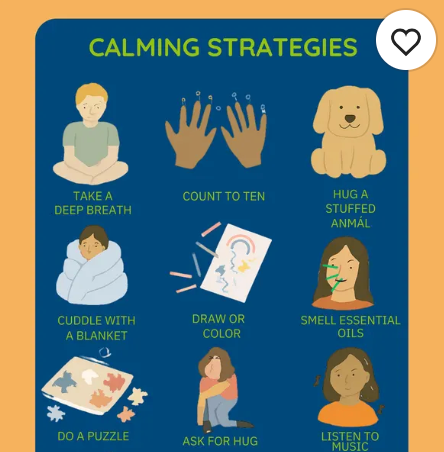
Teaching proper use is crucial! Start by clearly explaining the purpose of the quiet bins and the calm-down space. Model how to choose a bin, use the items appropriately, and when it’s time to return the bin and rejoin the group. You can also teach self-regulation strategies, like deep breathing, and show how the bins can be a tool to help them practice these skills. Setting clear expectations from the beginning makes a big difference.
What if a student needs more help than a quiet bin can offer?
Quiet bins are a great tool, but they aren’t a magic fix for every situation. If a student is consistently struggling, or their behavior is escalating beyond what the bin can manage, it’s a sign they might need more support. This could mean a more structured conversation with the student, involving parents or guardians, or consulting with school counselors or specialists. It’s about recognizing when a deeper level of intervention is needed.
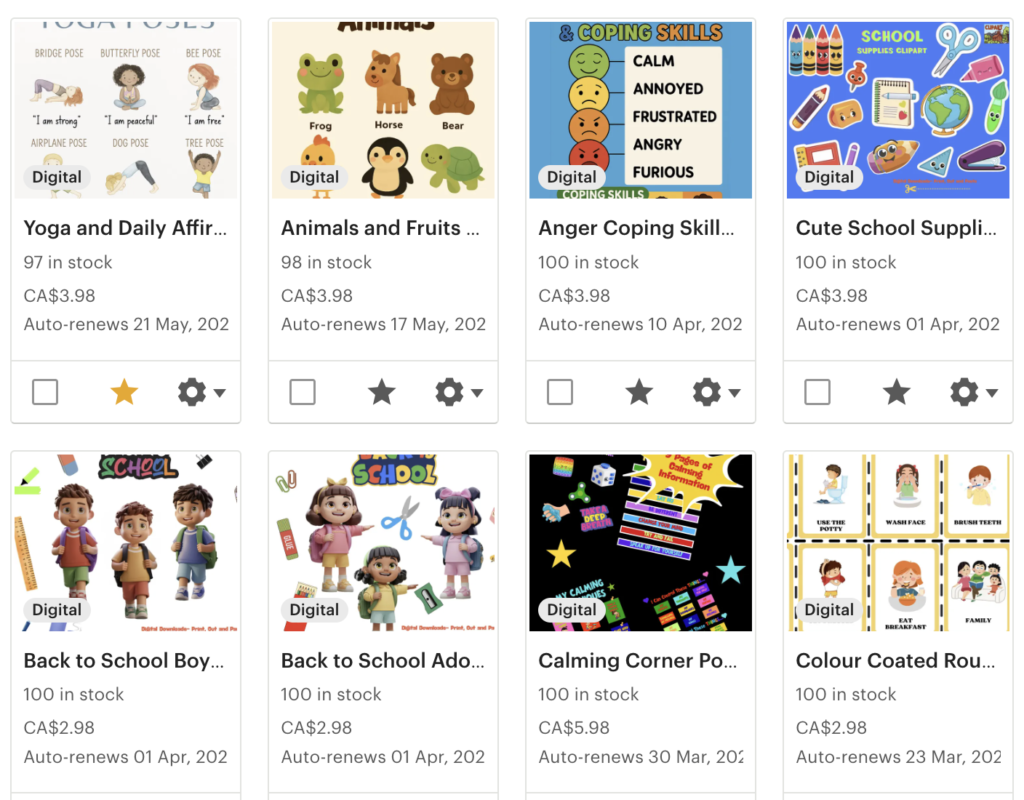

Ms. Kerri’s Corner provides a exciting virtual space for preschool learning. Through a variety of engaging activities, she exposes young minds to early math, literacy, science and social-emotional skills in a developmentally appropriate way. Centers for blocks, art, books and music allow children to explore hands-on learning at their own pace. Guided lessons subtly introduce number sense, letter sounds and narrative thinking. Careful observation gives insight into each child’s progress across domains. Viewers are also invited to participate, reinforcing that their ideas are valued. By making learning fun yet purposeful, Ms. Kerri lays the groundwork for future academic success while fostering creativity and imagination. Her program offers preschoolers valuable screen-based learning experiences.