The Power of Letting Kids Be Kids
Remember when your living room looked like a toy explosion happened? Yeah, me too. It’s easy to feel stressed by the mess, but what if that chaos is actually a good thing? This article is all about stepping back and letting kids just be kids. We’ll look at why letting them explore and play freely is so important for their growth, and how we, as parents, can learn to relax a little. It’s about trusting their natural development and finding the magic in their own adventures.
Key Takeaways
- Embracing the mess of unstructured play allows kids to explore and experiment without adult direction.
- Childhood freedom means letting kids lead their own activities, which sparks creativity and problem-solving.
- Play based learning is how children naturally learn about the world, making it fun and memorable.
- Allowing for natural development means trusting that kids will figure things out at their own pace.
- Parents can support their child’s growth by stepping back and enjoying their independent play, rather than over-scheduling.
Why Your Living Room Should Resemble A Disaster Zone
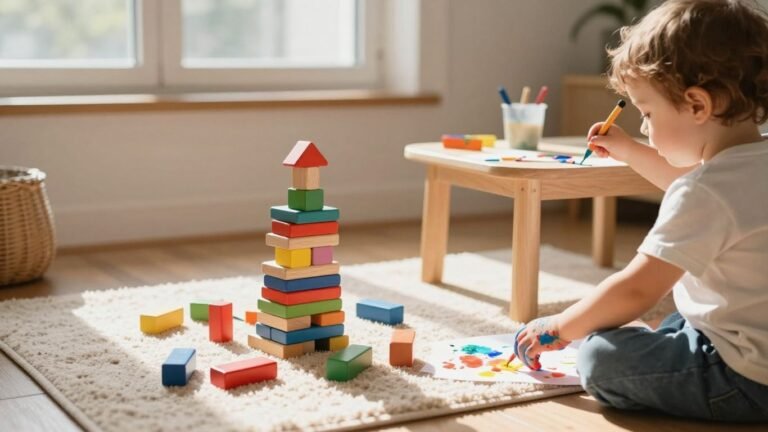
Let’s be honest, the pristine, perfectly curated living room is a myth. Or at least, it is when kids are involved. If your home looks less like a magazine spread and more like a tornado hit a toy store, congratulations! You’re doing it right. This glorious mess is the breeding ground for some of the most important learning a child can do. It’s where the magic happens, often amidst a pile of cushions and a scattering of building blocks.
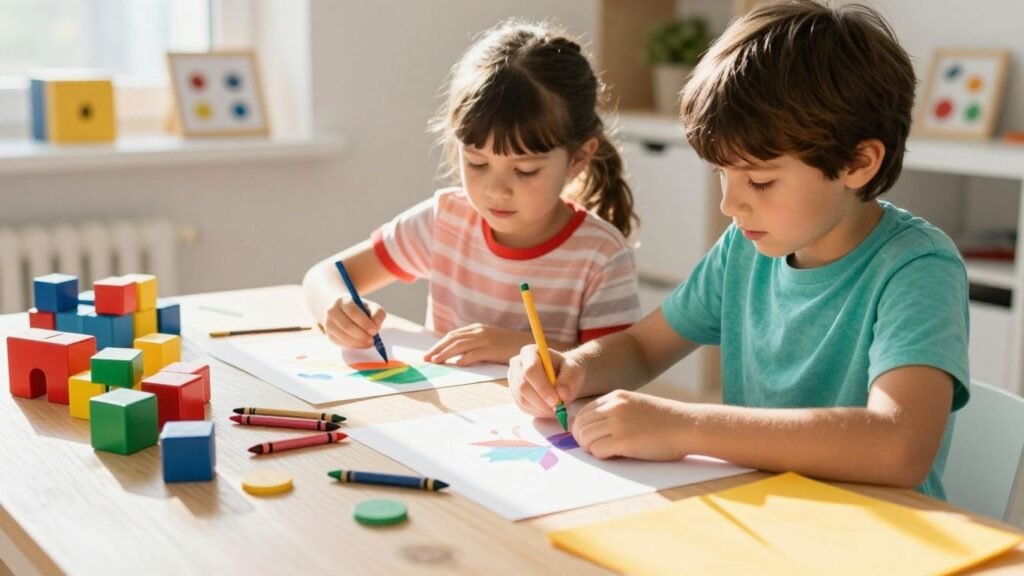
The Glorious Mess of Unstructured Play
Think of it this way: when kids are left to their own devices, without a rigid agenda or a specific outcome in mind, they get to play. This isn’t just about passing time; it’s a vital part of how they figure out the world. Unstructured play is where creativity really gets to stretch its legs. They invent scenarios, create characters, and build entire worlds from whatever materials are at hand. It’s messy, yes, but it’s also incredibly productive. This freedom to explore without adult direction is where true learning takes root. It’s about letting them experiment, make mistakes, and discover solutions on their own terms. This kind of play is a primary method for children to learn and understand their surroundings [2808].
When Imagination Takes the Wheel
Remember those forts made of blankets and chairs? Or the epic battles fought with cardboard tubes? That’s imagination in action. When kids aren’t being told what to do, their minds start to wander and create. A simple stick can become a magic wand, a sword, or a conductor’s baton. A cardboard box? That’s a spaceship, a race car, or a secret hideout. This ability to transform the ordinary into the extraordinary is a skill that serves them throughout their lives. It’s about problem-solving, sure, but it’s also about seeing possibilities where others see limitations. It’s a beautiful, chaotic dance of invention.
Learning Through Laughter (and a Little Bit of Chaos)
Kids learn best when they’re engaged and having fun. Laughter isn’t just a sign of enjoyment; it’s a signal that their brains are actively processing information and making connections. When they’re building a towering structure that inevitably tumbles down, they’re learning about gravity, balance, and resilience. When they’re negotiating roles in an imaginary game, they’re practicing social skills and communication. This kind of learning, born from play, is deep and lasting because it’s driven by their own curiosity and desire to explore. It’s not about rote memorization; it’s about genuine discovery. The benefits of unstructured play are numerous, fostering creativity, problem-solving, and social development [4416].
The most profound learning often happens when we least expect it, usually when children are completely absorbed in their own world, making a glorious mess.
So, the next time you survey the delightful disarray left by your little ones, take a deep breath and appreciate it. It’s not just clutter; it’s evidence of active minds at work, building brains, and discovering the world, one playful moment at a time.
Trading Schedules for Spontaneity
Remember when your days weren’t dictated by a color-coded calendar and a mental to-do list longer than your arm? Yeah, me neither, most days. But for our kids, that’s exactly the kind of freedom we’re talking about. It’s about ditching the rigid timelines and letting life, well, happen. Think less ‘at 2 PM, we do crafts’ and more ‘look, a cool bug! Let’s follow it!’ This isn’t about being lazy; it’s about recognizing that sometimes, the most profound learning comes when nobody’s forcing it.
The Magic of Childhood Freedom
Kids thrive when they have space to just be. When we pack their days too tightly, we’re essentially telling them that their own ideas, their own curiosities, aren’t important enough to pursue. True freedom for a child means having the autonomy to choose their own adventures, even if those adventures involve staring at a cloud for twenty minutes. It’s in these moments of unscripted exploration that they learn to trust their instincts and develop a sense of self. We often worry about them falling behind, but what if we’re actually holding them back by over-structuring their lives? Research suggests children need a lot more of this free-form play than we often allow. It’s where they really get to stretch their legs, mentally and physically.
Letting Nature Lead the Way
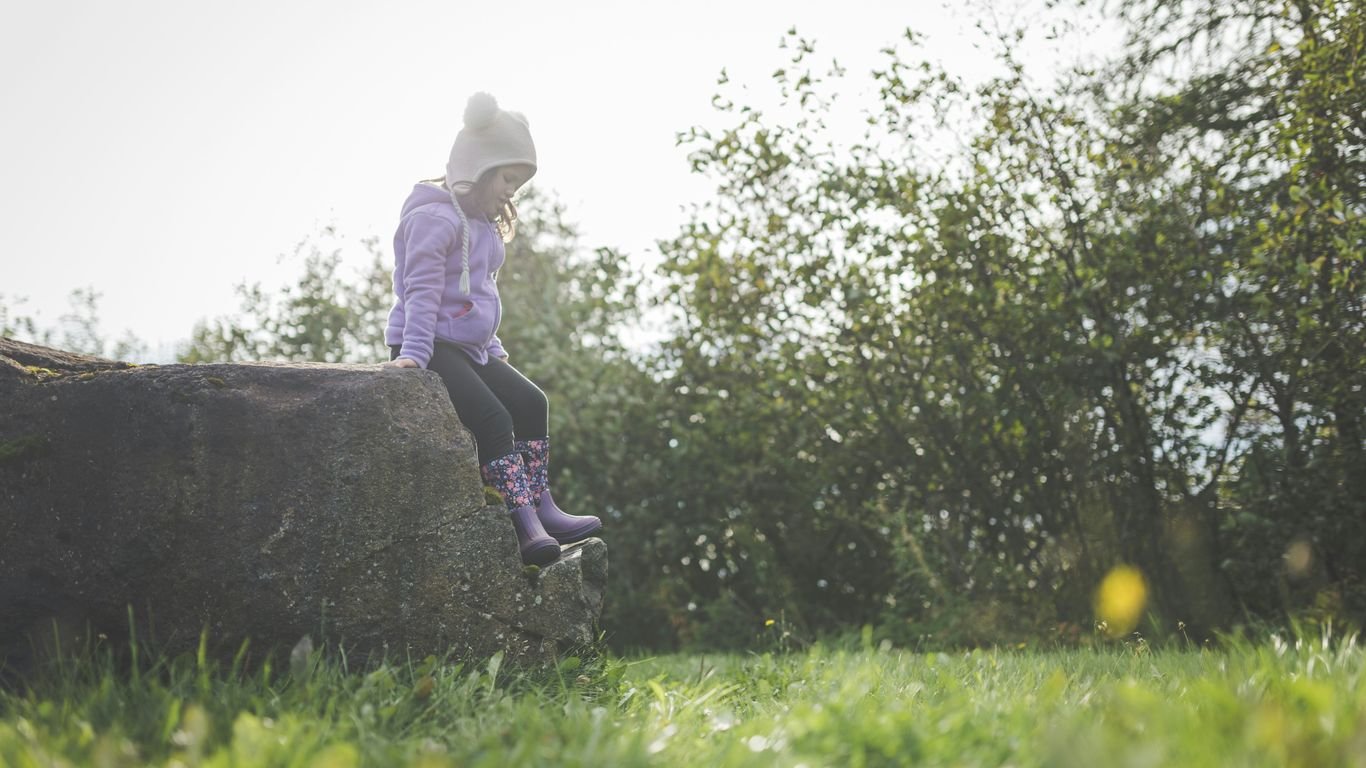
Nature is the ultimate unstructured playground. A stick can be a sword, a wand, or a magic potion ingredient. A puddle is a lake, an ocean, or a portal to another dimension. We don’t need to plan elaborate nature walks with specific learning objectives. Just opening the door and letting them explore the backyard, a local park, or even just the sidewalk can be incredibly beneficial. They’ll discover textures, observe insects, feel the wind, and learn about cause and effect in ways no worksheet can replicate. It’s about letting their natural curiosity guide them, rather than imposing our adult-driven agendas onto their playtime. This kind of exploration is key to developing a lifelong love of learning.
When ‘Doing Nothing’ is Actually Doing Everything
This is the part that probably makes us parents squirm the most. The quiet moments. The ‘I’m bored’ declarations. Our instinct is to immediately fill that void with an activity, a game, a screen. But what if ‘doing nothing’ is actually where the magic happens? It’s in those stretches of quiet that kids’ brains get to process, to imagine, to connect the dots. They might be daydreaming, concocting elaborate stories in their heads, or simply observing the world around them. This downtime is vital for creativity and problem-solving. It’s not laziness; it’s the fertile ground where new ideas sprout. So, the next time you hear ‘I’m bored,’ try resisting the urge to jump in. You might be surprised at what they come up with when left to their own devices. It’s a powerful way to build independence and resilience.
The Secret Sauce: Play Based Learning
More Than Just Fun and Games
Look, we all love seeing our kids happy, right? But what if I told you that the giggles, the spills, and the sheer, unadulterated chaos of playtime are actually the building blocks for something much bigger? Play-based learning isn’t just a fancy term for letting kids mess around; it’s the natural way they figure out the world. Think about it: when they’re building a lopsided tower out of blocks, they’re not just stacking; they’re experimenting with gravity, balance, and cause-and-effect. When they’re pretending to be a superhero saving the day, they’re practicing problem-solving and empathy. It’s learning disguised as pure, unadulterated fun. This approach recognizes that children learn best when they’re actively engaged, following their own interests, and making their own discoveries. It’s about letting them lead the charge in their own educational journey, making it personal and deeply memorable.
Building Brains, One Toy at a Time
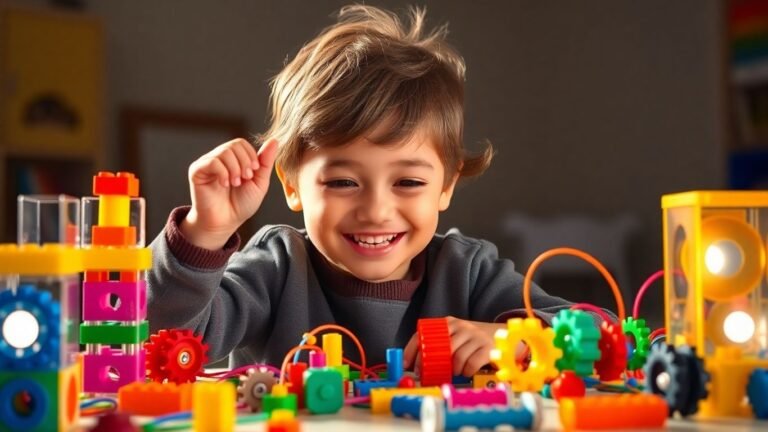
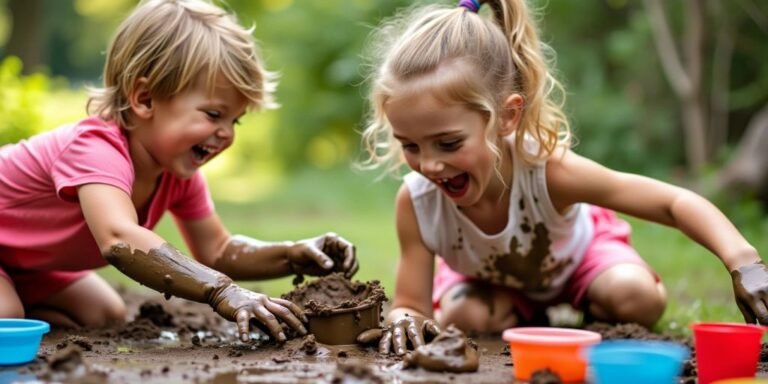
Forget flashcards and rote memorization for a minute. The real brain-building happens when a child is completely absorbed in an activity they’ve chosen. Whether it’s mixing mud pies in the garden, creating elaborate stories with stuffed animals, or figuring out how to make that train set go just so, their brains are firing on all cylinders. They’re developing fine motor skills, spatial reasoning, language abilities, and social-emotional intelligence, all without even realizing they’re ‘learning.’ It’s a beautiful, organic process that sets them up for future academic success by nurturing a love for exploration and discovery. This kind of learning is about more than just acquiring facts; it’s about developing the capacity to think critically and creatively, skills that are so important for their future. Play is essential for development.
The Unexpected Benefits of Letting Go
When we step back and allow our children the space to learn through play, we often witness surprising outcomes. They become more independent, more resilient when things don’t go as planned, and far more confident in their own abilities. They learn to negotiate with peers, to share ideas, and to manage their emotions – all vital life skills that are hard to teach through direct instruction. It’s about trusting that they are capable of figuring things out, even if it looks a little messy from the sidelines. This freedom allows them to develop a strong sense of self-efficacy, understanding that they can tackle challenges and find solutions. It’s a powerful foundation for lifelong learning and well-being.
Sometimes, the most profound learning happens when we aren’t actively trying to teach. It’s in the quiet moments of exploration, the spontaneous experiments, and the imaginative journeys that children truly absorb and understand the world around them. Letting them lead the way in their play is giving them the gift of self-directed discovery.
Here’s a peek at what’s happening under the hood during play:
- Problem-Solving: Figuring out how to build a bridge that doesn’t fall down.
- Creativity: Inventing new characters and storylines for their toys.
- Social Skills: Negotiating roles and sharing materials with friends.
- Language Development: Describing their actions and ideas, even if it’s just to themselves.
- Motor Skills: From the tiny movements of manipulating small objects to the gross motor skills of running and jumping.
It’s a whole-brain workout, disguised as playtime. Play-based learning cultivates essential qualities.
Navigating the Wild World of Natural Development
Trusting the Process (Even When It’s Messy)
Look, we all want our kids to hit those big milestones, right? First steps, first words, first time they manage to put their own socks on without a full-blown negotiation. It’s easy to get caught up in the checklists and the comparison games. But here’s the thing: kids are not robots. They don’t come with a factory reset button or a universal user manual. Their development is this wonderfully messy, unpredictable, and deeply personal journey. Trying to force a timeline is like trying to rush a sunrise; it’ll happen when it’s ready. It’s about observing, being present, and trusting that they are figuring things out at their own pace. Think of it as watching a flower bloom – you can water it, give it sunshine, but you can’t exactly tell it to open up faster. Sometimes, the most helpful thing we can do is just step back and let nature do its thing. It’s a big shift from our usual ‘get it done’ mentality, but so worth it.
Skills That Bloom on Their Own
We often think we need to actively teach every single skill. But so many things kids learn just… happen. They pick up social cues by watching us, they learn problem-solving by wrestling with a stubborn toy, and they develop resilience by falling off their bike (and getting back on, maybe with a little help and a lot of snacks). It’s this organic process, this natural unfolding of abilities. Think about language: we talk to them, sure, but they absorb so much just by being in a talking environment. Or motor skills – they’re constantly experimenting with their bodies, climbing, jumping, stacking. These aren’t things you can usually schedule or put on a worksheet. They emerge from play, from exploration, and from simply living life. It’s pretty amazing when you stop and think about it. You can find some great ideas on typical developmental ranges and why individual timelines vary, which really helps put things in perspective supporting your child’s growth and development.
Why ‘Perfect’ Isn’t the Goal
Let’s be honest, the idea of a ‘perfect’ child is a myth. And honestly, it sounds exhausting. What we’re really aiming for is a happy, healthy, and capable human being. That doesn’t mean a child who never makes a mistake or never struggles. It means a child who learns from those stumbles, who can bounce back, and who feels secure enough to try new things. Focusing on ‘perfect’ can lead to a lot of unnecessary pressure, both for us and for them. It can make us over-intervene, trying to smooth out every bump in the road. But those bumps? They’re often where the real learning happens. They build character, grit, and a sense of self-efficacy. So, instead of chasing an impossible ideal, let’s celebrate the effort, the curiosity, and the sheer joy of discovery. That’s where the real magic lies.
The pressure to have our children meet every developmental marker at precisely the ‘right’ time can be overwhelming. Yet, children are not assembly-line products; they are unique individuals with their own internal clocks and rhythms. Embracing this individuality means accepting that progress looks different for everyone, and that’s not just okay, it’s wonderful.
The Grown-Up’s Guide to Letting Go
Resisting the Urge to Over-Schedule
Look, I get it. We all want the best for our kids. We see those glossy magazines and perfectly curated Instagram feeds, and suddenly, our own living room, which is probably currently hosting a rogue sock and a half-eaten cracker, feels… lacking. The pressure to fill every waking moment with ‘enriching’ activities can be intense. But here’s a thought: what if the most enriching thing we can do is… nothing? Seriously. Stop trying to engineer every single second of their day. Think about it. When you were a kid, did you have a color-coded spreadsheet of ‘developmental milestones’ to hit before lunch? Probably not. You likely spent hours building forts out of couch cushions or staring at clouds, and guess what? You turned out okay. Maybe even better for it. Let them be bored sometimes. Boredom is the birthplace of creativity, not a sign of neglect. It’s okay if their biggest accomplishment today is figuring out how to stack three blocks before they tumble. That’s learning, too.
Finding Joy in Their Independent Adventures
It’s easy to hover, isn’t it? To want to jump in and ‘help’ when they’re struggling with a puzzle or trying to tie their shoes. But that little bit of struggle? That’s where the magic happens. It’s where they learn resilience, problem-solving, and the sheer, unadulterated joy of figuring something out on their own. When you step back, you’re not abandoning them; you’re giving them the space to discover their own capabilities. Think of it like this: you wouldn’t want someone to eat your dinner for you, right? Same principle applies here. Let them experience the triumph of a successfully tied shoelace or a tower that finally reaches the ceiling. These small victories build confidence like nothing else. It’s about celebrating their effort, not just the outcome. We can help them become more independent by scaffolding tasks, allowing them to complete the final step [8b29].
Your Role: The Supportive Spectator
So, what is your job in all of this? It’s not to be the director of their lives, but more like the friendly stagehand. You’re there to make sure the set is safe, the props are available, and maybe offer a quiet word of encouragement from the wings. Your primary role is to be a supportive spectator. This means resisting the urge to micromanage their play or dictate the terms of their fun. It means trusting that they have an innate drive to explore, learn, and grow. Sometimes, your most important contribution is simply being present, observing, and offering a snack or a hug when needed. It’s about creating an environment where they feel secure enough to take risks and make mistakes. Remember, encouraging independence in toddlers aged 1-2 years involves allowing them to dress and feed themselves [7187].
Here’s a little checklist for your inner stagehand:
- Observe: Watch what they’re drawn to. What sparks their curiosity?
- Provide: Offer open-ended materials – blocks, art supplies, cardboard boxes. Less is often more.
- Resist: Fight the urge to jump in, correct, or direct. Let them lead.
- Celebrate: Acknowledge their efforts and discoveries, big or small.
The goal isn’t to raise perfect children, but to raise capable, confident humans who know how to figure things out for themselves. And sometimes, that means letting them get a little messy and a lot independent.
It can be tough to let go of things, whether it’s old habits or worries. Our “The Grown-Up’s Guide to Letting Go” article offers simple ways to ease your mind and move forward. Ready to feel lighter? Visit our website for more helpful tips!
Frequently Asked Questions
Why is letting my house get messy okay?
When kids play freely, they often make a big mess. Think forts made of blankets, art projects with glitter everywhere, or building blocks scattered across the floor. This ‘mess’ is actually a sign of active imagination and exploration. It means they’re deeply engaged in their own worlds, solving problems, and creating. So, a little bit of chaos in your living room can actually be a really good thing for their development.
What’s the big deal about unstructured play?
Unstructured play is basically playtime where kids get to decide what they do, how they do it, and who they play with. There are no set rules or adult-led activities. This freedom is super important because it lets their creativity run wild. They learn to make their own fun, figure things out on their own, and develop their own ideas, which is a huge part of growing up.
How does play help kids learn?
Play isn’t just about having fun; it’s a powerful way for kids to learn. When they’re playing, they’re experimenting, problem-solving, and communicating. Building with blocks teaches them about balance and engineering. Pretend play helps them understand social roles and emotions. Even simple games help them learn about taking turns and following rules. It’s learning disguised as fun!
Is it okay if my child just ‘does nothing’ sometimes?
Absolutely! When kids seem to be doing nothing, they might actually be thinking, dreaming, or just observing the world around them. This downtime is crucial for their minds to process information and come up with new ideas. It’s like letting their brains recharge. Sometimes, the most valuable learning happens when they’re not actively being directed.
Should I always have a schedule for my child?
While some structure is good, over-scheduling can actually limit a child’s opportunities for spontaneous discovery. Kids need time to just be kids, to follow their own interests, and to learn from unexpected moments. Letting go of a rigid schedule allows for more flexibility and can lead to more genuine learning experiences that come from their own curiosity.
What’s my role as a parent if I’m letting them ‘be kids’ more?
Your role shifts from director to a supportive observer. This means providing a safe environment for them to explore and play, offering encouragement, and stepping in only when necessary for safety or guidance. It’s about trusting that they can figure things out and learn from their experiences. Your job is to be there to cheer them on and offer a helping hand if they truly need it, not to control every moment.


Ms. Kerri’s Corner provides a exciting virtual space for preschool learning. Through a variety of engaging activities, she exposes young minds to early math, literacy, science and social-emotional skills in a developmentally appropriate way. Centers for blocks, art, books and music allow children to explore hands-on learning at their own pace. Guided lessons subtly introduce number sense, letter sounds and narrative thinking. Careful observation gives insight into each child’s progress across domains. Viewers are also invited to participate, reinforcing that their ideas are valued. By making learning fun yet purposeful, Ms. Kerri lays the groundwork for future academic success while fostering creativity and imagination. Her program offers preschoolers valuable screen-based learning experiences.