
Mastering the Mayhem: Essential Toddler Behaviour Tips for Parents
Toddlers. They’re a whirlwind of energy, curiosity, and, let’s be honest, a whole lot of ‘no.’ One minute they’re adorable little humans, the next they’re mini dictators throwing a fit because their banana broke. It’s a wild ride, and if you’re a parent in the thick of it, you know exactly what I’m talking about. This article is all about offering some practical toddler behaviour tips to help you navigate these chaotic, yet incredibly special, years. We’ll cover why they act the way they do, how to handle those epic tantrums, and ways to keep your sanity intact. It’s not about perfection, it’s about progress and maybe even enjoying the ride a little.
Key Takeaways
- Toddlers are exploring their independence, which often leads to testing boundaries and saying ‘no’ a lot. It’s a normal part of growing up.
- Tantrums happen. Try to stay calm, offer comfort when needed, and sometimes, a well-timed distraction can work wonders.
- Setting clear, simple rules and sticking to them helps toddlers feel secure. Routines are your friend here.
- Catch them being good! Praising positive actions and modeling the behavior you want to see makes a big difference.
- Toddler-proofing your home and offering simple choices can prevent a lot of meltdowns and power struggles.
Understanding Toddler Behavior
The Autonomy vs. Independence Stage
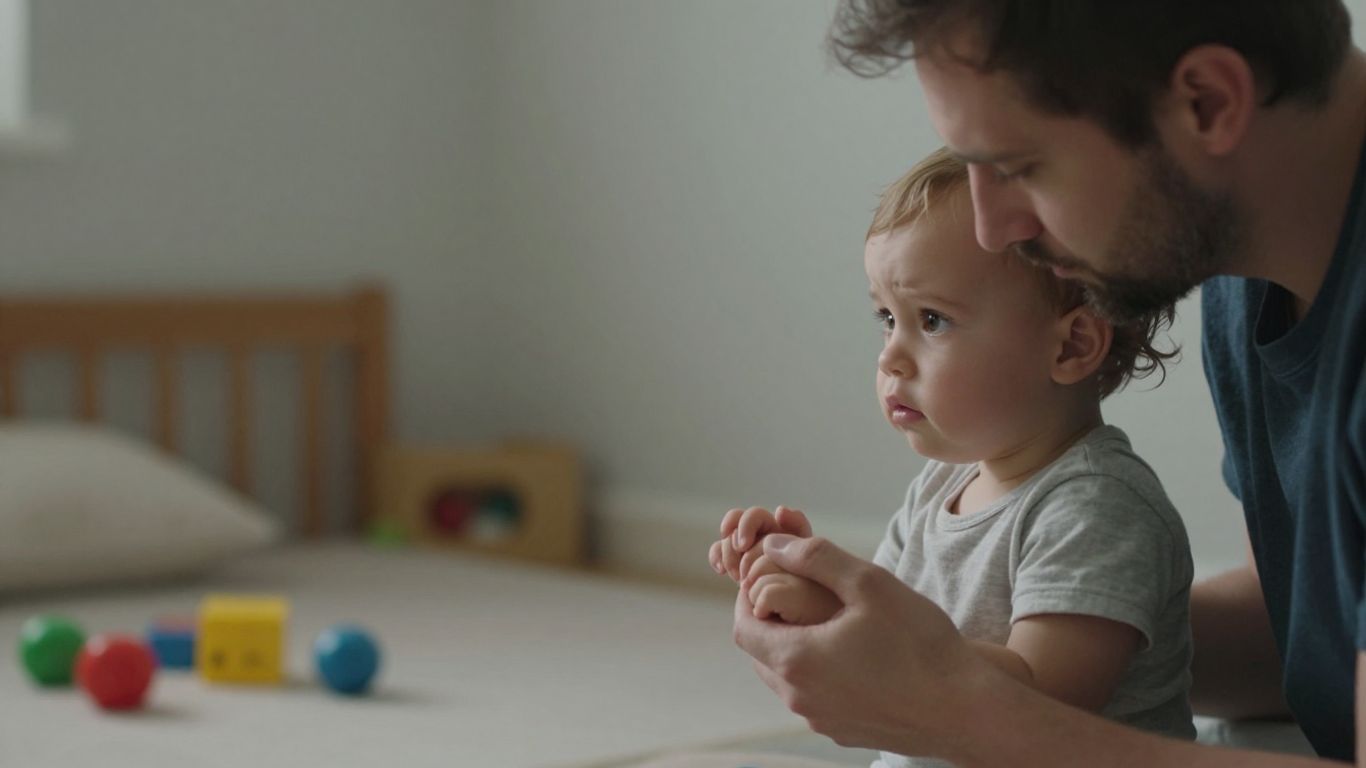
Toddlers are in a phase where they really want to do things themselves. It’s like they’ve just discovered they have their own little bodies and minds, and they’re eager to test them out. You’ll hear “I do it!” a lot. They can walk, talk, and suddenly want to manage everything from pouring their own milk (watch out for spills!) to picking out their own clothes. This drive for independence is a big part of their development. It’s their way of figuring out who they are separate from you.
Why Toddlers Test Boundaries
Testing boundaries is a toddler’s way of learning about the world and what’s acceptable. They’re not trying to be difficult on purpose, really. They’re exploring cause and effect. What happens if I do this? What will Mom or Dad do? It’s a natural part of growing up and understanding rules. They are trying to figure out how much freedom they have and what the limits are. This exploration is key to their learning process, even if it feels exhausting sometimes. It’s important to remember that behavioral issues in toddlers are often just part of this exploration phase.
Recognizing Developmental Milestones
As toddlers grow, they hit certain milestones that explain a lot of their behavior. They’re developing language, motor skills, and social understanding. For example, a sudden increase in tantrums might coincide with a new language burst or a change in their ability to move around. Understanding these typical toddler behaviors helps parents respond more effectively. It’s not just random chaos; it’s often tied to their rapid development.
- Language Explosion: Words come faster, leading to more complex wants and frustrations.
- Mobility: Walking and running mean new ways to explore and get into things.
- Social Awareness: They start noticing other kids, which can lead to sharing struggles.
Toddlers are constantly learning and growing, and their behavior is a direct reflection of that process. What seems like defiance is often curiosity or a bid for independence. Patience and understanding are your best tools.
Navigating Toddler Tantrums and Meltdowns

Oh, the toddler years. They’re a wild ride, aren’t they? One minute your little one is all smiles and cuddles, and the next, they’re a tiny tornado of tears and shouts. It can feel like you’re constantly walking on eggshells, trying to predict the next emotional storm. But here’s the thing: tantrums and meltdowns, while incredibly challenging, are a pretty normal part of growing up. Toddlers are just starting to figure out this big, confusing world, and they don’t always have the words or the skills to express what they’re feeling. It’s a sign they’re testing boundaries and learning about their own independence.
Responding to Emotional Outbursts
When a full-blown meltdown hits, your first instinct might be to panic or get frustrated, and that’s totally understandable. But staying calm is your superpower here. Think of it as a signal that your child is overwhelmed and hasn’t yet developed the tools to handle big emotions like frustration, anger, or disappointment. They might not be trying to manipulate you, as some people think. Instead, they’re likely expressing a need they can’t communicate any other way. It’s a tough phase, but learning how to handle these outbursts is key to helping them develop healthier coping mechanisms. You can find some effective strategies for managing these moments in this guide managing toddler tantrums.
The Art of Distraction
Sometimes, the best way to handle an impending tantrum or a full-blown meltdown is to simply redirect your child’s attention. This isn’t about ignoring their feelings, but rather about steering them away from a situation that’s clearly upsetting them. Think of it like this: if your toddler is fixated on a toy they can’t have, instead of letting the tears start, you might offer them a fun game to play or a special snack. I’ve found that a simple game of ‘I spy’ or pointing out interesting things outside can work wonders. Keeping a few small, engaging toys or a healthy snack handy can be a lifesaver when you’re out and about. It’s amazing how quickly a child can go from the brink of tears to giggles with a little creative distraction.
When to Offer Comfort, Not Concessions
This is a tricky one. When your child is upset, you naturally want to make them feel better. But there’s a difference between offering comfort and giving in to demands made during a tantrum. If you give in every time they scream for a cookie, they learn that screaming works. That’s not what we want, right? Instead, focus on acknowledging their feelings without giving them what they want if it’s not appropriate. You can say something like, “I see you’re really upset because you can’t have that toy right now.” Once they’ve calmed down a bit, you can talk about it. It’s also important to remember that sometimes, a tantrum is a sign of genuine distress, and offering a hug or a quiet moment is exactly what they need. It’s about validating their emotions while still holding the line on what’s okay and what’s not. If their behavior becomes dangerous, like hitting or kicking, you might need to calmly hold them until they calm down addressing aggression.
Setting Effective Limits and Expectations
Toddlers are basically tiny humans trying to figure out how the world works, and a big part of that is testing what they can get away with. It’s not about being naughty; it’s about learning. That’s why setting clear, consistent limits is so important. It gives them a sense of security and helps them understand what’s okay and what’s not. Think of it like building the walls of a safe play area – they know where they can explore without getting into real trouble.
Creating Consistent Routines
Kids thrive on predictability. When you have a regular schedule for meals, naps, and bedtime, your toddler knows what’s coming next. This reduces a lot of the fuss because they aren’t constantly surprised or having to ask “what now?”. It’s like a gentle roadmap for their day. This predictability aids in their development and understanding of boundaries. Having a solid daily routine can make a huge difference in reducing meltdowns and power struggles. It’s not about being rigid, but about providing a stable framework.
Simple and Clear Limit Setting
When you need to set a limit, keep it short and sweet. Toddlers don’t have the attention span for long explanations or lectures. Instead of saying, “Please don’t throw your toys because they might break and then we won’t have them anymore, and it makes Mommy sad,” try something like, “Toys stay on the floor.” The key is to be direct and unambiguous. If you need to reinforce it, get down to their level, make eye contact, and use a calm but firm voice. Avoid giving too many options when a limit is in place; it just confuses them.
Teaching Appropriate Behavior
Setting limits isn’t just about saying “no.” It’s also about showing them what “yes” looks like. When you catch your toddler doing something good, praise them for it. If they’re sharing, tell them how nice it is that they’re sharing. If they’re playing gently, acknowledge that. It’s also helpful to model the behavior you want to see. If you want them to use polite words, use them yourself. Sometimes, you have to step in and redirect them. For example, if they’re hitting, you might gently stop their hand and say, “We don’t hit. We use gentle hands.” It’s a process, and it takes time and repetition.
When toddlers push boundaries, it’s their way of exploring their world and their own capabilities. Responding with consistent, calm limits helps them feel safe and learn self-control. It’s not about winning or losing, but about guiding them through their development.
Here’s a quick look at how to approach limit-setting:
- Be Reasonable: Toddlers have limited impulse control. Make your environment safe and remove temptations when possible.
- Keep it Simple: Use short, clear sentences. Avoid complex reasoning.
- Be Consistent: Stick to the limits you set, most of the time. Occasional exceptions can be made clear.
- Model Behavior: Show them the actions and words you expect.
- Redirect: When a behavior isn’t okay, guide them toward an acceptable alternative. This is a core part of toddler discipline.
Positive Guidance Toddler Behaviour Tips
Praising Positive Actions
Catching your toddler doing something good is a big deal. It’s not just about saying “good job.” Think about being specific. Instead of “You’re so helpful,” try “Wow, you put your toys in the bin all by yourself! That’s really neat.” This helps them understand exactly what behavior you liked. Positive reinforcement works wonders. When you notice them sharing, being gentle, or following a simple instruction, point it out. This encourages them to repeat those actions. It’s like giving them a little roadmap for good behavior.
Using Natural Consequences
Sometimes, the best teacher is simply letting things play out. If your toddler throws their food, a natural consequence might be that they don’t have any more food. If they refuse to put on their coat, they might feel cold when you go outside. This isn’t about punishment; it’s about showing them the direct result of their choices. Of course, you have to make sure these consequences are safe and don’t lead to real harm. For instance, you wouldn’t let them run into a busy street to teach them about danger. But for smaller things, like leaving toys out and then not being able to find them later, it can be a gentle lesson. It’s about letting them experience cause and effect in a controlled way.
Modeling Good Behavior
Kids are always watching, even when you don’t think they are. If you want your toddler to be polite, use your manners. If you want them to handle frustration calmly, show them how you do it. When you’re upset, instead of yelling, try taking a deep breath and saying, “Mommy is feeling frustrated right now, so I’m going to take a moment.” This shows them that adults have feelings too, and there are ways to manage them. It’s about being the kind of person you want your child to become. Your actions speak louder than any words you can say. Remember, they are learning from you every single day.
It’s easy to get caught up in correcting the ‘bad’ stuff, but spending time noticing and praising the ‘good’ stuff can really shift the whole dynamic. Think of it as watering the plants you want to grow. When you focus on the positive actions, you’re more likely to see more of them. It’s a simple shift that can make a big difference in your home.
Managing Challenging Toddler Behaviors
Addressing Aggression: Hitting, Biting, and Kicking
Toddlers can sometimes resort to physical actions like hitting, biting, or kicking when they don’t have the words to express their big feelings or when they’re frustrated. It’s tough to see, and even tougher to deal with in the moment. The first step is always to stop the behavior immediately and ensure everyone is safe. Separate the children involved and offer comfort to the one who was hurt. Then, address the child who acted out. Instead of just saying ‘no,’ try to help them understand why it’s not okay. You might say, ‘Ouch! Hitting hurts. We use gentle hands.’ It’s about teaching them that physical actions have consequences and that there are better ways to communicate their needs. Sometimes, a quick time-out, just a minute or two, can help them calm down and reset. Remember, this is a learning process for them, and consistency is key. We want to help them develop skills to express emotions appropriately, reducing aggressive behaviors and increasing calm for everyone [98bd].
Handling Refusals and Power Struggles
Ah, the classic toddler refusal. “No!” can feel like their favorite word, and power struggles are practically a daily event. When your toddler refuses to do something, like put on their shoes or eat their peas, it’s often about asserting their newfound independence. Instead of getting into a back-and-forth battle, try offering limited choices. Instead of “Put on your shoes,” try “Do you want to wear the red shoes or the blue shoes?” This gives them a sense of control while still guiding them toward the desired outcome. If a power struggle does erupt, sometimes the best approach is to disengage for a moment. Let them know you see they’re upset, but you won’t be drawn into a fight. “I see you’re feeling frustrated, but we still need to leave.” Then, try redirecting their attention to something else. It’s a delicate balance between setting firm limits and allowing them some autonomy. Trying to understand what drives these behaviors can help you address them more effectively [f4e1].
Preventing Disasters Through Toddler-Proofing
Let’s be honest, toddlers are little explorers, and their curiosity often leads to messes or minor disasters. A lot of challenging behaviors can be avoided with a bit of proactive toddler-proofing. Think about it: if you’re trying to stick to a diet, you wouldn’t leave a box of donuts on the counter, right? The same applies here. If something can be broken, spilled, or colored on, it shouldn’t be within easy reach. This isn’t about being overly strict; it’s about setting up your home environment so your child can explore safely and successfully. When you remove tempting opportunities for trouble, you reduce the need for constant “no’s” and potential conflicts. This allows them to discover the world without constant roadblocks, and frankly, it saves you a lot of cleanup and frustration. An ounce of prevention really does save a pound of cure when it comes to toddler-proofing.
Fostering Communication and Emotional Skills
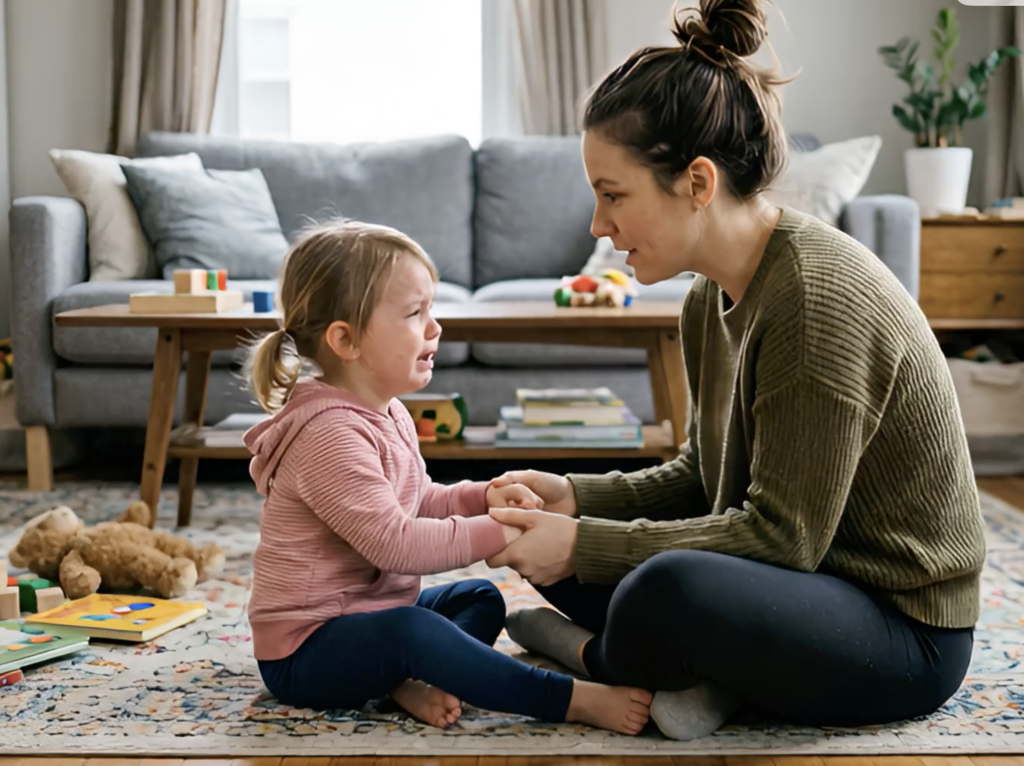
Toddlers are little sponges, soaking up everything around them, and that includes how we talk and how we handle feelings. It’s a big job, helping them figure out how to express themselves and manage those big emotions that seem to pop up out of nowhere. The goal here isn’t to stop the feelings, but to help them understand and deal with them.
Encouraging Expression of Needs
Think about it: your toddler can’t exactly write a strongly worded email when they’re hungry or tired. They’ve got limited words and even less impulse control. So, when they’re fussing, whining, or having a full-blown meltdown, it’s often their way of saying, “Hey! I need something!”
- Talk, talk, talk: Even if they can’t talk back much yet, narrate your day. “Mommy is making lunch.” “We’re going to put on your blue shoes.” This builds their vocabulary and shows them how words work.
- Listen to the grunts and groans: Try to figure out what they’re trying to tell you. Is it a hungry sound? A tired sound? A “I don’t like this” sound?
- Offer choices: “Do you want the red cup or the blue cup?” This gives them a sense of control and helps them practice making decisions.
- Use simple signs: For pre-verbal toddlers, simple signs for “more,” “all done,” or “milk” can be a game-changer. It gives them a way to communicate before they have the words.
Teaching Emotional Regulation
This is where things get interesting. Toddlers feel things big. Happy is super happy, sad is world-ending sad, and mad is, well, you know. Helping them learn to manage these intense feelings is a marathon, not a sprint. It starts with us.
We can’t expect toddlers to have the emotional control of an adult. Our job is to be their calm in the storm, showing them how to ride out the waves of big feelings without getting completely capsized.
Here’s a simple breakdown of how to help:
- Name the feeling: When they’re upset, try saying, “You seem really frustrated right now because your tower fell down.” This helps them connect a word to what they’re experiencing.
- Validate the feeling: It’s okay to be mad. It’s okay to be sad. “I see you’re angry that we have to leave the park. It’s hard to leave when you’re having fun.”
- Offer coping strategies: Once the big emotion starts to calm a bit, you can suggest things like taking deep breaths, hugging a stuffed animal, or asking for a hug from you. Communicating with toddlers can be tough, but these small steps make a difference.
The Role of Adult Communication
How we talk to our toddlers, and about our toddlers, really matters. It shapes how they see themselves and the world. Being clear, consistent, and kind in our communication builds trust and helps them feel secure.
- Be specific with praise: Instead of “Good job,” try “I like how you shared your toy with your friend.” This tells them exactly what behavior you want to see more of.
- Use “I” statements: When you need to address a behavior, try “I feel sad when you hit” instead of “You are bad.” It focuses on the behavior, not the child’s character.
- Keep it simple: Toddlers don’t need long lectures. Short, clear sentences work best. Talk frequently and listen actively.
Remember, this is all about building a foundation. They’re learning how to be human, and we’re here to guide them, one word and one feeling at a time.
Prioritizing Self-Care and Enjoyment
Look, parenting a toddler is a marathon, not a sprint. It’s easy to get so caught up in the day-to-day chaos – the tantrums, the endless questions, the sheer physical demands – that you forget about yourself. But here’s the thing: you can’t pour from an empty cup. Taking care of yourself isn’t selfish; it’s a necessity for being the best parent you can be.
Managing Parental Stress
Stress is a given with little ones. It can make you feel frazzled, impatient, and just plain exhausted. Finding ways to manage it is key. Think about what genuinely helps you unwind. Maybe it’s a quiet cup of tea after bedtime, a quick walk around the block, or listening to a podcast while folding laundry. Even small moments of calm can make a big difference. Remember those co-regulation strategies for little ones? They work for adults too. Sometimes, just taking a few deep breaths can reset your whole system. It’s about finding those little pockets of peace in the storm.
Choosing Your Battles Wisely
Not everything is a hill to die on. Toddlers are naturally going to push boundaries and test limits. Trying to control every single thing will just lead to burnout for both of you. Ask yourself: Is this behavior really harmful, or is it just annoying? Is it worth the energy to fight about it right now? Sometimes, letting go of minor things, like a messy eater or a refusal to wear a specific shirt, can save your sanity. Focus your energy on the big stuff – safety, respect, and kindness. It’s about picking your battles so you have the energy for the ones that truly matter.
Cherishing the Toddler Years
It feels like it will last forever when you’re in the thick of it, but these toddler years fly by. They are messy, loud, and often overwhelming, but they are also filled with incredible moments of discovery, laughter, and pure joy. Try to soak it in. Take a few extra seconds to watch your child explore something new, listen to their funny observations, or just enjoy a snuggle. These are the memories you’ll hold onto. It’s about finding that balance between managing the mayhem and appreciating the magic. Don’t forget to play with them, too! Engaging in simple activities like shape sorting can be fun for both of you and helps their development.
Remember that your own emotional well-being directly impacts your child’s. When you are calm and centered, you are better equipped to handle the challenges that come with raising a toddler. Prioritizing your needs isn’t a luxury; it’s a foundational element of effective parenting.
Wrapping It Up: You’ve Got This!
Look, raising a toddler is a wild ride, plain and simple. There will be days you feel like you’ve got it all figured out, and then there will be days you’re hiding in the pantry eating chocolate chips. That’s okay. Remember all those tips we talked about – setting limits, offering choices, and yes, even a good distraction. They’re not magic wands, but they are tools. Use them, adapt them, and don’t forget to breathe. Most importantly, try to soak in those sweet, funny, messy moments. This phase flies by faster than you think, and even on the toughest days, there’s so much love and joy to be found. You’re doing a great job, even when it doesn’t feel like it.
Frequently Asked Questions
Why do toddlers have so many tantrums?
Toddlers often have tantrums because they’re still learning how to handle big feelings like frustration or anger. They want to do things themselves and explore the world, but they don’t always have the words or skills to express what they need or want. Tantrums are their way of showing they’re overwhelmed, and it’s a normal part of growing up as they figure things out.
How can I stop my toddler from hitting or biting?
When your toddler hits or bites, it’s usually because they can’t express themselves well. Try to stay calm and gently stop the behavior. You can say something simple like, ‘No hitting, it hurts.’ Then, try to help them use their words or show them a better way to get what they want. Modeling good behavior yourself is also super important.
What’s the best way to set rules for my toddler?
Keep rules simple and clear, like ‘We use gentle hands’ or ‘Toys stay in the playroom.’ It’s also helpful to make your home safe by removing tempting or dangerous things. Being consistent with rules helps toddlers understand what’s expected, and they learn best when they know what to anticipate each day.
Should I always give in if my toddler throws a tantrum?
It’s tempting to give in to stop the crying, but doing so can teach toddlers that tantrums work. Instead, try to stay calm and wait for the tantrum to pass. Once they’re calm, you can talk about what happened. If they’re genuinely upset or overwhelmed, offering comfort is different from giving in to a tantrum.
How can I encourage my toddler to do what I ask?
Giving your toddler choices can help them feel more in control and willing to cooperate. Instead of saying ‘Clean up your toys,’ try ‘Do you want to put the blocks away first or the cars?’ Also, praise them when they do follow directions, even for small things. This positive attention makes them want to do it again.
My toddler seems to be testing boundaries all the time. What should I do?
Toddlers are naturally exploring their independence and figuring out what they can and can’t do. This often means testing limits. It’s important to set clear, consistent boundaries and stick to them. This helps them feel secure and learn about the world. Remember, they’re not trying to be difficult; they’re learning!


Ms. Kerri’s Corner provides a exciting virtual space for preschool learning. Through a variety of engaging activities, she exposes young minds to early math, literacy, science and social-emotional skills in a developmentally appropriate way. Centers for blocks, art, books and music allow children to explore hands-on learning at their own pace. Guided lessons subtly introduce number sense, letter sounds and narrative thinking. Careful observation gives insight into each child’s progress across domains. Viewers are also invited to participate, reinforcing that their ideas are valued. By making learning fun yet purposeful, Ms. Kerri lays the groundwork for future academic success while fostering creativity and imagination. Her program offers preschoolers valuable screen-based learning experiences.