Little Brains Learn in Big Ways
It’s pretty amazing to watch little brains grow, isn’t it? From the moment they’re born, these tiny humans are absorbing everything around them. This early learning period is so important for child development. We’re talking about huge leaps in understanding the world, from figuring out how to talk to learning how to get along with others. This guide looks at toddler learning and preschool growth, giving you some simple ideas to help your child’s brain develop.
Key Takeaways
- Little brains are incredibly good at picking up language, even from simple sounds and interactions. This is a big part of early learning.
- Play isn’t just fun; it’s how toddlers learn about the world, solve problems, and get better at moving their bodies. It’s serious business for child development.
- Social skills start to form early on. Watching and interacting with others helps young children learn how to behave and communicate.
- Toddler learning involves big emotions and lots of ‘why?’ questions. Being patient and responsive helps them manage feelings and grow their curiosity.
- Good nutrition, plenty of sleep, and balanced screen time are important for supporting healthy brain growth during preschool growth and all stages of early learning.
Tiny Humans, Giant Leaps: The Magic of Early Learning
From Gurgles to Grammar: How Little Brains Soak Up Language
It’s pretty wild, isn’t it? One minute they’re just making adorable little noises, and the next, they’re stringing words together like tiny, opinionated professors. This isn’t magic, though it feels like it sometimes. It’s the incredible way babies and toddlers absorb language. They’re not just hearing sounds; they’re dissecting them, figuring out patterns, and building their own communication systems. Their brains are like super-powered sponges, soaking up every “mama,” “dada,” and “no!”
Think about it: by the time they’re toddlers, they’ve already mastered the complex sounds and rhythms of their native tongue. They can distinguish between subtle differences in pronunciation that would stump most adults learning a new language. It’s a process that starts from day one, with them listening intently to the tone and cadence of your voice, even before they understand the words themselves. This early exposure is so important for their future communication skills. It’s a fascinating part of their developmental milestones.
The Art of the Mess: Why Play is Serious Business for Toddler Learning
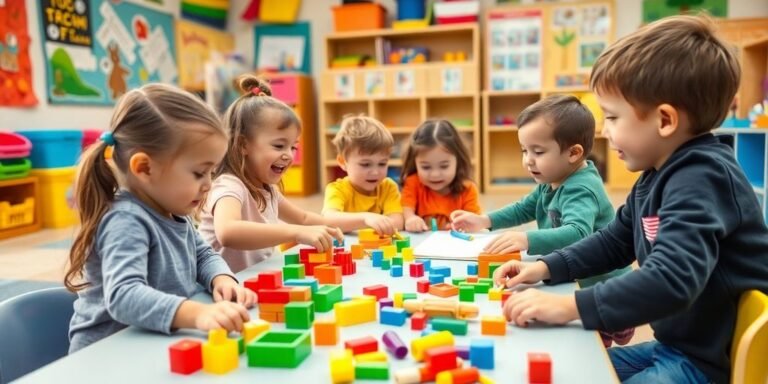
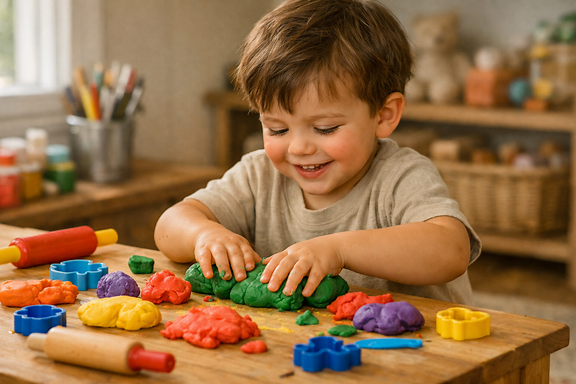
Let’s be honest, toddlerhood often involves a certain level of delightful chaos. Toys everywhere, paint on the walls (and sometimes the dog), and a general sense of joyful disarray. But this isn’t just mess for mess’s sake. This is how they learn. Play is their work, their laboratory, their grand experiment. When they’re stacking blocks, they’re learning about gravity and balance. When they’re splashing in the bath, they’re exploring cause and effect. Every tumble, every giggle, every sticky-fingered exploration is a learning opportunity.
- Sensory Exploration: Touching, tasting, smelling – it’s all data for their developing brains.
- Problem-Solving: Figuring out how to get that toy out from under the couch.
- Social Interaction: Sharing (or not sharing!) toys teaches them about boundaries and cooperation.
This constant engagement with their environment, through hands-on play, builds the foundational pathways for more complex thinking later on. It’s messy, yes, but it’s also incredibly productive.
Mirror, Mirror On The Wall: Social Skills Bloom in Preschool Growth
Watching little ones interact is like observing a miniature social experiment in real-time. They’re figuring out how to share, how to take turns, how to express their feelings without a full-blown meltdown (most of the time). This is where they start to understand that other people have feelings and needs, too. It’s a huge step from being the center of their own universe to understanding they’re part of a bigger social picture. These early interactions, whether with siblings, friends, or even imaginary companions, are shaping their ability to connect with others throughout their lives. It’s a period of rapid growth, much like the developmental leaps babies experience.
Here’s a peek at what’s happening:
- Empathy Development: Starting to recognize when someone else is sad or happy.
- Conflict Resolution: Learning to negotiate over a coveted toy.
- Cooperation: Working together to build something bigger than they could alone.
It’s a complex dance, and they’re learning the steps as they go, often with a few stumbles along the way. But each interaction is a lesson, building the social and emotional intelligence they’ll need for years to come.
Unlocking the Little Brain’s Potential: A Parent’s Guide
So, you’ve got this tiny human, right? And their brain? It’s basically a supercomputer in the making, but it needs a little help to get all its programs running smoothly. Think of yourself as the IT department, but way more fun and with fewer coffee breaks. We’re talking about helping them go from just existing to really thriving, reaching their full potential in learning and growing. It’s not about pushing them, it’s about creating the right environment for their amazing little minds to do their thing.
Reading the Room (and the Books): Fostering a Love for Stories
Books are magic, plain and simple. They’re not just paper and ink; they’re portals. When you read to your child, you’re doing more than just passing the time. You’re building vocabulary, sparking imagination, and showing them that stories are a big deal. Even if they’re just babbling along or trying to eat the pages (hey, it happens!), they’re absorbing it all. Make it a cozy, regular thing. Snuggle up, use silly voices, point at the pictures – whatever makes it a happy experience. This shared time is building a foundation for a lifelong love of reading.
Building Blocks of Brilliance: Encouraging Problem-Solving Skills
Life is basically one big puzzle, and we want our kids to be ready to tackle it. Problem-solving isn’t just about math equations; it’s about figuring out how to stack those blocks without them toppling over, or how to get that toy out from under the couch. When they get stuck, resist the urge to jump in immediately. Give them a moment to figure it out. You can offer gentle prompts, like “What else could you try?” or “What happens if you turn it this way?” It’s about letting them experiment and learn from their own discoveries. This is how they build confidence and learn that challenges are just opportunities to get clever.
The Power of ‘Why?’: Nurturing Curiosity in Child Development
That endless stream of “Why?” questions? It’s a sign of a brilliant, curious mind at work. Don’t shut it down, even when you’re exhausted. Try to answer them in simple terms, or even better, turn it back to them: “That’s a great question! What do you think?” This encourages them to think critically and explore their own ideas. It’s about showing them that asking questions is good, and that figuring out answers is an adventure. This kind of exploration is key for their development, helping them understand the world around them and how things work. If you’re ever worried about their development, there are specialists who can guide this process, significantly impacting their learning journey recognizing early signs of neurological development concerns.
Remember, every child learns at their own pace. Your job is to be their biggest cheerleader and provide the tools and encouragement they need to explore and grow. It’s a messy, wonderful process, and you’re doing great.
More Than Just Cute: The Science Behind Little Brains
Neural Networks: How Toddlers Wire Their World
Okay, so your little one isn’t just a cute, drooling blob. Inside that tiny skull, a universe is being built, connection by connection. Think of it like a super-fast, slightly chaotic construction site. Every giggle, every touch, every new sight and sound is like a tiny worker laying down a new wire, or strengthening an existing one. These aren’t just random connections; they’re the very architecture of their future thoughts, feelings, and actions. The brain starts with basic survival wiring, then gets fancy. It’s pretty wild to think that by the time they’re a toddler, they’ve already got billions of these neural pathways humming along, all thanks to their experiences. It’s how they learn to recognize your face, figure out that dropping a toy makes a noise, and eventually, start stringing words together. This whole process is how they learn to wire their world, making sense of everything around them.
The Sensitive Periods: When Little Brains Are Super-Absorbent Sponges
You know how some things are just easier to learn at certain ages? Like how kids seem to pick up languages without even trying, or how they can twist their bodies into shapes that would make a yoga instructor weep? That’s because of something called sensitive periods. These are windows of time when the brain is particularly primed to learn specific skills or information. It’s like the brain is saying, “Okay, NOW is the perfect time to get really good at this!” Missing these windows doesn’t mean the skill can never be learned, but it might take a bit more effort later on. So, if your toddler is suddenly obsessed with stacking blocks or babbling incessantly, they might be in a sensitive period for those skills. It’s a fascinating part of how children develop, and understanding it can help us support their learning journey. It’s all about timing and opportunity for the developing brain.
Nature vs. Nurture: It’s A Team Effort for Early Learning
This is the age-old question, right? Are we born with everything we need, or is it all about how we’re raised? Turns out, it’s a massive team effort. Genes give us the basic blueprint, the potential. But experiences, interactions, and the environment? They’re the builders, shaping and refining that blueprint into the unique person each child becomes. Think of it like baking a cake. You start with a recipe (nature), but the quality of your ingredients, how you mix them, and how long you bake it (nurture) all make a huge difference in the final product. Positive early experiences, like responsive caregiving and stimulating play, help build strong neural connections. Adversity, on the other hand, can disrupt this delicate process. So, it’s not really a battle between nature and nurture; it’s a constant, dynamic dance between the two, shaping every aspect of a child’s growth and development. The interplay between genes and environment is what truly shapes a child’s future.
Navigating the Toddler Learning Landscape
Oh, toddlers. They’re basically tiny, adorable hurricanes of emotion and discovery, aren’t they? One minute they’re giggling at a dust bunny, the next they’re having a full-blown existential crisis because their banana broke in half. It’s a wild ride, and honestly, sometimes it feels like you’re just trying to keep your head above water. But here’s the thing: all this chaos is actually how they learn. It’s messy, it’s loud, and it’s absolutely brilliant.
The Tantrum Tango: Understanding Big Emotions
Let’s talk about the meltdowns. You know the ones. The ones that happen in the grocery store, the ones that happen when you look at them funny, the ones that happen for reasons that are utterly beyond your comprehension. These aren’t just random acts of defiance; they’re a toddler’s way of communicating big feelings they don’t yet have the words for. They’re learning about frustration, disappointment, and anger, and they’re doing it with the emotional regulation skills of a goldfish. It’s okay to feel overwhelmed, but remember, they’re feeling it too, just way more intensely. Think of it as their first attempt at a dramatic performance, and you’re the unwilling audience.
- Identify the trigger: Was it the broken banana? The toy that didn’t work quite right? Sometimes, just naming the problem can help.
- Stay calm (or fake it): Your calm presence is their anchor. Easier said than done, I know.
- Offer comfort: A hug, a quiet space, or just sitting with them can work wonders.
- Validate their feelings: “I see you’re really mad right now because…”
Sharing is Caring (Eventually): Navigating Social Dynamics
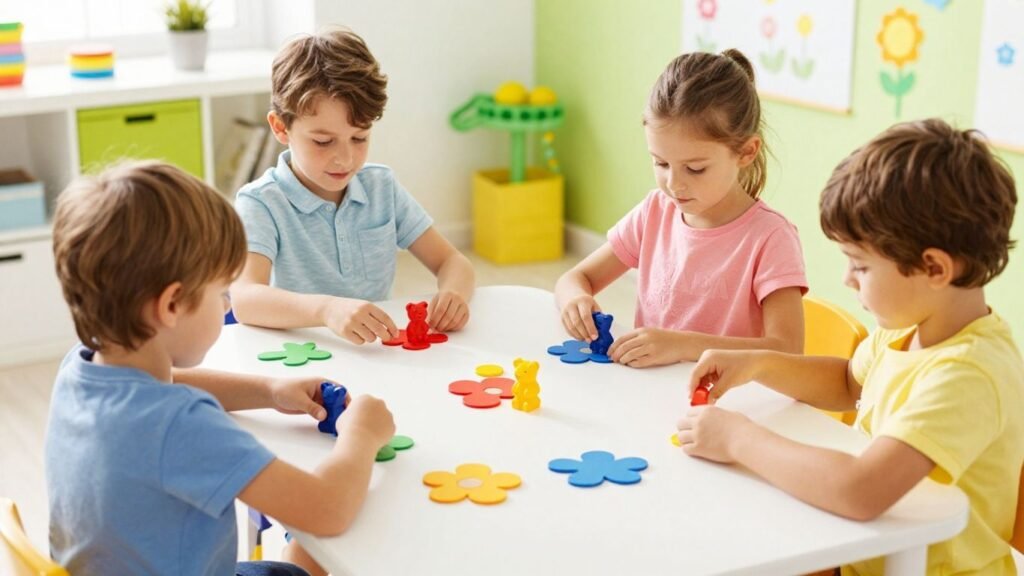
Ah, sharing. The concept that seems to elude most toddlers like a well-kept secret. Watching two toddlers interact over a single coveted toy is like observing a miniature, high-stakes negotiation. It’s not that they’re intentionally being selfish; they’re still very much in the “mine!” phase of development. Learning to share, to take turns, and to understand that other people have feelings and desires is a huge step. It takes practice, patience, and a whole lot of adult intervention. You’re basically coaching them through their first diplomatic missions. This is where you can start introducing simple games that require cooperation, like building a tower together or playing a simple matching game. You can find some great ideas for activities that encourage cooperation.
Potty Training and Beyond: Milestones of Independence
Potty training. The word alone can send shivers down a parent’s spine. But it’s just one of many milestones where toddlers are asserting their growing independence. They want to do things themselves, whether it’s putting on their own shoes (even if they’re on the wrong feet) or deciding what to eat (which often means only eating beige foods). These moments of self-assertion, while sometimes frustrating, are signs of a healthy developing mind. They’re learning about their bodies, about control, and about the world around them. It’s a big deal for them, and for us, it’s a sign that they’re getting ready for the next big adventure. Watching them master these skills, from dressing themselves to feeding themselves, is a testament to their incredible capacity for growth. You can track these amazing developmental leaps and see just how far they’ve come.
The toddler years are a whirlwind of learning, often expressed through big emotions and a fierce desire for independence. It’s a period where they’re figuring out who they are and how they fit into the world, one tantrum and one shared toy at a time.
Fueling Little Brains for Big Adventures
Okay, let’s talk about what actually goes into those amazing little heads. It’s not just about keeping them from starving; it’s about giving their rapidly developing brains the good stuff they need to, well, do all that learning we’ve been chatting about. Think of it like putting premium fuel in a race car – you wouldn’t put in cheap stuff and expect it to win, right? Same goes for tiny humans.
Brain Food Bonanza: What to Feed Your Growing Genius
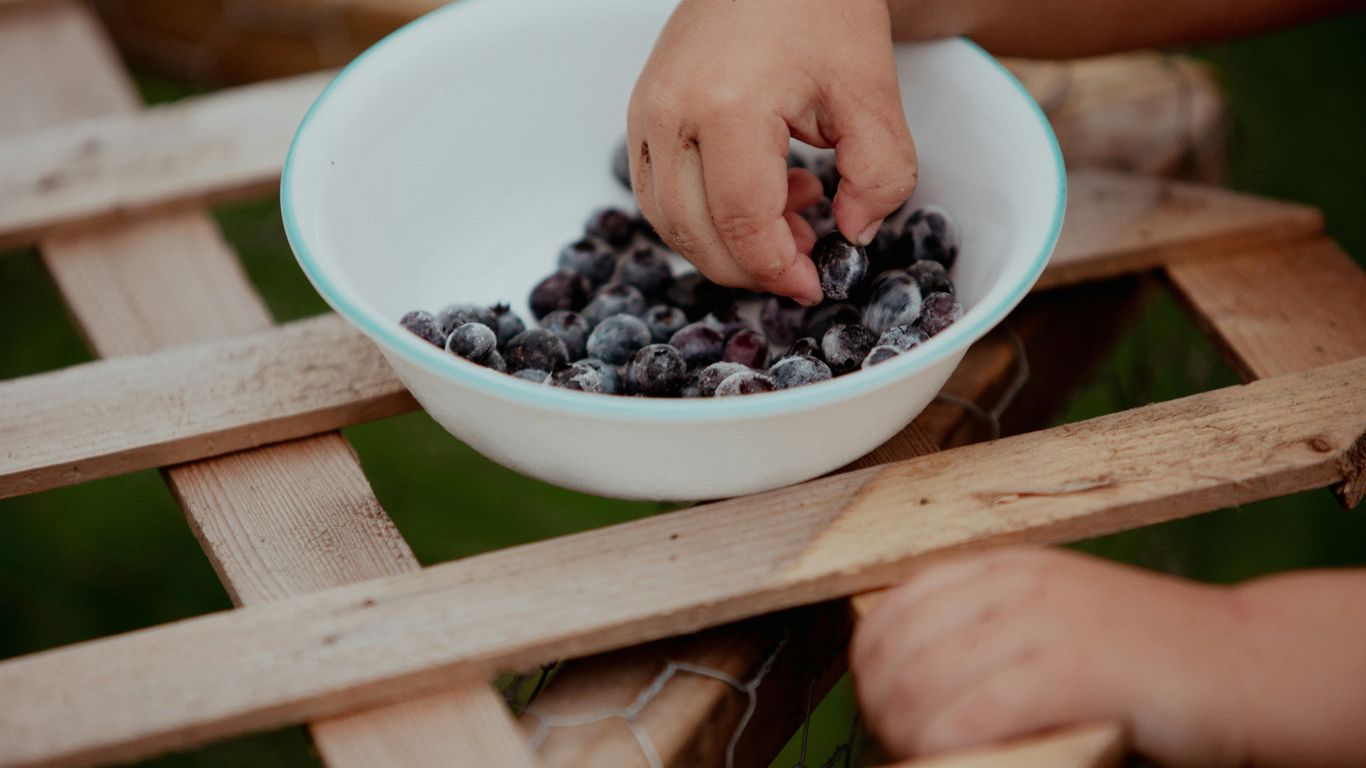
Seriously, the food choices we make have a bigger impact than you might think. It’s not just about avoiding the sugary junk (though, yes, that’s important too). We’re talking about giving them the building blocks for all those new neural connections. Omega-3 fatty acids are like gold for brain development, found in things like fatty fish (if your kid will eat it, lucky you!) and flaxseeds. Then there are antioxidants, which help protect those delicate brain cells. Berries, anyone? And don’t forget whole grains for steady energy – no sugar crashes here, please!
Here’s a quick rundown of some brain-boosting superstars:
- Fatty Fish: Salmon, mackerel, sardines – packed with omega-3s.
- Berries: Blueberries, strawberries, raspberries – full of antioxidants.
- Leafy Greens: Spinach, kale – loaded with vitamins and minerals.
- Nuts and Seeds: Almonds, walnuts, chia seeds – healthy fats and vitamin E. These foods can really make a difference.
- Eggs: A great source of choline, important for memory.
Sleep Like A Baby (Because They Are): The Importance of Rest
This one is HUGE. Sleep isn’t just downtime; it’s when the magic happens. While your little one is snoozing, their brain is busy consolidating memories, processing information, and basically tidying up all the learning from the day. Skimping on sleep is like trying to run a marathon on an empty stomach – it’s just not going to happen. Aim for consistent bedtimes and create a calming routine. It’s tough, I know. Some nights feel like you’re wrestling an octopus, but stick with it. A well-rested kid is a learning machine.
Screen Time Smarts: Balancing Digital and Real-World Play
Ah, screens. The modern-day pacifier, the babysitter, the source of endless entertainment. It’s not all bad, but we need to be smart about it. Too much passive screen time can actually get in the way of active learning and exploration. Think about it: building a tower with blocks requires problem-solving and creativity. Watching a cartoon, while fun, is often just… watching. We need to find that sweet spot. Maybe use educational apps for short bursts, but prioritize hands-on play, reading books, and just plain old exploring the backyard. The goal is balance, not elimination.
Remember, consistency is key. Whether it’s mealtime, bedtime, or screen time, predictable routines help little brains feel secure and ready to learn. It’s not about perfection, it’s about progress and making sure they have the fuel and rest they need for all their big adventures.
Preschool Growth Spurts: Beyond the ABCs
Creative Chaos: Unleashing Artistic Expression
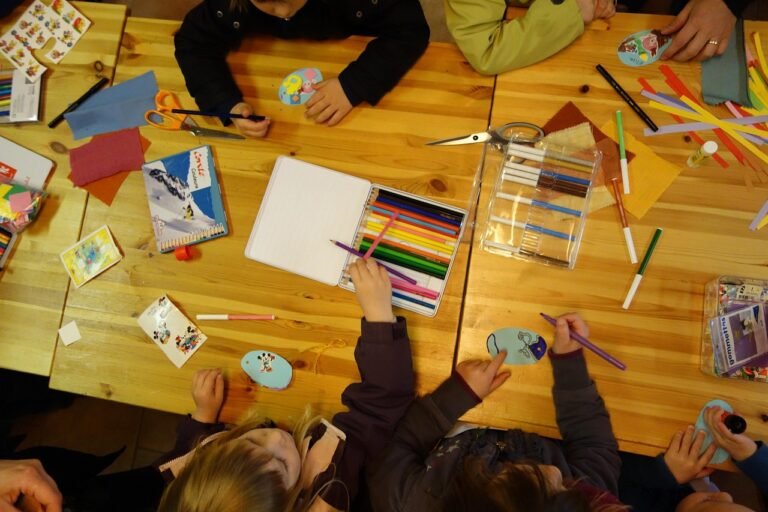
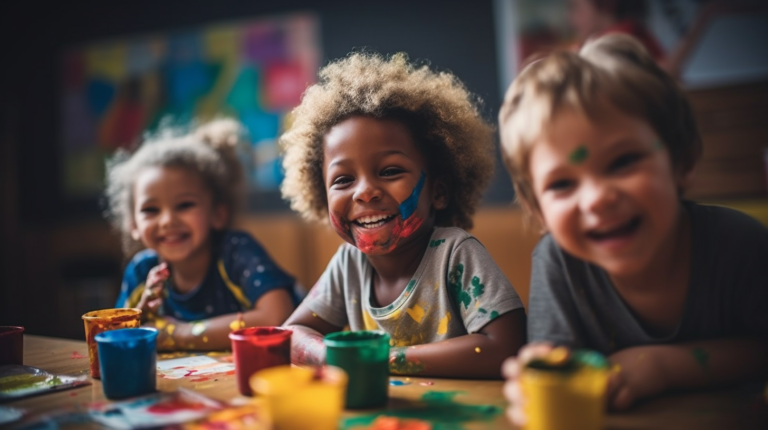
Forget sterile art classes where every brushstroke is dictated. Preschoolers are little explosions of creativity, and their art is often a wild, wonderful mess. Think less ‘perfect still life’ and more ‘abstract expressionism meets spaghetti sauce.’ Their scribbles aren’t just random lines; they’re stories waiting to be told, feelings waiting to be shown. It’s about the process, not just the product. Letting them smear paint, mash playdough into unrecognizable shapes, or build towering structures that defy gravity is how they learn about texture, color, and cause and effect. It’s messy, yes, but it’s also where some of the most amazing discoveries happen. Don’t be afraid of the mess; embrace it as a sign of a brain hard at work.
Little Scientists in the Making: Exploring the World Around Them
Every ‘why?’ is a tiny scientific inquiry. Preschoolers are naturally curious investigators, constantly poking, prodding, and questioning the world. They’re not just playing with blocks; they’re testing physics. They’re not just splashing in puddles; they’re observing water displacement. This stage is ripe for hands-on exploration. Provide opportunities for them to dig in the dirt, mix colors, observe bugs, or even just watch how a ball rolls down a ramp. These simple activities are the building blocks for scientific thinking, laying the groundwork for a lifetime of asking questions and seeking answers. It’s about encouraging that innate desire to figure things out, even if it means a few more questions directed your way.
The Joy of Movement: Gross Motor Skills for Big Fun
Little bodies are made for moving, and gross motor skills are a huge part of preschool development. We’re talking about running, jumping, climbing, and balancing. These aren’t just ways to burn off energy (though that’s a bonus!). They’re vital for physical health, coordination, and even cognitive development. When kids are actively moving, they’re building stronger muscles, improving their balance, and developing spatial awareness. Think playground adventures, backyard obstacle courses, or even just a good old-fashioned dance party in the living room. These activities help them understand their bodies and how they interact with the world around them. It’s all part of growing up and getting ready for bigger adventures, like learning to ride a bike.

The preschool years are a whirlwind of growth, where every day brings new skills and discoveries. It’s a time when children are rapidly developing their physical abilities, their creative spirits, and their understanding of the world. Providing a rich environment for exploration and play is key to supporting this incredible developmental stage.
Preschoolers go through amazing growth spurts that are about much more than just learning the alphabet. These stages are crucial for developing their minds and bodies in exciting ways. Want to learn more about how your child grows and learns during these important years? Visit our website for helpful tips and resources!
Frequently Asked Questions
How do babies learn to talk so fast?
From the moment they’re born, babies are like little sponges, soaking up everything around them. They listen to the sounds and words you use, and their brains are wired to pick up on patterns. Even before they can speak, they’re understanding a lot. Talking to them, singing songs, and reading stories helps them build those language skills, turning gurgles into actual words and sentences.
Why is playing so important for young kids?
Play might look like just fun and games, but it’s actually how toddlers learn about the world. When they build with blocks, they’re learning about shapes and balance. When they pretend, they’re practicing social skills and problem-solving. Messy play, like with paint or sand, helps them explore textures and cause-and-effect. It’s serious learning disguised as fun!
How can parents help their kids learn better?
Parents play a huge role! Reading together every day is a fantastic way to boost language and imagination. Encouraging kids to try new things and solve little puzzles helps them think. And don’t shy away from their endless ‘why?’ questions – each one is a chance for them to learn more about how things work and to become a curious learner.
What are ‘sensitive periods’ in a child’s brain development?
Think of sensitive periods as special windows of time when a child’s brain is extra ready to learn certain things. For example, there’s a time when they’re really good at picking up language, and another time when they’re naturally drawn to movement and coordination. Knowing about these times can help parents support their child’s learning at just the right moment.
Is it nature or nurture that makes kids smart?
It’s actually a bit of both, working together like a team! Kids are born with certain natural abilities (nature), but the experiences they have, the people they interact with, and the environment they grow up in (nurture) have a massive impact on how those abilities develop. It’s a constant partnership.
How much screen time is okay for young children?
Screen time needs a good balance. While some educational apps and shows can be helpful, real-world experiences are way more important for a young child’s development. Playing with toys, exploring outdoors, and interacting with people are crucial. It’s about finding a healthy mix so kids get the benefits of technology without missing out on essential hands-on learning and social connection.


Ms. Kerri’s Corner provides a exciting virtual space for preschool learning. Through a variety of engaging activities, she exposes young minds to early math, literacy, science and social-emotional skills in a developmentally appropriate way. Centers for blocks, art, books and music allow children to explore hands-on learning at their own pace. Guided lessons subtly introduce number sense, letter sounds and narrative thinking. Careful observation gives insight into each child’s progress across domains. Viewers are also invited to participate, reinforcing that their ideas are valued. By making learning fun yet purposeful, Ms. Kerri lays the groundwork for future academic success while fostering creativity and imagination. Her program offers preschoolers valuable screen-based learning experiences.