Getting your child ready for kindergarten doesn’t have to be a big stress, even with a busy schedule. You can build a solid kindergarten prep curriculum right at home. It’s all about making learning fun and fitting it into your daily life. Think less about formal schooling and more about playful exploration and connecting with your child. This approach helps them build skills and a love for learning without feeling like a chore.
Key Takeaways
- A kindergarten prep curriculum at home can be built around play-based learning, integrating stories, and exploring nature.
- Structuring your home curriculum over a 36-week plan helps balance core skills with child-led exploration and quiet time.
- Focus on building blocks like phonological awareness, early reading, and basic math skills.
- Create a daily rhythm that includes active learning, outdoor time, and cozy family reading.
- Choose resources that are multi-sensory and adaptable to your child’s unique pace and interests.
Building A Foundational Kindergarten Prep Curriculum At Home
Getting your little one ready for kindergarten doesn’t have to feel like a huge undertaking, especially when life is already so busy. The idea is to build a strong base for learning, and honestly, a lot of that happens naturally through everyday activities. Think of it less like formal schooling and more like guided exploration. We want to spark curiosity and make learning feel like an adventure, not a chore. The goal is to nurture a love for discovery that will last a lifetime.

Embracing Play-Based Learning
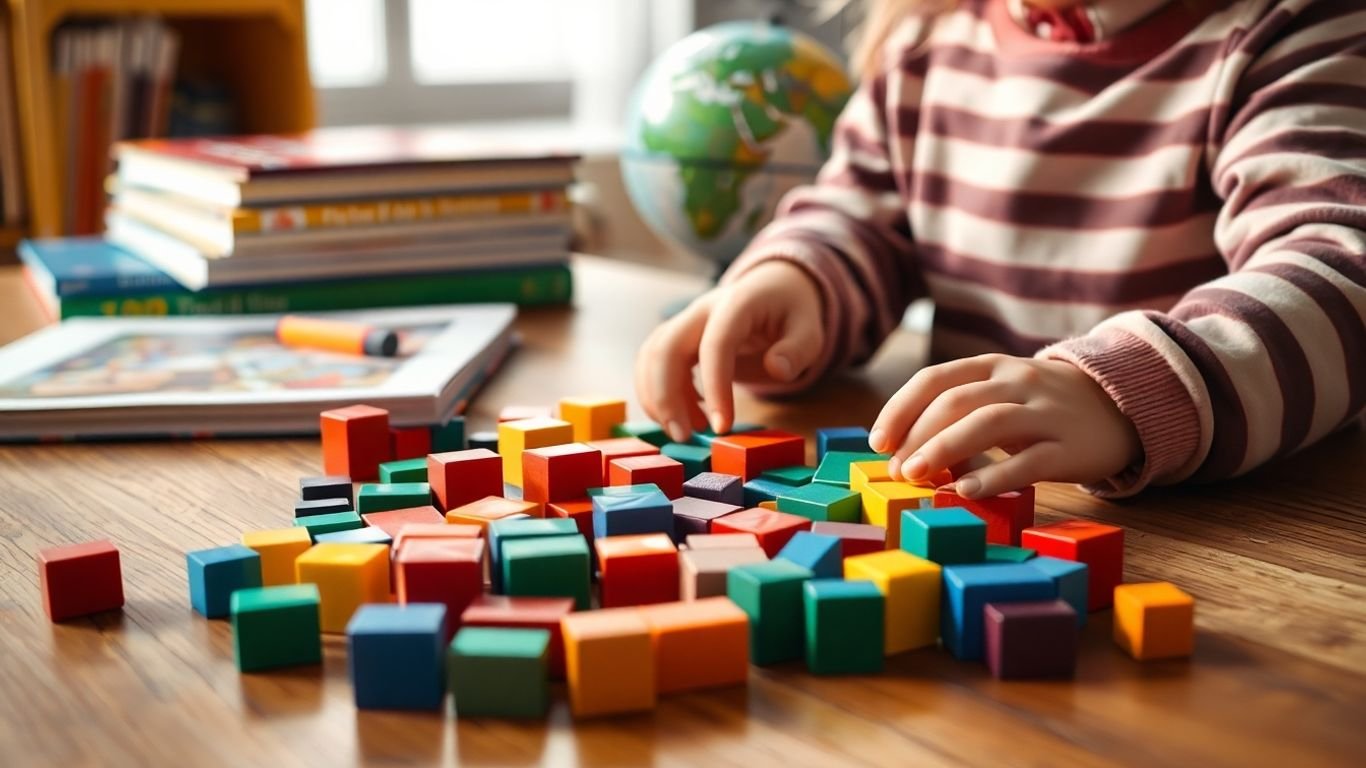
Play is how young children learn best. It’s not just about fun; it’s how they figure out the world around them. Through play, kids develop problem-solving skills, learn to share, and build their imagination. Think building blocks, pretend play, or even just running around outside. These activities are building blocks for future learning.
- Imaginative Play: Encourage dress-up, playing house, or creating stories with toys. This builds language and social skills.
- Construction Play: Blocks, LEGOs, or even cardboard boxes help with spatial reasoning and fine motor skills.
- Outdoor Exploration: Running, jumping, and climbing develop gross motor skills and a connection with nature.
When we allow children to direct their own play, they are learning to be independent thinkers and problem solvers. It’s a chance for them to experiment without fear of failure.
Integrating Literature and Storytelling
Books are magic carpets to other worlds and ideas. Reading aloud to your child is one of the most impactful things you can do. It expands their vocabulary, introduces them to new concepts, and helps them understand different perspectives. Storytelling, whether reading a book or making up tales together, also strengthens their listening skills and creativity.
- Read Alouds: Aim for at least 20 minutes daily, choosing a variety of books.
- Storytelling: Encourage your child to tell you stories, or create them together.
- Library Visits: Make trips to the library a regular, exciting outing.
Fostering a Love for Nature
Nature is the ultimate classroom. Spending time outdoors offers so many learning opportunities. Kids can observe insects, collect leaves, or simply enjoy the fresh air. This connection with the natural world builds observation skills and a sense of wonder. It’s a simple way to add learning into your routine without needing special materials.
- Nature Walks: Explore local parks or even your backyard.
- Sensory Play: Collect rocks, leaves, or flowers.
- Gardening: Even a small pot can teach about plant life cycles.
Structuring Your Kindergarten Prep Curriculum At Home
Figuring out how to structure your kindergarten prep at home can feel like a puzzle, especially when life is already so busy. The good news is, it doesn’t have to be rigid. Think of it more like a flexible framework that supports your child’s learning without adding extra stress to your day. A well-organized approach can make a big difference, helping you cover important skills while still keeping things fun and engaging.
The 36-Week Activity Plan
Having a plan that spans about 36 weeks can be really helpful. It breaks down the learning into manageable chunks, kind of like a school year. This way, you’re not trying to cram everything in at once. Each week can focus on specific skills or themes, building on what came before. This approach helps ensure you’re touching on all the key areas needed for kindergarten readiness without feeling overwhelmed. It’s a great way to see progress over time and provides a sense of rhythm to your home learning.
- Week 1-12: Focus on foundational literacy and numeracy, like letter sounds and counting.
- Week 13-24: Introduce early reading and simple math concepts, like sight words and addition.
- Week 25-36: Build on these skills with more complex activities, problem-solving, and creative expression.
This kind of pacing allows for repetition and practice, which is so important for young children. It also gives you a roadmap, so you know what’s coming next. You can find resources designed for a 36-week curriculum that align with this structure.
Balancing Core Skills with Deep Learning
It’s easy to get caught up in just checking off boxes for core skills like letters and numbers. But kindergarten prep is also about letting kids explore and learn deeply. Try to mix in activities that allow for more open-ended exploration. This could be anything from building with blocks for an hour to spending time in the garden. The goal is to nurture curiosity, not just to drill facts.
True learning at this age often happens through play and exploration. While structured activities are important, make sure there’s plenty of time for your child to follow their own interests and discover things at their own pace. This balance is key to developing a lifelong love of learning.
Think about how you can weave in deeper learning opportunities. For example, when you’re counting objects, you could also talk about shapes or textures. When reading a story, you might discuss the characters’ feelings or predict what will happen next. This kind of integrated learning makes the experience richer and more meaningful for your child.
Incorporating Quiet Time and Independent Play
Don’t underestimate the power of quiet time and independent play. These periods are vital for a child’s development. They allow children to process information, develop their imagination, and learn to entertain themselves. Even a short block of time each day dedicated to this can be incredibly beneficial. It’s a chance for them to be the boss of their own play, which builds confidence and problem-solving skills. This unstructured time is just as important as any planned lesson.
- Independent Play: Let your child choose their toys and activities. This could be anything from drawing to playing with dolls or building a fort.
- Quiet Time: This doesn’t always mean a nap. It can be a time for looking at books independently, listening to an audiobook, or doing a simple puzzle.
- Self-Directed Learning: Observe what your child is drawn to and provide materials that support those interests. This could be art supplies, building materials, or nature items.

These moments of calm and self-direction are where a lot of growth happens. They help children develop focus and resilience, skills that will serve them well in kindergarten and beyond.
Essential Components Of A Kindergarten Prep Curriculum At Home
When you’re getting ready for kindergarten, there are a few key areas to focus on. It’s not just about knowing letters and numbers, though those are important. We want to build a strong base so your child feels ready and excited for school. Think of it as building a sturdy house – you need a good foundation before you start putting up walls.
Developing Phonological Awareness
This is all about sounds in words. Before kids can read words, they need to hear the individual sounds that make them up. It’s like being a sound detective!
- Rhyming: Can your child hear that ‘cat’ and ‘hat’ sound alike? Play rhyming games with words and songs.
- Syllable Counting: Clap out the syllables in names or common words. How many claps for ‘but-ter-fly’?
- Sound Isolation: What’s the first sound you hear in ‘sun’? What about the last sound in ‘dog’?
- Blending Sounds: If I say /c/ /a/ /t/, what word do I make? This is a big step towards reading.
Mastering Early Literacy Skills
Once kids start hearing sounds, we can move towards recognizing letters and putting them together to read. This is where the magic of books really starts to happen.
- Letter Recognition: Knowing the names of letters (A, B, C) and what they look like.
- Letter Sounds: Connecting those letters to their sounds (A makes the /a/ sound).
- Sight Words: Learning common words that don’t always follow the usual sound rules, like ‘the’, ‘is’, ‘a’.
- Early Reading: Putting it all together to read simple words and short sentences.
Building Foundational Numeracy
Math at this age is very hands-on and about understanding numbers and how they work. It’s not about memorizing formulas, but about exploring quantities and patterns.
- Number Recognition: Identifying numbers (1, 2, 3).
- Counting: Being able to count objects accurately.
- One-to-One Correspondence: Understanding that each object counted gets one number.
- Basic Shapes: Recognizing circles, squares, triangles, etc.
- Simple Patterns: Identifying and creating simple patterns (e.g., red, blue, red, blue).
These skills build on each other. A child who can hear the sounds in words will have an easier time learning letter sounds. Likewise, a child who understands counting will be better prepared for more complex math later on. It’s all connected!
Here’s a quick look at how these might break down over a week:
| Skill Area | Monday | Tuesday | Wednesday | Thursday | Friday |
|---|---|---|---|---|---|
| Phonological Awareness | Rhyming Games | Syllable Claps | Sound Hunt | Blend Sounds | Review |
| Early Literacy | Letter ‘A’ | Letter ‘B’ | Sight Word ‘the’ | Read Aloud | Story Retell |
| Foundational Numeracy | Count to 10 | Shape Sort | Pattern Play | Number Match | Counting Game |
Remember, the goal is to make learning fun and engaging. If your child is playing with blocks and counting them, that’s numeracy in action! If they’re making up silly rhymes, that’s phonological awareness. It all counts.
Creating A Daily Rhythm For Kindergarten Prep At Home

Setting up a predictable daily flow can make a big difference when you’re prepping your child for kindergarten, especially when life feels a bit hectic. It’s not about sticking to a rigid schedule, but more about creating a gentle rhythm that helps your child know what to expect. This structure can ease transitions and make learning feel more natural.
Morning Time and Hands-On Activities
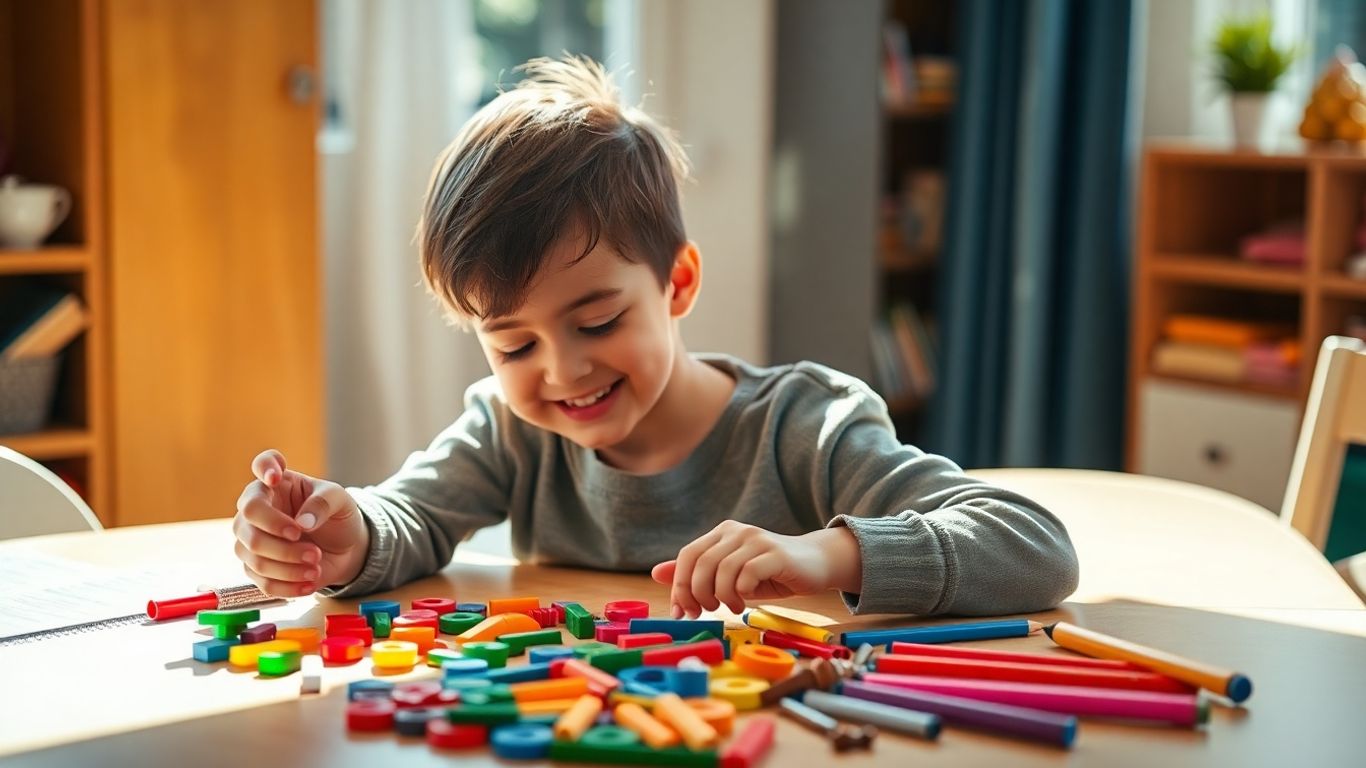
Start your day with a calm approach. Mornings are a great time for activities that engage your child’s senses and creativity. Think about incorporating things like tracing letters with playdough, working with colorful beads to practice counting, or even simple art projects. These hands-on tasks help build fine motor skills and introduce early academic concepts without feeling like formal lessons. A short, focused session of about 20-30 minutes is often plenty.
- Calendar and Weather: Start with a simple calendar to mark the day and discuss the weather. This builds an awareness of time and the world around them.
- Letter and Number Play: Use blocks, magnetic letters, or even chalk outside to practice recognizing and forming letters and numbers.
- Sensory Bins: Fill a bin with rice, beans, or sand and hide letters or numbers for your child to find and identify.
Afternoon Learning and Outdoor Exploration
Afternoons can be a bit more relaxed. This is a perfect time for reading aloud, which is incredibly beneficial for language development and sparking imagination. Follow this with some time outdoors. Whether it’s a walk in the park, playing in the backyard, or visiting a local nature center, connecting with nature offers a wealth of learning opportunities. Kids can observe plants, collect interesting leaves or rocks, and simply enjoy physical activity.
A consistent rhythm helps children feel secure and prepared. It’s about balance – mixing focused learning with plenty of time for free play and exploration. Don’t stress if a day doesn’t go exactly as planned; flexibility is key.
Evening Family Time and Reading
Wind down your day with activities that bring the family together. This could include a shared meal where you talk about your day, a family game, or, most importantly, reading together. Reading aloud before bed is a wonderful way to bond and reinforce a love for books. It’s a peaceful way to end the day, leaving your child feeling connected and ready for rest.
- Shared Meal: Use dinnertime to chat about what everyone did that day.
- Family Games: Board games or card games can teach turn-taking and simple strategy.
- Bedtime Stories: Make reading a cherished nightly ritual.
Choosing The Right Resources For Your Kindergarten Prep Curriculum At Home
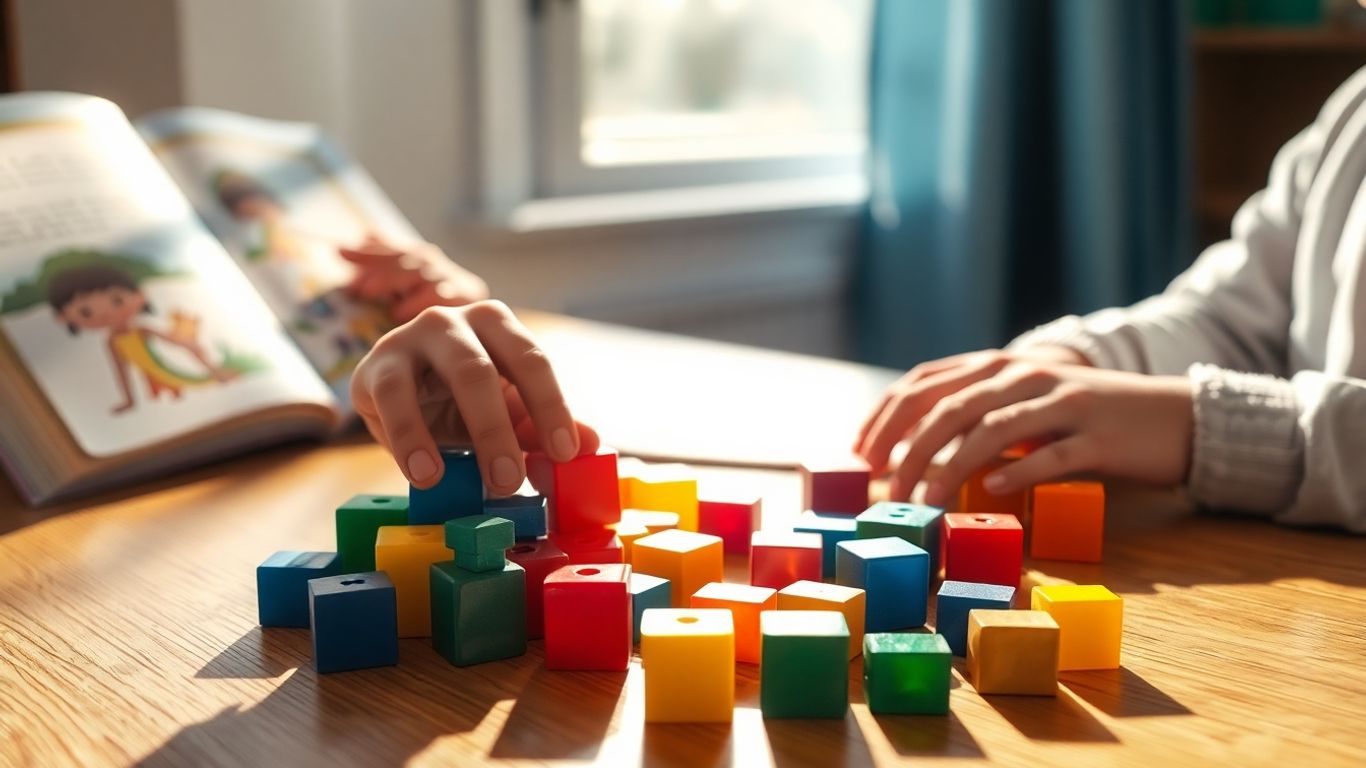
Picking out the right materials for your child’s kindergarten prep can feel like a big task, especially with so many options out there. It’s easy to get caught up in thinking you need the fanciest or most popular stuff, but really, it’s about finding what works for your child and your family. Think about what your child enjoys and what fits into your daily life. The goal is to make learning feel natural and fun, not like another chore.
Multi-Sensory Learning Approaches
Kids learn in different ways, and using a mix of senses can really help things stick. Think about activities that involve seeing, hearing, touching, and even doing. For example, when learning letters, you could use sandpaper letters for tracing, sing alphabet songs, and use playdough to form shapes. This kind of hands-on learning is great for little ones.
Here are a few ideas to get you started:
- Visual: Picture books, flashcards, colorful charts, nature walks to observe.
- Auditory: Songs, rhymes, audiobooks, conversations, storytelling.
- Kinesthetic/Tactile: Building blocks, playdough, sensory bins (rice, beans, water), puzzles, art projects, movement games.
Age-Appropriate Curriculum Choices
When looking at curriculum options, make sure they’re designed for kindergarteners. You don’t want something too simple that they’ll get bored with, or too complex that it causes frustration. Many programs are built around themes or specific skills, like phonics or early math. Some are literature-based, using stories to guide learning, while others are more structured with daily lessons. It’s helpful to look for resources that align with your child’s current abilities and interests.
Consider these points when choosing:
- Skill Focus: Does it cover the basics like letters, numbers, and shapes?
- Engagement: Is it likely to hold your child’s attention?
- Flexibility: Can you adapt it if needed?
Adapting Resources for Your Child
Even the best resources might need a little tweaking to fit your child perfectly. Maybe a math game is a bit too hard, or a reading activity is going too fast. That’s totally okay! You can simplify instructions, break down tasks into smaller steps, or add extra practice where needed. On the flip side, if your child is picking things up quickly, you can extend the activity or introduce a slightly more challenging concept. The key is to observe your child and adjust accordingly.
It’s not about following a curriculum perfectly, but about using the tools you have to support your child’s learning journey. If something isn’t working, don’t be afraid to change it up or try something different. Your child’s engagement and enjoyment are the best indicators of success.
Wrapping It Up
So, getting your little one ready for kindergarten at home doesn’t have to be some huge, complicated thing. It’s really about making learning a fun part of your everyday life. Whether you’re following a structured plan or just letting curiosity lead the way, the most important thing is spending that quality time together. You’ve got this! Focus on building that love for learning, and your child will be more than ready for whatever comes next.
Frequently Asked Questions
When is my child ready for a kindergarten prep program at home?
Most kids are ready for a kindergarten prep program between ages 4 and 6. If your child can enjoy and focus on activities for about 20 minutes, they’re likely ready. Before this, a program that focuses more on free play with gentle guidance might be a better fit. The key is to make sure they’re ready to engage in more structured, yet still playful, learning.
What are the most important skills to focus on for kindergarten readiness?
The most crucial areas are building a love for reading and math. Also, developing skills like understanding sounds in words (phonological awareness), early reading abilities, and basic math concepts are super important. Don’t forget about encouraging creativity, problem-solving, and emotional well-being through play.
How much time should we spend on ‘school’ each day?
For kids around kindergarten age, especially before they turn 6, formal lessons aren’t the main focus. It’s more about inviting them into learning. You might spend anywhere from 30 minutes to a couple of hours a day on activities, but much of that could be reading stories together. Some days, you might do very little formal work if your child is deeply engaged in play or exploring outdoors. Flexibility is key!
What is phonological awareness, and why is it important?
Phonological awareness is all about hearing the sounds within words, not about letters themselves. It involves recognizing rhymes, syllables, and individual sounds. For example, knowing that ‘cat’ and ‘hat’ rhyme is a phonological skill. This ability is a strong predictor of how well a child will learn to read later on.
Do I need a lot of fancy materials for a home kindergarten curriculum?
Not at all! While some structured programs offer materials, you can create a rich learning environment with everyday items. Think about using things from nature, simple art supplies like crayons and paper, and of course, a good collection of books. The most valuable resource is your time and engagement with your child.
How can I balance core skills with other learning for my child?
It’s all about integration! You can teach core skills like letters and numbers through play-based activities, stories, and nature exploration. For instance, counting leaves found on a walk or identifying the beginning sound of a character’s name in a book. Dedicate some time to focused skill-building, but weave learning into all aspects of your child’s day.
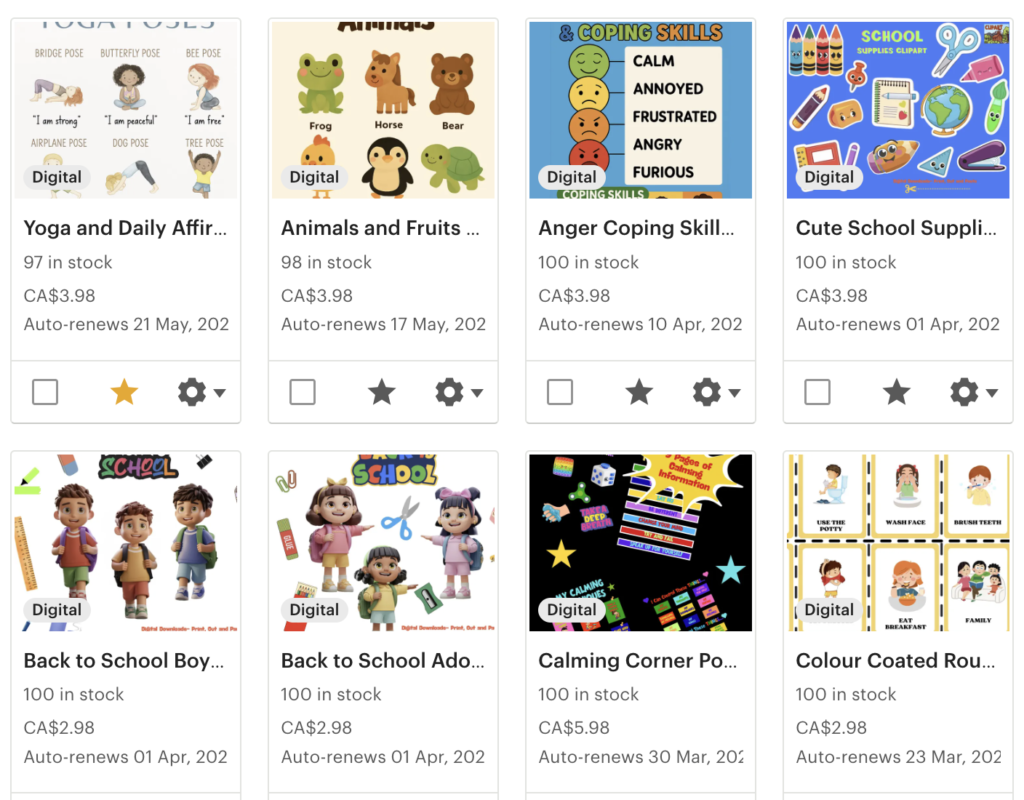

Ms. Kerri’s Corner provides a exciting virtual space for preschool learning. Through a variety of engaging activities, she exposes young minds to early math, literacy, science and social-emotional skills in a developmentally appropriate way. Centers for blocks, art, books and music allow children to explore hands-on learning at their own pace. Guided lessons subtly introduce number sense, letter sounds and narrative thinking. Careful observation gives insight into each child’s progress across domains. Viewers are also invited to participate, reinforcing that their ideas are valued. By making learning fun yet purposeful, Ms. Kerri lays the groundwork for future academic success while fostering creativity and imagination. Her program offers preschoolers valuable screen-based learning experiences.