Finding the right Christmas gifts for a four-year-old can feel like a puzzle sometimes, right? You want something that’s fun, but also helps them learn and grow. This is a fantastic age where kids are really starting to explore their world, get creative, and want to do things themselves. Montessori principles focus on hands-on activities and letting kids lead their own play. So, when you’re looking for Montessori Christmas gifts age 4, think about toys that encourage them to think, build, and imagine. It’s all about giving them tools to discover things at their own pace.
Key Takeaways
- Montessori Christmas gifts age 4 should support independent play and hands-on learning.
- Open-ended toys like building blocks and art supplies encourage creativity and problem-solving.
- Practical life skills can be developed with child-sized tools, aprons, and pretend play items.
- Cognitive growth is supported by puzzles, mazes, and fine motor skill games.
- Physical activity, imaginative scenarios, and social-emotional learning are also key areas for gifts at this age.
Montessori Christmas Gifts Age 4 For Creative Exploration
At four years old, kids are really starting to stretch their imaginations. They’re not just playing; they’re creating worlds and telling stories. Montessori gifts for this age focus on giving them the tools to explore their own ideas without too much direction. It’s all about letting them lead the way.
Open-Ended Building Blocks
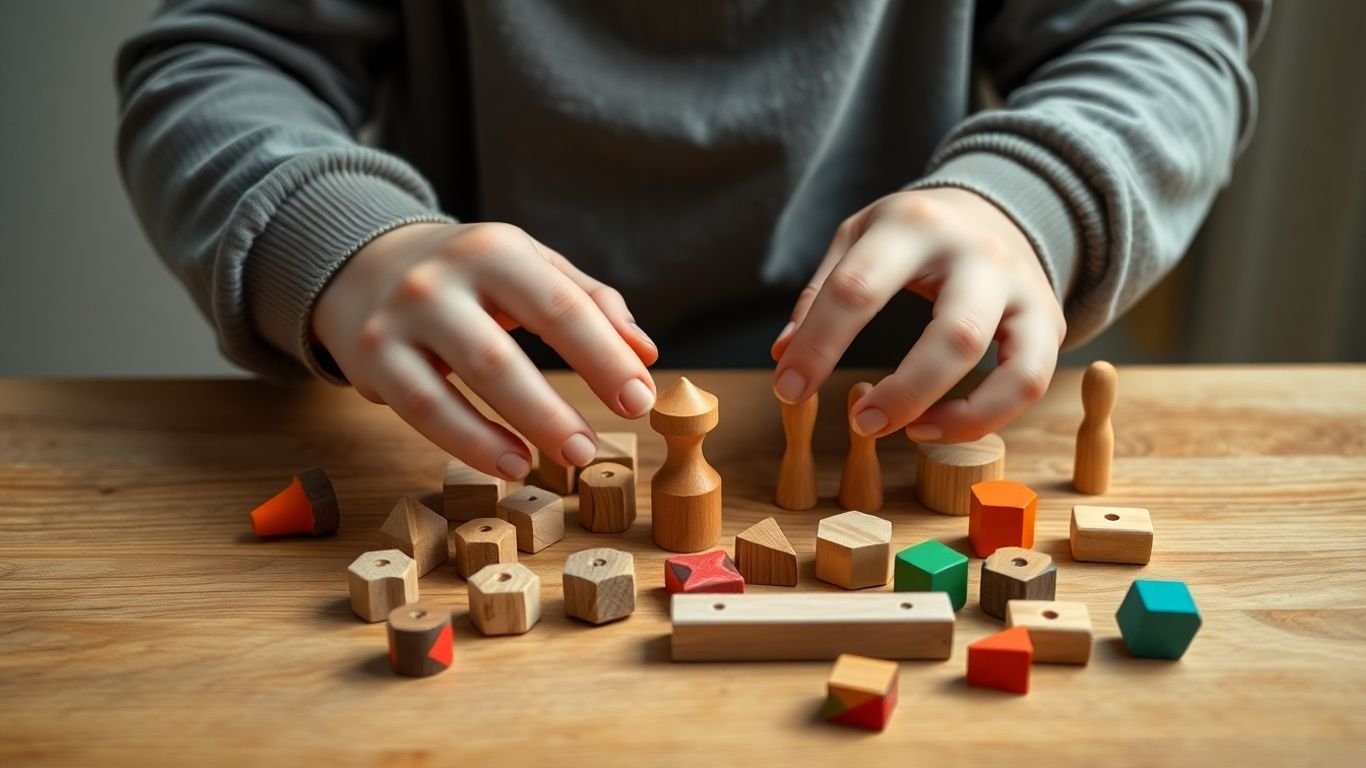
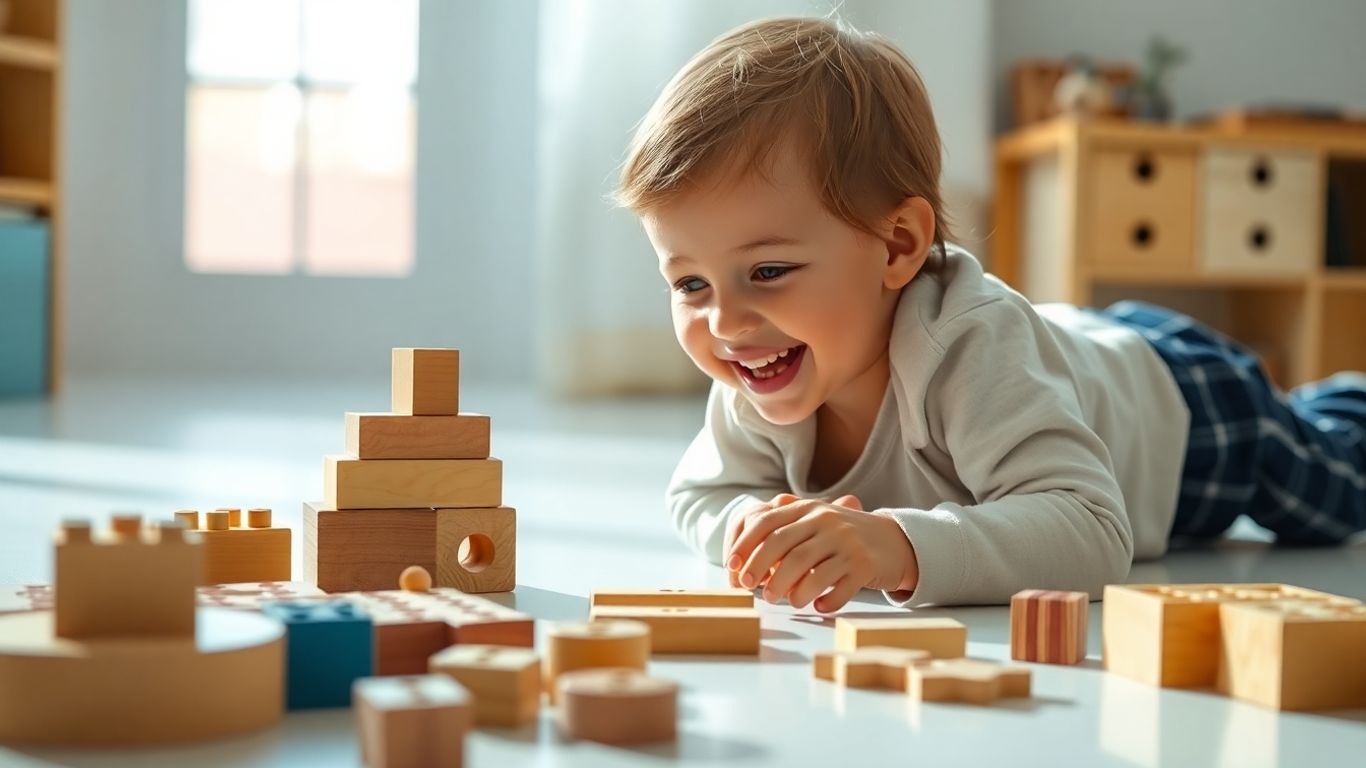
Wooden blocks are a classic for a reason. They don’t have a single way to be used, which is exactly why they’re so great for creative minds. A four-year-old can use them to build a towering castle one day and a simple car the next. The possibilities are pretty much endless, and that’s the beauty of it. These kinds of toys encourage problem-solving and spatial reasoning without feeling like work. They’re just blocks, but they can become anything.

Art Supplies For Budding Artists
Think beyond just crayons and paper. At this age, children are ready for a wider range of art materials that allow for more varied expression. Consider chunky chalks for outdoor fun, washable paints for finger painting or brushwork, and modeling clay or playdough for sculpting. Providing a variety of textures and colors lets them experiment and discover what they like best. It’s about the process of creating, not just the final product. This kind of open-ended art play helps develop fine motor skills and allows for a lot of self-expression. You can find some really nice art supplies designed for little hands that are easy to clean up, too.
Puppets And A Stage For Storytelling
Puppets are fantastic for encouraging imaginative play and language development. A simple set of hand puppets or finger puppets can transform a living room into a theater. Kids can act out stories they know or make up entirely new ones. This helps them explore different characters, emotions, and social interactions in a safe, playful way. A small, doorway puppet theater can add an extra layer of fun, making the performance feel more official. It’s a wonderful way to spark storytelling and build confidence as they present their own shows. You can even find kits for making your own puppets which adds another creative layer.
When choosing gifts for creative exploration, look for items that don’t have a single, predetermined outcome. The goal is to provide materials that a child can manipulate and transform according to their own ideas. This approach respects their natural curiosity and supports their growing independence.
Montessori Christmas Gifts Age 4 For Practical Life Skills
At four years old, kids are really starting to want to do things for themselves. They watch what we do and want to be a part of it. This is a fantastic age to give them tools that let them practice real-life skills. It’s all about building confidence and independence.
Child-Sized Aprons For Kitchen Adventures
Getting a child-sized apron is a simple way to invite them into the kitchen. It protects their clothes, sure, but more importantly, it signals that they are ready for grown-up tasks. Look for aprons with easy closures, like velcro, so they can manage putting it on and taking it off by themselves. This little step makes them feel so capable when they’re helping to stir batter or wash vegetables. It’s a small thing, but it really helps them feel like a contributing member of the family.
Tool Kits For Little Builders
Think basic, safe tools. A child-friendly screwdriver set, a small hammer, and a measuring tape can open up a world of possibilities. They can help with simple household tasks, or just explore how things fit together. This is a great way to develop problem-solving skills and hand-eye coordination. It’s not about building a masterpiece right away; it’s about the process of figuring things out and using tools with purpose.
Pretend Play Cash Register
While it might seem like just a toy, a pretend cash register is actually a wonderful tool for practical life skills. Kids can practice counting, recognizing numbers, and even basic addition and subtraction in a playful way. They can mimic shopping experiences, learning about exchange and value. It’s a fun way to introduce concepts that will be useful later on, all through imaginative play.
Montessori Christmas Gifts Age 4 For Cognitive Development
At four years old, kids are really starting to soak up information like little sponges. They’re curious about how things work and love figuring out puzzles. Gifts that challenge their minds in a fun, hands-on way are perfect for this age. These kinds of toys help them build important thinking skills without even realizing they’re learning.
Solar System Matching Puzzles
These puzzles are great for introducing young children to the planets and space. They usually involve matching shapes or pictures of celestial bodies. It’s a neat way to help them learn about our solar system while also working on their problem-solving abilities and spatial awareness. The tactile nature of wooden puzzles also helps with fine motor skills.
Color and Number Mazes
Mazes are fantastic for developing logic and planning skills. A color and number maze adds an extra layer by requiring kids to follow specific sequences or paths based on colors or numbers. This helps them practice concentration and learn basic sequencing, which is a building block for more complex math concepts later on.
Fishing Games For Fine Motor Skills
These games often involve a magnetic fishing rod and little sea creatures or shapes. Kids have to carefully maneuver the rod to ‘catch’ their target. It’s a simple yet effective way to improve hand-eye coordination and dexterity. Plus, it can be a really calming activity for kids who need a moment to focus.
Toys that encourage cognitive development at this age are often simple in design but rich in possibilities. They allow children to experiment, make mistakes, and try again, which is how real learning happens. The goal is to spark their natural curiosity and provide tools for exploration, not just to get the ‘right’ answer.
Here are some benefits of these types of toys:
- Problem-Solving: Figuring out how to complete a puzzle or navigate a maze.
- Pattern Recognition: Identifying sequences in number or color mazes.
- Spatial Reasoning: Understanding how shapes fit together in puzzles.
- Concentration: Focusing on the task at hand, like catching a fish or completing a maze.
Montessori Christmas Gifts Age 4 For Physical Activity
Four-year-olds are often bursting with energy, and channeling that into active play is fantastic for their development. Montessori principles encourage movement and exploration, helping children understand their bodies and build coordination. Giving gifts that promote physical activity supports their natural drive to move and learn.
Wooden Balance Boards
A wooden balance board is a simple yet brilliant toy. It looks like a curved plank of wood, but its uses are many. Kids can stand on it to practice their balance, rock back and forth, or even flip it over to use as a ramp or bridge for other toys. It’s a great way to build core strength and coordination, and it’s also an open-ended toy that can be used in lots of imaginative ways. You can find some really nice ones that are built to last.
Pikler Triangles and Balance Beams
Inspired by the Pikler philosophy, these structures are designed for safe, independent exploration of movement. A Pikler triangle is a climbing frame, often with rungs, that allows children to climb up and down at their own pace. Balance beams, whether low to the ground or slightly elevated, help children refine their sense of balance and spatial awareness. These are wonderful for developing gross motor skills and confidence. They really encourage kids to test their limits in a controlled environment.
Yoga Cards For Mindful Movement
Who says physical activity has to be high-octane all the time? Yoga cards offer a gentler way for four-year-olds to engage their bodies. A set usually includes cards with clear illustrations of different yoga poses. Children can pick a card and try to mimic the pose, or they can select a few cards to create their own short yoga sequence. This is great for improving flexibility, focus, and teaching them simple mindfulness techniques. It’s a calm way to get moving and can be a fun activity for the whole family to try together. You can even find yoga cards for kids that make learning the poses easy and fun.
Montessori Christmas Gifts Age 4 For Imaginative Play
At four years old, kids really start to stretch their imaginations. They’re not just playing with toys; they’re creating entire worlds and stories. This is a fantastic age to give them tools that let their creativity run wild. Montessori principles encourage this kind of self-directed exploration, and there are some wonderful gifts that fit right in.
Dress-Up Costumes
Costumes are more than just fun outfits; they’re a gateway to different characters and scenarios. A simple cape, a doctor’s coat, or a fairy wand can transform a child into anyone they want to be. This kind of play helps them explore different roles and emotions in a safe way. It’s all about letting them step into someone else’s shoes for a while. They can act out stories they’ve heard or make up entirely new adventures. This is a great way to encourage independent play and build confidence.
Doll Seats For Scooters And Bikes
For the child who loves to be on the move, a doll seat for their scooter or bike is a brilliant idea. It allows them to bring their favorite companions along for the ride. This simple addition turns a solo activity into a shared adventure. They can pretend their doll is a co-pilot or a passenger going on a grand journey. It adds a layer of imaginative play to physical activity, making outdoor time even more engaging. It’s a small accessory that really expands their play possibilities.
Play Tents As Personal Hideaways
Every child needs a space that feels like their own, and a play tent is perfect for this. It can be a castle, a spaceship, a secret fort, or a cozy reading nook. These tents provide a sense of privacy and ownership, which is important for developing independence. Inside their tent, children can engage in all sorts of imaginative scenarios, from hosting tea parties for stuffed animals to planning secret missions. It’s a dedicated space where their imagination can truly flourish, free from adult direction. You can find some really nice ones that are easy to set up and take down, making them great for indoor or outdoor play.
Giving children their own space, even a temporary one like a play tent, helps them feel secure and in control. It’s a place where they can be whoever they want to be and do whatever they imagine, fostering a strong sense of self.
Montessori Christmas Gifts Age 4 For Social And Emotional Growth
At four years old, kids are really starting to get the hang of playing with others. They’re moving beyond just playing next to each other and are beginning to understand how to play with each other. This is a fantastic time to introduce gifts that help them learn about teamwork, sharing, and understanding different feelings. These kinds of toys don’t just entertain; they help build a strong foundation for how they’ll interact with the world.
Cooperative Board Games
Board games are a great way for four-year-olds to learn about taking turns and following rules. Cooperative games take this a step further by having everyone work together towards a common goal. This teaches them that success can be a group effort, which is a really important lesson. It’s also a chance for them to practice communicating their ideas and listening to others.
- Promotes teamwork: Players win or lose together.
- Develops communication: Kids need to talk to each other to figure out the best moves.
- Builds patience: Waiting for their turn is a key skill learned.
- Introduces strategy: Even simple games involve thinking ahead.
Lacing Cards For Dexterity
While lacing cards might seem like a simple activity, they do wonders for a child’s social and emotional development. The focus required to thread the lace through the holes helps build concentration. Successfully completing a card gives them a sense of accomplishment, boosting their confidence. When children work on lacing cards together, they might even help each other out, sharing tips or offering encouragement. This quiet activity can also be a calming way for them to self-regulate when they feel overwhelmed.

These activities, while seemingly focused on fine motor skills, actually provide a quiet space for children to build self-reliance and a sense of mastery. Completing a task independently is a powerful confidence builder.
Display Frames For Artwork
Every child’s artwork is a piece of their heart and mind. Giving them a special frame to display their creations is a wonderful way to show them their efforts are seen and appreciated. This simple act validates their creativity and helps them feel proud of their work. When they see their art proudly displayed, it reinforces their sense of self-worth. It also gives them a chance to talk about their art, explaining their choices and feelings, which is a big step in emotional expression.
- Boosts self-esteem: Seeing their work displayed makes them feel valued.
- Encourages expression: They can talk about what they drew or painted.
- Develops pride: Taking ownership of their creations.
- Personalizes space: Makes their room or play area feel more like their own.
Wrapping It Up
So, there you have it. Picking out gifts for a four-year-old doesn’t have to be complicated. By choosing toys that encourage them to figure things out on their own, you’re giving them something really special. These kinds of gifts help them learn and grow, all while they’re having a blast. It’s a win-win, really. Happy gifting!
Frequently Asked Questions
Why are Montessori toys good for 4-year-olds?
Montessori toys are fantastic for four-year-olds because they encourage kids to learn and play on their own. These toys are designed to be simple and open-ended, meaning a child can use them in many different ways. This helps them think creatively, solve problems, and become more independent, which is exactly what kids at this age are ready for.
What does ‘open-ended play’ mean?
Open-ended play means using toys that don’t have just one specific way to be used. Think of wooden blocks – you can build anything you imagine! Unlike toys with a single purpose, open-ended toys let a child’s imagination lead the way, making playtime last longer and fostering more creativity.
How do Montessori gifts help with practical life skills?
Many Montessori gifts focus on everyday tasks. Things like child-sized aprons for cooking, simple tool kits for building, or even pretend play cash registers help kids practice real-world skills. This makes them feel capable and involved in what grown-ups do.
Are Montessori toys just for quiet play?
Not at all! While some Montessori toys encourage focus, many also promote physical activity. Wooden balance boards, climbing structures, and even yoga cards help children develop their balance, coordination, and body awareness in a fun and engaging way.
What’s the difference between Montessori and regular toys?
Regular toys often have flashing lights, sounds, and a single way to play. Montessori toys, on the other hand, are usually made from natural materials, are simpler in design, and encourage children to use their own ideas and imagination to interact with them. They focus more on the learning process than on entertainment.
How can I choose the right Montessori gift for a 4-year-old?
Consider what your child is interested in! Do they love building? Look at blocks. Are they into pretend play? Puppets or dress-up might be perfect. Think about skills you want to encourage, like fine motor skills (puzzles, lacing cards) or problem-solving (mazes, matching games). The best gifts are ones that match their current stage of development and spark their curiosity.


Ms. Kerri’s Corner provides a exciting virtual space for preschool learning. Through a variety of engaging activities, she exposes young minds to early math, literacy, science and social-emotional skills in a developmentally appropriate way. Centers for blocks, art, books and music allow children to explore hands-on learning at their own pace. Guided lessons subtly introduce number sense, letter sounds and narrative thinking. Careful observation gives insight into each child’s progress across domains. Viewers are also invited to participate, reinforcing that their ideas are valued. By making learning fun yet purposeful, Ms. Kerri lays the groundwork for future academic success while fostering creativity and imagination. Her program offers preschoolers valuable screen-based learning experiences.