
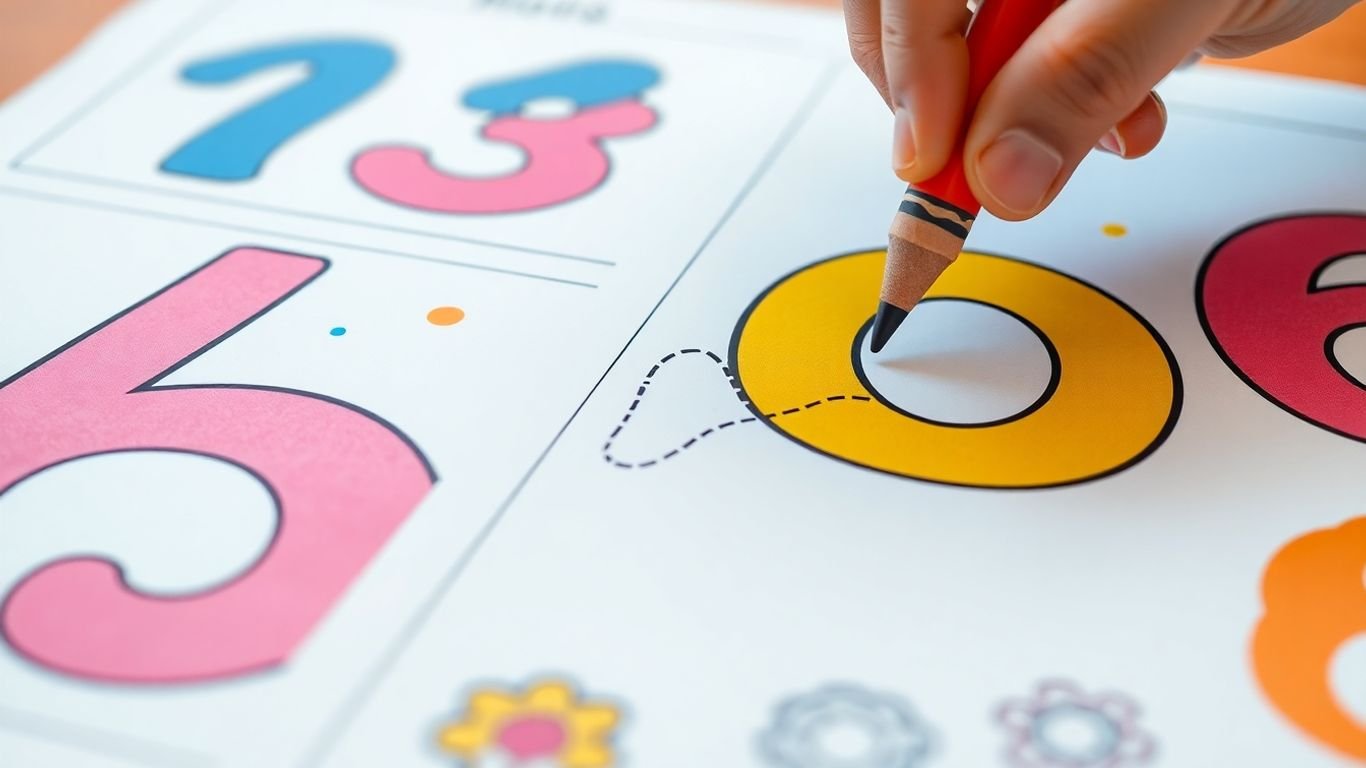
Getting kids started with numbers can feel like a big task, but it doesn’t have to be. Number tracing worksheets are a simple and fun way to help little ones get comfortable with writing and recognizing numbers. Think of it as drawing the shapes of numbers, with a bit of practice. These sheets are great because they help kids get their hands ready for writing, which is super important for school later on. Plus, they can often color them in, which makes learning feel more like playtime.
Key Takeaways
- Number tracing worksheets help children learn to write numbers correctly by guiding their hand movements.
- Practicing tracing numbers improves fine motor skills, which are needed for writing and other tasks.
- These worksheets make number recognition and counting from 1 to 100 more engaging for young learners.
- Adding coloring elements to number tracing worksheets can boost a child’s interest in learning.
- Consistent use of number tracing worksheets builds a solid base for future math learning and confidence.
Building Foundational Number Skills
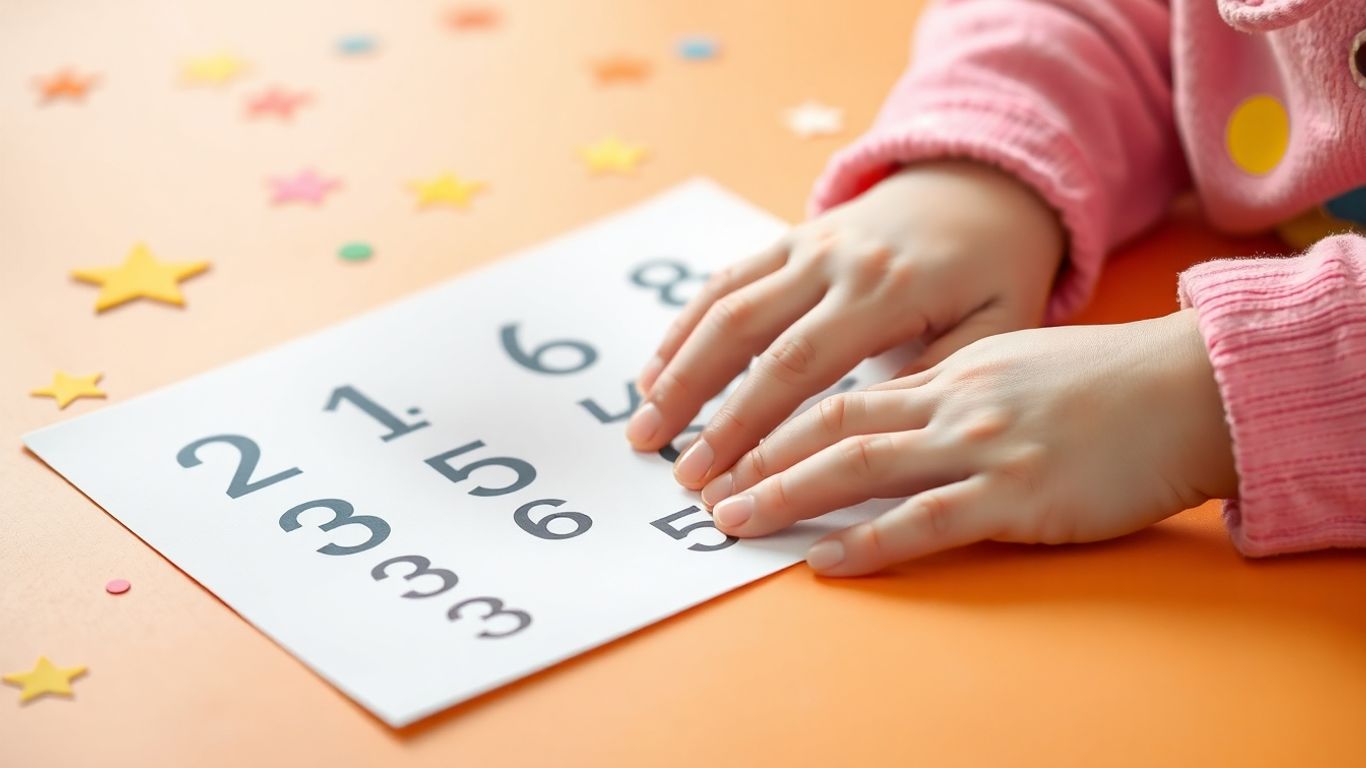
Getting started with numbers is a big deal for little ones. It’s like learning a new language, and the first words they need to know are the numbers themselves. Number tracing worksheets are a fantastic way to kick off this journey.
Introducing Number Tracing Worksheets
These worksheets are designed to be the very first step in a child’s math adventure. They present numbers in a clear, traceable format, usually with dotted lines that guide little fingers. The goal is to make the physical act of writing a number as intuitive as possible. It’s not just about recognizing the shape of a ‘3’; it’s about learning how to form it stroke by stroke. Many of these worksheets come with fun pictures to color, too, which keeps things light and enjoyable.
Enhancing Motor Skills Through Practice
Tracing isn’t just about numbers; it’s a workout for a child’s hands and fingers. Holding a pencil or crayon correctly and making controlled movements helps develop fine motor skills. These are the same skills needed for buttoning shirts, tying shoes, and eventually, writing letters. The repetition involved in tracing a number multiple times builds muscle memory and hand-eye coordination.
Here’s a quick look at how tracing helps:
- Grip Development: Practicing holding writing tools properly.
- Hand-Eye Coordination: Connecting what the eyes see with what the hands do.
- Fine Motor Control: Making small, precise movements.
- Patience and Focus: Staying with the task until the number is complete.
The simple act of following a line, even a dotted one, requires a surprising amount of concentration and control from a young child. It’s a quiet activity that builds a lot of important physical abilities without them even realizing they’re ‘practicing’.
Boosting Number Recognition and Counting
Beyond just the physical act of writing, these worksheets actively help kids learn what each number looks like and what it represents. Seeing the numeral ‘5’ repeatedly, and then tracing it, helps cement its visual identity. Often, these worksheets will also include simple counting exercises, like dots or objects to count alongside the number being traced. This dual approach – writing and counting – starts building a solid understanding of numerical concepts right from the beginning.
Engaging Young Learners with Tracing

Making Number Writing Fun
Let’s be honest, sometimes learning can feel like a chore for little ones. That’s where number tracing worksheets really shine. They take the potentially dry task of writing numbers and turn it into something kids actually look forward to. The key is making it feel less like a test and more like a game. When kids are tracing numbers, they’re not just forming shapes; they’re building confidence with every stroke. It’s about giving them the tools to express numbers visually, which is a big step in their early math journey. Think of it as drawing, but with a purpose. We want them to see writing numbers as an accomplishment, not a struggle. This approach helps build a positive association with learning numbers right from the start.
The Role of Coloring in Learning
Coloring is more than just a way to pass the time; it’s a fantastic learning tool for young children. Many number tracing worksheets come with fun characters or simple pictures that kids can color in after they’ve finished tracing. This adds an extra layer of engagement. It gives them a reward for their hard work and a chance to express their creativity. Plus, it helps reinforce the numbers they’ve just practiced. Imagine a child tracing the number ‘3’ and then coloring in a cute little bird. It connects the abstract concept of a number with something tangible and enjoyable. This dual activity helps with fine motor skills too, as they switch between the precise movements of tracing and the broader strokes of coloring. It’s a great way to keep their attention focused and make the learning process more dynamic. You can find some great ideas for number recognition activities that incorporate coloring and other fun elements for preschoolers.
Customizable Practice for Individual Needs
Every child learns at their own pace, and that’s perfectly okay. Number tracing worksheets can be adapted to fit what each child needs. Some worksheets have a lot of dotted lines to trace, which is great for beginners. Others might have fewer dotted lines, encouraging kids to write more of the number on their own. You can even take it a step further. If your child is really getting the hang of a number, you might choose to lightly erase some of the guide dots on a worksheet to give them a bit more of a challenge. Conversely, if they’re struggling with a particular number, you can print out extra copies or focus on worksheets with more tracing support. This flexibility means the worksheets grow with your child, providing just the right amount of support and challenge as they progress. It’s about meeting them where they are and helping them move forward comfortably.
Number tracing isn’t just about getting the shape right; it’s about building the physical and mental pathways for number understanding. It’s a hands-on activity that makes abstract symbols feel real and manageable for young minds.
Mastering Numbers 1 to 100

Comprehensive Number Tracing Templates
Getting kids comfortable with numbers up to 100 is a big step, and tracing worksheets are a great way to do it. These templates give children a clear path to follow, helping them get a feel for how each number is formed. We’ve got templates that focus on individual numbers, giving kids plenty of space to trace and then try writing them on their own. It’s all about repetition and building that muscle memory.
Developing Sequential Number Understanding
Beyond just writing individual digits, it’s important for kids to see how numbers connect. Our worksheets help with this by showing numbers in order. This helps them grasp the idea of counting up and understanding what comes next. It’s like building a number line right on the page.
- Trace numbers 1 through 10. This builds the foundation.
- Move to tracing 11 through 20. Recognizing the pattern of ‘teen’ numbers.
- Continue up to 100. Practicing sequences like 21, 22, 23 and so on.
Seeing numbers laid out sequentially helps children understand the flow of counting. It’s not just about memorizing shapes, but about understanding the order and progression of numbers.
Reinforcing Concepts Through Repetition
Practice really does make perfect when it comes to numbers. By tracing and writing numbers repeatedly, kids start to really remember them. We’ve designed these worksheets so there’s lots of room for practice. Some kids might need to trace a number many times before it clicks, and that’s totally fine. We also include fun characters on the pages that kids can color in after they’ve finished tracing. It makes the whole process less of a chore and more like a game. The goal is to make number writing feel natural, not forced.

Benefits of Number Tracing Worksheets
So, why bother with number tracing worksheets? Well, they actually do a lot more than just teach kids how to write numbers. For starters, they really help little ones get a handle on recognizing and telling different numbers apart. Think about it – seeing the shape of a ‘3’ versus a ‘5’ over and over again, and physically making that shape with their own hand, makes a big difference. It’s like learning a new alphabet, but for math.
Recognizing and Differentiating Numbers
This is where tracing really shines. When kids trace numbers, they’re not just copying lines; they’re building a visual and kinesthetic connection to each numeral. This repeated action helps solidify the image of each number in their mind. It’s a simple yet effective way to make sure they can tell a ‘6’ from a ‘9’ or a ‘2’ from a ‘7’ without getting mixed up. This early visual discrimination is a building block for so much more.
Establishing Basic Math Foundations
Beyond just writing, these worksheets lay the groundwork for future math success. When a child can confidently write and recognize numbers, they’re ready to start counting, comparing quantities, and understanding simple addition and subtraction. It’s like building a sturdy house – you need a solid foundation before you can add the walls and roof. These tracing activities are that foundation, making the transition to more complex math concepts much smoother. You can find some great resources for early math skills here.
Improving Memory Retention
Remembering things is easier when you’re actively involved, right? Tracing numbers is a hands-on activity that engages multiple senses. The physical act of moving the pencil, combined with the visual input of the number, helps cement that information in a child’s memory. It’s far more effective than just looking at a number on a page. This repetition builds strong recall, which is super helpful as they move on to memorizing math facts later on.
The process of tracing numbers isn’t just about forming digits correctly. It’s about building a physical memory of each number’s shape and sequence. This tactile learning approach makes abstract concepts more concrete for young minds, preparing them for more complex mathematical ideas down the line.
Here’s a quick look at how tracing helps:
- Visual Recognition: Kids learn to see the unique patterns of each number.
- Motor Skill Development: Fine motor control improves with every stroke.
- Number Sequencing: Understanding the order of numbers becomes more intuitive.
- Confidence Building: Successfully tracing a number provides a sense of accomplishment.
Preparing for Mathematical Success
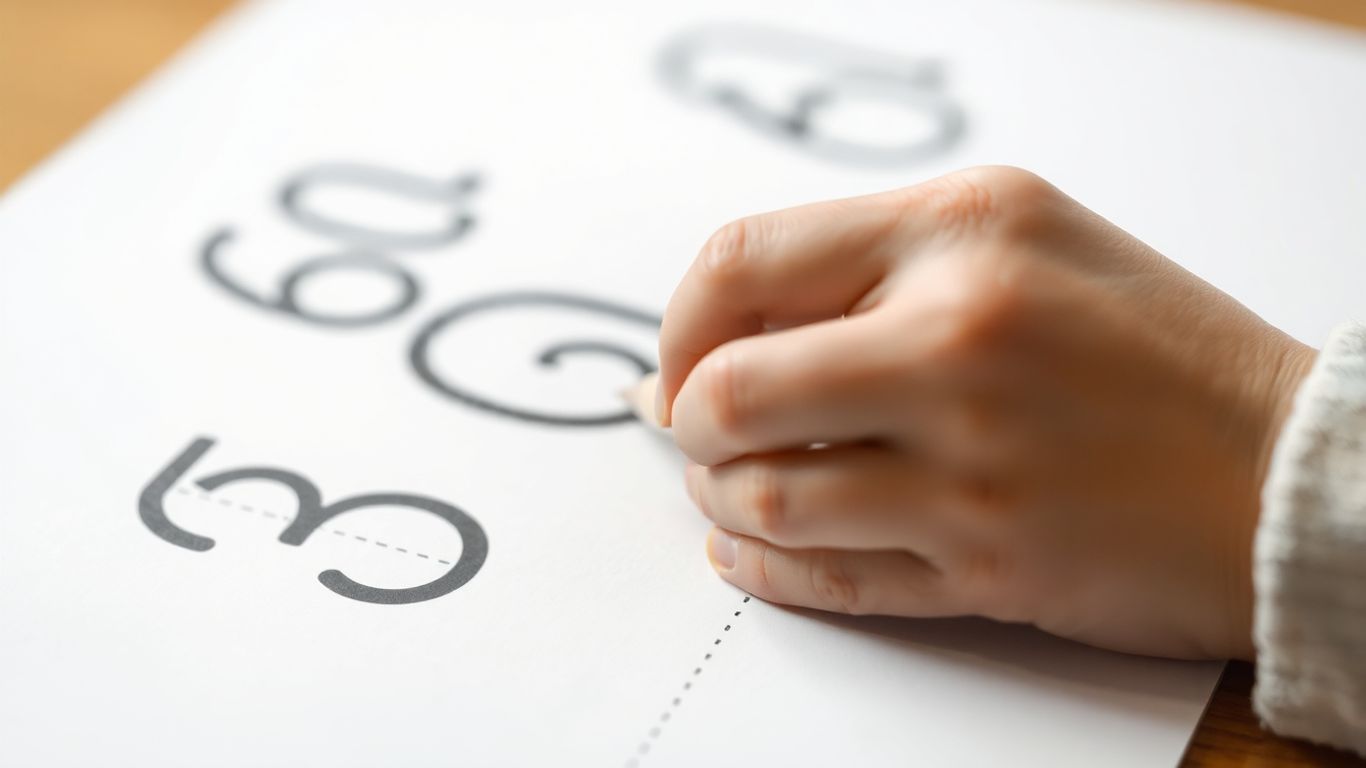
The First Steps in Math
Getting ready for math isn’t just about memorizing facts; it’s about building a solid base. Number tracing worksheets are like the training wheels for a child’s math journey. They help little ones get comfortable with the shapes of numbers, which is the very first step before they can even start adding or subtracting. It’s all about making those symbols familiar and easy to recognize.
Guiding Correct Number Formation
It’s really important that kids learn to write numbers the right way from the start. When they trace, they follow a path, and this helps them get the strokes and curves correct. Think of it like learning to draw. You start by copying, and eventually, you can create your own. This guided practice helps prevent bad habits from forming, making future writing easier.
- Start with simple numbers: Focus on 0-9 first.
- Use proper grip: Encourage a relaxed pencil hold.
- Trace, then write: Move from tracing to independent writing.
- Praise effort: Celebrate their attempts, not just perfection.

Building Confidence in Early Learners
Every time a child successfully traces a number or writes one on their own, it’s a small win. These little victories add up. When they see they can do it, their confidence grows. This positive feeling makes them more willing to try harder math problems later on. A child who feels good about their abilities is much more likely to stick with a challenge.
Number tracing is more than just drawing shapes; it’s about developing fine motor control and a visual understanding of numerical symbols. This early success builds a positive association with learning numbers, which is a great start for all future math learning.
Wrapping Up
So, that’s the lowdown on using these number tracing worksheets. They’re a pretty straightforward way to get kids comfortable with writing numbers, from the little ones just starting out to those getting ready for bigger math ideas. Plus, adding in the coloring part makes it way more fun, right? It’s all about making those first steps with numbers feel less like a chore and more like a game. Give them a try and see how your little ones get on with their number adventures.
Frequently Asked Questions
What exactly are number tracing worksheets?
Number tracing worksheets are like practice sheets for kids learning to write numbers. They have dotted lines or faint outlines of numbers that children can trace over with a pencil, pen, or crayon. It’s a fun way to help them get the hang of forming numbers correctly.
How do these worksheets help with learning numbers?
These sheets are super helpful! They make number writing less tricky and boost number recognition, so kids can easily tell different numbers apart. Plus, practicing tracing helps build the small muscle skills in their hands, which is important for writing.
Are these worksheets good for counting too?
Absolutely! Many tracing worksheets go up to 100. As kids trace each number, they’re also practicing counting in order. This repetition helps them understand how numbers follow each other and builds a strong base for math.
Can these worksheets make learning numbers more enjoyable for kids?
Definitely! We’ve added fun characters and designs to many of our worksheets. Kids can color these pictures after tracing, turning practice into a creative activity. This makes learning feel more like playing and less like a chore.
What if my child needs more or less practice with a specific number?
That’s the great thing about these worksheets – they can be adjusted! You can choose to have your child trace all the numbers, or if they need extra practice on certain ones, you can even remove some of the pre-traced numbers to give them more writing space.
Why is tracing numbers important for future math success?
Learning to write numbers correctly from the start is a big deal. It helps kids feel confident with numbers, which is the very first step in math. Good number formation and recognition skills built through tracing make it easier to tackle more complex math later on.

Ms. Kerri’s Corner provides a exciting virtual space for preschool learning. Through a variety of engaging activities, she exposes young minds to early math, literacy, science and social-emotional skills in a developmentally appropriate way. Centers for blocks, art, books and music allow children to explore hands-on learning at their own pace. Guided lessons subtly introduce number sense, letter sounds and narrative thinking. Careful observation gives insight into each child’s progress across domains. Viewers are also invited to participate, reinforcing that their ideas are valued. By making learning fun yet purposeful, Ms. Kerri lays the groundwork for future academic success while fostering creativity and imagination. Her program offers preschoolers valuable screen-based learning experiences.