
Getting your four-year-old started with reading can feel like a big task, but it doesn’t have to be complicated. The key is to make learning fun and natural, weaving it into your everyday life. This guide is all about simple, playful ways to introduce your little one to the world of letters and sounds, setting them up for success with a great phonics program for 4 year olds. We’ll look at easy activities you can do right at home, turning everyday moments into learning opportunities.
Key Takeaways
- Make reading a daily habit by reading aloud together and pointing to words.
- Talk about sounds you hear in words throughout the day, like in car rides or at the store.
- Turn letter sounds into fun characters or stories to make learning memorable.
- Use familiar words, like your child’s name, to start teaching letter sounds.
- Incorporate games like rhyming and sound detective activities to keep it engaging.
1. Reading Together Every Day
Making reading a daily habit with your four-year-old is one of the simplest yet most effective ways to build their early literacy skills. It’s not just about looking at pictures; it’s about creating a shared experience that sparks curiosity and a love for books. When you read together, you’re not just exposing them to new words and stories, you’re also showing them that reading is enjoyable and important.
This consistent interaction with books lays a strong foundation for future learning. Think of it as planting seeds for a lifelong reader. Even just 15-20 minutes a day can make a big difference. It doesn’t have to be a formal lesson; it can be a cozy bedtime story, a quick read during snack time, or even looking at a picture book in the park.
Here are a few ideas to make your daily reading time even more impactful:
- Make it interactive: Don’t just read the words. Ask questions like, “What do you think will happen next?” or “How do you think that character feels?” Point to the pictures and talk about what you see. This helps them engage with the story on a deeper level.
- Let them choose: Giving your child a say in what you read can boost their enthusiasm. Even if it’s the same book for the tenth time, rereading familiar stories helps build confidence and reinforces word recognition.
- Connect to their world: Talk about how the story relates to their own experiences. If a character is going to the park, you can say, “Remember when we went to the park?”
Reading aloud helps children develop listening skills, expand their vocabulary, and understand sentence structure. It also introduces them to different genres and writing styles, all while strengthening your bond.
2. Talk Throughout The Day
You know how kids can just chatter on and on? Well, that’s actually a goldmine for teaching them about words and sounds. Don’t just talk at your four-year-old, talk with them. Point things out when you’re out and about. Driving past a big sign? “Look, that says ‘STOP’. S-T-O-P. Hear that ‘sss’ sound at the beginning?”
It’s about making language a constant, fun part of life, not just something that happens during story time. Think about it:
- Narrate your day: “We’re going to the park now. P-p-park. What sound does ‘park’ start with?”
- Involve them in tasks: At the grocery store, “Can you find the milk? M-m-milk. Where do you see the milk?”
- Ask questions: “What do you think will happen next in this game?” or “What color is that car? C-c-car. What sound does ‘car’ start with?”
This constant conversation builds vocabulary and helps little ones connect sounds to words and the world around them. It’s amazing how much they absorb when you just casually chat about what you’re doing and seeing.
Making everyday moments a chance to talk about words and sounds doesn’t feel like ‘school’ to a child. It feels like playing and exploring together. This natural approach is super effective for building early literacy skills without any pressure.
Don’t worry about being perfect or using fancy terms. Just keep the conversation flowing. You’re basically helping them become word detectives, noticing sounds and letters everywhere.
3. Notice Words On Signs And Packages
Words aren’t just in books; they’re everywhere! When you’re out and about, make a point of showing your little one the text on signs, labels, and packaging. This helps them see that reading is a part of everyday life. Point out the name of their favorite cereal box at the grocery store, or the “Open” sign on a shop door. You can even ask them to find letters they recognize on street signs or on the side of a delivery truck. It’s a simple way to build their text awareness without it feeling like a lesson.
Here are a few ideas for making word spotting fun:
- Grocery Store Hunt: Ask your child to find the brand name of a specific food or the word “milk” on a carton.
- Street Sign Safari: When you’re in the car, ask them to spot letters they know on signs. “Can you find the letter ‘S’ on that stop sign?”
- Package Detective: Look at the labels on toys or clothes. Point out the brand name or any simple words like “size” or “made in.”
This constant exposure helps children connect the visual symbols of letters and words with their meaning and sounds. It’s a natural way to build their vocabulary and their understanding of how print works. You can even find some fun letter recognition activities online to supplement this practice. Discover engaging activities for preschoolers to develop letter recognition skills.
4. Turn Letter Sounds Into Characters And Stories
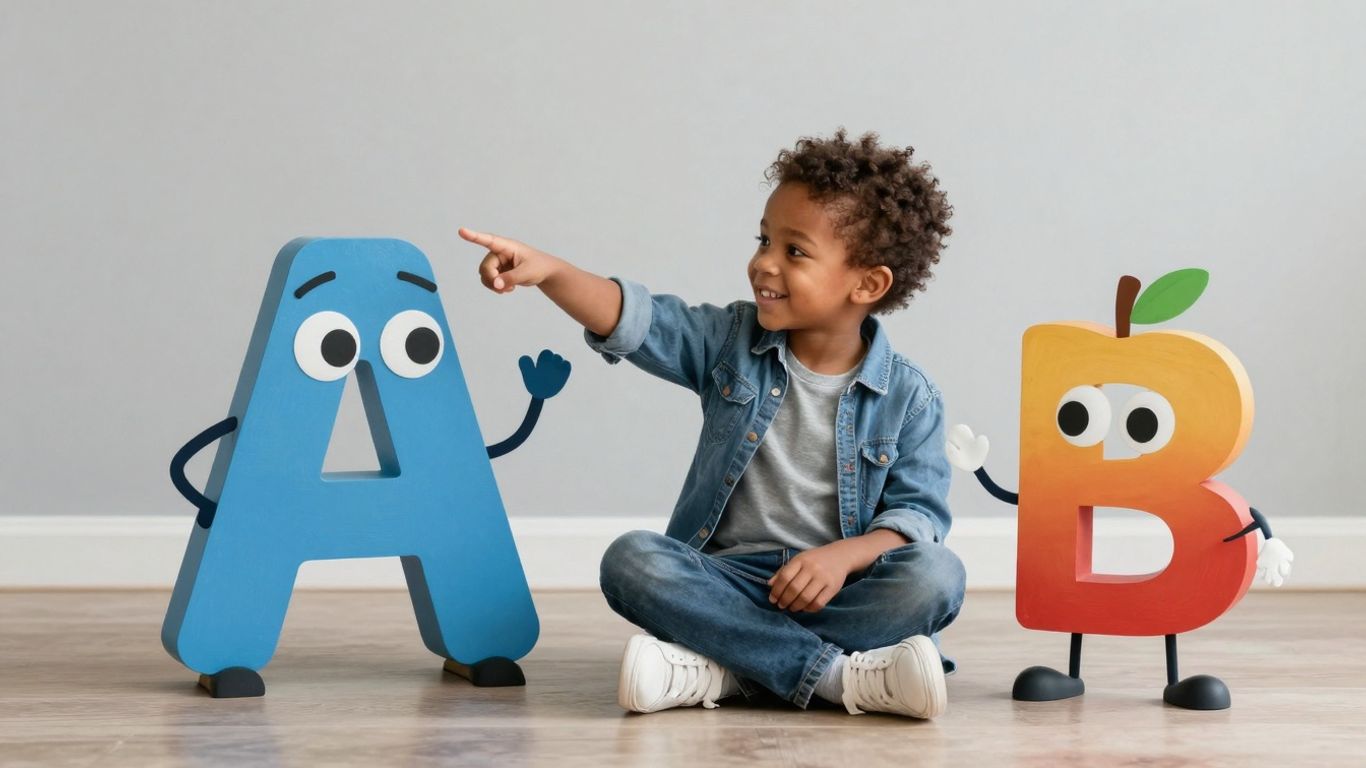
Kids love stories and characters, right? So why not use that to your advantage when teaching them letter sounds? Instead of just saying ‘B makes the /b/ sound,’ you can say, ‘Billy Bee loves to buzz, buzz, buzz!’ or ‘Sammy Snake slithers and says /s/ /s/ /s/.’ You can even create little puppets out of socks or paper bags to act out these sounds. Imagine Tommy Tiger, who loves tacos and always says /t/ /t/ /t/. It makes learning the sounds way more memorable and fun.
This approach helps children connect the abstract concept of a letter sound with something tangible and engaging. It’s like giving each sound a personality. You can make up little adventures for these characters. Maybe Billy Bee visits Sammy Snake, and they talk about buzzing and slithering. This imaginative play not only reinforces the sounds but also builds early literacy skills through storytelling.
- Make up silly characters for each letter sound. Think about what the character might look like or what they like to do.
- Create simple stories or scenarios where the characters use their sounds.
- Use puppets or drawings to bring these characters to life.
This method turns phonics practice into a game, making it something your child looks forward to. It’s a fantastic way to introduce decodable stories, where the text is built around these sounds and characters.
Turning letter sounds into characters and stories is a playful way to make phonics stick. It taps into a child’s imagination, making abstract sounds feel real and exciting. This creative approach can really help little ones connect with the building blocks of reading.
5. Start With Familiar Names

Kids learn best when things feel personal, right? That’s why starting with names is such a smart move. Think about your child’s own name, or the names of family members, pets, or even their favorite stuffed animal. These are words they hear and see all the time, so they already have a connection to them.
Focusing on these familiar words makes learning letter sounds feel less like a chore and more like a fun discovery. For instance, if your child’s name is Leo, you can really zero in on that /l/ sound. You can write ‘Leo’ together, trace the letters, and talk about how the letter ‘L’ makes that sound. It’s amazing how much more engaged they become when the learning is about them or people they love.
Here’s a little breakdown of how you can use names:
- Your Child’s Name: This is the superstar. Practice the first letter sound, and maybe even the last. Write it out, use letter magnets, or spell it with playdough.
- Family & Friends: Names like ‘Mom,’ ‘Dad,’ ‘Anna,’ or ‘Ben’ are great practice. They’re short and often have clear starting sounds.
- Pets: If you have a dog named ‘Max’ or a cat named ‘Luna,’ these are perfect for sound practice too. ‘Mmm-Max’ or ‘Lll-Luna’ can be fun to say.
Using names taps into a child’s natural interest in themselves and their immediate world. It’s a gentle way to introduce the idea that letters have sounds and that these sounds build words they know and love.
6. Discover The Magic Of Rhyming
Rhyming is like a secret code for little ears, helping them hear the patterns in words. It’s a super fun way to get kids ready for reading because it trains them to notice how words sound alike.
Think about it: when kids can hear that “cat” and “hat” share a sound, they’re already on their way to understanding that words are made up of smaller sound parts. This is a big deal for phonics!
Here are some easy ways to play with rhymes:
- Sing rhyming songs: Songs like “Twinkle, Twinkle, Little Star” or “Baa, Baa, Black Sheep” are packed with rhymes. Sing them often and encourage your child to join in.
- Make up silly rhymes: During bath time, try making up funny rhymes about bath toys or body parts. “Wash your toes, watch them grow!” or “Slippy soap, give me hope!”
- Play rhyming games: You can start by saying a word and asking your child to think of another word that rhymes. For example, “What rhymes with ‘dog’?” You can offer “log” or “fog” as examples. Then, switch roles and let them give you a word to rhyme with.
The more you play with rhyming words, the better your child will become at hearing those word families. It might seem like just a game, but you’re building a really important skill for reading.
Rhyming helps children tune into the sounds within words. This ability to hear similarities and differences in word sounds is a key predictor of reading success. It’s a playful introduction to the idea that words can be broken down and manipulated, which is the core of phonics.
7. Try Sound Detective Games
This is where things get really fun! Think of yourselves as a detective duo on a special mission. Give your little one a pretend magnifying glass – maybe even a little notebook and pencil. Your mission, should you choose to accept it, is to find objects around the house that start with a specific sound.
For example, you could say, “Detective, we need to find three things in the living room that start with the /s/ sound.” Your child might excitedly point out a sofa, a stuffed animal, and maybe even a shoe.
Once they’ve gathered their ‘clues,’ they can ‘report back’ to you. This could involve drawing the items they found or lining them up on a table to show off their amazing detective work. This game helps them actively listen for and identify initial sounds in words. It turns learning into an exciting treasure hunt, making those early phonics skills stick without feeling like a chore. It’s all about making those sounds come alive in their everyday world.
8. Build Word Ladders
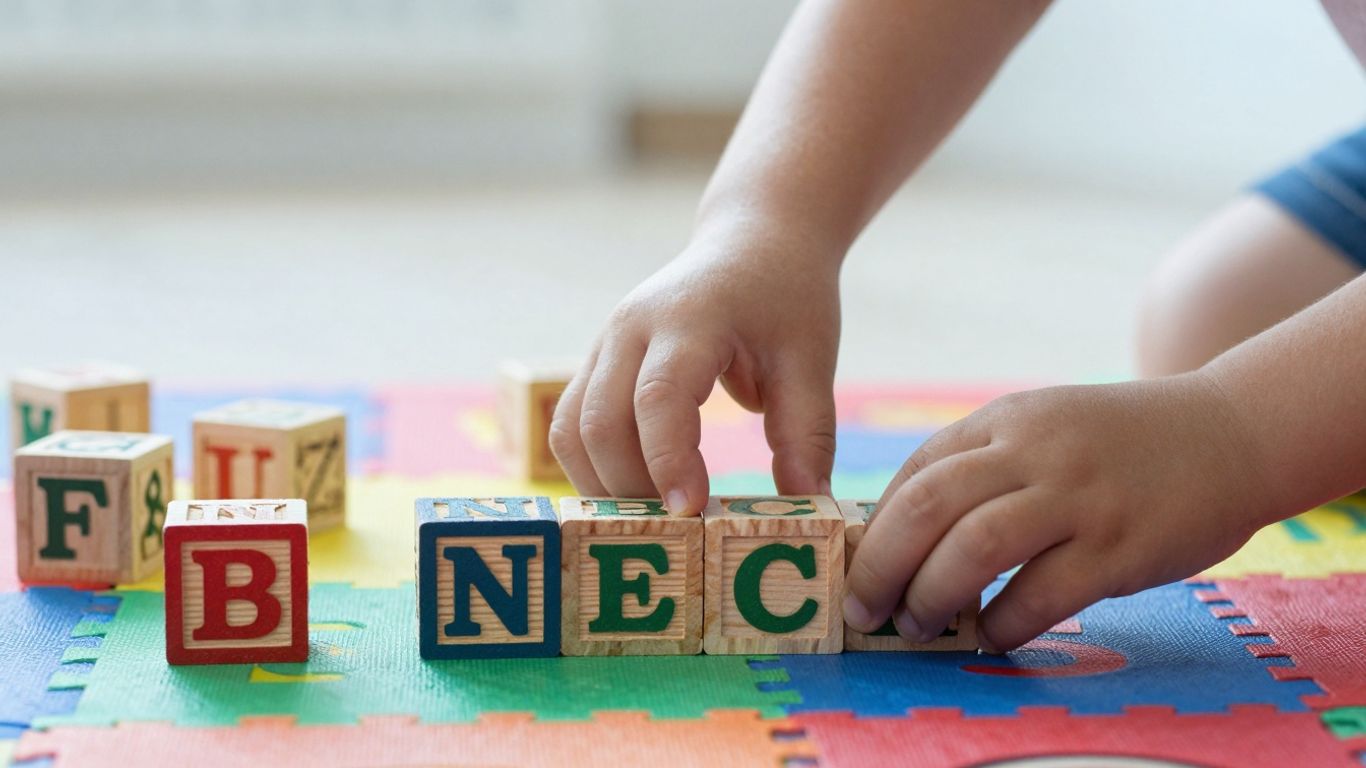
This is a super fun way to show kids how changing just one letter can completely change a word. Think of it like a little word puzzle! You start with a simple word, maybe one they know, like “cat.” Then, you change just one letter to make a new word, like “bat.” Keep going back and forth, changing one letter at a time. It’s a great way to build their understanding of how sounds work together.
Here’s how you can play:
- Start with a three-letter word (like CVC words – consonant-vowel-consonant).
- Change one letter to make a new word. For example, cat → bat.
- Continue changing one letter at a time: bat → bet → bed.
- You can even make it a race to see how many words you can make!
This game really helps them see that sounds have power. It’s not just about memorizing letters; it’s about understanding that each sound matters. You can find simple word ladder ideas online or just make them up as you go. It’s a fantastic way to practice phonological awareness in a playful way.
9. Practice Blending Sounds
Once your little one is getting the hang of individual letter sounds, it’s time to put them together. This is where the magic of blending happens – turning separate sounds into a whole word. Think of it like building with LEGOs; each brick is a sound, and when you connect them, you create something bigger.
Start by saying the sounds slowly, pausing just a bit between each one, and then say the word. For example, you can say “/d/ /o/ /g/” and then immediately follow with “dog!”. Encourage your child to say the word with you. As they get more comfortable, you can say the sounds and let them guess the word. It’s a fun way to see if they can piece it together.
Here’s a simple way to practice:
- Say the first sound: /c/
- Say the second sound: /a/
- Say the third sound: /t/
- Then, blend them all together: “cat!”
This process helps children understand that words are made up of smaller sound parts. You can make it a game, too. Try saying, “I’m thinking of something you wear on your feet: /s/ /o/ /ck/ — what is it?” It’s amazing how quickly they can start to decode words once they grasp this concept. Keep it light and playful; the goal is for them to hear how the sounds connect to form meaning.
10. Keep It Fun
Look, learning to read is a big deal, and it shouldn’t feel like a chore. If it starts feeling like homework, kids check out, plain and simple. The goal here is to make phonics a natural part of playtime and everyday life. Think of it as a game, not a test.
The most important thing is that your child enjoys the process. When learning is fun, kids are more likely to stick with it and actually absorb what they’re learning. It’s all about positive associations.
Here are a few ways to keep the fun going:
- Turn sounds into silly characters: “Billy Bee says /b/ /b/ /b/!” or “Sammy Snake goes /s/ /s/ /s/!” Make up little stories about them. Maybe Tommy Tiger loves tacos and always says “/t/ /t/ /t/!”
- Play sound detective: Give your child a pretend magnifying glass and send them on a mission to find things that start with a certain sound. “Can you find three things in the kitchen that start with /b/?” They might find a bowl, a banana, and a butter dish.
- Rhyme time: Sing songs with rhymes or make up silly rhymes during bath time. “Wash your toes, wash your nose!” Take turns thinking of words that rhyme. You say, “What rhymes with cat? Hat!” Then let them try.
Remember, every little sound your child plays with, every rhyme they hear, every word they sound out, is a step closer to becoming a confident reader. Celebrate those small wins. Did they sound out a new word? Awesome! Did they correctly identify a letter sound? High five! Keep it light, keep it playful, and you’ll see them blossom.
Wrapping It Up
So, we’ve talked a lot about phonics and how it helps little ones learn to read. It might seem like a lot, but remember, it doesn’t have to be complicated. The main thing is to make it fun and part of your everyday life. Whether you’re singing rhyming songs in the car or playing sound detective games in the living room, every little bit counts. You’re giving your child a great head start, and that’s pretty awesome. Just keep it light, keep it playful, and celebrate those ‘aha!’ moments together. Happy reading!
Frequently Asked Questions
Why is phonics important for my 4-year-old?
Phonics helps your child become an independent reader. Instead of needing you to tell them every word, they learn to sound out words themselves. This skill is super important for reading all sorts of things later on, like books, signs, and even game instructions. Plus, knowing how letters make sounds is also the first step to spelling and writing, and it really boosts their confidence when they can figure things out on their own!
How can I make learning phonics fun for my child?
Making phonics fun is key! Think of it as playing games. You can sing rhyming songs, turn letter sounds into silly characters with voices, or go on ‘sound detective’ missions around the house to find objects that start with a certain sound. The goal is to keep it light and playful, so your child enjoys the process of learning without feeling pressured.
What’s the best way to start teaching letter sounds?
A great way to begin is by using words that are already familiar and important to your child. Their own name is a perfect starting point! You can also use names of family members or pets. For example, if your child’s name is ‘Leo,’ you can focus on the ‘L’ sound. Writing their name together and tracing the letters can make this connection feel more personal and easier to remember.
How often should I practice phonics with my child?
You don’t need to set aside a special ‘lesson time.’ Phonics can be woven into your everyday activities. Short, frequent interactions are more effective than long, drawn-out sessions. Talking during car rides, pointing out words on signs at the store, or singing songs are all great opportunities to practice without it feeling like work.
My child is 4, is it too early to start phonics?
Actually, 4 years old is a fantastic age to start introducing phonics concepts in a playful way! Research shows that early exposure to phonics makes a big difference in how easily children learn to read. Starting early builds a strong foundation, making the learning process smoother as they get older. Just remember to keep it fun and age-appropriate.
What if my child struggles with a specific sound or letter?
It’s completely normal for children to learn at their own pace, and some sounds might be trickier than others. If your child is having trouble, don’t push too hard. Try a different approach or take a break and come back to it later. Sometimes, focusing on a different aspect of phonics, like rhyming or identifying words in their environment, can help build confidence and indirectly support their progress with specific sounds.
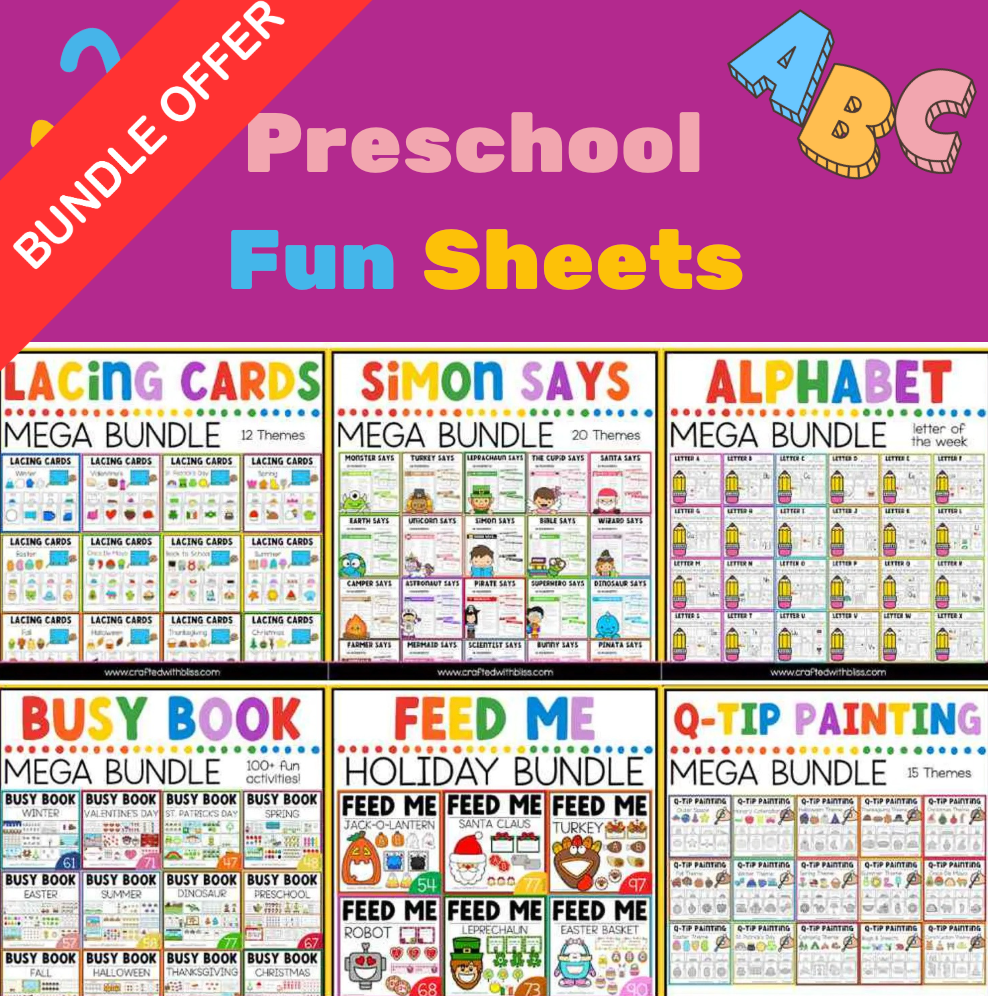

Ms. Kerri’s Corner provides a exciting virtual space for preschool learning. Through a variety of engaging activities, she exposes young minds to early math, literacy, science and social-emotional skills in a developmentally appropriate way. Centers for blocks, art, books and music allow children to explore hands-on learning at their own pace. Guided lessons subtly introduce number sense, letter sounds and narrative thinking. Careful observation gives insight into each child’s progress across domains. Viewers are also invited to participate, reinforcing that their ideas are valued. By making learning fun yet purposeful, Ms. Kerri lays the groundwork for future academic success while fostering creativity and imagination. Her program offers preschoolers valuable screen-based learning experiences.