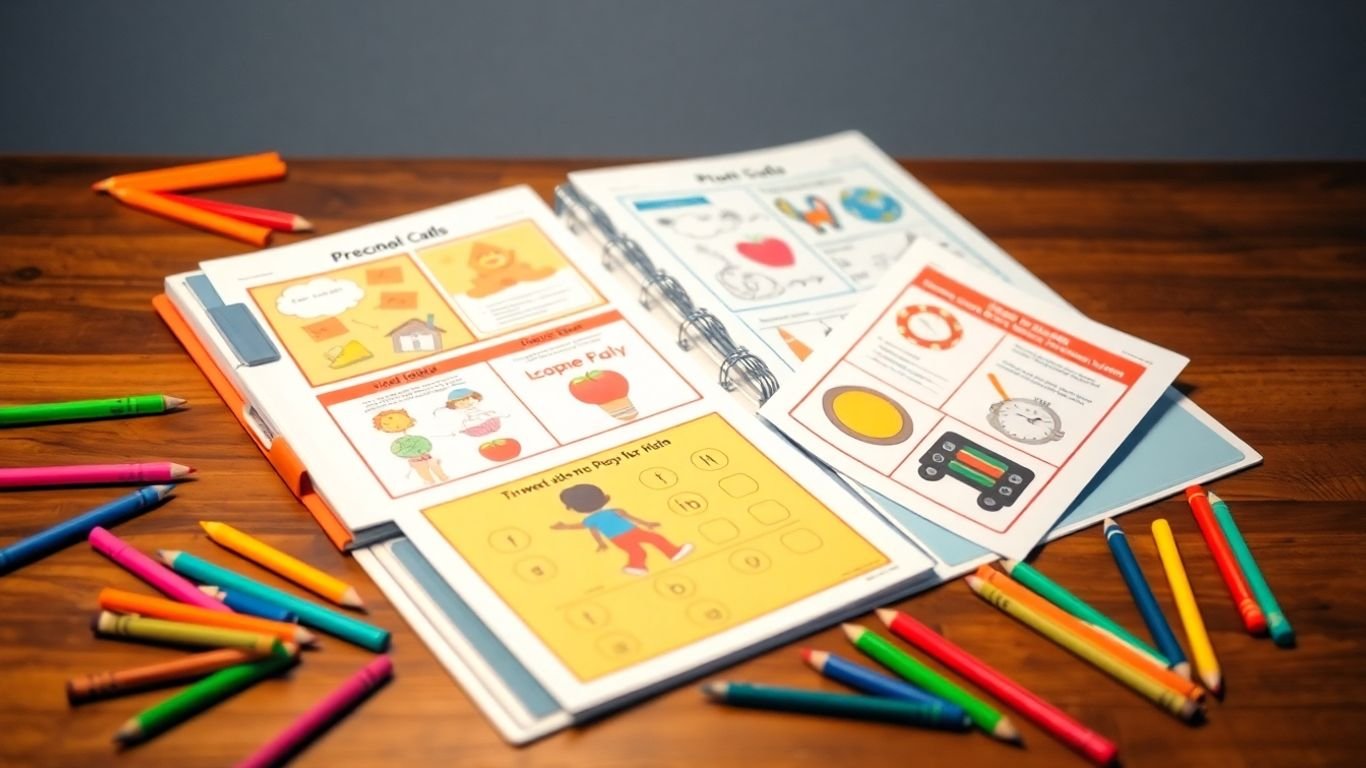
It can be tricky to find ways to keep little ones busy and learning without screens. Building a preschool learning kit at home, like a binder packed with printables, is a great idea. It’s a way to gather fun activities all in one spot. This can be super helpful for quiet time, morning routines, or even when you’re out and about. Whether you’re homeschooling or just want some extra learning fun, this guide will help you put together a binder that your child will actually enjoy using.
Key Takeaways
- A learning binder is a simple way to organize preschool activities and keep kids engaged.
- You can create a preschool learning kit at home using basic supplies like a binder, paper, and sheet protectors.
- Printables for language arts, phonics, and math can be easily incorporated into the binder.
- Making activities reusable with sheet protectors or lamination allows for repeated practice.
- Free online resources and educational marketplaces are great places to find printables for your kit.
Building Your Preschool Learning Kit At Home
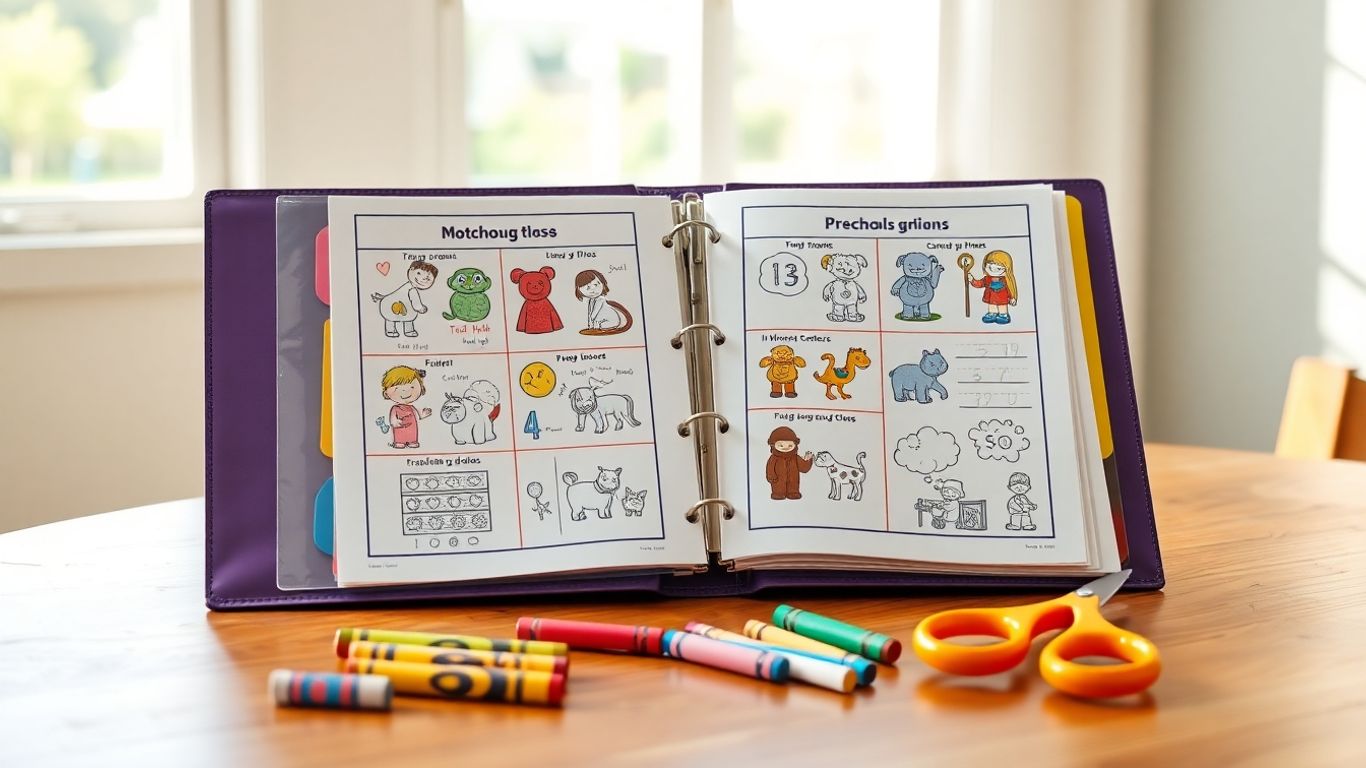
Creating a learning binder for your preschooler is a fantastic way to keep them engaged with educational activities. It’s like a portable classroom, perfect for quiet time, supplementing homeschool lessons, or even just keeping little hands busy during errands. Think of it as a personalized activity book that grows with your child’s learning journey.
Essential Supplies For Your Learning Binder
To get started, you won’t need a whole lot of fancy stuff. Most of what you need is probably already around the house or easily found at a local store. Here’s a quick rundown:
- A sturdy three-ring binder: This will be the backbone of your kit. A 1-inch or 1.5-inch binder usually works well.
- Sheet protectors: These are a game-changer for making activities reusable. You’ll want plenty!
- A three-hole punch: For getting your printables ready to go into the binder.
- Printer paper: Standard paper is fine for most printables, especially if you’re using sheet protectors.
- Dividers: To help organize different subjects or types of activities within the binder.
- Dry-erase markers and an eraser: For interactive activities within the sheet protectors.
- A pencil pouch: Great for storing smaller pieces like counters or puzzle parts, and also for holding markers and pencils.
Organizing Your Preschool Activity Binder
Once you have your supplies, it’s time to put it all together. Think about how your child learns best and what subjects you want to focus on first. A good starting point is to create sections for different learning areas. You might want to start with:
- Letters and Phonics: Activities focusing on recognizing and forming letters.
- Numbers and Math: Counting, number recognition, and simple math concepts.
- Shapes and Colors: Identifying basic shapes and colors.
- Fine Motor Skills: Activities that help develop hand-eye coordination.
Print out your chosen activities and use the three-hole punch to add them to the binder behind the appropriate dividers. Don’t feel like you have to fill it all at once; you can add more as you find new printables or as your child progresses.
Making Activities Reusable With Sheet Protectors
This is where the magic happens for long-term use! Sliding your printed worksheets into sheet protectors means your child can use dry-erase markers to complete them. When they’re done, simply wipe the page clean with a cloth or eraser, and it’s ready for the next time. This is especially helpful for tracing activities, letter formation practice, or any math problems. It saves on paper and allows for endless practice without needing to print new pages constantly. For activities with small pieces, like matching games or counting manipulatives, a zippered pencil pouch tucked into the binder can keep everything contained and prevent lost parts.
A well-organized binder isn’t just about neatness; it’s about accessibility. When activities are easy to find and use, children are more likely to engage with them independently, fostering a sense of accomplishment and a love for learning.
Curating Engaging Learning Activities
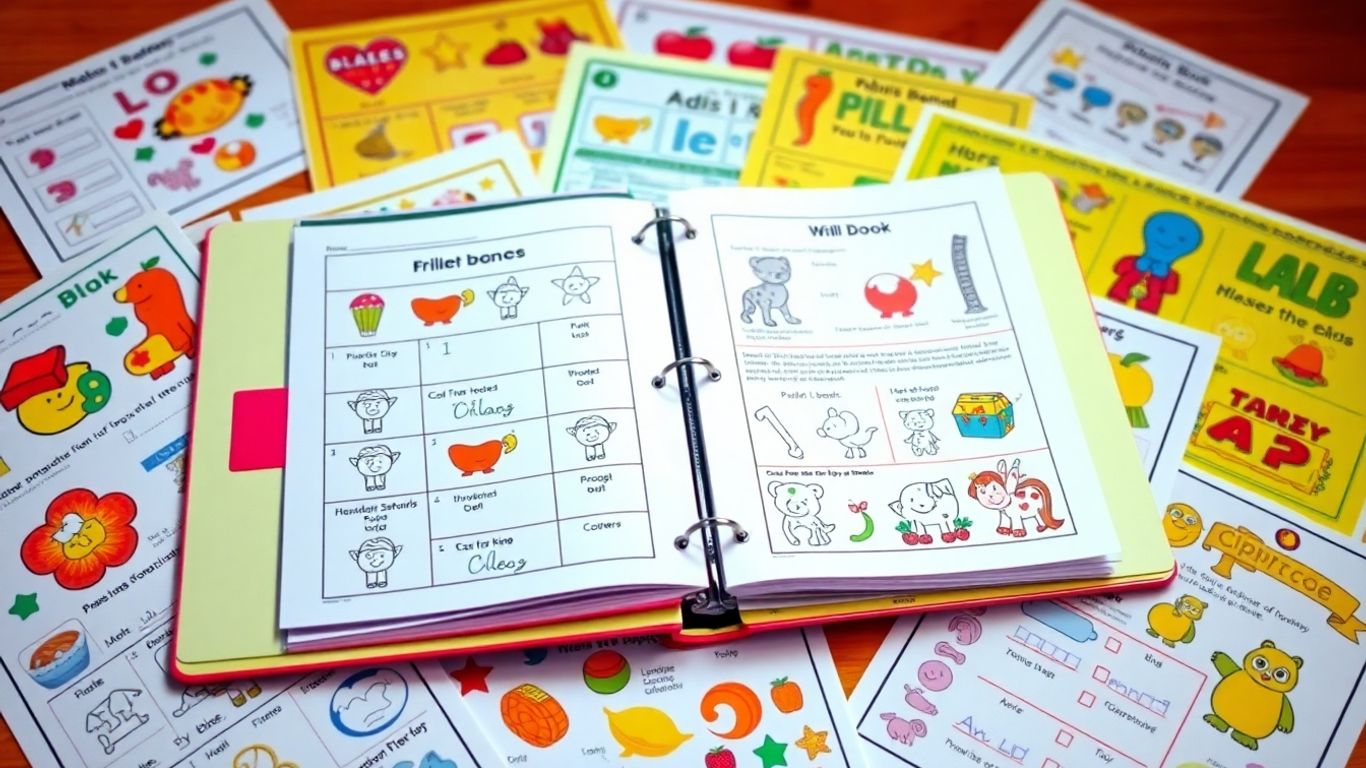
Now that you have your binder ready to go, it’s time to fill it with fun stuff! This is where the magic happens, turning a simple binder into a treasure chest of learning opportunities for your little one. We’re going to focus on activities that cover the basics but in a way that keeps them interested and wanting more.
Language Arts Printables For Early Readers
Getting a head start on reading is super important, and there are tons of printables out there that make it feel like a game. Think letter matching, simple sight word recognition, and even early sentence building. These activities help kids connect letters to sounds and start recognizing words they see all the time. The goal here is to build confidence and make reading feel approachable, not intimidating.
- Alphabetical Order: Printables that have kids put letters in the right sequence. This is great for understanding the structure of the alphabet.
- Matching Games: Pairing uppercase letters with lowercase letters, or pictures with their beginning sounds.
- Simple Sentence Strips: Short, repetitive sentences that kids can read or complete with missing words.
Phonics Activities For Sound Recognition
Phonics is all about understanding how letters make sounds, and it’s a building block for reading. Activities here can include identifying the beginning sound of a word, rhyming words, or even simple word families (like ‘cat’, ‘hat’, ‘mat’). Making these hands-on helps solidify the concepts.
- Beginning Sound Sorts: Kids look at a picture and decide which letter makes that first sound.
- Rhyming Pairs: Matching words that sound alike.
- Word Family Wheels: A fun way to see how changing the first letter changes the word, like ‘b-at’, ‘c-at’, ‘f-at’.
Math Concepts Through Playful Printables
Math doesn’t have to be scary! We can introduce numbers, counting, shapes, and basic patterns in ways that feel like play. Think counting objects, sorting by color or size, and recognizing simple shapes. These activities help develop logical thinking and problem-solving skills.
Here’s a quick look at what you might include:
| Concept | Example Activity |
|---|---|
| Counting | Counting objects up to 10 |
| Shapes | Identifying and matching basic shapes (circle, square) |
| Sorting | Grouping items by color or size |
| Patterns | Completing simple ABAB patterns (e.g., red, blue, red, blue) |
Remember, the key is to keep it light and fun. If a child is getting frustrated, it’s okay to take a break and try again later. The binder should be a source of joy and discovery, not a chore.
Integrating The Binder Into Daily Routines
So, you’ve put together this awesome learning binder. Now what? The real magic happens when you weave it into your child’s day. It’s not just another thing to do; it’s a way to make learning a natural part of life.
Morning Work With A Purpose
Starting the day with the binder can set a positive tone. Instead of just letting your preschooler wander until breakfast is ready, pull out the binder. This structured activity can help them transition into the day with focus. It’s a great way to get their brains warmed up before the “official” learning begins, whether you’re homeschooling or just want a productive start. You can have them pick an activity, like a letter tracing page or a simple counting game. It gives them a sense of control and accomplishment right away.
Quiet Time Engagement
What do you do when your little one needs some downtime, but you still want them to be learning? The binder is perfect for this. It’s a fantastic screen-free option that keeps them occupied and learning independently. They can flip through pages, work on puzzles, or match shapes. It’s a calm way to keep their minds active without demanding your constant attention. This is especially helpful if you have older siblings who need quiet study time too; your preschooler can have their own “work” right alongside them.
Supporting Homeschooling Efforts
If you’re homeschooling, the binder is a natural fit. It can supplement your main curriculum or even be a core part of your preschooler’s day. You can use it to reinforce concepts you’ve covered, introduce new ones, or simply provide practice. Think of it as a portable classroom. It’s also great for those days when you need a quick, ready-to-go activity. You can easily integrate specific printables into your weekly themes. For example, if you’re learning about animals, pull out the animal matching or counting pages. It makes learning feel connected and relevant. You can find a lot of great printable pre-K worksheets that can be used in your binder.
Finding Free Resources For Your Kit
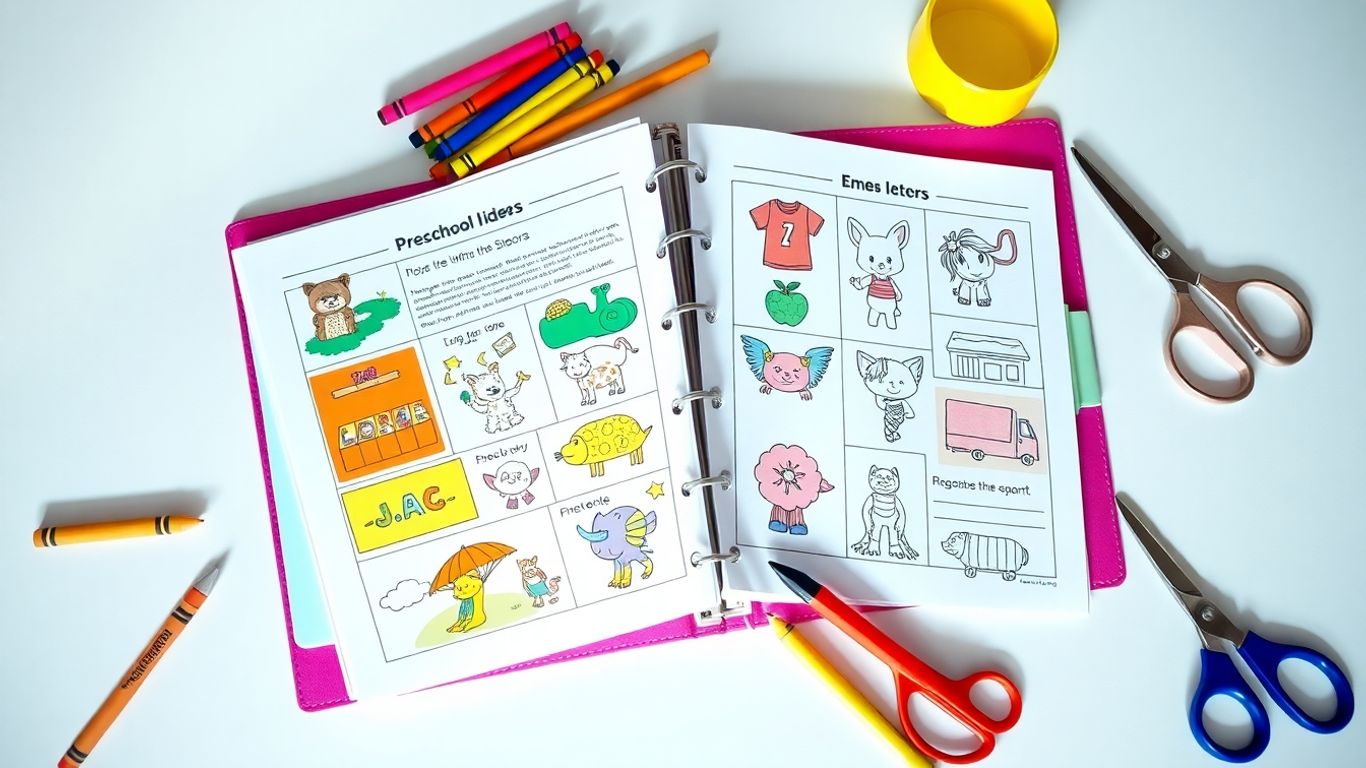
So, you’re ready to build that awesome learning binder, but where do you actually find all the printables? Don’t worry, you don’t have to spend a fortune. There are tons of places online where you can snag free activities. It just takes a little bit of searching.
Discovering Online Printable Libraries
Lots of websites are dedicated to offering free printables for little learners. These sites are usually run by educators or parents who want to share their creations. You can find everything from alphabet worksheets to counting games. Some of my favorites include:
- Totschooling.net: This site is a goldmine for toddlers, pre-k, and kindergarten resources. They have a huge collection of freebies, and I’ve found some really great matching activities and number games here.
- This Reading Mama: They offer a cute mini pre-k learning folder that’s a great starting point.
- Fun Learning For Kids: Another fantastic spot for free printables for preschoolers and kindergartners.
Exploring Educational Marketplaces
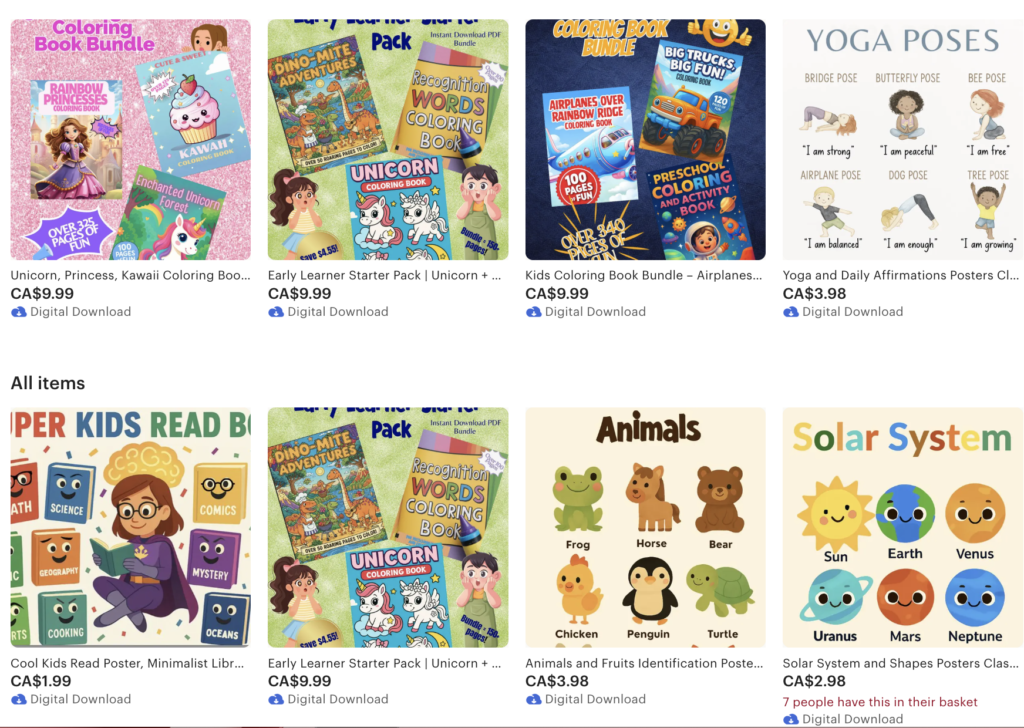
While many resources cost money, places like Etsy and Teachers Pay Teachers also have free sections. You might find sample packs or individual activities offered for free. It’s a good way to test out a creator’s style before buying a larger bundle. Keep an eye out for “freebie” sections or search specifically for free printables. Sometimes, teachers offer a few pages from a larger set as a free sample, which is super helpful.
Utilizing Free Printable Packs
Many bloggers and websites put together themed printable packs. These can be really convenient because they often cover a range of skills within a specific topic, like farm animals or seasons. You can find these by searching for terms like “free preschool printable pack” or “free learning binder bundle.” It’s a great way to get a lot of activities at once without having to hunt for each one individually. Sometimes, a whole pack of activities is easier to manage than finding individual sheets.
Building a binder doesn’t have to be expensive. A little bit of time spent searching online can yield a treasure trove of free learning materials. Think of it as a treasure hunt for educational fun!
Here’s a quick look at what you might find:
| Type of Activity | Example Skills Covered |
|---|---|
| Alphabet Tracing | Letter recognition, fine motor skills |
| Number Matching | Counting, number recognition |
| Shape Sorting | Shape identification, categorization |
| Color Recognition | Identifying and naming colors |
| Simple Puzzles | Problem-solving, spatial reasoning |
Enhancing The Learning Experience
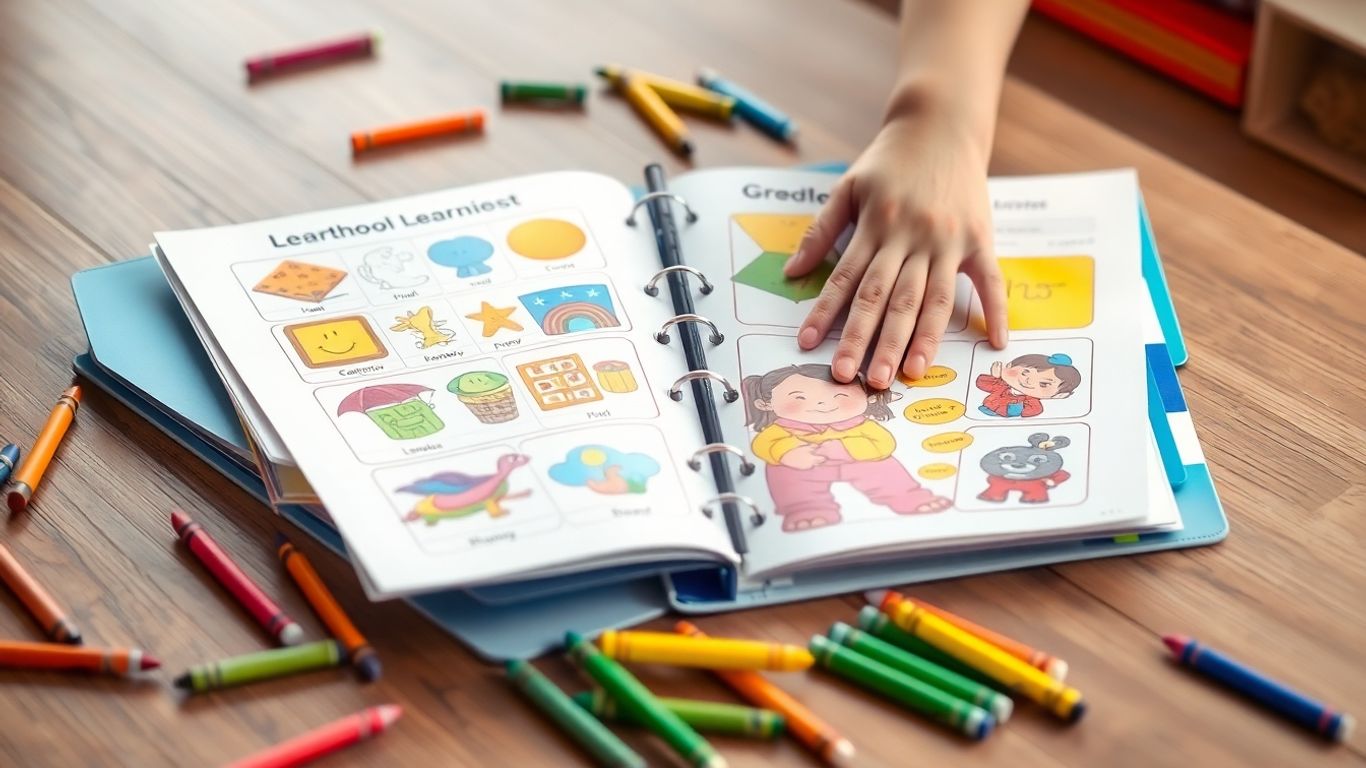
So, you’ve got your binder all put together with all those fantastic printables. That’s a great start! But how do you make sure your little one is really getting the most out of it? It’s all about adding those extra touches that make learning fun and keep them engaged. Think of it like adding sprinkles to a cupcake – it just makes everything better!
Adding Seasonal And Themed Activities
Kids absolutely love when things feel current and exciting. Tying activities to the time of year or upcoming holidays can really boost their interest. Imagine a winter-themed matching game with snowflakes or a spring activity focused on flowers. This makes the learning feel relevant and gives you a natural reason to pull out specific pages. You can find tons of free printables for almost any theme you can think of online, like these free printable worksheets for various subjects.
Incorporating Hands-On Elements
While the printables are great, adding a tactile element can make a huge difference. For instance, if you have a shape-sorting activity, instead of just pointing, let your child physically move the shapes. You could use velcro dots to attach pieces, or even have them use playdough to fill in outlines on certain pages. This multi-sensory approach helps solidify concepts.
Tips For Printing And Laminating
To make your binder activities last, printing on cardstock and laminating is a good idea. However, you don’t always need to laminate before cutting. Sometimes, it’s easier to cut out the pieces after laminating, especially for smaller items. If you’re using sheet protectors, you can often just slide the printed pages in without laminating at all, which saves time and resources. Remember to use a good quality printer and consider printing double-sided to save paper.
Making activities reusable is key. Using sheet protectors or laminating means these printables can be used over and over again, saving you money and reducing waste. It also means your child can practice a skill multiple times without you needing to print new pages each time.
Expanding Your Preschool Learning Kit
Once you’ve got the basics covered in your preschool learning binder, it’s time to think about how to keep things fresh and engaging. This isn’t just about filling pages; it’s about growing with your child’s developing interests and abilities. You can add more complex concepts or focus on specific skills that might need a little extra attention. The goal is to make learning a dynamic and evolving process.
Beyond Basic Skills: Advanced Concepts
As your child gets more comfortable with foundational skills, you can introduce slightly more challenging ideas. Think about concepts that build upon what they already know. For instance, if they’ve mastered basic counting, you could introduce simple addition or subtraction using visual aids. Similarly, moving from recognizing letters to understanding simple word families or sight words can be a natural progression. You might also explore early geography with continent matching or introduce basic science concepts like the water cycle or different types of weather. These activities can be found on sites like Totschooling.net.
Creative Activities For Fine Motor Skills
Fine motor skills are super important for preschoolers, and your binder can be a great place to work on them. Beyond simple tracing, consider activities that require more precise movements. This could include cutting practice with safety scissors (supervised, of course!), lacing cards, or even simple puzzles that require careful manipulation of small pieces. Activities that involve sorting small objects, like beads or buttons (again, with supervision), can also be beneficial. These types of activities help prepare little hands for writing and other detailed tasks.
Making Learning A Family Affair
Don’t forget that learning doesn’t have to be confined to just your child’s binder. You can adapt some activities for the whole family to enjoy together. Maybe a matching game that everyone can play, or a simple science experiment that you can all participate in. You could even create a family chore chart using visual icons. This makes learning a shared experience and shows your child that learning is a part of everyday life for everyone. It’s a wonderful way to connect and reinforce concepts in a fun, low-pressure environment.
Remember, the binder is a tool, not a rigid curriculum. It should adapt to your child’s pace and interests. If a particular activity isn’t clicking, don’t force it. Set it aside and try something else, or revisit it later. The most important thing is to keep the experience positive and enjoyable for your child.
Wrapping It Up
So there you have it! Creating a learning binder for your preschooler doesn’t have to be complicated or expensive. With a few basic supplies and a bunch of free printables, you can put together a fantastic resource that keeps your little one busy and learning. It’s a great way to add some structure to their day, whether it’s for quiet time or just to have something fun to do. Plus, seeing them engage with the activities is pretty rewarding. Don’t stress too much about making it perfect; the most important thing is that your child enjoys it and learns along the way. You’ve got this!
Frequently Asked Questions
What exactly is a preschool learning binder?
A preschool learning binder is like a personalized activity book for young kids. You fill it with printed pages that have fun learning games and exercises. It’s a great way to keep your child busy and learning without screens, perfect for quiet time or when you’re on the go.
What basic supplies do I need to make one?
You’ll need a three-ring binder, a hole punch, regular paper, and page protectors. Having dry-erase markers and a pencil pouch for small pieces like crayons or cut-outs is also super helpful.
How can I make the activities last longer?
The best trick is to use sheet protectors or laminate the pages. This way, kids can use dry-erase markers to write on them, and you can just wipe them clean for endless practice. It’s great for tracing letters or doing math problems over and over.
Where can I find free printables for the binder?
There are tons of websites offering free printables! Look for educational blogs, sites like Teachers Pay Teachers (they have free sections), and even Pinterest can lead you to great resources. Many sites offer themed packs or specific skill worksheets.
What kinds of learning activities should I include?
You can include a variety of things! Think about letters and sounds (phonics), numbers and counting (math), shapes, colors, and even simple matching games or tracing pages. You can also add seasonal or themed activities to keep it exciting.
How do I fit using the binder into our daily schedule?
It’s really flexible! You can use it for ‘morning work’ right after breakfast, during quiet time when kids need a calm activity, or even as part of your homeschooling routine. It’s a simple way to add purposeful learning moments throughout the day.
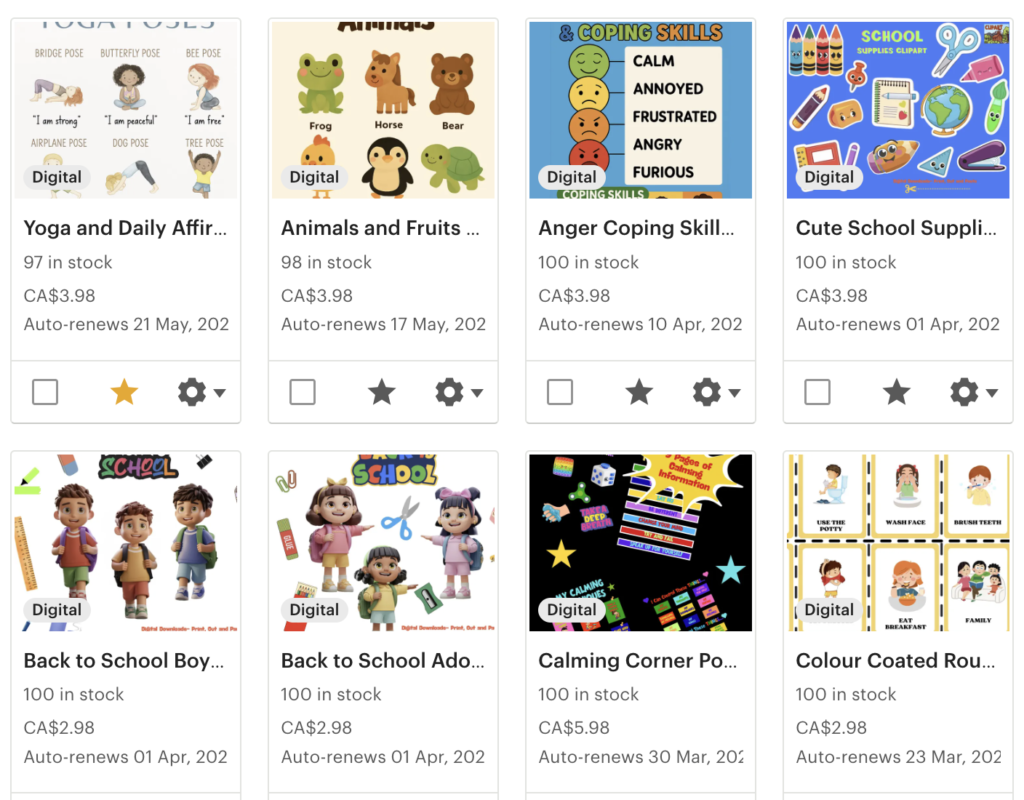

Ms. Kerri’s Corner provides a exciting virtual space for preschool learning. Through a variety of engaging activities, she exposes young minds to early math, literacy, science and social-emotional skills in a developmentally appropriate way. Centers for blocks, art, books and music allow children to explore hands-on learning at their own pace. Guided lessons subtly introduce number sense, letter sounds and narrative thinking. Careful observation gives insight into each child’s progress across domains. Viewers are also invited to participate, reinforcing that their ideas are valued. By making learning fun yet purposeful, Ms. Kerri lays the groundwork for future academic success while fostering creativity and imagination. Her program offers preschoolers valuable screen-based learning experiences.