
Thinking about getting a preschool learning pack for your little one? It’s a great idea to give them a head start with fun activities. These packs can make learning feel like play, which is the best way for young kids to learn, right? We’ll look at what makes a good pack and how to use it so your child gets the most out of it. It’s all about making learning enjoyable and setting them up for success in school and beyond.
Key Takeaways
- When picking a preschool learning pack, think about what your child already knows and what you want them to learn next. Look at what’s inside the pack to make sure it has a good mix of activities.
- A good preschool learning pack usually has stuff for reading and talking, counting and early math, and also for art and using their hands.
- To get the most from a learning pack, make a nice space for activities, fit them into your day, and remember to notice and cheer for your child’s progress.
- Some advanced packs might include science, technology, engineering, and math (STEM) ideas, ways to help with feelings and getting along with others, and themes that tie activities together.
- You can also make your own preschool learning pack by picking out individual items, keeping them neat, and changing activities to suit how your child learns best.
Choosing The Right Preschool Learning Pack
Picking out the perfect preschool learning pack can feel like a big decision. You want something that’s just right for your little one, something that sparks their interest and helps them grow. It’s not just about grabbing the first colorful box you see; there’s a bit more to it. Thinking about what your child is ready for and what you hope they’ll learn is key.
Assessing Your Child’s Developmental Stage
Every child hits milestones at their own pace. Some kids might be stringing sentences together early on, while others are more focused on building towers. Before you even look at packs, take a moment to observe your child. What are they naturally drawn to? Are they showing interest in letters, numbers, drawing, or maybe playing pretend?
- Gross Motor Skills: Can they run, jump, and throw a ball? This might mean activities involving movement are a good fit.
- Fine Motor Skills: Are they able to hold a crayon, stack blocks, or use scissors with some help? Packs with smaller manipulatives or art supplies will be great.
- Cognitive Development: Are they starting to recognize shapes, colors, or simple patterns? This indicates they’re ready for more structured learning.
- Social Interaction: How do they play with others? Are they sharing, taking turns, or playing independently?
Understanding these areas helps you choose a pack that supports where they are now, rather than pushing them too hard or not challenging them enough. It’s about meeting them where they are.
Identifying Key Learning Objectives
What do you want your child to get out of this learning pack? Are you hoping to boost their early reading skills, get them comfortable with numbers, or maybe encourage their creativity? Having clear goals in mind makes the selection process much easier. Think about the main areas you want to focus on for the next few months.
- Literacy: Letter recognition, phonics, early vocabulary.
- Numeracy: Counting, number recognition, basic shapes.
- Problem-Solving: Puzzles, simple logic games.
- Creativity: Art supplies, building blocks, imaginative play props.
It’s helpful to think about these objectives when you look at the contents of different packs. Some packs might be very focused on one area, while others offer a broader range of activities. You can even use a simple plan like this resource for planning preschool themes to guide your choices.
Considering Pack Contents and Variety
Once you know your child’s stage and your learning goals, you can really dig into what’s inside the packs. Look for a good mix of materials. Does it include hands-on items, books, and maybe some digital components if that’s something you’re open to? Variety is important because kids learn in different ways and get bored if everything is too similar.
A pack that offers a range of activities, from sensory play to simple worksheets, can keep a child engaged longer. It caters to different moods and learning preferences throughout the week.
Think about the quality of the materials too. Are they durable? Are they safe for little hands? A pack that has a good balance of structured activities and open-ended play opportunities is usually a winner. You want things that can be used in multiple ways, allowing for creativity and exploration.
Essential Components Of A Preschool Learning Pack
A good preschool learning pack isn’t just a random collection of toys. It’s put together with specific learning goals in mind. Think of it as a toolkit for your little one’s brain development. The best packs mix fun with learning, making it feel less like work and more like play.
Literacy And Language Development Tools
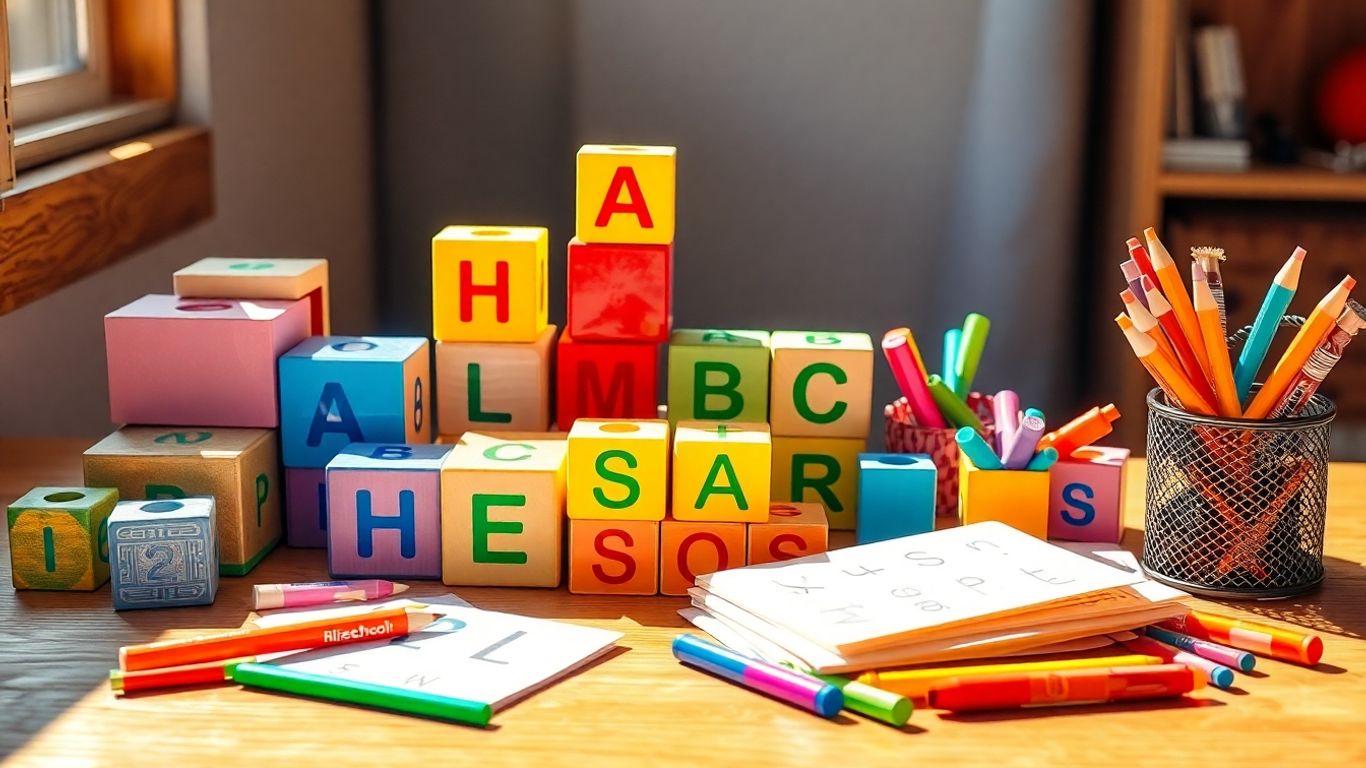
This is where kids start building their communication skills. You’ll find things like alphabet blocks, picture cards, and simple storybooks. These help them recognize letters, learn new words, and start putting sentences together. It’s all about getting them ready to read and express themselves.
- Alphabet puzzles
- Picture flashcards
- Age-appropriate storybooks
- Phonics games
Numeracy And Early Math Skills
Numbers might sound scary, but in preschool, it’s all about the basics. Learning packs often include counting bears, shape sorters, and simple pattern blocks. These activities help children understand quantities, recognize shapes, and start thinking logically. It’s the first step towards understanding math concepts later on. You can find some great starter kits that focus on these areas, like a readiness kit.
Creative Arts And Fine Motor Activities
This part is all about getting those little hands busy and minds creative. Think chunky crayons, play-doh, safety scissors, and construction paper. These activities help develop fine motor skills, which are super important for writing later. Plus, it gives kids a way to express themselves and explore their imagination. It’s amazing what they can create!
Activities that involve cutting, pasting, and manipulating small objects are fantastic for building the dexterity needed for writing.
Here’s a quick look at what you might find:
| Activity Type | Examples |
|---|---|
| Drawing & Coloring | Crayons, markers, large paper |
| Sculpting & Molding | Play-doh, modeling clay |
| Cutting & Pasting | Safety scissors, glue sticks, construction paper |
| Building & Stacking | Blocks, stacking cups |
Maximizing The Benefits Of Your Preschool Learning Pack

So, you’ve got this great preschool learning pack. That’s awesome! But just having the materials isn’t the whole story, right? You’ve got to actually use them in a way that makes a difference for your little one. It’s about making learning feel less like a chore and more like playtime. The real magic happens when you integrate these tools thoughtfully into your child’s day.
Creating An Engaging Learning Environment
Think about the space where your child will be using the pack. Is it a place that sparks curiosity? It doesn’t need to be fancy. Maybe it’s a corner of the living room, a spot at the kitchen table, or even a cozy nook with a few pillows. The key is to make it inviting. Keep the materials accessible but tidy. A child-sized table and chairs can make a big difference, making them feel like they have their own special learning spot. Having a designated area helps signal that it’s time for focused activity, but keep it light and fun. You want them to want to be there.
Integrating Pack Activities Into Daily Routines
This is where the rubber meets the road. How do you make these learning pack activities a natural part of your day? It’s easier than you think. Instead of thinking of them as separate ‘lessons,’ try weaving them into what you’re already doing. For example, if the pack has counting blocks, use them while you’re waiting for dinner to cook. If there are story cards, read one before naptime. You can even use some of the art supplies to decorate grocery lists or make thank-you notes. Consistency is more important than duration. Short, frequent bursts of activity are often more effective than one long, drawn-out session. Think about how you might use fresh ingredients to add a new twist to your family meals; similarly, these activities can add a new dimension to your daily life fresh ingredients.
Here’s a simple way to think about it:
- Morning: Use a puzzle or sorting activity while you have your coffee.
- Afternoon: Incorporate a craft or building toy after lunch.
- Evening: Read a book or play a simple matching game before bed.
Tracking Progress And Celebrating Milestones
It’s easy to get caught up in the day-to-day and forget to notice how far your child has come. Keep a simple journal or use a checklist to jot down what activities you did and how your child responded. Did they master a new letter sound? Did they count to ten for the first time? These little wins are huge! When you notice progress, celebrate it! A high-five, a special sticker, or just some enthusiastic praise can go a long way. This positive reinforcement not only makes your child feel good but also encourages them to keep trying and learning. It shows them that their efforts are seen and appreciated.
Making learning a positive experience is the goal. When children associate learning with fun and positive attention, they are more likely to develop a genuine interest in acquiring new knowledge and skills. This positive association can set the stage for their entire educational journey.
Don’t stress if some days are better than others. Some days, your child might be super engaged, and other days, they might just not be in the mood. That’s perfectly okay. The goal is to provide opportunities and a supportive environment, not to force learning. Flexibility is key.
Beyond The Basics: Advanced Preschool Learning Pack Features
So, you’ve got the basics covered with your learning pack. That’s great! But what about taking things a step further? Many packs go beyond simple ABCs and 123s, introducing more complex ideas that really get young minds thinking. These advanced features can prepare your child for future learning in exciting ways.
Incorporating STEM Concepts
Science, Technology, Engineering, and Math – STEM might sound like big words for little kids, but preschool packs are getting really good at making these ideas accessible. Think simple building blocks that teach about structures, or nature exploration kits that introduce basic scientific observation. It’s all about sparking curiosity.
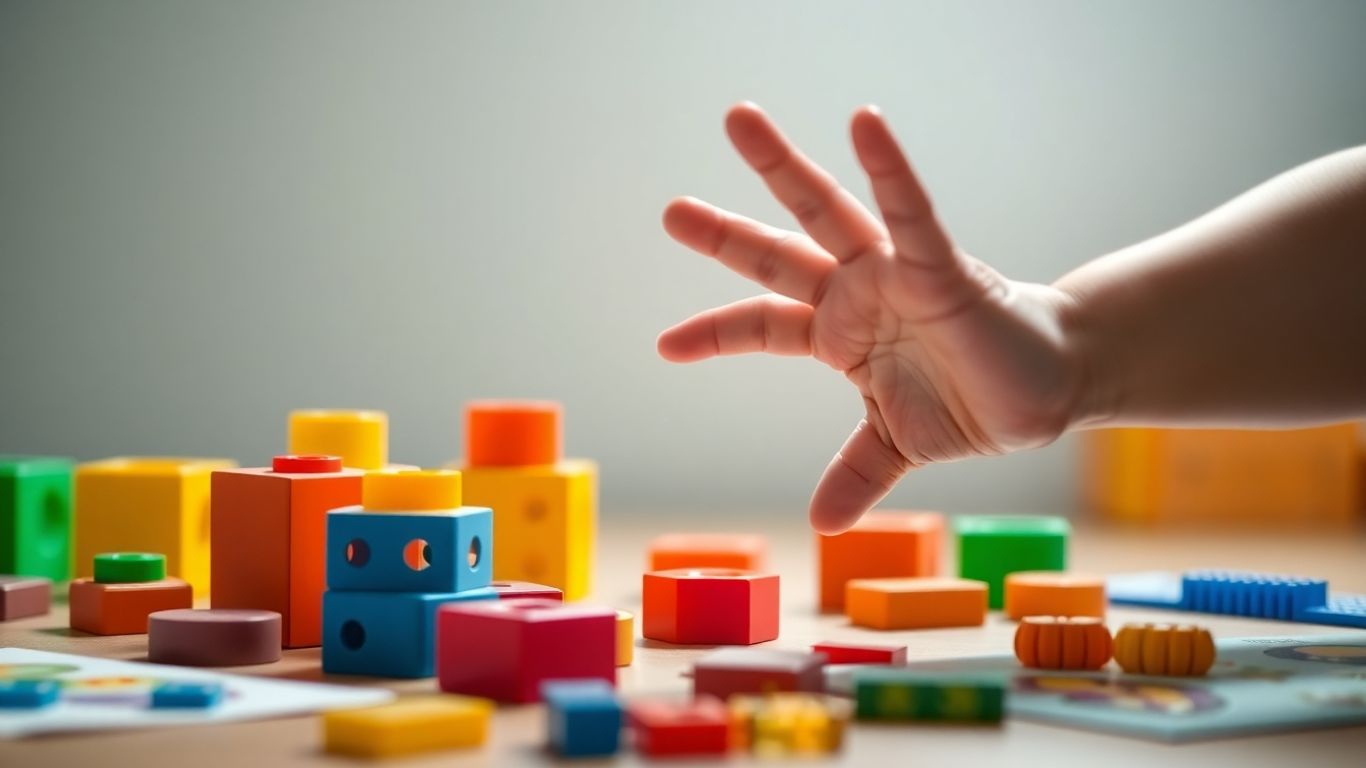
- Building Challenges: Kits might include various shapes and connectors for kids to build towers, bridges, or even imaginary vehicles. This helps with spatial reasoning.
- Nature Discovery: Magnifying glasses and simple guides can encourage kids to look closely at leaves, bugs, or rocks, learning about the natural world.
- Coding Basics: Some packs introduce very simple coding concepts through games or puzzles, teaching logic and sequencing without a screen.
Developing Social-Emotional Skills
This is a big one. Learning to get along with others, understand feelings, and manage their own emotions is super important. Advanced packs often include activities designed to help with this.
- Role-Playing Scenarios: Puppets or character cards can be used to act out different social situations, like sharing or resolving a small conflict.
- Feeling Identification: Books or cards that help children name and understand emotions like happy, sad, angry, or scared.
- Cooperative Games: Activities that require children to work together towards a common goal, promoting teamwork and communication.
Exploring Thematic Learning Units
Instead of just random activities, some packs organize learning around themes. This helps children see how different subjects connect. For example, a “Farm” theme might include:
- Literacy: Reading books about farm animals.
- Math: Counting how many chickens are in the coop.
- Science: Learning where milk comes from.
- Art: Drawing pictures of the farm.
These thematic units make learning feel more like an adventure. When everything ties together, it makes more sense to a child, and they can really get into the topic. It’s like building a whole world around a subject, rather than just looking at isolated pieces. This approach can really make learning stick, and it’s pretty fun too. You can even find great resources for fresh ingredients to tie into a food or garden theme!
By including these advanced features, preschool learning packs can offer a richer, more well-rounded experience, preparing children not just for kindergarten, but for a lifetime of curious exploration.
Curating Your Own Custom Preschool Learning Pack
Sometimes, the pre-made packs just don’t quite hit the mark for your specific kiddo. Maybe they’re super into dinosaurs, or perhaps they’re struggling a bit with recognizing shapes. That’s where building your own custom pack comes in handy. It lets you tailor everything to what your child needs and loves right now. It’s all about making learning feel personal and exciting.

Selecting Individual Learning Resources
Instead of buying a one-size-fits-all kit, think about picking out individual items. What does your child already show interest in? If they’re always drawing, grab some good quality crayons, chunky markers, and different types of paper. If they love building, look for various block sets. Don’t forget about books! A good mix of storybooks and fact-based books can really make a difference. You can find some great resources for creating a supportive toddler home environment that fosters independence by following simple steps here.
Organizing Materials For Easy Access
Once you’ve gathered your treasures, how do you keep them from becoming a giant mess? Storage is key. Use clear bins or baskets so your child can see what’s inside. Labeling them, even with pictures for younger kids, helps them find what they want and put things away. A simple shelf unit can work wonders. You want things to be accessible, but also tidy. This way, your child can grab a book or a puzzle without needing your help every single time.
Adapting Activities For Different Learning Styles
Kids learn in so many different ways, right? Some are hands-on, others learn by listening, and some need to see things visually. When you’re putting your pack together, think about how you can present activities in a few different ways. For example, if you’re working on counting, you could have a counting book, some number blocks, and maybe even a song about numbers. This variety means that no matter how your child learns best, they’ll be able to engage with the material. It’s about meeting them where they are.
Building a custom pack isn’t just about buying stuff. It’s about observing your child, understanding their unique way of learning, and then thoughtfully selecting tools that will spark their curiosity and support their growth. It takes a little more effort upfront, but the payoff in engagement and learning is huge.
The Long-Term Impact Of A Preschool Learning Pack

So, you’ve got this learning pack, and you’re wondering if it’s really worth the effort. I get it. It’s easy to see the immediate fun, the little wins like recognizing a letter or counting a few blocks. But the real magic? It happens down the road. These early experiences build a sturdy foundation for everything that comes next. Think of it like building a house; you wouldn’t skimp on the foundation, right? The same applies to a child’s education.
Building A Strong Foundation For School Success
When kids get a good start with a learning pack, they often walk into kindergarten feeling more prepared. They’ve already played with letters, numbers, and shapes. This isn’t about making them mini-geniuses; it’s about making school feel familiar and less intimidating. They might already know some basic concepts, which can make learning new things feel easier. This early exposure can really help them keep up with the pace of classroom learning and feel more confident. It’s like giving them a head start in a race they’ll be running for years. You can find some great ideas for holiday trips that can also be educational, like visiting a historical site planning a memorable Christmas vacation.
Fostering A Lifelong Love Of Learning
One of the biggest gifts a learning pack can give is sparking curiosity. When learning is presented as play, kids naturally want to explore more. They start asking questions, seeking out new information, and enjoying the process of discovery. This isn’t just about academics; it’s about developing a mindset that embraces learning throughout life. A child who enjoys figuring things out now is more likely to be an adult who seeks out new skills and knowledge.
- Early exposure to varied activities.
- Positive associations with educational play.
- Development of problem-solving skills.
Enhancing Parent-Child Interaction Through Play
Using a learning pack isn’t just for the child; it’s a fantastic way for parents and caregivers to connect. Spending time together working on activities, talking about what you’re doing, and celebrating successes creates strong bonds. These shared moments are precious. They build trust and open lines of communication. Plus, it gives you a chance to see your child’s unique way of thinking and learning up close. It turns everyday moments into opportunities for connection and shared growth.
The consistent, positive engagement with learning materials at home can significantly influence a child’s attitude towards education. It shows them that learning is not just a school thing, but a part of life that can be fun and rewarding.
Wrapping It Up
So, that’s the rundown on preschool learning packs. Picking the right one can feel like a big decision, but remember, it’s all about finding what works for your child and your family. These packs are tools to help little ones get a good start with learning, making it fun and engaging. Don’t stress too much about finding the ‘perfect’ pack. The most important thing is to be involved, play along, and celebrate those small learning wins. Happy learning!
Frequently Asked Questions
What exactly is a preschool learning pack?
Think of a preschool learning pack as a special box filled with fun tools and activities designed to help young children learn and grow. It’s like a starter kit for early education, packed with things that make learning exciting and hands-on for kids before they even start kindergarten.
How do I know which learning pack is best for my child?
To pick the right pack, first think about what your child already knows and what they’re interested in. Are they just starting to recognize letters, or are they already counting? Also, consider what you want them to learn, like reading skills or basic math. Looking at what’s inside the pack – like books, games, or art supplies – will help you decide if it fits your child’s needs and learning style.
What kinds of things should I expect to find in a good learning pack?
A great pack usually has a mix of activities. You’ll likely find items that help with reading and talking, like alphabet cards or storybooks. There will also be things for math, such as number blocks or counting games. Plus, expect creative stuff like crayons, play-doh, and scissors to help with drawing and building, which also sharpens their small hand muscles.
How can I make sure my child actually uses and benefits from the learning pack?
The key is to make learning fun! Set up a cozy and interesting space where your child can explore the pack’s items. Try to weave the activities into your everyday life – maybe sing a counting song while making breakfast or read a story before bedtime. Keep track of what they enjoy and what they’re learning, and always praise their efforts. Celebrating their successes, big or small, keeps them motivated.
Can these learning packs help with more than just reading and math?
Absolutely! Many advanced packs include activities that introduce science concepts, like simple experiments or nature exploration. They also often focus on social and emotional growth, teaching kids about feelings, sharing, and getting along with others. Some packs are built around themes, like animals or space, which can make learning even more engaging and cover a wider range of topics.
What’s the big picture benefit of using a learning pack?
Using a learning pack early on helps build a really strong foundation for when your child starts school. It makes them more prepared for kindergarten and helps them feel confident. More importantly, it can spark a genuine love for learning that lasts a lifetime. Plus, it gives you and your child more opportunities to connect and bond through playful activities together.

Ms. Kerri’s Corner provides a exciting virtual space for preschool learning. Through a variety of engaging activities, she exposes young minds to early math, literacy, science and social-emotional skills in a developmentally appropriate way. Centers for blocks, art, books and music allow children to explore hands-on learning at their own pace. Guided lessons subtly introduce number sense, letter sounds and narrative thinking. Careful observation gives insight into each child’s progress across domains. Viewers are also invited to participate, reinforcing that their ideas are valued. By making learning fun yet purposeful, Ms. Kerri lays the groundwork for future academic success while fostering creativity and imagination. Her program offers preschoolers valuable screen-based learning experiences.