So, you’re looking for ways to make math fun for the little ones, huh? It can be a bit tricky to get preschoolers excited about numbers and shapes, but I’ve found that using printable activities is a total game-changer. This whole preschool math curriculum printable thing is really about making learning hands-on and playful. We’re talking about activities that kids actually *want* to do, not just worksheets they have to fill out. Think puzzles, sorting games, and pattern builders. It’s all about building a good foundation without making it feel like schoolwork. And the best part? You can easily print these out and use them at home or in the classroom.
Key Takeaways
- Printable activities are a great way to introduce a preschool math curriculum in a fun, hands-on manner.
- Focus on foundational skills like number recognition, counting, shape identification, and pattern recognition through playful printables.
- Utilize a variety of printable resources, including math centers, no-prep worksheets, and thematic activities, to keep learning engaging.
- Develop number sense with activities like counting puzzles and introduce basic operations through simple, fun worksheets.
- Printables can be adapted for various learning styles and settings, making them versatile tools for any preschool math curriculum.
Foundational Math Skills Through Playful Printables
Number Recognition and Counting Activities
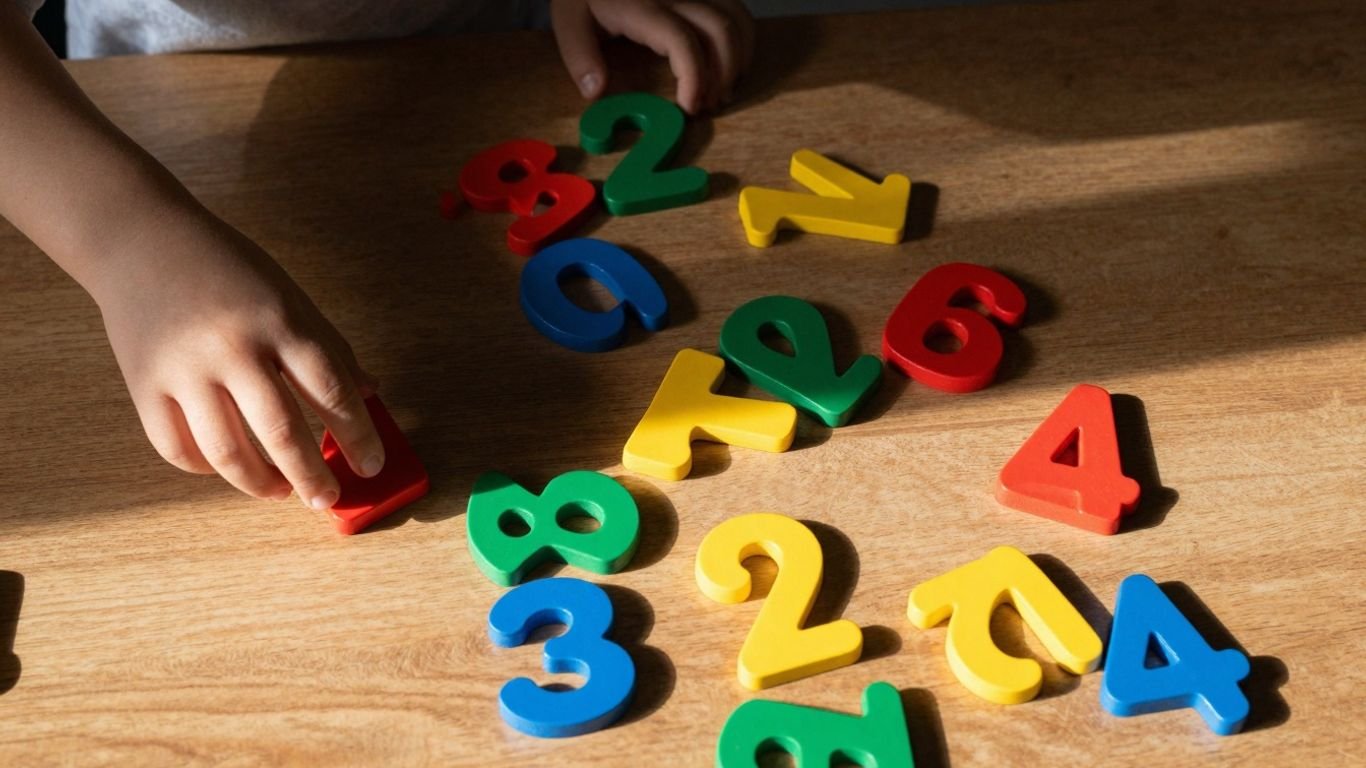
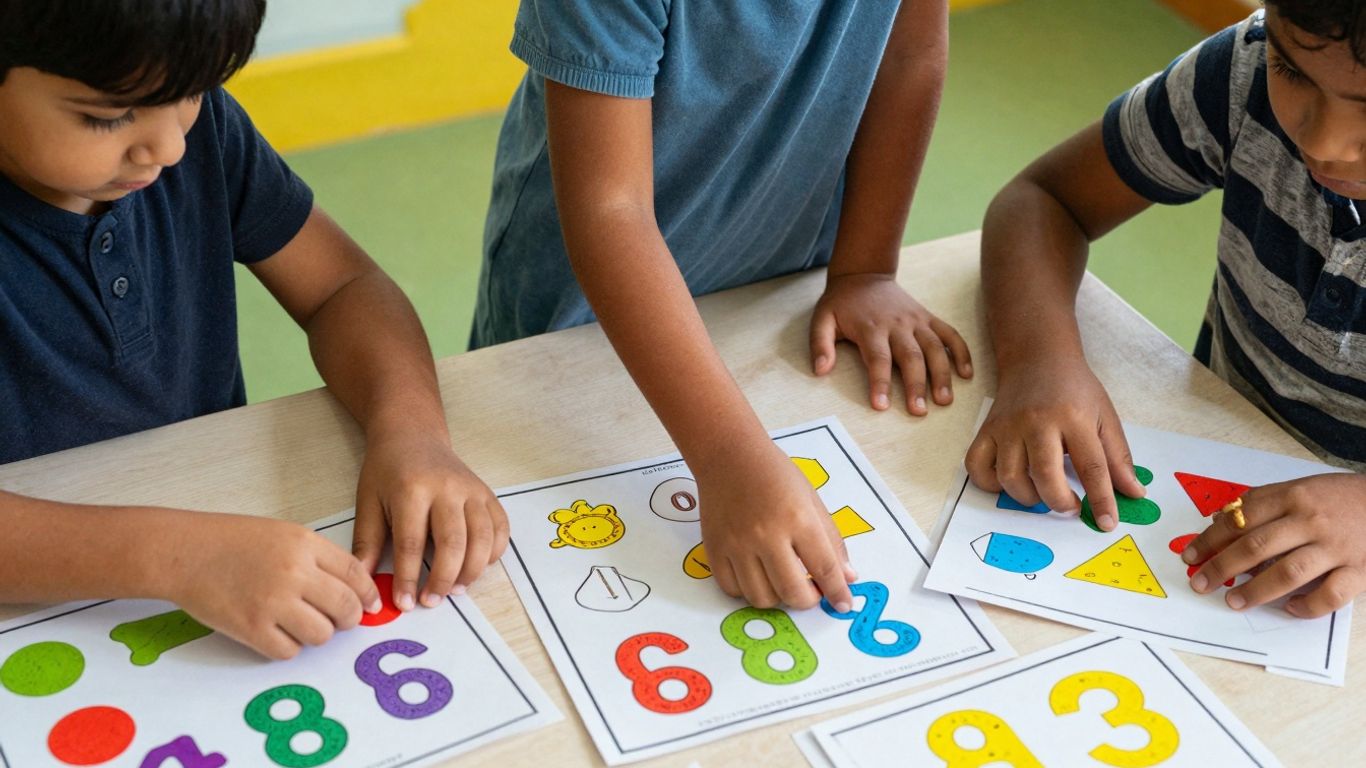
Getting little ones to grasp numbers can feel like a puzzle sometimes, right? But it doesn’t have to be complicated. Printable activities make it easy to introduce counting and number recognition in a way that feels more like play than work. Think simple worksheets where kids color a certain number of objects, or cut-and-paste puzzles where they match a numeral to a group of items. These activities help build that initial connection between a symbol (like the number ‘3’) and the quantity it represents. It’s all about repetition and making it fun.
- Coloring pages with specific numbers of objects to color.
- Number puzzles that require matching numerals to quantities.
- Counting mats where children place a set number of manipulatives.
These early experiences with numbers are the building blocks for everything that comes later in math. Making them positive and engaging sets a good tone.
Shape Identification and Sorting Games
Shapes are all around us, and printables can help kids spot them. Activities like tracing shapes, coloring different shapes, or sorting cut-out shapes into categories are great for this. You can find printables that focus on basic 2D shapes like circles, squares, and triangles. Sorting games, where kids have to put all the circles in one pile and all the squares in another, really help them notice the differences and similarities between shapes. It’s a visual and tactile way to learn.
Pattern Recognition and Logical Thinking
Patterns are everywhere, from the stripes on a shirt to the sequence of day and night. Printables can introduce this concept through simple sequences like ABAB or AABB. Kids can color in patterns, cut and paste to complete a pattern, or even create their own. This isn’t just about colors or shapes; it’s about understanding order and predicting what comes next. This skill is a stepping stone to more complex logical thinking and even early algebra.
- Coloring or drawing repeating patterns.
- Cut-and-paste activities to complete visual sequences.
- Using manipulatives to build and extend patterns.
Engaging Preschool Math Curriculum: Printable Resources
When it comes to teaching little ones math, sometimes you just need something you can print out and use right away. These printable resources are a lifesaver for busy parents and teachers. They make it easy to set up fun math stations or just have some quick activities ready to go.
Hands-On Math Centers for Early Learners
Math centers are fantastic for preschoolers because they let kids explore concepts through play. Printables can be the backbone of these centers. Think about creating “counting stations” where kids can place a specific number of objects onto a printed mat, like counting out jellybeans onto a jellybean jar mat. Or maybe a “shape sorting center” with cut-out shapes that kids need to match to their outlines or sort by color and type. These activities are great for developing number sense and shape recognition.
- Counting Mats: Print mats with numbers and have children add corresponding objects (like pom-poms or buttons).
- Shape Puzzles: Create simple puzzles where children match shape pieces to their outlines.
- Sorting Activities: Print cards with various objects and have children sort them by category (e.g., color, size, type).
No-Prep Worksheets for Skill Reinforcement
Sometimes, you just need something quick and easy. No-prep worksheets are perfect for this. They require minimal setup – just print and hand them out. These can be great for practicing number writing, simple counting, or identifying shapes. They’re also super handy for sending home for extra practice or for those days when you need a quiet activity.
These worksheets are designed to be straightforward, allowing children to focus on the math skill itself without getting bogged down by complicated instructions. They offer a clear path for practicing what’s been learned in a more structured way.
Thematic Math Activities for Seasonal Fun
Kids love themes, and incorporating them into math makes learning even more exciting. Imagine “winter counting” worksheets where children count snowflakes, or “Halloween shape” activities where they sort pumpkin shapes. These seasonal printables add a fun twist and help keep the curriculum fresh throughout the year. They’re a great way to connect math to the world around them.
- Holiday Counting: Use festive images like Christmas cookies or Easter eggs for counting practice.
- Seasonal Sorting: Create sorting activities based on seasons, like sorting leaves in the fall or flowers in the spring.
- Themed Patterning: Design pattern strips using seasonal graphics for children to complete.
Developing Early Math Concepts with Printable Activities
Getting little ones started with math doesn’t have to be complicated. Printable activities are a fantastic way to introduce foundational math ideas in a way that feels more like play than work. These resources help build a solid base for future learning.
Building Number Sense with Counting Puzzles
Number puzzles are a great way to get kids thinking about quantities and number recognition. They often involve matching a numeral to the correct number of objects, which helps solidify the connection between the symbol and its meaning. This hands-on approach is super effective for preschoolers who are still developing their fine motor skills and abstract thinking. You can find all sorts of puzzles, from simple number matching to more complex sequencing tasks. These activities help children grasp concepts like one-to-one correspondence and subitizing – that’s the ability to instantly recognize small groups of objects without counting them one by one.
Exploring 2D Shapes Through Interactive Printables
Shapes are everywhere, and learning to identify them is a key early math skill. Printable activities can make this exploration fun. Think about tracing shapes, coloring them in, or sorting them by type. Some printables even have kids cut out shapes and use them to create pictures, which is a wonderful way to combine art with math. This kind of interactive learning helps children develop their visual discrimination skills and understand spatial relationships. It’s amazing how much they can learn just by playing with different shapes.
Introducing Basic Operations with Fun Worksheets
While formal addition and subtraction might be a bit advanced for some preschoolers, you can introduce the concepts behind them using simple printable worksheets. Activities like “how many altogether?” or “take away one” can be presented visually. For example, a worksheet might show a group of apples and ask children to circle a certain number to take away. These early introductions to basic operations help children start thinking logically about quantities and changes. It’s all about building that early number sense in a playful, low-pressure way. You can find many free printable math worksheets designed for preschoolers that cover these early concepts.
Printable activities offer a flexible and accessible way to introduce mathematical concepts to preschoolers. They allow for repetition and practice in a format that is engaging and adaptable to different learning styles. The tactile nature of cutting, pasting, and coloring can make abstract math ideas more concrete for young learners.
Here are some ways printables can help:
- Number Recognition: Matching numerals to quantities, counting objects.
- Shape Identification: Sorting, tracing, and coloring 2D shapes.
- Early Operations: Simple “add one” or “take away” scenarios.
- Patterning: Identifying and creating simple sequences.
These activities are perfect for math centers or even as quick, no-prep tasks to reinforce learning throughout the week. They provide opportunities for children to practice skills independently or with a little guidance, building confidence as they go. You can easily find resources for counting and number writing practice online.
Printable Math Curriculum for Preschool Engagement
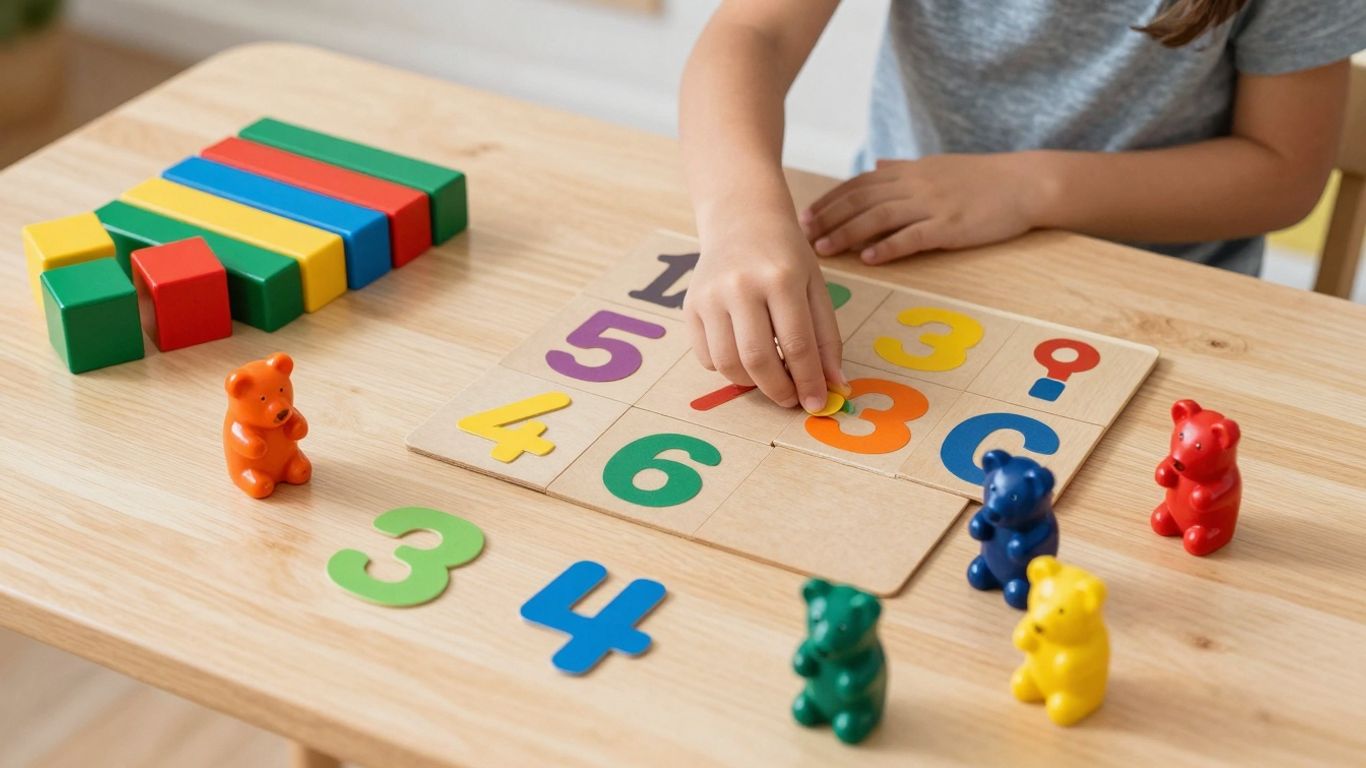
Getting preschoolers excited about math doesn’t have to be complicated. A well-designed printable math curriculum can make learning numbers, shapes, and patterns feel like playtime. These activities are designed to be simple to prepare and use, making them a hit with both kids and teachers.
Counting and Number Writing Practice
Helping little ones grasp numbers is a big step. Printables can turn this into a fun activity. Think about number puzzles where kids match a numeral to the correct quantity of objects, or simple worksheets where they trace numbers. These activities build a solid foundation for future math success. For instance, using dice games, like the Math Roll and Write Numbers sheets, encourages number recognition and formation in a dynamic way. It’s all about making that connection between the symbol and the amount.
Shape Sorting and Matching Games
Shapes are everywhere, and learning to identify them is a key part of early math. Printable games can make this exploration engaging. You can create sorting mats where children group shapes by type or color, or matching games where they pair a shape with its name or a real-world object that resembles it. These activities help develop visual discrimination and spatial reasoning skills. It’s amazing how quickly they pick up on circles, squares, and triangles when it’s presented as a game.
Pattern Creation and Sequencing Tasks
Patterns are the building blocks of logical thinking. Printables can introduce this concept through simple sequences. Activities could involve coloring shapes in a repeating pattern, cutting and pasting to complete a pattern, or arranging objects in a specific order. These tasks help children predict what comes next and understand the concept of order. It’s a great way to get them thinking about relationships between items and developing their predictive abilities.
Creative Printable Math for Preschoolers
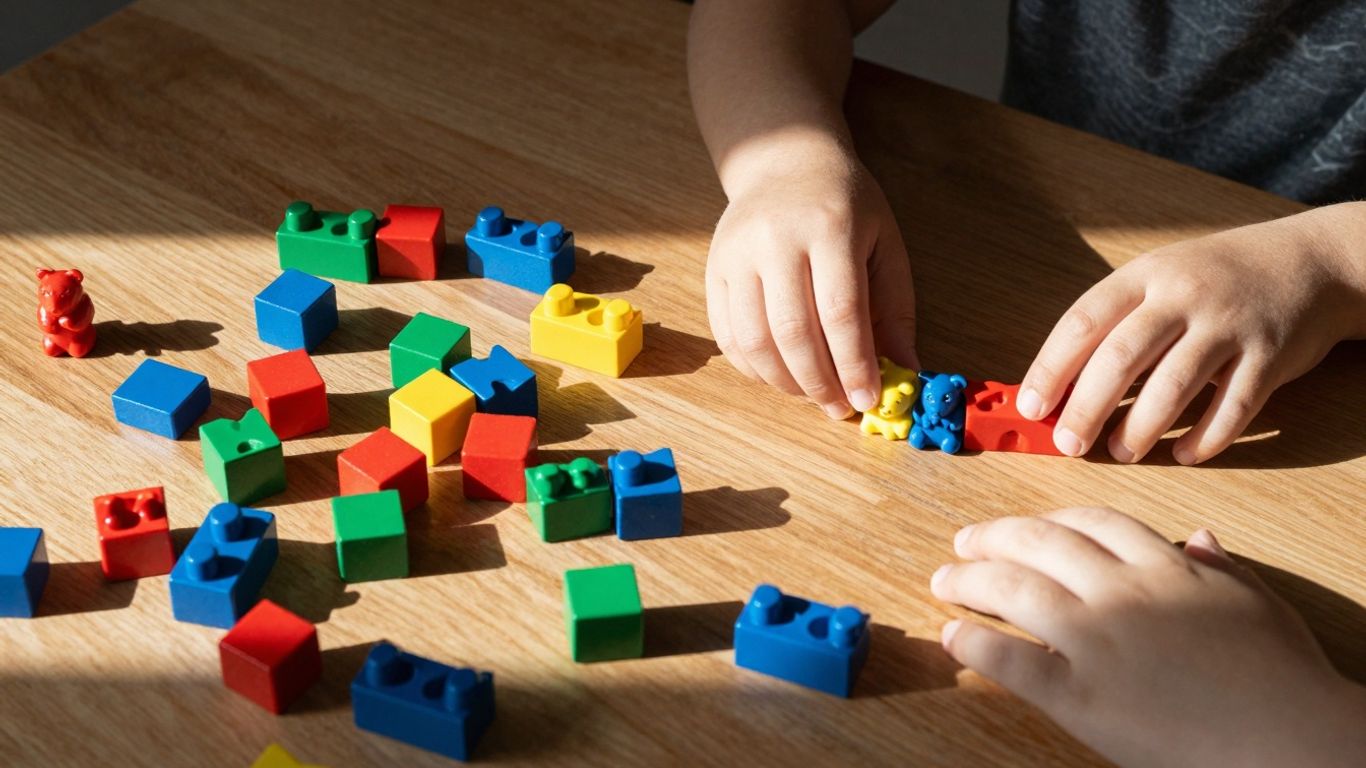
Let’s talk about making math fun for the little ones with printables. Sometimes, the best way to get kids interested in numbers and shapes is through activities they can actually touch and do. Printables are fantastic for this because you can whip them up pretty easily and tailor them to what your child is learning.
Themed Counting and Number Mats
Imagine a mat with a big, friendly monster and a number. Your child’s job is to feed the monster the correct number of googly eyes or pom-poms. These mats turn simple counting into a game. You can find tons of themes online – animals, vehicles, even food! For example, a “Jellybean Jar” mat lets kids count out jellybeans (or buttons, or small erasers) to match a number written on the jar. It’s hands-on and helps them connect the numeral with a quantity. This kind of activity really helps build number sense.
Here’s a quick idea for a counting mat:
| Theme | Number Focus | Activity | Materials |
|---|---|---|---|
| Space | Numbers 1-5 | Count and place “stars” | Star cut-outs, pom-poms |
| Farm | Numbers 1-10 | Feed the “chickens” the correct number of “corn” kernels | Corn kernel cut-outs, buttons |
| Under the Sea | Numbers 1-8 | Place the correct number of “fish” in the tank | Fish cut-outs, small toys |
Shape Tracing and Coloring Pages
Shapes are everywhere, and printables make learning them a breeze. Simple coloring pages with big, clear shapes like circles, squares, and triangles are a great start. You can also find tracing pages where kids practice drawing the shapes themselves. This not only helps with shape recognition but also works on their fine motor skills, getting those little hands ready for writing.
- Circles: Perfect for drawing suns or wheels.
- Squares: Good for building blocks or windows.
- Triangles: Can become roofs of houses or pointy mountains.
- Rectangles: Think doors or books.
Once they get the hang of tracing, you can move to activities where they have to find and color specific shapes within a larger picture. It’s like a fun scavenger hunt for shapes!
Pattern Block and Grid Games
Pattern blocks are those colorful geometric shapes – squares, triangles, trapezoids, etc. Printables can create simple grid games where kids use these blocks to fill in spaces or create their own designs. This is where logical thinking really starts to blossom. They learn about spatial relationships and how shapes fit together.
Grid games can be as simple as a blank grid with a few shapes already placed, and the child has to complete the pattern or fill the rest of the grid. Or, you can have a picture made of shapes, and they have to recreate it using their pattern blocks. These games are super adaptable. You can start with simple AB patterns (like red, blue, red, blue) and move to more complex ones as they get older. It’s amazing how much problem-solving happens without them even realizing it.
Enhancing Preschool Math Curriculum with Printables
Printable activities are a fantastic way to add some extra math practice into your preschooler’s day. They’re easy to use and can be adapted for different skill levels. Think of them as little helpers that make learning numbers and shapes more fun.
Number Puzzles for Skill Development
Number puzzles are great for little ones just starting to grasp counting and number recognition. These aren’t your typical jigsaw puzzles; they’re usually simple matching games. For example, a child might match a puzzle piece with the numeral ‘3’ to a piece showing three little apples. This hands-on approach helps them connect the abstract number symbol with a concrete quantity. It’s a really effective way to build that early number sense.
Here’s a quick look at how these puzzles can help:
- Number Recognition: Kids learn to identify numerals like 1, 2, 3, and so on.
- Counting Practice: They count objects on one piece to match the numeral on another.
- One-to-One Correspondence: This is a fancy way of saying they learn that each object counted is one number.
- Fine Motor Skills: Cutting out the puzzle pieces and putting them together works on those little hand muscles.
These simple matching activities, like putting a number with the correct group of objects, are surprisingly effective. They give kids a tangible way to understand what numbers actually mean, moving beyond just memorizing symbols.
Shape Activities for Visual Learning
Shapes are everywhere, and printables can make learning them a blast. You can find activities where kids trace shapes, color them in, or sort them based on their attributes. Sorting games, for instance, might involve putting all the circles in one pile and all the squares in another. This helps them notice similarities and differences between shapes, which is a big step in visual learning. It’s all about getting them to observe and categorize.
Grid Games for Logical Reasoning
Grid games, like simple pattern block activities or mazes, are excellent for developing logical thinking. When a child uses pattern blocks to fill in a shape on a grid, they’re figuring out how different shapes fit together. Or, if they’re completing a simple pattern on a grid, they’re learning to predict what comes next. These games encourage problem-solving and spatial reasoning without feeling like work. They’re a playful way to get kids thinking critically about how things relate to each other.
Wrapping Up Our Math Adventure
So, that’s a wrap on exploring all these fun ways to bring math into preschool. We’ve seen how simple printables can make a big difference, turning numbers and shapes into exciting games. Remember, the goal isn’t to turn little ones into math wizards overnight, but to get them curious and comfortable with numbers. Using these activities helps build a good starting point for their math journey, making learning feel less like work and more like play. Keep these ideas handy, and you’ll have plenty of ways to spark their interest in math, one activity at a time.
Frequently Asked Questions
What age group is best suited for these printable math activities?
These activities are generally designed for preschoolers and early elementary students, typically ages 3 to 6. They focus on foundational math concepts that are perfect for young learners just starting their math journey.
How do printable math activities help with learning?
Printable activities make learning math fun and hands-on. They help kids recognize numbers, count objects, understand shapes, and even start thinking about patterns. When kids can touch, cut, and move things around, they learn much better than just looking at a book.
Can these printables be used at home and in the classroom?
Absolutely! These printables are super versatile. You can use them for math centers, circle time, or as individual practice in the classroom. They’re also great for sending home as homework or for parents to use during distance learning.
What kind of math skills do these printables cover?
They cover a wide range of early math skills! You’ll find activities for number recognition, counting, shape identification, sorting, creating patterns, and even some introductory ideas about basic math operations. It’s all about building a strong math foundation.
Do I need special materials to use these printables?
Most of the time, you just need basic supplies like scissors, glue, crayons, or markers. Some activities might suggest using manipulatives like blocks or counters, but the printables themselves are the main focus. Many are ‘no-prep,’ meaning you can just print and go!
How can I make sure my child stays engaged with these math activities?
Keep it playful! Use themes your child loves, like animals or holidays. Make it a game rather than a chore. Offering choices and celebrating their effort, not just the right answer, can also make a big difference in keeping them excited about learning math.

Ms. Kerri’s Corner provides a exciting virtual space for preschool learning. Through a variety of engaging activities, she exposes young minds to early math, literacy, science and social-emotional skills in a developmentally appropriate way. Centers for blocks, art, books and music allow children to explore hands-on learning at their own pace. Guided lessons subtly introduce number sense, letter sounds and narrative thinking. Careful observation gives insight into each child’s progress across domains. Viewers are also invited to participate, reinforcing that their ideas are valued. By making learning fun yet purposeful, Ms. Kerri lays the groundwork for future academic success while fostering creativity and imagination. Her program offers preschoolers valuable screen-based learning experiences.