Science of reading resources for parents of young children: A practical guide
Key Takeaways
A few small, steady moments can support the skills children need to become readers. You do not have to turn home into a classroom to help.
- Reading develops through instruction and practice, as well as conversation, stories, and time with books.
- Sound play, letter knowledge, and decoding activities can fit a child’s age and interests.
- A library, your child’s teacher, and trusted education agencies can help you find useful guidance.
- Short, relaxed routines are more helpful than turning every book or word into a test.
- If reading feels hard for your child, ask the school about specific supports and next steps.
Understand what the science of reading means
The science of reading is a broad body of research about how people learn to read and how reading can be taught. It can help families make sense of why children need direct opportunities to connect spoken language with print. It is not a single curriculum or a set of rules for what a family’s reading time must look like.
How research explains the way children learn to read
Children learn spoken language through interaction, but reading involves learning how written marks connect to sounds and meaning. Research helps educators understand the processes involved and choose ways to teach those skills. For families, that is useful context: a child may enjoy books and still need explicit help learning to read the words on the page. A family-friendly science of reading overview can offer another starting point for understanding how home and school support early literacy.
The role of phonemic awareness, phonics, fluency, vocabulary, and comprehension
These terms describe related parts of reading, not a checklist a young child must master all at once. Phonemic awareness is noticing and working with sounds in spoken words; phonics connects sounds with letters. Fluency is reading accurately and smoothly, while vocabulary and comprehension help children understand what they hear and read. Together, they explain why a child benefits from both word-level practice and rich talk about ideas.
Why read-alouds and conversation matter alongside decoding
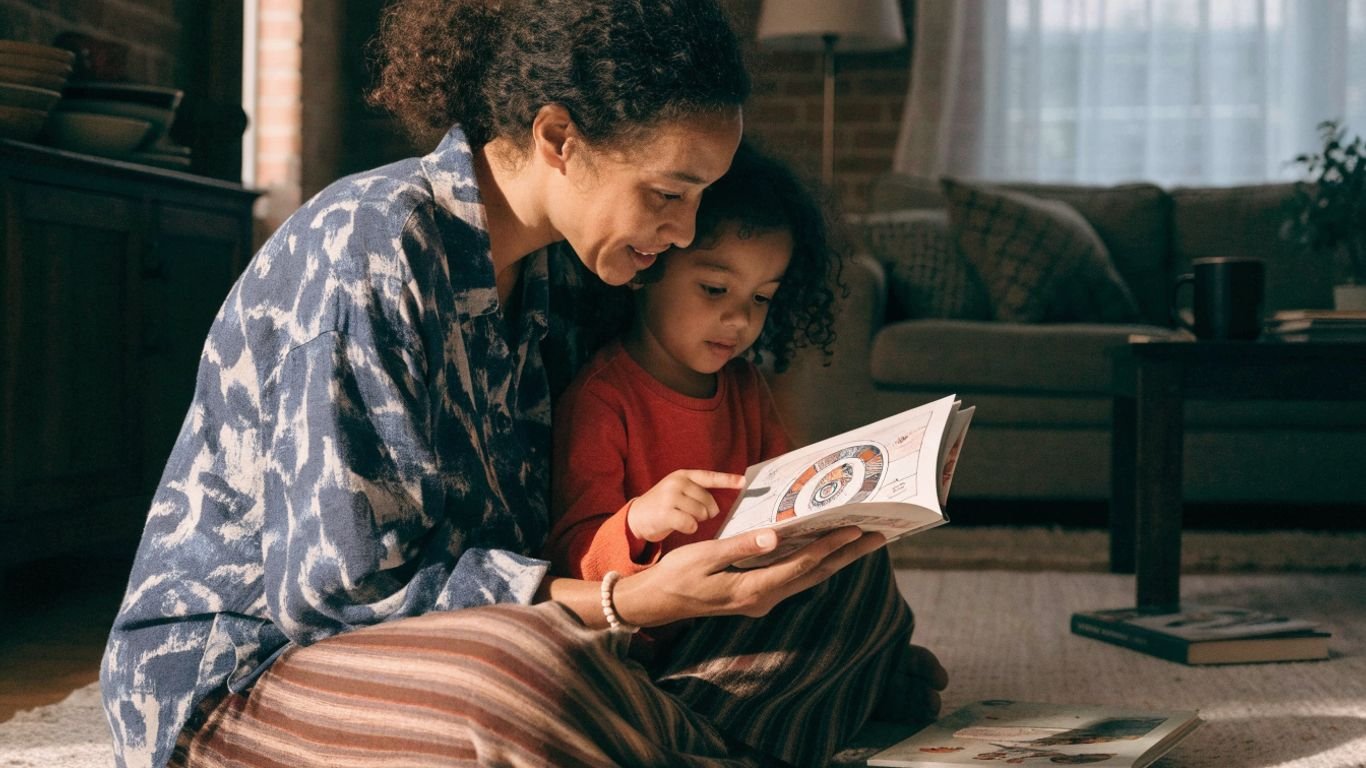
When you read aloud, your child can meet new words, follow a story, and hear how language sounds before they can read the text independently. Pause when something catches their attention and talk about it, or let the story keep moving if they are absorbed. These moments support language and connection alongside decoding practice; they are not a substitute for teaching children how print works. A lively read-aloud can be as simple as changing your voice for a character or asking what your child thinks might happen next.
What the science of reading does—and does not—mean for families
Knowing the research can help you ask clearer questions and choose activities that match what your child is learning. It does not mean you need specialist training, a perfect reading corner, or a fixed amount of practice every day. Children develop at different rates, and a warm, ordinary book-sharing routine can sit alongside formal instruction at school. Use the research as a guide, not another reason to judge yourself or your child.
Find reliable resources for families
There is a lot of reading advice online, and it can be hard to tell which tips are grounded in evidence. Start with sources that explain who created the guidance and what kind of support they offer. Then choose one or two ideas that fit your child and your daily life, rather than collecting a long list of things to do.

Where to look for guidance from literacy researchers and education agencies
University literacy centers, public education agencies, and public libraries can be practical places to begin. Look for materials that explain how children develop reading skills and offer clear guidance for families, rather than promising a quick fix. For example, Colorado family literacy resources include parent and caregiver information about reading, storytelling, library access, and reading difficulties. Keep a note of a question you want to ask your child’s teacher as you explore.
How to use library books, videos, and family reading guides
A guide or video can give you an idea to try, but it does not need to dictate how every reading moment should go. Libraries can help you find books that suit your child’s interests, language, and attention span, including books to browse together without a formal activity. Try a suggestion once or twice, then notice whether your child joins in or seems ready for something simpler. A useful resource should make shared reading feel more doable, not leave you feeling behind.
What to check before trusting an app, program, or social media tip
Before trying a new activity or tool, look for a clear explanation of the skill it addresses and how a child is meant to practice it. These checks can help you sort practical guidance from confident-sounding claims:
- Does it explain the reading skill in plain language?
- Does it offer a way for children to practice, rather than relying only on guessing?
- Does it avoid promising that one tool will work for every child?
- Can you see who created the material and what experience or evidence informs it?
If the answers are unclear, pause before paying for a program or making it part of your routine. You can also bring the material to a teacher or librarian and ask whether it fits what your child is learning.
How to find resources in your family’s home language
Families can support early literacy through the language they know best. Ask your library or school whether it has books, recordings, or family guides in your home language, and ask for help locating materials if the collection is limited. Singing, telling stories, and talking about a book in a familiar language all give children chances to hear and use words. Your child can build understanding and a love of stories without every activity being in English.
Choose activities for your child’s age and stage
A useful activity meets your child where they are today, rather than pushing them toward a milestone on someone else’s schedule. Babies and toddlers benefit from hearing language and exploring books; older children may be ready to notice sounds and letters or practice reading words. Keep the activity short enough that you can stop while it still feels pleasant.
Build language and book enjoyment with babies and toddlers
At this age, books are something to look at, point to, chew, turn, and share—not a lesson to get through. Name what your child notices, pause so they can respond in their own way, and follow their attention instead of reading every word. A favorite book may need many repeat visits, which is fine; familiarity often makes it easier for a young child to join in. Talking through a walk, bath, or meal also gives you an easy chance to share new words.
Explore rhymes, sounds, and letters with preschoolers
Preschoolers can enjoy playful attention to how words sound without needing a worksheet or a long sit-down session. Try a rhyme in the car, clap the parts of a name, or look for a letter your child recognizes on a sign. The table offers a few simple starting points; follow your child’s response and let the game end when interest fades.
| Activity | What you can try | Keep it comfortable by |
|---|---|---|
| Rhyming | Think of a word that rhymes with a familiar name | Laugh at silly answers together |
| Syllables | Clap the parts of a favorite food or toy’s name | Use words your child already knows |
| Letter noticing | Spot a familiar letter on a book cover | Let your child point it out first |
| Sound play | Name another word that begins like “sun” | Offer a hint if they want one |
None of these needs to become a test with right answers on demand. If your child is not interested, save the idea for another day; relaxed repetition is enough.
Support early decoding as children begin reading
When children start reading words, they need opportunities to connect letters and sounds and try blending those sounds to read a word. Listen while your child reads, give them time to work through a word, and offer help if they get stuck. Avoid making picture clues or guessing the main route to a word; instead, invite your child to look at the letters and use the patterns they have learned. A practical parent guide to reading can help you learn more about decoding and ways to support practice.
Follow your child’s interests while keeping practice manageable
A child who loves animals, vehicles, or jokes may be more willing to spend time with books when the subject feels familiar. Offer a small choice between a couple of books or activities, then keep the routine flexible enough to fit the day you are having. Short, regular opportunities can feel more inviting than a long session that ends in frustration. If your child loses interest, stop and try again another time.
Support early literacy at home
Home support does not have to look like schoolwork. You can build language, print awareness, and enjoyment through conversations and small activities woven into things you already do. The aim is to make reading and writing available, not to check your child’s performance every time you open a book.
Make shared reading interactive with conversation and questions
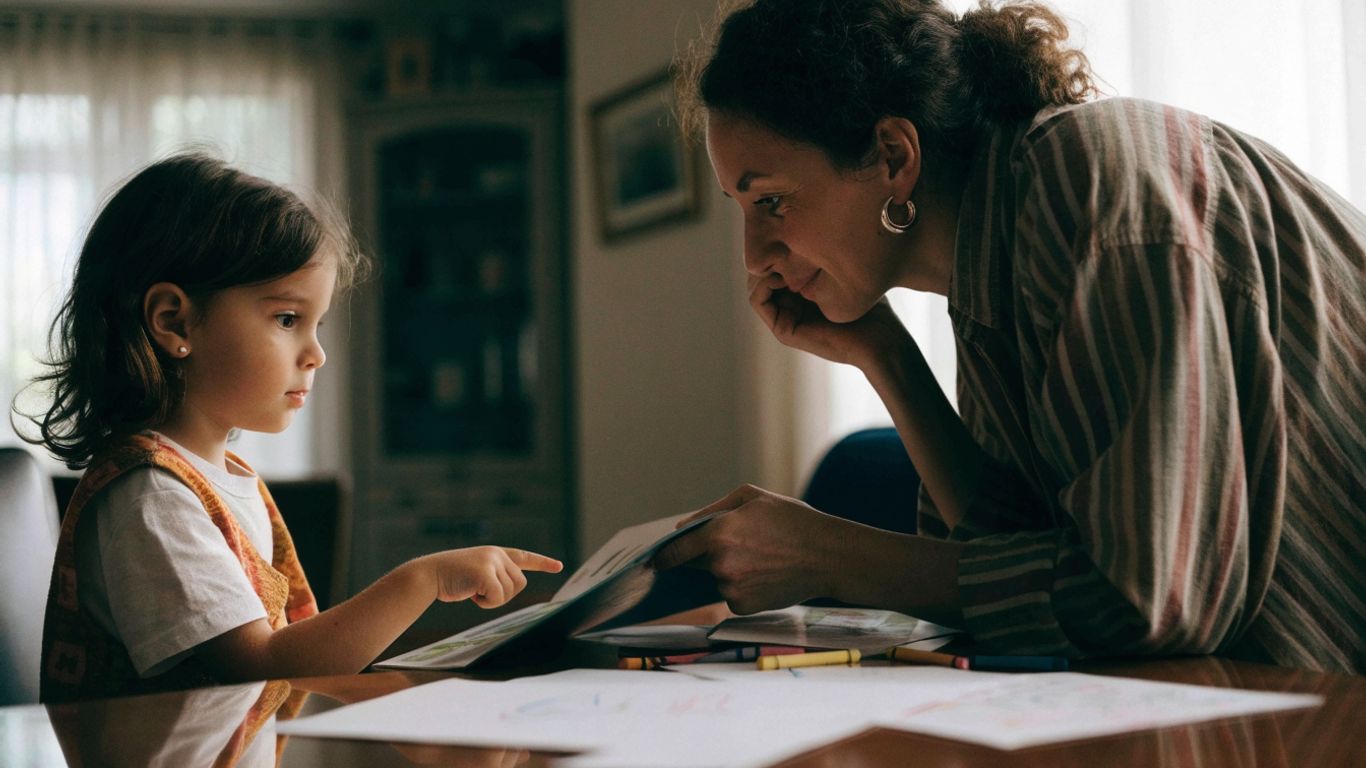
You do not need a list of questions ready before you start a book. Follow what your child notices, name details on the page, and give them a chance to answer or point. If you want a prompt, ask what they think a character might do next or which part they liked best. Some nights you may talk a lot; other nights, simply reading together is enough.
Play simple games with sounds, letters, and words
Sound and letter games work best when they feel like play, not a pop quiz. You can try one during a walk or while tidying up, then leave it there. A few ideas to keep in your back pocket are:
- Find two things around you that start with the same sound.
- Clap the beats in a family member’s name.
- Take turns thinking of words that rhyme with a familiar word.
- Look for a letter your child knows in a favorite book.
If your child makes a different sound or gives an unexpected answer, respond kindly and model the word rather than turning the moment into a correction session. A little play is useful; the goal is not to keep score.
Encourage children to write, draw, and tell stories
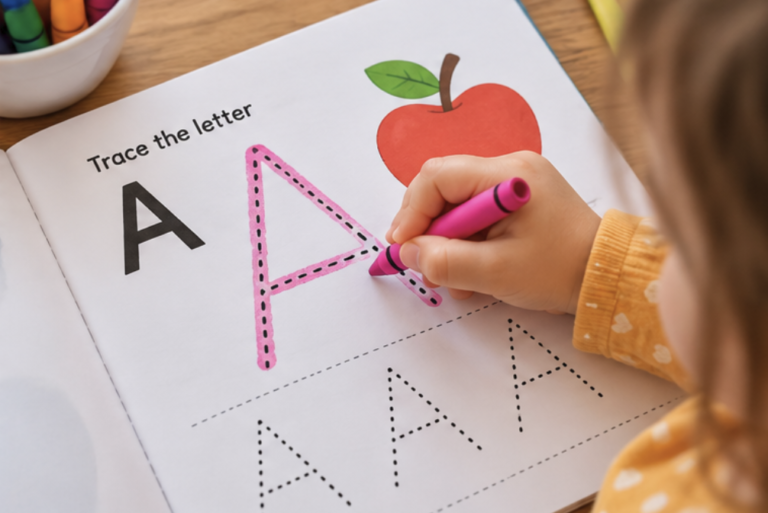
Drawing, pretend writing, and telling a story all give children ways to express ideas before they can spell every word. Keep paper and crayons where your child can reach them, and invite them to tell you about a picture or a made-up adventure. You can write down their words if they want, then read the story back together. This shows that spoken ideas can be shared through marks on a page, without requiring a polished product.
Make reading part of everyday routines without turning it into a test
A book before bed, a story during a quiet moment, or a trip to the library can become a familiar part of family life. Routines may shift when everyone is tired or the day goes sideways; missing a night does not erase what your child has learned. Let your child choose a story sometimes, and allow them to look through books independently, too. When reading feels like time together rather than a test, it is easier to return to it.
Work with your child’s teacher and school
You know your child in everyday settings, and the teacher sees how they approach reading at school. Sharing those different observations can help both of you understand what is going well and where the child may need support. You do not need to arrive with a diagnosis or a perfect explanation; a specific question is a useful place to start.
Ask how the classroom teaches foundational reading skills
Ask the teacher to describe how children practice connecting sounds and letters, reading words, and understanding what they read. You might say, “Could you tell me what reading skills the class is working on right now?” This keeps the conversation focused on instruction and gives you a clearer picture of how classroom practice fits together. If a term is unfamiliar, ask for an example you can recognize.

Discuss your child’s progress using specific examples
Concrete examples are easier to discuss than a general feeling that reading is going well or poorly. Share what happens when your child tries to read a familiar book at home, or mention a particular kind of word they find difficult. Ask the teacher what they see in class and whether the same pattern shows up there. Together, you can identify what to keep watching without jumping to conclusions from one hard day.
Find out what to practice at home—and what not to reteach
Home practice should support classroom learning without making you responsible for recreating the lesson. Ask which skill your child is currently practicing and what a short, suitable activity might look like. You can also ask what to do when your child is stuck, so your help stays consistent with the teacher’s approach. If the teacher says that reading together is enough for now, it is okay to keep it simple.
Share concerns about reading development and ask about next steps
If a concern persists, describe what you notice and ask what the school recommends doing next. You might say, “I’ve noticed that sounding out new words is still hard at home. What are you seeing, and what support can we discuss?” This kind of direct question invites a conversation rather than requiring you to figure everything out alone. Ask when you should check in again, so you know how the plan will be followed up.
Adapt support when your child needs more help
Some children need more time, more explicit teaching, or a different way to practice. That does not mean you have done something wrong, and it does not tell you what your child will be able to do later. Keep sharing what you notice with the school and ask what support is available.
Notice signs that a child may be struggling to learn early reading skills
One difficult book or a tired afternoon does not tell the whole story. Pay attention to patterns over time, such as your child regularly finding it hard to connect letters with sounds, read familiar words, or keep up with reading practice. Note what helps and what seems to make the task harder, rather than comparing your child with someone else. These observations can give a teacher useful context for deciding what to explore next.
Ask about screening, assessment, and evidence-based instruction
If reading continues to feel unusually difficult, ask the teacher what screening or assessment the school uses and what the results can tell you. Ask how instruction will respond to the child’s needs, how progress will be monitored, and when you will discuss it again. Clear answers can make the next steps feel less mysterious. If something is not clear, it is reasonable to ask for an explanation in everyday language.
Find accessible books and activities for different learning needs
The right book is one your child can access and enjoy, even if it looks different from the books another child chooses. Ask the library or school about large-print books, audiobooks, books with tactile features, or other formats that may suit your child. Pairing listening with looking at a book can keep a child connected to stories while they work on reading skills. Consider your child’s interests and sensory preferences as you try different options.
Keep practice encouraging while waiting for additional support
Waiting for a meeting or next step can be frustrating, especially when you are watching your child struggle. In the meantime, keep reading aloud, offer activities your child can manage, and stop before practice turns into a battle. Praise effort in a specific way, such as, “You looked at the letters and tried that word.” The school can guide more targeted practice, so you do not have to solve the whole problem at home.
Conclusion
Helping a young child learn to read is a shared effort built from teaching, conversation, practice, and books that invite curiosity. Use reliable guidance when you need it, keep home activities manageable, and stay in touch with your child’s teacher when questions come up. Small, ordinary moments count, and there is no need to make every one of them perfect.
Frequently Asked Questions
What does the science of reading mean for parents?
It refers to a broad body of research about how people learn to read and how reading can be taught. For parents, it can help explain the skills children practice and provide useful questions to ask educators.
How can I help my toddler get ready to read?
Talk, sing, tell stories, and share books in short, enjoyable moments. Let your toddler point, turn pages, and return to favorite books without expecting them to sit through a whole story.
What are easy literacy activities for preschoolers?
Try rhyming, clapping the syllables in familiar words, noticing letters, and talking about stories. Keep activities playful and stop when your child is ready to move on.
Should I correct my child when they guess a word?
You can gently guide your child back to the letters and sounds they have learned. Give them time to try, then offer a prompt or model the word without making the moment feel like a test.
How much should young children read at home each day?
There is no single amount that works for every family. Regular, manageable opportunities to share books and practice skills can fit more naturally than a rigid routine that creates stress.
What should I ask my child’s teacher about reading?
Ask which skills the class is working on, how the teacher sees your child progressing, and what kind of practice—if any—would be useful at home. If you have a concern, share a specific example and ask about next steps.
What if my child still finds reading difficult?
Talk with the teacher about the patterns you notice and ask about screening, assessment, and additional instruction. Keep home reading supportive while the school helps determine what your child needs.

Ms. Kerri’s Corner provides a exciting virtual space for preschool learning. Through a variety of engaging activities, she exposes young minds to early math, literacy, science and social-emotional skills in a developmentally appropriate way. Centers for blocks, art, books and music allow children to explore hands-on learning at their own pace. Guided lessons subtly introduce number sense, letter sounds and narrative thinking. Careful observation gives insight into each child’s progress across domains. Viewers are also invited to participate, reinforcing that their ideas are valued. By making learning fun yet purposeful, Ms. Kerri lays the groundwork for future academic success while fostering creativity and imagination. Her program offers preschoolers valuable screen-based learning experiences.