
When it comes to finding gifts for three-year-olds, especially around the holidays, thinking about sensory experiences can really make a difference. At this age, kids are just exploring the world with everything they’ve got – touching, seeing, hearing, and moving. So, sensory Christmas gifts for 3 year olds aren’t just about fun; they’re actually super helpful for their growing brains and bodies. We’re going to look at why these kinds of toys are so good for them and what types you might want to consider.
Key Takeaways
- Sensory toys are important for three-year-olds because they engage multiple senses, which helps build stronger connections in their rapidly developing brains.
- Different types of sensory gifts target specific senses: tactile (touch), visual (sight), auditory (sound), smell/taste, proprioceptive (deep pressure), and vestibular (movement/balance).
- When choosing sensory Christmas gifts for 3 year olds, look for open-ended toys that allow for varied play and can grow with your child.
- Consider your child’s current developmental stage and interests to select toys that either support what they’re learning or gently challenge them.
- Practical aspects like noise level, ease of cleaning, and portability are important to think about for everyday play and sanity.
Understanding Sensory Gifts For Three-Year-Olds
Why Sensory Toys Matter at Age Three
By the time kids hit three, they’re really starting to explore the world around them. They touch, they poke, they ask a million questions – it’s all part of how they learn. Sensory toys are fantastic because they let them do just that, using all their senses. Think about playing with play-dough, watching a glitter jar swirl, or even just squeezing a textured ball. These aren’t just fun activities; they’re actually building important skills like coordination, focus, and even language. The American Academy of Pediatrics points out that hands-on play helps build brain structure, which is something screens just can’t replicate. So, these toys are more than just playthings; they’re tools that help kids concentrate, calm down, and feel more confident as they play.
The Crucial Role of Multi-Sensory Play
When a toy engages more than one sense at a time, it really helps a child’s brain make stronger connections. This kind of play is like a workout for their developing mind, boosting memory and problem-solving abilities. Imagine a toy that lights up, makes a gentle sound, and has a bumpy texture – that’s a triple threat for learning! This kind of rich input helps wire their brain for all sorts of future learning. It’s about giving them a full-body experience that makes learning feel natural and exciting. You can find a great selection of engaging gifts perfect for three-year-olds here.
Supporting Development Through Play
Sensory play does wonders for a three-year-old’s development. It helps strengthen both their fine motor skills, like pinching and grasping, and their gross motor skills, like jumping and balancing. It also gives them a safe space to figure out how to manage their own bodies and emotions. For instance, a weighted stuffed animal can provide a calming pressure, helping a child feel more settled. Or, a balance board encourages them to work on their coordination and body awareness. These toys help kids learn to self-regulate, which is a big deal at this age. It’s all about learning through doing, in a way that feels like pure fun.
Exploring Different Sensory Gift Categories
When you’re looking for Christmas gifts for a three-year-old, thinking about how they engage with the world through their senses can really help narrow down the options. It’s not just about picking something colorful; it’s about choosing toys that invite exploration and support development. We can break down these gifts by the primary sense they target, making it easier to find just the right thing.
Tactile Treasures for Little Hands
This category is all about touch. Think about things like play-dough, kinetic sand, or even textured balls. These toys let little hands pinch, squeeze, roll, and pat. Playing with different textures helps build up the small muscles in their hands and fingers, which is super important for things like writing later on. It also satisfies that natural urge kids have to just feel everything around them.
- Play-Doh or modeling clay: Great for squishing and shaping.
- Kinetic sand: Offers a unique, moldable texture that doesn’t dry out.
- Textured balls: Come in various surfaces for different sensations.
- Sensory bins: Can be filled with rice, beans, or water beads for varied tactile experiences.
Visual Delights to Capture Attention
These are the toys that catch the eye. We’re talking about things that light up, move in a mesmerizing way, or have bright, engaging colors. Liquid motion bubblers, color-changing blocks, or even simple glitter jars can be really captivating. They’re good for helping a child practice focusing their attention or for providing a calming visual input when they need to wind down.
Auditory Adventures in Sound
Sound plays a big part in how kids learn and interact. Gifts in this area could be simple musical instruments like a mini drum, a xylophone, or even a rain stick. When a child hits a drum and hears a sound, they learn about cause and effect. Music and rhythm also help lay the groundwork for language development and understanding patterns.
Engaging Smell and Taste Experiences
While this might seem less common, there are toys that engage smell and taste in a safe way. Scented play-dough is a popular choice, or scratch-and-sniff stickers. For kids who might put things in their mouths, food-grade silicone chew toys can be a good option. These can offer a calming input for some children and provide a safe outlet for oral exploration.
It’s interesting how many toys can actually engage more than one sense at once. A textured ball might be fun to touch, but if it also makes a gentle rattling sound when rolled, it’s hitting both tactile and auditory input. This multi-sensory engagement is really what makes these toys so effective for development.
Gifts That Encourage Movement and Body Awareness
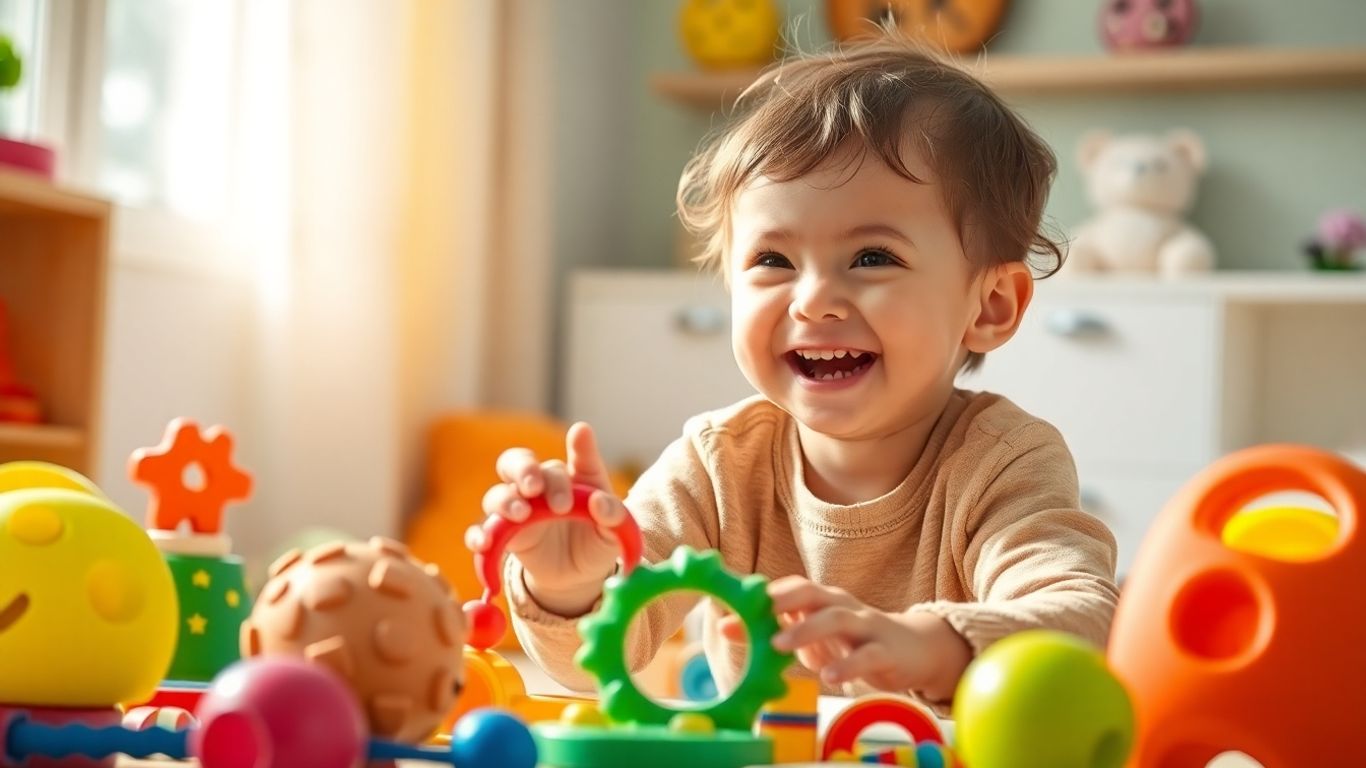
Three-year-olds are little bundles of energy, and their bodies are constantly learning how to move, balance, and interact with the world around them. Gifts that focus on movement and body awareness tap into this natural drive, helping them build physical skills while also learning about their own capabilities. It’s all about giving them safe and fun ways to explore their physical selves.
Proprioceptive Play for Calm and Focus
Proprioception is that sense that tells your body where it is in space, and it’s super important for feeling calm and in control. Toys that provide deep pressure or require kids to push, pull, or carry things can really help with this. Think about things like weighted stuffed animals that feel like a gentle hug, or resistance bands that make them work a little harder to move. These kinds of activities can be surprisingly calming for kids who tend to be a bit restless. They help their bodies feel grounded and can make it easier for them to focus on other tasks.
Here are some ideas:
- Weighted blankets or stuffed animals: These provide comforting deep pressure.
- Resistance bands or therapy putty: Great for building hand and arm strength through pushing and pulling.
- Body socks: These stretchy fabric tubes allow kids to move and stretch in a contained way, providing deep input.
- Jumping or bouncing toys: Anything that encourages jumping, like a small trampoline or a bouncing ball, helps them feel their body’s position.
These types of toys help children develop a better sense of their body’s position and strength. This awareness can lead to improved coordination and a greater feeling of being in control of their movements, which is a big deal for little ones learning to navigate their world.
Vestibular Gifts for Balance and Coordination
The vestibular sense is all about movement, balance, and spatial orientation. Three-year-olds often have a big need for this kind of input, wanting to spin, swing, and rock. Gifts that encourage these movements help them develop better balance and coordination. It’s not just about fun; it’s about building the physical skills they’ll use every day, from walking and running to more complex activities later on. Providing safe ways for them to experience these movements is key.
Consider these options:
- Balance boards or wobble discs: These challenge their balance in a controlled way.
- Small indoor slides or climbing structures: Offer opportunities for climbing and sliding, which work on coordination.
- Ride-on toys or scooters: Encourage pushing, steering, and balancing.
- Swinging seats or hammocks: Provide gentle rocking and swinging motions that are calming and help with spatial awareness.
Choosing The Perfect Sensory Christmas Gifts For 3 Year Olds
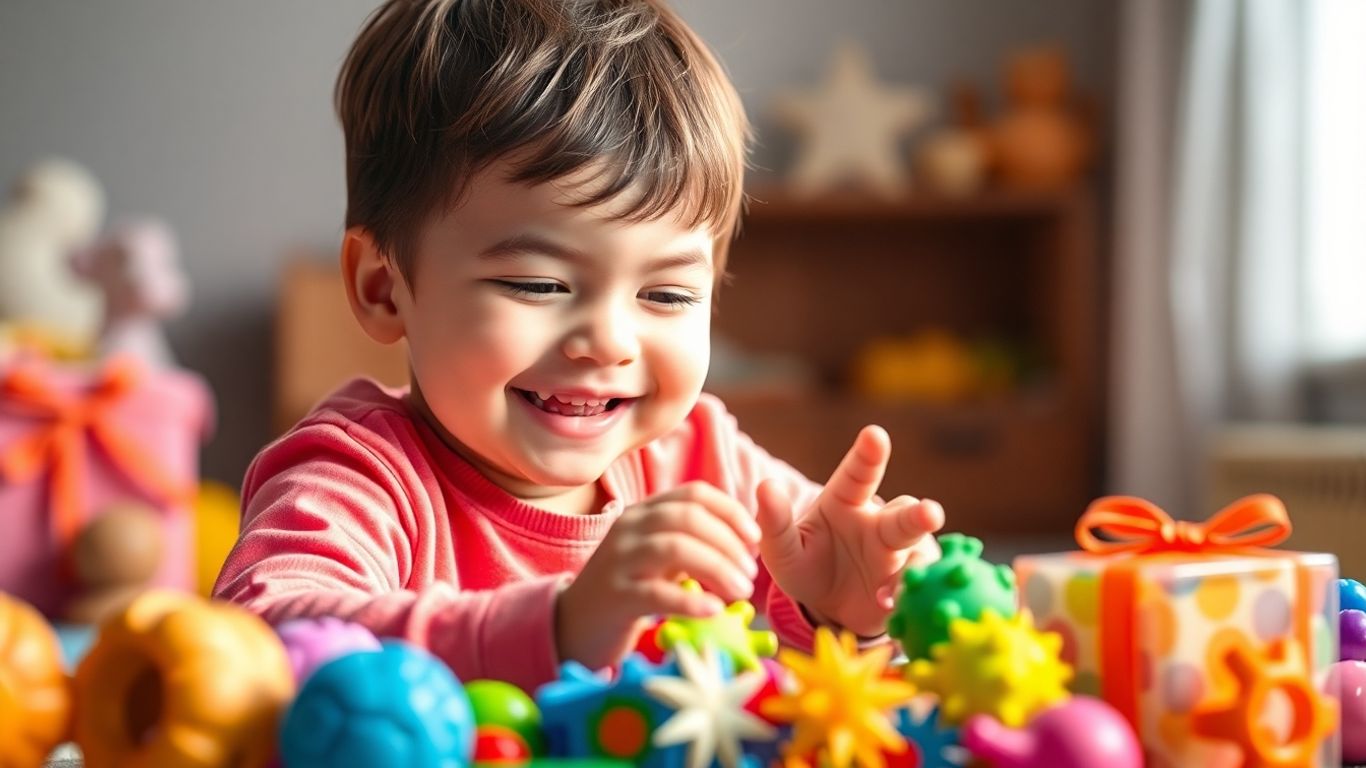
So, you’ve decided on sensory gifts for the three-year-old in your life. That’s awesome! But with so many options out there, how do you pick the right one? It’s not just about grabbing the brightest or the squishiest thing you see. We need to think a little about what makes a toy truly beneficial for a three-year-old.
Selecting Open-Ended Toys for Lasting Engagement
When you’re shopping, try to look for toys that don’t have just one way to play. Think about things like building blocks or a simple sensory bin. These kinds of toys let kids use their imagination. They can build a tower one day and a car the next. Open-ended toys encourage creativity and problem-solving, and they tend to keep kids interested for much longer. It’s like giving them a blank canvas instead of a finished picture. For example, magnetic building blocks are fantastic for this, allowing for endless construction possibilities.
Matching Gifts to Your Child’s Developmental Stage
Every three-year-old is a little different, right? Some are really into fine motor skills, like picking up tiny things. Others might need help calming down or getting their wiggles out. Think about what your child is working on. Are they trying to build hand strength? Maybe some tweezers or stringing beads would be good. If they need to settle their body, a soft weighted plush could be just the ticket. It’s about finding a toy that either supports what they’re already doing or gently challenges them to try something new.
Here’s a quick look at what might fit:
- Fine Motor Focus: Pegboards, lacing cards, play-dough tools.
- Calming Input: Weighted lap pads, textured fidget toys, quiet books.
- Gross Motor Fun: Small balance boards, indoor climbing structures, ride-on toys.
- Pretend Play: Sensory-friendly play food, doctor kits, animal figurines.
Practical Considerations for Playtime
Let’s be real, we also need to think about the practical stuff. Is the toy going to drive you absolutely bonkers with noise? Some toys have volume controls, which is a lifesaver. And how easy is it to clean? Some super fun textures might be better suited for outdoor play, especially if you’re not a fan of glitter explosions in the living room. Also, consider if it’s something that can travel well for car rides or visits to grandma’s house. A few small sensory bags can be great for keeping little hands busy on the go.
Choosing the right sensory gift means looking beyond the immediate fun. It’s about finding toys that align with your child’s current needs and developmental goals, while also fitting into your family’s lifestyle. Simple, versatile toys often provide the most long-term value and engagement.
Creative and Imaginative Sensory Gift Ideas
Arts and Crafts That Spark Creativity
Getting little hands messy with art supplies is a fantastic way for three-year-olds to explore textures and colors. Think beyond just crayons and paper. Consider chunky chalk for outdoor drawing, or maybe some washable finger paints that let them really feel the color spread. Play-Doh or a similar modeling compound is always a hit, offering a squishy, moldable experience that’s great for fine motor skills. You can even get scented play-doh for an extra sensory layer. These activities aren’t just about making something pretty; they’re about the process of creation itself.
- Washable paints: Easy cleanup is key!
- Modeling clay: Offers a satisfying tactile experience.
- Chunky crayons/chalk: Easier for small hands to grip.
- Sticker books: Great for fine motor control and sticking.
Pretend Play Sets for Role-Playing Fun
Pretend play is where imagination really takes flight, and sensory elements can make it even more engaging. A play kitchen with realistic-looking food items, complete with different textures and maybe even gentle scents, can be wonderful. Dollhouses with tiny furniture, or doctor kits with soft bandages and pretend instruments, invite children to act out scenarios they observe. These sets help them process their world and develop social skills. It’s amazing how much they learn by simply mimicking grown-ups or acting out stories.
Role-playing allows children to step into different shoes, explore emotions, and practice social interactions in a safe environment. It’s a powerful tool for understanding the world around them.
Building and Construction Gifts
Building toys are a classic for a reason. For three-year-olds, think large, easy-to-handle blocks that they can stack, knock down, and rebuild. Magnetic tiles are also a huge hit, offering a satisfying ‘click’ as they connect and allowing for more complex structures. Some building sets even have different textures on the blocks themselves, adding another sensory dimension. The open-ended nature of building toys means they can be used in countless ways, growing with your child’s imagination.
Here are a few ideas:
- Large interlocking blocks: Perfect for building towers.
- Magnetic tiles: Easy to connect and create stable structures.
- Soft building blocks: Great for younger toddlers or those who prefer softer materials.
- Stacking cups: Simple, versatile, and good for hand-eye coordination.
Gifts That Support Emotional and Social Growth
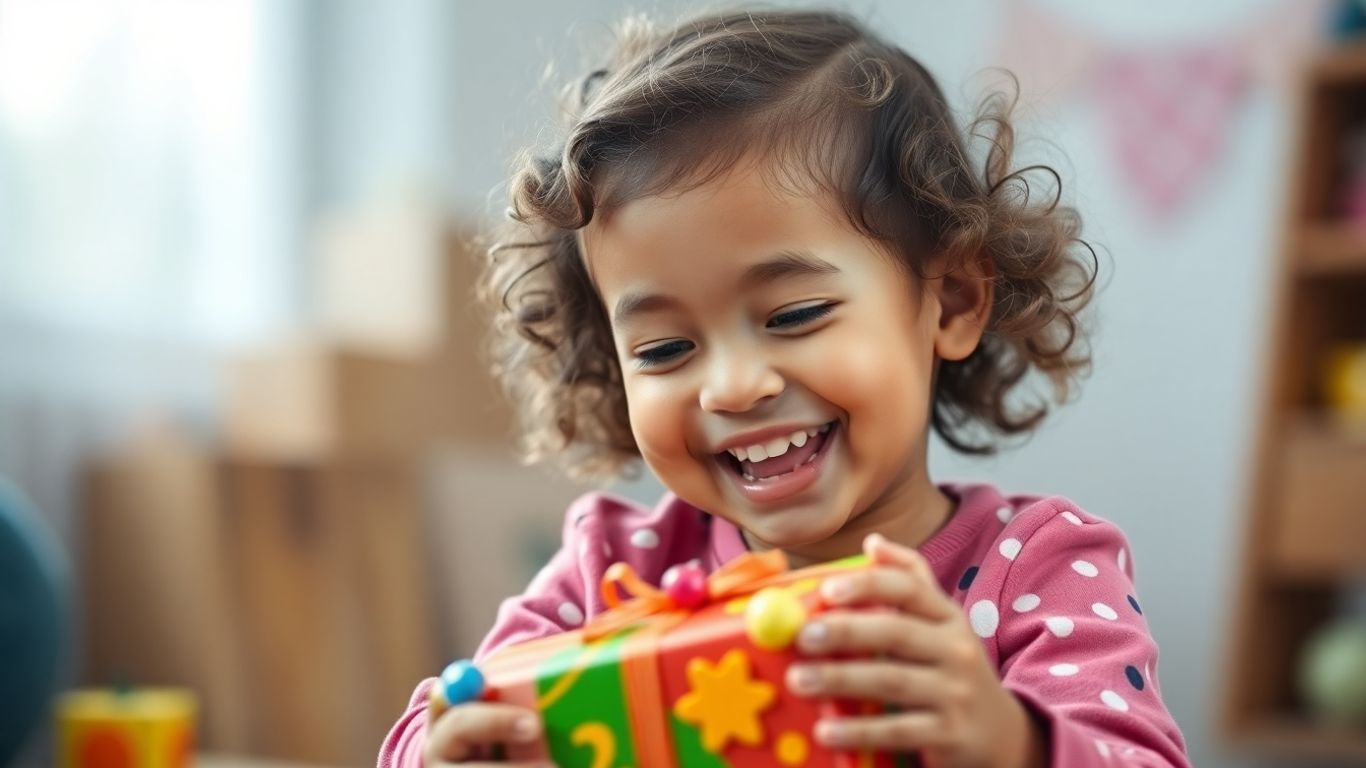
Three-year-olds are really starting to figure out their feelings and how to get along with others. It’s a big time for them! Gifts that help them understand emotions and practice social skills are super helpful. These aren’t just toys; they’re tools for building empathy and cooperation.
Toys for Understanding Big Feelings
It can be tough for little ones to name what they’re feeling. Toys that help them explore emotions can make a big difference. Think about puppets or dolls that can act out different moods, or books that talk about feelings. These can give kids a safe way to express themselves and learn that all feelings are okay.
- Emotion Cards: Picture cards showing different facial expressions can help kids identify feelings in themselves and others.
- Feeling Dolls or Puppets: These allow children to act out scenarios and express emotions through play.
- Storybooks about Emotions: Age-appropriate books that discuss feelings like happy, sad, angry, and scared can open up conversations.
Sometimes, a simple story can be the best way to help a child understand a complex emotion. Reading together about characters who experience different feelings normalizes these experiences for the child.
Games That Teach Cooperation and Patience
Playing with others is a huge part of social development at this age. Games that require taking turns, sharing, and working together are fantastic. They might not always get it right away, and that’s okay! It’s all part of the learning process. These games help them learn to wait their turn and understand that sometimes you have to compromise. It’s a good way to practice being a good friend. You can find lots of great options for social-emotional learning that focus on these skills.
Here are a few ideas:
- Simple Board Games: Games with easy rules that involve rolling a die and moving a piece are great for turn-taking.
- Cooperative Puzzles: Puzzles where everyone works together to complete the picture, rather than competing.
- Building Blocks Together: While not a formal game, building a tower or structure as a team teaches collaboration.
These types of gifts help children build a foundation for healthy relationships and self-awareness.
Wrapping It Up
So, when you’re picking out gifts for the three-year-old in your life, remember it’s all about sparking their natural curiosity. You don’t need a million fancy gadgets. Just look for things that feel good, look interesting, or make fun sounds. Toys that let them build, create, or just explore with their hands and eyes are usually a big hit. It’s really about letting them play and discover at their own speed. You know your little one best, so trust your gut and have fun watching them learn and grow through play.
Frequently Asked Questions
Why are sensory toys so important for three-year-olds?
At three, kids are like little sponges, soaking up everything around them. Sensory toys are super important because they let kids explore the world using all their senses – touching, seeing, hearing, and even moving. This kind of play helps build strong connections in their brains, making them better at things like talking, remembering, and figuring stuff out. It also helps them get stronger, learn to calm down, and understand their feelings.
What are the different kinds of sensory gifts I can find?
You can find toys that focus on different senses. There are ‘tactile’ toys for touching, like play-dough or sand. ‘Visual’ toys use colors and lights to grab attention. ‘Auditory’ toys are for listening, like simple instruments. Some toys even explore smell and taste safely, and others help with movement and balance, like swings or balance boards.
How do I pick the best sensory toy for my three-year-old?
Look for toys that your child can play with in many different ways – these are called ‘open-ended’ toys. They help kids be more creative and don’t get boring quickly. Also, think about what your child is learning right now. Are they working on building hand strength? Or maybe learning to calm down? Choose a toy that fits what they need or gently challenges them.
Are noisy toys bad for my child’s development?
Not all noisy toys are bad, but it’s good to have a mix. Some toys that make sounds help kids learn about cause and effect, which is great for their brains. However, very loud or constant noise can be overwhelming. It’s smart to look for toys with adjustable volumes or those that make pleasant sounds, like music or nature sounds.
What’s the difference between toys that help with movement and those that help with balance?
Toys that help with movement, like body socks or weighted animals, give kids deep pressure and help them feel calm and focused. They work on their muscles. Toys that help with balance, like balance boards or wobble discs, let kids practice spinning, rocking, and moving their bodies in different ways. This helps them get better at coordinating their movements and staying steady.
Can sensory toys help my child with their feelings?
Yes, definitely! Some sensory toys are designed to help kids understand and manage their emotions. For example, toys that show different feelings can help them name what they’re experiencing. Activities like playing with play-dough or using a calm-down jar can also be very soothing and help them relax when they feel upset or overwhelmed.

Ms. Kerri’s Corner provides a exciting virtual space for preschool learning. Through a variety of engaging activities, she exposes young minds to early math, literacy, science and social-emotional skills in a developmentally appropriate way. Centers for blocks, art, books and music allow children to explore hands-on learning at their own pace. Guided lessons subtly introduce number sense, letter sounds and narrative thinking. Careful observation gives insight into each child’s progress across domains. Viewers are also invited to participate, reinforcing that their ideas are valued. By making learning fun yet purposeful, Ms. Kerri lays the groundwork for future academic success while fostering creativity and imagination. Her program offers preschoolers valuable screen-based learning experiences.