Is My Child Ready for Kindergarten Checklist Every Parent Needs
Starting kindergarten is a big step, and it’s totally normal to wonder if your child is ready. You might be asking yourself, ‘Is my child ready for kindergarten checklist?’ Well, it’s not just about knowing letters or numbers. Readiness is a mix of things – how they get along with others, if they can do things for themselves, how they talk and listen, and even how they use their hands and body. Think of it as building a good foundation so they feel confident walking into that classroom. We’ve put together some things to think about to help ease your mind and get them prepared for this exciting new adventure.
Key Takeaways
- Kindergarten readiness is more than just academics; it includes social, emotional, and self-care skills.
- Children develop at their own pace, so focus on progress, not perfection, when using an ‘is my child ready for kindergarten checklist’.
- Encouraging independence in daily routines like dressing and bathroom use builds confidence for school.
- Strong communication skills, like talking in sentences and understanding simple stories, are vital for classroom success.
- Developing fine and gross motor skills through play helps with tasks like writing and participating in activities.
Assessing Social and Emotional Readiness
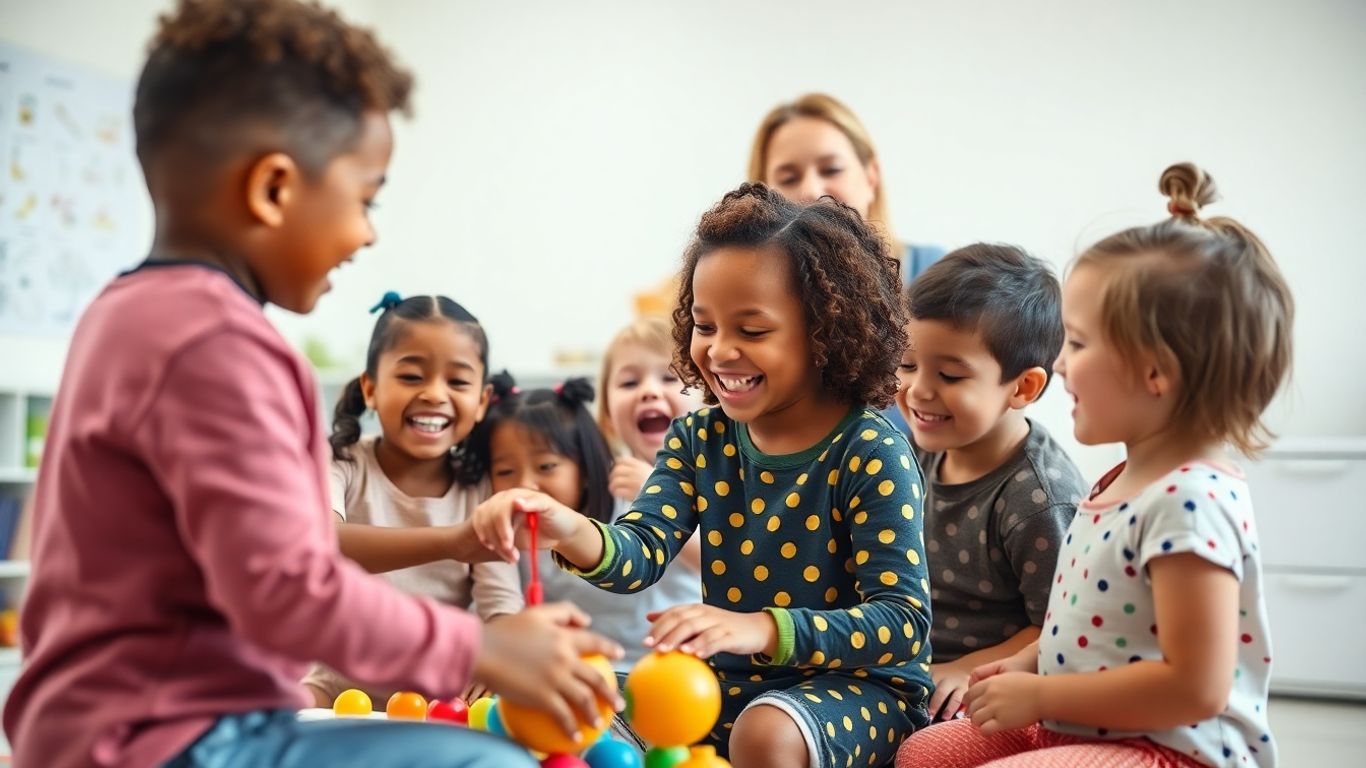
Kindergarten isn’t just about knowing your letters and numbers; it’s also about how your child handles themselves around others and manages their feelings. This part of readiness is super important because it sets the stage for how they’ll interact in a classroom and build friendships. A child who feels secure and knows how to get along with others is much more likely to enjoy school and learn.
Separating From Caregivers With Confidence
Think about the first day of school. Can your child wave goodbye without a huge meltdown? It’s normal for kids to feel a little clingy, but kindergarten readiness means they can usually separate from you with just a little fuss, or even none at all. This shows they feel safe and trust that you’ll come back.
- What to look for: Your child can say goodbye and engage in an activity with a teacher or other children shortly after you leave.
- What to practice: Start with short separations, like leaving them with a trusted friend or family member for an hour. Talk about what you’ll do when you get back.
Interacting and Sharing With Peers
School is a social place! Kids need to learn how to play with others, share toys, and take turns. It’s not always perfect, and there will be squabbles, but the goal is for them to be able to play cooperatively most of the time.
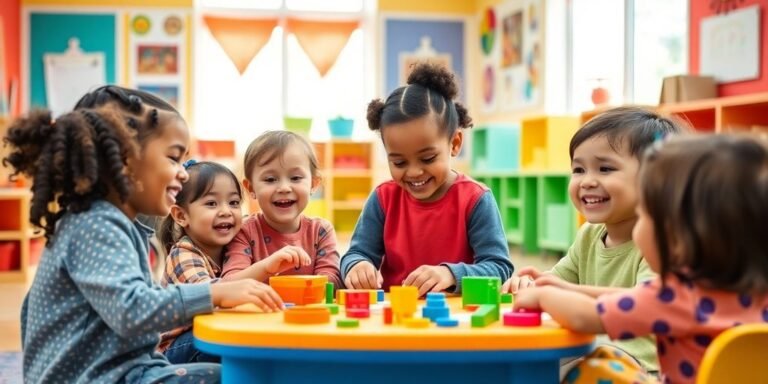
- What to look for: Your child can share toys, wait their turn in a game, and play alongside or with other children without constant conflict.
- What to practice: Family game nights are great for practicing turn-taking. Playdates are also a good way for them to learn how to share and negotiate with other kids.
Expressing Feelings Appropriately
Little kids have big feelings, and kindergarten is a place where they’ll experience a whole range of emotions. Being ready means they can start to use words to say how they feel, rather than just crying or acting out.
- What to look for: Your child can say things like “I’m sad,” “I’m mad,” or “I’m happy.” They can also calm down with a little help when they get upset.
- What to practice: Talk about feelings often. Read books about emotions and ask questions like, “How do you think that character feels?” Help them label their own feelings.
Demonstrating Empathy and Friendship
This is about understanding how others feel and being kind. Can your child notice if a friend is sad and offer a comforting word or gesture? It’s the beginning of building real friendships.
- What to look for: Your child shows concern when someone is hurt or sad, and they can initiate friendly interactions with peers.
- What to practice: Point out how others might be feeling. “Look, Sarah dropped her ice cream, she looks sad.” Encourage acts of kindness, like sharing a snack or helping a sibling.
Social and emotional skills are the bedrock upon which all other learning is built. When kids feel secure and connected, they’re more open to new experiences and challenges. It’s about building a positive relationship with school itself.
Evaluating Independence and Self-Care Skills
Kindergarten isn’t just about ABCs and 123s; it’s also about your child being able to handle basic daily tasks on their own. This independence builds confidence and helps them feel more settled when they start school. Think about it – if they can manage these things without constant help, they’ll have more energy to focus on learning and making friends.
Mastering Bathroom Routines
This is a big one! Can your child use the toilet independently? That means not just going, but also wiping themselves, flushing, and washing their hands afterward. It’s okay if they still need a little reminder now and then, but the general process should be something they can manage. This skill is super important for hygiene and for them to feel capable throughout the school day.
Dressing Independently
Getting dressed might seem simple, but it involves a lot of small motor skills and sequencing. Can your child put on their shirt, pants, and socks? Can they manage zippers and large buttons? While tiny buttons or tricky shoelaces might still need a grown-up’s help, they should be able to handle the bulk of their dressing routine. Practicing this at home, even if it takes a bit longer, really pays off.
Managing Mealtime Without Assistance
Think about lunch or snack time at school. Your child will likely need to open their own lunch containers, unwrap snacks, and eat without making a huge mess. They don’t need to be a gourmet chef, but being able to manage their food independently is key. This includes knowing how to use a fork or spoon reasonably well and cleaning up spills if they happen.
Following Multi-Step Directions
Teachers give instructions all day long, and often, they’re not just one step. Can your child listen to a couple of directions and follow through? For example, “Please put your backpack in your cubby and then go sit at your table.” This skill shows they can process information and act on it, which is vital for classroom participation and staying on track with activities.
Being able to manage these self-care tasks means your child can focus more on the fun parts of school, like learning and playing with new friends, rather than needing constant help with basic needs. It’s a sign of growing maturity and readiness for the school environment.
Understanding Language and Communication Abilities

This section is all about how well your child can chat and understand what others are saying. It’s not just about talking, but also about listening and making sense of words. Good communication skills are super important for making friends and following along in class.
Engaging in Conversations
Can your child start a chat and keep it going for a bit? This means they can ask questions, share their own thoughts, and respond when you talk to them. It’s more than just saying “yes” or “no.” They should be able to use full sentences and express their needs and wants clearly. Being able to hold a conversation shows they can think on their feet and connect with others.
Retelling Simple Stories
After reading a book or watching something, can your child tell you what happened? They don’t need to remember every single detail, but they should be able to recall the main events in order. This skill shows they’re listening and processing information. It’s a great way to build their narrative skills.
Recognizing Rhyming Words
This is a fun one that helps with reading later on. Can your child hear when two words sound alike at the end, like “cat” and “hat”? They might also enjoy singing songs with rhymes or reciting nursery rhymes. It’s a sign they’re developing an ear for the sounds in words.
Speaking Clearly in Sentences
By now, most people should be able to understand what your child is saying most of the time. They might still mix up a sound or two, like ‘r’ or ‘s’, but the overall message should be clear. They should be speaking in complete sentences, not just single words or short phrases. If you have concerns about their speech, it’s always a good idea to chat with your doctor or a speech therapist early on.
Exploring Cognitive and Academic Foundations
This section looks at what your child is starting to grasp about the world around them and how they’re beginning to understand basic school concepts. It’s not about knowing everything, but more about showing curiosity and a willingness to learn.
Recognizing Letters and Numbers
Your child might be starting to notice letters and numbers in their environment. This could be seeing their name on things, recognizing the numbers on a clock, or pointing out letters on signs. It’s a sign they’re starting to make connections between symbols and meaning. They might not know all of them, and that’s perfectly fine. The important thing is that they’re showing interest.
Identifying Basic Shapes and Colors
Being able to name common colors and shapes is a good indicator that your child is developing observational skills. They might point out a ‘red’ ball or a ’round’ plate. This ability helps them categorize and understand the visual information they encounter daily.
Counting Skills
Can your child count a small group of objects? Maybe up to five or ten? They might be able to count aloud, even if they don’t perfectly match each number to an object every time. Understanding that numbers represent a quantity is a key step.
Writing Their First Name
This doesn’t mean perfect handwriting! It’s about whether your child can attempt to form the letters of their own name, perhaps with some help or guidance. They might recognize some of the letters in their name and try to put them down on paper. It shows they’re starting to understand that letters can be put together to represent something specific, like their identity.
Developing Fine and Gross Motor Skills
Kindergarten involves a lot of physical activity, from running around at recess to holding a pencil for writing. Kids need to have a good handle on both their large muscle movements (gross motor) and their smaller, more precise ones (fine motor) to feel comfortable and capable in the classroom. It’s not just about being able to do things; it’s about building the confidence that comes with physical competence.
Using Scissors and Writing Utensils
Can your child hold scissors with a reasonable grip and make a snip, or even cut along a line? This shows they’re developing the hand strength and coordination needed for art projects and cutting out shapes. Similarly, how they hold a crayon or pencil is a good indicator. A functional grip, even if not perfect, is key for early writing tasks. This is a big step in their journey toward writing letters and words.
Building and Puzzling
Activities like stacking blocks to build a tower or putting together a simple jigsaw puzzle are fantastic for developing fine motor skills. These tasks require hand-eye coordination, the ability to manipulate small objects, and problem-solving. Can they place pieces accurately? Do they try to fit different shapes together? These are all signs of developing dexterity.
Gross Motor Activities Like Running and Jumping
Think about playground time. Can your child run with some balance? Are they able to jump with both feet, or perhaps hop on one foot? These gross motor skills are important for physical education classes, playing with friends, and simply moving around the school building safely. Being able to throw and catch a ball, even if not perfectly, also shows good coordination.
Attempting to Fasten Clothing
While they don’t need to be masters of tying shoelaces yet, showing an interest and ability to try buttons, zippers, or buckles is a great sign of developing fine motor skills and independence. This self-care aspect is something they’ll be expected to manage on their own at school. It’s all part of getting ready for the day without needing constant help. You can find some great tips for encouraging these skills at home activities.
Developing these physical skills isn’t just about the physical act itself. It’s about the confidence a child gains when they can do things for themselves, whether it’s cutting out a picture for a craft or zipping up their own jacket. This sense of accomplishment carries over into other areas of learning and social interaction.
Building Confidence and a Love for Learning
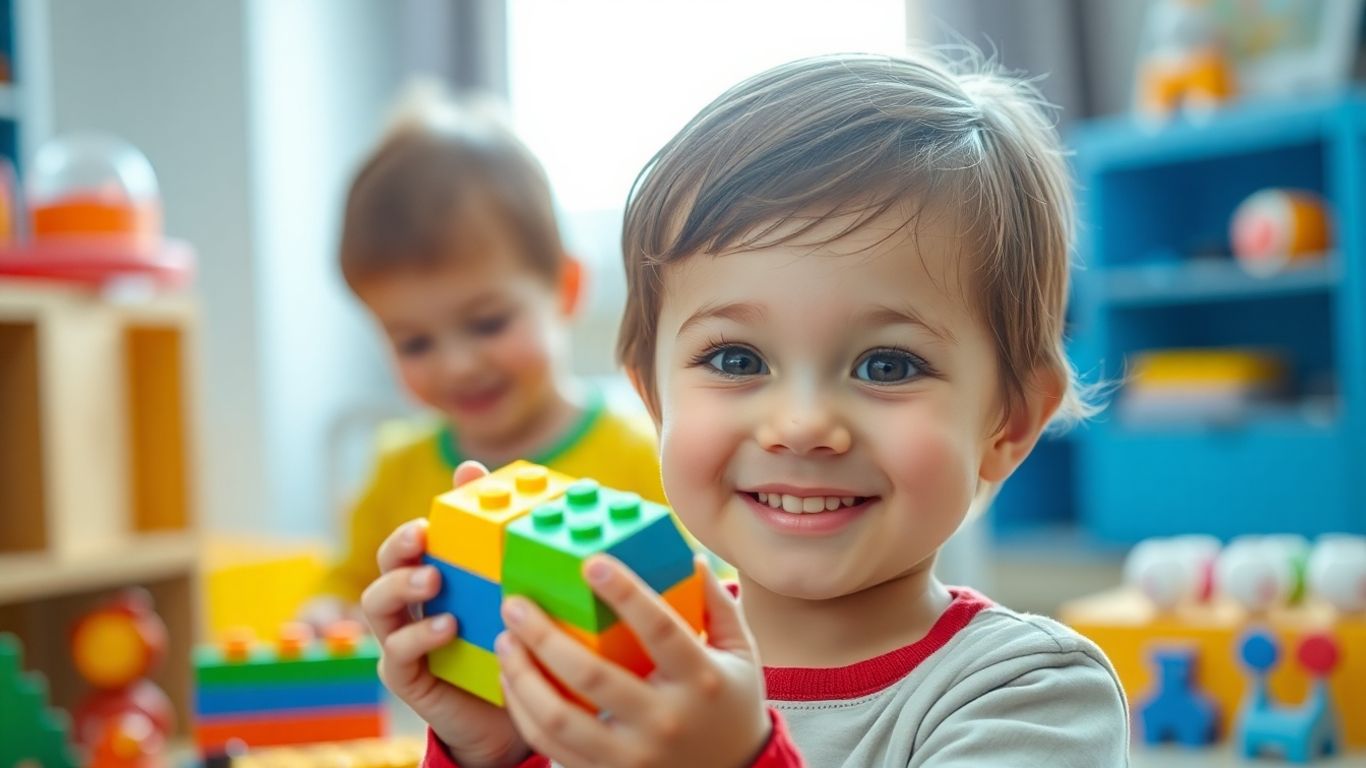
Kindergarten is a huge step, and while academic skills are important, so is your child’s overall confidence and their eagerness to explore new things. It’s about more than just knowing letters and numbers; it’s about feeling good about themselves and excited to learn. When children feel confident, they’re more likely to try new activities and bounce back when things get tricky.
Showing Curiosity and Openness to New Activities
Does your child light up when presented with a new toy or a different way to play? That’s a great sign! Curiosity is the engine of learning. When kids are naturally interested in exploring, asking questions, and trying things out, they’re already setting themselves up for success in school. It means they’re not afraid to step into the unknown, which is a big part of the kindergarten experience. You can encourage this by introducing them to a variety of experiences, whether it’s a new park, a different type of book, or even just a new recipe to try together. See learning activities.
Attempting New Tasks With Growing Confidence
Watch how your child approaches something they haven’t done before. Do they hesitate, or do they give it a go? It’s perfectly normal for kids to feel a little unsure, but what matters is their willingness to try. Celebrate their efforts, not just the perfect outcome. If they struggle, offer gentle guidance rather than taking over. This helps them build resilience and understand that challenges are opportunities to grow. Remember, progress, not perfection, is the goal here.
Understanding That Mistakes Are Part of Learning
This is a big one. Many adults still struggle with this! Help your child see that making mistakes isn’t a failure, but a normal, even necessary, part of learning. If they spill paint or get a puzzle piece wrong, talk about it calmly. “Oops, that didn’t quite fit, let’s try another spot!” or “It’s okay, we can wipe that up.” This mindset helps them feel safe to experiment and learn without the fear of judgment. It’s about developing a growth mindset.
Feeling Excited About School
Talk positively about kindergarten. Share your own happy school memories (if you have them!) and focus on the fun aspects: making new friends, learning new things, playing games. If your child expresses worries, acknowledge them and reassure them that you’ll be there to support them. Their excitement will often mirror your own enthusiasm. A positive outlook can make all the difference in their transition.
Building confidence and a love for learning isn’t about pushing your child to be perfect. It’s about nurturing their natural curiosity, celebrating their efforts, and creating a safe space for them to explore and grow. These qualities are just as important as any academic skill when they walk through the kindergarten door.
Wrapping Up: You’ve Got This!
So, we’ve gone through a bunch of things to think about when it comes to getting your child ready for kindergarten. It might seem like a lot, but remember, this isn’t about having a perfect kid who checks every single box. It’s more about seeing where your child is at and helping them grow, little by little. Most kids are already doing a lot of these things without you even realizing it! Focus on making learning fun at home, celebrate their successes, and don’t sweat the small stuff. They’ll have teachers there to help them too. You’re doing a great job, and your child is going to do great. Take a deep breath, enjoy this next step, and know that you’ve prepared them well.
Frequently Asked Questions
What’s the most important thing my child needs for kindergarten?
While knowing letters and numbers is helpful, the most crucial things are social and emotional skills. Being able to get along with others, manage feelings, and feel confident are key to a good start. Think of it as being ready to learn and be part of a group.
My child struggles with sharing. Is that a big problem for kindergarten?
It’s common for young children to find sharing tricky! Kindergarten teachers expect this and help kids learn. Practice taking turns during games at home, and talk about how it feels when someone shares with you. It’s about progress, not perfection.
How much independence should my child have before starting school?
Kids should be able to handle basic self-care tasks like using the bathroom on their own, washing their hands, and dressing themselves. Being able to follow simple, two-step directions is also a big help for teachers and makes your child feel more capable.
My child is shy. How can I help them with social skills?
Encourage playdates and group activities where your child can practice interacting with peers in low-pressure settings. Reading books about friendship and talking about characters’ feelings can also help. It’s okay to start small with one or two friends.
What if my child doesn’t know all their letters and numbers yet?
Don’t worry! Kindergarten teachers are experts at teaching these skills. Focus on making learning fun through songs, games, and everyday activities. Recognizing their own name is often a great starting point for early literacy.
How can I make sure my child isn’t too anxious about starting school?
Talk positively about school and what a fun adventure it will be. Read books about starting kindergarten, and visit the school if possible. Practicing short separations, like leaving them with a relative for a bit, can also build their confidence in being away from you.

Ms. Kerri’s Corner provides a exciting virtual space for preschool learning. Through a variety of engaging activities, she exposes young minds to early math, literacy, science and social-emotional skills in a developmentally appropriate way. Centers for blocks, art, books and music allow children to explore hands-on learning at their own pace. Guided lessons subtly introduce number sense, letter sounds and narrative thinking. Careful observation gives insight into each child’s progress across domains. Viewers are also invited to participate, reinforcing that their ideas are valued. By making learning fun yet purposeful, Ms. Kerri lays the groundwork for future academic success while fostering creativity and imagination. Her program offers preschoolers valuable screen-based learning experiences.