
Preschool Assessment Printable Parents Can Use at Home
Figuring out how your preschooler is doing can feel like a big task, right? You want to know if they’re hitting those important learning milestones, but you also don’t want to make it feel like a scary test. That’s where preschool assessment printables come in handy for parents. These simple tools can help you see what your child knows and where they might need a little extra help, all without turning learning into a chore. We’ll look at how you can use these printables at home to get a clear picture of your child’s progress.
Key Takeaways
- Preschool assessment printables offer parents an easy way to check their child’s development at home.
- These tools help identify a child’s strengths and areas where they might need more support.
- Focus on key developmental areas like letter recognition, early math, and identifying colors and shapes.
- Making assessments fun and play-based helps children engage without feeling tested.
- Using printables helps you track progress over time and plan future learning activities.
Understanding Preschool Assessment Printables for Parents

Why Use Preschool Assessment Printables at Home
So, you’re thinking about using some printables to get a feel for how your preschooler is doing, right? It’s a pretty common thing for parents to want to know where their little ones stand developmentally. These printables can be a super helpful tool for parents who are homeschooling or just want to keep a closer eye on their child’s learning journey. They aren’t meant to be scary tests, but more like gentle ways to see what your child knows and where they might need a little extra help. Think of them as a snapshot of their progress.
Using these at home can really help you:
- See how your child is growing in different areas.
- Spot any areas where they might need more practice or support.
- Figure out if the learning activities you’re doing are hitting the mark.
It’s all about getting a clearer picture without adding stress to your child’s day. You can find some great resources for early childhood development that include these kinds of tools like tracing letters.
Key Developmental Areas to Assess
When you’re looking at assessment printables, you’ll want to focus on a few main areas that are important for preschoolers. It’s not just about ABCs and 123s, though those are definitely part of it! We’re talking about a whole range of skills.
Here are some of the big ones:
- Language and Literacy: This includes things like recognizing letters, understanding sounds, and maybe even starting to put words together.
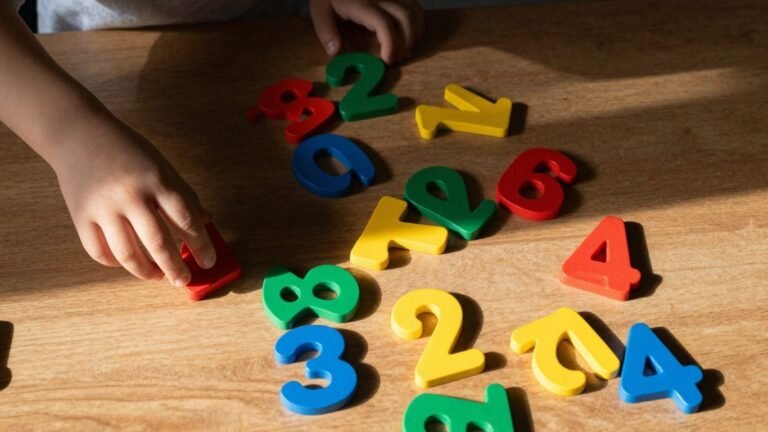
- Early Math Skills: Counting, recognizing numbers, understanding basic shapes, and maybe even simple patterns.
- Fine Motor Skills: Things like holding a crayon, cutting with scissors, and other small hand movements.
- Cognitive Skills: Problem-solving, memory, and following simple directions.
It’s good to get a sense of where your child is in each of these. You don’t need to be a teacher to do this; these printables are designed for parents.
Keeping track of these areas helps you understand your child’s unique learning style and pace. It’s not about comparing them to others, but about celebrating their individual growth and identifying areas where they might shine with a little more attention.
How Assessments Support Learning
Sometimes, the word “assessment” sounds a bit formal, but when we’re talking about printables for home, it’s really just a way to check in. These tools aren’t about grading your child; they’re about informing your teaching and play. By seeing what your child already grasps, you can build on that knowledge. If they’re struggling with something, you know where to focus your efforts.
Think about it like this:
- You get a starting point: You can see what your child knows right now. This is your baseline.
- You can plan better: Knowing their strengths and weaknesses helps you choose activities that are just right – not too hard, not too easy.
- You can see progress: Over time, you can use the same printables to see how much they’ve learned. That’s super rewarding!
It’s a cycle: assess, plan, teach, and then assess again. This way, learning stays relevant and engaging for your child.
Getting Started with Home Preschool Assessments

So, you’ve decided to use some printables to get a feel for where your preschooler is at developmentally. That’s a great step! Before you jump into specific skill checks, it’s smart to get a general idea of what your child already knows and how they approach new things. This isn’t about giving them a test; it’s more like taking a snapshot of their current abilities.
Gathering Baseline Data
Think of baseline data as your starting point. It’s the information you collect before you start working on specific skills or introducing new concepts. This helps you see how much progress your child makes over time. You can do this by simply observing them during everyday activities or by using a simple checklist at the beginning of your assessment journey. For instance, you might jot down what colors they can name or how many numbers they can count without prompting. This initial look gives you a clear picture to compare against later.
- Observe during play: What do they naturally gravitate towards? What activities do they seem to enjoy or struggle with?
- Quick skill check: Use a simple printable to see what letters they recognize or if they can count to ten.
- Note their interests: What topics or activities capture their attention? This can guide future learning.
Collecting this initial information helps you tailor activities to your child’s specific needs and interests, making learning more effective and enjoyable.
Informal Observation Techniques
This is where you become a gentle observer. Instead of sitting your child down with a worksheet, you watch them as they play, interact, and explore. You can use a simple notebook or a printable observation form to jot down notes. What are they doing? What are they saying? How are they solving a small problem, like stacking blocks or figuring out a puzzle? These observations can reveal a lot about their problem-solving skills, social interactions, and language development. It’s about noticing the little things that happen naturally throughout the day. For example, you might notice your child is really good at sharing toys during playtime, or perhaps they get frustrated easily when a tower of blocks falls down. These are all important pieces of information.
Utilizing Direct Assessment Activities
Once you have a general sense of your child’s abilities, you can use more direct activities. These are the printables that are designed to check specific skills. Think of them as fun, short tasks. For example, you might have a printable where they have to match uppercase letters to lowercase letters, or count a set of objects. The key here is to keep it light and playful. If your child isn’t interested in a particular activity, don’t push it. You can always try again later or adapt the activity. The goal is to get a clearer picture of their skills in areas like letter recognition and early math, not to make them feel tested. These activities are great for seeing if they can follow simple instructions or identify basic shapes and colors.
Essential Assessment Areas for Preschoolers
When you’re looking at what your preschooler is learning, there are a few key areas that really stand out. These are the building blocks for so much of their future learning. Focusing on these specific skills can give you a clear picture of where they’re at and what might be next.
Alphabet and Letter Recognition
This is a big one, right? Kids start hearing letters and words all around them, and eventually, they begin to notice the shapes of letters. You can check if they know their uppercase letters, their lowercase letters, or maybe even both. It’s not just about naming them, though. Do they recognize the sounds letters make? That’s a whole other level! You can use simple printables to see which letters they can identify. It’s helpful to track this over time to see their growth.
Early Math Skills Assessment
Math for preschoolers isn’t just about numbers. It’s about understanding quantities, shapes, and patterns. Can they count objects? Do they know what comes after a certain number? What about basic shapes like circles and squares? You can also look at their ability to sort items by color or size. These early math concepts are super important for later math learning. A simple way to check this is by using counting bears or blocks and asking them to count or sort.
Color and Shape Identification
This might seem basic, but knowing colors and shapes is a foundational skill. It helps children describe the world around them and is often used in early reading and math activities. You can hold up different colored blocks or draw shapes and ask them to name them. Seeing if they can match colors or shapes is also a good indicator. This is something you can easily do during playtime without it feeling like a formal test. You can find lots of free printables online to help with this, like shape sorting mats.
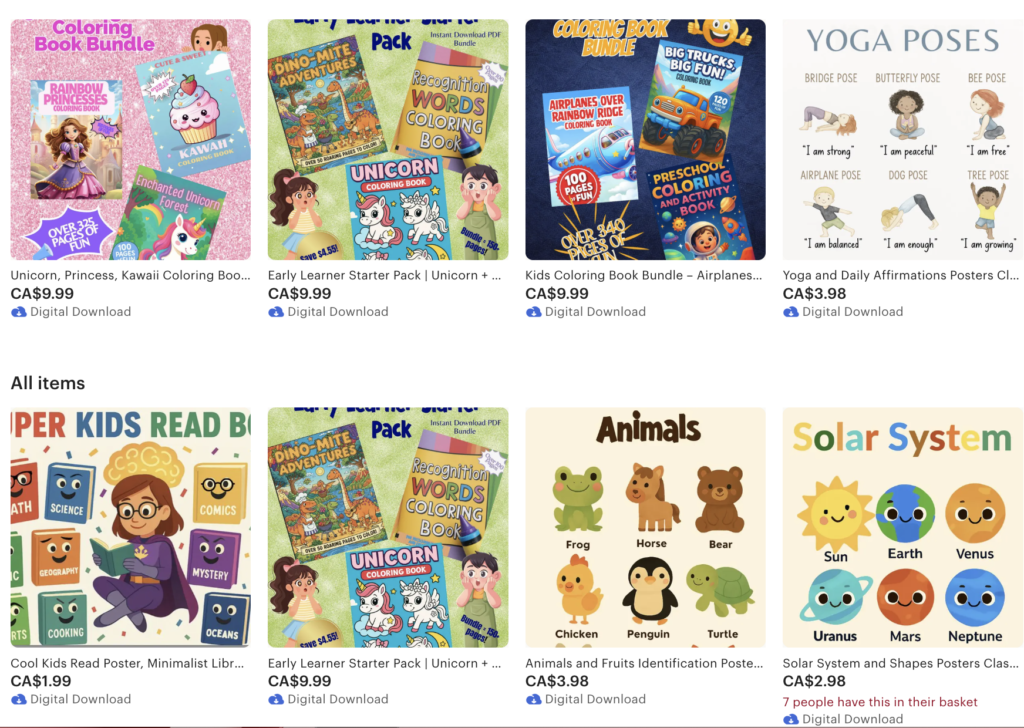
Assessing these areas doesn’t have to be a chore. Think of it as a fun way to connect with your child and see what sparks their interest. It’s all about observing and supporting their natural curiosity.
Tracking Progress with Printable Tools
So, you’ve been doing some assessments with your little one, maybe checking their letter recognition or counting skills. That’s fantastic! But what do you do with all that information? Simply doing the assessment isn’t the whole story. You need a way to see how your child is growing over time. That’s where printable tools really shine.
Using Checklists for Specific Skills
Checklists are super handy for keeping track of whether your child has grasped a particular skill. Think of them like a “yes” or “no” for each item. For example, you might have a checklist for scissor skills. As you watch your child cut, you can tick off things like “holds scissors correctly,” “makes a snip,” or “cuts a straight line.” It’s a straightforward way to see exactly where they are. This gives you a clear picture of their current abilities. You can find checklists for all sorts of things, from recognizing shapes to knowing their basic sight words. It’s a great way to get a quick snapshot of their progress in specific areas.
Recording Anecdotal Notes
While checklists are great for concrete skills, sometimes you need to write down what you observe. This is where anecdotal notes come in. These are just brief descriptions of what your child does or says during an activity. For instance, you might jot down, “During story time, Leo pointed to the dog on the page and said ‘woof woof'” or “Maya struggled to stack the blocks, getting frustrated when they kept falling.” These notes add color to the checklist data. They help you remember the little moments and understand the context behind their performance. It’s like keeping a journal of their learning journey. You can use simple forms to record these observations as you work with your child or watch them play.
Creating a Progress Report
Putting it all together is the next step. You can create a simple progress report that summarizes what you’ve found. This doesn’t need to be fancy! You can combine your checklist results with your anecdotal notes. Maybe you have a section for “Skills Mastered,” “Skills Developing,” and “Areas to Focus On.” This report becomes a great way to see the bigger picture. It shows you how far your child has come since you started assessing. You can even use these reports to share with other family members or, down the line, with teachers. There are some great free progress report templates available online that can help you structure this, giving you a structured way to track and communicate each child’s growth.
Keeping track of progress isn’t about labeling your child or putting them on the spot. It’s about understanding their unique learning path and celebrating every step forward, big or small. These tools help you see the journey, not just the destination.
Here’s a look at how you might structure a simple progress report:
- Skill Area: (e.g., Letter Recognition, Counting, Fine Motor Skills)
- Date Assessed:
- Checklist Results: (e.g., Knows A, B, C; Can count to 5; Holds crayon correctly)
- Anecdotal Notes: (e.g., “Showed interest in letters on the cereal box,” “Counted fingers when asked,” “Used two hands to manipulate the puzzle piece.”)
- Overall Progress: (e.g., Making good progress, Needs more practice, Showing mastery)
Using these printable tools consistently helps you see the development in action. It’s a rewarding part of the preschool journey for both you and your child. You can find various printables to help with this, like a simple letter assessment or a math skills sheet. They make the process much more organized and insightful.
Making Assessments Engaging for Children
It can be tough to get little ones to sit still and focus on anything that feels like a test, right? But here’s the thing: assessments don’t have to be a chore. We can actually make them fun and interesting for kids. The goal is to observe their skills without them even realizing they’re being assessed. Think about it – when kids are playing and enjoying themselves, they show us what they really know and can do. We just need to be clever about how we set things up.
Colorful and Fun Assessment Designs
Forget boring worksheets. When you’re using printables, try to find ones that are bright and have fun pictures. If you’re making your own, add some color! Kids respond well to visuals. Maybe use stickers or let them color a part of the assessment sheet after they’ve completed it. It turns a simple task into a small reward.
Incorporating Play-Based Learning
This is where the magic happens. Instead of asking a child to ‘identify the letter A’, you could have a ‘letter hunt’ game. Hide letter cards around the room and have them find specific ones. For math, instead of just counting blocks, set up a pretend store where they need to count out items to ‘buy’. This way, you’re seeing their understanding in action, not just their ability to follow instructions on a page.
Turning Assessment into a Game
Games are a natural fit for preschoolers. You can adapt many assessment tasks into simple games. For example, a shape identification printable can become a ‘shape sorting race’ where they have to quickly sort shapes into the correct bins. Or, for letter recognition, use a dice and have them roll it, then find a letter that matches the number rolled (e.g., roll a 3, find the 3rd letter of the alphabet). This keeps them motivated and less likely to get bored or frustrated.
When we make assessments feel like play, children are more relaxed and genuine. They’re not trying to ‘get it right’ for a test; they’re just playing. This gives us a much clearer picture of their actual abilities and where they might need a little extra help or a new challenge. It’s about observing their natural curiosity and learning process.
Here are a few ideas to get you started:
- Letter Recognition: Create a “Letter Fishing” game. Write letters on paper fish and use a magnetic fishing pole to ‘catch’ specific letters you call out.
- Number Sense: Use playdough and number cards. Ask the child to make a certain number of ‘cookies’ or ‘balls’ to match the number on the card.
- Shape Identification: Have a “Shape Scavenger Hunt” around the house or classroom. Give them a shape and have them find objects that match that shape.
Organizing and Utilizing Assessment Data

So, you’ve spent some time observing, maybe used a few printables, and gathered all this information about your preschooler’s development. That’s fantastic! But now what? The real magic happens when you actually use this data. It’s not just about collecting it; it’s about making sense of it and letting it guide what comes next.
Creating a Preschool Assessment Binder
Think of an assessment binder as your child’s developmental scrapbook. It’s a place to keep everything neat and tidy. You can use dividers for different skill areas, like letters, numbers, or shapes. This makes it super easy to flip through and see progress over time. Having everything in one spot means you’re less likely to lose important notes or work samples. It’s also really helpful if you need to share information with teachers or other caregivers. You can even create custom covers to make it feel personal. Organizing samples efficiently enables faster access to information. This is particularly beneficial when preparing for parent meetings, conducting assessments, or performing internal reviews, ensuring data is readily available for these important discussions and evaluations. Organizing samples efficiently
Interpreting Assessment Results
Looking at the information you’ve gathered, try to spot patterns. Are there certain skills your child is really picking up quickly? That’s great! It might mean they’re ready for a bit more of a challenge in that area. On the flip side, if a particular skill seems to be a struggle, don’t worry. It just tells you where a little extra practice or a different approach might be helpful. It’s not about passing or failing; it’s about understanding where your child is right now.
Here’s a simple way to think about it:
- Strengths: What does your child do easily and confidently?
- Areas for Growth: What skills are still developing or seem tricky?
- Interests: What activities does your child get really excited about during assessments?
Remember, these assessments are snapshots in time. Children develop at their own pace, and what might be challenging today could be second nature next month.
Planning Future Learning Activities
This is where the fun really begins! Use what you’ve learned to plan your next steps. If your child is acing letter recognition, maybe it’s time to start looking at simple words or sounds. If math is a bit tough, perhaps more hands-on counting games or shape-sorting activities are in order. The goal is to tailor activities to your child’s current level and interests. This makes learning feel natural and engaging, rather than like a chore. You’re basically using the assessment data as a map to guide your child’s learning journey.
Wrapping It Up
So there you have it! Using these printables at home can really help you get a feel for where your little one is at with their learning. It’s not about giving them a big test, but more about noticing what they know and what might need a little more practice. Think of it as a friendly way to see their progress. Plus, you can keep track of it all in a neat little binder. It’s a simple way to support their preschool journey right from your own living room.
Frequently Asked Questions
What exactly are preschool assessment printables?
These are handy worksheets or checklists that parents can print out to get a clearer picture of what their preschooler knows and can do. They cover different learning areas like letters, numbers, shapes, and colors. Think of them as fun tools to see how your child is growing without it feeling like a formal test.
Why should I use these printables at home with my child?
Using these printables helps you understand your child’s learning journey. You can spot areas where they’re doing great and areas where they might need a little extra help. It’s also a fantastic way to see how they’re developing overall and if the learning activities you’re doing together are working well.
What kinds of skills do these printables usually check?
They typically focus on important preschool skills. This includes recognizing letters of the alphabet, knowing basic math concepts like counting and identifying numbers, and recognizing common colors and shapes. Some might also look at things like following directions or scissor skills.
How can I make using these assessments fun for my preschooler?
The key is to make it feel like a game, not a test! Use colorful printables, praise their efforts, and incorporate them into playtime. For example, instead of just asking them to identify a shape, you could turn it into a scavenger hunt to find that shape around the house.
How often should I use these assessment tools?
You don’t need to do them every day. Many parents find it helpful to do a quick check-in at the beginning of the year to see what their child already knows, and then again towards the end of the year to see how much they’ve learned and grown. You can also use them whenever you’re introducing a new concept.
What do I do with the information I get from these assessments?
The results help you plan what to do next! If your child is struggling with something, you can find more activities or resources to help them. If they’ve mastered a skill, you can move on to more challenging topics. It’s all about using the information to support their learning in a way that makes sense for them.
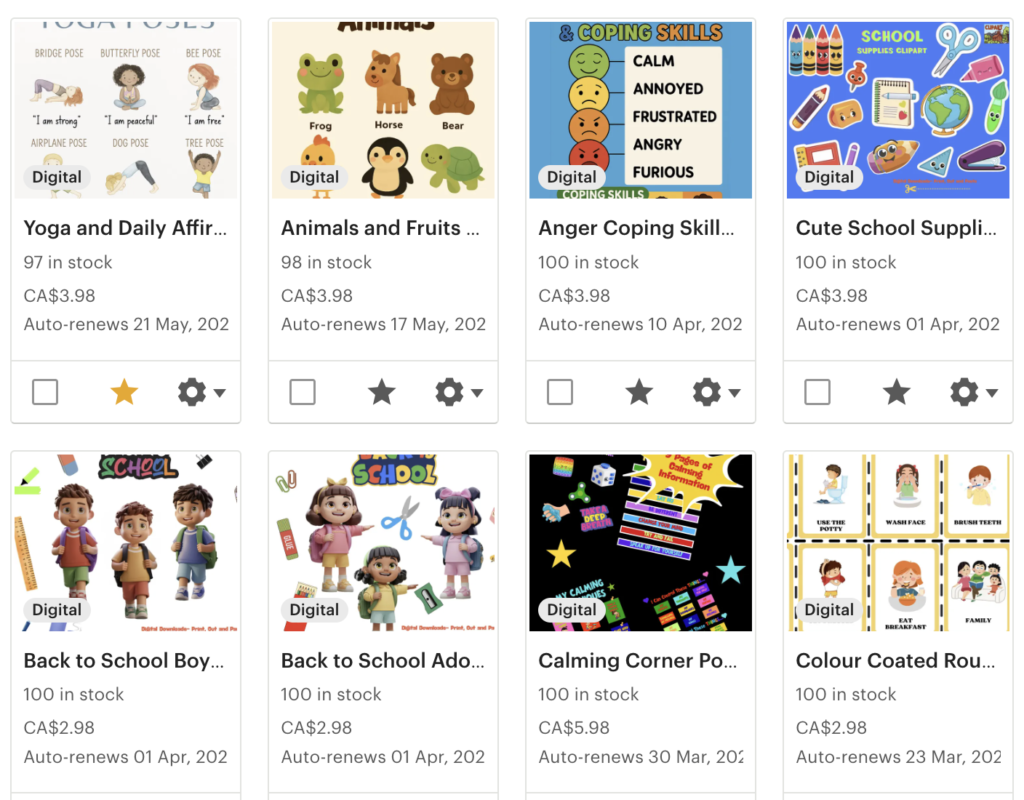

Ms. Kerri’s Corner provides a exciting virtual space for preschool learning. Through a variety of engaging activities, she exposes young minds to early math, literacy, science and social-emotional skills in a developmentally appropriate way. Centers for blocks, art, books and music allow children to explore hands-on learning at their own pace. Guided lessons subtly introduce number sense, letter sounds and narrative thinking. Careful observation gives insight into each child’s progress across domains. Viewers are also invited to participate, reinforcing that their ideas are valued. By making learning fun yet purposeful, Ms. Kerri lays the groundwork for future academic success while fostering creativity and imagination. Her program offers preschoolers valuable screen-based learning experiences.