Why Different Is Always Brilliant
It’s easy to fall into the trap of thinking there’s only one ‘right’ way for kids to be. But honestly, that’s just not how it works. Every child is their own little person, with their own way of seeing and doing things. This article is all about celebrating that. We’ll look at why being different is actually a really good thing, especially when it comes to early childhood development and understanding things like neurodiversity. Let’s get into why unique kids are so brilliant.
Key Takeaways
- Early childhood is a prime time to let kids be themselves. Trying to make them fit a mold can miss out on their special talents.
- Thinking about neurodiversity means seeing brain differences as normal variations, not problems. It helps us appreciate the unique child strengths that come with these differences.
- Focusing on a child’s individual strengths, rather than just what they struggle with, builds their confidence and helps them feel good about their individuality.
- When we let kids explore their own interests and ways of doing things, they learn to be more self-accepting. This is super important for their future.
- Celebrating unique kids means recognizing that their different perspectives and approaches are valuable. It’s about helping them be happy and successful just as they are.
Embracing The Wonderful Weirdness Of Early Childhood
Why ‘Normal’ Is Overrated For Unique Kids
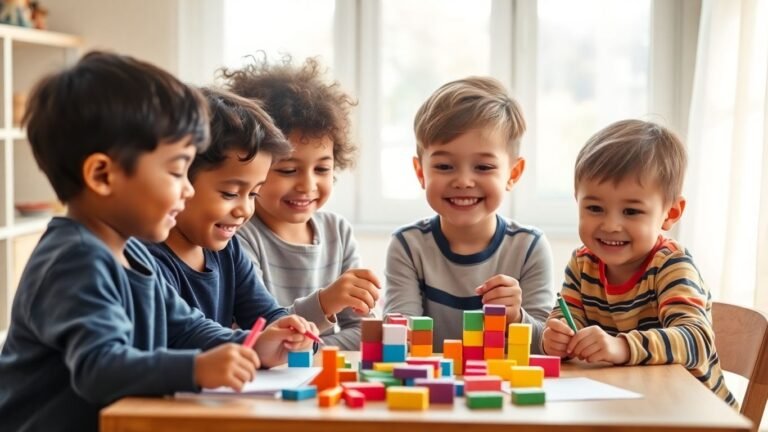
Let’s be honest, the idea of ‘normal’ is a bit of a myth, especially when it comes to our little ones. Trying to fit every kid into the same box is like trying to herd cats – messy and ultimately futile. Some kids are quiet observers, others are whirling dervishes of energy. Some love routine, others thrive on spontaneous chaos. And guess what? All of it is perfectly okay. We should be celebrating the quirks, not trying to iron them out. It’s in these differences that we find the real magic. Instead of aiming for a cookie-cutter childhood, let’s embrace the delightful, sometimes baffling, weirdness that makes each child who they are. It’s about recognizing that a child who prefers building elaborate Lego towers to joining a boisterous game of tag isn’t broken; they’re just wired differently, and that’s a good thing.
Spotting The Sparkle In Every Child’s Strengths
It’s easy to get caught up in what kids aren’t doing, or what they struggle with. We see the report card, the missed milestones, the comparison to siblings or friends, and we worry. But what if we shifted our focus? What if we spent just as much time, if not more, looking for what makes them shine? Maybe your child can’t sit still for five minutes, but they can build the most incredible forts out of couch cushions. Perhaps they struggle with reading aloud, but they can tell stories that would make a seasoned author jealous.
These aren’t just hobbies; they’re indicators of their unique talents. We need to be detectives, actively searching for these sparks of brilliance. It’s about seeing their strengths, not just their challenges. Think about it: a child who is incredibly persistent in figuring out a puzzle might be a future engineer. A child who is deeply empathetic towards a sad friend might become a wonderful caregiver or therapist. These are the things that truly matter.
The Magic Of Letting Individuality Shine
When we allow children to be themselves, to explore their interests without judgment, and to express their personalities freely, something amazing happens. They start to believe in themselves. They develop a sense of self-worth that isn’t tied to external validation or fitting in. This isn’t just about letting them wear mismatched socks (though that’s important too!). It’s about giving them the space to be creative, to make choices, and to learn from their own experiences. It’s about creating an environment where their unique voice is heard and valued.
This kind of freedom, within safe boundaries of course, is where true growth happens. It’s about nurturing the whole child, not just the parts that fit neatly into our expectations. We want them to grow into adults who are confident in their own skin, who aren’t afraid to be different, and who understand that their individuality is their greatest asset. It’s about building a strong foundation for a happy, authentic life. We can learn a lot from how places like Little Pioneers celebrate this.
Neurodiversity: Not A Bug, It’s A Feature!
Decoding The Brain’s Awesome Variations
Okay, let’s talk about brains. Not just any brains, but the wonderfully wiggly, wonderfully different brains that make our kids, well, them. For ages, we’ve had this idea of a ‘typical’ brain, a sort of one-size-fits-all model that, frankly, doesn’t fit most people. But what if we flipped that script? What if we saw these differences not as glitches in the system, but as built-in upgrades? Neurodiversity is basically the idea that variations in brain function and cognition are normal and natural. Think of it like different operating systems on computers – they all get the job done, just in their own unique ways. Some brains are fantastic at hyper-focus, others are brilliant at seeing the big picture, and some can juggle a million details without breaking a sweat. It’s time we stopped trying to ‘fix’ what isn’t broken and started celebrating the incredible spectrum of human thinking.
Celebrating The Superpowers Of Different Thinkers
When we talk about neurodiversity, we’re talking about superpowers. Seriously! Kids who think differently often have incredible strengths. Maybe your child can recall facts with astonishing accuracy, or perhaps they have an uncanny ability to spot patterns others miss. Some kids are amazing at systems thinking, understanding how complex parts fit together. These aren’t just quirks; they’re valuable assets. Instead of focusing on what might seem like challenges, let’s shine a spotlight on these unique abilities. Recognizing these distinct abilities can help individuals become more effective in all sorts of areas, from schoolwork to future careers. It’s about helping them understand their own cognitive style and how to use it to their advantage. We need to shift our perspective from deficit to difference, from a problem to a powerful way of being. It’s about seeing the sparkle in their unique way of processing the world.
From Quirky To Queen/King Of The Castle
So, how do we help our kids go from feeling a bit ‘quirky’ to owning their awesomeness? It starts with acceptance, both from us and from them. When we create environments where different ways of thinking are not just tolerated but actively appreciated, kids feel safe to be themselves. This means providing tools and support that work for them, not against them. It might involve different ways of learning, communicating, or even just taking a break.
We can help them identify their strengths and find ways to use them. Imagine a child who struggles with traditional writing but can build incredible worlds with LEGOs or explain complex scientific concepts with amazing clarity. That’s a future leader, a creative genius, a problem-solver! By embracing neurodiversity, we’re not just helping our kids; we’re building a richer, more innovative world for everyone. It’s about helping them see that their unique brain is their greatest asset, their ticket to ruling their own castle, whatever that looks like for them. This perspective is key for leadership skills for neurodivergent individuals.
Unlocking Your Child’s Inner Genius
Beyond The Report Card: Finding True Child Strengths
Forget the gold stars and the perfect attendance. We’re talking about the real stuff here, the things that make your kiddo light up like a Christmas tree. It’s easy to get caught up in what the school system deems important, but honestly, those report cards are just a tiny snapshot. What about the kid who can build a Lego castle that defies gravity, or the one who can tell stories that would make a seasoned author weep?
Those are strengths, people! We need to look past the ABCs and 123s and see the sparkle in their unique talents. It’s about noticing when they’re completely absorbed in something, when time just melts away because they’re so into it. That’s where their genius hides, waiting to be discovered. This guide offers a science-backed, heart-led approach for parents aiming to cultivate curiosity, confidence, and creativity in their children. It emphasizes fostering these qualities without resorting to pressure or the pursuit of perfection.

Nurturing Passions, Not Just Potentials
So, you’ve spotted that spark. Now what? It’s not enough to just acknowledge it; we have to feed it. Think of it like tending a garden. You wouldn’t just plant a seed and walk away, right? You water it, give it sunshine, and protect it from weeds. Same goes for your child’s passions. If they’re obsessed with dinosaurs, don’t just nod and say, “That’s nice.” Get them books, visit a museum, watch documentaries. If they love to draw, get them good art supplies, maybe even find a local art class. It’s about giving them the space and the tools to explore what they love, not just what we think they could be good at. We’re not trying to mold them into something they’re not; we’re helping them become more of who they already are. It’s about letting them lead the way.
The Joy Of A Child Who Knows Their Own Awesome
There’s a special kind of magic that happens when a child truly understands their own worth, not because someone told them they were smart, but because they feel it. It’s that quiet confidence that comes from mastering a skill, from creating something unique, from being celebrated for their individuality. This self-assurance is the bedrock upon which they’ll build their future. When kids know they’re awesome, just as they are, they’re less likely to seek validation from external sources. They become more resilient, more adventurous, and frankly, a lot more fun to be around. It’s about helping them see that their quirks aren’t flaws, but features. A ‘secret’ praise technique for parents has gone viral, with science confirming its effectiveness. This method is designed to boost a child’s confidence.
We often get so caught up in the destination – the perfect grades, the college acceptance letter – that we forget the journey is where the real growth happens. Let them stumble, let them explore, let them be gloriously, wonderfully themselves. That’s where the genius truly lies.
The Beauty Of Being Uniquely You
Why Individuality Is The Ultimate Superpower
Let’s be honest, trying to fit into a mold is exhausting. It’s like trying to stuff a fluffy cloud into a tiny shoebox – it just doesn’t work, and frankly, it’s a bit sad. Our kids, bless their wonderfully weird hearts, are born with their own internal compasses, their own unique ways of seeing and interacting with the world. Trying to smooth out those edges, to make them conform to some imaginary ‘normal,’ is like trying to paint over a rainbow. It’s a disservice to their brilliant, quirky selves.
Think about it: the people who really change the world, the ones who invent things, create art that moves us, or just make life more interesting, they’re rarely the ones who played by the rules. They’re the ones who dared to be different, who followed their own strange, wonderful paths. That’s the real superpower, isn’t it? The courage to be authentically yourself, even when it feels a bit wobbly. It’s about embracing that sparkle that makes them, them. It’s a freeing and powerful thing, this being real. Being real is freeing and powerful.
Navigating The World With Your Own Special Map
Every kid has their own internal GPS, a unique way of figuring things out. Some kids are like meticulous planners, needing every step laid out. Others are more like spontaneous explorers, happy to just wander and see what they find. Neither is better, they’re just different operating systems! Trying to force a ‘planner’ kid into an ‘explorer’ mode, or vice versa, is a recipe for frustration. It’s like giving someone a map of Paris when they’re trying to find their way through Tokyo.
They’ll get there eventually, maybe, but it’ll be a lot harder than it needs to be. Instead, we should be helping them understand their own map, their own internal navigation system. What makes them tick? What helps them make sense of things? When we help them recognize their own strengths and strategies, they become more confident problem-solvers. They learn to trust their instincts and find their own way, which is a pretty amazing skill to have in life.
Raising Kids Who Own Their Awesome
So, how do we get them to not just be awesome, but to own it? It starts with us, of course. We have to be the cheerleaders, the ones who see their unique brilliance and shout it from the rooftops (or at least mention it kindly over dinner). It’s about celebrating the small wins, the moments they show their true colors, even if those colors are a bit unexpected.
- Acknowledge their unique talents, even if they aren’t conventional.
- Provide opportunities for them to use those talents.
- Encourage them to share their ideas, no matter how ‘out there’ they might seem.
When kids feel seen and appreciated for who they are, not who we wish they were, they start to believe in themselves. They learn that their differences aren’t flaws, but features. They start to walk a little taller, speak a little louder, and truly own their magnificent, one-of-a-kind awesomeness. It’s about helping them understand that challenges are just part of the journey, and learning from them is how we grow. Life’s challenges can be overcome.
Early Childhood: A Playground For Personality
Planting Seeds Of Self-Acceptance Early On
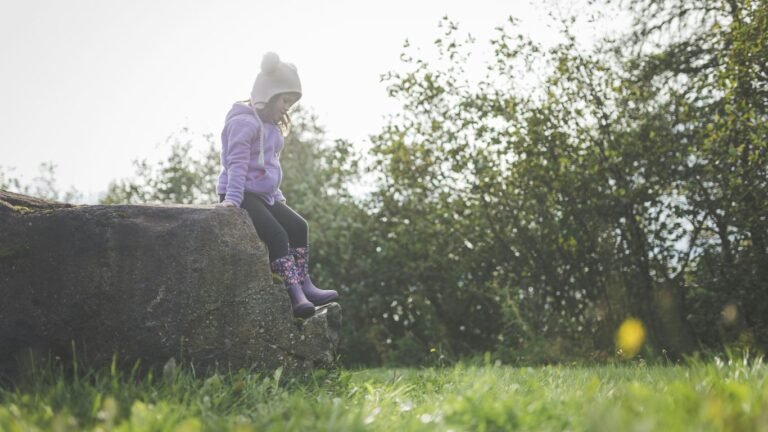
Little humans are like tiny, unwritten books, and their early years are where the most exciting chapters get scribbled. It’s this wild, wonderful period where personalities start to really bloom, and honestly, trying to force them into a neat little box is just… well, it’s a recipe for a very messy kitchen. Instead, think of their early years as a giant, colorful playground. This is where they get to experiment, to figure out who they are without all the grown-up pressures.
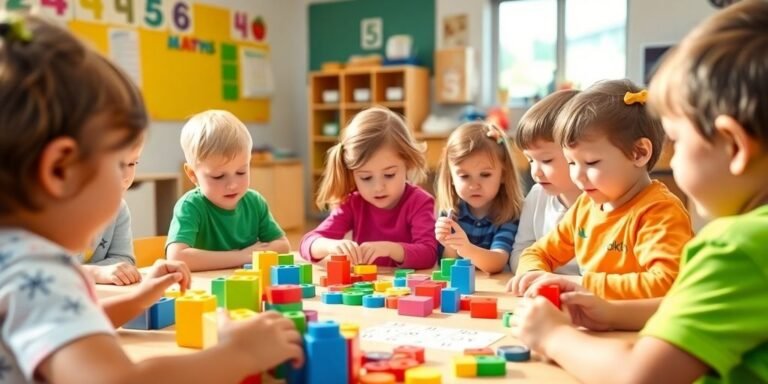
We want them to feel good about their own unique brand of awesome, right from the get-go. It’s about letting them explore their interests, even if those interests involve stacking blocks to the ceiling or having lengthy conversations with their stuffed animals. These aren’t just random activities; they’re the building blocks of self-awareness and confidence. When we celebrate their quirks, their particular ways of seeing the world, we’re giving them a gift that lasts a lifetime. It’s like giving them a special map, one that’s drawn just for them, to help them find their way through life. This early stage is so important for developing a healthy sense of self, much like how Gen Z is redefining love languages by focusing on personalized communication.
The Importance Of Diverse Playmates
Think about it: if everyone in the sandbox only wanted to build the exact same castle, wouldn’t that get a bit boring? The same goes for our kids. When they play with others who are different from them – different ideas, different ways of playing, different backgrounds – it’s like a super-boost for their social and emotional growth. They learn empathy, they learn to compromise (which, let’s be honest, is a superpower in itself), and they start to see that the world is a much bigger, more interesting place than they might have imagined. It’s not about fitting in; it’s about understanding and appreciating the variety of human experience. This exposure helps them become more flexible thinkers and kinder people. It’s a win-win, really. Kids learn to accept others, and in turn, they learn to accept themselves more readily.
Letting Little Humans Be Little Humans
Sometimes, as parents, we get so caught up in schedules and milestones that we forget the simple, beautiful chaos of just being a kid. It’s okay if they’re not always following the script. It’s okay if their playtime looks a little unconventional. Letting them be messy, letting them be loud, letting them be quiet and thoughtful – that’s where the magic happens. This isn’t about a lack of structure; it’s about providing a safe space for them to explore their developing personalities without judgment.
It’s about recognizing that their individuality isn’t something to be managed, but something to be cherished. They are little humans, after all, and their job is to figure out the world in their own way. Our job? To cheer them on, maybe hand them a snack, and try not to worry too much if they decide to wear their pajamas to the grocery store. It’s all part of the grand, glorious experiment of growing up.
Young kids are like little sponges, soaking up everything around them. The early years are super important for shaping who they become. It’s like a fun playground where their personality really starts to grow and take shape. Want to learn more about how to support your child’s development? Visit our website for helpful tips and resources!
Frequently Asked Questions
What does it mean to embrace a child’s ‘weirdness’?
It means loving and accepting your child exactly as they are, even if they don’t fit the usual mold. Instead of trying to change them, we celebrate what makes them special and unique. Think of it like finding a cool, one-of-a-kind toy instead of the same old thing everyone else has.
How can I help my child see their own strengths?
Pay close attention to what your child enjoys and is good at, even if it seems small. Do they love building amazing Lego castles? Are they super helpful with younger kids? Point out these things and tell them how awesome they are at them. It’s about noticing their sparkle and helping them see it too.
Is being different a bad thing for kids?
Absolutely not! Being different is actually a really good thing. It means your child has their own way of thinking and seeing the world, which can lead to amazing ideas and solutions. Think of it like having different tools in a toolbox – each one is useful for different jobs.
How can I encourage my child to be themselves?
Let them explore their interests without judgment. If they love dressing up as a superhero every day or talking about dinosaurs non-stop, let them! Create a safe space where they feel comfortable sharing their thoughts and feelings. The more you let them be, the more confident they’ll become.
What’s the big deal about letting kids be kids?
Childhood is the perfect time for kids to figure out who they are. When we let them play freely, make their own choices, and learn from their own experiences, they build confidence and learn important life skills. It’s like giving them the freedom to explore a giant playground.
How does ‘neurodiversity’ help kids?
Neurodiversity means that everyone’s brain works a little differently, and that’s totally normal and great! For kids, it means their unique way of thinking can be a superpower. They might be amazing at spotting details others miss or coming up with creative solutions because their brain is wired in a special way.

Ms. Kerri’s Corner provides a exciting virtual space for preschool learning. Through a variety of engaging activities, she exposes young minds to early math, literacy, science and social-emotional skills in a developmentally appropriate way. Centers for blocks, art, books and music allow children to explore hands-on learning at their own pace. Guided lessons subtly introduce number sense, letter sounds and narrative thinking. Careful observation gives insight into each child’s progress across domains. Viewers are also invited to participate, reinforcing that their ideas are valued. By making learning fun yet purposeful, Ms. Kerri lays the groundwork for future academic success while fostering creativity and imagination. Her program offers preschoolers valuable screen-based learning experiences.