Your Ultimate Parenting Guide for Toddlers: Download the Free PDF Today!
Toddlerhood can feel like a whirlwind, right? One minute they’re babbling, the next they’re running circles around you. It’s a time of big changes, and honestly, it can be a lot to keep up with. We get it. That’s why we’ve put together this guide to help you through it all. Think of it as your go-to resource, full of practical tips and simple advice. And the best part? You can grab the whole thing as a parenting guide for toddlers PDF download. Easy peasy.
Key Takeaways
- Understand what your toddler needs to eat and find some easy snack ideas.
- Know the common signs of toddler development and what to expect.
- Get tips for dealing with meltdowns and encouraging your child’s growth.
- Learn about keeping your little one safe and healthy, from sleep to potty training.
- Find resources to help you choose the right childcare and pediatrician.
Navigating Toddlerhood: Essential Parenting Guides

Toddlerhood is a whirlwind, isn’t it? One minute they’re a tiny baby, the next they’re a curious explorer with opinions. It’s a time of big changes, both for them and for you. Getting a handle on what to expect can make all the difference. We’ve put together some guides to help you through this exciting, and sometimes challenging, phase.
Understanding Toddler Nutrition
Feeding a toddler can feel like a puzzle. Their appetites change daily, and they might suddenly decide they hate a food they loved yesterday. It’s totally normal. The key is to keep offering a variety of healthy options without pressure. Think of it as planting seeds; they won’t all sprout immediately, but consistency helps.
- Offer a mix of fruits, vegetables, whole grains, and proteins.
- Don’t force them to eat; offer, and let them decide how much.
- Make mealtimes a positive experience, even if they don’t eat much.
Remember, toddlers have small stomachs and high metabolisms. They need nutrient-dense foods to fuel their rapid growth and activity levels. Focus on the overall intake over a week, not just a single day.
Toddler Snack Ideas and Considerations
Snacks are a big deal for toddlers. They help bridge the gap between meals and provide extra energy. But what makes a good toddler snack? It should be healthy, easy for them to eat, and not too filling that it spoils their appetite for the next meal. We’ve got a great list of ideas to keep snack time interesting and nutritious. You can find more tips on healthy toddler snacks.
Recognizing Key Toddler Milestones
Watching your child grow is amazing, and hitting milestones is a big part of that. From first words to taking those wobbly steps, each new skill is a victory. It’s helpful to know what to look for, not to compare, but to understand their development. Our guide covers the typical milestones between ages 1 and 4, so you know what to expect and when to chat with your pediatrician if you have questions. It’s about celebrating their progress and supporting their journey. Understanding developmental milestones can ease a lot of parental worries.
Managing Toddler Behavior with Confidence
Toddlerhood is a wild ride, isn’t it? One minute they’re giggling, the next they’re having a full-blown meltdown because their banana broke in half. It’s a lot to handle, but you’ve got this. Learning to manage these moments with a bit more calm can make a huge difference for everyone.

Tips for Handling Tantrums
Tantrums are a normal part of toddler development. They’re basically little humans trying to express big feelings they don’t yet have the words for. When a tantrum hits, remember these points:
- Stay Calm (or at least try!): Your reaction sets the tone. If you get flustered, they often escalate.
- Acknowledge Their Feelings: “I see you’re really upset because your toy broke.” This doesn’t mean you give in, but it shows you understand.
- Offer Choices (when possible): “Do you want to sit here or on the couch while you calm down?”
- Ignore the Behavior (if safe): Sometimes, if the tantrum isn’t hurting anyone, giving it less attention can help it pass faster.
- Reconnect After: Once they’re calm, offer a hug and move on. Don’t dwell on the tantrum itself.
It’s tough, but remember that your child is learning to manage their emotions, and you’re their guide. For more on responding in the moment, check out these behavior expert strategies.
Encouraging Independence and Language Skills
Toddlers are naturally curious and want to do things themselves. This is a great time to build their confidence and communication skills.
- Let Them Help: Even simple tasks like putting toys away or helping set the table (with supervision, of course) build a sense of accomplishment.
- Talk, Talk, Talk: Narrate your day, describe what you’re doing, and ask open-ended questions. “What color is that car?” is better than “Is that a red car?”
- Read Together Daily: Point to pictures, ask what they see, and let them turn the pages. This is huge for language development.
- Offer Opportunities for Choice: “Would you like to wear the blue shirt or the red shirt?” This gives them a sense of control.
Fostering Compassion and Kindness
Teaching empathy and kindness isn’t just about saying “please” and “thank you.” It’s about modeling the behavior you want to see and helping them understand others’ feelings.
- Point Out Others’ Feelings: “Look, your friend is sad because you took his toy. How do you think that makes him feel?”
- Praise Kind Actions: When you see them sharing or being gentle, make sure to acknowledge it. Positive reinforcement goes a long way. For example, “I love how you shared your blocks with your sister! That was very kind of you.” Praising positive behavior helps build their self-esteem.
- Model Kindness: Let them see you being kind to others, whether it’s a family member, a friend, or even a stranger.
- Read Books About Feelings: Stories can be a great way to explore different emotions and how to respond to them compassionately.
Building these skills takes time and consistent effort. It’s not about perfection, but about progress and creating a foundation for a well-adjusted child.
Health and Safety for Your Little One
Keeping your little one safe and healthy is probably at the top of your mind, always. It’s a big job, and sometimes it feels like there’s so much to know. Let’s break down some of the key areas to help you feel more prepared.
Potty Training Readiness and Preparation
Potty training is a big step, and knowing when your child is ready is half the battle. Look for signs like showing interest in the potty, staying dry for longer periods, and being able to follow simple instructions. It’s not a race, and every child hits this milestone on their own timeline. When you decide to start, make it a positive experience. Have a potty chair ready, maybe some fun books about using the potty, and be patient. Accidents will happen, and that’s totally normal. Consistency is key, and celebrating small successes can go a long way.
Childhood Vaccine Information
Vaccines are a really important part of protecting your child from serious illnesses. The recommended schedule is designed to give them protection when they are most vulnerable. It’s a good idea to talk with your pediatrician about any questions or concerns you might have regarding vaccines. They can provide you with accurate information based on current medical guidelines. Staying up-to-date on vaccinations helps keep not only your child safe but also the community.
Understanding Baby Poop Basics
Baby poop can be a mystery, and honestly, it’s something parents talk about a lot! The color and consistency can change based on diet, age, and even just what they ate that day. Generally, breastfed babies have softer, seedy stools, while formula-fed babies might have firmer, more yellowish or brownish ones. If you notice anything that seems unusual or are just unsure, don’t hesitate to ask your pediatrician. They’ve seen it all and can offer reassurance or advice. You can find more details on what to expect in a baby poop basics guide.
Teething Symptoms and Remedies
Teething can be a tough time for both babies and parents. Drooling, fussiness, and chewing on everything are common signs. Sometimes babies might have a slight fever or trouble sleeping. There are many ways to help ease the discomfort. Offering a teething toy, a cool washcloth, or even gently rubbing their gums can provide relief. Some parents find success with over-the-counter teething gels or pain relievers, but it’s always best to check with your doctor first. Remember, this phase won’t last forever!
Keeping your home safe is also a big part of your child’s well-being. Toddlers are curious and mobile, so regularly checking for potential hazards is a good practice. Think about things like securing furniture, covering outlets, and keeping small objects out of reach. A quick scan of your living space can make a big difference in preventing accidents. You can use a home safety checklist to help you spot anything you might miss.
When it comes to feeding, always supervise your child to prevent choking. Make sure they are sitting down while eating and that food is cut into appropriate sizes. Regularly check toys for any broken or loose parts that could be a hazard. Safety first, always!
Creating a Supportive Environment

Building a solid foundation for your toddler means creating a space where they feel safe, loved, and encouraged to grow. This isn’t just about the physical space, but also the emotional climate you cultivate. It’s about making choices that support their development and your family’s well-being.
Choosing the Right Childcare
Deciding on childcare is a big step. You want a place that aligns with your values and provides a nurturing atmosphere for your little one. Look for centers that emphasize play-based learning and have experienced, caring staff. It’s also important to consider the daily schedule, the teacher-to-child ratio, and the overall cleanliness and safety of the facility. Visiting potential childcare providers and asking lots of questions is key. Don’t be afraid to trust your gut feeling about a place.
Pediatrician Selection Guide
Your pediatrician is a partner in your child’s health journey. Finding one you trust and feel comfortable with is important. Consider factors like their communication style, their approach to common childhood illnesses, and their availability for appointments. It’s a good idea to schedule a “meet and greet” before your baby is born or when you’re looking for a new doctor. Ask friends or family for recommendations, and check if the pediatrician’s office is conveniently located and has a welcoming environment.
Safe Sleep Practices for Babies
Ensuring your baby sleeps safely is paramount. The American Academy of Pediatrics recommends that babies sleep alone on their back in a crib or bassinet with a firm mattress and a fitted sheet. Avoid soft bedding, bumpers, pillows, and stuffed animals in the sleep area. Room-sharing, where the baby sleeps in your room but on a separate sleep surface, is recommended for at least the first six months. Always place your baby on their back to sleep for every sleep. This simple step significantly reduces the risk of Sudden Infant Death Syndrome (SIDS).
Creating a supportive environment involves consistent routines and predictable responses. When toddlers know what to expect, they feel more secure. This predictability helps them manage their emotions and build confidence as they explore their world. It’s about being a steady presence in their often-unpredictable lives.
When considering outings with your toddler, remember that exploration is part of their development. Simple trips to the park or even a bus ride can be exciting learning experiences. Always keep safety at the forefront during these adventures. Exploring new places can be a wonderful way to support their curiosity.
Essential Resources for New Parents

Bringing a new baby home is a huge life change, and it’s totally normal to feel a bit overwhelmed. There are so many things to think about, from what to buy to how to get everyone sleeping. We’ve gathered some helpful resources to make this transition a little smoother for you and your family. Having a plan and the right information can make all the difference.
Preparing for Baby Checklist
Before the baby even arrives, getting organized can ease a lot of stress. This checklist covers the basics you’ll need for the hospital and for when you get home. It’s not about buying everything under the sun, but about having the key items ready.
- Diapers and wipes
- A few changes of baby clothes (onesies, sleepers)
- Burp cloths
- A safe place for baby to sleep (crib, bassinet)
- Car seat (properly installed!)
Baby Care Essentials
Once baby is here, you’ll quickly learn what you use most. Beyond the obvious diapers and formula or breastfeeding supplies, think about comfort and health.
- Diaper rash cream: A must-have for sensitive skin.
- Baby thermometer: For those moments you need to check for a fever.
- Nail clippers or file: Tiny nails can be surprisingly sharp.
- Gentle baby wash and lotion: Keep their skin clean and moisturized.
Understanding Hunger and Sleepy Cues
Babies communicate their needs in subtle ways. Learning to read these cues is super important for both baby’s well-being and your sanity. It helps you respond before they get overly upset.
- Hunger cues: Rooting (turning head and opening mouth as if searching), sucking on hands or fingers, lip smacking, fussiness that increases.
- Sleepy cues: Yawning, rubbing eyes, staring blankly, fussiness, pulling on ears, arching back.
Responding to these early cues means you can often feed or put your baby down for a nap before they reach the point of intense crying, making the whole process calmer for everyone.
Gas and Poop Survival Guide
Let’s be honest, baby poop is a big topic for new parents. Understanding what’s normal and what might need a closer look can save you worry. This guide helps break down the different types of baby poop and common issues like gas. You can find more detailed information on baby poop basics.
- Breastfed baby poop: Usually yellow or greenish, seedy, and soft.
- Formula-fed baby poop: Often tan or brown, with a peanut butter-like consistency.
- When to call the doctor: If you see blood, black or white stools, or if your baby seems unwell or dehydrated.
Toys and Development
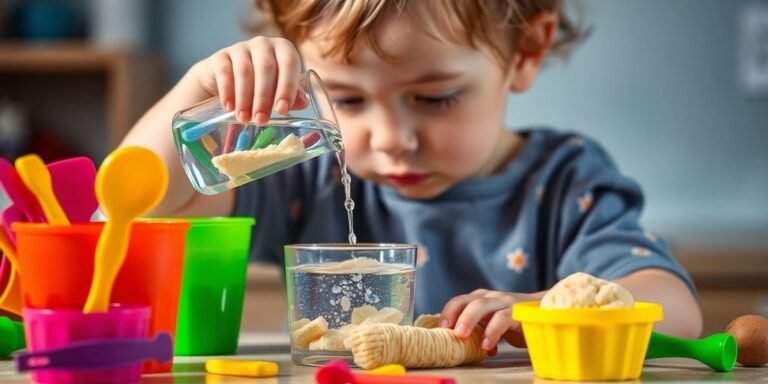
Choosing the right toys for your toddler can feel like a big deal, and honestly, it is. It’s not just about keeping them busy, though that’s a nice bonus. Toys are actually a huge part of how kids learn and grow. They’re like little tools for exploring the world and figuring things out. Play is how toddlers learn best.
Selecting Developmental Toys
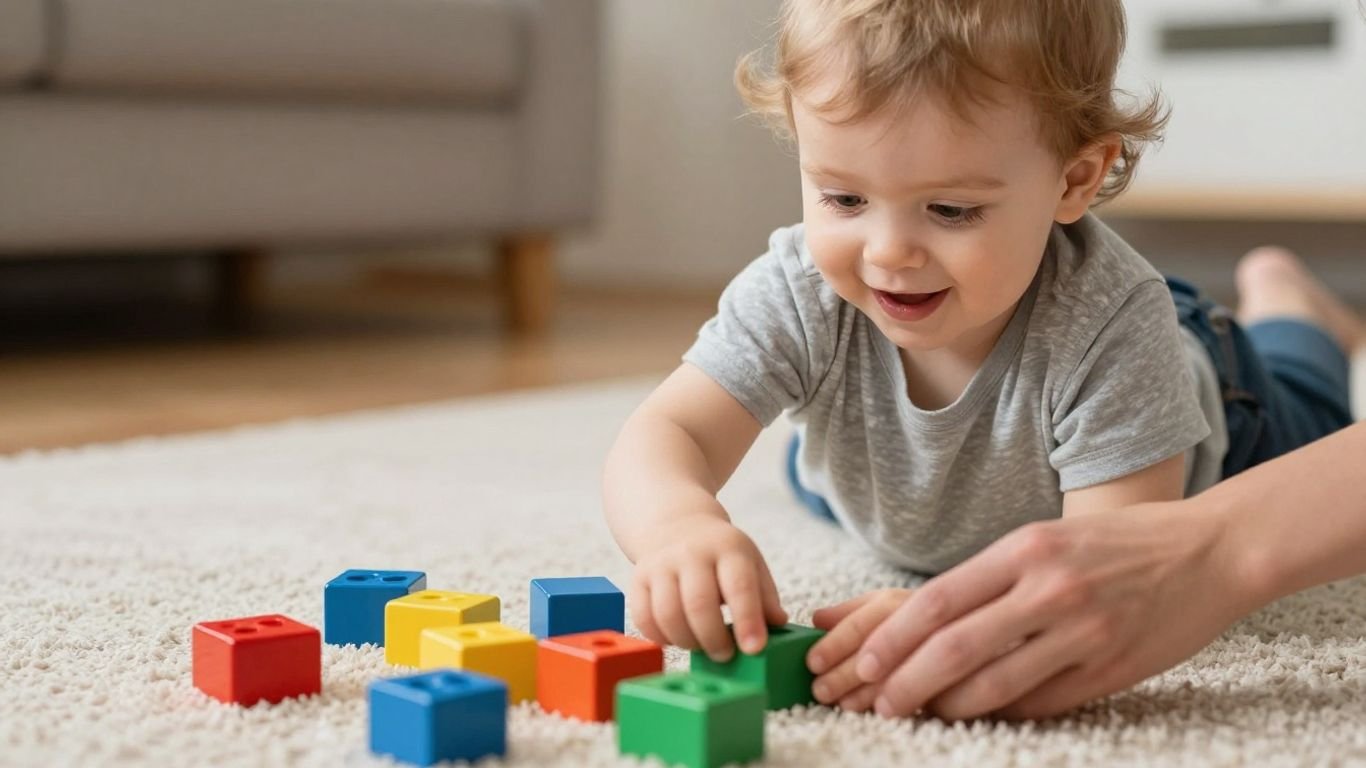
When you’re picking out toys, think about what your child is working on developmentally. Are they just getting the hang of walking? Maybe some push toys or ride-on toys would be great. Are they starting to stack blocks or put things in order? Look for toys that encourage that kind of problem-solving. Innovative toys can really help boost a child’s attention and creativity. It’s about finding things that are fun but also give their brain a little workout.
Here are a few ideas based on what toddlers often focus on:
- Gross Motor Skills: Balls, ride-on toys, tunnels, small slides.
- Fine Motor Skills: Stacking rings, shape sorters, large puzzles, chunky crayons.
- Cognitive Skills: Simple board games, pretend play items (kitchen, doctor kit), building blocks.
- Language Development: Books, puppets, toys that make sounds or talk.
Balancing Screen Time and Play
This is a tough one for a lot of parents. Screens are everywhere, and sometimes they feel like a lifesaver. But too much screen time can take away from other important things, like active play and interacting with people. The goal isn’t to ban screens entirely, but to find a good balance. Think about setting limits and making sure the content they do watch is age-appropriate and maybe even educational. It’s also about making sure there’s plenty of time left for hands-on play, which is where so much learning happens. Remember, play is essential for children’s healthy development.
It’s easy to get caught up in the latest gadget or the most popular toy. But often, the simplest things – like cardboard boxes, sticks from the yard, or just a good old-fashioned ball – can provide the most creative and engaging play experiences. Don’t underestimate the power of open-ended play.
When you’re thinking about screen time, consider these points:
- Set Clear Limits: Decide how much screen time is okay each day and stick to it.
- Choose Quality Content: Look for shows or apps that are educational and age-appropriate.
- Co-View When Possible: Watch or play with your child sometimes to talk about what they’re seeing.
- Prioritize Active Play: Make sure there’s plenty of time for running, jumping, building, and exploring without screens.
Keep Going, You’ve Got This!
Parenting a toddler is a wild ride, full of ups and downs, and honestly, some days are just plain tough. But remember all the little wins, the giggles, and the moments of connection. You’re doing a great job, even when it doesn’t feel like it. This guide is just a starting point, and there’s so much more to learn and discover as you go. Don’t be afraid to ask for help, lean on your support system, and most importantly, be kind to yourself. You’re building a foundation for a happy, healthy little human, and that’s pretty amazing. Keep up the great work!
Frequently Asked Questions
What are the most important things to know about toddler nutrition?
Toddlers need a balanced diet to grow strong. This means offering a variety of foods from different groups like fruits, vegetables, grains, and proteins. It’s also important to offer healthy snacks between meals to keep their energy up. Don’t worry too much if they don’t eat a lot at every meal; toddlers’ appetites can change daily.
How can I help my toddler deal with tantrums?
Tantrums are normal for toddlers as they learn to express big feelings. When one happens, try to stay calm. Ensure your child is safe, and then give them space to calm down. Once they’re a bit more settled, you can talk about what happened and offer comfort. It’s also helpful to teach them words for their feelings.
What are some key milestones I should look for in my toddler?
Around ages 1 to 4, toddlers reach many exciting milestones. These include learning to walk and run, saying their first words and then forming sentences, and starting to understand the world around them. They also begin to show more independence and social skills. Keeping a list of these can help you see their progress.
When is the right time to start potty training?
Every child is different, but readiness is key. Look for signs like showing interest in the potty, staying dry for longer periods, and being able to follow simple instructions. Starting too early can be frustrating for both you and your child. Patience and preparation make the process smoother.
What are some good and healthy snack ideas for toddlers?
Snacks are important for toddlers! Think about things like fruit slices (apples, bananas, berries), veggie sticks (carrots, cucumbers, if age-appropriate), yogurt, cheese cubes, or whole-grain crackers. These provide energy and nutrients without too much sugar. It’s good to have a mix of textures and flavors.
How do I choose the right childcare for my child?
Choosing childcare can feel like a big decision. Consider what type of care fits your family best, whether it’s a daycare center, a home-based provider, or a nanny. Visit potential places, ask lots of questions about safety, staff qualifications, and daily routines. Trust your gut feeling to find a place where your child will be safe and happy.

Ms. Kerri’s Corner provides a exciting virtual space for preschool learning. Through a variety of engaging activities, she exposes young minds to early math, literacy, science and social-emotional skills in a developmentally appropriate way. Centers for blocks, art, books and music allow children to explore hands-on learning at their own pace. Guided lessons subtly introduce number sense, letter sounds and narrative thinking. Careful observation gives insight into each child’s progress across domains. Viewers are also invited to participate, reinforcing that their ideas are valued. By making learning fun yet purposeful, Ms. Kerri lays the groundwork for future academic success while fostering creativity and imagination. Her program offers preschoolers valuable screen-based learning experiences.