
Why Your Child’s Energy Is Not a Problem
Does your kid seem to have an endless supply of energy? Like, they just keep going and going, no matter what? You might be dealing with what we call high energy kids. It’s easy to feel overwhelmed, especially with active toddlers who seem to be in constant motion. But what if all that bouncing and running isn’t a problem at all? Let’s talk about why your child’s energy might actually be a good thing and how to work with it instead of against it.
Key Takeaways
- Child temperament means kids are born with different energy levels and ways of reacting to things. Some are naturally more go-go-go.
- High energy kids aren’t being difficult; their energy is part of who they are. It’s a feature, not a bug.
- Active toddlers need ways to move their bodies. Giving them physical outlets helps them manage their energy better.
- Positive behavior framing means looking at a child’s actions and describing them in a more helpful way. Instead of ‘naughty,’ think ‘dynamic.’
- Understanding your child’s specific temperament helps you set realistic expectations and work with their natural style, rather than fighting it.
Embracing The Zoomies: Understanding Your High Energy Kid
It’s Not A Bug, It’s A Feature: Child Temperament Explained
So, your kiddo seems to have a perpetual motion machine attached to their tiny body? Before you start Googling ‘how to install an off switch,’ let’s chat about temperament. It’s that innate, in-your-bones way of being that makes your child, well, them. Some kids are born with a dimmer switch, content to observe the world from a cozy nook. Others? They’re wired for the spotlight, ready to jump into action with both feet. This isn’t a phase; it’s a fundamental part of their personality. Think of it like hair color – some are born with curls, others with straight locks, and some kids just come with a built-in turbo boost. Trying to force a high-energy child into a low-energy mold is like trying to teach a cat to bark. It’s exhausting for everyone involved and frankly, a bit unfair to the cat (or kid).
The ‘Off’ Switch Is Optional: Why Some Kids Are Born Go-Go-Go
Ever wonder if your child runs on a different kind of electricity? It’s not your imagination. Some children are simply wired with a higher baseline of energy. They might be the ones who wake up ready to conquer the world before the sun has even considered rising, or the ones who can bounce off the walls for hours without seeming to tire. This isn’t about defiance or a lack of listening skills; it’s about their internal operating system. They process the world through movement and action. For these little dynamos, stillness can feel like a foreign concept, almost uncomfortable. It’s like asking someone who loves to sing to suddenly be silent all the time. They might manage for a bit, but it’s not their natural state. We can help them find ways to manage this energy, but first, we have to accept that the ‘off’ switch is, for them, largely optional. It’s about understanding their unique wiring and working with it, not against it. For parents looking for strategies to help manage this, exploring ways to channel their energy constructively can be a game-changer.
Fueling The Fire: What All That Energy Actually Means
That boundless energy isn’t just about running around like a tiny, adorable hurricane. It’s a sign of a curious, engaged mind and a body eager to explore. When kids are constantly on the move, they’re often learning, processing, and making sense of their environment in the most hands-on way possible. They’re testing boundaries, figuring out physics (usually by dropping things), and developing motor skills. This energy is their primary tool for discovery. Think of it as their way of taking notes on life. Instead of sitting and reading about how a ball rolls, they need to roll the ball, chase it, throw it, and maybe even try to eat it (toddler phase, remember?). It’s a powerful engine for growth. So, when you see that whirlwind of activity, remember it’s not just noise and chaos; it’s a child actively building their understanding of the world, one energetic leap at a time. Establishing a consistent morning routine for children can also help provide structure to their day, even with all that energy.
Toddler Tornadoes: Navigating The World Of Active Toddlers

The Great Escape Artist: When ‘Stay Put’ Is A Foreign Concept
So, your little one treats the concept of “staying put” like a suggestion that’s easily ignored? Welcome to the club! Toddlers are basically tiny, adorable escape artists, constantly testing boundaries and exploring their surroundings with an almost alarming level of enthusiasm. It’s not that they’re being deliberately disobedient; it’s just that their world is a giant playground, and they’re determined to see every inch of it. Their curiosity is a powerful engine, and sometimes, that engine has no brakes. You might find yourself in a constant game of chase, especially when you’re trying to get out the door or simply have a moment to yourself. This is where redirecting their energy becomes your superpower. Instead of just saying “no,” try offering an alternative. If they’re trying to bolt, can you offer a “running race” to the car? It’s about showing them what they can do, rather than just what they can’t. When faced with truly unsafe behavior, like a dash towards a busy street, immediate physical intervention is often necessary. Picking them up swiftly prioritizes their safety over a lengthy explanation. It’s a balance between guidance and quick action.
Climbing The Walls (Literally): The Need For Physical Outlets
Does your toddler seem to have springs in their shoes? Are they scaling furniture like it’s Mount Everest? This isn’t a sign of impending doom; it’s a clear signal that they have a huge need for physical activity. Their bodies are built for movement, and when that energy isn’t channeled, it can feel like you’re living with a tiny, unpredictable whirlwind. Think of it like a volcano – if you don’t give it a vent, it’s going to erupt somewhere inconvenient. Providing ample opportunities for them to run, jump, climb, and explore safely is key. This doesn’t mean you need a fancy gym membership for your toddler. Simple things can make a big difference:
- Outdoor Adventures: Parks, backyards, even just a brisk walk around the block can be a lifesaver.
- Indoor Obstacle Courses: Use pillows, blankets, and tunnels to create a safe space for them to burn energy indoors.
- Dance Parties: Put on some music and let loose! It’s a fantastic way to get wiggles out.
The constant motion isn’t a problem to be solved, but a developmental stage to be supported. Their physical exploration is how they learn about their bodies and the world around them.
From Chaos To Charm: Channeling That Boundless Energy
It’s easy to feel overwhelmed by the sheer force of a toddler’s energy. They can go from zero to sixty in a nanosecond, leaving a trail of toys and maybe a bit of your sanity in their wake. But here’s the secret: that boundless energy, when directed, can be incredibly charming and productive. It’s about shifting your perspective from seeing it as chaos to recognizing it as dynamism. Think about how you can harness that drive. If they love to move, can they help carry lightweight groceries from the car? If they’re always grabbing things, can they be your “helper” in tidying up toys (even if it takes twice as long)? Clear communication and setting expectations are vital here. Speaking calmly and slowly, and letting them know in advance what’s coming, can make a world of difference. Transparency helps them understand when their energetic bursts are appropriate and when a calmer approach is needed. It’s about guiding their natural exuberance constructively, turning those “tornadoes” into delightful little dynamos.
| Activity Type | Examples |
|---|---|
| Gross Motor | Running, jumping, climbing, dancing |
| Fine Motor | Building blocks, puzzles, drawing |
| Sensory Play | Water play, playdough, sand box |
Remember, this phase is temporary, but the lessons learned about managing energy and redirecting impulses will stick with them. So, embrace the bounce, find creative outlets, and try to enjoy the ride – it’s quite the adventure!
Positive Behavior Framing: Turning ‘Naughty’ Into ‘Noteworthy’
Rewording The Narrative: From ‘Disruptive’ To ‘Dynamic’
Let’s be honest, sometimes our little ones are a whirlwind. They bounce, they shout, they seem to have a permanent case of the wiggles. It’s easy to label this as ‘naughty’ or ‘disruptive,’ right? But what if we flipped the script? Instead of seeing a child who can’t sit still as ‘disruptive,’ we could see them as ‘dynamic.’ That constant motion isn’t necessarily a bad thing; it’s just their way of engaging with the world. Think of it as their unique operating system. This shift in perspective is more than just semantics; it’s about understanding the root of the behavior. When we reframe ‘naughty’ as ‘noteworthy,’ we open the door to appreciating their energy rather than just trying to suppress it. It’s about seeing the potential in their zest for life, not just the mess they might make along the way. This approach helps us move away from constant correction and towards positive reinforcement, which can make a world of difference in how we interact with our kids and how they feel about themselves. It’s a subtle change, but it can really alter the whole family dynamic.
Focusing On The ‘Good Stuff’: Catching Them Being Awesome
It’s so easy to get caught up in what our kids are doing wrong. The spilled milk, the loud noises, the refusal to put toys away – these things grab our attention. But what about the moments they are doing things right? The times they share, the times they listen (even if it’s just for a minute!), the times they show kindness? We need to actively look for these instances. Make it a game to spot your child doing something positive, no matter how small. Did they pause for a second before grabbing a toy? Awesome! Did they use a quiet voice when asked? Fantastic! Acknowledging these small wins, even with a simple “Wow, you did that so well!” or a high-five, reinforces the behavior we want to see more of. It’s like watering the plants you want to grow. This isn’t about ignoring the challenging behaviors, but about balancing our focus. When kids know their good deeds are noticed, they’re more likely to repeat them. It builds their confidence and helps them understand what positive actions look like in practice. This is where we can really start to see a change in their overall conduct.

The Power Of ‘And’: Acknowledging Both Energy And Effort
Kids are complex little beings, and they rarely fit neatly into one box. They can be bursting with energy and also be trying their very best to follow instructions. They can be loud and also be incredibly creative. The trap we often fall into is seeing these traits as contradictory, or worse, as mutually exclusive. We might think, “If they’re so energetic, they can’t possibly be trying to be good.” But that’s just not true. The ‘and’ is a powerful tool for acknowledging the full picture of your child. Instead of saying, “Stop running around, you need to sit still,” try, “I see you have so much energy right now, and it’s time for us to read a book.” This validates their feeling (the energy) while still setting a boundary or expectation. It shows them that you see all of them, not just the parts that are convenient or easy to manage. This approach helps children feel understood and accepted, which can reduce frustration and defiance. It’s about recognizing that their high energy doesn’t negate their effort or their desire to please. We can celebrate their vibrant spirit while also guiding them toward specific tasks. This balanced view is key to building a strong, positive relationship and helping them manage their behavior. It’s about seeing the whole child, not just the immediate action.
Here’s a quick way to think about it:
- Energy: The engine that drives them.
- Effort: Their attempt to steer.
- Acknowledgement: Recognizing both are happening.
Sometimes, we get so focused on the destination that we forget to appreciate the journey. With our kids, especially the energetic ones, it’s easy to get fixated on the end goal – a clean room, quiet playtime, a finished meal. But the process, the effort they put in, and the way they navigate their own energy levels are just as important, if not more so, for their development. We need to celebrate the small steps and the attempts, not just the perfect outcomes.
Temperament Tango: Dancing With Your Child’s Innate Style
So, you’ve got a kiddo who seems to run on pure rocket fuel, while your neighbor’s child is more of a gentle breeze. It’s easy to wonder if you’re doing something wrong, or if your child is just… a lot. But here’s the thing: it’s not about right or wrong, it’s about temperament. Think of it as their built-in operating system, the unique way they interact with the world. Understanding this innate style is like getting the instruction manual for your own child.
The ‘Slow to Warm Up’ vs. The ‘Full Speed Ahead’ Kid
We all know them, right? The kid who needs a solid five minutes (or fifty) to observe a new situation before even considering joining in. They might hang back, watch, and then, when they’re ready, bam, they’re in. Then there’s the other end of the spectrum: the ‘full speed ahead’ child. These little dynamos are often the first ones to jump into the fray, sometimes without a second thought. They might be the ones who greet strangers with a hug or dive headfirst into a pile of leaves. It’s not that one is better than the other; they’re just different ways of approaching life. Recognizing where your child falls on this spectrum is the first step in appreciating their unique way of being. It helps us stop comparing and start accepting. For more on this, you can look into understanding child temperament.
Understanding Their Baseline: What’s Normal For Them?
What looks like ‘too much’ energy to one parent might be perfectly normal for another. Your child’s baseline is their typical level of activity and responsiveness. If your child is naturally a high-energy mover and shaker, then a lot of movement is their normal. Trying to force them into a low-energy mold is like trying to make a cat enjoy a bath – it’s usually a messy, frustrating experience for everyone involved. Instead, observe them when they’re relaxed. What’s their ‘off’ switch like? Do they wind down easily, or do they need a specific routine to transition? Knowing their individual rhythm helps you set realistic expectations and avoid unnecessary power struggles. It’s about seeing their normal, not an imagined ideal.
Working With, Not Against: Aligning Expectations With Reality
This is where the real magic happens. Once you get a handle on your child’s temperament, you can start working with it, rather than constantly fighting against it. If you have a ‘full speed ahead’ kid, trying to keep them sitting still for long periods is a recipe for disaster. Instead, can you incorporate movement into those activities? Maybe a quick dance break during story time, or building a fort instead of just reading a book on the floor. For the ‘slow to warm up’ child, give them space and time. Don’t push them into social situations before they’re ready. Patience is key here. It’s about adapting your environment and your approach to fit their natural style.
Parenting isn’t about changing who your child is at their core. It’s about understanding their unique wiring and helping them navigate the world in a way that feels authentic to them, while also teaching them important life skills. It’s a delicate balance, but when you get it right, it feels amazing.
Remember, their energy isn’t a flaw to be corrected; it’s a part of their personality that, when understood and channeled, can lead to incredible things. It’s about finding that sweet spot where their natural inclinations meet the demands of everyday life. This approach can really help in adapting your parenting strategies.
Beyond The Bounce House: Creative Outlets For Little Dynamos
The Backyard Olympics: Turning Everyday Spaces Into Playgrounds
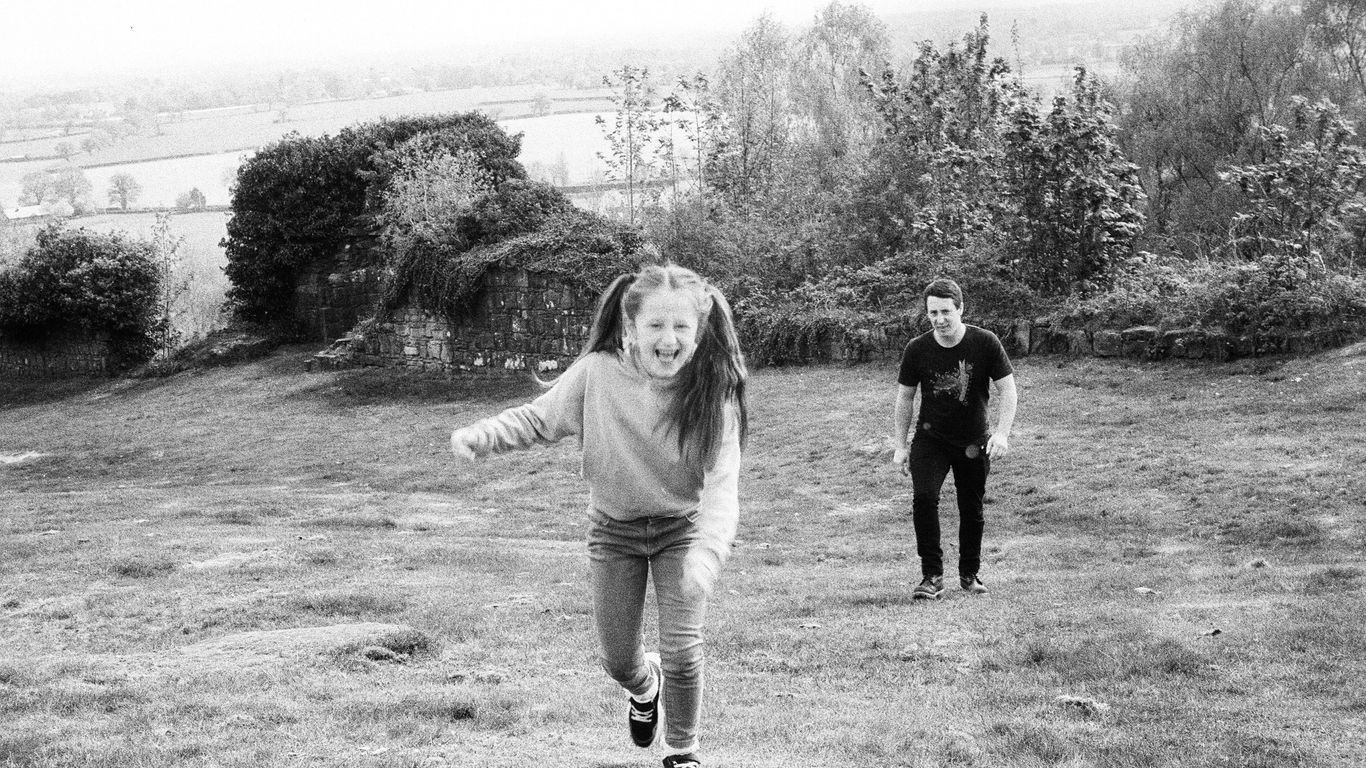
So, your little one treats the living room like a Formula 1 track and the hallway like a marathon course? Instead of just sighing, let’s get strategic. Think of your backyard, or even a local park, as your personal Olympic village. We’re talking about turning simple things into grand events. Set up a “long jump” pit using chalk lines in the driveway, or a “hurdle race” with pool noodles. It’s amazing what a little imagination can do. The goal is to give that boundless energy a direction, a purpose, even if that purpose is just to see how far they can throw a soft ball. It’s not about winning medals, it’s about channeling that drive into something physical and fun. You might even find yourself joining in, rediscovering your own inner child who probably also enjoyed a good mud pie.
Kitchen Capers: Cooking Up Fun (And Maybe Some Mess)
Who knew the kitchen could be a laboratory for chaos and creativity? Forget pristine countertops for a moment. Think about letting them help with simple tasks. Measuring flour (which will inevitably end up on the floor), stirring batter, or even just washing vegetables can be a huge hit. It’s tactile, it’s engaging, and it teaches them about following steps – a mini-lesson in patience disguised as fun. Plus, the reward is often edible! Consider simple recipes like no-bake cookies or fruit skewers. It’s a fantastic way to keep those busy hands occupied and their minds engaged, even if it means a bit more cleanup later. For more ideas on indoor activities that keep little ones busy, check out these pediatric therapist-designed activities.
Art Attack: Messy Masterpieces For Energetic Minds
Art is often seen as a quiet, focused activity, but for a high-energy kid, it can be a full-contact sport. Think big. Large canvases, giant paper rolls, or even just the side of the garage (with washable paint, of course!). Finger painting, splattering, or even using unconventional tools like sponges or toy cars to spread paint can be incredibly satisfying for them. It’s about the process, the sensation, the sheer joy of making a mark. Don’t worry about the outcome; focus on the experience.
The key is to provide materials that allow for big movements and bold expressions. Think less about delicate brushstrokes and more about the sheer, unadulterated fun of creation. It’s a way for them to express all that internal buzz in a way that’s constructive, even if it looks a little wild.
Consider setting up an outdoor art station, much like those found at preschools focused on active learning. This way, the mess is contained, and the creative energy can flow freely without you worrying about paint on the sofa. It’s about giving them the space and the tools to explore their world, one colorful splash at a time.
Looking for fun ways to keep your energetic kids busy? Forget the usual bouncy castles! We’ve got awesome ideas for creative activities that will channel all that amazing energy into something cool. Discover new ways to play and learn that go way beyond the ordinary. Visit our website today to find exciting projects and activities that will spark your child’s imagination and keep them happily engaged!
Frequently Asked Questions
Is it normal for my child to have so much energy all the time?
Absolutely! Think of it like this: some kids are naturally built with a super-powered engine. It’s not a sign of a problem, but rather a part of their unique personality. This high energy is often how they learn, explore, and just be kids. It’s usually a good thing!
My toddler never stops moving. How can I keep them safe?
Toddlers are like little explorers on a mission! Safety comes first, of course. Make sure your home is child-proofed, and when you’re out, keep a close eye. Setting up safe spaces for them to burn energy, like a playpen or a soft play area, can also help. Think of it as guiding their adventures.
What if their energy makes them seem ‘naughty’ or disruptive?
It’s easy to see high energy as misbehavior, but it’s usually just them trying to figure things out. Instead of saying ‘stop that,’ try to rephrase it. Maybe they’re not being ‘disruptive,’ but ‘enthusiastic’ or ‘curious.’ Focus on the positive things they do, too. Catching them doing good is powerful!
How do I know if my child’s energy level is normal for them?
Every child is different, just like adults. Some kids are naturally calmer, while others are always on the move. The key is understanding your child’s own style. If they’re generally happy and healthy, their energy level is probably just right for them. It’s about finding what works for *your* kid, not comparing them to others.
Are there specific activities that are good for really energetic kids?
Definitely! Think about activities that let them move and explore. Things like running, jumping, dancing, or even building forts can be great. Outdoor play is fantastic. Even simple things like helping in the kitchen or making art can be wonderful ways for them to use their energy in a fun, constructive way.
What if I’m just tired of dealing with all their energy?
It’s completely okay to feel tired! Parenting an energetic child can be demanding. Remember to take breaks for yourself. Sometimes, just a few minutes of quiet time can make a big difference. Also, involve other family members or friends if you can. Sharing the load makes it easier, and remember, this energetic phase won’t last forever.

Ms. Kerri’s Corner provides a exciting virtual space for preschool learning. Through a variety of engaging activities, she exposes young minds to early math, literacy, science and social-emotional skills in a developmentally appropriate way. Centers for blocks, art, books and music allow children to explore hands-on learning at their own pace. Guided lessons subtly introduce number sense, letter sounds and narrative thinking. Careful observation gives insight into each child’s progress across domains. Viewers are also invited to participate, reinforcing that their ideas are valued. By making learning fun yet purposeful, Ms. Kerri lays the groundwork for future academic success while fostering creativity and imagination. Her program offers preschoolers valuable screen-based learning experiences.