
Effective Strategies for How to Discipline Without Yelling
Parenting can be tough, right? There are days when you feel like you’re losing it, and the urge to just yell can be overwhelming. We’ve all been there. But what if there was a better way? Learning how to discipline without yelling isn’t just about keeping your cool; it’s about building a stronger connection with your kids and teaching them valuable life skills. It takes some practice, and maybe a few deep breaths, but it’s totally doable. Let’s look at some smart ways to handle those tricky moments without raising your voice.
Key Takeaways
- Understand that your child’s behavior is often a way they communicate their needs or feelings, especially when they don’t have the words yet.
- Managing your own emotions is step one; recognizing what sets you off and having a plan to stay calm will make a huge difference.
- Teaching kids how to handle their big feelings and calm themselves down is a skill that helps them and reduces your need to yell.
- Instead of just saying ‘no,’ try setting clear limits on actions, offering different ways to behave, and involving kids in finding solutions.
- Focus on the most important behavior issues, notice and praise the good things your child does, and don’t sweat the small stuff.
Understand the Root Cause of Behavior
When our kids act out, it’s easy to jump straight to thinking they’re just being difficult or trying to get a rise out of us. But honestly, most of the time, there’s something else going on underneath the surface. Behavior is a form of communication, and our job as parents is to become detectives, figuring out what our kids are trying to tell us.
View Behavior as Communication
Think about it: a baby cries when they’re hungry or uncomfortable. That’s communication. As kids get older, their ways of communicating get more complex, but the core idea remains. When a child is acting out, they might be trying to tell you they’re bored, overwhelmed, scared, or even just seeking a little attention. Instead of seeing it as defiance, try to reframe it as a signal. What is this behavior really trying to say?
Identify Underlying Needs
Once you start seeing behavior as communication, you can begin to look for the unmet needs behind it. Is your child constantly seeking out your attention, even if it means getting into trouble? That might mean they need more quality time with you. Are they struggling to follow directions? Maybe the instructions aren’t clear enough, or they haven’t learned the skill yet. Sometimes, a child’s meltdown is simply a sign of being overtired or hungry. It’s about digging a little deeper than the surface action. For instance, a child who is acting out might be experiencing stress from outside factors, like exposure to difficult situations [ee88].
Recognize Developmental Appropriateness
This is a big one. What we expect from a toddler is very different from what we expect from a ten-year-old. Sometimes, what we label as
Manage Your Own Emotions

Look, none of us signed up to be parents thinking we’d be the yelling type. Yet, here we are, sometimes finding ourselves raising our voices when we really don’t want to. It’s tough, right? Kids, especially little ones, are still figuring out how to handle big feelings, and honestly, sometimes it feels like we are too. The good news is, we can learn to manage our own reactions better, which in turn helps our kids learn too. It’s a bit of a cycle.
Adopt a Calmer Mindset
When things start to heat up, taking a moment to pause is key. Instead of reacting instantly, try to shift your perspective. Think about what’s really going on with your child’s behavior – is it a bid for attention, a sign of frustration, or something else? Focusing on understanding the ‘why’ behind the behavior, rather than just the behavior itself, can make a huge difference. This shift helps you respond more thoughtfully instead of just reacting emotionally. It’s about choosing to be the calm in the storm, not adding to it.
Recognize Your Personal Triggers
We all have those things that just set us off, don’t we? Maybe it’s a certain tone of voice, a specific mess, or when your child ignores you for the tenth time. These are your triggers. Identifying them is a big step. When you know what pushes your buttons, you can start to prepare for those moments. For instance, if you know that stepping on LEGOs in the dark is your personal Everest, you might make an effort to tidy up before bed. Sometimes, understanding these triggers involves a bit of digging into what underlying feelings they bring up for you, like feeling overwhelmed or out of control. If you’re struggling to pinpoint them, there are resources that can help you explore this further.
Practice Self-Care Strategies
This might sound like a luxury, but honestly, it’s a necessity for keeping your cool. When you’re running on empty, it’s so much harder to be patient. Self-care doesn’t have to be elaborate spa days. It can be as simple as:
- Taking five minutes to yourself to breathe deeply when you feel overwhelmed.
- Ensuring you get enough sleep, even if it means letting some chores slide.
- Connecting with a friend or partner for a quick chat.
- Stepping outside for a few minutes of fresh air.
When you take care of yourself, you have more emotional reserves to draw from when your child is having a tough time. It’s not selfish; it’s practical parenting. Remember, being a calm parent is a powerful way to model emotional control for your children. If you find yourself consistently struggling to manage your emotions, talking to a professional can provide valuable support and guidance on parenting approaches.
Taking care of your own emotional well-being isn’t just about you; it directly impacts your ability to parent effectively and calmly. When you’re depleted, your patience wears thin, making yelling more likely. Prioritizing small acts of self-care builds your resilience and capacity to handle challenging moments with more grace.
Teach Essential Life Skills
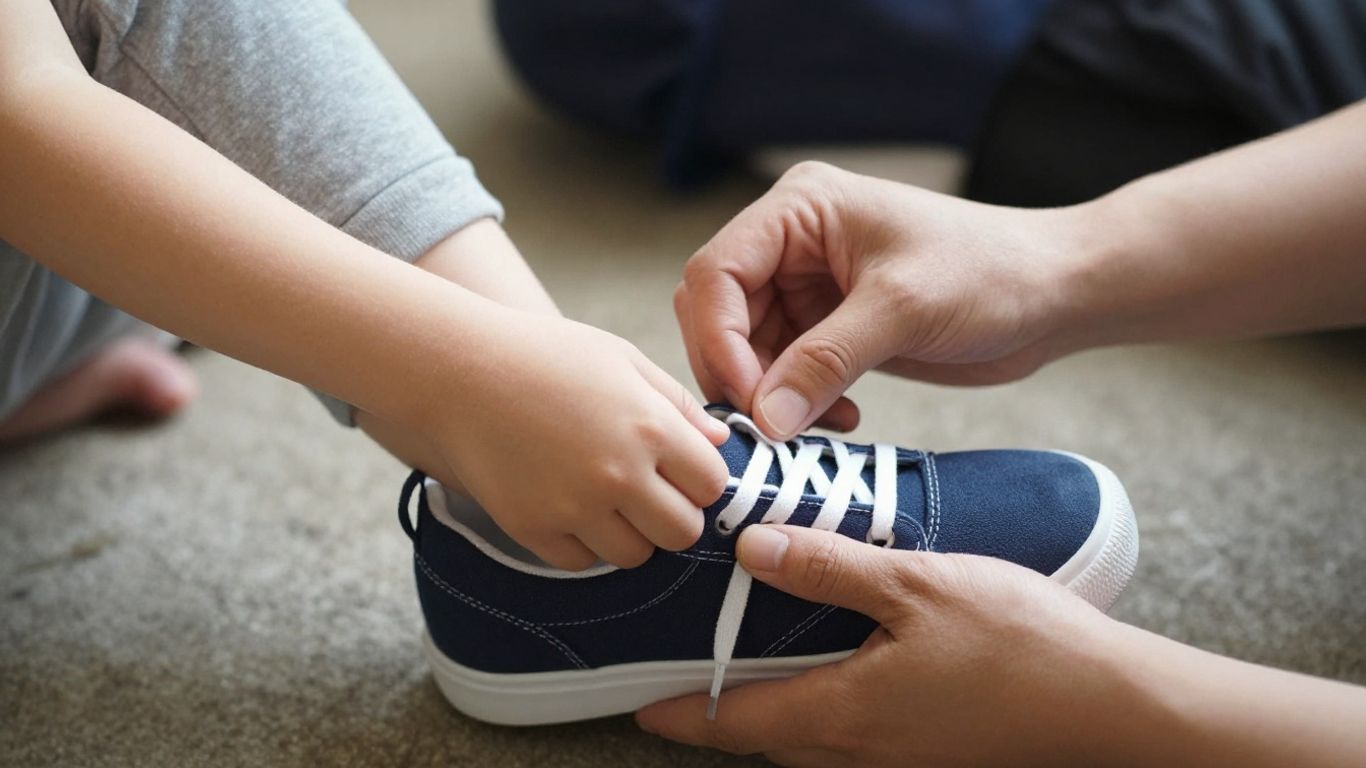
Sometimes, kids act out not because they’re trying to be difficult, but because they genuinely haven’t learned how to handle certain situations or feelings. That’s where we come in, not just as disciplinarians, but as teachers. Our job is to equip them with the tools they’ll need to navigate life’s ups and downs without resorting to yelling or meltdowns.
Develop Self-Regulation Abilities
This is a big one. Teaching kids how to manage their emotions is a skill that will serve them their entire lives. It’s not about suppressing feelings, but about understanding them and finding healthy ways to express them. Think about it: when a child is overwhelmed with frustration, what are they supposed to do? If they haven’t been taught alternatives, they might lash out. We can help by:
- Talking about feelings when everyone is calm. Reading books about emotions or playing games that explore different feelings can be really helpful.
- Practicing calming techniques. This could be simple deep breathing exercises, using a sensory bottle, or having a designated ‘calm-down corner’ with soft pillows and quiet activities.
- Modeling emotional control. When we get upset, how we handle it teaches them more than any lecture ever could. Showing them it’s okay to feel angry, but that hitting or screaming isn’t the answer, is powerful.
Teaching kids to manage big emotions is a marathon, not a sprint. It takes patience and consistent effort on our part, but the payoff is huge. They learn to handle stress better, communicate their needs more clearly, and build stronger relationships.
Communicate Emotions Effectively
Related to self-regulation, but focused more on expression. Kids need to know how to say what they’re feeling. Instead of just saying “no,” we can help them find the words. If a child is upset because another child took their toy, instead of just taking the toy back, we can coach them: “It looks like you’re angry because Sam took your car. You can say, ‘Sam, I don’t like it when you take my toys. Can I have it back?'”

Model Emotional Control
This ties into everything. Our reactions are their first lessons. When we’re faced with a frustrating situation, taking a deep breath and responding calmly shows them a better way. It’s about showing them that even when things are tough, we can choose our response. This approach helps build a stronger connection and promotes healthy development [9176]. It’s about guiding their behavior constructively, teaching them to manage themselves rather than just punishing them.
Here’s a quick look at how different approaches can play out:
| Situation | Yelling Response | Non-Yelling Response |
|---|---|---|
| Child spills juice | “You clumsy idiot! Look what you did!” | “Oops, accidents happen. Let’s get a cloth and clean it up together.” |
| Child refuses to share | “Give that to your sister right now! You’re being selfish!” | “It’s hard to share sometimes. Can you tell your sister you need a turn first?” |
| Child is upset about bedtime | “Stop crying! You’re going to bed whether you like it or not!” | “I see you’re sad about bedtime. Let’s read one extra book tonight.” |
By consistently modeling emotional control and teaching these skills, we’re not just disciplining; we’re raising capable, well-adjusted individuals [ac87].
Implement Effective Discipline Techniques
Sometimes, even with the best intentions, kids push boundaries. Instead of resorting to yelling, which often escalates the situation and doesn’t teach much, we can try different approaches. It’s about setting clear expectations and guiding them toward better choices.
Set Clear Behavioral Boundaries
Kids thrive on structure, and that means knowing what’s expected. When we’re clear about our rules, it helps them understand what’s okay and what’s not. This isn’t about being rigid; it’s about providing a safe framework for their behavior. Think about what’s most important for your family and focus on those key rules. For instance, a rule about not hitting others is usually non-negotiable, while a messy room might be something you can be more flexible about. The goal is to create boundaries that are understandable and consistently applied.
Offer Constructive Alternatives
Often, when kids misbehave, it’s because they don’t know what else to do, or they’re trying to get a need met in an unhelpful way. Instead of just saying “no,” try offering a different way. If your child is grabbing toys, you could say, “It’s your turn now, but you can have it when I’m finished.” This acknowledges their desire but redirects it. It’s about teaching them how to behave appropriately, not just punishing them for not doing so. This might involve teaching them how to ask for a turn or how to share. Sometimes, kids just need to feel a sense of control, so offering two acceptable choices can work wonders. For example, “Would you like to put your toys away now, or after your snack?” This gives them a sense of agency within the established boundaries.
Involve Children in Problem-Solving
When a problem arises, bringing your child into the solution can be surprisingly effective. Instead of imposing a consequence, ask them for ideas. If they’ve made a mess, you could say, “Oops, the milk spilled. What can we do to clean this up?” This turns a mistake into a learning opportunity. It teaches them responsibility and how to fix things. This approach helps them understand the impact of their actions and how to make amends. It’s a way to build their problem-solving skills for the future, and it often leads to a more cooperative outcome than simply issuing a punishment. This is a great way to teach problem-solving skills.
When a child makes a mistake, it’s an opportunity to teach. Instead of focusing on the error, focus on the solution. This shifts the dynamic from punishment to learning and empowers the child to take ownership of their actions.
Prioritize Your Parenting Approach
Parenting is a marathon, not a sprint, and trying to fix every single little thing your child does can feel like you’re constantly running uphill. It’s easy to get bogged down in the day-to-day annoyances, but taking a step back to figure out what truly matters is a game-changer. This isn’t about letting your child run wild; it’s about being smart with your energy and focusing on the behaviors that will shape them into the kind of person you hope they’ll become.
Focus on Key Behavioral Issues
Think about the big picture. What are the core values you want your child to learn? Is it kindness, honesty, responsibility, or something else? When a behavior directly clashes with these values, that’s when it’s time to step in. For instance, if honesty is a big deal in your house, then lying needs your attention. But if your child insists on wearing mismatched socks, is that really worth a major confrontation? Probably not. It’s about identifying the behaviors that have long-term consequences and letting the smaller stuff slide. This approach helps you avoid constant conflict and keeps your focus where it counts.
Acknowledge Positive Actions
We often get so caught up in correcting the negative that we forget to notice the good. When your child does do something right, even if it’s just a small step in the right direction, point it out. A simple “I noticed how you shared your toy with your sister, that was very thoughtful” can go a long way. This positive reinforcement is incredibly powerful. It shows your child what you do want to see more of, rather than just what you don’t. It’s like watering the plants you want to grow.
Choose Your Battles Wisely
This is where the real art of parenting without yelling comes in. Not every behavior needs a disciplinary response. Some things are just part of growing up, or maybe they’re just not that important in the grand scheme of things. For example, a toddler having a meltdown because they can’t have a cookie before dinner is a normal part of their development. While you still need to set boundaries, getting into a shouting match over it might not be the most effective use of your energy. Instead, you might acknowledge their feelings and redirect them. It’s about knowing when to engage and when to let things go, preserving your own peace and your child’s sense of security. This is a key part of soft parenting, where calm firmness guides interactions.
When you’re constantly correcting minor infractions, you risk desensitizing your child to your feedback. They might start to tune you out, making it harder to address the truly important issues when they arise. Prioritizing means you’re not just reacting; you’re strategically guiding your child’s development.
Utilize Non-Verbal Communication

Sometimes, you don’t need a single word to get your point across. Non-verbal cues can be incredibly powerful tools in your parenting toolbox, especially when you’re trying to avoid yelling. Think about it: how many times has a simple look from a parent or grandparent stopped you in your tracks? These silent signals can communicate a lot without escalating a situation.
Master the Power of a Stern Look
This is a classic for a reason. A well-timed, firm gaze can convey disapproval or a need for a child to stop a behavior more effectively than a shout. It’s about making eye contact and holding it just long enough to communicate seriousness. You can adjust the intensity – maybe it’s wide-eyed surprise at a misstep, or a slight squint that says, “I see what you’re doing, and it’s not okay.” It takes practice to find the right balance, but when you nail it, it’s a game-changer. It’s a way to communicate without adding to the noise.
Employ Subtle Gestures
Beyond the look, small physical actions can also send messages. A gentle hand on a shoulder can redirect a child who’s getting too rowdy. A pointed finger towards a toy that needs tidying up, or a nod of encouragement, all speak volumes. For younger children, especially those who might have difficulty with verbal communication, these gestures are even more important. Understanding how to interpret and use these cues is key, particularly when parenting a child who struggles with verbal expression [d6dd].
Use Pauses Effectively
Silence can be golden, and a well-placed pause before responding can work wonders. Instead of immediately reacting, take a breath and let the silence hang for a moment. This gives you time to collect your thoughts and your child time to process their actions. It also creates anticipation, making your eventual (verbal or non-verbal) response more impactful. Sometimes, just stopping what you’re doing and looking at your child expectantly is enough to make them reconsider their behavior. This can be especially helpful when dealing with challenging behaviors, like those sometimes seen in children with autism, where clear, consistent signals are vital [0957].

Here are a few non-verbal strategies to try:
- The “Wait” Look: Simply stop what you’re doing, make eye contact, and wait. Let the silence do the work.
- The Gentle Redirect: A light touch on the arm or shoulder to guide a child back on track.
- The “Uh-Oh” Face: A subtle expression of concern or surprise that signals something isn’t right.
- The “Time Out” Gesture: A simple hand signal indicating it’s time to take a break from the current activity.
Non-verbal communication relies on observation and consistency. Children learn to read your cues over time, and the more consistent you are, the more effective these silent messages will become. It’s about building a shared language of understanding that doesn’t always require words.
Wrapping It Up
So, we’ve talked about a bunch of ways to handle things with your kids without resorting to yelling. It’s not always easy, and honestly, nobody’s perfect. But by trying to understand where your child is coming from, setting clear boundaries, and taking a breath when you feel yourself getting worked up, you can make a real difference. It takes practice, for sure, but building a calmer home environment is totally worth the effort. You’ve got this.
Frequently Asked Questions
Why do parents sometimes yell at their kids?
It’s easy to lose your cool when you’re tired, stressed, or your child is pushing your buttons. Sometimes, yelling happens because parents don’t know what else to do, or they might have been yelled at when they were kids. It’s a tough job, and everyone has moments where patience runs thin.
What’s the main idea behind not yelling?
The big idea is to understand that your child’s behavior is often a way of talking to you. Instead of just reacting to the behavior, try to figure out what your child might need or be feeling. This helps you respond in a way that teaches them, rather than just punishing them.
How can I stop myself from yelling?
First, try to calm yourself down. Take a deep breath or step away for a moment. Think about what usually makes you want to yell – these are your ‘triggers.’ Knowing them helps you prepare. Also, remember that kids are still learning how to handle their feelings, so what seems like bad behavior might just be them not knowing a better way.
What are some good ways to discipline without yelling?
You can set clear rules and boundaries, but focus on teaching your child what to do instead of just saying ‘no.’ Offer choices or help them find other ways to express themselves. For example, if they’re angry, suggest they stomp their feet instead of hitting. Getting them involved in fixing mistakes, like cleaning up a spill, also teaches them responsibility.
How can I teach my child to control their emotions?
You can teach them by talking about feelings when everyone is calm. Read books about emotions or play games that help them understand. You can also teach them calming techniques, like deep breathing or using a ‘calm-down corner.’ Being a good example yourself is super important too!
Should I always correct my child’s behavior?
Not necessarily! It’s important to ‘pick your battles.’ Think about what behavior really matters in the long run. Sometimes, it’s better to let small things go to keep the peace and focus on the bigger lessons. Praising good behavior also goes a long way in encouraging more of it.


Ms. Kerri’s Corner provides a exciting virtual space for preschool learning. Through a variety of engaging activities, she exposes young minds to early math, literacy, science and social-emotional skills in a developmentally appropriate way. Centers for blocks, art, books and music allow children to explore hands-on learning at their own pace. Guided lessons subtly introduce number sense, letter sounds and narrative thinking. Careful observation gives insight into each child’s progress across domains. Viewers are also invited to participate, reinforcing that their ideas are valued. By making learning fun yet purposeful, Ms. Kerri lays the groundwork for future academic success while fostering creativity and imagination. Her program offers preschoolers valuable screen-based learning experiences.