
Unlock Your Child’s Potential: Essential Parenting Resources for Preschoolers
Figuring out how to best support your little one as they grow can feel like a big job. There are so many things to consider, from how they learn best to making sure they’re happy and healthy. This guide is here to help make things a bit clearer, offering some practical parenting resources for preschoolers that can make a real difference in your child’s journey.
Key Takeaways
- Play is a child’s work; make it a part of everyday life by following their lead and creating a safe space for them to explore.
- Resources like Zero to Three and the Baby Brain Map offer insights into early development and brain growth.
- STEM learning can be fun and simple with free curricula, and imagination can be boosted with various activities and crafts.
- Understanding what makes quality child care and preparing for school routines are important steps for parents.
- Positive parenting, healthy habits, and looking after your own well-being are all part of supporting your child’s development.
Understanding Play-Based Learning
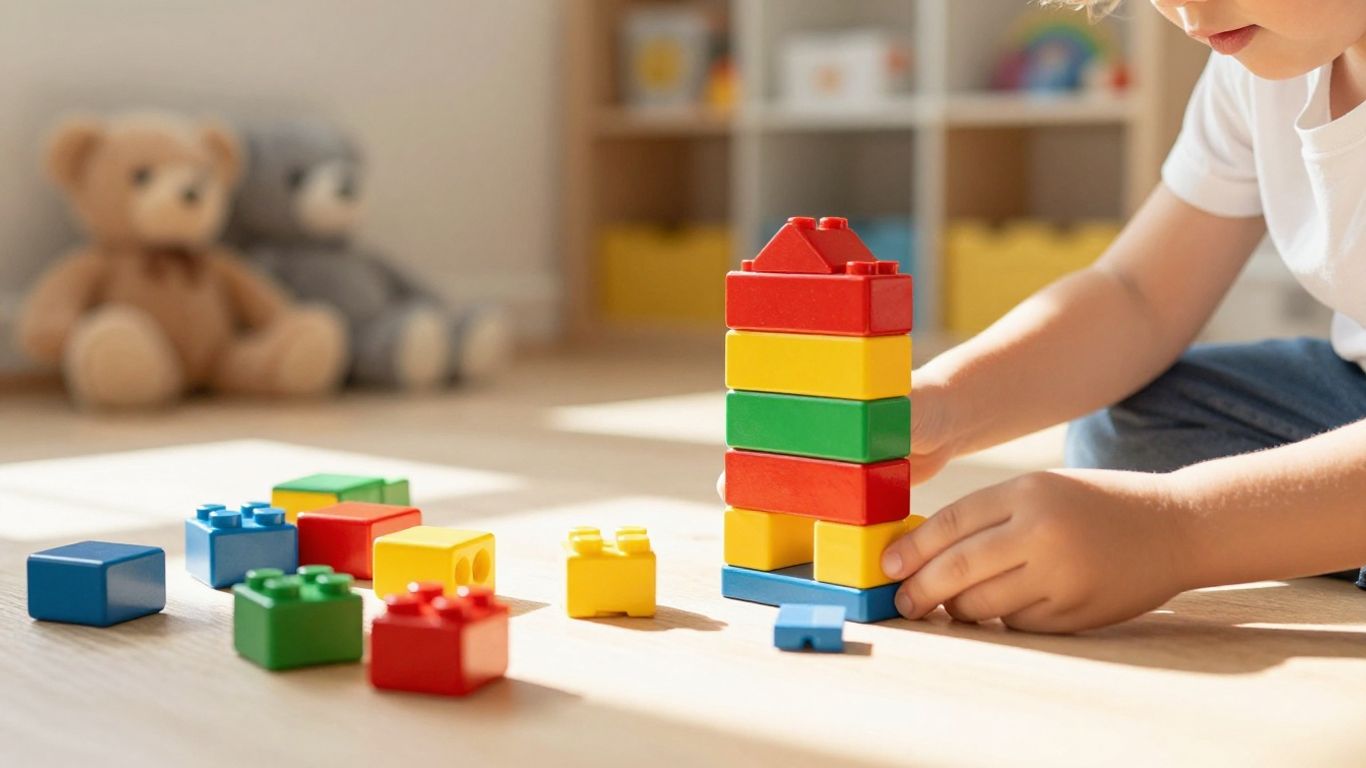
Play is so much more than just fun and games for little ones; it’s actually how they learn about everything. Think of it as their full-time job! Through play, kids explore, experiment, and figure out how the world works. It’s a natural way for them to build skills in all sorts of areas, from talking and thinking to getting along with others.
Making Play Part of Everyday Life
It can feel like you need to set aside special time for “play,” but really, you can weave it into your daily routines. It doesn’t have to be complicated. For example, when you’re sorting laundry, ask your child to match socks – that’s a math lesson right there! Or at the grocery store, turn finding items into a scavenger hunt. Even simple things like letting them try to put on their own coat or tie their shoes, even if it takes a bit longer, builds their confidence and independence. These small moments are big learning opportunities.
- During Chores: Sorting, counting, and organizing items.
- Errands: Turning trips into games of “I Spy” or item identification.
- Outings: Practicing listening and following directions with simple games.
Play is a child’s natural way of learning. By observing their interests and providing opportunities, you support their development without them even realizing they’re learning.
Following Your Child’s Lead
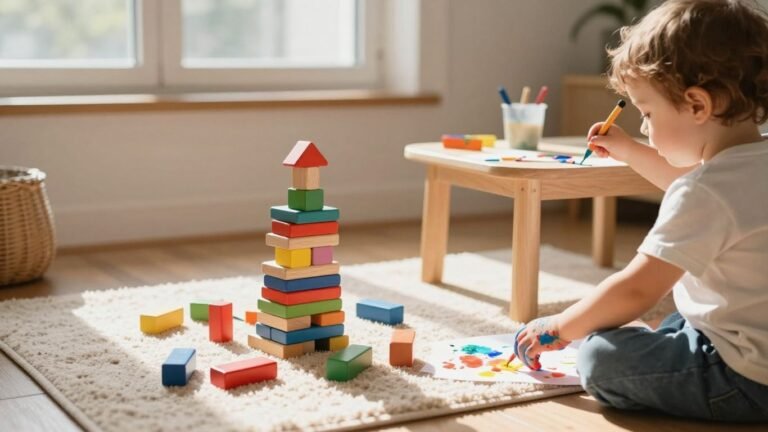
When your child is playing, try to step back a little and just watch. See what captures their attention. Are they stacking blocks? Maybe they’re interested in building and gravity. Are they pretending to be a doctor? They might be exploring caregiving roles or problem-solving. Instead of jumping in with your own ideas, ask open-ended questions like, “What are you building there?” or “What happens next?” This shows you’re interested and encourages them to think more deeply. It’s about supporting their curiosity, not directing their play. This approach helps them feel confident in their own ideas and discoveries. You can find more ideas on how to intentionally link play with learning at The Genius of Play.
Creating a Supportive Play Environment
Setting up a space where your child can play safely and explore freely is key. This means having age-appropriate toys and materials that aren’t too restrictive. Think open-ended items like blocks, art supplies, or dress-up clothes that can be used in many different ways. Make sure these things are easy for your child to reach and use on their own. It’s also important to be present, even if you’re just sitting nearby. Your calm presence can give them the security to try new things and get really absorbed in their play. A good play environment is one that invites exploration and lets your child take the reins. Learning through play is a big part of early childhood education, and creating this kind of space makes a difference at Chroma Early Learning Academy.
Essential Resources for Early Development
Figuring out how to best support your little one’s growth can feel like a big task. Luckily, there are some great places to turn for help and information. These resources are designed to give parents practical advice and insights into how young children learn and develop.
Zero to Three Early Childhood Resources
ZERO TO THREE is an organization that’s been around for a long time, focusing on the well-being of babies and toddlers. They have a huge library of materials for parents and professionals. You can find things like webinars, workshops, and reading materials that cover a lot of ground. They even have resources for specific groups, like military families. It’s a good place to start if you want to learn more about early connections and how they shape a child’s life. They really want to give every child the best possible start. You can explore their curated list of resources to get a feel for what they offer here.

The Baby Brain Map: Early Brain Development
Understanding how a baby’s brain works is pretty amazing. The “Baby Brain Map” is a resource that helps explain this complex topic in simpler terms. It covers how infants start to make sense of sounds and turn them into language, which is a huge step. Learning about these early brain processes can give you a better idea of what your child is experiencing and how you can support their learning through everyday interactions. It’s fascinating to see how much development happens in those first few years.
Problem Solvers: A Free Preschool STEM Curriculum
Science, technology, engineering, and math (STEM) might sound complicated, but kids can learn these concepts through play. This resource offers a free curriculum designed for preschoolers. It includes activity guides and songs to make learning about math and science fun. The idea is that children can explore these subjects using everyday materials and activities. It’s a great way to introduce problem-solving skills and curiosity in a playful way.
Sometimes, just knowing where to look makes all the difference. Having reliable information at your fingertips can ease a lot of parental worries and help you feel more confident in supporting your child’s journey.
Fostering Growth Through Activities
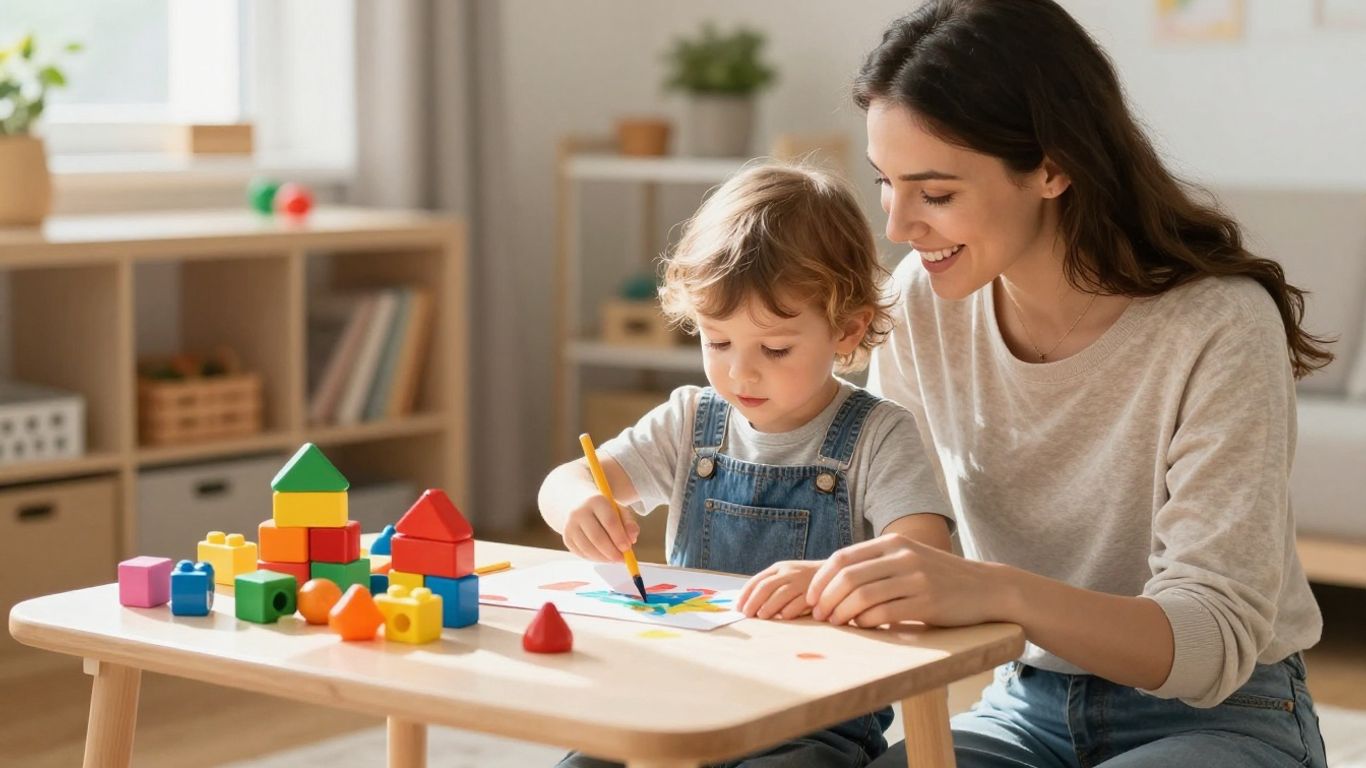
Play is more than just fun; it’s a really important way kids learn about themselves and the world. When children are engaged in play, they’re actually developing all sorts of skills without even realizing it. Think about it: social skills blossom as they learn to share and cooperate, cognitive abilities grow through problem-solving and exploring, and language skills expand as they chat about their make-believe adventures. Even early math and science concepts are introduced through sorting, counting, and experimenting.
Fun and Easy Craft Ideas
Getting creative with crafts doesn’t need to be complicated. Simple materials can lead to hours of fun and learning. Try these ideas:
- Collage Creations: Gather old magazines, scraps of fabric, and colorful paper. Let your child cut (with safety scissors, of course!) or tear pieces and glue them onto paper to make a unique picture. This helps with fine motor skills and color recognition.
- Nature Art: Take a walk and collect leaves, twigs, and flowers. Back home, use these natural items to create pictures or patterns. It’s a great way to connect with nature and explore textures.
- Playdough Sculptures: Homemade or store-bought playdough is fantastic. Provide cookie cutters, rolling pins, and other safe tools for your child to create anything they can imagine. This is wonderful for hand strength and creativity.
Boosting Your Child’s Imagination
Imagination is like a muscle – the more you use it, the stronger it gets. You can help by simply being present and curious about what your child is doing. Asking open-ended questions like “What happens next?” or “How does that character feel?” can really get their creative juices flowing. Providing simple props, like a cardboard box or a few scarves, can also spark amazing pretend play scenarios. Sometimes, the best way to boost imagination is to just let them lead the way and see where their ideas take them. You might be surprised at the worlds they build!
The goal isn’t to direct their play, but to be a supportive audience. Your interest and gentle prompts can help them explore their ideas more deeply and build confidence in their own creativity.
Importance of Preschool Activities
Preschool activities are designed to be engaging and educational, covering a wide range of developmental areas. They often incorporate elements of inquiry-based learning, encouraging children to ask questions and explore topics that interest them. Activities like scavenger hunts, building with blocks, or dramatic play help children develop problem-solving skills and learn to think critically. These experiences are not just about having fun; they lay the groundwork for future academic success and help children develop into well-rounded individuals. Engaging in various activities helps children grow in many ways, from social interaction to physical coordination.
Navigating Preschool and Schooling
Getting your child ready for preschool or the first day of school can feel like a big step, and it is! It’s a whole new world for them, full of new faces and new routines. Helping them adjust smoothly is key to a positive experience.

What is Quality Child Care?
When looking for a place for your little one, think about what makes a child care setting truly good. It’s more than just a place to keep them busy. Quality care means a safe space where children feel cared for and encouraged to explore. Look for staff who are warm and engaging, and who seem genuinely interested in each child. The environment should be stimulating, with plenty of opportunities for play and learning. You want a place that feels like a second home, where your child can build friendships and learn new things every day. Some programs, like those from Frog Street, are built on research to help with this whole-child development.
Creating a Successful School Routine
Establishing a routine can make a world of difference for both you and your child. Mornings can be hectic, but a predictable schedule helps everyone know what to expect. This might include a set time for waking up, getting dressed, eating breakfast, and heading out the door. Having a consistent bedtime routine is just as important for ensuring they get enough rest. A well-planned routine reduces stress and helps your child feel more secure and prepared for their day.
Here’s a simple routine to consider:
- Morning: Wake up, get dressed, eat breakfast, brush teeth, pack bag.
- Afternoon: School activities, snack time, quiet play or reading.
- Evening: Dinner, family time, bath, bedtime story, sleep.
Key Points for Parent-Teacher Discussions
Building a connection with your child’s teacher is super important. When you meet, think about what you want to share and what you want to know. It’s helpful to talk about your child’s strengths and any areas where they might need a little extra support. You can also ask about how they are doing socially and academically. Teachers can offer insights into your child’s day that you might not otherwise see. Don’t hesitate to share any concerns you have, big or small. Open communication helps create a team approach to supporting your child’s growth.
When your child starts preschool, they’re entering a new social circle. Helping them learn to communicate their needs and listen to others is a big part of this transition. It’s about more than just academics; it’s about learning to be part of a community outside the home.
Supporting Your Child’s Well-being
Positive Parenting Strategies
Parenting is a journey, and sometimes it feels like you’re just figuring things out as you go. That’s totally normal! When it comes to preschoolers, focusing on positive approaches can make a big difference. It’s not about being perfect, but about being present and responsive. Think about how you react when your child is upset or excited. Your calm response can teach them how to manage their own feelings.
Here are a few ideas to try:
- Acknowledge their feelings: Even if their worry seems small to you, it’s big to them. Saying something like, “I see you’re feeling sad because your toy broke,” helps them feel heard.
- Set clear limits: Kids thrive on knowing what to expect. When you set a boundary, explain why it’s there in simple terms. Consistency is key here.
- Encourage independence: Let them try to do things for themselves, like putting on their shoes or helping with simple tasks. It builds their confidence.
Remember, building a strong connection is about more than just discipline. It’s about the everyday moments, too. Positive parenting strategies can help you build that connection.
Promoting Healthy Eating Habits
Getting preschoolers to eat a variety of foods can sometimes feel like a battle. But it’s really important for their growth and energy levels. Instead of forcing them, try making mealtimes a positive experience.
Consider these tips:
- Offer choices: Give them a couple of healthy options, like “Would you like carrots or peas with dinner?”
- Involve them in food prep: Even little ones can help wash veggies or stir ingredients. They’re more likely to try something they helped make.
- Be a role model: Let them see you enjoying healthy foods. Your own eating habits speak volumes.
It’s also helpful to remember that kids’ appetites can change daily. Don’t stress too much if they don’t eat a lot at one meal; they’ll likely make up for it later.
Maternal Mental Health and Prenatal Development
Taking care of yourself is just as important as taking care of your child, especially during pregnancy and the early years. Your mental well-being has a direct impact on your child’s development, even before they are born. Stress and anxiety can affect the prenatal environment, while a parent’s emotional state in the early years shapes a child’s sense of security and attachment.
Prioritizing your own mental health isn’t selfish; it’s a vital part of supporting your child’s healthy development from the very beginning. This includes seeking support when you need it, whether from a partner, friends, or professionals.
Remember, you don’t have to do it all alone. There are resources available to help parents support their child’s growth and well-being at every stage. Reaching out is a sign of strength.
Building Strong Home-School Connections

Think of your child’s school and your home as two sides of the same coin when it comes to their learning and growth. They really work best when they’re in sync. It’s not just about dropping them off and picking them up; it’s about creating a partnership. This connection helps your child feel more secure and understand that learning happens everywhere, not just within the classroom walls. Open communication is the bedrock of this relationship.
Partnering with Your Child’s Teachers
Teachers are your allies in your child’s development. They see your child in a different setting, interacting with peers and tackling new challenges. Sharing what you observe at home – like a new interest or a struggle your child is having – can give teachers valuable insights. Likewise, asking teachers about your child’s day, their strengths, and areas where they might need a little extra support is super helpful. It’s a two-way street.
Here are a few ways to make this partnership work:
- Regular Check-ins: Don’t wait for parent-teacher conferences. A quick email or a brief chat at pickup can go a long way.
- Share Observations: Mention if your child is particularly excited about a topic at home, or if they’re having trouble with something specific.
- Ask Questions: Inquire about classroom activities, social interactions, and learning progress.
- Be Open to Feedback: Teachers have a professional perspective that can help you understand your child better.
Building a strong home-school connection involves families and early learning programs working together toward common goals. This partnership relies on consistent routines and clear communication, which ultimately leads to more family involvement and supports a child’s development in their early years.
Understanding Early Childhood Buzzwords
Sometimes, it feels like schools and early childhood centers speak a different language. You might hear terms like ‘play-based learning,’ ‘inquiry-based learning,’ or ‘social-emotional development.’ Understanding what these mean can help you talk more effectively with teachers and better grasp what your child is doing at school. For instance, ‘play-based learning’ doesn’t mean kids are just messing around; it means they are learning through exploration and experimentation, which is how young children naturally learn best. Knowing these terms helps you feel more involved and confident in your child’s educational journey. You can find more information on early childhood resources that explain these concepts in simple terms.
Wrapping Up
So, we’ve gone over a bunch of ways to help your little one grow and learn during these preschool years. Remember, it’s not about being perfect, it’s about being present and trying your best. There are tons of resources out there, like the ones we talked about, to give you ideas and support. Don’t be afraid to use them and to connect with other parents or teachers. You’re doing a great job, and your child is going to do amazing things.
Frequently Asked Questions
What is play-based learning and why is it important for preschoolers?
Play-based learning is when kids learn best by playing and exploring. It’s super important because it helps them learn new things naturally, like problem-solving and getting along with others, all while having fun. Think of it as learning through their favorite activities!
How can I make play a regular part of my child’s day, even if I’m busy?
You don’t need special toys or lots of time! You can turn everyday tasks into games. For example, ask your child to help sort laundry by color (that’s a math game!) or count items while setting the table. Even a quick game of ‘stop and go’ during a walk can be learning time.
What are some good resources for understanding how young children develop?
There are great places to learn! ZERO TO THREE offers a lot of information on early development. The ‘Baby Brain Map’ is a helpful guide to how a child’s brain grows. Also, look into free programs like ‘Problem Solvers’ for preschool STEM (Science, Technology, Engineering, Math) activities.
How can I help my child develop their imagination and creativity?
Encourage them to dream up stories and pretend. Providing different art supplies for drawing or painting, letting them explore freely, and reading books together are fantastic ways to boost their imagination. Simple crafts are also great for this!
What should I talk about with my child’s preschool teacher?
It’s good to discuss how your child is doing in school, their behavior, and how they are learning. Share what you see at home, too. Working together helps make sure your child gets the best support both at school and at home.
Why is it important for my child to eat healthy foods, especially at preschool age?
Eating healthy foods gives your child the energy they need to learn and play. It also helps them focus better in class and builds good habits that will last a lifetime. Think of it as fueling their brain and body for success!
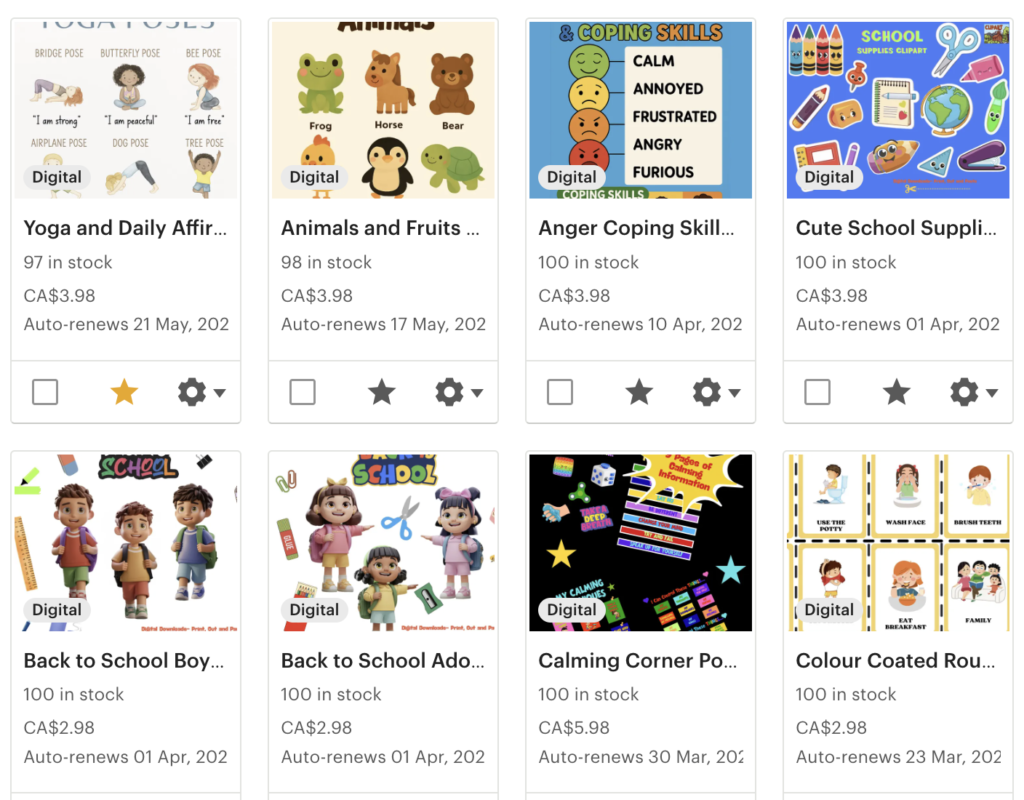

Ms. Kerri’s Corner provides a exciting virtual space for preschool learning. Through a variety of engaging activities, she exposes young minds to early math, literacy, science and social-emotional skills in a developmentally appropriate way. Centers for blocks, art, books and music allow children to explore hands-on learning at their own pace. Guided lessons subtly introduce number sense, letter sounds and narrative thinking. Careful observation gives insight into each child’s progress across domains. Viewers are also invited to participate, reinforcing that their ideas are valued. By making learning fun yet purposeful, Ms. Kerri lays the groundwork for future academic success while fostering creativity and imagination. Her program offers preschoolers valuable screen-based learning experiences.