
Supporting Neurodiverse Learners Comfort First Learning Follows
Walk into any toddler room, preschool classroom, or busy daycare and you will quickly notice something important: every child experiences the world differently. Some children jump right into activities without hesitation, while others freeze when the room gets loud. One child may happily finger paint for an hour while another melts down because the texture feels unbearable. For parents and teachers, this can sometimes feel confusing, exhausting, and honestly a little heartbreaking. You want to help, but it is hard to know where to start.
That is why the phrase Supporting Neurodiverse Learners has become so important in early childhood education. More educators and specialists now understand that before children can focus on letters, numbers, or instructions, they first need to feel emotionally and physically safe. Comfort is not a reward after learning. Comfort is what makes learning possible in the first place.
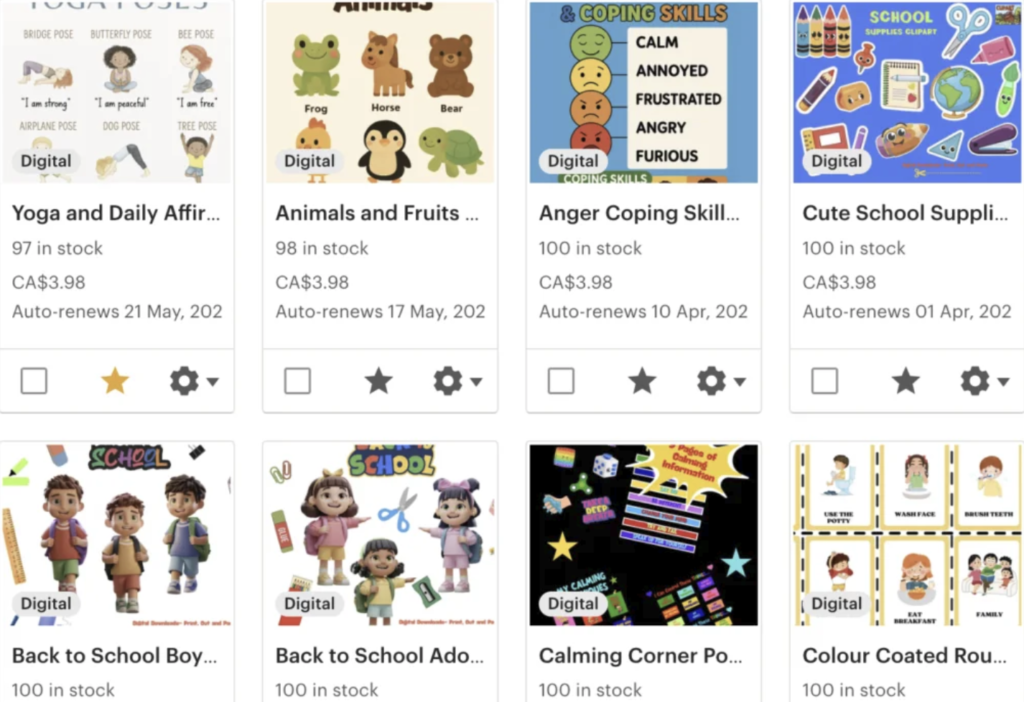
Recent OECD education reports show that many early childhood educators still feel underprepared to support children with additional learning and sensory needs, even as diagnoses and awareness continue to rise globally. At the same time, research continues to show that supportive early environments strongly shape emotional development and future school success.
For young children, especially ages 1 to 4, the brain works a little like a smoke alarm. When stress, noise, fear, or overwhelm take over, learning shuts down. Imagine trying to solve a puzzle while someone blasts a fire alarm beside your head. That is often how overstimulated children feel. The child is not being “difficult.” Their nervous system is waving a giant white flag.
Why Young Children Need Emotional Safety Before Learning
The Brain Cannot Learn in Survival Mode
One of the biggest shifts happening in early childhood education is understanding that behavior is communication. A child throwing blocks, hiding under a table, screaming during circle time, or refusing transitions is usually not trying to “misbehave.” More often, they are overwhelmed, overstimulated, anxious, or unable to process what is happening around them.
This is especially important when Supporting Neurodiverse Learners in daycare, preschool, or home settings. Children with autism, ADHD, sensory processing differences, speech delays, or developmental differences may experience ordinary situations very differently than other children. Bright lights can feel painful. Loud sounds may feel shocking. Sudden schedule changes can feel terrifying.
Researchers and educators are increasingly emphasizing emotional regulation as a foundation for successful learning. When adults focus first on calming the nervous system instead of demanding compliance, children often become more engaged, cooperative, and emotionally secure.
Comfort can look surprisingly simple:
- A quiet corner with soft lighting
- Predictable daily routines
- Giving warnings before transitions
- Sensory tools like playdough or weighted items
- Sitting beside a child instead of towering over them
- Speaking slowly and calmly during stress
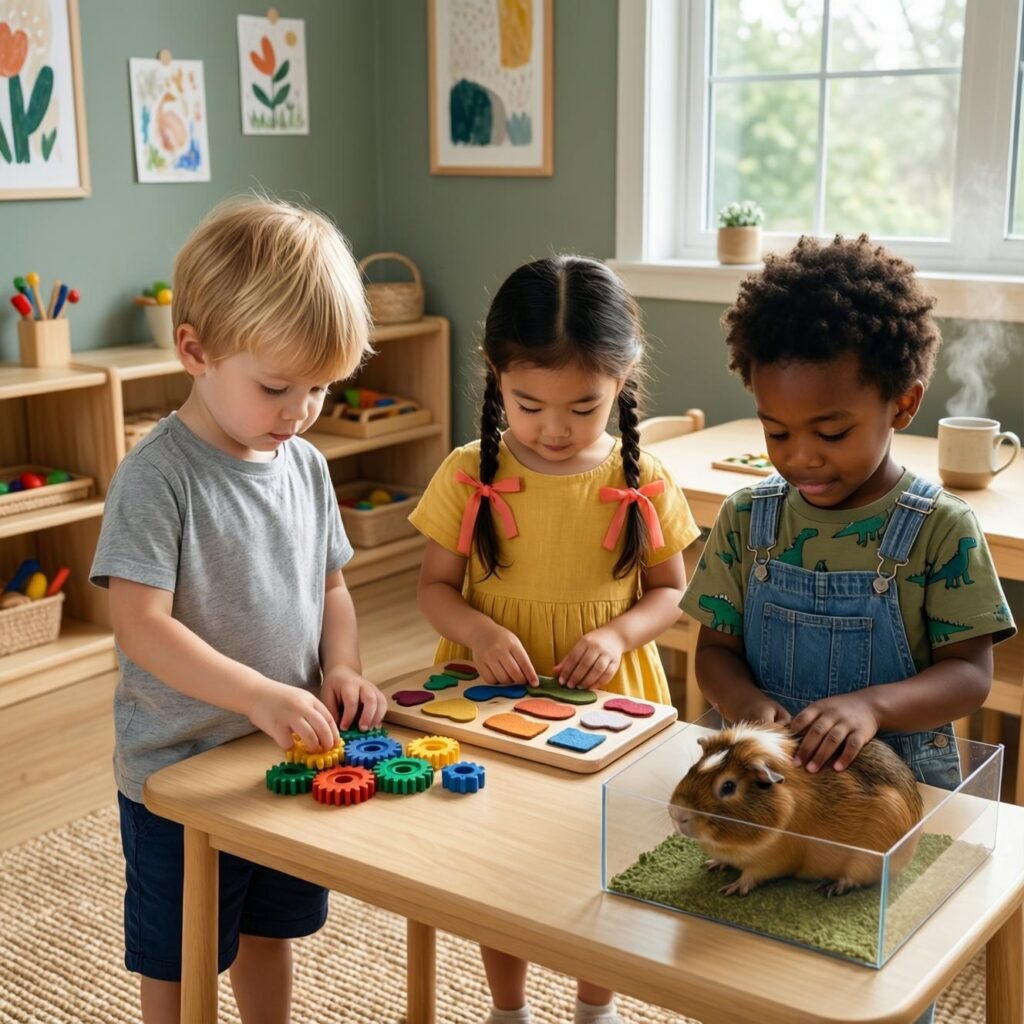
For little children, these supports are not “spoiling.” They are scaffolding. Just like training wheels help a child ride a bike, emotional supports help children safely navigate their environment.
Understanding Neurodiversity in Young Children
Every Child Processes the World Differently
The word “neurodiverse” simply means brains work in different ways. Some children are highly sensitive to sound, movement, touch, or social situations. Others seek constant movement and stimulation. Some communicate verbally very early, while others communicate through gestures, movement, or behavior before words develop.
The important thing to remember is this: different does not mean broken.
Far too often, young children get labeled as “bad,” “wild,” “too emotional,” or “not listening” when they are actually struggling with regulation. This is why Supporting Neurodiverse Learners requires adults to become detectives instead of judges. Instead of asking, “How do I stop this behavior?” it helps to ask, “What is this child trying to tell me?”
Many parents first notice signs through everyday moments:
- Difficulty with loud environments
- Extreme reactions to clothing textures
- Trouble transitioning between activities
- Intense focus on certain toys or interests
- Delayed speech or communication frustration
- Emotional meltdowns that seem larger than expected
These moments can feel isolating for families, especially when outsiders offer unhelpful comments like “they just need discipline.” The truth is that many neurodiverse children are already trying incredibly hard just to process the world around them.
Helpful child development resources can make a huge difference for families navigating these early years. Websites like CDC Learn the Signs Act Early, Autism Speaks, Understood.org, and Zero to Three provide parent-friendly guidance and developmental tools.
Creating Calm Environments That Help Children Thrive
The Power of Predictable Routines
Young children thrive on predictability because routines create safety. When children know what comes next, their brains can relax instead of constantly scanning for surprises. Think about how adults feel when plans suddenly change without warning. Now imagine having a toddler brain with fewer coping skills and much bigger emotions.
One of the most effective strategies for Supporting Neurodiverse Learners is creating simple, visual, and consistent routines. Visual schedules using pictures can reduce anxiety dramatically for children who struggle with transitions. Even giving a two-minute warning before cleanup time can prevent a major meltdown.
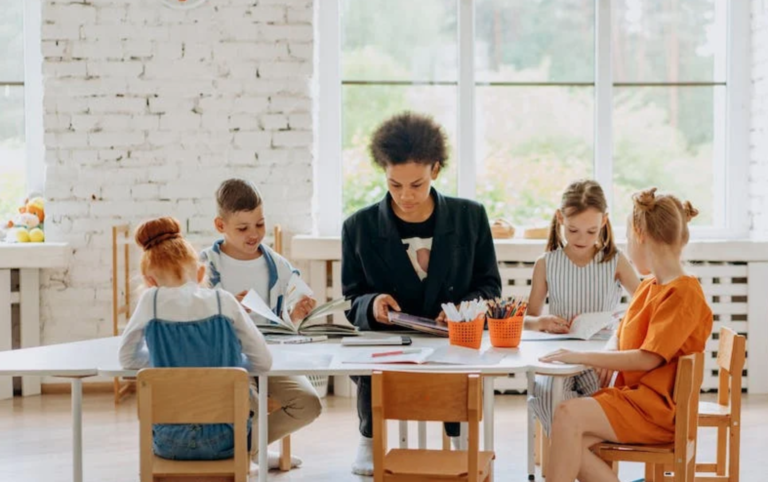
Sensory-friendly environments also matter more than many adults realize. Bright fluorescent lighting, crowded walls, loud music, and chaotic classrooms may seem normal to adults but can feel overwhelming to sensitive children. Some classrooms are beginning to create calming corners, sensory stations, and quieter learning zones because educators recognize that comfort fuels participation.

Research from Western University recently highlighted how screen habits and overstimulation can also impact self-regulation and learning in neurodiverse children. Balance matters. Quiet play, outdoor time, movement, sleep, and face-to-face interaction still play a major role in healthy development.
Parents looking for playful learning ideas can also explore articles on Ms Kerri’s Corner including Preschool Activities for Emotional Development and Simple Sensory Play Ideas for Toddlers for easy at-home activities.
How Parents and Teachers Can Build Trust First
Connection Works Better Than Constant Correction
One of the hardest parts of raising or teaching young children is staying calm when they are not calm. A screaming toddler in the grocery store can make even the most patient adult sweat a little. But connection is usually more effective than correction, especially for children who are already dysregulated.
When Supporting Neurodiverse Learners, adults often need to co-regulate before expecting self-regulation. That means helping children borrow your calm until they can eventually build their own. Soft voices, slow breathing, sitting nearby, and validating feelings can lower stress much faster than punishment or yelling.
Instead of:
- “Stop crying.”
Try: - “You are having a hard time right now.”
Instead of:
- “Use your words.”
Try: - “I can see you are frustrated. Let us figure this out together.”

These small language shifts change everything. Children begin to feel safe instead of ashamed. Safe children are more willing to communicate, explore, and learn.
Teachers are also under enormous pressure right now. Many educators report feeling underprepared for increasing developmental and emotional needs in classrooms. That makes compassion for educators just as important as compassion for children. Nobody thrives in survival mode, including adults.
The Role of Play in Learning and Regulation
Play Is Not a Break From Learning
Play is how young children make sense of the world. Through play, children practice communication, social skills, creativity, emotional regulation, and problem solving. Free play also gives neurodiverse children opportunities to engage in ways that feel natural and safe.
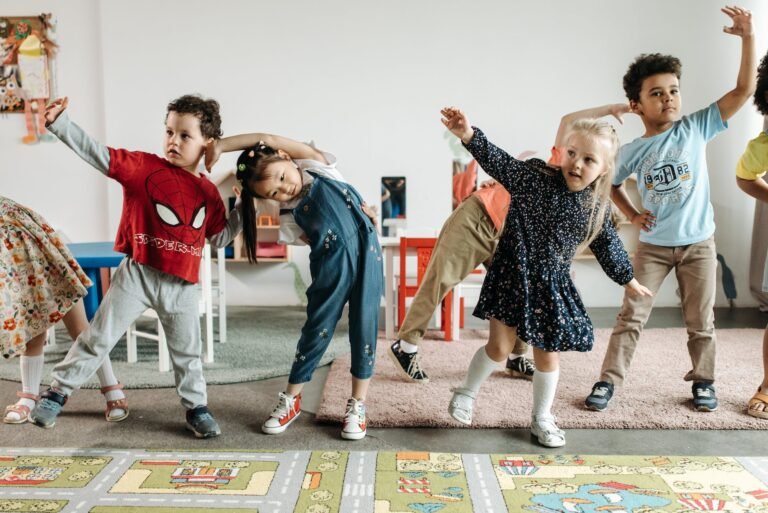
A child lining up toy cars repeatedly may actually be calming their nervous system. A child spinning, jumping, or crashing into cushions may be seeking sensory input their body needs. These behaviors are often misunderstood when they are actually forms of regulation.
This is another reason why Supporting Neurodiverse Learners requires flexibility and observation. Instead of forcing every child into the exact same learning style, strong educators adapt the environment to support different needs.
The goal is not perfection. The goal is helping children feel safe enough to grow.
Conclusion
Children learn best when they feel understood, connected, and emotionally secure. That is true for every child, but especially true when Supporting Neurodiverse Learners in early childhood settings. Comfort is not lowering expectations. It is building the foundation that allows children to eventually reach those expectations.

For parents and teachers of young children, the biggest shift may simply be slowing down and seeing behavior differently. Behind every meltdown, shutdown, or emotional outburst is usually a child asking for support in the only way they currently know how.
And when adults respond with calm, empathy, structure, and patience, something amazing happens. The child begins to trust the environment. Once trust appears, curiosity follows. Then confidence. Then learning.
FAQs
What does neurodiverse mean?
Neurodiverse means people’s brains process information differently. This can include autism, ADHD, dyslexia, sensory differences, and other developmental variations.
How can I help a child with sensory overload?
Reduce noise, lower stimulation, offer quiet spaces, use calming tools, and stay calm yourself. Small environmental changes can make a huge difference.
What are calming strategies for toddlers?
Deep breathing games, sensory bins, soft music, movement breaks, cuddling, predictable routines, and quiet spaces often help toddlers regulate emotions.
Can neurodiverse children succeed in school?
Absolutely. With proper support, understanding, and accommodations, neurodiverse children can thrive academically, socially, and emotionally.
Why is emotional regulation important for learning?
When children feel stressed or unsafe, the brain focuses on survival instead of learning. Emotional regulation helps children stay calm enough to focus, process information, and participate.
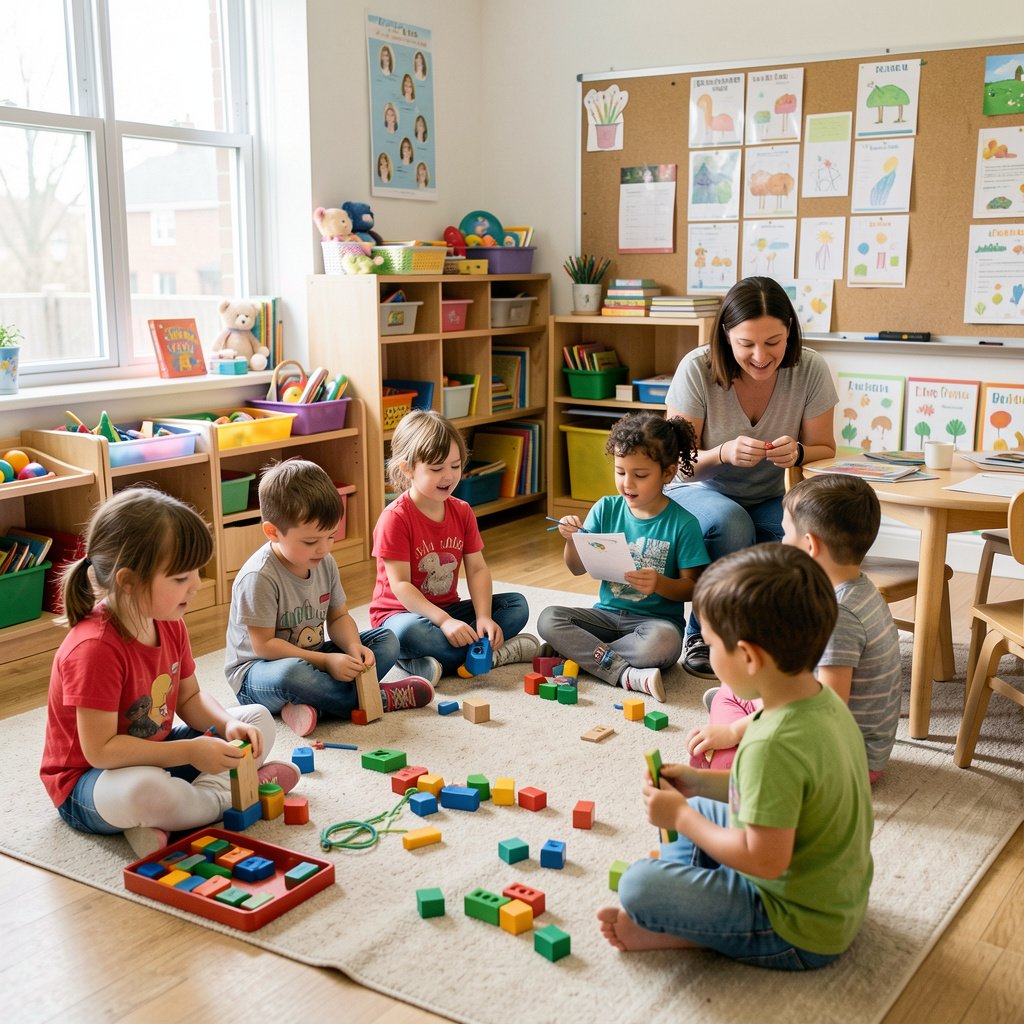


Ms. Kerri’s Corner provides a exciting virtual space for preschool learning. Through a variety of engaging activities, she exposes young minds to early math, literacy, science and social-emotional skills in a developmentally appropriate way. Centers for blocks, art, books and music allow children to explore hands-on learning at their own pace. Guided lessons subtly introduce number sense, letter sounds and narrative thinking. Careful observation gives insight into each child’s progress across domains. Viewers are also invited to participate, reinforcing that their ideas are valued. By making learning fun yet purposeful, Ms. Kerri lays the groundwork for future academic success while fostering creativity and imagination. Her program offers preschoolers valuable screen-based learning experiences.