
Mastering ‘How to Set Boundaries with Kids’: A Practical Guide for Parents
Setting boundaries with kids can feel like a tricky balancing act. You want to raise kids who are respectful and considerate, but you also don’t want to be overly strict, especially if you had a tough time with rules yourself. It’s about finding that sweet spot where you can guide them with clear expectations while still showing them love. This guide will help you figure out how to set boundaries with kids in a way that works for your family, making things smoother for everyone.
Key Takeaways
- Boundaries are guidelines that define acceptable behavior and help everyone understand personal space, both physical and emotional. They are about mutual respect, not just rules.
- Teaching kids how to set boundaries with kids helps them develop self-respect, build healthier relationships, and prepare for future challenges.
- Consistency is key when enforcing boundaries. Addressing boundary crossings every time, not just sometimes, teaches children that limits are always in place.
- Parents are powerful role models. By respecting your own boundaries and demonstrating respect for others’ limits, you show children how it’s done.
- There are different types of boundaries to teach, including those related to personal possessions, physical and emotional space, time, and feelings, all contributing to a respectful family environment.
Understanding The Core Of How To Set Boundaries With Kids
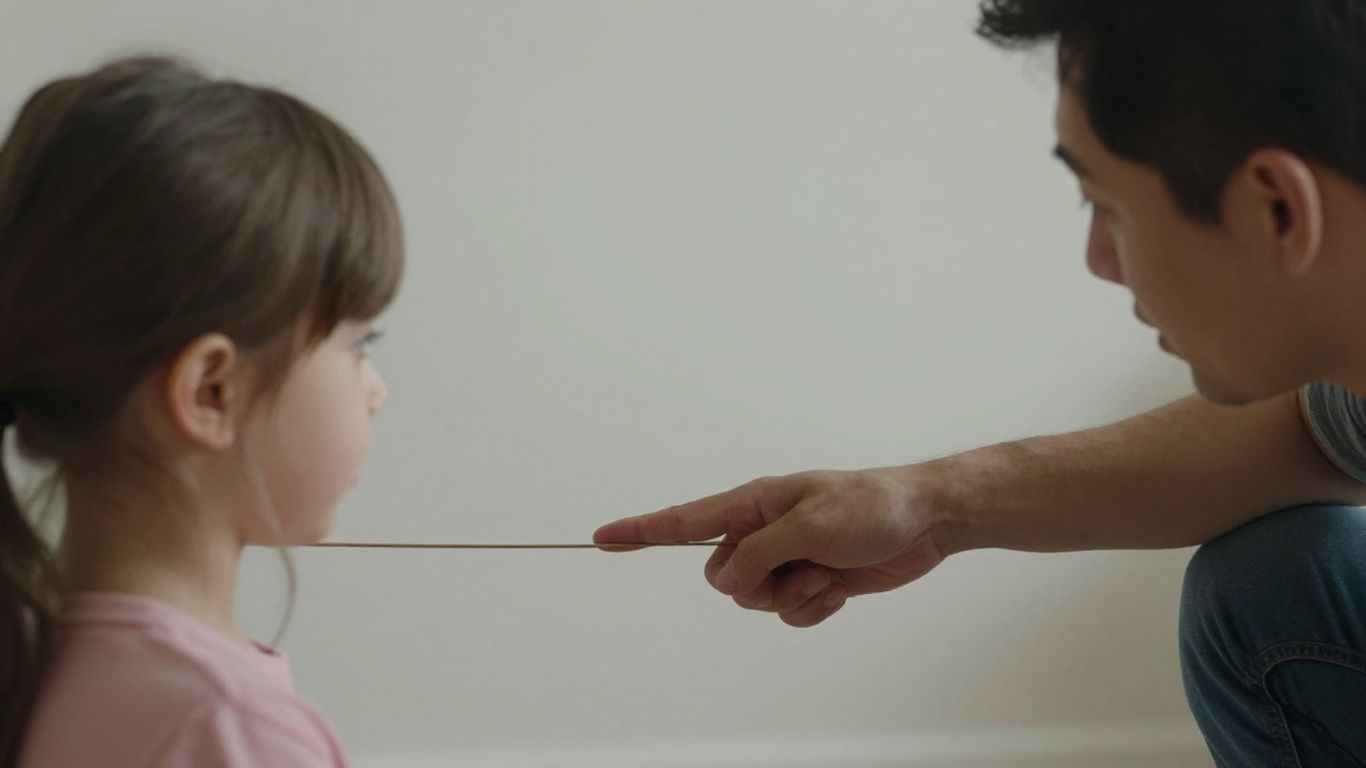
Setting boundaries with kids isn’t just about saying ‘no’ or laying down the law. It’s really about teaching them how to navigate the world with respect, both for themselves and for others. Think of boundaries as the invisible lines that help everyone in the family feel safe, understood, and valued. They aren’t meant to be restrictive, but rather to create a predictable and fair environment where everyone knows what to expect.
What Boundaries Truly Mean For Families
At its heart, a boundary is a limit that defines acceptable behavior. It’s about communicating what’s okay and what’s not okay in terms of how people interact, what personal space is respected, and how time is managed. For families, this means establishing clear guidelines that apply to everyone, not just the children. It’s about creating a shared understanding of respect. For example, a boundary might be that no one interrupts when someone else is speaking, or that personal belongings aren’t used without asking first. These aren’t arbitrary rules; they are the building blocks for healthy relationships within the home. Learning to set these limits is a key part of establishing clear rules that create a functional home.
The Profound Benefits Of Teaching Boundaries
When kids learn to understand and respect boundaries, it does wonders for their development. They start to develop a stronger sense of self-respect because they learn to recognize and communicate their own needs and limits. This awareness also helps them understand and respect the feelings and space of others, which is a huge part of getting along with people. It’s like giving them a roadmap for healthy interactions. Plus, consistent boundaries provide a sense of security; kids know what’s expected, which reduces anxiety. This practice helps children understand what is acceptable and what is not, fostering healthy development and interactions. Boundaries help children understand what is acceptable.
Recognizing The Dual Purpose Of Boundaries
Boundaries serve a double duty. On one hand, they protect individuals. They create a safe space, both physically and emotionally, where a child can be themselves without fear of being overwhelmed or disrespected. On the other hand, boundaries teach responsibility. When a child understands a boundary, like not taking toys from another child without asking, they learn to consider the impact of their actions on others. This dual purpose means that setting boundaries isn’t just about control; it’s about teaching empathy, self-awareness, and social skills that will serve them well throughout their lives.
Setting boundaries is a continuous process, not a one-time event. It requires patience, consistency, and a willingness to adapt as your child grows and their needs change. It’s about building a foundation of respect that benefits everyone in the family.
Practical Strategies For Implementing Healthy Boundaries
So, you’ve got the ‘why’ of boundaries down, and you’re ready to actually do it. That’s great! Putting boundaries into practice isn’t always a straight line, but it’s totally doable. It’s about making these guidelines a normal part of your family’s everyday life, not some big, scary lecture.
Creating And Maintaining Respectful Family Boundaries
Think of family boundaries like the rules of a game everyone plays. They’re not meant to trap anyone, but to make sure everyone feels safe and respected. This means boundaries are for everyone, not just the kids. If you expect your child to knock before entering your room, you should do the same for theirs. It’s about showing that everyone’s personal space matters. We need to be clear about what belongs to whom and that asking permission before using someone else’s things is a must. This builds a foundation of mutual respect that makes family life run a lot smoother.
Incorporating Boundary Setting Into Daily Life
This is where the rubber meets the road. Boundaries aren’t just for big talks; they’re woven into the fabric of your day. For example, if you’ve decided that screens are off during dinner, that rule needs to be followed every time. It’s not about being rigid, but about showing that these limits are important. When you consistently apply rules, like sticking to a bedtime on school nights, kids learn that these boundaries are reliable and contribute to their well-being. It’s about making these practices a habit, not an exception. This consistency helps children feel secure because they know what to expect.
Setting boundaries is an ongoing process, not a one-time event. It requires patience, clear communication, and a willingness to adapt as your children grow. Remember, the goal is to teach them how to navigate the world respectfully, not to control them.
The Importance Of Consistent Boundary Enforcement
Consistency is the absolute key here. If you let things slide sometimes, kids get confused. Imagine telling your child not to interrupt when you’re on the phone, but then you answer their questions while they’re talking to you. That sends mixed signals. It’s like saying the rule doesn’t really matter. When a boundary is crossed, addressing it every single time, no matter how small, teaches that these limits are serious. This doesn’t mean being harsh; it means being steady. It helps children understand that boundaries are there to protect everyone and build trust within the family. Learning to say ‘no’ respectfully is also a big part of this, and it’s a skill that takes practice for both parents and kids. You can find more tips on teaching children to say no.
Here’s a quick look at how consistency plays out:
- Bedtime: Sticking to the agreed-upon bedtime every school night reinforces its importance for health and well-being.
- Screen Time: Consistently enforcing limits on device usage prevents arguments and teaches time management.
- Mealtime Rules: Ensuring that rules like no phones at the table are followed every meal helps create a focused family environment.
- Respect for Belongings: Regularly reminding children to ask before borrowing items and to return them promptly solidifies respect for property.
Navigating Common Pitfalls In Boundary Setting
Setting boundaries with kids is like trying to build a sturdy fence. You’ve got the plans, you’ve got the materials, but sometimes, things just don’t go according to plan. It’s easy to stumble, even with the best intentions. Let’s talk about some of the common ways parents might accidentally mess things up.
The Danger Of Inconsistent Boundary Reinforcement
This is a big one. If you say screen time ends at 8 PM, but sometimes let it slide until 8:30 PM because you’re tired or they’re really into their game, what message does that send? Kids are smart; they notice inconsistencies. When boundaries aren’t enforced consistently, they lose their meaning. It’s like telling someone a rule exists but only following it when you feel like it. This can lead to confusion and make kids push harder because they know there’s a chance they’ll get their way. It’s not about being rigid all the time, but about having a clear expectation and sticking to it most of the time. If you need to make an exception, it’s good to explain why, but don’t make exceptions the norm. This is one of the most common mistakes parents make when setting boundaries.
Avoiding The Sabotage Of Missed Teachable Moments
Life with kids is a constant stream of little moments that can actually be great teaching opportunities. Think about when your child interrupts you while you’re on the phone. Instead of just saying, “Wait a minute!” you could pause, acknowledge them, and say, “I need to finish this call, but I’ll talk to you as soon as I’m done. It’s important to let people finish what they’re saying.” This turns a simple interruption into a lesson about respect and patience. Missing these moments means missing chances to really help your child understand why boundaries matter, not just that they exist. It’s about building a deeper sense of consideration for others.
The Impact Of Vague Versus Clear Boundaries
Nobody likes guessing games, especially kids. If you tell your child to “be good” or “clean your room,” what does that actually mean? It’s too fuzzy. A clearer boundary might be, “Your room needs to be tidy before dinner. That means toys in the bin, books on the shelf, and clothes in the hamper.” Specificity helps kids understand exactly what is expected of them. When boundaries are vague, it’s easy for misunderstandings to happen, and then nobody is happy. Making sure your expectations are crystal clear is key to avoiding frustration for everyone involved. It’s about setting expectations that are easy to follow and understand, which makes it easier for kids to succeed and for you to guide them.
The Power Of Role Modeling In Teaching Boundaries
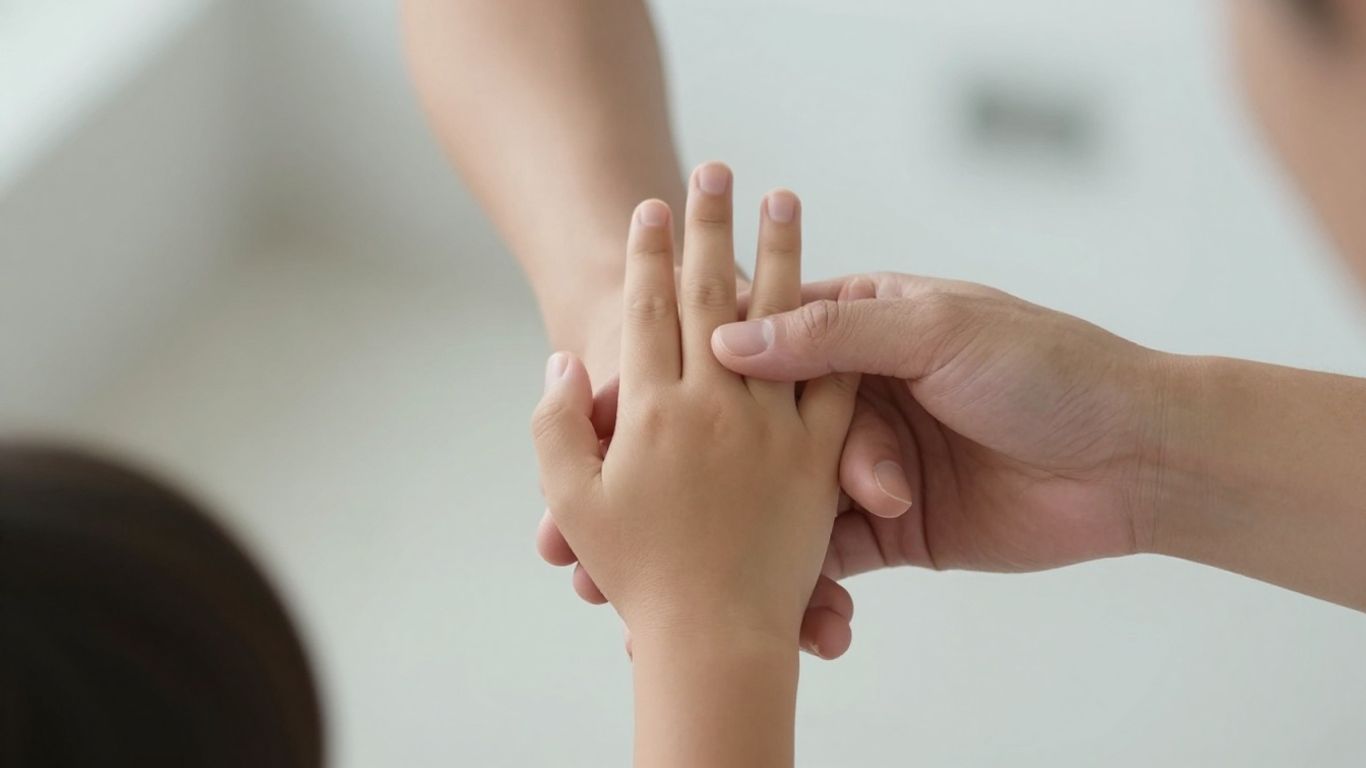
Kids are always watching, aren’t they? It’s like they have this built-in radar for hypocrisy. If we want them to understand and respect boundaries, we absolutely have to show them what that looks like in our own lives. It’s not just about telling them what to do; it’s about being the example.
Leading By Example With Your Own Boundaries
Think about it. If you’ve told your child that family dinner is a screen-free zone, but then you’re scrolling through your phone the whole time, what message does that send? Probably that the rule doesn’t really apply to you, or maybe that it’s not that important. Consistency between what we say and what we do is key. If you expect your child to knock before entering your office, make sure you’re knocking on their door too. It shows that boundaries are a two-way street, not just rules for them to follow.
- Respecting your own limits: If you’re feeling overwhelmed, it’s okay to say, “I need some quiet time right now.” This models self-care and shows kids that it’s healthy to recognize and communicate personal needs.
- Adhering to family rules: When a work call comes in during dinner, silence your phone and address it later. This reinforces that mealtime is for connecting.
- Honoring personal space: Always ask before borrowing something, even if it’s just a pen. This teaches respect for belongings.
Setting boundaries isn’t about being rigid or controlling. It’s about creating a safe and respectful environment where everyone feels valued. When we model this behavior, we’re not just teaching rules; we’re teaching respect.
Demonstrating Respect For Others’ Limits
This goes hand-in-hand with leading by example. It’s about showing our kids that we also respect the boundaries of other people, whether they’re family members, friends, or even strangers. When we’re talking to someone, we give them our full attention. When someone says “no” or expresses discomfort, we listen and back off. This teaches children that everyone has a right to their own limits and that their feelings matter. It’s a big part of teaching healthy boundaries.
Building A Family Culture Of Mutual Respect
When role modeling becomes a consistent practice, it starts to shape the whole atmosphere of your home. It moves beyond just following rules to creating a genuine sense of mutual respect. Kids learn that their space, their time, and their feelings are important, just as yours are. This kind of environment makes it easier for them to set their own boundaries later on and to respect the boundaries of others, which is pretty much the goal, right? It’s about building a family where everyone feels heard, understood, and valued.
Essential Types Of Boundaries To Teach Children
Teaching kids about boundaries isn’t just about saying ‘no’ or setting rules. It’s about helping them understand themselves and how to interact with the world respectfully. Think of it like giving them a map for navigating social situations and personal space. These aren’t meant to be restrictive; they’re about fostering mutual respect and self-awareness.
Boundaries For Personal Possessions And Space
This is often the first type of boundary kids learn. It’s about respecting what belongs to others and understanding that their own things are theirs to protect. You can start with simple things like asking before borrowing a toy or a sibling’s book. It also means understanding that if someone says ‘no’ to sharing, that’s okay. We teach them to knock before entering a room, even if it’s a sibling’s. This shows respect for their personal space and privacy. It’s a way to say, ‘I see you and your things, and I respect them.’

Teaching Respect For Physical And Emotional Boundaries
This is a big one. It covers how people interact with each other’s bodies and feelings. For physical boundaries, it’s about teaching kids that their body is their own. They get to decide who touches them and how. We encourage them to say ‘stop’ if something feels uncomfortable and to respect when someone else says ‘stop’ too. This is also where we talk about consent in simple terms – asking before giving a hug, for example. Emotionally, it’s about understanding that words and actions have an impact. We help them recognize that it’s not okay to make fun of someone or say hurtful things. It’s about teaching empathy: how would you feel if someone said that to you? Understanding and respecting personal limits is key here.
Establishing Boundaries Around Time And Feelings
Boundaries around time are about respecting schedules and commitments. If you say you’ll pick them up at 3 PM, you do. If they promise to finish homework before screen time, they need to follow through. This teaches reliability and respect for others’ time. It also means teaching kids to communicate their own time needs. For instance, a teen might need quiet time to study and can ask not to be disturbed. Boundaries around feelings involve helping children express their emotions in healthy ways. Instead of yelling or hitting when upset, they can learn to say, ‘I’m angry because…’ This helps them manage their feelings and communicate them without causing harm to themselves or others. It also means respecting that others have feelings too, and we shouldn’t intentionally try to upset them. Teaching children about boundaries involves this dual focus on self and others.
Setting these different types of boundaries helps children build a strong sense of self. They learn what they are comfortable with and how to communicate it. This isn’t about being rigid; it’s about creating a safe and respectful environment for everyone involved.
Empowering Children Through Boundary Setting
Setting boundaries with your kids isn’t just about saying ‘no’ or enforcing rules. It’s actually a way to help them grow into confident, respectful adults. When children learn to understand and respect limits, they also learn to respect themselves and others. This skill is super important for pretty much everything they’ll do later in life.
Fostering Self-Respect Through Boundary Awareness
When kids understand what their own boundaries are, it’s like giving them a map for how they want to be treated. They start to see that their feelings and personal space matter. This awareness is the first step toward them valuing themselves. It helps them understand that they have a right to say ‘no’ to things that make them uncomfortable, and that’s a huge deal for their confidence. It’s about building a strong inner sense of worth, not relying on others to tell them they’re okay. This kind of self-respect is key for healthy relationships.
Encouraging Self-Advocacy And Assertiveness
Learning to set boundaries naturally leads to kids becoming more assertive. They get practice in speaking up for themselves in a clear, calm way. Think about it: if a child knows it’s okay to tell a friend they don’t want to share a specific toy, they’re practicing assertiveness. This doesn’t mean being aggressive; it means being able to communicate needs and limits without being rude. It’s a skill that helps them navigate disagreements and stand up for what’s right, not just with peers, but in all sorts of situations.
Here’s a simple breakdown of how this looks:
- Expressing Needs: Kids learn to say things like, “I need some quiet time right now.”
- Saying ‘No’ Respectfully: They can decline requests that don’t work for them, like “No, I don’t want to play that game right now.”
- Seeking Help: They feel comfortable asking for what they need, such as “Can you please help me with this?”
Preparing Kids For Future Relationships And Challenges
Honestly, the world outside your home can be pretty tricky. Teaching kids about boundaries now is like giving them a toolkit for life. They’ll encounter all sorts of people and situations where knowing how to set limits is vital. This includes everything from dealing with peer pressure to understanding consent in future romantic relationships. It helps them build connections based on mutual respect, which is the bedrock of any good relationship, whether it’s with friends, family, or future partners. It really sets them up for success.
Setting boundaries is not about controlling children; it’s about teaching them how to control themselves and respect the rights and feelings of others. It’s a delicate balance, but one that pays off immensely in the long run, leading to more peaceful homes and more well-adjusted kids. This approach helps create a foundation for positive interactions throughout their lives.
Wrapping It Up
So, we’ve talked a lot about setting boundaries with your kids. It’s not always easy, and honestly, sometimes it feels like you’re just guessing. But remember, it’s not about being a drill sergeant. It’s about showing your kids how to respect themselves and others, which is a pretty big deal for their whole lives. By being consistent and modeling good behavior, you’re giving them a solid foundation. It might take some practice, and you’ll probably mess up sometimes – that’s okay! Just keep trying, and you’ll see that creating a home where everyone feels respected is totally doable. It’s one of the best things you can do for your kids, and for your own sanity too.
Frequently Asked Questions
What exactly are boundaries for kids?
Think of boundaries as guidelines that help everyone in the family know what’s okay and what’s not okay. They’re like invisible lines that protect personal space, feelings, and belongings. Setting boundaries isn’t about being mean; it’s about teaching respect for yourself and others, making sure everyone feels safe and understood.
Why is it important to set boundaries with my children?
Setting boundaries is super important because it teaches kids how to respect themselves and other people. It helps them understand their own needs and feelings, and also how to consider the needs and feelings of others. This builds confidence, helps them make friends, and prepares them for handling tricky situations as they get older.
How can I start setting boundaries without being too strict?
It’s all about finding a balance! Start by being clear and consistent with simple rules, like asking before borrowing something or not interrupting when someone is speaking. Explain *why* the boundary is important in a kind way. Remember, boundaries are about respect, not punishment. Showing them you respect their boundaries too makes a big difference.
What happens if I’m not consistent with enforcing boundaries?
If you’re not consistent, it can get confusing for kids. They might not understand when a rule really matters or when they can get away with something. This can lead to them testing boundaries more often. Consistency helps them learn that boundaries are important all the time, which actually makes them feel more secure.
How can I teach my child to respect others’ boundaries?
You can teach this by modeling the behavior yourself! Show them how you respect other people’s space and belongings. Also, talk about it. For example, if someone doesn’t want to be hugged, explain that it’s important to respect their ‘no.’ Encourage your child to ask for permission before using someone else’s things.
What if my child gets upset when I set a boundary?
It’s normal for kids to get upset sometimes when they can’t have or do what they want. Acknowledge their feelings by saying something like, ‘I know you’re disappointed.’ Then, calmly restate the boundary. It’s okay for them to feel sad or frustrated, but it’s also important to hold the boundary kindly. This teaches them how to handle disappointment.

Ms. Kerri’s Corner provides a exciting virtual space for preschool learning. Through a variety of engaging activities, she exposes young minds to early math, literacy, science and social-emotional skills in a developmentally appropriate way. Centers for blocks, art, books and music allow children to explore hands-on learning at their own pace. Guided lessons subtly introduce number sense, letter sounds and narrative thinking. Careful observation gives insight into each child’s progress across domains. Viewers are also invited to participate, reinforcing that their ideas are valued. By making learning fun yet purposeful, Ms. Kerri lays the groundwork for future academic success while fostering creativity and imagination. Her program offers preschoolers valuable screen-based learning experiences.