25 Screen Free Activities Toddlers Actually Love That Keep Them Learning and Playing
If you’ve ever found yourself handing your toddler a tablet so you can make dinner, answer an email, or simply enjoy five minutes of peace, you’re definitely not alone. Screens have become a normal part of modern family life. However, many parents are now searching for screen free activities toddlers genuinely enjoy because they want to create a healthier balance between technology and hands-on play.
The challenge is that toddlers have endless energy, short attention spans, and a natural curiosity that seems impossible to satisfy for more than a few minutes at a time. When boredom strikes, screens often become the quickest solution. Yet many parents quickly discover that while screens may provide temporary entertainment, they don’t always offer the same developmental benefits as active play, exploration, and real-world experiences.
The good news is that toddlers don’t need expensive toys, complicated crafts, or Pinterest-worthy setups to stay engaged. In fact, some of the best screen free activities toddlers love involve simple household items, outdoor adventures, pretend play, sensory experiences, and opportunities to explore their world.
According to HealthyChildren.org, young children learn best through active play, meaningful interactions, and hands-on experiences that engage multiple senses. Whether they are building a tower, splashing in water, pretending to run a grocery store, or searching for bugs in the backyard, these activities help support healthy growth and development.
This guide shares 25 fun and practical screen free activities toddlers can enjoy at home, outdoors, or on the go. These ideas are designed to encourage creativity, build important developmental skills, reduce boredom, and create more opportunities for family connection. Best of all, most require little preparation and use materials you probably already have around the house.
For more parenting tips, preschool activities, and early learning ideas, visit MsKerrisCorner.com Preschool Activities.
Why Screen-Free Play Matters
Today’s toddlers are growing up in a world filled with digital devices. While technology certainly has its place, early childhood experts continue to emphasize the importance of active play and real-world experiences during the first few years of life.
Screen-free play allows toddlers to learn through movement, exploration, problem-solving, and social interaction. Unlike passive screen viewing, hands-on activities require children to think, experiment, communicate, and engage with their environment. Every time a toddler stacks blocks, sorts objects, splashes in a puddle, or pretends to cook dinner, they are developing skills that support future learning.
Research highlighted by Zero to Three shows that play is essential for healthy brain development. Through play, toddlers build language skills, strengthen emotional regulation, develop motor coordination, and learn how to interact with others. These everyday experiences help lay the foundation for future success in school and life.
Screen-free play also encourages independence and creativity. When children are not being entertained by a screen, they learn how to create their own fun, solve problems, and use their imagination. A cardboard box can become a spaceship. A blanket can become a fort. A pile of sticks can become a construction project.
Most importantly, screen-free activities often create opportunities for meaningful connection between parents and children. Reading together, going on nature walks, building towers, or dancing in the living room all encourage conversation, laughter, and shared experiences that strengthen family relationships.
As parents, the goal isn’t necessarily to eliminate screens completely. Instead, it’s about ensuring that toddlers have plenty of opportunities to engage in the kinds of play that help them grow, learn, and thrive.
Benefits of Screen-Free Play
The benefits of incorporating more screen free activities toddlers enjoy into daily routines extend far beyond simply reducing screen time. Active play supports nearly every area of a child’s development.
| Benefit | How It Helps Toddlers |
| Creativity | Encourages imagination and independent thinking |
| Language Development | Builds vocabulary and communication skills |
| Physical Development | Strengthens coordination, balance, and motor skills |
| Emotional Growth | Helps children learn to manage feelings |
| Problem-Solving | Encourages critical thinking and persistence |
| Social Skills | Supports sharing, cooperation, and communication |
According to early childhood experts at NAEYC (National Association for the Education of Young Children), play-based learning remains one of the most effective ways young children develop essential skills.
Many parents also notice practical day-to-day benefits when they introduce more screen-free activities. Children often become more engaged, more creative, and better able to entertain themselves independently. Activities that involve movement can help burn off excess energy, while quieter activities such as reading or sensory play can provide calming opportunities throughout the day.
Perhaps most importantly, screen-free play helps children experience the joy of discovery. Whether they are finding a ladybug during a nature walk, creating a masterpiece with sidewalk chalk, or building the tallest block tower they’ve ever made, these moments foster confidence, curiosity, and a lifelong love of learning.
For additional screen-free activity ideas, parenting support, and preschool learning resources, explore MsKerrisCorner Parenting Resources.
Indoor Screen Free Activities Toddlers Love
1. Sensory Bins
Sensory bins remain one of the most popular screen free activities toddlers enjoy because they engage multiple senses at the same time. A simple plastic container filled with rice, dried pasta, oats, pom-poms, or kinetic sand can provide endless entertainment. Add scoops, measuring cups, toy animals, or small containers, and your toddler suddenly has an exciting world to explore.
Sensory play helps develop fine motor skills, hand-eye coordination, problem-solving abilities, and language development. As children pour, scoop, sort, and explore, they naturally learn concepts such as full and empty, big and small, and rough and smooth.
You can also create themed sensory bins around seasons, animals, colors, or holidays to keep things fresh. The best part is that toddlers often spend far longer engaged with sensory bins than parents expect, making them an excellent boredom buster for rainy days.
2. Pillow Obstacle Course
If your toddler seems to have endless energy, a pillow obstacle course can be a lifesaver. Gather couch cushions, pillows, blankets, and safe household items to create a simple indoor adventure course.
Encourage your child to crawl under blankets, jump over pillows, balance on cushions, and weave around obstacles. This activity helps develop gross motor skills, balance, coordination, and body awareness.
Obstacle courses also encourage problem-solving. Toddlers quickly learn how to navigate challenges and adjust their movements. You can even make the course more exciting by pretending the floor is lava or turning the course into a jungle adventure.
For active toddlers, this is one of the best screen free activities toddlers can enjoy when outdoor play isn’t possible.
3. Sticker Art
Sticker art is simple, affordable, and surprisingly educational. Give your toddler a sheet of stickers and a blank piece of paper, and watch their creativity take over.
Peeling and placing stickers helps strengthen the small muscles in children’s hands and fingers. These skills are important for future writing, cutting, and self-care tasks.
You can also make sticker activities educational by asking your toddler to sort stickers by color, size, or shape. Create themed pages featuring animals, vehicles, or favorite characters.
Many parents underestimate how much toddlers love stickers. A single sheet can often keep little hands busy far longer than expected while supporting important developmental skills.
4. Play Dough Creations
Play dough has been entertaining children for generations for a reason. It is one of the most versatile screen free activities toddlers can enjoy.
Children can roll, squish, flatten, pinch, and shape the dough into endless creations. Encourage your toddler to make pretend food, animals, flowers, or simple shapes.
Play dough strengthens hand muscles while encouraging creativity and imagination. It also provides valuable sensory input for children who enjoy tactile experiences.
To extend the activity, add cookie cutters, toy vehicles, rolling pins, plastic utensils, or natural materials such as leaves and sticks. Every new item creates fresh opportunities for exploration and learning.
5. Dance Party
Never underestimate the power of music. A spontaneous dance party can instantly transform a grumpy afternoon into a fun and energetic experience.
Turn on your toddler’s favorite songs and encourage movement. Dance fast, dance slow, spin around, march, jump, and clap together.
Dancing supports physical development, balance, rhythm, coordination, and listening skills. It also helps toddlers release energy in a positive way.
For parents looking for quick screen free activities toddlers enjoy without any preparation, dance parties are hard to beat. They require no special equipment and can happen almost anywhere.
6. Building Block Challenges
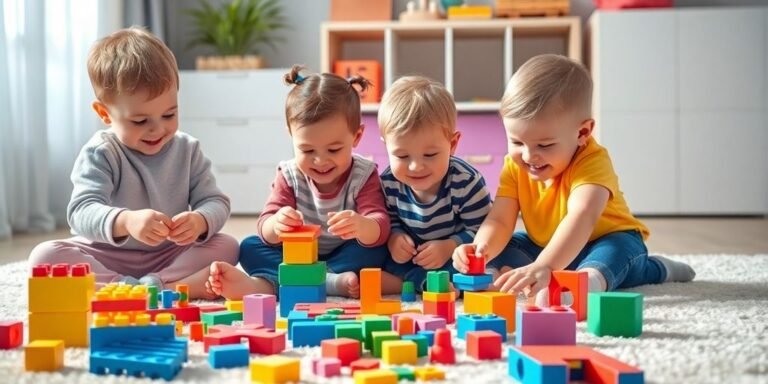
Blocks are one of the most valuable toys for early childhood development. Whether you use wooden blocks, foam blocks, magnetic tiles, or plastic building sets, building activities encourage creativity and problem-solving.
Challenge your toddler to build the tallest tower possible. Create bridges for toy cars, homes for stuffed animals, or castles for imaginary adventures.
As children experiment with stacking and balancing, they learn about cause and effect, spatial awareness, and basic engineering concepts.
Building activities also teach persistence. Towers fall down. Structures collapse. Toddlers learn that mistakes are part of learning and that trying again can lead to success.

7. Indoor Scavenger Hunt
Scavenger hunts transform ordinary household items into exciting discoveries.
Give your toddler simple challenges such as finding:
- Something red
- Something soft
- Something round
- Something that starts with a certain letter
This activity encourages observation skills, listening, memory, and vocabulary development.
You can adjust the difficulty depending on your child’s age. Younger toddlers may simply search for colors, while older preschoolers can look for shapes, letters, or categories.
Scavenger hunts are among the easiest screen free activities toddlers can enjoy because they require little preparation and use items already around the house.
8. Water Painting
Water painting is simple, mess-free, and surprisingly entertaining.
Give your toddler a paintbrush and a small container of water. They can paint fences, cardboard, sidewalks, construction paper, or even rocks outdoors.
Children love watching their creations appear and disappear as the water dries. The activity encourages creativity while strengthening fine motor skills and hand control.
Because there is no paint involved, parents can relax and allow children to explore freely. This makes water painting one of the most stress-free screen free activities toddlers can enjoy independently.
9. Pretend Grocery Store
Toddlers love copying the adults in their lives. A pretend grocery store allows them to engage in imaginative role-play while practicing important life skills.
Use toy food, empty food containers, reusable shopping bags, and a basket. Let your child shop, organize products, and pretend to check out purchases.
Pretend play encourages language development, social skills, creativity, and problem-solving. It also provides opportunities to practice counting, sorting, and identifying foods.
You may be surprised how much time toddlers spend immersed in imaginary play when given simple props and a little encouragement.
10. Sorting Games
Sorting activities help children recognize patterns, classify objects, and build early math skills.
Provide buttons, blocks, toy animals, pom-poms, or household objects and encourage your child to sort them by:
- Color
- Shape
- Size
- Category
Sorting develops critical thinking while strengthening attention and concentration.
The activity can easily grow with your child. As toddlers become more confident, they can tackle increasingly complex sorting challenges.
Outdoor Screen Free Activities Toddlers Love
11. Nature Walks
Nature walks are one of the simplest yet most powerful screen free activities toddlers can experience.
Everything outdoors is new and exciting to a young child. A short walk becomes an adventure filled with birds, flowers, rocks, insects, puddles, and leaves.
Encourage your toddler to stop, observe, and ask questions. Talk about colors, sounds, textures, and weather conditions.
Nature walks help build vocabulary, curiosity, observation skills, and appreciation for the natural world. They also provide valuable physical activity and fresh air.
12. Sidewalk Chalk Art
Sidewalk chalk combines creativity, movement, and outdoor fun.
Toddlers can draw shapes, scribbles, letters, roads, animals, and imaginative creations. Parents can join the fun by drawing games such as hopscotch or simple obstacle courses.
Drawing on large surfaces also helps strengthen shoulder and arm muscles that support future writing skills.
Unlike paper-based art, sidewalk chalk encourages bigger movements and more active play, making it ideal for energetic toddlers.
13. Bubble Chase
Few activities create as much excitement as bubbles.
Children love chasing, popping, catching, and blowing bubbles. This simple activity supports hand-eye coordination, balance, visual tracking, and gross motor development.
Bubble play also encourages movement without feeling like exercise. Toddlers naturally run, jump, stretch, and reach while trying to catch floating bubbles.
Best of all, bubbles create joy almost instantly, making them one of the easiest screen free activities toddlers love.
14. Watering the Garden
Toddlers enjoy helping adults with real tasks, and watering plants is a perfect opportunity.
Provide a small watering can and allow your child to care for flowers, vegetables, or houseplants.
This activity teaches responsibility while helping children develop coordination and confidence. It also creates opportunities to discuss nature, plant growth, and seasons.
Many toddlers take great pride in having an important job to do.
15. Mud Kitchen
A mud kitchen is messy, creative, and incredibly engaging.
Using dirt, water, sticks, leaves, rocks, and old kitchen utensils, toddlers can create imaginary soups, cakes, and meals.
Mud play encourages sensory exploration, creativity, and imaginative thinking. Children can mix ingredients, experiment with textures, and invent endless pretend scenarios.
It may not be every parent’s favorite cleanup activity, but it is often one of the most memorable screen free activities toddlers experience.

16. Leaf Collecting
Leaf collecting turns a simple walk into a learning adventure.
Challenge your toddler to find leaves of different:
- Colors
- Shapes
- Sizes
- Textures
Once collected, the leaves can be used for crafts, sorting games, collages, or nature journals.
This activity encourages observation, comparison, and appreciation for seasonal changes.
17. Backyard Treasure Hunt
Hide safe objects around the yard and encourage your toddler to search for them.
You can hide toy animals, colorful balls, plastic eggs, or small treasures.
Treasure hunts promote problem-solving, movement, memory, and excitement. Children love the thrill of discovery and often remain engaged much longer than expected.
Adding simple clues can make the activity even more exciting for older preschoolers.
18. Ball Games
A simple ball can provide endless opportunities for active play.
Toddlers can practice rolling, kicking, tossing, catching, and chasing balls of different sizes.
Ball games help develop coordination, balance, timing, and motor planning skills. They also teach turn-taking and cooperation when played with others.
Whether you’re in a backyard, park, driveway, or open field, ball games remain one of the most effective screen free activities toddlers can enjoy while building important physical skills.
Educational Screen Free Activities for Toddlers
19. Story Time Adventures
Reading with toddlers is one of the most valuable screen free activities toddlers can experience. Books help build vocabulary, listening skills, imagination, and early literacy abilities long before children learn to read independently.
Make story time interactive rather than simply reading words on a page. Ask questions such as:
- What do you think will happen next?
- Can you find the dog?
- How does the character feel?
Encourage your child to point to pictures, identify colors, count objects, and make predictions. These simple conversations help develop critical thinking and language skills.
You can also bring stories to life through pretend play. After reading a book about animals, act out the animals together. After reading about construction vehicles, build a pretend construction site with blocks.
The more interactive story time becomes, the more engaged toddlers remain.
20. Color Matching Games
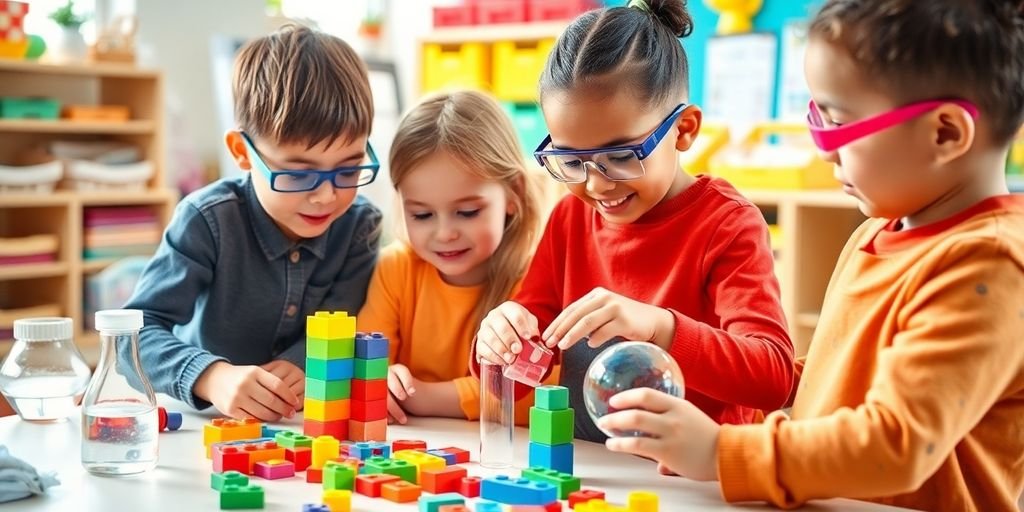
Color matching activities are simple to set up and help toddlers develop observation skills, early math concepts, and visual discrimination.
Gather items from around your home and invite your child to sort them by color. You can use:
- Building blocks
- Pom-poms
- Toy cars
- Socks
- Plastic cups
You can also create color scavenger hunts by asking your toddler to find items that match a specific color.
Activities like these strengthen concentration while helping children recognize patterns and organize information. Best of all, they feel like play rather than learning.
21. Shape Hunts
Shapes are everywhere, making shape hunts one of the easiest screen free activities toddlers can enjoy.
Challenge your child to find circles, squares, rectangles, triangles, and other shapes around the house or outdoors.
Look for:
- Round clocks
- Square windows
- Rectangular books
- Circular plates
- Triangular road signs
This activity helps children develop spatial awareness while introducing important early math concepts.
As your child becomes more confident, encourage them to draw the shapes they find or create their own shapes using craft materials or building blocks.
22. Counting Games
Toddlers naturally enjoy counting when it is part of everyday activities.
Count:
- Steps while climbing stairs
- Toy animals
- Crackers at snack time
- Flowers in the garden
- Cars parked on the street
Counting games help children build number awareness without worksheets or formal lessons.
You can also make counting active by asking your toddler to jump five times, clap ten times, or toss a ball three times.
These playful experiences create positive associations with numbers and learning.
23. Music Exploration
Music engages multiple areas of a child’s developing brain and provides countless opportunities for learning and fun.
Experiment with:

- Singing songs
- Clapping rhythms
- Dancing
- Homemade instruments
- Musical games
Toddlers love creating sounds and exploring different rhythms. Simple instruments such as shakers, drums, tambourines, or even pots and wooden spoons can provide endless entertainment.
Music activities help support listening skills, memory, language development, and coordination while allowing children to express themselves creatively.
24. Animal Pretend Play
Toddlers love pretending to be animals.
Invite your child to hop like a bunny, stomp like an elephant, slither like a snake, or waddle like a penguin.
Animal play encourages:
- Physical movement
- Creativity
- Language development
- Imagination
You can expand the activity by reading books about animals, watching birds outside, or discussing where different animals live.
This activity combines learning and movement, making it one of the most engaging screen free activities toddlers enjoy.
25. Simple Science Activities
Toddlers are natural scientists. They constantly test ideas, ask questions, and explore how things work.
Simple science activities can include:
- Floating and sinking experiments
- Watching ice melt
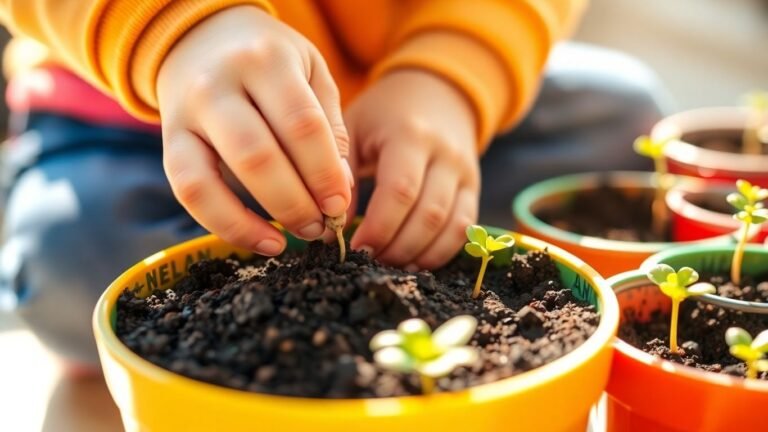
- Planting seeds
- Mixing colors
- Exploring magnets
These activities encourage curiosity and problem-solving while introducing basic scientific concepts.
According to early childhood experts at NAEYC, young children learn best through active exploration and hands-on experiences. Simple science experiments provide exactly that opportunity while creating memorable learning moments.
Creating a Screen-Free Routine
One of the biggest challenges parents face is not finding activities. It is remembering to use them before reaching for a screen.
The key to success is creating a routine that naturally includes screen free activities toddlers enjoy throughout the day.
Start by identifying the times when screens are most often used. For many families, this may be:
- Early mornings
- Before dinner
- Rainy afternoons
- During sibling activities
Once you identify those moments, prepare simple alternatives ahead of time.
Keep a small basket filled with activity supplies such as:
- Stickers
- Coloring materials
- Books
- Play dough
- Building blocks
Rotate toys every week or two. Children often become excited about toys that have been temporarily stored away.
Try creating a daily rhythm that includes:
- Outdoor play
- Reading time
- Creative activities
- Independent play
- Family interaction
Remember that reducing screen time does not have to happen overnight. Small changes often lead to lasting results.
The goal is not perfection. The goal is creating more opportunities for learning, movement, creativity, and connection.
Frequently Asked Questions
How much screen time should toddlers have?
Many child development experts recommend prioritizing active play, social interaction, and hands-on learning experiences over screen use. Families can decide what balance works best for their situation while ensuring children have plenty of opportunities for active exploration.
What are the best indoor screen free activities toddlers enjoy?
Some of the most popular options include sensory bins, play dough, obstacle courses, sticker art, building blocks, scavenger hunts, and pretend play activities.
Do screen free activities help with behavior?
Many parents notice improvements in attention, creativity, cooperation, and independent play when children participate in more hands-on activities throughout the day.
What if my toddler constantly asks for screens?
Consistency is important. Offer engaging alternatives, establish predictable routines, and gradually replace screen time with activities your child enjoys. It may take time, but many children adjust surprisingly well.
Are educational apps better than regular screen time?
Some educational apps can provide learning opportunities. However, they still cannot fully replace active play, real-world exploration, face-to-face conversations, and hands-on experiences.
How can I encourage independent play?
Start small. Provide open-ended toys, create safe play spaces, and allow your child time to explore without constant direction. Independent play skills develop gradually.
What if I don’t have time to prepare activities every day?
Many of the best screen free activities toddlers enjoy require little or no preparation. Nature walks, dancing, reading books, bubble play, and scavenger hunts can be done with minimal setup.
Do screen free activities help prepare children for preschool?
Absolutely. Activities that encourage communication, problem-solving, motor development, creativity, and emotional regulation help build skills that support preschool success.
Finding screen free activities toddlers genuinely enjoy does not require expensive toys, complicated lesson plans, or hours of preparation. The most meaningful activities are often the simplest ones.
Whether your child is building a block tower, chasing bubbles, exploring a sensory bin, pretending to run a grocery store, or searching for treasures on a nature walk, these experiences help support healthy development in ways screens simply cannot replicate.
Throughout early childhood, play remains one of the most powerful learning tools available. Through play, toddlers develop language skills, creativity, confidence, motor abilities, social skills, and problem-solving strategies that will benefit them for years to come.
Most importantly, these activities create opportunities for connection. The conversations, laughter, discoveries, and shared experiences that happen during everyday play often become the memories families treasure most.
Remember, the goal is not to eliminate screens entirely. It is to create balance and provide plenty of opportunities for active, meaningful experiences that help children grow, learn, and thrive.
By incorporating more screen free activities toddlers love into your daily routine, you are giving your child something far more valuable than entertainment. You are helping build a foundation for curiosity, confidence, creativity, and a lifelong love of learning.

Ms. Kerri’s Corner provides a exciting virtual space for preschool learning. Through a variety of engaging activities, she exposes young minds to early math, literacy, science and social-emotional skills in a developmentally appropriate way. Centers for blocks, art, books and music allow children to explore hands-on learning at their own pace. Guided lessons subtly introduce number sense, letter sounds and narrative thinking. Careful observation gives insight into each child’s progress across domains. Viewers are also invited to participate, reinforcing that their ideas are valued. By making learning fun yet purposeful, Ms. Kerri lays the groundwork for future academic success while fostering creativity and imagination. Her program offers preschoolers valuable screen-based learning experiences.