Calm Parenting and Positive Discipline for Toddlers and Preschoolers
Raising toddlers and preschoolers can feel wonderful one minute and completely exhausting the next. One moment your child is laughing over bubbles in the backyard, and the next they are melting down because their toast was cut into triangles instead of squares.
Young children experience huge emotions in very small bodies.
That is why calm parenting and positive discipline are becoming so important for modern families. These parenting approaches help parents guide behavior without constant yelling, harsh punishment, or endless power struggles.
Calm parenting focuses on staying emotionally steady while teaching children how to manage their own feelings and behavior. Positive discipline helps children learn responsibility, respect, and emotional regulation in a healthy and supportive way.
Toddlers and preschoolers are still learning:
- How to handle frustration
- How to communicate emotions
- How to wait
- How to share
- How to follow directions
- How to calm themselves down
That means difficult behavior is often part of normal development, not a sign that your child is “bad.”
According to American Academy of Pediatrics, supportive and emotionally responsive parenting helps young children develop healthier emotional and social skills. Research from Harvard University Center on the Developing Child also shows that calm and stable relationships support brain development in early childhood.
If you are tired of repeating yourself all day, dealing with tantrums, or feeling guilty after yelling, you are not alone. Calm parenting and positive discipline can help create a more peaceful and connected home for both parents and children.
For more parenting support and preschool resources, visit MsKerrisCorner.com.
What Calm Parenting Means for Young Children
Calm parenting does not mean children never cry, argue, or have tantrums. It also does not mean parents stay perfectly patient every second of the day.
Calm parenting simply means responding thoughtfully instead of reacting emotionally.

With toddlers and preschoolers, this often looks like:
- Staying calm during meltdowns
- Using respectful language
- Setting clear limits
- Avoiding yelling
- Helping children name emotions
- Teaching instead of shaming
Young children learn emotional regulation from adults around them. When parents stay calm during difficult moments, children slowly begin learning how to calm themselves too.
For example, instead of yelling:
“Stop screaming right now!”
A calm parenting response may sound like:
“You are very upset right now. I will help you calm down.”
The limit stays firm, but the child also feels emotionally safe.
Why Toddlers and Preschoolers Need Positive Discipline
Toddlers and preschoolers are not trying to make life difficult for parents. Their brains are still developing.
Young children often struggle with:
- Impulse control
- Patience
- Emotional regulation
- Communication
- Transitions
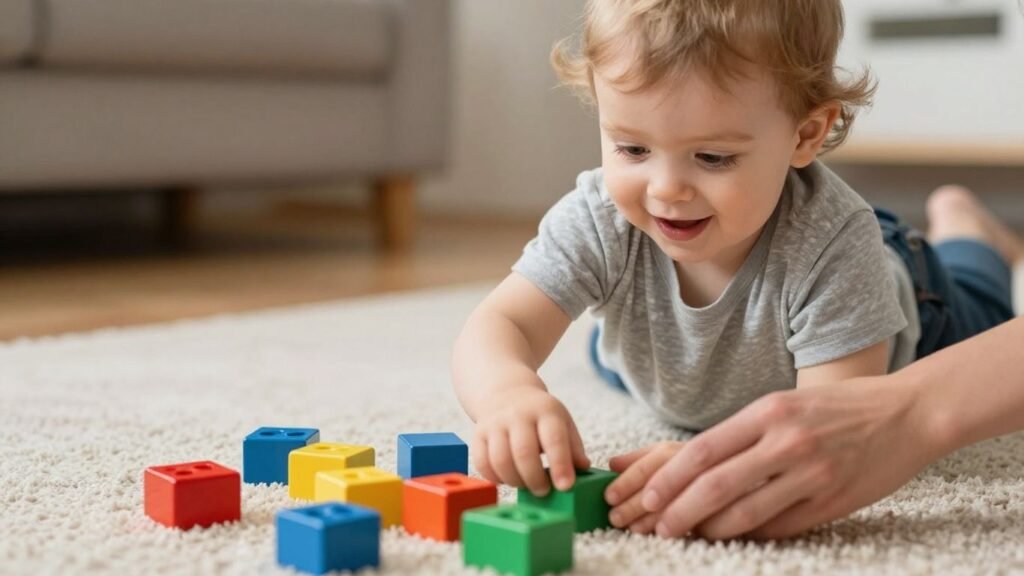
Positive discipline helps children learn these skills gradually instead of punishing them for not already knowing them.
Positive discipline focuses on:
- Teaching
- Guiding
- Connection
- Consistency
- Emotional coaching
For example, if a preschooler throws blocks across the room, positive discipline does not ignore the behavior. Instead, the parent calmly stops the behavior, explains the limit, and helps the child learn a safer choice.
This approach teaches responsibility without fear or shame.
Calm Parenting vs Permissive Parenting
Many people think calm parenting means letting children “get away with everything.” That is not true at all.
| Calm Parenting | Permissive Parenting |
| Uses boundaries | Avoids boundaries |
| Calm but firm | Gives in easily |
| Teaches respect | Avoids conflict |
| Parent leads confidently | Child controls situations |
| Focuses on emotional growth | Focuses on keeping child happy |
Young children actually feel safer when adults provide structure and predictable limits.
A calm “no” helps children feel secure.
Understanding Toddler and Preschool Behavior
Toddlers and preschoolers are still learning how the world works. Many behaviors that frustrate adults are completely developmentally normal.
Common behaviors include:
- Tantrums
- Saying “no”
- Throwing toys
- Refusing directions
- Hitting when frustrated
- Clinginess
- Testing limits repeatedly
Children at this age are not tiny adults. They do not yet have the emotional skills to manage stress the way adults do.
That is why calm parenting matters so much during early childhood.
If you’re done feeling overwhelmed and ready for a parenting approach that actually works, get The Kind & Firm Parent today and start transforming your home tonight.
7 Calm Parenting Strategies That Actually Work
Stay Calm During Big Emotions
Children need calm adults during emotional storms.
If a parent yells during every meltdown, children often become more overwhelmed instead of calmer.
Lowering your voice often works better than raising it.
Use Simple and Clear Directions
Young children process simple language better than long lectures.

Instead of:
“How many times do I have to tell you not to throw your shoes all over the house?”
Try:
“Shoes stay by the door.”
Short and clear directions work best.
Set Predictable Boundaries
Toddlers and preschoolers thrive on consistency.
Helpful boundaries include:
- “We use gentle hands.”
- “Toys stay on the floor.”
- “We clean up before snack time.”
Predictable limits help children understand expectations.
Focus on Connection Before Correction
Children cooperate better when they feel emotionally connected.
Getting down to a child’s eye level and speaking calmly often improves listening immediately.
Teach Emotional Words Early
Young children need help identifying emotions.
Teach words like:
- Angry
- Sad
- Frustrated
- Excited
- Nervous
Children who can name emotions are more likely to manage them successfully.
Create Consistent Routines
Routines reduce stress and help children feel safe.
Helpful routines include:
| Routine | Benefit |
| Bedtime routine | Better sleep and emotional regulation |
| Morning routine | Less chaos before daycare or preschool |
| Cleanup routine | More cooperation |
| Mealtime routine | Stronger family connection |
Simple routines reduce many daily power struggles.
Model Calm Behavior
Children copy adult behavior constantly.
If adults scream during stress, children learn screaming. If adults stay calm and respectful, children slowly learn those skills too.
How to Handle Toddler Tantrums Without Yelling
Tantrums are one of the hardest parts of parenting young children.
The good news is that tantrums are developmentally normal.
Helpful calm parenting strategies include:
Stay Close
Some children calm faster when they know an adult is nearby.
Keep Boundaries Firm
“You may be upset, but I will not let you hit.”
Avoid Long Lectures
Young children cannot process lengthy explanations during emotional overload.
Validate Feelings
“You’re sad because playtime ended.”
Validation does not mean giving in. It means helping children feel understood.
Teach Later
Teaching moments work best after children calm down.
Positive Discipline Tips for Preschoolers
Preschoolers are beginning to understand consequences and social behavior more clearly.
Helpful strategies include:
- Offering limited choices
- Using visual schedules
- Praising effort
- Encouraging independence
- Practicing problem-solving
- Using natural consequences
For example:
If a preschooler refuses to wear a coat, they may briefly feel cold outside and realize why the coat matters.
Natural consequences often teach more effectively than punishment.
For more early childhood parenting resources and preschool support, visit MsKerrisCorner Parenting Resources.
Common Parenting Mistakes With Young Children
Even loving parents make mistakes. Parenting toddlers and preschoolers is exhausting.
Some common mistakes include:
Expecting Too Much Emotionally
Young children are still learning self-control.
Inconsistent Rules
Changing expectations daily confuses children.
Too Much Talking During Meltdowns
Simple and calm communication works best.
Reacting Emotionally
Big reactions often increase difficult behavior.
Correcting Without Connection
Children respond better when they feel emotionally safe.
Building Emotional Security at Home
Children thrive in emotionally safe homes.
Emotional security grows when children experience:
- Predictable routines
- Calm communication
- Consistent boundaries
- Affection
- Emotional support
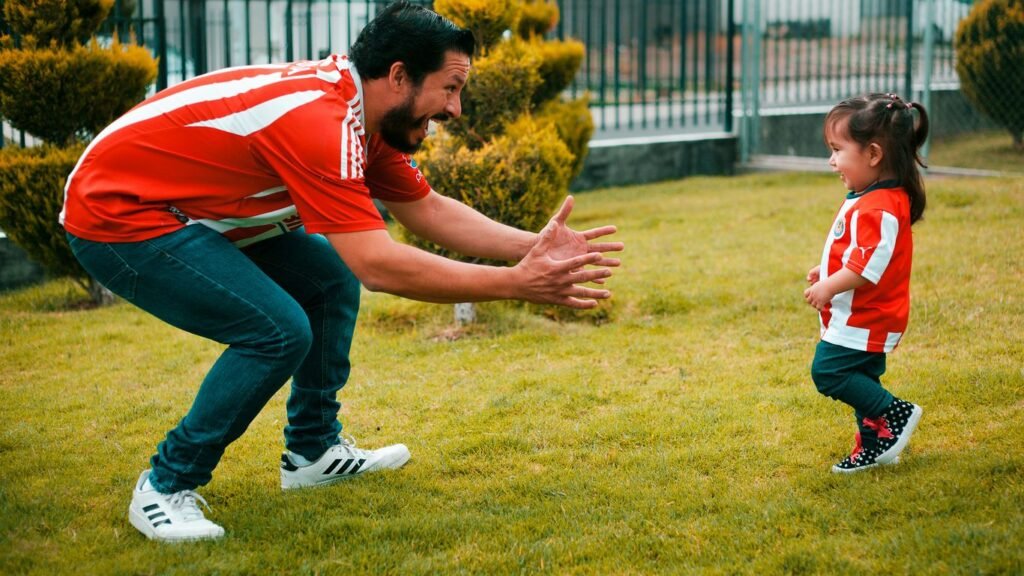
Children do not need perfect parents. They need adults who continue showing up with love, guidance, and consistency.
Better Communication With Toddlers and Preschoolers
Young children communicate differently than adults.
Helpful communication strategies include:
- Speaking slowly
- Using simple words
- Getting to eye level
- Listening calmly
- Avoiding sarcasm
- Offering reassurance
Small communication changes often create big improvements in behavior.
What Science Says About Calm Parenting
Research continues to support emotionally responsive parenting during early childhood.
Children raised in calm and supportive environments often develop:
- Better emotional regulation
- Stronger social skills
- Increased confidence
- Better coping skills
Early childhood is a critical stage for emotional development, which makes calm parenting especially powerful during the toddler and preschool years.
Frequently Asked Questions
Is calm parenting effective for toddlers?
Yes. Calm parenting helps toddlers feel emotionally safe while learning boundaries and self-control.
Does positive discipline mean no consequences?
No. Positive discipline includes consequences, but they focus on teaching instead of fear or shame.
Are tantrums normal for preschoolers?
Yes. Preschoolers are still learning emotional regulation and communication skills.
What if I yell sometimes?
Every parent loses patience sometimes. Repairing the relationship afterward matters greatly.
How do I stay calm during meltdowns?
Taking deep breaths, lowering your voice, and remembering your child is overwhelmed can help.
Do routines really help young children?
Absolutely. Routines help toddlers and preschoolers feel secure and reduce daily stress.
Conclusion
Calm parenting and positive discipline can completely change the atmosphere inside a home with toddlers and preschoolers.
These parenting approaches help young children feel emotionally safe while also teaching important life skills like respect, emotional regulation, responsibility, and communication.
Toddlers and preschoolers are still learning how to handle emotions, transitions, frustration, and boundaries. They need calm adults who can guide them with patience and consistency.
Some days will still feel messy. There will still be tantrums, tears, and difficult moments. That is normal.
What matters most is creating a home where children feel safe, loved, guided, and understood.
Don’t wait for the next meltdown to wish you had a plan. Get The Kind & Firm Parent and walk into tomorrow with clarity, confidence, and real tools that work.
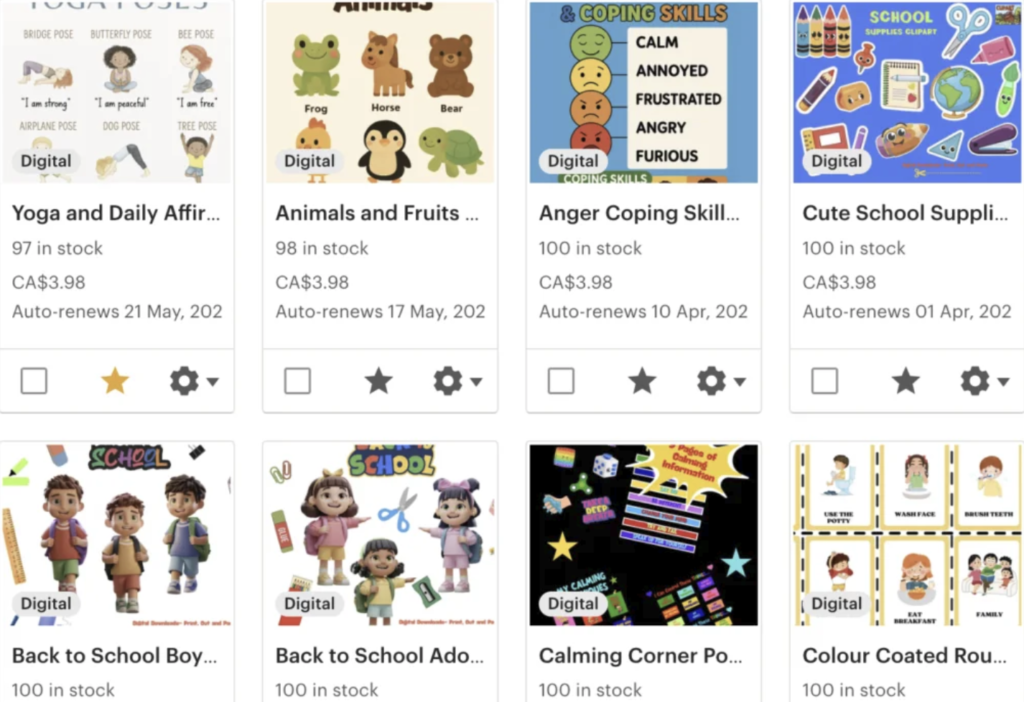

Ms. Kerri’s Corner provides a exciting virtual space for preschool learning. Through a variety of engaging activities, she exposes young minds to early math, literacy, science and social-emotional skills in a developmentally appropriate way. Centers for blocks, art, books and music allow children to explore hands-on learning at their own pace. Guided lessons subtly introduce number sense, letter sounds and narrative thinking. Careful observation gives insight into each child’s progress across domains. Viewers are also invited to participate, reinforcing that their ideas are valued. By making learning fun yet purposeful, Ms. Kerri lays the groundwork for future academic success while fostering creativity and imagination. Her program offers preschoolers valuable screen-based learning experiences.