Why Reading Aloud to Your Child Is One of the Best Things You Can Do
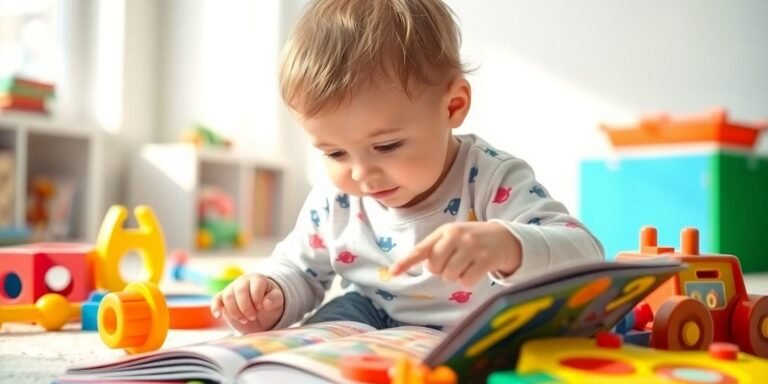
There’s a moment most parents know well. Your child pulls a battered picture book off the shelf, climbs into your lap, and says, “Read it again.” Maybe it’s the fifth time this week. Maybe it’s the fifth time today.
That moment? It matters more than you might think.
Reading aloud isn’t just a cozy bedtime habit. It’s quietly doing some of the most important work of your child’s early years — building their brain, their vocabulary, their imagination, and your relationship with them, all at once. Here’s what’s really happening when you open that book together.
Their vocabulary is growing — fast
Everyday conversation is great, but it’s limited. At breakfast, you talk about cereal. At the park, you talk about the swings. Books go somewhere else entirely.
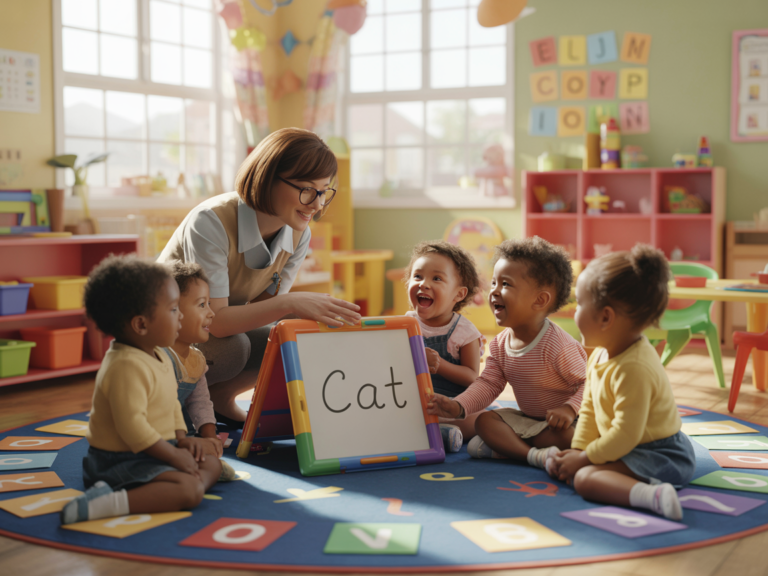
When a story takes your child to a medieval kingdom or the bottom of the ocean, it brings along words they’d never hear otherwise — shimmering, majestic, treacherous. You can point to the picture of a dragon’s scales and say “shimmering” and suddenly that word has a home in their mind. Do that enough, and they build a vocabulary that’s richer and wider than their daily life could ever teach them alone.
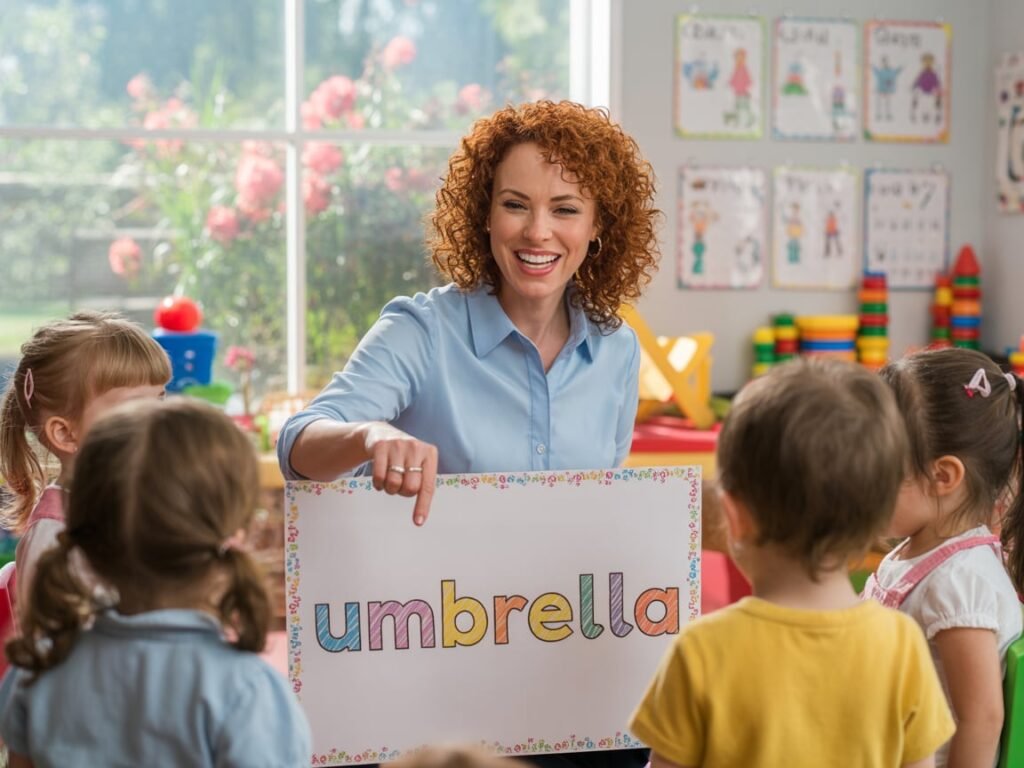
This matters enormously when they start school. Kids who have been read to arrive with a word bank that gives them a serious head start.
They’re learning to listen — really listen
Following a story isn’t passive. Your child is tracking characters, remembering what happened earlier, figuring out why someone did something, and predicting what comes next. That’s a lot of mental work happening behind those focused little eyes.
You can supercharge this by turning reading into a conversation. Pause and ask: “What do you think is going to happen?” or “Why do you think she’s upset?” These aren’t quiz questions — they’re invitations. They train your child to think about what they’re hearing, not just absorb it. And that skill — active, engaged listening — will serve them in every classroom they ever sit in.
They’re learning what reading is, before they can do it
Here’s something that often surprises parents: children learn how books work long before they can read a single word.
Which way does the book face? Where do you start on the page? What are those squiggly marks, and why do they matter? When you read aloud and point as you go, you’re teaching all of this without any formal instruction. You’re also showing them that those squiggles tell a story — that reading is something magical that they, too, will one day be able to do.
Kids who are read to regularly at home are significantly more likely to hit the ground running in school. They already know the game.
Try this: let them be the storyteller
There’s a technique called dialogic reading, and once you try it, you’ll never go back to plain read-alouds.
The idea is simple: flip the script. Instead of you narrating and your child listening, you ask questions that make them the one telling the story. “What’s happening in this picture?” “What would you do if you were the bear?” “Has something like this ever happened to you?”
Even kids who can’t read yet will surprise you. They’ll start pointing at illustrations and narrating with authority. With a favorite book they’ve heard twenty times, they’ll practically recite it back to you.
This approach has been shown to produce real gains in vocabulary and comprehension in just a few weeks. But more than the research, it’s genuinely fun — for both of you.
It sparks something that no screen quite can
Books take children places that are truly elsewhere. A world where animals hold parliament. A spaceship with a cat crew. A tiny girl who lives inside a flower.
This kind of imaginative travel does something specific: it teaches kids that the world is bigger than what they can see from the window. It builds empathy — you have to understand how the character feels to follow the story. And it bleeds into play. That cardboard box becomes a rocket. The blanket becomes a castle wall. Stories don’t end when you close the cover; they become the raw material for how children play, create, and problem-solve.
It’s also just really good for the two of you
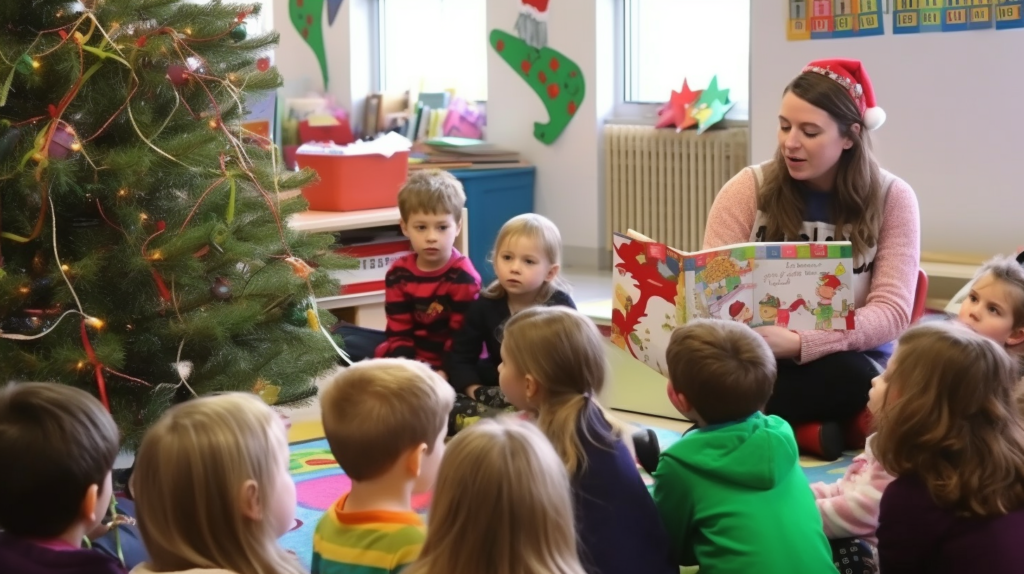
In the middle of a busy day, reading together creates a pocket of stillness. No agenda, no rushing — just both of you looking at the same page, reacting to the same story. You gasp at the plot twist. They dissolve into giggles at the illustration.
These moments build something real. When you pause to ask what your child thinks, and you actually listen to the answer, they learn that their thoughts matter to you. A story about a character facing a hard decision becomes a gentle opening to talk about something in their own life. Trust gets built in these small, quiet exchanges.
A few things that actually help
Let them pick sometimes. A child who chose the book is a child who’s already invested in it.
Don’t rush to finish. If they get fixated on one page — great. That’s engagement. Follow it.
Use your voice. A silly voice for the villain, a whisper for the scary part — you’re not just reading, you’re performing. Kids feel the difference.
Keep sessions short if you need to. Five focused, fun minutes beats twenty restless ones every time.
Make it a habit, not an occasion. The magic of reading aloud comes from doing it regularly, not perfectly.
The goal isn’t to produce a reader — though it will do that too. The goal is to make books feel like somewhere your child wants to go. Do that, and the rest takes care of itself.
How Children Actually Learn — And What You Can Do About It
Nobody hands you a manual when you become a parent or a teacher. You figure it out as you go, mostly through trial and error, and occasionally through a moment of clarity where something just clicks. This is a collection of those moments — the things that genuinely matter when it comes to helping children grow.
Start here: kids need to feel safe before they can learn anything
This sounds obvious, but it’s worth saying plainly. A child who doesn’t feel secure — emotionally, physically, relationally — is a child whose brain is in survival mode. And a brain in survival mode isn’t available for learning.
What this means in practice: showing up consistently. Responding when they call out. Offering comfort without conditions. This isn’t about being a perfect parent or teacher; it’s about being predictable. Children who have at least one adult in their life who reliably shows up for them are dramatically more resilient than those who don’t. Everything else in this article builds on that.
Words are everything — so use a lot of them
The gap between children who arrive at school with strong language skills and those who don’t is enormous. And it opens up years before anyone sets foot in a classroom.
The fix is deceptively simple: talk to your kids, constantly. Not just instructions (“put your shoes on,” “eat your vegetables”), but actual conversation. Narrate what you’re doing. Ask them what they think. Read to them every day. Sing songs that are a little ridiculous. Point at things and name them.
Back-and-forth conversation, even with babies who can’t respond yet, builds the architecture for language in ways that no app or educational toy can replicate. The quantity and variety of words children hear in their earliest years has a direct relationship to their vocabulary, reading ability, and school performance later. You don’t need special curriculum for this. You need presence and a willingness to talk.
Don’t underestimate play. Seriously.
There’s a temptation, especially as children get closer to school age, to swap unstructured play for something that looks more like learning. Worksheets, structured activities, educational screen time.
Resist this.
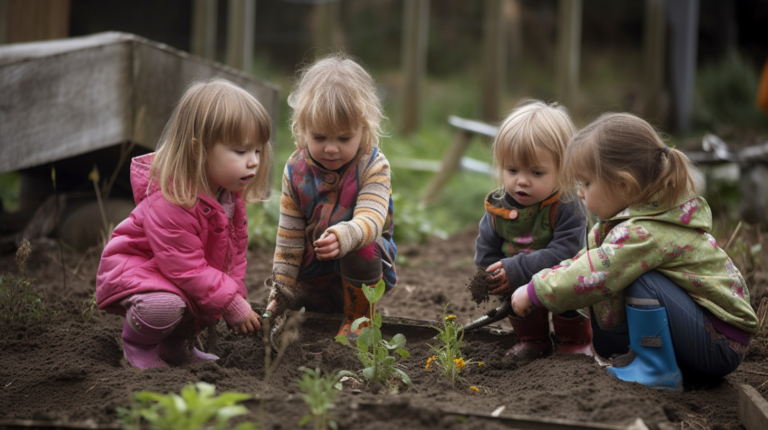
When a child builds a block tower that keeps collapsing, they’re learning physics, patience, and persistence. When they play pretend doctor or run a pretend café, they’re practicing empathy, narrative thinking, and social negotiation. When they argue with a friend over the rules of a made-up game, they’re learning conflict resolution. Play is learning — it’s just learning that doesn’t look like work.
The physical side matters too. Running, climbing, and rolling around aren’t just energy burners — they’re building the large muscle coordination and body confidence that children carry with them forever. The small stuff matters as well: playdough, puzzles, and crayons are building the fine motor control that will make writing possible.
Screen time isn’t a substitute. It can have its place, but it doesn’t offer the sensory richness, social complexity, or physical engagement that real play does.
Your involvement changes the outcome
Research on this is remarkably consistent: when parents are actively involved in their children’s lives and education, children do better. Not slightly better — meaningfully better, across academics, emotional health, and social skills.
This doesn’t mean hovering or micromanaging homework. It means:
- Asking genuine questions about their day (not just “how was school?”)
- Reading together, even after they can read on their own
- Showing up to school events, not as a chore but as a signal to your child that their world matters to you
- Playing games that make them think, even simple ones
- Letting them see you curious about things
Children whose parents treat learning as something interesting and worthwhile tend to treat it that way themselves. You’re modeling an orientation toward the world, not just supervising activities.
What a good learning environment actually looks like
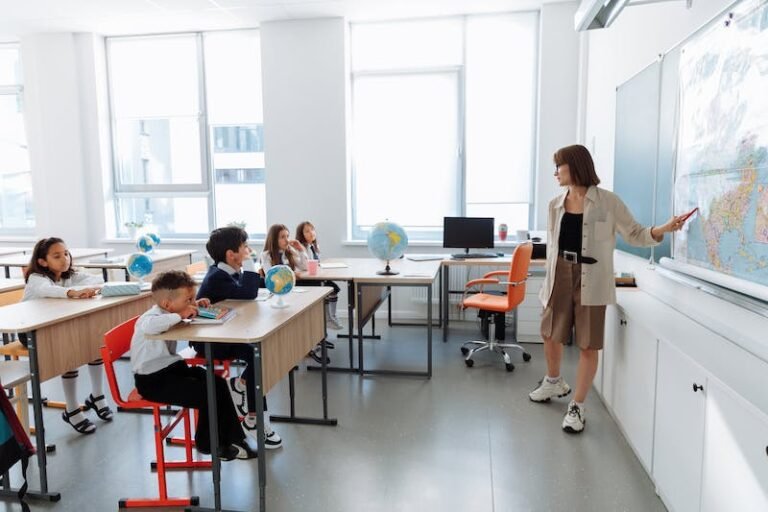
Whether it’s a classroom or a living room, the environment a child learns in shapes how much they’re willing to try.
The non-negotiables: kids need to feel respected, they need to trust the adults around them, and they need to believe that mistakes are survivable. A child who’s afraid of getting things wrong stops taking the intellectual risks that learning requires.
Good teachers — and good parents — give real feedback, not just grades or praise. They let children make choices about their learning when possible. They connect lessons to things that actually matter to the child’s life. And they teach social and emotional skills explicitly, because a child who can’t manage frustration or work through conflict isn’t in a position to absorb much else.
Schools that pay attention to culture and relationships — not just test scores — consistently produce better outcomes. That’s not soft or sentimental. It’s just true.
If something seems off, act early
Developmental timelines aren’t rigid, and kids grow at their own pace. But if something feels off — a child isn’t talking when peers are, is struggling with movement or coordination, or seems to be hitting walls that others aren’t — early action matters enormously.
Early intervention programs exist for exactly this reason. Speech therapists, occupational therapists, and developmental specialists can work with young children in ways that dramatically close gaps — and the younger the child, the more plastic and responsive the brain is to that support.
The key thing families often miss: these programs are for you too. Therapists don’t just work with the child for an hour a week and hand them back. They teach parents how to support their child at home, which multiplies the impact significantly. If your instincts are telling you something needs attention, trust them and find someone to talk to. Getting it looked at early is almost never the wrong call.
Let them do hard things
One of the most counterintuitive parts of supporting a child’s development is knowing when to step back.
When you let a child struggle with something age-appropriate — figuring out how to open a container, navigating a disagreement with a friend, deciding what to wear — you’re giving them something no amount of instruction can provide: the experience of solving something themselves. That experience, repeated over time, builds genuine confidence.
Instead of fixing things, try asking questions. What do you think you could try? What happened when you did that? This isn’t about withholding help — it’s about positioning the child as someone capable of figuring things out, which is one of the most powerful things you can do for them.
The through-line
None of this is complicated, but a lot of it is consistent. The things that make the biggest difference in children’s lives aren’t dramatic interventions — they’re the daily choices to talk, to play, to show up, to listen, to allow struggle, and to make learning feel like something that belongs to the child, not something done to them.
Start there, and most of the rest follows.

Ms. Kerri’s Corner provides a exciting virtual space for preschool learning. Through a variety of engaging activities, she exposes young minds to early math, literacy, science and social-emotional skills in a developmentally appropriate way. Centers for blocks, art, books and music allow children to explore hands-on learning at their own pace. Guided lessons subtly introduce number sense, letter sounds and narrative thinking. Careful observation gives insight into each child’s progress across domains. Viewers are also invited to participate, reinforcing that their ideas are valued. By making learning fun yet purposeful, Ms. Kerri lays the groundwork for future academic success while fostering creativity and imagination. Her program offers preschoolers valuable screen-based learning experiences.