Why Toddler Learning Activities Matter
Toddler learning activities are one of the most effective ways to support a child’s growth during the early years. Toddlers learn best through hands-on experiences, exploration, and play. Every interaction, whether stacking blocks, singing songs, or digging in the garden, contributes to their development.
Parents often wonder if structured lessons are necessary. The good news is that young children don’t need formal instruction to learn. In fact, many of the best toddler learning activities happen naturally throughout the day.
Research from the Centers for Disease Control and Prevention (CDC) Child Development Resources highlights the importance of providing age-appropriate opportunities for exploration and skill development during the toddler years.
Learning Through Play
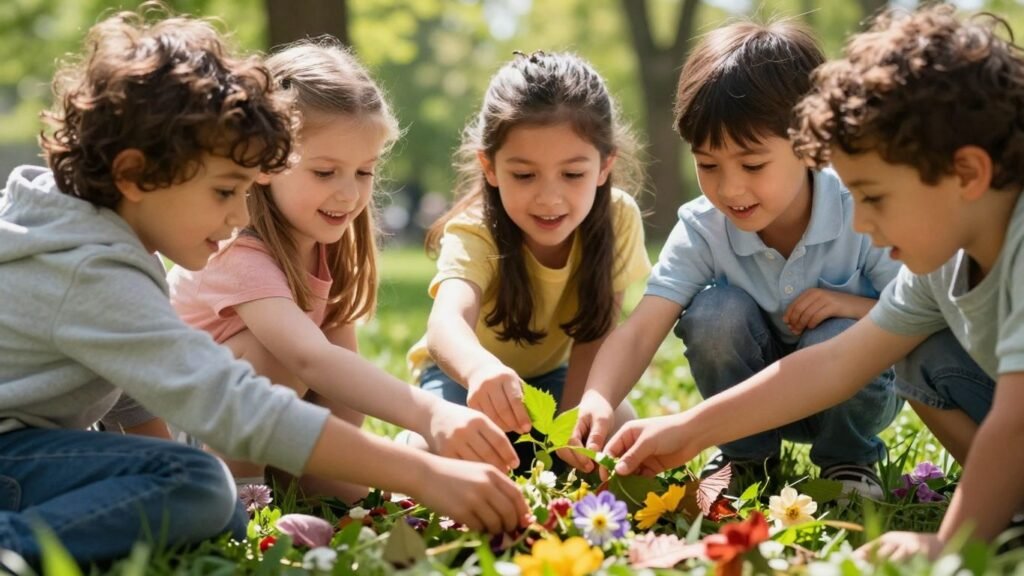
Play is a toddler’s primary way of learning. Through play, children develop:
- Problem-solving skills
- Communication abilities
- Creativity
- Self-confidence
- Social awareness
The beauty of toddler learning activities is that children often don’t realize they’re learning. They’re simply having fun while their brains make important connections.
Developmental Benefits
Regular toddler learning activities support multiple areas of growth simultaneously:
| Development Area | Benefits |
| Cognitive | Memory, attention, reasoning |
| Physical | Coordination, balance, strength |
| Social | Sharing, cooperation, empathy |
| Emotional | Self-regulation, confidence |
| Language | Vocabulary, communication |
Understanding Toddler Development
Before choosing toddler learning activities, it’s helpful to understand how toddlers develop.
Cognitive Growth
Toddlers are naturally curious. They constantly ask questions, experiment with objects, and seek to understand their environment.
Effective toddler learning activities encourage:
- Exploration
- Discovery
- Cause-and-effect understanding
- Early problem-solving
According to Harvard University Center on the Developing Child, positive early experiences help build strong brain architecture that supports lifelong learning.
Physical Development
Movement plays a major role in learning.
Toddlers need opportunities to:
- Climb
- Jump
- Run
- Balance
- Manipulate objects
Many toddler learning activities naturally combine physical and cognitive development.

Social and Emotional Skills
Learning isn’t only academic. Toddlers also need to develop:
- Emotional awareness
- Cooperation
- Independence
- Patience
- Resilience
25 Toddler Learning Activities for Everyday Learning
Sensory Toddler Learning Activities
1. Sensory Bin Exploration
Fill a container with rice, beans, or water beads and add scoops, cups, and small toys.
2. Water Play Station
Water activities help toddlers explore volume, pouring, and cause-and-effect relationships.
3. Nature Discovery Basket
Collect leaves, pinecones, rocks, and flowers for hands-on exploration.
4. Texture Matching Game
Allow children to compare smooth, rough, soft, and bumpy objects.
5. Play Dough Creations
Play dough strengthens fine motor skills while encouraging creativity.
Language Toddler Learning Activities
6. Daily Story Time
Reading together builds vocabulary and listening skills.
For additional literacy ideas, visit MsKerrisCorner Early Literacy Activities.
7. Sing Action Songs
Songs encourage language development and memory skills.
8. Picture Naming Games
Use books or flashcards to identify objects, animals, and colors.
9. Rhyming Fun
Simple rhymes introduce early phonological awareness.
10. Puppet Conversations
Puppets help toddlers practice communication in a playful setting.
Fine Motor Toddler Learning Activities
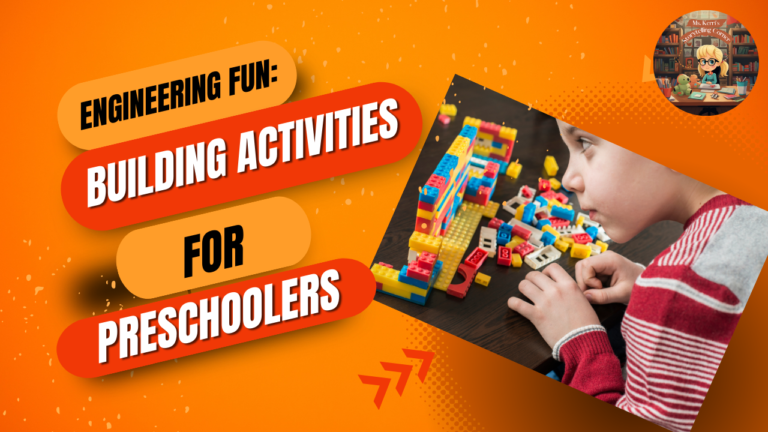
11. Building Blocks
Stacking blocks develops coordination and spatial awareness.
12. Sticker Placement
Peeling and placing stickers strengthens finger muscles.
13. Threading Large Beads
Large beads help improve hand-eye coordination.
14. Sorting Objects
Sort by color, shape, or size.
15. Simple Puzzles
Puzzles teach problem-solving and persistence.

Gross Motor Toddler Learning Activities
16. Obstacle Courses
Create safe indoor or outdoor challenges.
17. Animal Walks
Pretend to move like bears, frogs, or ducks.
18. Ball Games
Rolling, kicking, and tossing improve coordination.
19. Dance Parties
Music and movement support physical development.
20. Follow-the-Leader
This classic activity encourages listening skills and body control.
Creative Toddler Learning Activities
21. Finger Painting
Encourages creativity and sensory exploration.
22. Nature Art
Create collages using collected outdoor materials.
23. Building with Recycled Materials
Boxes and containers become castles, vehicles, and houses.
24. Pretend Play
Imaginative play develops language and social skills.
25. Musical Exploration
Provide simple instruments for rhythm and sound discovery.
Indoor Toddler Learning Activities
Bad weather doesn’t have to stop learning.
Some excellent indoor toddler learning activities include:
- Reading corners
- Block building
- Dance sessions
- Treasure hunts
- Sorting games
- Arts and crafts
Indoor activities can easily support cognitive, social, and motor development.
The National Association for the Education of Young Children (NAEYC) offers valuable resources on developmentally appropriate learning experiences for young children.
Outdoor Toddler Learning Activities
Outdoor environments provide rich opportunities for exploration.

Popular outdoor toddler learning activities include:
- Nature walks
- Garden planting
- Sidewalk chalk art
- Bubble play
- Scavenger hunts
- Sand play
Outdoor experiences often engage multiple senses while promoting physical activity.
Creating a Learning-Friendly Environment
A supportive environment helps maximize the benefits of toddler learning activities.
Consider:
Organized Spaces
Keep materials accessible and easy to use.
Open-Ended Materials
Choose toys that can be used in multiple ways.
Examples include:
- Blocks
- Play dough
- Art supplies
- Dress-up clothes
Daily Opportunities
Learning doesn’t require special equipment. Everyday routines provide countless educational moments.
For more preschool and toddler activity ideas, explore MsKerrisCorner Learning Activities Collection.
Common Mistakes to Avoid
When planning toddler learning activities, avoid:
Over-Scheduling
Toddlers need free play and downtime.
Expecting Perfection
Learning is messy and often unpredictable.
Comparing Children
Every child develops at their own pace.
Focusing Only on Academic Skills
Social, emotional, and physical growth are equally important.
Benefits of Consistent Learning Activities
When families regularly engage in toddler learning activities, children often experience:
- Improved language skills
- Stronger motor development
- Better concentration
- Increased confidence
- Enhanced creativity
- Greater curiosity
- Improved social skills
The key is consistency rather than perfection.
Even a few meaningful activities each day can make a significant difference.
Frequently Asked Questions
1. What are the best toddler learning activities for a 2-year-old?
Simple activities such as sensory bins, reading books, singing songs, and stacking blocks are excellent choices.
2. How long should toddler learning activities last?
Most toddlers benefit from activities lasting 5 to 15 minutes, depending on interest and attention span.
3. Do I need expensive materials?
No. Many effective toddler learning activities use household items and natural materials.
4. How many learning activities should I do each day?
A few short, engaging activities integrated into daily routines are often enough.
5. Are screen-based learning activities recommended?
Limited, high-quality educational media can supplement learning, but hands-on experiences remain most effective.
6. What if my toddler loses interest quickly?
Follow your child’s interests and keep activities flexible. Short attention spans are developmentally normal.
7. Can siblings participate in toddler learning activities?
Absolutely. Mixed-age activities often encourage cooperation, communication, and social learning.
8. How do I know if an activity is developmentally appropriate?
Choose activities that are safe, engaging, and slightly challenging without causing frustration.
Conclusion
Toddler learning activities provide the foundation for lifelong learning. Through play, exploration, movement, creativity, and meaningful interactions, toddlers develop the skills they need to thrive academically, socially, emotionally, and physically.
The most effective toddler learning activities don’t require expensive toys or complicated lesson plans. They simply require time, encouragement, and opportunities for children to explore the world around them.
By incorporating a variety of engaging toddler learning activities into daily life, parents and caregivers can help children build confidence, curiosity, and a genuine love of learning that will benefit them for years to come.
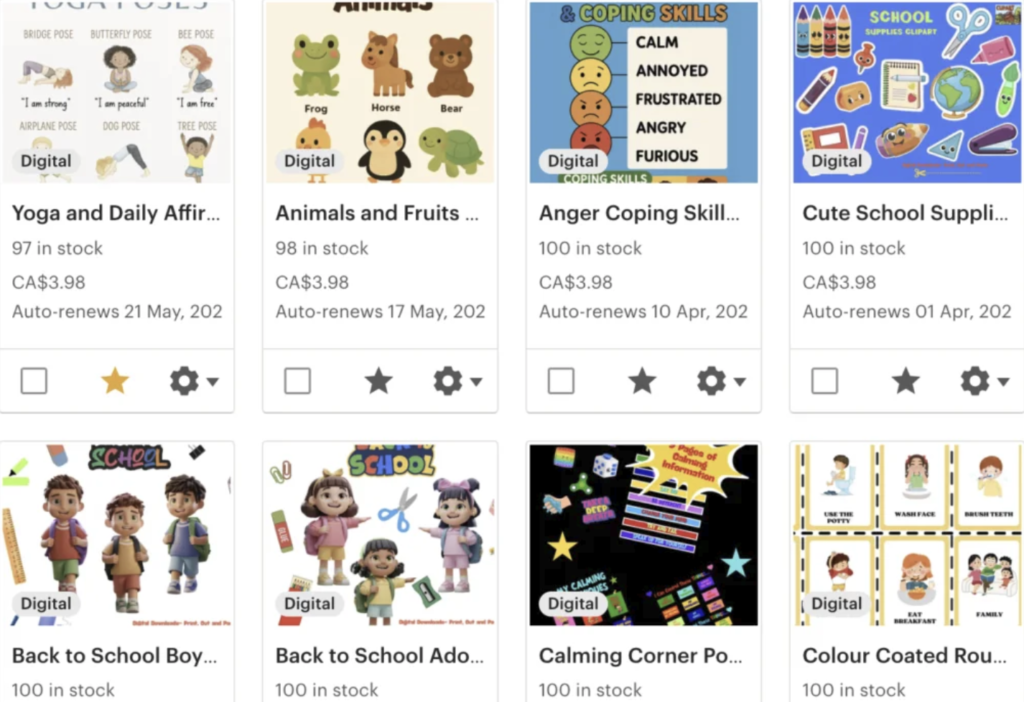

Ms. Kerri’s Corner provides a exciting virtual space for preschool learning. Through a variety of engaging activities, she exposes young minds to early math, literacy, science and social-emotional skills in a developmentally appropriate way. Centers for blocks, art, books and music allow children to explore hands-on learning at their own pace. Guided lessons subtly introduce number sense, letter sounds and narrative thinking. Careful observation gives insight into each child’s progress across domains. Viewers are also invited to participate, reinforcing that their ideas are valued. By making learning fun yet purposeful, Ms. Kerri lays the groundwork for future academic success while fostering creativity and imagination. Her program offers preschoolers valuable screen-based learning experiences.