Toddler learning: A practical guide to skills, play, and everyday activities
Key Takeaways
Toddler learning grows through ordinary moments, not perfect plans. A little time, a safe place to explore, and a responsive adult can make daily routines feel rich with discovery.
- Play and movement give toddlers ways to explore ideas and practice new skills.
- Talking, thinking, motor skills, and emotional growth develop together in everyday life.
- Familiar routines can become low-pressure opportunities to count, sort, describe, and take turns.
- Activities work best when they fit a child’s current abilities and interests.
- Short attention spans, refusals, and uneven progress are common; adjust the activity and seek guidance when concerns persist.
How toddlers learn and develop
Toddlers learn by trying things, watching what happens, and trying again. Their development doesn’t follow a tidy schedule, and a child may show different strengths in different situations. You don’t need to turn every moment into a lesson; staying nearby and responding to what your child notices is often enough.
Learning through movement, play, and exploration
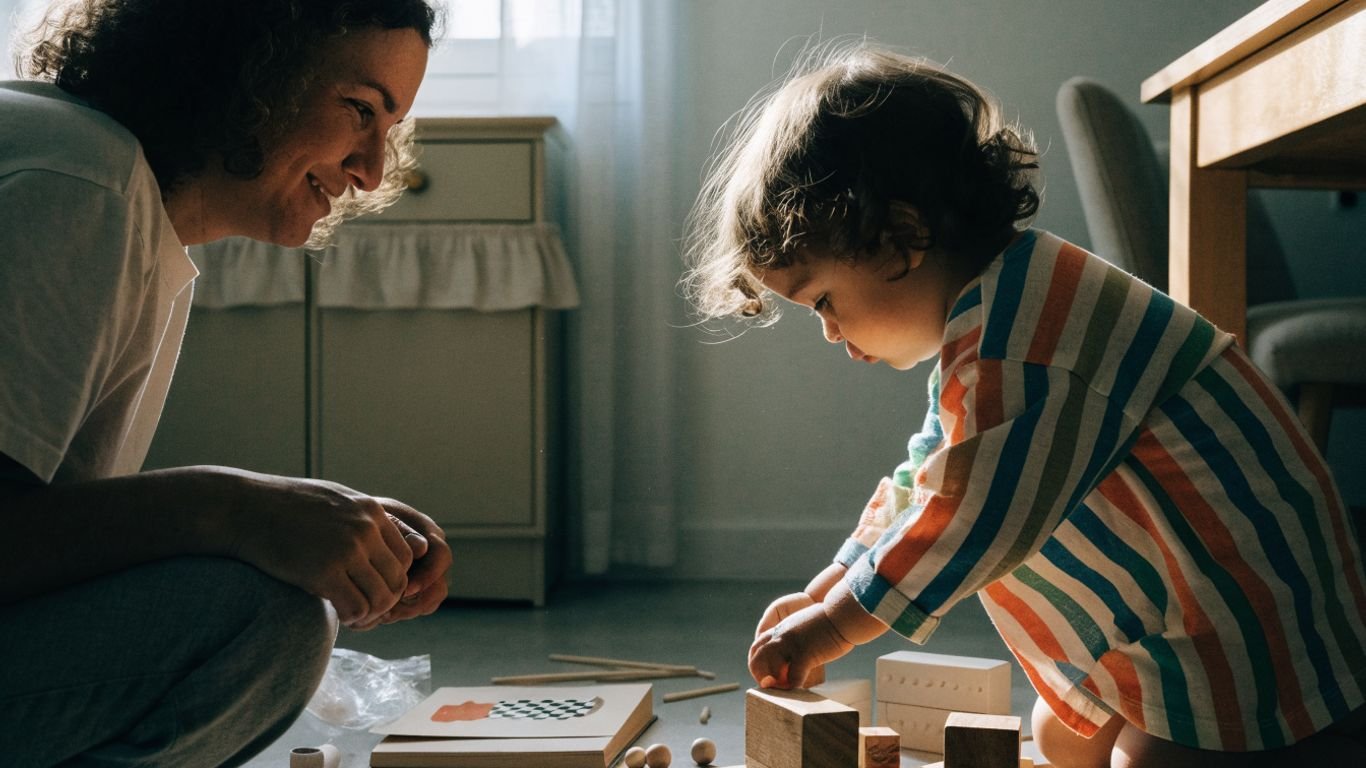
A toddler might learn about cause and effect by dropping a spoon, about space by squeezing behind a chair, or about balance while climbing a low step. These experiments can look like simple play, but they give children a chance to act on an idea and notice the result. Keep the space safe, then let curiosity do some of the work.
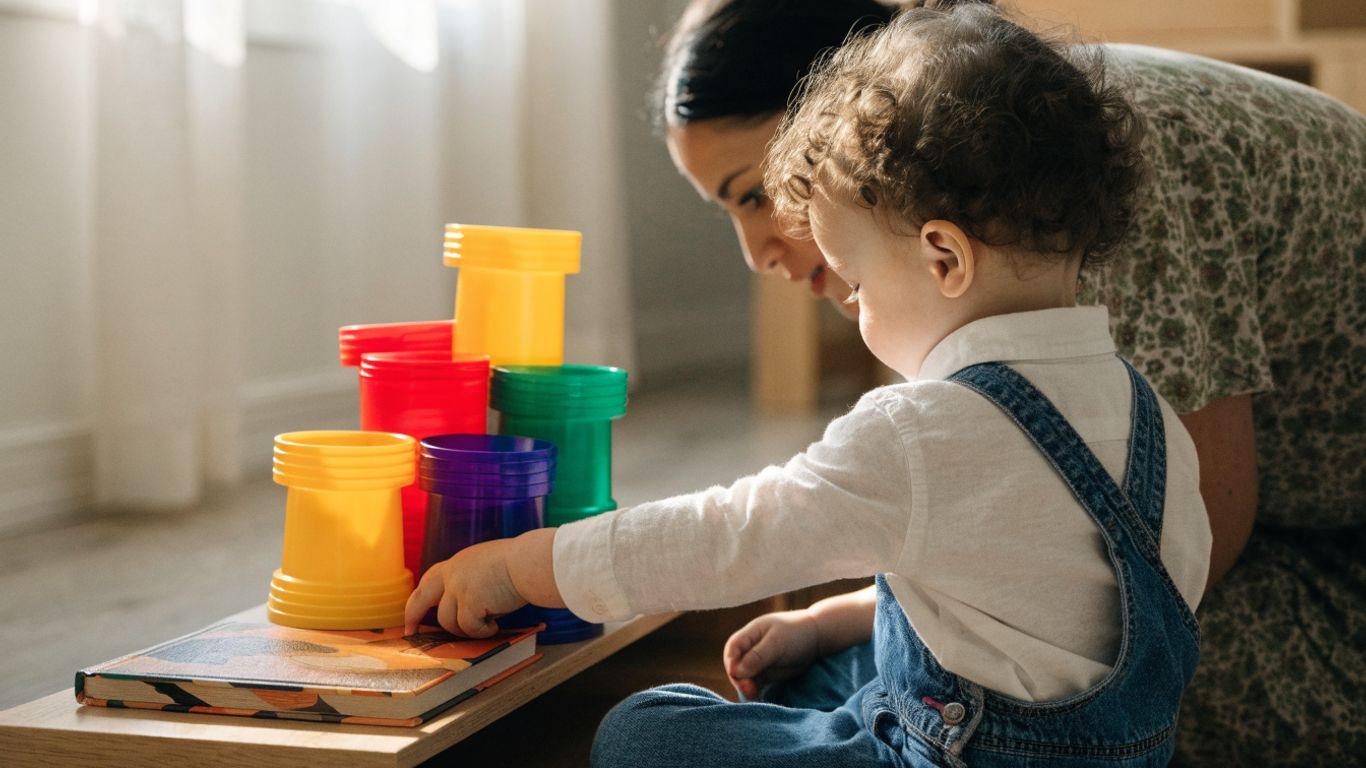
If your child is absorbed in stacking cups, you can describe what’s happening—“That one is wobbly”—and wait to see what they try. Room to experiment matters more than getting the activity to look a certain way. A few well-chosen objects can hold a toddler’s attention longer than a complicated setup.
How attention and memory change with age
Toddlers often shift focus quickly, especially when they’re tired, hungry, or surrounded by activity. That doesn’t mean they can’t learn; it means a useful activity may happen in short bursts. A child may also remember familiar routines and anticipate what comes next, even when they can’t explain it in words.
Keep directions brief and offer one step at a time. If a puzzle loses its appeal after a few minutes, put it away and return another day rather than insisting on a finish. In everyday play, a pause can give your child time to notice, remember, and decide what to do next.
Why repetition helps new skills stick
The same story, song, or game can remain interesting because toddlers notice something new as they become more familiar with it. Repeating an activity gives a child another chance to practice a movement, hear a word, or predict what comes next. It can also make an unfamiliar task feel more manageable.
You might sing the same cleanup song, read a favorite book again, or offer the same simple sorting game on another afternoon. Follow your toddler’s cues: repeating a game is useful when it still feels engaging, not when it has become a battle. Familiarity can support confidence without requiring you to add a new activity every day.
How temperament can shape the learning process
Some toddlers rush toward a new toy; others watch from a lap before deciding whether to join. A child’s comfort with noise, novelty, or group play can affect how they approach an activity. Neither a cautious start nor an energetic one tells you that a child is learning the “right” way.
Offer a low-pressure invitation and give your toddler time to warm up. You can sit close, demonstrate once, or leave the materials nearby while doing something else. When you follow the child’s pace, participation is more likely to feel like an invitation than a demand.
Key skills toddlers build
Toddler development includes more than one kind of skill at a time. Talking during a walk, for example, can combine language, movement, attention, and connection with an adult. Looking at developmental foundations from birth to age three can help caregivers see how many areas of growth are considered together, rather than treating every skill as a separate test.
Language and early communication
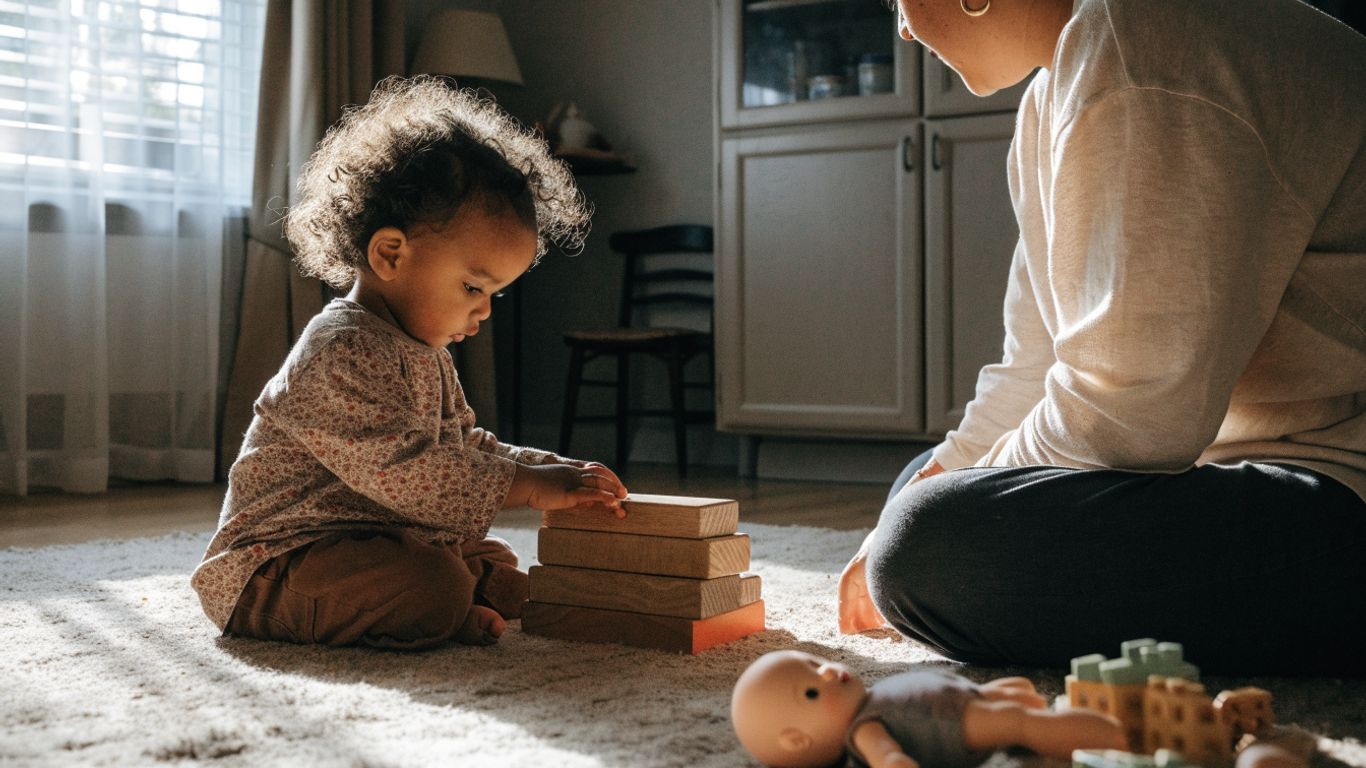
Toddlers communicate through words, sounds, gestures, facial expressions, and actions. Responding to those efforts helps keep an exchange going: name what your child points to, add a word to a short phrase, or answer a sound as though it starts a conversation. A pause matters, too; it gives your child a chance to respond in their own way.
During a familiar routine, you might say, “Your shoes are by the door,” then wait while your toddler looks or reaches. Describe what you’re doing without turning every moment into a quiz. Simple back-and-forth exchanges make everyday life a place to practice communication.
Thinking, problem-solving, and curiosity
When a toddler tries to fit a large block into a small opening, they are testing an idea. They may turn the block, choose another opening, or abandon the task and return later. Those small decisions are part of exploring how things work.
Rather than solving every problem immediately, stay close and offer a small hint if your child seems stuck. “What could we try?” leaves room for a response, whether that’s a gesture, a word, or another attempt. Curiosity can grow when adults make space for children to investigate safely.
Fine and gross motor skills
Fine motor skills involve smaller movements, such as picking up a piece of food or placing a block. Gross motor skills use larger movements, such as walking, climbing, or kicking a ball. Everyday play can involve both, and toddlers may show different levels of confidence from one activity to another.
Give your child chances to reach, carry, push, and place objects that are safe for their age and setting. A short walk, chunky crayons, or a ball rolled across the floor can offer practice without needing special equipment. Keep a close eye on materials that could pose a choking or other safety risk.
Social-emotional skills and growing independence
Toddlers are learning to express feelings, cope with changes, and take part in small routines. They may want to do a task themselves and then ask for help moments later. That back-and-forth is a normal part of practicing independence, not a reason to expect adult-level consistency.
Offer manageable choices, such as which book to read or whether to put away blocks or cars first. When frustration rises, name what you notice in a calm, simple way and help your child return to the task—or take a break. Connection and clear limits can sit side by side.
How to make everyday activities engaging
You don’t need a separate lesson plan to support learning at home. Meals, errands, and time outside already offer chances to talk, notice patterns, and try small tasks. Choose one moment that fits the day instead of adding pressure to make every routine educational.

Turn meals and chores into learning moments
A toddler can help carry a napkin, put a few toys in a basket, or notice whether a cup is full or empty. These jobs may take longer with a young helper, so pick tasks where the extra time feels manageable. The goal is participation, not a perfectly set table or a speed record for cleanup.
Use clear, concrete language: “Put the spoon beside your plate,” or “Let’s carry the socks to the basket.” Your child may join in, watch, or move on; all are useful information about what feels doable in that moment. A routine becomes easier to repeat when the task stays small.
Explore books, music, and pretend play
Books, songs, and pretend play invite toddlers to listen, imitate, and use familiar ideas in new ways. Let your child turn pages, make a sound for an animal, or decide what happens next in a pretend game. You can add a short comment or question, then leave space for your child to lead.
For simple play-based ideas you can adapt to your routine, explore ways to encourage learning through play. At home, a scarf can become a blanket for a toy, and a familiar song can become a chance to copy motions. Keep the play open-ended; there’s no need for the story or song to go exactly as planned.
Practice counting, sorting, and matching
Sorting laundry, matching lids to containers, or counting a few snack pieces can make early math ideas tangible. Toddlers may not use number words consistently, and that’s fine. The useful part is noticing differences, trying a match, and hearing the words adults use along the way.
A small set of familiar objects can make the activity clear without crowding the table. You can sort by one feature, such as color or shape, and describe the pattern as you go. If your toddler changes the rules, follow their idea when it remains safe; the game can still invite observation and problem-solving.
Make outdoor time part of the routine
Outside, toddlers can notice leaves, listen for birds, walk over different surfaces, or watch clouds move. A short, familiar route may invite more attention than a long outing with too many transitions. Follow safety needs and your child’s energy, especially around streets, water, and unfamiliar places.
Try describing what catches your toddler’s eye rather than directing every step. “That leaf is crunchy” gives language to a shared moment, while a quiet pause lets your child look or point. Outdoor time can be simple: a few minutes of noticing is still an experience worth having.
How to choose age-appropriate activities
An activity is a good fit when your toddler can take part in some way, even if they need help or change the rules. Age labels can offer a starting point, but children vary, and one child’s favorite challenge may frustrate another. Use your child’s response to guide the next step.
Match activities to your toddler’s current abilities
Think about what your child can already do and what they are beginning to try. A toddler who enjoys filling and emptying containers might be ready to add a few objects to sort, while a child who is still exploring the container may prefer to keep pouring. Start with what already draws their attention.
A simple comparison can help you decide whether to keep an activity as it is or make a small change:
| What you notice | Possible adjustment | What to watch for |
|---|---|---|
| Your child starts quickly and stays interested | Add one small variation | Curiosity remains visible |
| Your child watches before joining | Demonstrate once, then pause | They approach or reach when ready |
| Your child seems unsure of the steps | Reduce the number of materials | The task feels easier to begin |
| Your child leaves soon after starting | Shorten the activity or try later | Interest returns without pressure |
These are prompts, not rules about what a toddler should do. If your child’s response changes from day to day, that’s useful context too. You can keep the activity available and try again when the timing feels better.
Adjust the challenge without creating frustration
A task that is too easy may lose its appeal, while a task with too many steps can feel discouraging. Make one change at a time: use fewer pieces, offer a larger object to handle, or show the first step. Then give your toddler time to respond before adding more help.
If frustration builds, simplify or stop for now. The aim is not to push through every difficult moment; it is to keep a path open for another try. A smaller version of the activity can still provide meaningful practice.
Follow your toddler’s interests
Children often return to a favorite object, sound, or kind of play. That preference can give you a natural way to invite participation, even if you had planned something else. If toy cars are the current favorite, for instance, you could roll them down a gentle ramp and notice which one travels farther.
Interests can change, too. Offer a few choices and accept a no without turning the moment into a test. Following your child’s lead doesn’t mean giving up on routines; it means finding a workable starting point.
Balance guided activities with free play
A guided activity can help when your toddler wants you to demonstrate or join in. Free play gives them room to decide what the materials are for, change direction, and repeat what interests them. Most days can include a little of each without a strict schedule.
Notice when your child wants company and when they seem content to explore on their own. You can stay close and available without narrating every action. That balance lets you offer support while leaving the play in your toddler’s hands.
How to support learning at home
A helpful home setup doesn’t need to be elaborate. Put a few suitable materials within reach, stay nearby, and let your toddler know you’re available. Small, steady opportunities are easier to maintain than a plan that depends on a perfectly calm afternoon.
Set up a safe space for exploration
Choose an area where your child can move and explore with appropriate supervision. Keep breakable, sharp, hot, and small objects out of reach, and consider how the space changes as your toddler’s abilities grow. Safe exploration still requires an adult to stay attentive.
You might place a few books and larger toys on a low shelf, then rotate them when interest fades. Keep the area simple enough that your child can find and return materials. A tidy display is optional; safety and access matter more.
Use simple materials in creative ways
Everyday objects can support play when they are suitable for your child’s age and supervised closely. Large blocks, empty containers, washable crayons, and fabric scraps can invite different kinds of exploration. Avoid objects that could break, create a choking risk, or otherwise be unsafe for your toddler.
A small group of materials can be enough for an open-ended activity. You could offer several large containers and let your child put objects in, take them out, and carry them around. If the materials stop holding interest, set them aside and try another time rather than adding more and more choices.

Ask questions and allow time to respond
Questions can invite a toddler to notice, but a stream of them can make play feel like an interview. Try a simple comment, then wait: “The ball rolled under the chair.” Your child may look, point, speak, or do nothing; you can follow their response without needing to fill every pause.
You can also offer choices that are easy to understand, such as “Book or blocks?” Give your toddler time to answer in whatever way they communicate. A little quiet is often more useful than repeating the question before they have had a chance to process it.
Encourage effort without taking over
When your toddler struggles to stack a block or put on a shoe, it can be tempting to finish the task quickly. If the situation allows, offer a small amount of help and let your child do the next part. Specific encouragement—“You turned it around”—describes the effort without demanding a particular result.
A short routine can help you decide what to do in the moment:
- Pause for a few seconds before stepping in.
- Notice what your toddler is trying to do.
- Offer one small hint or demonstrate one step.
- Give your child another turn, or take a break together.
You don’t need to follow those steps perfectly. Sometimes the practical choice is to help, especially when you’re in a hurry; there will be other chances to practice. The aim is to support your toddler, not to make every task a test of independence.
How to handle common learning challenges
Learning at home can be messy, interrupted, and uneven. A toddler may refuse a favorite activity today or lose interest just as you get everything ready. That doesn’t mean you have failed or that your child cannot learn; it usually means the activity, timing, or amount of support needs a second look.
Respond to short attention spans
If your toddler moves on quickly, shorten the activity and let a brief moment count. A couple of turns with a ball or a few pages of a book can be enough for that day. You can offer the same activity again later if your child showed interest before.
Check the basics, too: hunger, fatigue, noise, and transitions can all affect whether a child is ready to engage. Try one small adjustment rather than adding more instructions. It’s fine to end while the experience is still going well.
Help when your toddler resists an activity
A refusal is information, not proof that your toddler is being difficult on purpose. They may want more control, dislike the materials, or simply be ready for something else. Offer a choice, change the setup, or move on and try another time.
Keep your words short and calm: “You don’t want blocks right now. We can put them away.” If the task is part of a necessary routine, hold the boundary while offering a manageable choice within it. Play, on the other hand, can usually wait.
Adapt activities for different developmental paces
Children do not all approach skills at the same time or in the same way. A toddler might communicate with gestures before using many words, or enjoy moving more than sitting with a book. Adapt the activity to the child in front of you rather than comparing their response with another child’s.
Use materials and support that make participation possible, and notice what your toddler can do now. If you have questions about your child’s development, write down what you’ve observed and when it happens. Specific examples can make a conversation with a qualified professional more useful.
Know when to seek guidance from a professional
Caregivers often notice patterns before they know what those patterns mean. If you have persistent concerns about your toddler’s communication, movement, learning, or daily participation, talk with your child’s health care provider or another qualified professional. You do not have to wait until a concern feels serious to ask a question.
Share what you’ve noticed, including changes over time and situations where your child seems comfortable or has difficulty. A professional can help you decide whether additional evaluation or support would be useful. Seeking advice is a practical next step, not a judgment about your parenting or your child.
Conclusion
Toddler learning can happen in short, ordinary moments: a repeated song, a small job at home, or time to figure out how a toy works. Keep activities safe and flexible, follow your child’s interests, and adjust when something isn’t working. You don’t have to make every day feel like a lesson for your toddler to keep learning.
Frequently Asked Questions
What is the best way to support toddler learning?
Offer safe opportunities to explore, talk with your child during everyday routines, and follow their interest. Short, responsive interactions can fit more naturally into family life than a strict lesson plan.
How long should a toddler activity last?
There is no single ideal length. Stop or pause when your toddler loses interest, and remember that a few engaged minutes can be worthwhile.
Do toddlers need special learning materials?
Not necessarily. Suitable household objects, books, songs, and outdoor surroundings can offer plenty to explore, as long as materials are safe and used with appropriate supervision.
How can I make everyday routines more educational?
Describe what you are doing, invite your toddler to help with a small safe task, or notice simple differences such as big and small. Keep the routine moving rather than turning each moment into a quiz.
Is it normal for toddlers to repeat the same game?
Yes. Repeating a favorite song, story, or activity can give a toddler another chance to notice details and practice familiar skills. Follow their interest and take a break if the game stops being enjoyable.
What should I do if my toddler refuses an activity?
Stay calm, offer a small choice if appropriate, or put the activity away and try another time. Refusal can reflect timing, preference, or difficulty and does not need to become a struggle.
When should I ask a professional about my toddler’s development?
If you have an ongoing concern about your child’s communication, movement, learning, or daily participation, bring it up with a qualified professional. You can ask questions before you know whether further assessment is needed.
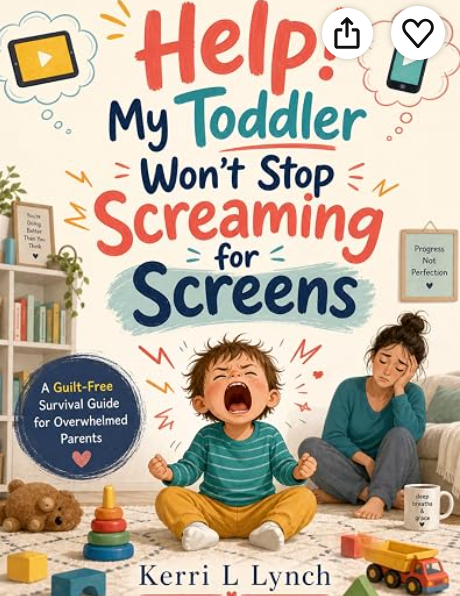

Ms. Kerri’s Corner provides a exciting virtual space for preschool learning. Through a variety of engaging activities, she exposes young minds to early math, literacy, science and social-emotional skills in a developmentally appropriate way. Centers for blocks, art, books and music allow children to explore hands-on learning at their own pace. Guided lessons subtly introduce number sense, letter sounds and narrative thinking. Careful observation gives insight into each child’s progress across domains. Viewers are also invited to participate, reinforcing that their ideas are valued. By making learning fun yet purposeful, Ms. Kerri lays the groundwork for future academic success while fostering creativity and imagination. Her program offers preschoolers valuable screen-based learning experiences.