Why Your Kid’s “Odd” Moments Matter
Sometimes kids do things that seem a little strange, right? You might watch them and wonder, ‘What is going on there?’ It’s easy to dismiss these moments as just kid stuff, but there’s often more to it. These quirky actions and unusual behaviors can actually tell us a lot about how they’re thinking, feeling, and making sense of the world around them. Let’s look at why those odd moments really matter.
Key Takeaways
- Understand that unusual child behavior can be a sign of creative thinking or a unique way of learning.
- Recognize that a child’s ‘odd’ actions often form a secret language, communicating needs or ideas they can’t yet voice.
- See that embracing a child’s quirks helps them develop their own special talents and a sense of self.
- Learn to interpret a child’s emotional expression beyond the obvious, noticing the smaller cues that show what they’re truly feeling.
- Appreciate that early childhood meaning making, even the messy parts, is how kids build their understanding of life through play and exploration.
Decoding Those Quirky Kiddo Cues
Is That a “Weird” Behavior or a Genius Idea?
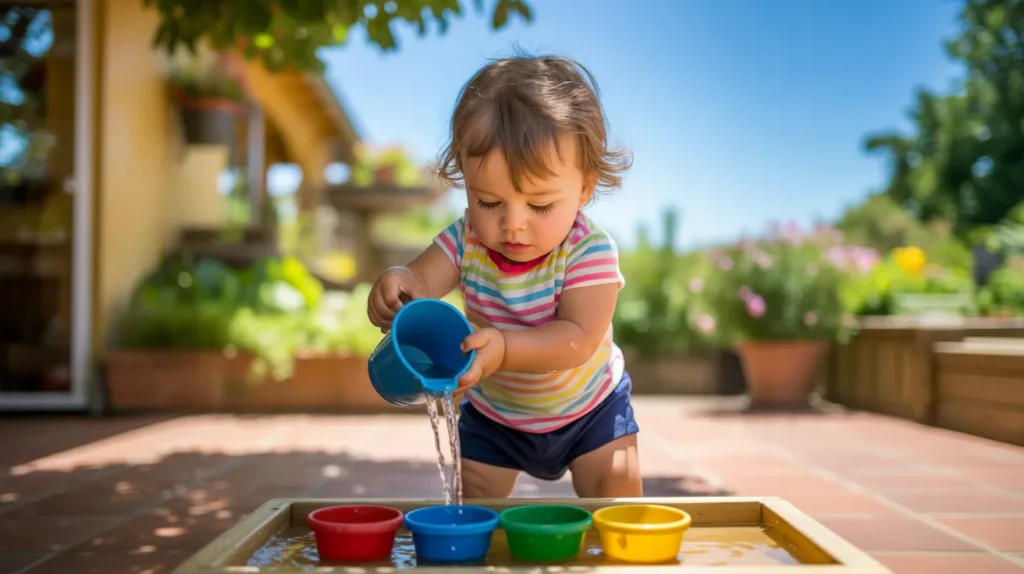
So, your little one is doing something that makes you tilt your head and wonder, “Is that normal?” Maybe they’re meticulously lining up their stuffed animals by color, or perhaps they’ve developed an intense fascination with the washing machine’s spin cycle. It’s easy to dismiss these moments as just plain odd, but what if they’re actually tiny sparks of brilliance? Kids aren’t just miniature adults; they’re little scientists, constantly experimenting with the world around them. That intense focus on sorting? It could be the early stages of pattern recognition, a skill that will serve them well in math and problem-solving later on. And the washing machine obsession? It might be their first foray into understanding cause and effect, a foundational concept for all learning. We often look for big, obvious signs of intelligence, but sometimes, the most profound insights come wrapped in what seems like pure silliness. It’s about looking past the surface and seeing the wheels turning underneath.
The Secret Language of Little Humans
Children communicate in ways that are far more complex than we often give them credit for. Before they can articulate their thoughts and feelings with perfect grammar, they’re sending us signals all the time. Think about it: a persistent tug on your sleeve might mean more than just “I want a snack”; it could be a bid for connection, a sign of anxiety, or even a way to point out something they find fascinating. Their body language, their vocalizations, even the way they interact with their toys – it’s all part of a rich, albeit sometimes confusing, communication system. Understanding these cues is like learning a new language, one that requires patience and a willingness to observe closely. For instance, a toddler might not say “I’m feeling overwhelmed,” but they might show it through increased fussiness or a sudden withdrawal. Recognizing these subtle shifts is key to responding appropriately, rather than just reacting to the surface behavior. It’s about tuning into their frequency.
When “Odd” Is Actually Awesome
Let’s be honest, sometimes kid behavior is just plain baffling. But before you label it “weird,” consider the possibility that it’s actually a sign of something wonderful brewing. That elaborate imaginary world they’ve built in the living room, complete with talking squirrels and a queen made of socks? That’s not just random play; it’s a testament to their incredible imagination and their ability to create meaning. These moments, which might seem like a distraction from “real” learning, are actually where some of the most important development happens. They’re practicing social skills, problem-solving, and emotional regulation all at once.
Here are a few examples of “odd” behaviors that are actually awesome:
- Repetitive Actions: While it might seem monotonous to us, repeating a task or a phrase can be a child’s way of mastering a new skill or seeking comfort and predictability. It’s how they build confidence.
- Intense Fixations: A deep dive into a specific topic, like dinosaurs or trains, isn’t just a phase; it’s often a sign of a developing passion and a capacity for deep learning. This is how early interests can blossom into lifelong passions.
- Unusual Play: Building a fort out of blankets and chairs, or pretending to be a superhero, is more than just fun. It’s a way for children to process their experiences, explore different roles, and develop creative thinking. This kind of imaginative play is vital for cognitive development.
The world through a child’s eyes is a kaleidoscope of possibilities. What appears chaotic or nonsensical to us is often a structured exploration of their own making. Our job isn’t always to correct or redirect, but sometimes, to simply observe and appreciate the unique way they are making sense of everything.

Remember, the developmental milestones for children are a guide, not a rigid rulebook. A child at 18 months might be showing signs of growth in ways that are unique to them [28ea]. Similarly, between ages 3 and 4, rapid development in emotional and social areas is common, but the expression of these changes can look quite different from one child to the next [e248].
The Wild World of Child Behavior
Why Does My Kid Talk to Their Toes?
Ever catch your little one having a full-blown conversation with their own feet? Or maybe they’re meticulously lining up their stuffed animals in a way that only makes sense in their own universe. It’s easy to scratch your head and wonder what’s going on in that busy little brain. These aren’t just random acts; they’re often windows into how kids are processing the world around them. Sometimes, what looks like a peculiar habit is actually a sign of deep thought or a way they’re trying to make sense of things. It’s like they’re running their own little experiments, figuring out cause and effect, or practicing social interactions in a safe, imaginary space. Don’t dismiss it as just silliness; there’s often a method to their madness, even if it’s not immediately obvious to us adults.
The Art of the Unexplained Tantrum
Ah, the toddler tornado. One minute, sunshine and rainbows; the next, a full-blown tempest over the wrong color spoon. It feels like it comes out of nowhere, doesn’t it? But usually, there’s a reason, even if it’s buried under a mountain of tears and wails. Sometimes it’s hunger, sometimes it’s tiredness, and sometimes it’s just that they’re feeling overwhelmed by big emotions they don’t yet have the words for. It’s not about manipulation; it’s about a lack of coping skills. Learning to ride out these storms, offering comfort without giving in to unreasonable demands, is a skill we adults are also developing. It’s a tough gig, this parenting thing, and understanding that these outbursts are part of growing up can make it a little less… well, wild.
Navigating the Toddler Tornado
So, how do you steer through the chaos? It’s less about control and more about connection. When your child is having a meltdown, remember they’re not trying to make your life difficult; they’re struggling. Offering a calm presence, even when you feel like you’re losing it, can make a world of difference. Sometimes, a simple hug or a quiet space can help them regulate. It’s also about setting gentle boundaries. You can acknowledge their feelings without giving them everything they want. For instance, if they’re upset about not getting a cookie before dinner, you can say, “I know you really want that cookie, and it’s hard to wait. We’ll have one after we eat our yummy dinner.” It’s a balancing act, for sure. We’re teaching them how to handle big feelings, and honestly, we’re learning too. It’s a process, and sometimes, just surviving the tornado is a win. Remember, many behaviors that seem defiant might stem from distress or unmet needs, and it’s important to look beyond the surface [91e8].
Here’s a quick look at common triggers:
- Hunger or Thirst
- Tiredness
- Overstimulation
- Frustration with a task
- Seeking attention
- Big emotions they can’t name
Unpacking Emotional Expression Like a Pro
Beyond the Tears: What Your Child Is Really Feeling
Sometimes, it feels like our kids are just walking, talking mood swings, right? One minute they’re giggling uncontrollably at a dust bunny, the next they’re having a full-blown meltdown because their toast is cut the wrong way. It’s enough to make any parent question their sanity. But here’s the thing: these aren’t just random outbursts. They’re communication. Your child is trying to tell you something, even when they don’t have the words. Think of it like a secret code, and we’re the detectives trying to crack it. That dramatic sigh when you ask them to put away their toys? It might not just be defiance; it could be a sign of overwhelm or frustration that they can’t quite articulate yet. Understanding these cues is like getting a backstage pass to their inner world. It’s about looking past the surface-level drama and tuning into the real message.
The Giggle, The Grump, and Everything In Between
Kids experience a whole spectrum of feelings, and they’re still figuring out how to show them. It’s a messy, beautiful process. We see the big stuff – the tantrums, the shrieks of joy – but what about the subtle shifts? The way they might cling a little tighter when they’re feeling insecure, or how they suddenly become super independent when they’re feeling confident. These are all emotional expressions. For some children, especially those who might be neurodivergent, expressing emotions can be a real challenge. What looks like stubbornness might actually be a sign of anxiety, and instead of punishment, they need a bit more understanding and support. It’s a delicate dance, trying to interpret these signals.
Here’s a quick look at some common emotional signals:
- Frustration: Clenched fists, gritted teeth, loud sighs, stomping feet.
- Sadness: Droopy posture, quietness, tearfulness, withdrawal.
- Excitement: Bouncing, rapid speech, wide eyes, clapping hands.
- Fear: Hiding, trembling, clinging, wide eyes.
Teaching Tiny Humans to Handle Big Feelings
So, we’ve decoded some of the signals, but what do we do with this information? The next step is helping them manage these big emotions. It’s not about stopping the feelings – that’s impossible and frankly, not healthy. It’s about giving them tools. When they’re upset, instead of just saying, “Stop crying,” try acknowledging their feeling: “I see you’re really angry right now.” This validation is huge. Then, you can gently guide them. Maybe it’s taking deep breaths together, drawing their feelings, or even just a big hug. Helping them label their emotions – “Are you feeling frustrated because the blocks fell down?” – is a game-changer. It builds their emotional vocabulary and their ability to self-regulate over time. It’s a marathon, not a sprint, and every little bit of emotional development is a win. We’re essentially helping them build their own emotional toolkit, one feeling at a time. This process is key to their overall emotional development.
Learning to express and manage emotions is a skill, just like learning to tie shoes or ride a bike. It takes practice, patience, and a whole lot of grace – both for them and for us.
Early Childhood Meaning Making: It’s Not Just Random
How Kids Build Their Own Reality
Ever watch your kiddo meticulously arrange their stuffed animals for a ‘meeting’ or narrate an elaborate story about a rogue dust bunny? It might seem like pure silliness, but it’s actually a peek into how their little brains are piecing together the world. They aren’t just playing; they’re actively constructing their understanding of how things work, testing out ideas, and figuring out cause and effect. This internal world-building is a serious business for them. It’s how they make sense of the big, often confusing, adult world around them. Think of it as their personal science lab, where hypotheses are formed and tested with every crayon scribble and every whispered conversation with a teddy bear. It’s a fascinating process, and honestly, way more complex than we often give them credit for. Understanding these early child development theories can shed light on this amazing phase.
The Power of Play in Understanding the World
Play is not just downtime; it’s the primary vehicle through which young children learn and process information. When they’re engaged in imaginative play, they’re not just pretending. They’re exploring social roles, practicing problem-solving, and developing language skills. A simple game of ‘house’ can involve complex negotiations, emotional expression, and the application of rules they’ve observed. They might be acting out scenarios they don’t fully grasp yet, trying to make sense of things like sharing, fairness, or even why grown-ups get so flustered about misplaced keys. This isn’t just random activity; it’s a sophisticated form of learning that builds the foundation for more complex cognitive abilities later on. It’s their way of saying, “Okay, I saw that happen, now let me try it and see what I think about it.”
Making Sense of the Nonsense
Sometimes, what looks like pure nonsense is actually a child’s attempt to process something significant. That repetitive action, the strange sound they make, or the seemingly illogical question might be their way of grappling with a new experience, a strong emotion, or a concept they’re trying to grasp. For instance, a child who suddenly becomes obsessed with a particular object might be seeking comfort or trying to understand a feeling of insecurity. Or the child who insists on eating their peas one by one, in a very specific order, might be exerting a sense of control in a world where they have very little. It’s their way of imposing order on chaos, of finding patterns, and of communicating needs or thoughts that they don’t yet have the words for. It’s a lot like trying to assemble a puzzle with missing pieces – they’re doing their best with what they’ve got. Observing these moments without immediate judgment can reveal a lot about their inner world, much like how Piaget’s stages describe cognitive progression.
Children are constantly trying to make sense of the world, and their ‘quirky’ behaviors are often the visible evidence of this internal work. They are little scientists, philosophers, and artists all rolled into one, experimenting with life and figuring out their place in it. What seems random to us is often a deliberate attempt to understand and connect.
Embracing the Eccentricities: Why Quirks Are Key
The Beauty of Being a Little Bit Different
So, your kiddo insists on wearing their superhero cape to the grocery store, or maybe they have a very specific way of lining up their stuffed animals before bedtime. It might seem a bit much, right? Like, is this just a phase, or are they trying to tell us something? Well, guess what? Those little oddities are often the sparks of something truly special. Think about it – the world is full of people who just blend in. But the ones who really make waves, the inventors, the artists, the thinkers? They’re usually the ones who weren’t afraid to be a little bit different. It’s in these unique traits that we find the seeds of individuality, the early whispers of a personality that’s going to do its own thing. It’s not about being weird for the sake of it; it’s about recognizing that what makes them stand out is often what makes them shine.
Nurturing Unique Talents and Passions
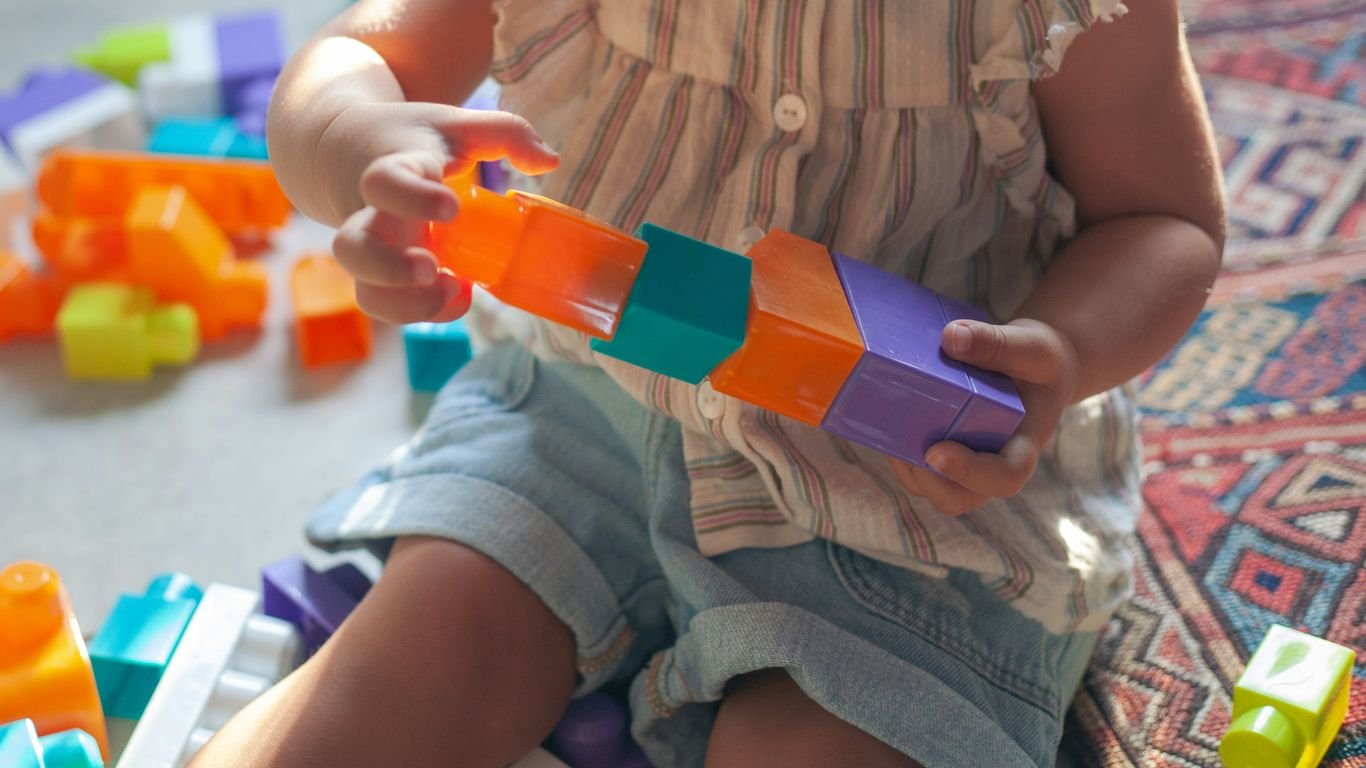
Sometimes, a child’s peculiar habit is actually a signpost pointing towards a hidden talent. That intense focus on stacking blocks in a very particular order? That could be the budding architect. The constant need to sing everything, even their breakfast order? Hello, future performer! It’s easy to dismiss these as just quirks, but if we pay attention, we can see them for what they are: early indicators of passions waiting to be explored. Instead of trying to smooth out the edges, let’s think about how we can support these emerging interests. It might mean getting them a bigger set of blocks, finding a local drama class, or just letting them sing their heart out without embarrassment. These aren’t just random behaviors; they’re clues.
Here’s a thought: what if we looked at these quirks as potential superpowers?
- The Collector: Always picking up shiny rocks or oddly shaped leaves? Might be a future geologist or curator.
- The Builder: Obsessed with LEGOs or fort-building? Could be an engineer or designer.
- The Storyteller: Constantly making up elaborate tales? A writer or a filmmaker in the making.
From Quirky to Creative Genius
It’s a wild ride, this parenting thing, and sometimes it feels like you’re just trying to keep up with the sheer unpredictability of it all. But here’s the secret: that unpredictability is where the magic happens. The kids who march to the beat of their own drum, the ones who question everything and do things their own way, are often the ones who will grow up to be the most innovative thinkers. They’re not just following the path; they’re looking for ways to build a new one. Embracing their eccentricities isn’t just about accepting them; it’s about celebrating the potential for incredible creativity that lies within. It’s about understanding that sometimes, the most unconventional approaches lead to the most brilliant outcomes. So, the next time your child does something that makes you tilt your head and wonder, take a moment. It might just be the first step towards something amazing. It’s about seeing the potential in their unique way of being in the world, and that’s a pretty powerful thing to witness. It’s about recognizing that their individual characteristics are not just differences; they are potential superpowers that set them apart. potential superpowers
The world needs more people who aren’t afraid to be themselves, even if that self is a little bit unusual. Our job as parents is to help them feel safe and encouraged to explore that unique self, not to mold them into something they’re not. It’s a delicate balance, for sure, but one that pays off in spades when you see them grow into confident, creative individuals.
Listening to the Little Voices: The Meaning Behind the Mayhem

What Your Child’s “Nonsense” Is Telling You
Sometimes, it feels like our kids are speaking a different language, doesn’t it? That random babbling, the peculiar way they stack their toys, or the sudden outburst over a misplaced sock – it can all seem like pure chaos. But what if I told you there’s a method to this madness? These aren’t just random acts; they’re communication attempts, albeit unconventional ones. Think of it as their own special dialect, a way of processing the world and their place in it. That seemingly nonsensical chatter might be them working through a complex idea, practicing new sounds, or simply trying to get your attention in the only way they know how. It’s like they’re running a constant, unscripted play in their heads, and we’re just lucky enough to catch a few scenes.
The Importance of Observing, Not Just Intervening
It’s so tempting to jump in, correct, or redirect when our kids do something that strikes us as… well, odd. We want to guide them, right? But sometimes, the most helpful thing we can do is simply watch. Observe the way they interact with their environment, the patterns they create, the sounds they make. This quiet observation is where the real magic happens. You start to see the connections they’re making, the problems they’re trying to solve, and the emotions they’re trying to express. It’s about understanding their internal world, not just managing their external behavior. This is especially true during those tricky transition times, sometimes called “mayhem,” when kids can be extra sensitive.
Turning “Odd” Moments into Learning Opportunities
So, how do we translate this observation into something productive? It’s about meeting them where they are. If your child is lining up all the red blocks, instead of saying, “No, let’s build a tower,” try asking, “Wow, you’ve got all the red ones! What are you going to do with them?” This simple shift validates their current interest and opens the door for conversation. It’s about seeing their unique approach not as a problem to be fixed, but as a starting point for connection and growth. We can help them build confidence by acknowledging their efforts, even the ones that seem a bit out there. It’s amazing how much they can teach us if we just learn to listen to their little voices.
When we stop trying to force our kids into a mold of what we think is ‘normal,’ we open ourselves up to seeing the incredible creativity and intelligence that lies beneath the surface of their seemingly strange behaviors. It’s a journey of discovery, for them and for us.
Here are a few ways to encourage this kind of learning:
- Ask open-ended questions: Instead of “Did you like that?” try “What did you think about that?”
- Follow their lead: If they’re fascinated by a bug, spend time looking at it with them.
- Narrate their actions (gently): “I see you’re putting the blue car on top of the green one. That looks like a fun idea!”
- Validate their feelings: Even if the reason seems silly to you, acknowledge their emotions. “It’s frustrating when the blocks fall down, isn’t it?”
Ever wonder what’s really going on when kids act out? Our latest article, “Listening to the Little Voices: The Meaning Behind the Mayhem,” dives into understanding those tricky behaviors. We break down why kids might be acting out and offer simple ways to help them. Want to learn more about supporting your child’s emotional growth? Visit our website for more helpful tips and resources!
Frequently Asked Questions
Why does my child do things that seem weird?
Kids explore the world in unique ways. What looks odd to us might be their way of learning, figuring things out, or expressing themselves. Sometimes, these “weird” actions are actually signs of a smart or creative mind at work!
How can I tell if my child’s strange behavior is normal?
Most of the time, unusual actions are just part of growing up. Think about their age and what they’re trying to do. If it doesn’t seem harmful, it’s likely a normal, albeit quirky, part of their development.
What if my child’s ‘odd’ behavior is actually a sign of something important?
Sometimes, those strange moments are a child’s way of communicating something they can’t say with words. Paying attention to these cues can help you understand their feelings, needs, or even a hidden talent they’re developing.
How do I handle my child’s tantrums or meltdowns?
Tantrums are often a sign that a child is overwhelmed and doesn’t have the words to explain it. Stay calm, ensure they’re safe, and try to help them understand their big feelings later. It’s about teaching them how to manage emotions.
Is it okay for my child to be different from other kids?
Absolutely! Being different is what makes everyone special. Embracing your child’s unique qualities, even the quirky ones, can help them build confidence and discover their own special talents.
How can I help my child understand and manage their emotions?
Talk about feelings often, using simple words. Help them name what they’re experiencing, whether it’s happiness, sadness, or frustration. Play is also a great way for them to explore and express emotions safely.

Ms. Kerri’s Corner provides a exciting virtual space for preschool learning. Through a variety of engaging activities, she exposes young minds to early math, literacy, science and social-emotional skills in a developmentally appropriate way. Centers for blocks, art, books and music allow children to explore hands-on learning at their own pace. Guided lessons subtly introduce number sense, letter sounds and narrative thinking. Careful observation gives insight into each child’s progress across domains. Viewers are also invited to participate, reinforcing that their ideas are valued. By making learning fun yet purposeful, Ms. Kerri lays the groundwork for future academic success while fostering creativity and imagination. Her program offers preschoolers valuable screen-based learning experiences.