
Practical parenting guides for toddler challenges: strategies for everyday struggles
Key Takeaways
Toddler challenges can feel intense, especially when you’re tired and short on time. Small, steady responses often help more than trying to find one perfect solution.
- Look for the need or trigger behind a behavior before deciding how to respond.
- During a tantrum, focus first on safety and your own calm presence.
- Keep limits brief and consistent, while offering choices where you can.
- Use predictable routines and clear warnings to make transitions easier.
- Adjust your approach as you learn what works for your child and family.
Understand what’s behind toddler behavior
A toddler’s behavior is communication, experimentation, and emotion all mixed together. That doesn’t mean every action needs a long explanation, or that you have to accept unsafe behavior. Practical parenting guides for toddler challenges are most useful when they help you pause, notice what may be driving a moment, and choose a response you can repeat.
How development shapes emotions and decision-making
Toddlers often want to do things independently before they have the language, patience, or coordination to manage them. They may understand a rule one moment and struggle to follow it when they’re upset the next. A calm limit paired with a short explanation gives your child something they can process without expecting adult-level reasoning. Guidance on toddler development and parenting can offer more context, but day to day, simple and repeatable usually works best.
Common triggers such as hunger, fatigue, and transitions
A sudden refusal may have less to do with defiance than with a child who is hungry, tired, overstimulated, or caught off guard by a change. Look for patterns across the day rather than treating every difficult moment as a fresh mystery. The table can help you match a common trigger to a practical first response; it’s a starting point, not a diagnosis.
| What you notice | Possible trigger | A practical first response |
|---|---|---|
| Tears before lunch | Hunger or a long gap between meals | Offer the planned snack or meal and keep the conversation simple |
| Resistance at bedtime | Fatigue or difficulty shifting gears | Reduce stimulation and move through the familiar bedtime steps |
| A protest when leaving | An abrupt transition | Give a short warning and name what comes next |
| Irritability in a busy place | Noise, activity, or sensory overload | Find a quieter spot and offer a brief break |
After you’ve checked the likely trigger, you can decide whether to keep the limit, change the timing, or offer comfort. That small pause can prevent an ordinary need from turning into a bigger struggle.
When behavior may signal an unmet need
Behavior can be a clue that a child needs help, connection, rest, food, or a quieter environment. Notice what happened just before the behavior and what changed after you responded. A toddler who clings during a rushed handoff may need extra time to separate; a child who throws toys may need help finding a safer way to show frustration. Keep the observation concrete, and avoid turning one hard day into a judgment about your child or your parenting.
Setting realistic expectations for your toddler’s age
A toddler may need reminders, practice, and your help to manage a task that seems straightforward to an adult. Waiting, sharing, stopping play, and explaining feelings all develop over time. Set a limit when you need to, but make the expectation something your child can reasonably attempt. If a skill isn’t there yet, demonstrate it and practice in small moments instead of relying on repeated warnings.
Navigate tantrums and big emotions
A tantrum can be loud, public, and exhausting; it can also pass without becoming a lesson or a referendum on your parenting. The immediate goal is to keep everyone safe and reduce the number of decisions you need to make in the moment. You can return to teaching and problem-solving after your toddler has had time to settle.

Stay calm and keep your toddler safe
If your child is hitting, kicking, or moving toward danger, calmly block the action or move them to a safer place. Use fewer words than you might be tempted to use: “I won’t let you hit,” or “I’m moving you away from the road.” You do not have to sound cheerful or feel perfectly calm; a steady, firm response is enough. Give yourself a slow breath before speaking if you can.
Name feelings without giving in to unsafe behavior
Naming a feeling can help a toddler feel understood, but it doesn’t require changing a necessary limit. Try, “You’re angry that it’s time to go. I won’t let you throw the toy.” Keep the feeling and the behavior separate: every feeling is allowed, while some actions need to stop. This gives your child words to borrow without making the boundary unclear.
Respond to public meltdowns with a simple plan
A public meltdown can make it harder to think because you may feel watched or rushed. Decide in advance on a small sequence you can use wherever you are: keep your child safe, speak briefly, and move somewhere quieter if that helps. Parents looking for positive parenting guidance may find useful ideas for responding calmly while keeping boundaries in place. The immediate plan can still be very simple, even when the setting is not.
Help your child recover and reconnect afterward
Once your toddler is calmer, offer a quiet moment together before revisiting what happened. You might say, “That was hard. You were upset when play ended. Next time, we’ll put the blocks away together.” Keep the repair short and suited to your child’s age; a long review may be more than they can take in. Then return to the day without treating the outburst as a lasting failure.
Set boundaries without constant power struggles
A boundary works best when your child can tell what it is and what will happen next. That doesn’t mean you need to win every disagreement or explain every rule at length. A kind, firm approach leaves room for your toddler’s feelings while keeping your responsibility for safety and daily limits intact.
Make rules clear, brief, and consistent
Choose a few rules that matter most in the situation and say them in plain language. “Feet stay on the floor” gives a clearer direction than a long lecture about jumping on the couch. Then follow through in a way that matches the rule, such as helping your child down. The idea behind The Kind and Firm Parent is that warmth and firmness do not have to be competing choices; you can be caring and still hold the limit.
Offer limited choices that preserve your toddler’s autonomy
Choices work when both options are acceptable to you. “Blue cup or green cup?” gives your toddler a real say without handing over a decision that belongs to the adult. Keep the options brief, and don’t offer a choice if there isn’t one. This lets a young child practice independence inside a boundary that remains clear.
Follow through with calm, related consequences
A consequence is easiest to understand when it connects directly to what happened. If a toy is being thrown, put it away for now and offer another way to play; if water is being splashed out of the tub, pause the bath and help your child get dry. Explain the action in a sentence, then carry it out without adding threats or shame. Later, when everyone is settled, you can practice what to do instead.
Handle “no” and repeated testing without escalating
Toddlers may repeat a behavior to learn what happens, especially when a limit is new or a routine has changed. Decide what you will do, say it once in a calm voice, and repeat the same response if needed. A short script can keep you from negotiating while frustrated:
- “It’s time to leave. You can walk or I can carry you.”
- “I won’t let you hit. I’m moving back.”
- “The snack is finished. You can have water.”
- “The toy is being thrown, so I’m putting it away for now.”
These phrases are prompts, not magic words; your toddler may still protest. The helpful part is that the limit stays understandable and you don’t have to invent a new response each time.
Build routines that make daily tasks easier
Routines reduce the number of surprises in a day, but they do not need to run like a timetable. A few familiar steps can make mornings, meals, and bedtime easier to navigate, particularly when your toddler knows what is coming next. If the day goes sideways, you can return to the routine at the next opportunity rather than trying to make everything perfect.

Create predictable rhythms for mornings and bedtimes
Keep the order of familiar tasks steady where you can: get dressed, eat, brush teeth, then leave; or wash up, read, and settle into bed. The exact timing may shift, but a recognizable sequence helps your toddler anticipate what comes next. If mornings are rushed, prepare one or two small things the night before, such as setting out clothes. A routine should make the day easier for your family, not create another standard you have to meet.
Use warnings and visual cues for transitions
Stopping a favorite activity can be hard when a toddler has no sense of how much time is left. Give a simple warning before the change, then follow it with a clear cue: “One more turn, then shoes.” You can also point to a picture or use the same phrase each time. For screen changes, a Guilt-Free screen time guide is one example of a resource framed without shame; in the moment, a predictable warning and a clear next step can help make the transition more manageable.
Make meals less stressful with consistent expectations
Aim for a steady meal rhythm and a low-pressure table, rather than trying to persuade a toddler to eat every offered food. Offer what your family is serving when possible, and let your child decide whether and how much to eat from what is available. A mealtime guide that is explicitly neurodivergent-affirming can help families approach differences without treating them as misbehavior. If a meal becomes tense, return to your routine at the next meal rather than turning one difficult sitting into a verdict on how things are going.
Adapt routines when travel, illness, or schedule changes disrupt them
Travel, illness, visitors, and schedule changes can unsettle even a familiar routine. Keep one or two anchors where you can, such as a bedtime story or a familiar snack, and let less important details flex. When you return home, resume your usual rhythm without scolding your child for needing time to adjust. A flexible routine still has shape; it simply makes room for real life.
Encourage cooperation and communication
Cooperation grows through repeated, manageable practice, not through expecting a toddler to respond like an older child. The way you give directions, play together, and notice effort can make it easier for your child to understand what you’re asking. Small moments count, especially when everyone is tired and the ideal teaching opportunity is nowhere in sight.
Give simple instructions your toddler can follow
Get close enough to have your child’s attention, then give one clear instruction at a time. “Put the book on the shelf” is easier to act on than “Clean up everything.” Pause to give your toddler a chance to respond before repeating yourself or adding another request. If they need help, start together, then let them take over a manageable part.
Use play to practice sharing, waiting, and taking turns
Play gives toddlers a low-pressure way to try skills that are harder in the middle of a disagreement. Take turns rolling a ball, add one block at a time, or use a short phrase such as, “My turn, then your turn.” Keep the game brief and adjust it if your child loses interest. You’re practicing the idea of waiting together, not testing whether your toddler can manage a long delay.
Praise specific behaviors to reinforce positive choices
Notice the action you want your child to repeat: “You handed me the cup carefully,” or “You waited while I opened the door.” Specific feedback makes the moment clear without turning praise into a performance review. If your child struggles next time, you can still show them what to do. Consistent encouragement and calm guidance can sit side by side.
Support language development during everyday moments
Everyday tasks offer chances to name objects, actions, and feelings without turning the day into a lesson. While getting dressed, you might say, “You chose the striped shirt,” or offer a simple choice and wait for your child’s response. A What to Say When… resource focuses on scripts rather than theory, which can be useful when you want a concrete phrase to try. Follow your toddler’s communication, whether they respond with words, gestures, or both.
Choose strategies that fit your family
No single response works for every toddler or every household. A strategy is worth keeping when it is safe, understandable, and realistic enough for the adults to use consistently. Treat your plan as something you can adjust, not a test you pass or fail.
Adjust approaches for temperament and developmental stage
Some toddlers warm up slowly; others move quickly from interest to frustration. A child’s age, language, sleep, and comfort with change can all affect what they can manage in a particular moment. Keep the goal steady, but adjust how much support you offer: one child may respond to a brief warning, while another may need a visual cue and your help to make the change. Notice your child’s pattern rather than comparing them with someone else’s.
Coordinate expectations among caregivers
Children benefit when the adults around them agree on a few important expectations and use similar language. You do not have to respond in exactly the same way, but it helps to align on safety limits, routines, and what you will do when a limit is tested. Share scripts that feel natural to each caregiver and discuss what is working when the child is not in the middle of a struggle. Consistency is easier when it is practical for everyone involved.
Decide when to seek advice from a pediatrician or specialist
If a behavior worries you, is affecting daily life, or comes with concerns about your child’s development, bring it up with your pediatrician. Describe what you see, when it happens, how often, and what seems to help. A professional can help you consider whether there are developmental, health, sensory, or other factors to explore. Asking for guidance is a reasonable next step, not an admission that you have done something wrong.
Review what works and revise your plan over time
After trying a strategy for a few days, ask what changed: Was the trigger easier to spot? Did a shorter phrase help? Was the routine realistic on a busy morning? Keep the parts that helped and change one thing at a time so you can tell what made a difference. There is plenty of practical parenting advice for everyday challenges, but your own observations are what make a plan fit your household.
Conclusion
Toddler struggles are part of a busy stage of learning, and a difficult moment does not define your child or your parenting. Look for the need underneath the behavior, keep limits clear, and build routines you can actually use. Over time, small, repeatable responses can make everyday challenges feel more manageable.
Frequently Asked Questions
Why does my toddler have tantrums?
Tantrums can happen when a toddler is overwhelmed, tired, hungry, frustrated, or unable to express what they want. They are still learning to manage strong feelings and communicate them.
What should I do during a toddler tantrum?
Focus first on safety, use a calm and brief response, and give your child space to settle. Once they are calmer, reconnect and talk simply about what happened.
How can I set limits without yelling?
Choose a short phrase that states the boundary, then follow through calmly. If you feel yourself getting overwhelmed, pause for a breath or step away briefly if your child is safe.
Do routines help toddlers behave better?
Predictable routines can make transitions and daily tasks easier because children have a clearer sense of what comes next. Keep routines flexible enough to work on ordinary, imperfect days.
How many choices should I offer a toddler?
Two acceptable options are often enough. Choices work best when the adult has already decided what needs to happen and the child can choose between reasonable alternatives.
How can I make mealtimes less stressful?
Keep a steady meal rhythm and avoid pressuring your toddler to eat a particular amount. Offer food in a calm setting, and consider seeking professional advice if eating or growth concerns persist.
When should I ask a professional about my toddler’s behavior?
Talk with your pediatrician if a behavior is causing significant concern, disrupting everyday life, or appearing alongside questions about development or health. Specific examples help the professional understand what you are seeing.
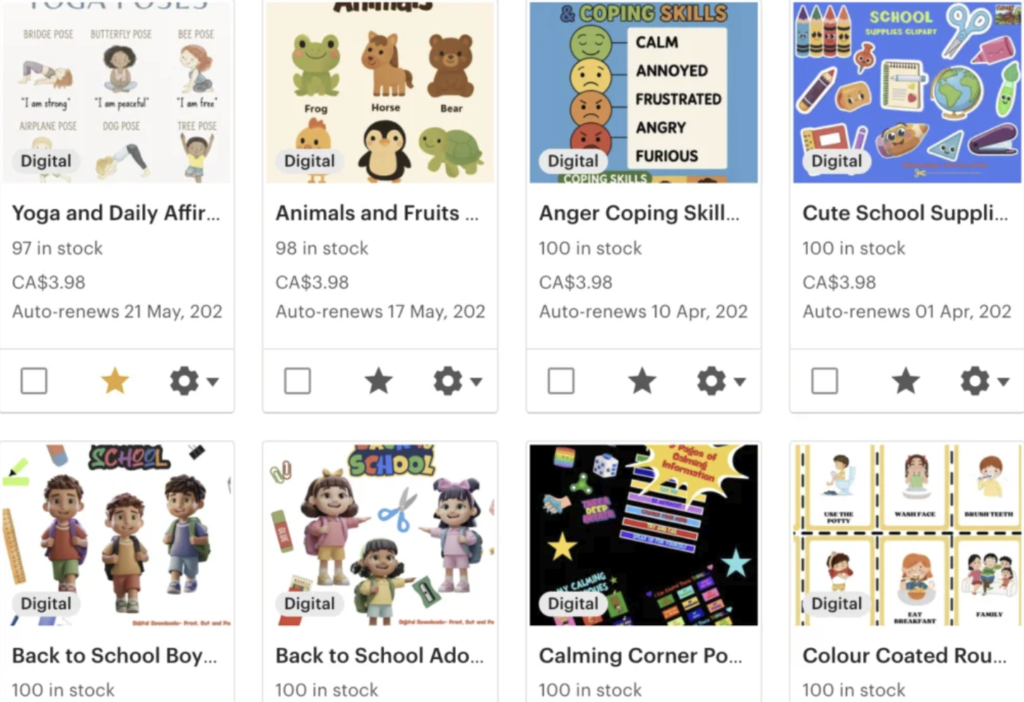

Ms. Kerri’s Corner provides a exciting virtual space for preschool learning. Through a variety of engaging activities, she exposes young minds to early math, literacy, science and social-emotional skills in a developmentally appropriate way. Centers for blocks, art, books and music allow children to explore hands-on learning at their own pace. Guided lessons subtly introduce number sense, letter sounds and narrative thinking. Careful observation gives insight into each child’s progress across domains. Viewers are also invited to participate, reinforcing that their ideas are valued. By making learning fun yet purposeful, Ms. Kerri lays the groundwork for future academic success while fostering creativity and imagination. Her program offers preschoolers valuable screen-based learning experiences.