Boost Your Parenting Skills with These Free Printable Parenting Worksheets
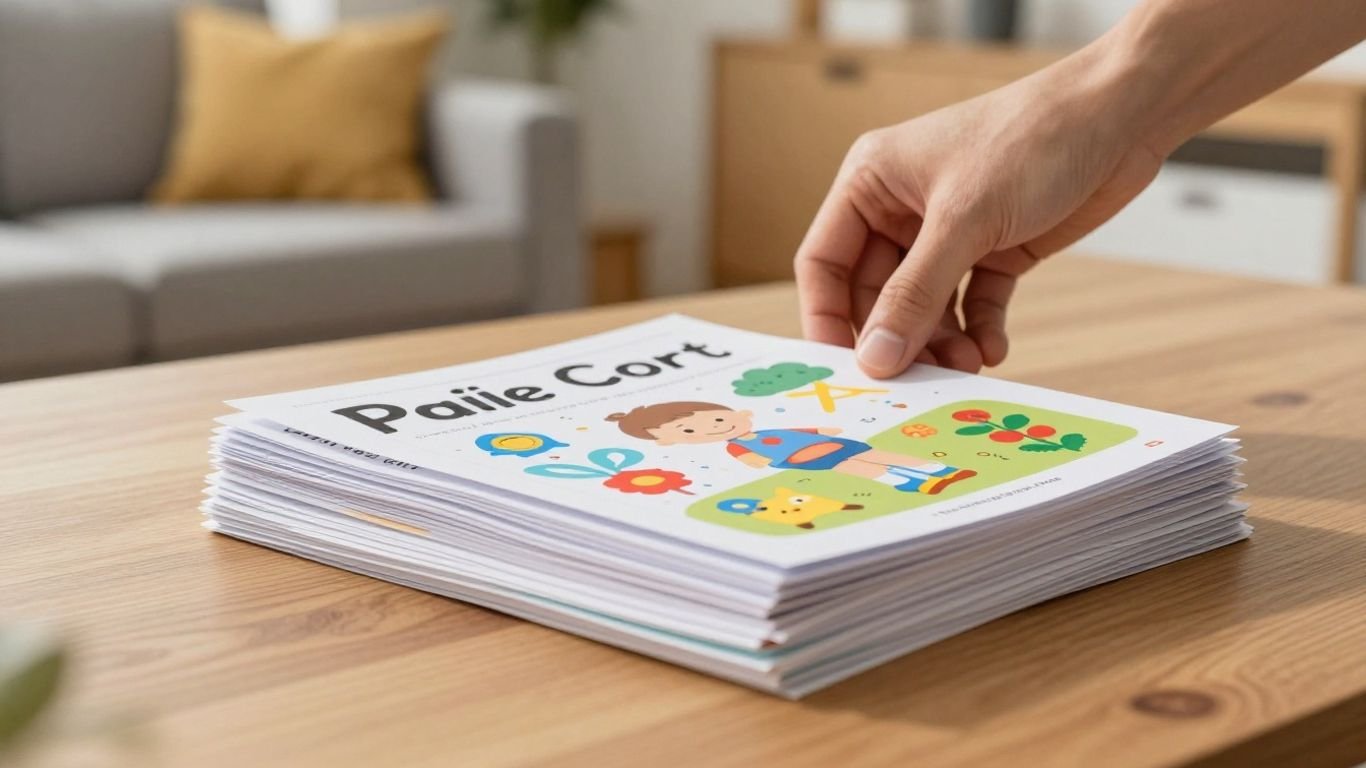
Parenting can feel like a constant learning curve, right? Sometimes you just need a little something to help you figure things out. That’s where printable parenting worksheets come in handy. They’re like little guides that can help you with all sorts of things, from understanding why your kiddo is acting a certain way to getting them to actually listen when you ask them to clean their room. We’ve pulled together some really useful ones that you can just print out and start using right away. Think of them as your go-to tools for making everyday parenting a bit smoother and a lot more connected.
Key Takeaways
- Use printable parenting worksheets to better understand your child’s behavior and your own reactions.
- Set clear limits and teach your child how to manage their feelings with structured exercises.
- Build important life skills and positive habits in your child through practical checklists and charts.
- Improve communication and connection with your child using simple, fill-in-the-blank activities and conversation starters.
- Encourage a positive mindset in both yourself and your child with journaling prompts and mantras.
Understanding Your Child’s Behavior With Printable Parenting Worksheets

Sometimes, figuring out why our kids do what they do can feel like trying to solve a puzzle with missing pieces. That’s where these worksheets come in handy. They’re designed to give you a clearer picture of your child’s actions and reactions, helping you respond in ways that are more helpful for everyone.
Parenting Reflections Worksheet
This worksheet is like a personal journal for your parenting journey. It prompts you to think about your own reactions, what might be setting you off, and what your parenting values really are. Getting to know yourself better is a big step in understanding your child. It helps you see patterns you might not have noticed before, so you can make more thoughtful choices instead of just reacting.
Parenting Reflections Quiz
Similar to the reflection worksheet, this quiz helps you spot those automatic responses you have as a parent. We all have them! Sometimes, these reactions are based on old beliefs or habits that aren’t serving us or our kids anymore. Taking this quiz can shine a light on these patterns, giving you a chance to change them and build a calmer, more positive approach. It’s a good way to see how your own actions might be influencing your child’s behavior. You might find it helpful to look at resources on Cognitive Behavioral Therapy for parents, as many of these ideas overlap.
Temperament Scale
Every child is born with a unique temperament – think of it as their natural style of reacting to the world. Some kids are more sensitive, others are go-getters, and some need more time to adjust to new things. This scale helps you identify your child’s specific traits. Knowing their temperament means you can set more realistic expectations and communicate in a way that fits them best. It’s not about changing who they are, but about understanding and working with their natural tendencies. For instance, understanding a child’s temperament can be really useful when looking into different approaches like applied behavior analysis.
Understanding your child’s unique way of being in the world is key. It allows you to tailor your parenting approach, making interactions smoother and more effective. It’s about meeting them where they are, not where you wish they were.
Setting Boundaries and Fostering Emotional Safety

Kids need structure, and that’s where setting clear boundaries comes in. It’s not about being mean or controlling; it’s about creating a safe space where they know what to expect. When kids understand the limits, they feel more secure. This helps them learn self-control and respect for others.
Limit-Setting & Boundaries Worksheet
This worksheet is a great starting point for figuring out what rules make sense for your family. It helps you think about expectations and what happens when those expectations aren’t met. Having consistent rules reduces confusion for everyone. You can use it to plan out how you’ll talk to your kids about these limits and what consequences will look like. It’s designed to help you create a more cooperative home environment. You can find a helpful worksheet to guide you through establishing healthy boundaries with your family here.
Validating Your Child’s Feelings Worksheet
Kids have big feelings, and sometimes they don’t know what to do with them. Validating their emotions means letting them know it’s okay to feel what they’re feeling, even if you don’t agree with their behavior. This doesn’t mean giving in; it means listening and acknowledging their experience. Phrases like “I see you’re really upset right now” can make a huge difference. This worksheet offers practical ways to communicate that build trust and help your child develop better emotional awareness. Learning to validate feelings is a key part of building a strong connection.
Train Your Angry Dragon: Understanding Emotions
This resource helps children (and parents!) understand that emotions, even the tough ones like anger, are normal. It’s about teaching kids how to manage these feelings without letting them take over. Think of it like taming a dragon – you don’t get rid of it, but you learn to handle its fire. Understanding emotions is a skill that takes practice, and this worksheet can be a fun way to start that conversation. It’s a good tool for teaching kids about emotional regulation and coping strategies. You can explore a worksheet designed to help children understand and set their own limits here.
Building Essential Life Skills and Positive Habits
Kids don’t just magically know how to manage their money or cook a simple meal. These are skills they need to learn, and as parents, we’re the first teachers. It can feel like a lot, trying to figure out what they need to know and when. That’s where these printable worksheets come in handy. They break down big ideas into manageable steps, making it easier for both you and your child to tackle them.
Helping Your Child with Skills-Building
This worksheet is a great starting point. It helps you pinpoint specific skills your child is currently working on, like sharing toys or tidying up their room. It also highlights areas where they might need a little extra support. Think of it as a personalized roadmap for teaching everything from social skills to emotional coping and building good character traits. It’s all about giving them the tools they need to succeed.
Life Skills Checklist
Remember when you first moved out on your own? It was probably a mix of exciting and terrifying, especially if you weren’t quite sure how to do laundry or balance a checkbook. This checklist is designed to help you make sure your child is prepared for that transition. It covers basic things that adults need to know to function independently. Getting a head start on these skills in a low-pressure home environment can make a huge difference when they eventually strike out on their own. You can find a printable life skills checklist to get started.

Role-Modeling Chart
Kids are always watching, even when we don’t think they are. They pick up on our habits, our attitudes, and how we handle things. This chart is a simple way to keep yourself accountable for the behaviors you want your child to see. It’s easy to forget that what we do often speaks louder than what we say. By tracking what you want to model, you can be more intentional about showing them the kind of person you hope they’ll become. It’s a quiet reminder to be the best version of yourself, for them.
Sometimes, the most effective teaching happens when we’re not actively trying to teach. It’s in the everyday moments, the small actions, and the consistent example we set. These worksheets help us be more mindful of that.
Enhancing Communication and Connection
Sometimes, life gets so busy that it feels like we’re just passing ships in the night with our kids. You know, you’re rushing to get them to school, then rushing to work, then rushing to pick them up, and before you know it, bedtime has rolled around. It’s easy to let those really important moments of connection slip away.
These worksheets are designed to help you slow down and really listen to your kids, and also to make sure they’re hearing you too. Good communication isn’t just about talking; it’s about understanding. When we get better at talking and listening, we build stronger bonds and create a more peaceful home.
Fill-in-the-Blank Parenting Worksheet
This worksheet is a bit like a Mad Libs for parents. You fill in the blanks to clarify your family’s goals, what your daily routines actually look like (not what you wish they looked like!), and where communication might be getting a little bumpy. It’s super adaptable, so you can use it to work through whatever specific things are going on in your household. It helps you get clear on what you want and what’s actually happening.
Creative Ways to Connect with Kids
Looking for fun ideas to spend quality time? This section offers a bunch of creative prompts and activities. Think about things like:
- Having themed dinner nights.
- Creating a family art project.
- Going on a
Cultivating a Growth Mindset and Positive Outlook

It’s easy to get caught up in the daily grind, right? Sometimes, the big picture stuff, like helping our kids see challenges as chances to learn, can feel like it gets pushed aside. But honestly, it’s so important. Teaching kids that they can get better with effort, and that mistakes are just part of the process, makes a huge difference. They become less likely to throw in the towel when things get tough and more confident overall. These printable journaling pages are a great way to start that conversation with your kids and really help them build that growth mindset.
Growth Mindset Journaling Pages
These pages are designed to get your kids thinking about their abilities and how they can improve. It’s not about being perfect right away; it’s about the journey of learning. You can use these prompts to talk about what they’re proud of, what they found tricky, and what they learned from it. It’s a gentle way to encourage them to keep trying.
Positive Parenting Mantras
Let’s be real, parenting is hard work. There are days you just need a little reminder that you’re doing okay. Positive parenting mantras are like little pep talks for yourself. Printing these out and putting them where you’ll see them often can really help keep you grounded. It’s about remembering your strengths and focusing on the good stuff, even when it feels overwhelming. You’ve got this!
Sometimes, the best way to help our kids develop a positive outlook is by modeling it ourselves. When we approach challenges with a can-do attitude and talk about our own learning process, we show them what a growth mindset looks like in action.
Happiness Triggers Worksheet
This worksheet is a bit different. It’s about focusing on what brings joy, not just to your kids, but to you too! When parents feel good, they can parent better. It’s a simple idea, but powerful. You and your child can work through this together, identifying those little things that make your day brighter. It’s a nice way to connect and remind yourselves of the good things in life. You can find some great resources for developing a growth mindset that tie into this idea.
Here’s a quick look at how you might use these tools:
- Growth Mindset Journaling: Use prompts like “What did I try hard at today?” or “What did I learn even though it was difficult?”
- Positive Mantras: Pick one or two to repeat daily, such as “I am a patient parent” or “We learn from our mistakes.”
- Happiness Triggers: List activities, people, or places that make you and your child feel happy and try to incorporate them more often.
These tools are all about building resilience and a positive outlook, one step at a time. You can explore printable growth mindset worksheets for children to get even more ideas.
Practical Tools for Everyday Parenting Challenges
Life with kids can sometimes feel like a whirlwind, right? Between school, activities, and just the general chaos of daily living, it’s easy to feel like you’re just trying to keep your head above water. That’s where having some handy, printable tools can really make a difference. These aren’t complicated, just simple resources designed to help smooth out some of those bumps in the road. Having a plan for common issues can save a lot of stress.
Family Technology Contract
In today’s world, screens are everywhere. It’s super important to get everyone on the same page about how your family uses technology. This contract helps you and your kids agree on rules for things like screen time limits, where devices can be used, and what to do about online purchases. It’s all about building healthy habits together. You can download a printable Family Tech Contract to get started.
Emergency Contact Info List
Emergencies happen, and it’s good to be prepared. This printable list is a lifesaver when you need to quickly share important information. You can fill it out with details about your home, your family, and who to contact if something unexpected comes up. It’s a simple way to make sure everyone, including caregivers or your child if they’re old enough, has the info they need.
Money-Saving Checklist
Let’s be honest, raising kids isn’t cheap! Every family can benefit from finding ways to save a little extra cash. This checklist is packed with tips and reminders to help you cut down on monthly expenses. Think about things like finding discounts, managing bills better, and saving on everyday costs. It’s a practical way to ease some of the financial pressure.
Sometimes, just having a clear list of what needs to be done or what rules are in place can make a huge difference in how smoothly things run. It takes the guesswork out of tricky situations and helps everyone know what to expect.
Keep Growing as a Parent
So there you have it. Using these free printable worksheets is a pretty simple way to get a handle on some of the trickier parts of parenting. They’re right there when you need them, ready to help you figure things out, whether it’s setting rules, understanding your kiddo’s feelings, or just trying to be a more patient person. Remember, being a parent is a journey, and having a few handy tools like these can make a big difference. Don’t be afraid to print them out, use them, and keep coming back to them as your child grows. You’ve got this!
Frequently Asked Questions
What are free printable parenting worksheets?
These are helpful sheets you can download and print at home. They give you ideas and tools to be a better parent. Think of them like guides for tricky parenting moments or for learning new ways to connect with your kids.
How can these worksheets help me as a parent?
They can help you understand your child better, set clear rules, and talk through feelings. They also offer ways to build good habits, improve communication, and even manage technology use in your family. It’s like having a parenting coach right at your fingertips.
Are these worksheets easy to use?
Yes! They are made to be simple and practical for everyday life. You can use them on your own, with your partner, or even during family chats. The goal is to make parenting skills more accessible and less overwhelming.
What kind of topics do the worksheets cover?
The topics are wide-ranging! You’ll find help with understanding behavior, setting limits, teaching life skills, improving communication, and encouraging a positive attitude. There are also tools for everyday challenges like managing screen time and saving money.
Do I need special skills to use these worksheets?
Not at all! They are designed for all parents, whether you’re new to parenting or have been doing it for years. The worksheets guide you step-by-step, making it easy to learn and apply new strategies without needing any prior expertise.
Where can I find and use these worksheets?
You can usually download them directly from websites that offer free parenting resources. Once printed, you can use them at home whenever you need them – during family meetings, quiet reflection time, or even when discussing things with your child.

Ms. Kerri’s Corner provides a exciting virtual space for preschool learning. Through a variety of engaging activities, she exposes young minds to early math, literacy, science and social-emotional skills in a developmentally appropriate way. Centers for blocks, art, books and music allow children to explore hands-on learning at their own pace. Guided lessons subtly introduce number sense, letter sounds and narrative thinking. Careful observation gives insight into each child’s progress across domains. Viewers are also invited to participate, reinforcing that their ideas are valued. By making learning fun yet purposeful, Ms. Kerri lays the groundwork for future academic success while fostering creativity and imagination. Her program offers preschoolers valuable screen-based learning experiences.