
Navigating Challenges: Essential Parenting Tips for a Strong-Willed Child
Raising a child who has a strong will can feel like a constant battle. They have big emotions and a lot of energy, and sometimes it seems like they just want to do things their own way, no matter what. It’s easy to get frustrated, but remember, these kids aren’t trying to be difficult. They’re just wired to be intense and persistent. This article offers some parenting tips for strong-willed child situations that can help you connect with your child and guide them through those tough moments.
Key Takeaways
- Stay calm yourself before trying to manage your child’s big feelings. Getting into your own ‘green zone’ helps them calm down too.
- Show your child you understand how they feel, even if you don’t agree with their actions. Saying things like ‘I see you’re upset’ makes them feel heard.
- Give your child a couple of choices instead of just telling them what to do. This helps them feel in charge and avoids a fight.
- Help your child figure out how to handle tricky situations before they happen. Talking through potential problems can prevent meltdowns.
- Use praise and positive rewards for good behavior. Focusing on the good stuff helps build a better connection than just punishing the bad.
Understanding Your Strong-Willed Child
Recognizing the Traits of a Spirited Child
So, you’ve got a child who seems to have a mind of their own, a strong sense of purpose, and maybe a bit of a dramatic flair? That’s likely your strong-willed child. These kids aren’t just being difficult; they often come with a unique set of characteristics. Think intense emotions, a high level of energy, and a persistence that can sometimes look like pure stubbornness. They’re often very perceptive, picking up on the moods and dynamics around them, and they feel things deeply. This isn’t a bad thing, not at all. It’s just how they’re wired. It means they’re likely to be passionate, determined, and have strong opinions. The key is seeing these traits not as problems, but as potential strengths waiting to be guided.
- Intense: Their reactions, both positive and negative, are often bigger than average.
- Sensitive: They can be easily affected by their environment and the emotions of others.
- Perceptive: They notice details and underlying feelings that others might miss.
- Persistent: Once they set their mind on something, they’re not easily swayed.
- Energetic: They often have a lot of get-up-and-go, sometimes seeming to be on the move constantly.
Why Authoritarian Parenting Fails
When you’re dealing with a child who has such a strong inner drive, the old-school, strict approach often backfires. Trying to force a strong-willed child into submission through commands and punishments usually just leads to more conflict. They tend to resist being controlled and can become even more defiant when they feel their autonomy is being threatened. This style of parenting can make them feel misunderstood and can damage the parent-child relationship. Instead of building cooperation, it can create a constant battle of wills. It’s like trying to push a river; it’s just not going to work the way you want it to.
Authoritarian parenting, characterized by strict rules and harsh punishments, often fails with strong-willed children because it clashes with their innate need for independence and their tendency to question authority. This approach can stifle their spirit rather than guide it, leading to resentment and a breakdown in communication.
The Importance of Peaceful Parenting
This is where peaceful parenting comes in. It’s about connection, understanding, and guiding rather than controlling. For a strong-willed child, this approach is particularly helpful. It acknowledges their strong feelings and their need to be heard. By staying calm yourself and validating their emotions, you create a safe space for them to express themselves without resorting to extreme behaviors. It’s about working with your child, not against them. This method helps them learn self-regulation and problem-solving skills in a supportive environment. It builds trust and a stronger bond, which is so important for their long-term development. Parenting a sensitive child requires a mindful approach, and peaceful parenting fits that bill perfectly.
Here’s a look at how peaceful parenting differs:
- Focus on Connection: Prioritizes building a strong relationship over enforcing rules.
- Empathy and Validation: Acknowledges and accepts the child’s feelings, even if the behavior isn’t acceptable.
- Collaboration: Works with the child to find solutions rather than imposing them.
- Modeling Behavior: Parents demonstrate the emotional regulation and respect they want to see in their child.
- Setting Limits with Respect: Boundaries are clear but communicated kindly and consistently. Maintaining your own composure is key to this.
Strategies for Effective Parenting
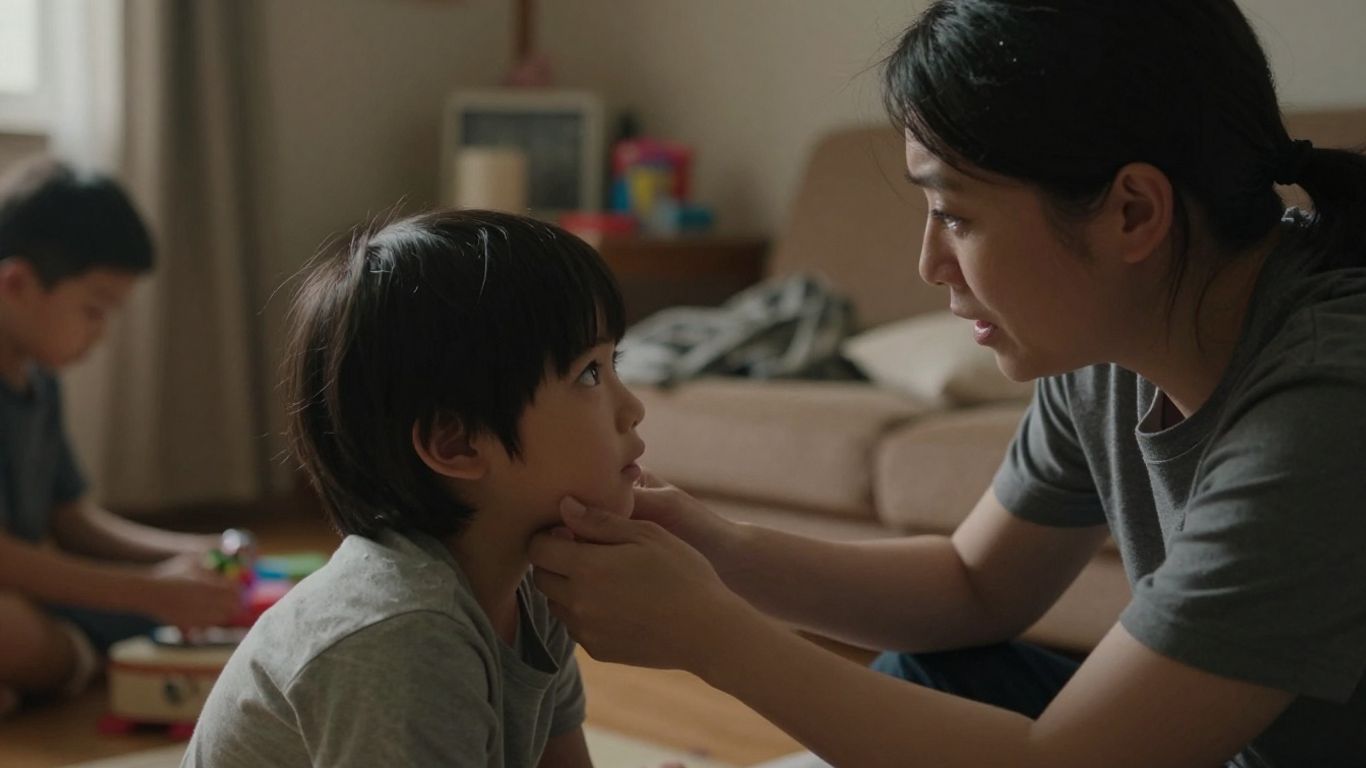
Parenting a strong-willed child can feel like a constant negotiation, but there are ways to make it smoother for everyone involved. It’s not about breaking their spirit, but about guiding it. The key is to stay calm yourself and connect with your child, even when things get tough.
Maintaining Your Own Calm: The Green Zone
It’s easy to get pulled into frustration when your child is pushing boundaries. But losing your cool usually makes things worse. Think of it like this: you need to stay in your ‘green zone’ – that calm, centered place. When you’re feeling overwhelmed, take a moment. A few deep breaths can make a big difference. Remember, your reaction sets the tone for the interaction. If you can stay steady, your child is more likely to calm down too. Prioritizing your own well-being isn’t selfish; it’s a necessary part of managing your own triggers.
Validating Emotions to Foster Connection
Your child’s big feelings are real to them, even if they seem over the top to you. Instead of dismissing their emotions, try to acknowledge them. Saying something like, “I see you’re really upset that playtime is over,” can go a long way. This doesn’t mean you agree with their behavior, but it shows you understand their feelings. This validation helps build trust and makes your child feel heard, which can prevent bigger blow-ups later.
- Acknowledge the feeling: “You’re angry because…”
- Show empathy: “That sounds really frustrating.”
- Connect it to the situation: “…and now we have to leave.”
Offering Limited Choices to Empower
Strong-willed kids often crave a sense of control. Giving them a few age-appropriate choices can satisfy this need without letting chaos reign. Instead of saying, “It’s time to get dressed,” try, “Do you want to wear the blue shirt or the red shirt?” Or, “Would you rather brush your teeth before or after putting on pajamas?” This gives them a say in their day, making them more likely to cooperate. It’s about giving them autonomy within clear boundaries.
Offering choices helps children feel respected and involved. It shifts the dynamic from a power struggle to a collaborative effort, making cooperation more likely. This approach respects their developing sense of self while still guiding them toward necessary actions.
Here’s a quick look at how to offer choices:
- Keep it simple: Offer only two or three options. Too many choices can be overwhelming.
- Make them acceptable: Ensure all options lead to the desired outcome (e.g., getting dressed).
- Be firm on the outcome: While they choose the ‘how,’ you decide the ‘what’ (e.g., they must get dressed, but they choose the outfit).
This strategy helps children feel more in charge of their lives, which can reduce defiance and improve cooperation. It’s a simple yet effective way to parent a sensitive child.
Building Essential Life Skills

Guiding Problem-Solving for Meltdown Prevention
Strong-willed kids often have big feelings, and sometimes those feelings lead to meltdowns. A big part of helping them manage this is teaching them how to figure things out before they get to that point. Think about what usually sets them off. Is it waiting? Not getting their way? If you know that waiting in line at the grocery store is a trigger, talk about it beforehand. You can brainstorm together ways to make the wait easier. Maybe it’s a game, or a special song, or a small toy to play with. This proactive approach helps them feel more in control and less likely to erupt. It’s about giving them tools to handle tricky situations, rather than just reacting when things go wrong. This is a skill that takes practice, but it pays off big time in avoiding those intense emotional moments. You can find some helpful ideas for managing these situations in parenting resources.
Encouraging Self-Mastery and Control
That strong will in your child? It’s like a powerful engine. They have a deep need to feel like they have some say in their world, to influence things, and to make choices. Instead of trying to dim that drive, we want to help them learn to steer it. This is where the idea of self-mastery comes in. It’s about them learning to direct their own energy and impulses. You can do this by offering them age-appropriate tasks where they can take the lead. Maybe it’s helping with a simple chore, or deciding which book to read before bed. When they get to make choices and see that their actions have an effect, they feel more capable. It’s not about letting them run the show, but about giving them opportunities to practice making decisions and following through.
Developing Emotional Regulation
Learning to manage big emotions is a skill, and like any skill, it needs to be taught and practiced. For a strong-willed child, this can be especially challenging because their feelings often come on strong. One way to help is through something called a ‘Time-In’. Instead of a ‘Time-Out’ where they’re isolated, a Time-In is about connecting. It’s a chance to acknowledge their feelings without judgment. You can sit with them, help them name what they’re feeling, and then work together to find a way to calm down. This process teaches them that even when they feel overwhelmed, they can learn to manage those feelings. It’s about building their internal toolkit for dealing with stress and frustration.
Here are some ways to support emotional regulation:
- Validate their feelings: Even if you don’t agree with the behavior, acknowledge the emotion. “I see you’re really angry right now.”
- Teach feeling words: Help them expand their vocabulary for emotions beyond “mad” or “sad.”
- Model calm behavior: Children learn by watching. How you handle your own stress makes a difference.
- Offer calming strategies: Deep breaths, a quiet corner, or a sensory toy can be helpful tools.
Helping your child learn to manage their strong will is not about breaking their spirit, but about helping them channel that powerful energy into positive actions. It’s a journey of teaching them self-control and emotional intelligence, which are skills that will serve them well throughout their lives. This approach can lead to a more harmonious home and a more confident child. For more on managing strong emotions, check out tools for emotional validation.
Fostering Positive Behavior

It can feel like a constant uphill battle trying to get a strong-willed child to do what you want, right? But instead of focusing on the ‘doing,’ let’s shift our energy to building up the good stuff. Positive reinforcement is your best friend here. It’s not about bribing them, but about noticing and celebrating the moments they get it right, even the small ones.
Using Rewards and Praise Effectively
Think of praise as a spotlight. Instead of just saying ‘good job,’ get specific. Did they put their shoes on without a fuss? “Wow, you put your shoes on all by yourself! That’s fantastic!” This kind of feedback helps them understand exactly what behavior you liked. Rewards don’t always have to be big. Sometimes, a high-five, a special sticker, or a few extra minutes of playtime can go a long way. It’s about acknowledging their effort and making them feel seen.
- Specific Praise: “I love how you shared your toy with your sister.”
- Effort Recognition: “You worked really hard on that drawing.”
- Behavioral Rewards: A sticker chart for completing chores, or extra story time for good listening.
Balancing Limits with Autonomy
Strong-willed kids need to feel like they have some say in things. This doesn’t mean they get to call all the shots, but offering limited choices can make a huge difference. Instead of saying, “It’s time to clean up,” try, “Do you want to clean up your blocks or your cars first?” This gives them a sense of control within the boundaries you’ve set. It’s about respecting their need for agency while still guiding them toward responsible actions. This approach helps them feel respected and less likely to push back. You can find more on collaborative boundaries.
The Power of Play and Laughter
Seriously, don’t underestimate the magic of play. When things get tense, a little silliness can diffuse the situation. Engaging in playful activities, especially those where you take on a less dominant role, can build connection and reduce friction. Laughter is a great way to reset the mood and remind both you and your child that you’re on the same team. It’s a way to connect and show them that you enjoy their company, not just their compliance. It’s a reminder that even during challenging times, there’s room for joy and connection.
When we focus on building positive behaviors through encouragement and connection, rather than solely on correcting negative ones, we create a more supportive environment for strong-willed children to thrive. It’s about guiding their natural drive, not squashing it.
Remember, consistency is key. By consistently applying these strategies, you’re not just managing behavior; you’re building a stronger, more respectful relationship with your child. It takes patience, but seeing them grow into confident, capable individuals is totally worth it. For more on staying calm yourself, consider mindful parenting strategies.
Navigating Difficult Moments
Avoiding Power Struggles
It’s easy to get pulled into a back-and-forth with a strong-willed child, especially when you feel like you’re not being heard. But these power struggles rarely end with anyone feeling good. Instead of digging in your heels, try to step back. Think about what’s really happening. Is your child just trying to get their needs met, or are they feeling unheard? Often, the intensity of their reaction is a sign of their frustration, not defiance. When you can see it from their side, even a little, it’s easier to avoid getting caught in a battle of wills. Remember, your goal isn’t to win, it’s to guide.
- Recognize the trigger: What set off the situation? Was it a transition, a denied request, or something else?
- Pause before reacting: Take a deep breath. This gives you a moment to choose your response instead of just reacting.
- Validate their feeling, not the behavior: Say something like, “I see you’re really upset about not getting the toy right now.” This shows you understand, even if the behavior isn’t okay.
Setting Clear and Firm Limits
Strong-willed kids need boundaries, but they also need to know those boundaries are respected. This means being clear about what is and isn’t acceptable, and then sticking to it. It’s not about being harsh; it’s about being consistent. When you set a limit, like “We don’t hit,” be prepared to follow through. This might mean calmly removing your child from the situation or holding their hand to prevent them from hitting again. It’s about showing them that while their feelings are valid, certain actions have consequences. This helps them learn self-control and respect for others. You can learn more about setting boundaries by reading about parenting approaches.
Repairing Conflicts with Dignity
After a disagreement or a meltdown, it’s important to reconnect. This isn’t about saying “I told you so” or making them apologize just to get it over with. It’s about acknowledging that things got tough and coming back together. You can start by saying something like, “That was a hard moment for both of us. I’m sorry things got so heated.” Then, focus on what you can do next. This might be a hug, a shared activity, or simply talking about what happened in a calm way. Repairing the connection helps your child feel safe and loved, even after conflict. It shows them that relationships can withstand disagreements and come out stronger.
When your child is in a highly emotional state, it’s easy to feel overwhelmed. Your own feelings can get triggered, making it hard to stay calm. But remember, your child is looking to you for guidance. If you can manage your own reactions, you create a calmer environment for both of you. This doesn’t mean you have to be perfect; it means being willing to try and to keep coming back to connection, even when it’s tough.
Nurturing Independence and Respect
Kids, especially those with a strong will, really need to feel like they have some say in their own lives. It’s not about letting them run wild, but about giving them chances to make choices and have their own space. This helps them grow into capable adults who know their own minds.
Providing Age-Appropriate Independence
Think about it: how much control do we really need to have over every little thing our kids do? Often, we step in just because it’s easier or it’s what we’re used to. But strong-willed kids notice this, and they don’t like it one bit. A toddler can pick between the blue shirt or the red one. A kindergartener might choose their own snack from a couple of options. As they get older, they can decide on extracurricular activities or how they want to spend their allowance. Giving them these small freedoms builds their confidence and shows we trust them.
Respecting Bodily Autonomy
This is a big one. Your child has a right to say ‘no’ to things that involve their own body. It’s okay to set rules about mealtimes, like sitting at the table, but forcing them to eat something they refuse is not okay. Similarly, you can set a bedtime, but you don’t need to dictate how they fall asleep. Allowing them control over their physical selves, within safe limits, is super important for their sense of self. It’s about respecting their personal space and decisions about their own body.

Encouraging Healthy Outlets for Energy
Strong-willed kids often have a ton of energy and a drive to assert themselves. Instead of trying to tamp that down, help them find good ways to use it. This could be through sports, creative play, or even just having a designated space where they can move and be loud. Finding these outlets helps them manage their intensity and feel good about their own capabilities. It’s about channeling that powerful spirit in positive directions, not trying to extinguish it. Learning to direct their own strength is a skill that will serve them well throughout life, and it starts with allowing them opportunities to practice self-mastery.
When we allow our children age-appropriate independence and respect their bodily autonomy, we’re not just making our lives easier in the moment. We’re building a foundation of trust and self-worth that will help them navigate the world with confidence. It’s a delicate balance, but one that pays off in the long run.
Here’s a quick look at how you can offer choices:
- Clothing: Blue shirt or green shirt?
- Snacks: Apple slices or yogurt?
- Activities: Read a book or build with blocks?
These small decisions add up, teaching kids that their preferences matter and that they can make good choices. It’s a key part of peaceful parenting that respects their developing sense of self.
Wrapping It Up
So, parenting a strong-willed child can feel like a constant uphill battle sometimes, right? It’s definitely not for the faint of heart. But remember, all those intense moments, the strong opinions, and the sheer persistence? That’s all part of what makes them who they are. By staying calm, offering choices, and really listening to what they’re feeling, you’re not just getting through the day; you’re helping them build skills that will serve them well. It’s about guiding that powerful spirit, not trying to tame it. Keep at it, be patient with yourself and your child, and know that you’re doing a great job shaping a resilient, capable person.
Frequently Asked Questions
What makes a child “strong-willed”?
A strong-willed child often has big feelings and a lot of energy. They tend to be very determined and persistent, especially when they have their mind set on something. They might also be very sensitive and aware of what’s going on around them. Think of them as having a strong inner drive and a desire to have a say in things.
Why doesn’t strict parenting work well for strong-willed kids?
When you’re too strict, it can make strong-willed kids feel controlled and misunderstood. They have a natural need to make their own choices and feel heard. Being overly strict can actually make their strong feelings even bigger, like pouring fuel on a fire. It often leads to more arguments instead of cooperation.
How can I stay calm when my child is having a meltdown?
It’s tough, but taking a moment to calm yourself down first is key. Try to take a few deep breaths and remind yourself that your child is struggling, not trying to be difficult. Thinking about your own feelings and how you want to approach the situation helps you stay in control, which in turn helps your child calm down too.
What does it mean to ‘validate’ my child’s feelings?
Validating feelings means showing your child you understand how they feel, even if you don’t agree with their actions. For example, you could say, ‘I see you’re really upset that we have to leave the park.’ It doesn’t mean you’re letting them break rules, but it helps them feel heard and less alone with their big emotions.
How can I give my child choices without losing control?
Offer choices that you’re okay with. Instead of asking ‘Do you want to wear this?’, try ‘Would you like to wear the blue shirt or the red shirt?’ or ‘Do you want to clean your room before or after dinner?’ This gives them a sense of control while still keeping things on track.
How can I help my strong-willed child learn to solve problems?
You can help by thinking ahead. If you know a situation might be tough for your child (like waiting in a long line), talk about it beforehand. Ask them, ‘What could we do to make waiting easier?’ or brainstorm ideas together. This helps them learn to manage difficult moments before they happen.


Ms. Kerri’s Corner provides a exciting virtual space for preschool learning. Through a variety of engaging activities, she exposes young minds to early math, literacy, science and social-emotional skills in a developmentally appropriate way. Centers for blocks, art, books and music allow children to explore hands-on learning at their own pace. Guided lessons subtly introduce number sense, letter sounds and narrative thinking. Careful observation gives insight into each child’s progress across domains. Viewers are also invited to participate, reinforcing that their ideas are valued. By making learning fun yet purposeful, Ms. Kerri lays the groundwork for future academic success while fostering creativity and imagination. Her program offers preschoolers valuable screen-based learning experiences.