Screen-Free Activities for Toddlers: Fun Ideas That Actually Work
You know that moment when you glance at the clock, realize it’s only 10 a.m., and the day already feels impossibly long? Your toddler is whining for the tablet, you’re running on cold coffee, and the guilt starts creeping in. You’ve seen the perfectly curated play setups online and wondered why your living room looks more like a disaster zone than a developmental wonderland. Here’s the truth: you are not failing, and you are definitely not alone. This article is packed with realistic, low-prep screen free activities for toddlers that use items you already have at home. No glitter, no complicated instructions, and absolutely no judgment. We’re talking about simple play that respects your energy, engages your child’s natural curiosity, and builds real skills. And if you’re more of a visual learner, you can always pop over to the Ms Kerri’s Corner YouTube channel to see these ideas in action.
Table of Contents
- Why “Screen Free” Doesn’t Mean “Effort Free” (And That’s Okay)
- What Your Toddler Actually Needs From Screen-Free Play
- Screen-Free Activities for Toddlers (Categorised by Your Real-Life Constraints)
- How to Actually Get Your Toddler Off Screens (Without a Meltdown)
- The Truth About Mess, Safety, and “Perfect” Play
- When Screen-Free Still Feels Hard (You’re Not Alone)
- Your Next Step: Watch These Activities in Action
Why “Screen Free” Doesn’t Mean “Effort Free” (And That’s Okay)
Pinterest reported that searches for “screen free activities” jumped 200 percent in 2026, and that statistic tells a story parents know intimately. It’s not that we lack creativity or ambition; it’s that we’re exhausted. We’re searching for solutions at midnight because the next day looms and we need a plan that won’t leave us more depleted than we already are. That surge in searches isn’t a sign of lazy parenting. It’s a sign of parents who care deeply and are desperate for practical help.

Some days the TV stays on longer than you’d like, and that’s part of real life, not a moral failing. The goal isn’t to eliminate screens entirely or to replicate a preschool classroom at your kitchen table. The goal is to have a handful of go-to activities that feel doable, not draining. When you’re running on empty, you need ideas that take two minutes to set up and zero minutes to clean up. Ms Kerri’s Corner offers printable parenting worksheets and guides that take the mental load off planning, so you can spend less time searching and more time connecting.
What Your Toddler Actually Needs From Screen-Free Play
The Developmental “Why” Behind the Activities
When your toddler scoops dry rice from one container to another, they’re doing far more than making a mess. Sensory play builds neural connections in young brains, which is exactly why searches for “sensory play ideas” surged over 1,070 percent this year. Every time a child squishes playdough, pours water, or runs their fingers through oats, they’re strengthening the pathways that support language development, problem-solving, and emotional regulation.
Fine motor skills develop through real-world manipulation, not through swiping a glass screen. Threading, pinching, pouring, and stacking all prepare little hands for writing, self-dressing, and eventually tying shoelaces. Independent play muscles need practice too, just like any other skill. When children have unstructured time to explore without direction, they learn to manage boredom, regulate emotions, and build focus. These aren’t just nice-to-have skills; they’re foundational.

What to Expect at Different Ages
One of the biggest gaps in online advice is lumping all toddlers together as if a 14-month-old and a 4-year-old have the same needs. They don’t, and understanding the difference can save you a lot of frustration.
Ages 1 to 2 are all about cause and effect. Your child will mouth objects, dump containers, and have an attention span roughly the length of a sneeze. That’s normal. Focus on simple sensory experiences and activities with minimal steps. Close supervision is essential because everything still goes in the mouth.
Ages 3 to 4 bring longer focus, emerging imaginative play, and the ability to follow simple instructions. Open-ended activities like building forts, creating stories with puppets, or sorting games work beautifully here. You can step back a little more, though you’ll still need to be nearby.
When you match the activity to the developmental stage, you set everyone up for success. A 1-year-old won’t sit through a puppet show, and a 4-year-old may find a basic scooping bin boring after five minutes. Tailoring your approach means fewer meltdowns for both of you.
Screen-Free Activities for Toddlers (Categorised by Your Real-Life Constraints)
When You Have 5 Minutes and Zero Energy
Painter’s tape roads on the floor work for ages 1 through 4 and require nothing more than a roll of tape you probably have in a junk drawer. Stick down a few lines on the carpet or hardwood, add toy cars or small animals, and you’ve created a rescue mission, a racetrack, or a whole tiny town.
Muffin tin sorting with pom-poms, dry pasta, or even clean socks keeps little hands busy and builds fine motor skills. Hand your child a tin and a pile of objects, and let them sort by colour, size, or whatever system their brain invents. This one works especially well for ages 1 to 3.
Flashlight shadows on the wall need zero setup and create instant wonder. Turn off the lights, hand over a flashlight, and watch your toddler discover how their hands can make shapes dance across the ceiling. This activity captivates children from age 1 right through age 4.
A sound scavenger hunt is a Ms Kerri’s Corner favourite and perfect for ages 2 to 4. Ask your child to listen for specific sounds around the house: the refrigerator humming, a bird outside, water dripping, a sibling’s footsteps. It builds listening skills and focus without a single supply needed.
When You Need 20 Minutes to Cook Dinner
Water play at the sink or in a plastic bin on the floor can buy you precious time. Fill a bin with a few centimetres of water, toss in measuring cups, funnels, and plastic toys, and lay a towel underneath. Children ages 1 to 3 will pour and splash happily while you chop vegetables nearby.
Inviting your child to help with dinner transforms a chore into quality time. A 2-year-old can tear lettuce, a 3-year-old can wash produce, and a 4-year-old can stir ingredients with supervision. Yes, it’s messier and slower, but you’re building life skills and keeping little hands occupied without a screen.
Cardboard box forts or car ramps turn recycling into entertainment. Save those Amazon boxes, cut a flap for a door, or prop one side up as a ramp for toy cars. Children ages 1 through 4 will find endless ways to play with a simple box, and you didn’t spend a cent.
Pom-pom poking into a parmesan cheese container sounds oddly specific, but it’s surprisingly absorbing for ages 1 and 2. The small opening challenges fine motor skills, and the satisfying plunk of each pom-pom dropping inside keeps toddlers coming back for more.

When It’s -20°C Outside and You’re All Going Stir-Crazy
An indoor obstacle course made from couch cushions, pillows, and blankets gives everyone a chance to move. Crawl under the coffee table, jump over a pillow stack, and roll across the rug. This works for ages 1 through 4, and you can adjust the difficulty based on what your child can handle.
A dance party with a freeze game burns energy and builds gross motor skills without anyone noticing they’re developing anything. Crank up the music, dance like nobody’s watching, and freeze when the music stops. Ages 2 to 4 especially love the anticipation and the silliness.
Ice cube exploration in a baking dish brings the winter inside in the best way. Drop a few ice cubes into a shallow dish, add a splash of water with food colouring, and let your child explore the cold, slippery textures. This sensory activity works well for ages 1 to 3 and requires almost no preparation.
When cabin fever really sets in, the screen-free activity ideas in Ms Kerri’s Corner printable guides offer winter-specific play suggestions that don’t require braving the cold or spending money on indoor play places.
When You Want Activities That Build Skills (Without Being “Educational”)
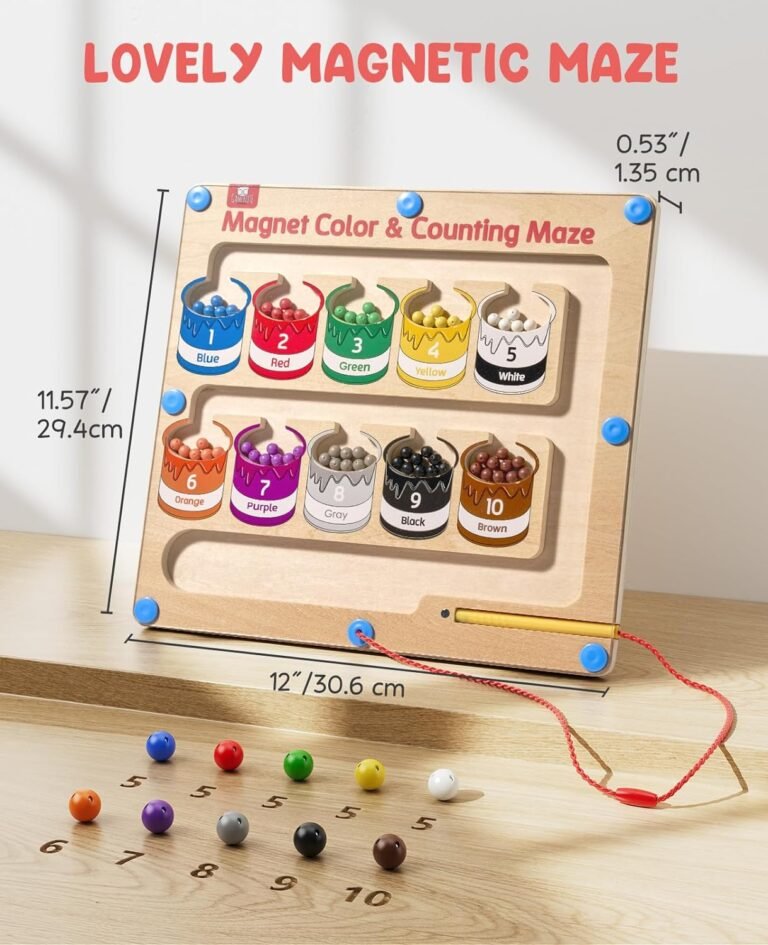
Threading large beads or pasta onto yarn develops fine motor control and focus. Children ages 2 to 4 can sit with this activity for surprisingly long stretches, especially if you use colourful pasta or chunky wooden beads that feel satisfying to handle.
Scissor practice with playdough snakes is safer and more forgiving than paper for beginners. Roll the playdough into long snakes, then hand over child-safe scissors and let your 2- to 4-year-old snip away. The resistance of the dough builds hand strength, and there’s no frustration over cutting “wrong.”
Sock puppet shows require zero prep and spark imaginative play. Grab two clean socks, draw faces with markers if you’re feeling ambitious, or just let the socks talk to each other. Children ages 2 to 4 will quickly take over the storytelling, and you get to sit back and watch their creativity unfold.
The play-based learning activity suggestions on the Ms Kerri’s Corner blog offer even more ideas for building skills through fun, without worksheets or formal lessons.
When You Need Solo Play (So You Can Breathe)
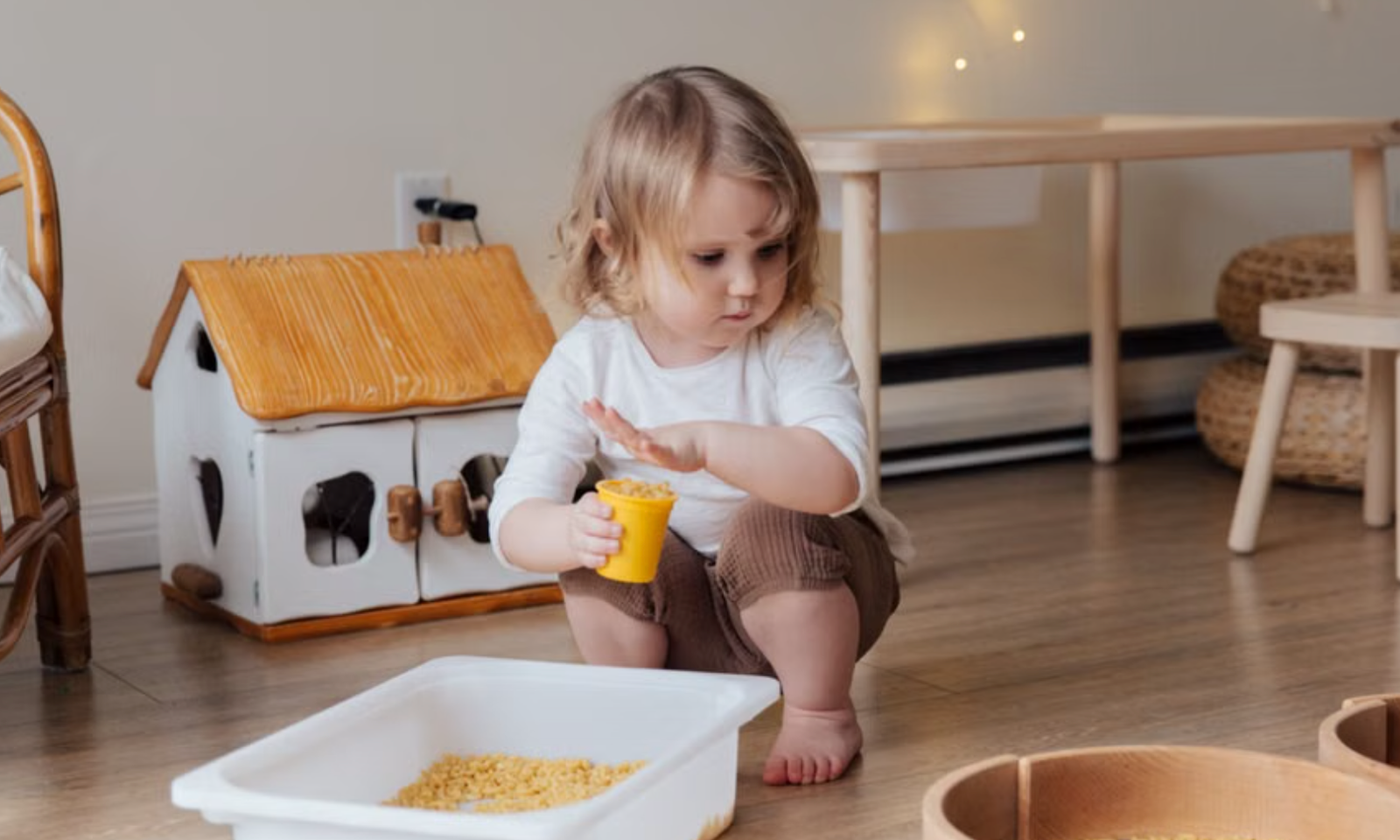
A sensory bin with dry rice or oats and a few scoops can hold a child’s attention long enough for you to drink an entire cup of coffee while it’s still hot. Contain the mess with a towel or old sheet underneath, and let your 1- to 3-year-old scoop, pour, and explore.
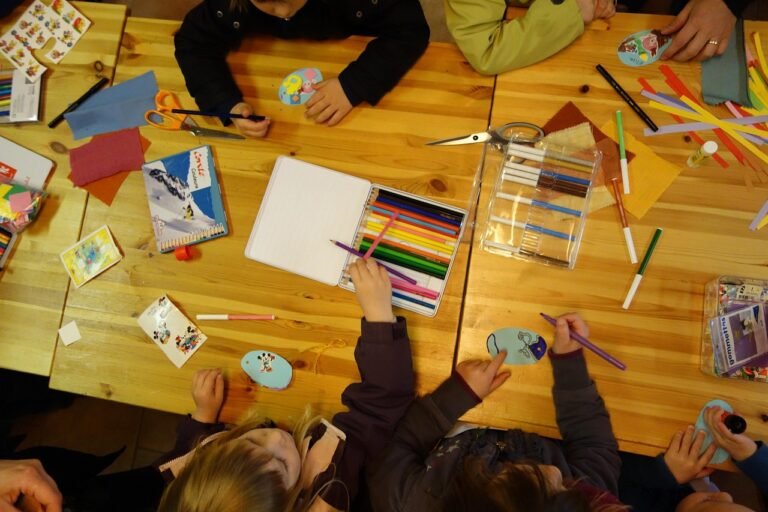
Sticker books or reusable sticker pads are quiet, portable, and surprisingly engaging for ages 2 to 4. Peeling and placing stickers builds fine motor skills, and the reusable versions mean you’re not finding stickers stuck to the furniture for weeks afterward.
The rescue game involves taping toy animals or figurines to a wall or table with painter’s tape and letting your child free them. This simple setup captivates 2- to 4-year-olds and gives you a few minutes to regroup. The peeling action strengthens little fingers, and the narrative possibilities are endless.
Printable parenting worksheets from Ms Kerri’s Corner can help you track independent play milestones and celebrate the small wins as your child builds this important skill.
How to Actually Get Your Toddler Off Screens (Without a Meltdown)
The cold turkey approach rarely works, and it often creates more stress than it solves. Instead of suddenly announcing that screen time is over, offer a transition activity before you turn off the device. A visual timer helps enormously because it lets your child see how much time remains rather than feeling blindsided when the show ends.

Before you power down the tablet or TV, have two or three activities prepped and visible. When your child can see the playdough on the table or the water bin ready to go, the shift feels less like a loss and more like a choice. Validate their feelings in the moment. Saying “I know you love watching your show. Let’s do this fun thing together first” acknowledges their disappointment while redirecting their attention gently.
The positive discipline scripts available from Ms Kerri’s Corner can guide you through these conversations with language that respects both your boundaries and your child’s emotions. Transitions are hard for young children, and having the right words ready makes all the difference.
The Truth About Mess, Safety, and “Perfect” Play
Most sensory activities can be contained with a towel, a plastic tablecloth, or an old baking sheet placed underneath the play area. You don’t need a dedicated craft room or a pressure washer for your kitchen floor. A little preparation on the front end saves you cleanup stress on the back end.
Safety matters, especially with children under 3. Any small item that fits through a toilet paper tube poses a choking hazard and requires close supervision. Keep this rule of thumb in mind when choosing loose parts for play, and always stay within arm’s reach when your toddler is exploring small objects.
You don’t need a Pinterest-worthy setup. Your child will love a cardboard box more than a 50-dollar toy, and they won’t remember whether the playdough was homemade or store-bought. They’ll remember that you sat on the floor with them, even if only for ten minutes. The early childhood development resources from Ms Kerri’s Corner include safety checklists for age-appropriate play so you can feel confident about what you’re offering.
When Screen-Free Still Feels Hard (You’re Not Alone)
Some days are harder than others, and parenting is not a productivity contest. Reddit threads are filled with thousands of parents expressing the same frustration you feel, the same exhaustion, the same worry that they’re not doing enough. You’re in very good company.
Start with one activity today, not a full schedule overhaul. Maybe it’s five minutes of flashlight shadows before bath time or a muffin tin sorter while you unload the dishwasher. Small moments add up, and consistency matters more than intensity. If you’re looking for a new screen-free ritual, the book recommendations for read-aloud from Ms Kerri’s Corner can help you build a cozy reading routine that both of you look forward to.
Your Next Step: Watch These Activities in Action
Sometimes it’s easier to watch than to read, and that’s exactly why the Ms Kerri’s Corner YouTube channel exists. Head over to see demonstrations of these activities, plus seasonal and age-specific play ideas added regularly. You’ll find a supportive community of parents figuring it out together, one simple activity at a time.


Ms. Kerri’s Corner provides a exciting virtual space for preschool learning. Through a variety of engaging activities, she exposes young minds to early math, literacy, science and social-emotional skills in a developmentally appropriate way. Centers for blocks, art, books and music allow children to explore hands-on learning at their own pace. Guided lessons subtly introduce number sense, letter sounds and narrative thinking. Careful observation gives insight into each child’s progress across domains. Viewers are also invited to participate, reinforcing that their ideas are valued. By making learning fun yet purposeful, Ms. Kerri lays the groundwork for future academic success while fostering creativity and imagination. Her program offers preschoolers valuable screen-based learning experiences.