Beyond the Screen: Fun Screen-Free Activities for Toddlers
It can feel like screens are everywhere these days, and honestly, sometimes it’s just easier to hand over the tablet when you need a moment. No judgment here! But if you’re looking for ways to cut back on screen time or just want some fresh ideas for your little ones, you’ve come to the right place. Toddlers are naturally curious and love to explore with their hands and imaginations. The good news is, you don’t need fancy toys or elaborate setups to keep them entertained. Simple things you already have around the house can lead to hours of fun. Let’s explore some screen free activities for toddlers that are easy to set up and genuinely engaging.
Key Takeaways
- Sensory play, like rice or water bins, is a low-prep way to keep toddlers engaged while building skills.
- Open-ended art activities, such as drawing or simple collages, allow for creativity without a ‘right’ or ‘wrong’ way to do things.
- Getting outdoors for activities like sidewalk chalk or nature walks offers physical activity and exploration.
- Pretend play, from building forts to dress-up, sparks imagination and storytelling.
- Making screen-free time a habit involves having simple supplies ready and integrating short, screen-free periods into daily routines.
Engage Little Hands With Sensory Exploration
Toddlers learn so much through their senses, and thankfully, there are tons of simple ways to tap into that. Sensory play doesn’t need to be complicated or require a ton of fancy supplies. Often, the most engaging activities use things you already have around the house.
Discover the Magic of Rice and Water Play
Filling a bin with dry rice or beans and hiding small toys inside is a fantastic way to keep little hands busy. Your toddler can dig, scoop, and pour, developing fine motor skills without even realizing it. It’s a quiet activity that can hold their attention for a good while. Similarly, a water play station in the sink or a large tub can be incredibly captivating. Add some cups, spoons, and maybe a few drops of food coloring for extra fun. Watching the water move and exploring how it interacts with different objects is pure toddler joy. This kind of play is great for developing early science concepts, like cause and effect.
Unleash Creativity with Playdough Adventures
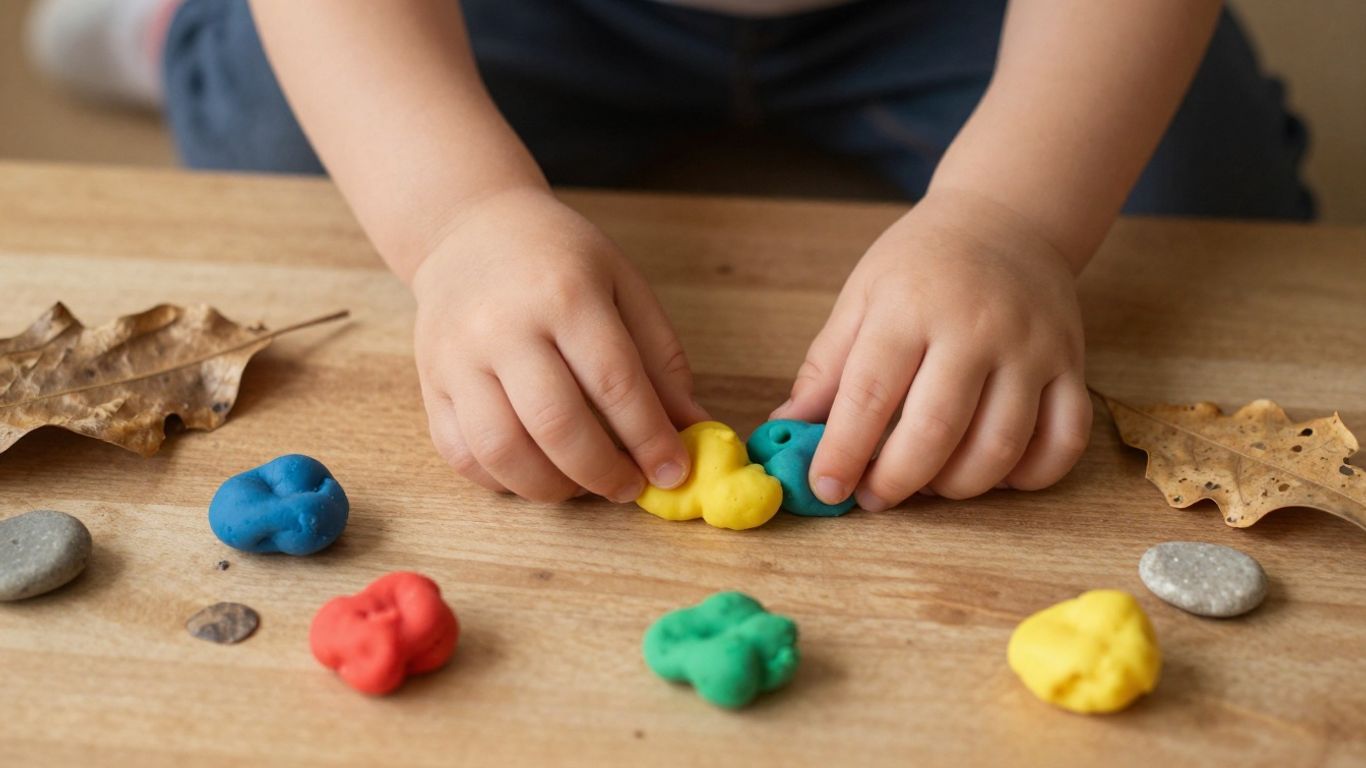
Playdough is a classic for a reason. It’s wonderfully tactile and allows for endless creative expression. You don’t need a lot of fancy tools; just a ball of playdough and some willing hands are enough to get started. Toddlers can squish, roll, flatten, and shape the dough however they please. This activity is not only fun but also helps build hand strength and coordination, which are important for later skills like writing. If you want to make it a bit more structured, you can introduce cookie cutters or plastic knives for them to experiment with.
Explore Textures with a Muffin Tin Sort
This activity is surprisingly absorbing for toddlers. Grab a muffin tin and some kid-safe tongs or a big spoon. Then, gather a variety of small items like dry pasta, pom-poms, large buttons, or even dried beans. Dump them all into a bowl and let your toddler use the tongs to sort the items into the different cups of the muffin tin. It might seem simple, but this task helps develop fine motor skills, hand-eye coordination, and early math concepts like sorting and matching. It’s a quiet, focused activity that can really capture a toddler’s attention for a decent stretch of time.
Sensory play is a wonderful way for toddlers to explore the world around them. It helps them develop important physical and cognitive skills while having a blast. The beauty of these activities is their simplicity and the fact that they can be adapted with whatever you have on hand.
Here’s a quick look at how these activities can benefit your toddler:
- Fine Motor Skills: Activities like scooping rice, squishing playdough, and using tongs to sort items all help strengthen the small muscles in a toddler’s hands and fingers.
- Cognitive Development: Exploring textures, understanding cause and effect with water, and sorting objects all contribute to a toddler’s growing understanding of the world.
- Concentration: Many sensory activities require focus, helping toddlers build their attention span and learn to sit and engage with a task.
- Creativity and Imagination: Open-ended play with materials like playdough or water allows toddlers to experiment and create without limits.
Spark Imagination Through Open-Ended Art
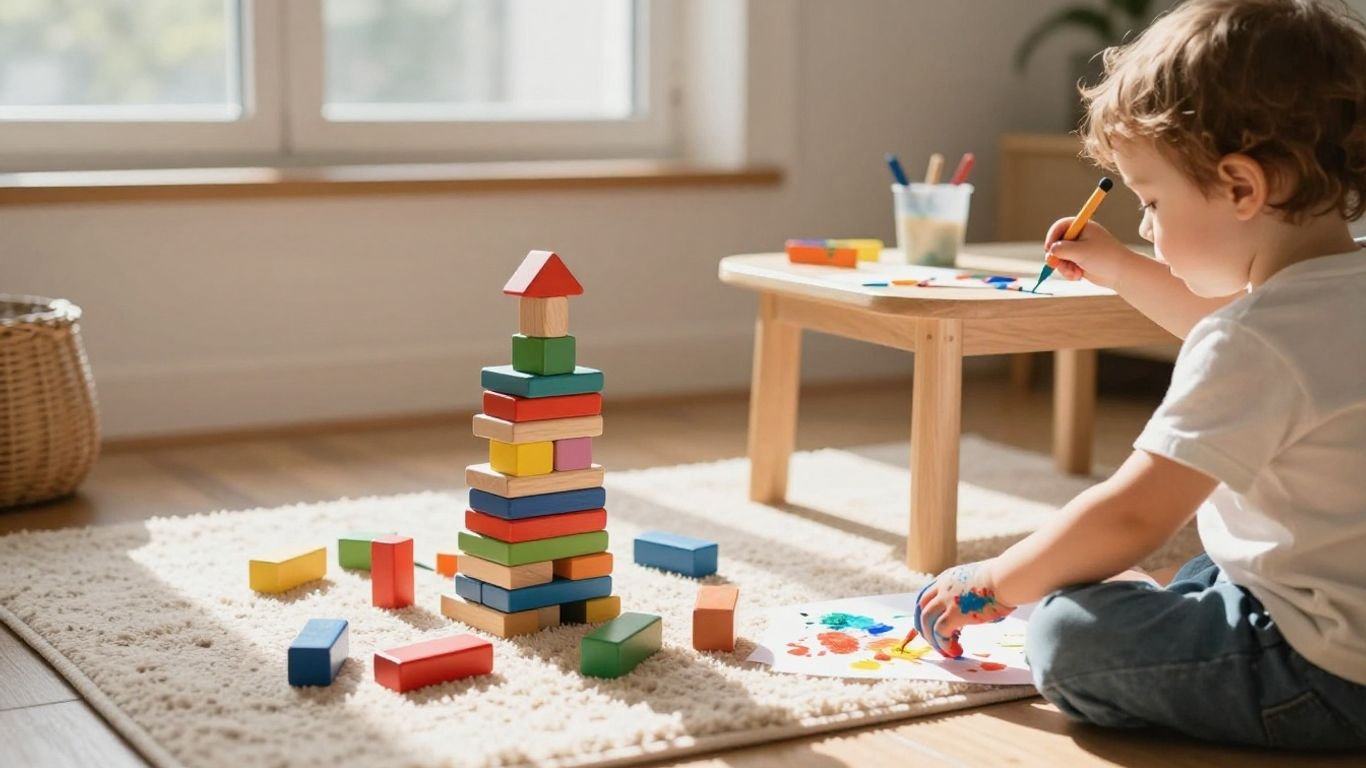
Sometimes, the simplest art supplies can lead to the most amazing creations. Forget complicated kits; we’re talking about basic tools that let your toddler’s imagination run wild. It’s all about the process, not the perfect product.
Crayon Creations on Paper
Grab some chunky crayons and a big stack of paper. Toddlers love the feel of making marks, and crayons are perfect for little hands. Don’t worry about them staying within the lines – that’s not the point! Encourage them to draw whatever comes to mind. Maybe it’s a big red circle, or perhaps a wiggly line that represents their dog. You can even tape a large piece of paper to the floor for a different perspective.
Collage Creations with Found Materials
This is where things get wonderfully messy and creative. Gather up bits and bobs from around the house or nature: old magazine pages, fabric scraps, leaves, twigs, or even bits of yarn. Provide a glue stick or some child-safe glue and let them stick their treasures onto paper or cardboard. It’s a fantastic way to explore different textures and create something totally unique. This activity is a great way to spark creativity and enhance fine motor skills.
Watercolors for Expressive Masterpieces
Watercolors offer a different kind of magic. A few pots of color, a brush, and some water are all you need. Show your toddler how dipping the brush in water and then into the paint makes the color come alive. They can create washes of color, blend hues, or just enjoy the sensation of the brush on paper. It’s a gentle way to introduce them to color mixing and artistic expression.
Window Art for Transgressive Fun
This one is a guaranteed hit because it feels a little bit naughty, but it’s totally okay! Using washable window markers on a sliding glass door or a large window is incredibly satisfying for toddlers. They get to make big marks on a surface they usually can’t touch. It’s a temporary masterpiece that wipes away easily, making cleanup a breeze.
The joy of window art comes from the freedom to make big, bold marks without the usual boundaries. It’s a simple act that feels special and allows for a different kind of creative exploration.
Here’s a quick look at what you might need:
- Washable window markers
- A large window or glass door
- A damp cloth for easy cleanup
- Optional: Stencils for added fun
Embrace The Great Outdoors For Active Play
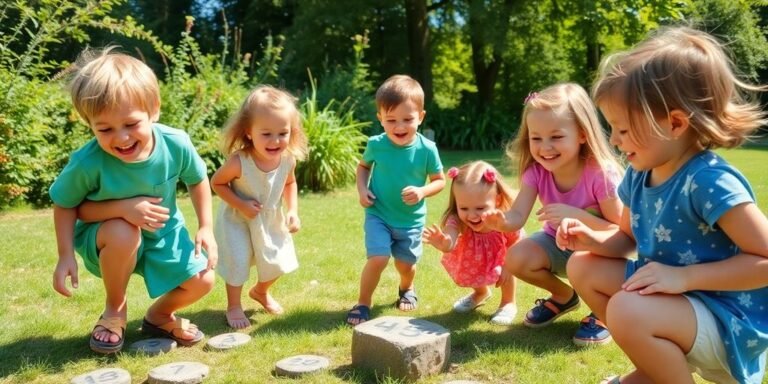
Getting toddlers outside is a fantastic way to burn off energy and explore the world around them. Fresh air and open spaces do wonders for their development, and honestly, for our sanity too. It doesn’t have to be complicated; even a small backyard can become a playground.
Sidewalk Chalk Masterpieces
Sidewalk chalk is a classic for a reason. It’s simple, colorful, and lets little ones express themselves on a grand scale. You can draw roads for toy cars, create giant board games, or just let them scribble to their heart’s content. It’s amazing how much focus a simple piece of chalk can bring. Try drawing a maze for them to walk through or a series of shapes to hop between. It’s a great way to work on gross motor skills and color recognition.
Nature Scavenger Hunts
Turn a simple walk into an adventure with a scavenger hunt. You can make a list of things to find – a smooth stone, a fuzzy leaf, something red, a feather. This encourages observation and a deeper connection with the natural world. You can even make it an A to Z hunt if you’re feeling ambitious! It’s a wonderful way to explore your local area and discover hidden treasures. For more ideas on outdoor exploration, check out these screen-free outdoor activities.
Outdoor Obstacle Course Challenges
Set up a simple obstacle course in your yard or at a park. Use things like hula hoops to jump through, a tunnel to crawl under (a large cardboard box works great!), or a line of cones to weave around. It’s a fun way to build coordination and problem-solving skills. Keep it simple and adaptable to your toddler’s abilities. Remember, the goal is movement and fun, not perfection. You might be surprised at how creative they get with the challenges you set up.
Getting outside doesn’t require elaborate plans. Even a short period in the fresh air can make a big difference in a toddler’s mood and energy levels. Don’t underestimate the power of just being outdoors.
Build Worlds With Pretend Play
Toddlers have such big imaginations, and pretend play is a fantastic way for them to explore those ideas. It’s more than just playing dress-up; it’s how they make sense of the world around them, practice social skills, and develop problem-solving abilities. Giving them the right props and a little space can lead to hours of creative fun.
The Enchantment of Blanket Forts
Blanket forts are a classic for a reason. They transform a regular room into a magical hideaway. All you need are some blankets, pillows, and a few chairs or a sofa to get started. Drape blankets over furniture to create walls and a roof. Inside, it’s a cozy den for reading stories, having a “picnic,” or just enjoying a quiet moment away from the hustle and bustle. This simple setup encourages a sense of ownership and adventure. You can even add fairy lights for an extra touch of wonder.

Dress-Up Bin Adventures
Stock a bin with old clothes, hats, scarves, and costume jewelry. Let your toddler pick out an outfit and become a character. They might be a brave firefighter one day and a graceful ballerina the next. This type of play helps them explore different roles and emotions. It’s amazing to see the stories they create just by putting on a silly hat or a sparkly scarf. You can find great items at thrift stores or even use your own old clothes.
Create Your Own Restaurant
Turn your play kitchen or even just a small table into a restaurant. Provide play food, plates, and cups. Your toddler can be the chef, the waiter, or the customer. They can “take orders,” “cook” meals, and “serve” them. This activity is great for practicing language skills and understanding social interactions. You can even make simple menus together using paper and crayons. It’s a wonderful way to encourage imaginative play and social interaction.
Puppet Show Performances
Puppets are wonderful tools for storytelling. Whether you use store-bought puppets, sock puppets, or even just stuffed animals, your toddler can put on a show. They can create characters, write a simple script (or just make it up as they go!), and perform for you. This helps with creativity, public speaking (even if it’s just for you!), and sequencing events. A simple cardboard box can even serve as a stage.
Pretend play is a toddler’s way of processing their experiences and understanding the world. By providing simple props and a safe space, you allow them to explore different scenarios, practice communication, and build confidence in their own abilities. It’s a low-tech, high-reward activity that fuels their development.
Simple Activities That Capture Toddler Attention
Sometimes, the most engaging activities for toddlers are the ones that require the least amount of setup. These simple ideas tap into a toddler’s natural curiosity and need for hands-on exploration, often holding their attention for surprisingly long stretches. The key is novelty and a touch of the unexpected.
Tape Roads for Toy Car Adventures
This is a classic for a reason. Grab some painter’s tape or washi tape and lay down roads on your floor. You can make simple lines, intersections, or even a parking lot using a shoebox lid. Toddlers will quickly take over, directing their toy cars along the paths you’ve created. It’s amazing how long they can stay absorbed in this, creating little stories and scenarios for their vehicles. It’s a fantastic way to encourage imaginative play and fine motor skills without much fuss. You can even add tunnels made from paper towel tubes for extra fun.
The Washing Station for Focused Play
Set up a bin or large bowl with warm, soapy water. Add a sponge or rag, and then let your toddler wash a collection of toys, plastic food, or even safe items from outside. A towel underneath helps contain any splashes. Toddlers seem to have a natural fascination with washing things, and this activity can be incredibly calming and absorbing for them. It’s a great way to practice life skills and sensory exploration. You might be surprised at how long they’ll happily scrub away.
Treasure Dump Exploration
This activity is all about the magic of everyday objects. Empty a drawer that your toddler doesn’t usually have access to into a bin. Think old keys, safe kitchen utensils, rubber bands, or even a calculator. The novelty of these items is what captures their attention. To a toddler, a whisk can be a magic wand or a tool for stirring invisible potions. Rotating the contents of the bin every so often keeps this activity fresh and exciting. It’s a great way to explore different textures and shapes with items you already have around the house. For more ideas on keeping little ones engaged, check out these screen-free activities for toddlers.
These simple activities often work best when you allow your child to lead. Resist the urge to direct too much; instead, observe and offer gentle encouragement. The focus is on their exploration and discovery, not on achieving a specific outcome.
Make Screen-Free Time A Daily Habit
It can feel like a challenge to get kids off screens and engaged in other activities, but making screen-free time a regular part of your day doesn’t have to be complicated. The key is to make it easy and routine. Think about it: if the supplies are right there and the time is already set aside, you’re much more likely to do it. It’s like having a go-to recipe ready when you’re hungry – less thinking, more doing.
Keep Go-To Supplies Within Reach
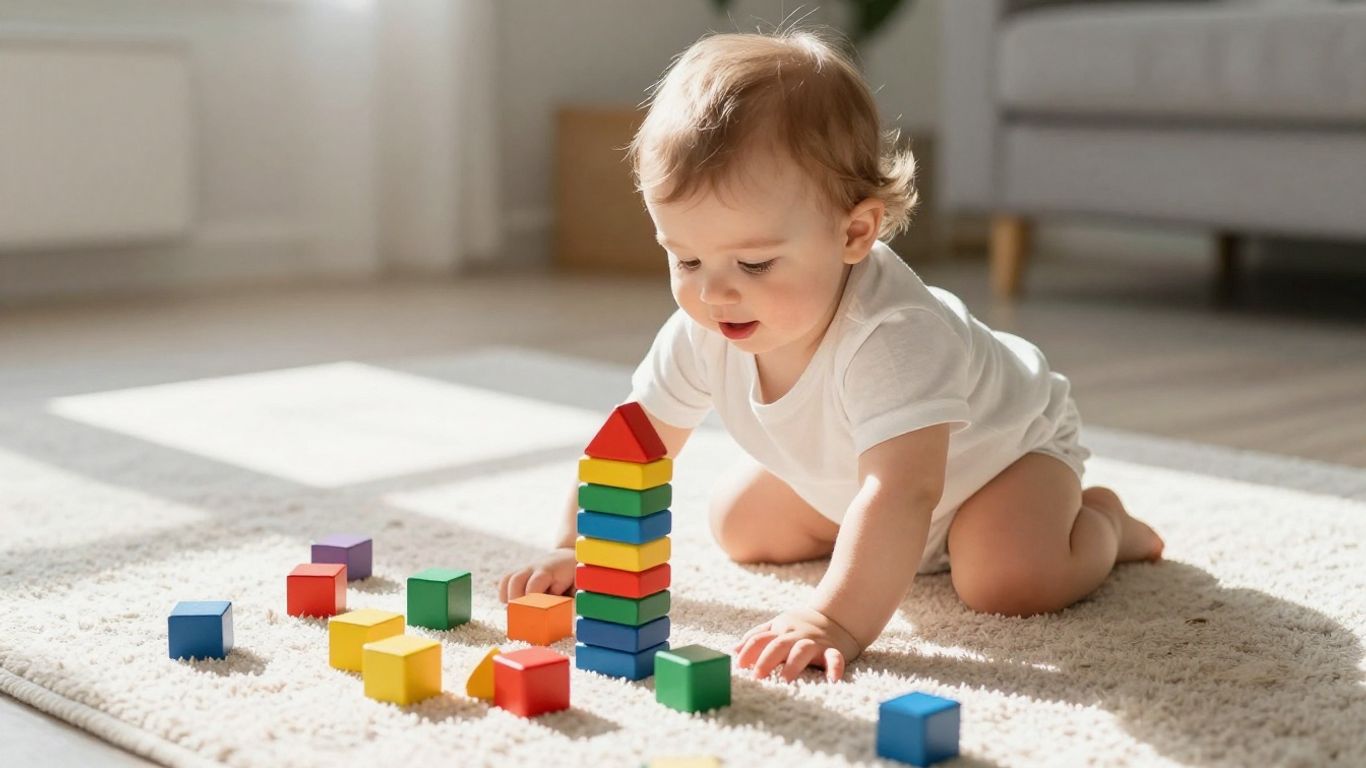
Having a designated spot for art supplies, building blocks, or playdough makes spontaneous play happen more often. Maybe it’s a low shelf in the living room or a basket in the playroom. When everything is accessible, your toddler can grab it and start playing without needing your constant help to find things. This independence is great for them and a little breather for you. Consider a small bin with crayons, paper, and maybe some stickers. Or a basket with a few favorite board books. These simple setups can be surprisingly effective at capturing a toddler’s attention for a good chunk of time. You can find lots of ideas for simple, screen-free activities that use common household items here.
Build Short Screen-Free Windows Into Routines
Try to weave short periods of screen-free play into your existing daily schedule. Maybe it’s for 20 minutes right after breakfast, or perhaps during that time before dinner when everyone’s a bit tired. Consistency is what makes it a habit. Over time, your child will start to expect and even look forward to this dedicated playtime. It becomes a predictable part of their day, just like naptime or snack time. This structured approach helps manage expectations and reduces the
Keep the Fun Going!
So there you have it – a whole bunch of ways to keep your little ones busy and happy without needing a screen. It’s not about never using technology, but about finding that balance. Remember, the simplest things, like a box of crayons or a trip to the park, can be the most engaging. Don’t stress about making every activity Pinterest-perfect; just have fun with your kids. These moments of hands-on play are building important skills, and honestly, they’re pretty great for us parents too. Keep exploring, keep playing, and enjoy the screen-free adventures!

Frequently Asked Questions
Why is it important to have screen-free activities for toddlers?
Toddlers learn and grow by touching, moving, and exploring the world around them. These hands-on experiences help them develop important skills like problem-solving, creativity, and language. While screens can be fun, too much screen time can take away from these crucial learning opportunities. Focusing on screen-free play helps build a strong foundation for their development.
What are some easy ways to start with sensory play?
Sensory play is super simple to set up! You can fill a bin with dry rice or beans and hide small toys for your child to find. Playing with water in a sink or tub with cups and spoons is also a big hit. Even just letting them explore playdough can be a fantastic sensory experience. These activities are fun for kids and help them learn without you needing to do a lot of prep work.
How can I encourage creativity with art without screens?
Art is a wonderful way for kids to express themselves. Give them crayons and paper and let them draw whatever comes to mind. You can also try collage projects using old magazines, glue, and colorful paper. Watercolors are great for painting freely. The most important thing is to let them explore and create without worrying about making something perfect. Ask them about their art to encourage talking and thinking.
What are some simple outdoor activities for toddlers?
Getting outside is one of the easiest ways to have fun without screens! Playing with sidewalk chalk is always a winner, letting them draw on the pavement. You can also go on a nature scavenger hunt to find interesting leaves, rocks, or bugs. Setting up a simple obstacle course with things like pillows or tunnels can help them burn energy and have a blast.
How can I make screen-free time a regular part of our day?
Making screen-free time a habit is all about consistency. Keep a basket of simple supplies like crayons, playdough, or blocks easily accessible. Try to set aside a specific time each day for screen-free play, like right after breakfast or before dinner, so it becomes a routine. Even just sitting nearby while your child plays independently can make them feel more secure and engaged.
What if my toddler gets bored during screen-free activities?
It’s okay for toddlers to get a little bored sometimes! Boredom can actually spark their imagination and lead to creative play. Instead of jumping in right away, give them a few minutes to figure out what to do. You can also introduce new elements to an activity, like adding different items to a sensory bin or suggesting a new role for their toys. Sometimes, just your presence nearby is enough to encourage them.


Ms. Kerri’s Corner provides a exciting virtual space for preschool learning. Through a variety of engaging activities, she exposes young minds to early math, literacy, science and social-emotional skills in a developmentally appropriate way. Centers for blocks, art, books and music allow children to explore hands-on learning at their own pace. Guided lessons subtly introduce number sense, letter sounds and narrative thinking. Careful observation gives insight into each child’s progress across domains. Viewers are also invited to participate, reinforcing that their ideas are valued. By making learning fun yet purposeful, Ms. Kerri lays the groundwork for future academic success while fostering creativity and imagination. Her program offers preschoolers valuable screen-based learning experiences.