Toddler activities: how to choose fun, age-appropriate play
Key Takeaways
Toddler activities don’t need to be elaborate to be worthwhile. Start with what your child can do today, then adjust as their interests and abilities shift.
- Choose activities that fit your toddler’s current abilities, with support when needed.
- Everyday household objects can inspire pretend play and simple movement games.
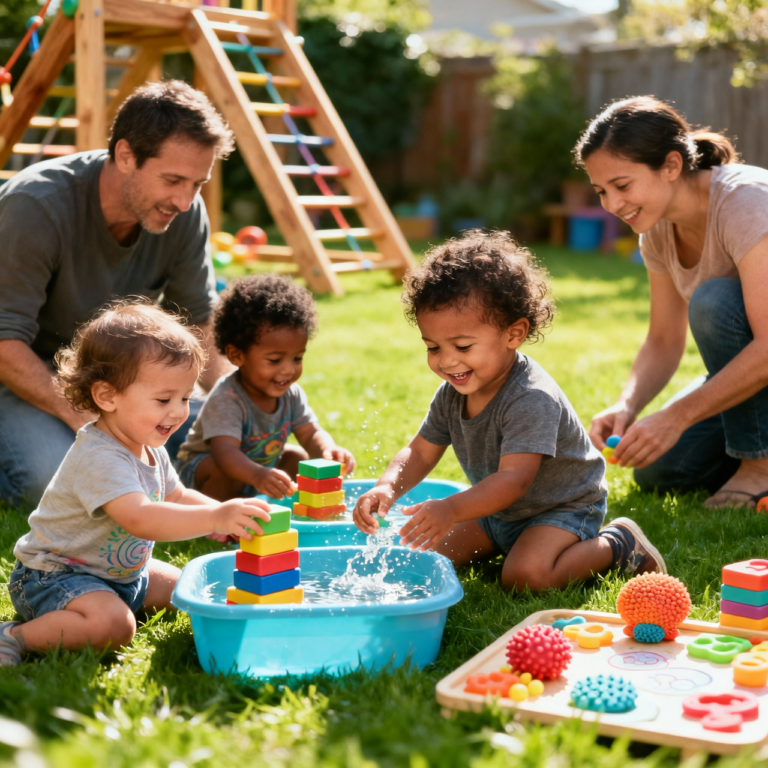
- Outdoor exploration offers chances to move, notice, and wonder together.
- Sensory and creative play can be adapted to your child’s comfort level.
- Keep safety, supervision, and your toddler’s cues at the center of play.
Match activities to your toddler’s age and abilities
Toddlers can change quickly, but age alone doesn’t tell you exactly what will hold their attention or feel manageable. Notice what your child already enjoys and what they can do with a little help. A good activity leaves room for trying, repeating, and changing the plan. It doesn’t have to look the same from one day to the next.
What younger toddlers can explore with support
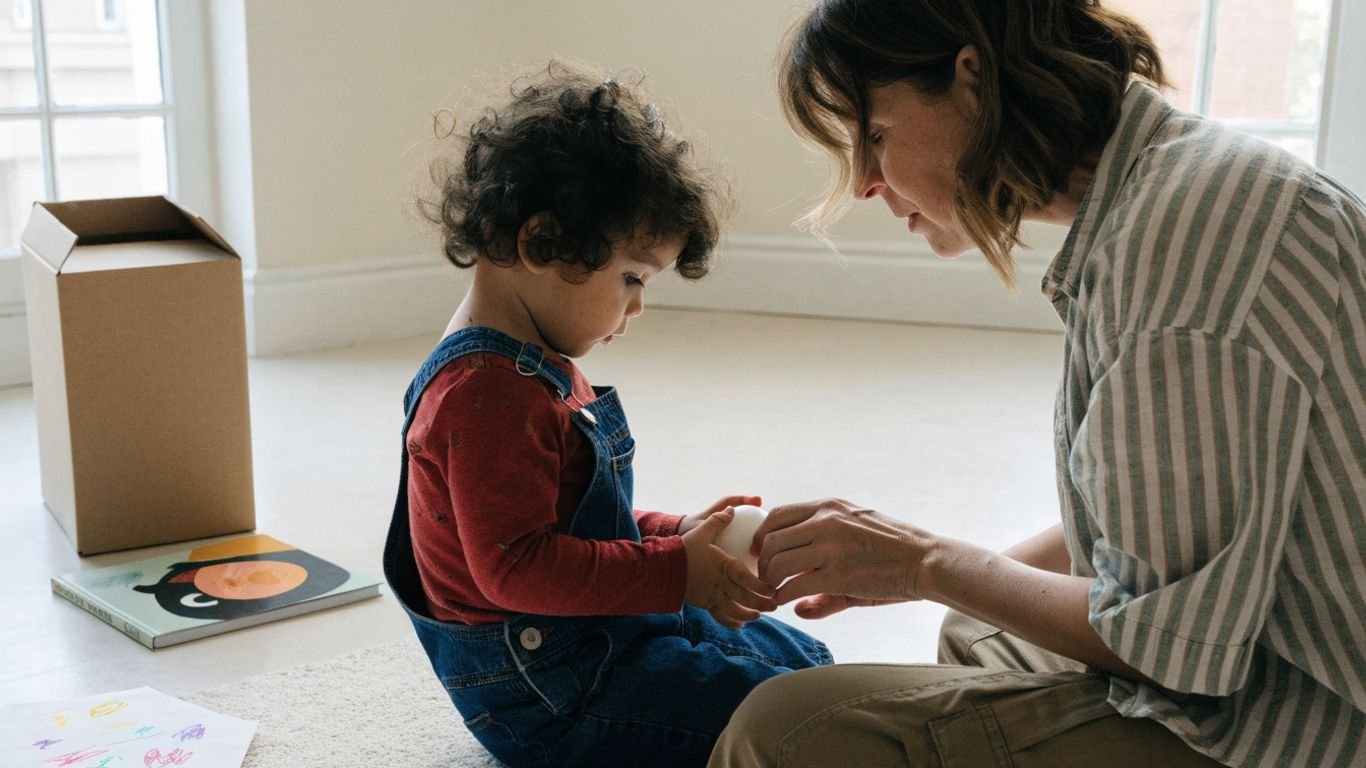
Younger toddlers often enjoy simple actions they can repeat: dropping a large ball into a basket, turning the pages of a sturdy book, or stacking and knocking down a few large blocks. Sit nearby, demonstrate once, and give them time to try. Your child may prefer to watch before joining in, and that can be part of exploring, too. Choose objects that are too large to swallow and stay close as they play.

How older toddlers can take on more steps
As toddlers grow, they may be ready to connect a few simple steps. They might carry a toy animal to a box “barn,” put a napkin on the table, or help find matching socks. Offer one direction at a time, and let your child do the parts they can manage. A small amount of room to try makes the activity theirs, even if you need to help with the tricky parts.
A simple way to choose an activity is to match it to the kind of support your toddler seems to need that day:
| What you notice | A possible activity | How you can help |
|---|---|---|
| Enjoys repeating an action | Drop large blocks into a basket | Name the action and take turns |
| Wants to move around | Carry soft toys between two spots | Clear the path and keep it simple |
| Is curious about sorting | Group large objects by color | Show one example, then wait |
| Is ready for pretend play | Make a blanket a little “cave” | Join the story without directing it |
Use the table as a starting point, not a test your toddler has to pass. If a task feels frustrating, make it easier or stay alongside your child for another turn. If they’re happily repeating one action, there’s no need to add more steps just to keep things moving.
When to simplify, adapt, or stop an activity
A toddler who wanders away, tosses the materials, or asks for help may be telling you the activity is too hard, too easy, or simply not interesting right now. Try offering fewer objects, showing the first step, or turning the task into a short shared game. If your child is tired or upset, you can put the activity away without treating it as a failure. Many families find it helpful to keep a few quick, low-prep ideas in mind for days when elaborate plans just won’t fit.
Make indoor play engaging with everyday materials
Indoor play can start with what’s already nearby, rather than a special kit or a complicated setup. A cushion, a cardboard box, or a few safe kitchen items can become an invitation to imagine and move. Keep the space manageable and introduce only a few objects at first. When play gets repetitive, a small change in your voice or the story can be enough.
Turn household objects into pretend-play props
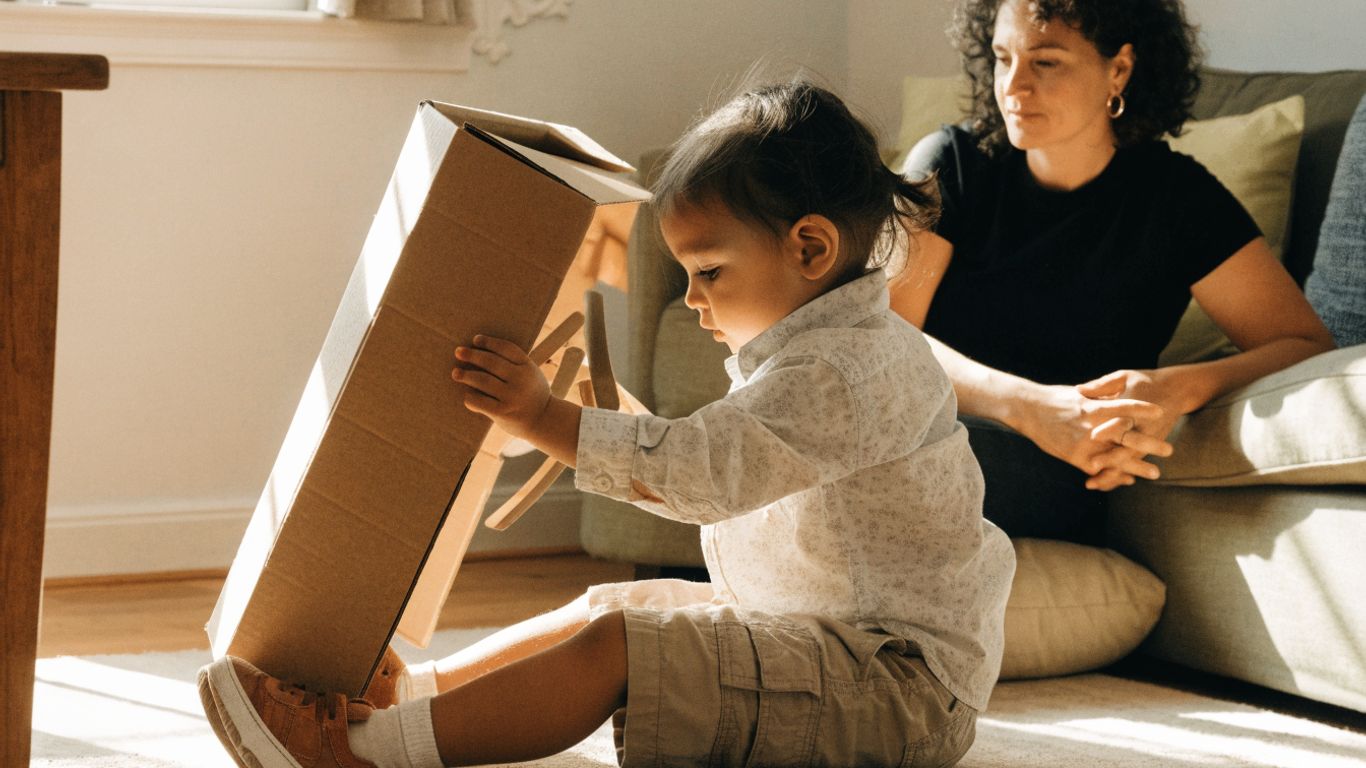
A clean cardboard box can become a bus, a cave, or a bed for stuffed animals. A wooden spoon might be a pretend microphone, while a dish towel becomes a blanket for a toy. Keep pretend props sturdy and free of sharp edges, loose parts, or anything that could pose a choking risk. Follow your toddler’s idea: if their bus becomes a boat, you can go along with the change.
Create simple movement games for small spaces
Movement doesn’t require a large room or a long course of obstacles. Try walking like a bear from one side of a clear space to the other, reaching up to touch a cushion held at a comfortable height, or rolling a soft ball back and forth. Keep the route open and skip furniture climbing or anything that invites a jump from a height. A brief game can be repeated or paused whenever your toddler wants.
For a quick game, a few clear invitations can help you get started without overplanning:
- Roll a soft ball between you and your toddler.
- Carry a stuffed animal from one basket to another.
- Reach up, bend down, and stretch like a tall tree.
- Walk slowly or quickly between two safe, visible spots.
These prompts are meant to be flexible, not a sequence your child must finish. Your toddler may repeat just one of them or invent a new version. Keep the game short if the room feels crowded or your child is losing interest.
Keep toddlers involved when the activity is new
A new activity can feel more inviting when your toddler sees you try it first. Show one small action, such as placing a toy in the box, then pause so they can decide whether to join. You can describe what’s happening in a relaxed way—“The bear is going for a ride”—without asking a string of questions. For more ideas that use things around the house, browse these simple indoor play ideas and choose one that suits your space and your child’s mood.
Use outdoor play to encourage movement and discovery
Outside, even a familiar path can offer something new to notice. A breeze, a patch of sunlight, or a line of fallen leaves can turn an ordinary walk into a shared moment of discovery. Let your toddler set a comfortable pace while you stay close and point out things they can safely observe. The goal is not to cover distance or complete a list of activities.
Explore nature through close-up observation
Pause to look at a leaf, watch a cloud move, or listen for a bird. You can describe what you notice and give your toddler time to look, point, or respond in their own way. Keep natural objects out of your child’s mouth, and avoid gathering anything you can’t identify or that may be unsafe to touch. A close look together can be satisfying even when the walk is only a few minutes long.
Build coordination with walks and simple challenges
A walk can include small, safe invitations to move: step over a painted line, walk around a puddle with your hand held, or carry a lightweight item to a nearby bench. Make sure the ground and route suit your child’s abilities, and offer support on uneven surfaces. Some toddlers want to repeat the same stretch several times; others would rather stop often. Let those pauses be part of the outing.
Adapt outdoor play to weather and available space
You don’t need a yard or perfect weather to spend a little time outside. A short walk along a familiar route, time on a porch, or a visit to a safe open space can all offer a change of scene. Dress for the conditions, follow local guidance about weather, and head indoors if your toddler seems uncomfortable. On days when outside doesn’t work, you can bring the idea of noticing and moving back inside.
Explore sensory and creative play at home
Sensory and creative play can be simple, and it doesn’t have to end with a craft to display. A toddler might enjoy touching a soft cloth, making marks on paper, or listening to the sound of blocks landing in a basket. Offer a manageable amount of material and let your child decide how to explore it. Stay close enough to supervise and adjust when their interest or comfort changes.
Offer textures and materials toddlers can safely handle
Try a soft washcloth, a large silicone utensil, or a piece of crinkly paper that your toddler can explore while you supervise. Choose materials that are clean, age-appropriate, and too large to swallow; avoid small pieces and anything with sharp edges or loose parts. You can name what your child is touching—“soft,” “smooth,” or “crinkly”—without expecting them to repeat the words. Let your toddler handle one or two options at a time.
Encourage art without focusing on the finished result
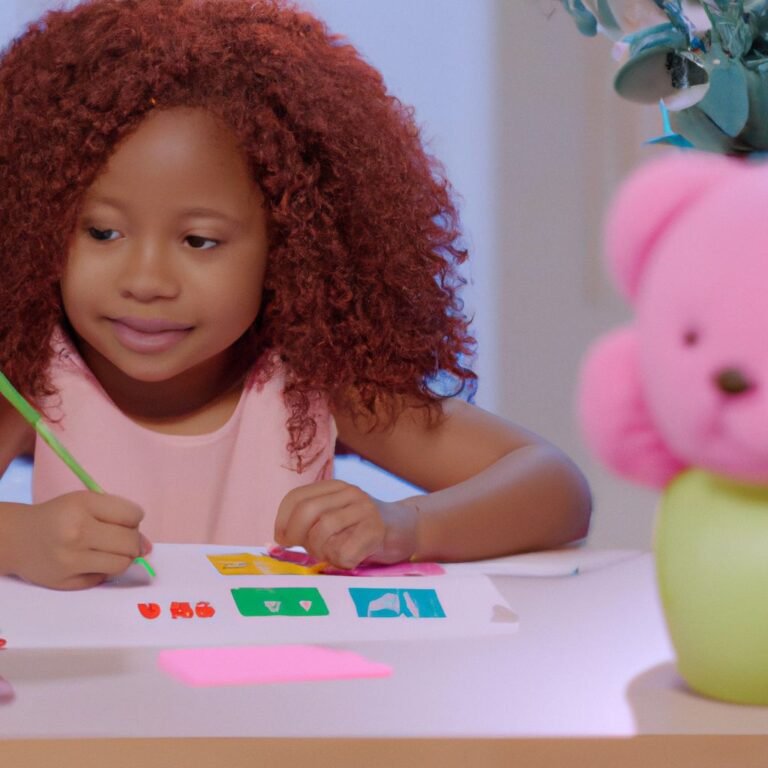
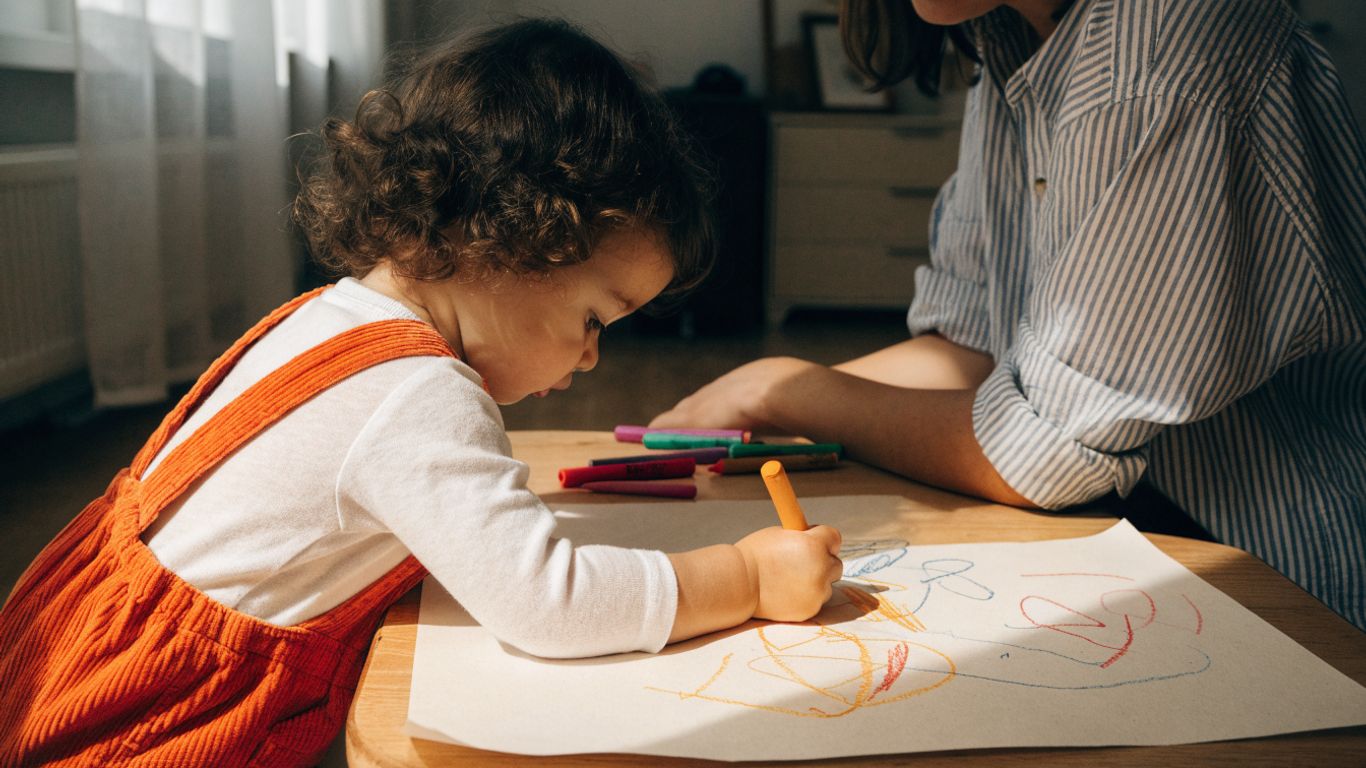
Tape a large sheet of paper to a surface and offer a few age-appropriate, non-toxic crayons for supervised drawing. Your toddler might make a few marks, switch hands, or decide to watch you instead. Talk about the movement or colors rather than asking what the picture is supposed to be. The experience can be worthwhile even if the paper stays mostly blank.
Adjust messy play for your child’s comfort
Some toddlers love getting their hands messy; others prefer to watch or use a tool. Offer a spoon, a brush, or a small amount of material on a tray so your child can choose how close to get. If they pull away, wipe their hands or put the activity aside without pressure. A quieter, drier version still counts as exploring.
Build learning into play and daily routines
Learning doesn’t need to be separated from the rest of the day. Talking together, matching objects, and helping with small household tasks all give toddlers chances to participate. Keep the language simple and leave time for your child to respond, whether through a word, a gesture, or an action. Small moments repeated over time can feel more natural than a formal lesson.
Support language through conversation and stories
During a familiar book, pause to name a picture or make a sound for an animal. You might say, “The dog is running,” then wait while your toddler looks, points, or adds a word. In everyday moments, narrate what you’re doing in short phrases: “Socks in the drawer.” There’s no need to turn every interaction into a quiz; a warm back-and-forth is enough.
Practice sorting, matching, and simple problem-solving
Invite your toddler to match two large socks, group a few sturdy blocks by color, or find the lid that fits a container. Show one example if they’re unsure, then let them experiment. There may be more than one way to approach the task, and the process matters more than getting it “right.” Stay nearby and remove anything too small or unsuitable for your child’s age.
Turn everyday tasks into chances to participate
Toddlers often want to help, even when the job takes a little longer with them involved. Let your child carry a lightweight item, put a large toy into a basket, or bring a clean cloth to the table. Offer a simple choice between two safe tasks and give a clear, friendly direction. If your toddler loses interest halfway through, you can finish the job together or move on.

Keep activities safe, simple, and flexible
A little preparation can make play easier to supervise and more comfortable for everyone. You don’t need a perfect setup; you need a space and materials that suit your toddler. Stay close, especially when play includes small objects, water, or materials that could be mouthed. And remember that stopping early is a perfectly reasonable option.
Check materials for choking and other age-related hazards
Before you begin, check that materials are suitable for your child’s age and do not include small parts, sharp edges, or loose pieces that could come away. Avoid items that could fit in your toddler’s mouth, and supervise closely around water, even in a shallow container. Use art materials labeled as non-toxic and intended for young children. When you’re unsure about an object, choose something simpler.
Set up a play space that is easy to supervise
Choose a spot where you can see and reach your toddler without stepping away. Clear nearby walkways, keep unstable furniture and breakable objects out of the play area, and bring only the materials you plan to use. A towel or washable surface can make cleanup easier for messy activities. A compact setup is often easier to manage than a room full of options.
Follow your toddler’s cues and let them lead
Your toddler may be eager one day and uninterested the next. Notice whether they’re engaged, uncertain, or ready to stop, and respond by joining in, simplifying the activity, or putting it away. Letting your child lead doesn’t mean you have to say yes to unsafe play; you can set a clear limit and offer a safe alternative. Over time, these small adjustments help play feel more like connection and less like another task to get right.
Conclusion
The best toddler activities are the ones that fit the child and the moment, not the ones that require the most preparation. Start with a simple idea, stay nearby, and let your toddler show you what they’re ready to explore. If the plan changes or the play lasts only a few minutes, that’s okay—there will be another chance to try again.
Frequently Asked Questions
How long should a toddler activity last?
There’s no set amount of time a toddler needs to spend on one activity. Follow your child’s interest and energy; a few minutes of focused play can be plenty.
What are some easy activities to do at home with a toddler?
Try rolling a soft ball, looking through a sturdy picture book, making marks on paper with age-appropriate crayons, or pretending a cardboard box is a vehicle. Keep materials safe and supervise closely.
How can I keep my toddler interested in an activity?
Start with one simple idea and join in briefly to show how it works. If your toddler loses interest, try changing one small detail or move on rather than pushing them to continue.
Are household objects safe for toddler play?
Some household objects can be suitable when they are sturdy, clean, and appropriate for your child’s age. Avoid small parts, sharp edges, and anything that could break or fit in your toddler’s mouth, and stay close during play.
What can I do when my toddler doesn’t want to join an activity?
Let your toddler watch, offer a simpler version, or put the activity away. A child does not have to participate in every activity for the time together to be worthwhile.
How can I adapt activities for a small space?
Choose games that use a clear patch of floor, such as rolling a soft ball or carrying a toy between two nearby spots. Remove trip hazards and skip activities that involve jumping from furniture or climbing.
Does play need to teach a specific skill?
No. Play can offer chances to move, explore, talk, and connect without a planned lesson or measurable outcome. Following your toddler’s interest is a useful place to begin.
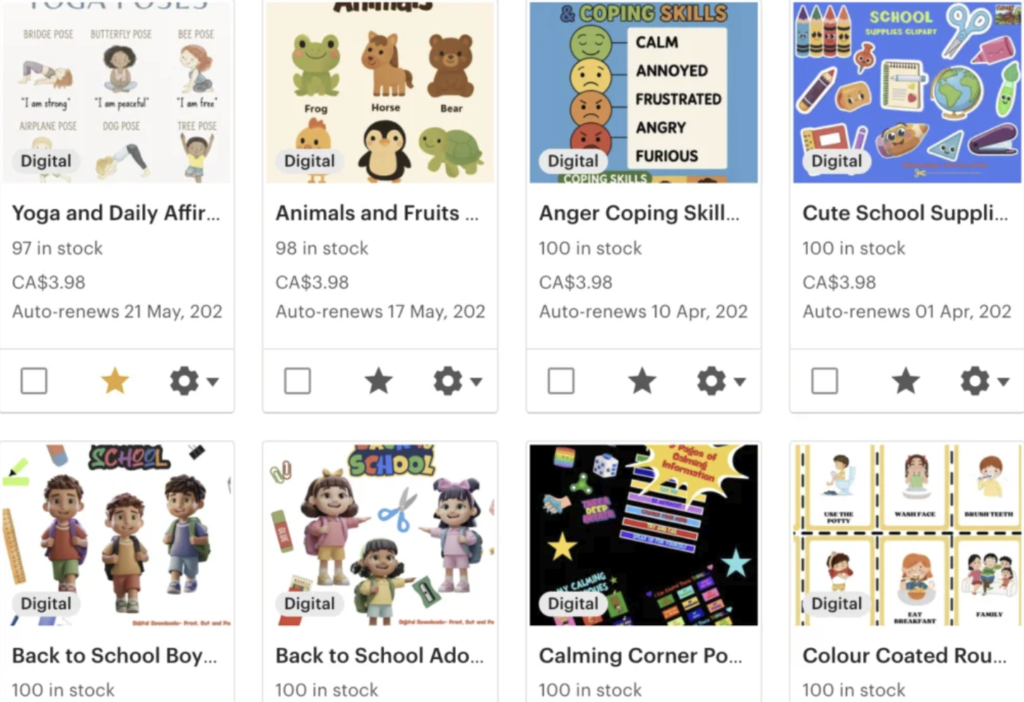

Ms. Kerri’s Corner provides a exciting virtual space for preschool learning. Through a variety of engaging activities, she exposes young minds to early math, literacy, science and social-emotional skills in a developmentally appropriate way. Centers for blocks, art, books and music allow children to explore hands-on learning at their own pace. Guided lessons subtly introduce number sense, letter sounds and narrative thinking. Careful observation gives insight into each child’s progress across domains. Viewers are also invited to participate, reinforcing that their ideas are valued. By making learning fun yet purposeful, Ms. Kerri lays the groundwork for future academic success while fostering creativity and imagination. Her program offers preschoolers valuable screen-based learning experiences.