The Ultimate Children’s Activity Guide for Parents: Fun and Educational Ideas
Finding ways to keep kids busy and learning can feel like a full-time job, right? Especially when you’re looking for ideas that are both fun and actually teach them something. This children’s activity guide for parents is here to help. We’ve gathered a bunch of easy activities you can do at home, from classic games to creative projects. No need to spend a lot of money or even leave the house. Let’s make learning an adventure!
Key Takeaways
- Indoor activities like building forts and cardboard box creations encourage imaginative play and problem-solving.
- Educational books covering STEAM, math, and nature can make learning enjoyable and spark curiosity.
- Arts and crafts, such as sticker art and DIY decorating, help kids express themselves and develop fine motor skills.
- Activities focused on life skills, like practicing cursive or managing emotions, build confidence and independence.
- Exploring the world through state facts, virtual travel books, or learning about the human body can broaden a child’s understanding.
Engaging Indoor Activities For Kids
Classic Indoor Games To Spark Fun
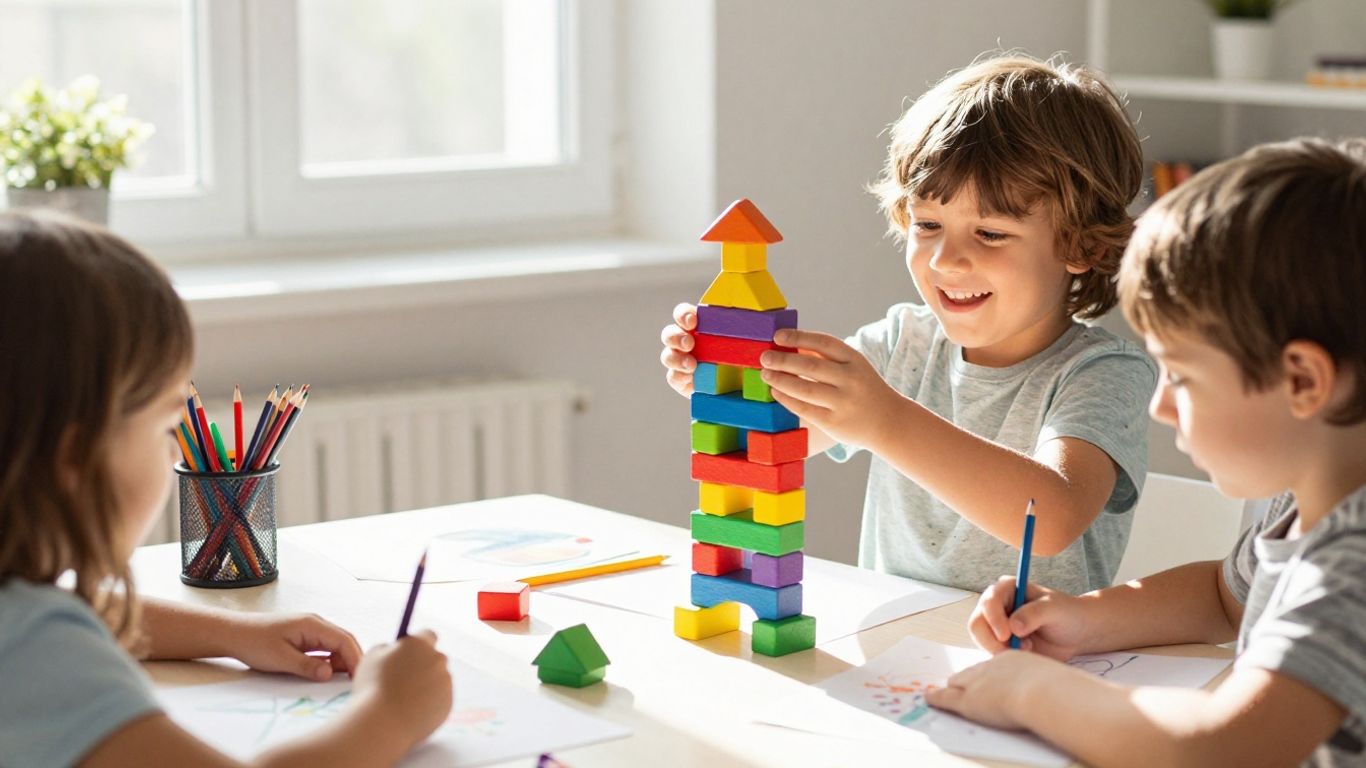
Sometimes the simplest games are the ones that bring the most joy. When the weather outside isn’t cooperating, or you just need a break from the hustle and bustle, bringing classic games indoors can be a lifesaver. Think about dusting off those board games or even inventing your own. Playing “I Spy” around the house is a fantastic way to get everyone involved, using everyday objects as the stars of the show. It’s amazing how much fun can be had just by looking closely at your surroundings.
Another winner is a good old-fashioned treasure hunt. You can make it as simple or as complex as you like, drawing a map for younger kids or writing riddles for older ones. It’s a great way to get them thinking and moving. Don’t forget about charades or Pictionary – these always lead to giggles and a bit of friendly competition. For a more active option, try setting up a DIY bowling alley with empty bottles and a soft ball. It’s a great way to burn off some energy without making too much noise.
Here are a few ideas to get you started:
- “I Spy”: Use simple objects around the room.
- Treasure Hunt: Create a map or write clues.
- Charades/Pictionary: Act out or draw words.
- DIY Bowling: Use empty bottles and a soft ball.
- Indoor Obstacle Course: Use pillows, chairs, and blankets to create a fun challenge.
These activities not only provide entertainment but also help develop problem-solving skills and encourage creative thinking. They are perfect for those days when outdoor play isn’t an option.
Creative Cardboard Box Adventures
Cardboard boxes are like blank canvases for imagination. That big appliance box or even a simple cereal box can transform into anything a child dreams up. A car, a rocket ship, a castle, a robot costume – the possibilities are truly endless. All it takes is a bit of tape, some markers or crayons, and a child’s imagination. You can help by cutting out windows or doors, or just let them go wild with decorating. It’s a wonderful way to encourage creativity and hands-on building. You might even find yourself joining in on the fun, building a magnificent fort or a speedy race car together. These box creations often become the centerpiece for hours of imaginative play, leading to stories and adventures that are entirely their own. It’s amazing what can come from something as simple as a discarded box.
Building Forts And Imaginative Play
There’s something magical about building a fort. Using blankets, pillows, chairs, and whatever else you can find, kids can create their own cozy hideaway. It’s more than just building a structure; it’s about creating a space for adventure. Once the fort is built, the real fun begins with imaginative play. They can pretend it’s a castle, a spaceship, a secret base, or a cozy den. Bring in some books, flashlights, and snacks, and you’ve got an afternoon of entertainment. This type of play is so important for developing a child’s imagination and storytelling abilities. It allows them to explore different roles and scenarios in a safe and familiar environment. You can find more ideas for indoor fun at [00fb].

Educational Activity Books For Curious Minds
Sometimes, the best way to get kids learning is to let them get their hands on something fun and interactive. Activity books are fantastic for this! They’re not just about filling in blanks or coloring; many are designed to spark curiosity and teach new things in a really engaging way. We’ve found that having a good stack of these around has been a lifesaver on quiet afternoons or when we need a break from screens. These books can turn learning into a game.
STEAM And Science Exploration Books
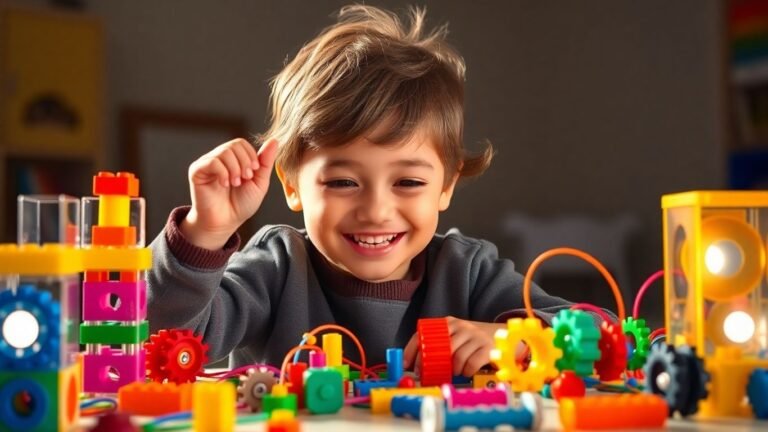
For the budding scientist or engineer, STEAM (Science, Technology, Engineering, Arts, and Math) activity books are a goldmine. These books often use simple, everyday materials to explore complex ideas. Projects might involve building simple machines, conducting safe experiments, or understanding basic physics principles. They’re great for kids who love to tinker and figure out how things work. Look for books that explain the ‘why’ behind the activity, not just the ‘how’.
Math Mysteries And Logic Puzzles
Math doesn’t have to be all about numbers on a page. Logic puzzle books, for instance, challenge kids to think critically and solve problems using reasoning. These can range from simple pattern recognition for younger kids to more complex riddles and code-breaking for older ones. They’re a wonderful way to build problem-solving skills without it feeling like homework. Some books even combine reading with math, requiring kids to decipher clues to solve a mystery.
Nature And Outdoor Discovery Books
Even if you can’t always get outside, nature activity books can bring the wonders of the natural world indoors. These often function like journals, encouraging kids to observe, draw, and record what they see. They might include activities like identifying local plants, learning about insects, or tracking weather patterns. These books are perfect for nurturing a child’s connection to the environment and encouraging a spirit of discovery. You can find some great options for sparking curiosity in the outdoors.
Activity books offer a tangible way for children to interact with new concepts. They encourage focus, patience, and the satisfaction of completing a task. It’s a screen-free way to explore a wide range of subjects, from the human body to different cultures.
Here are a few types of books that have been hits in our house:
- STEAM Books: Look for titles that focus on building and experimenting with common household items.
- Logic Puzzles: These are great for developing critical thinking and are often presented as fun challenges.
- Nature Journals: Encourage observation and recording of the natural world around them.
These kinds of books are more than just entertainment; they are tools for building confidence and a lifelong love of learning. You can find a fantastic selection of activity books that cater to various ages and interests.
Arts, Crafts, And Creative Expression
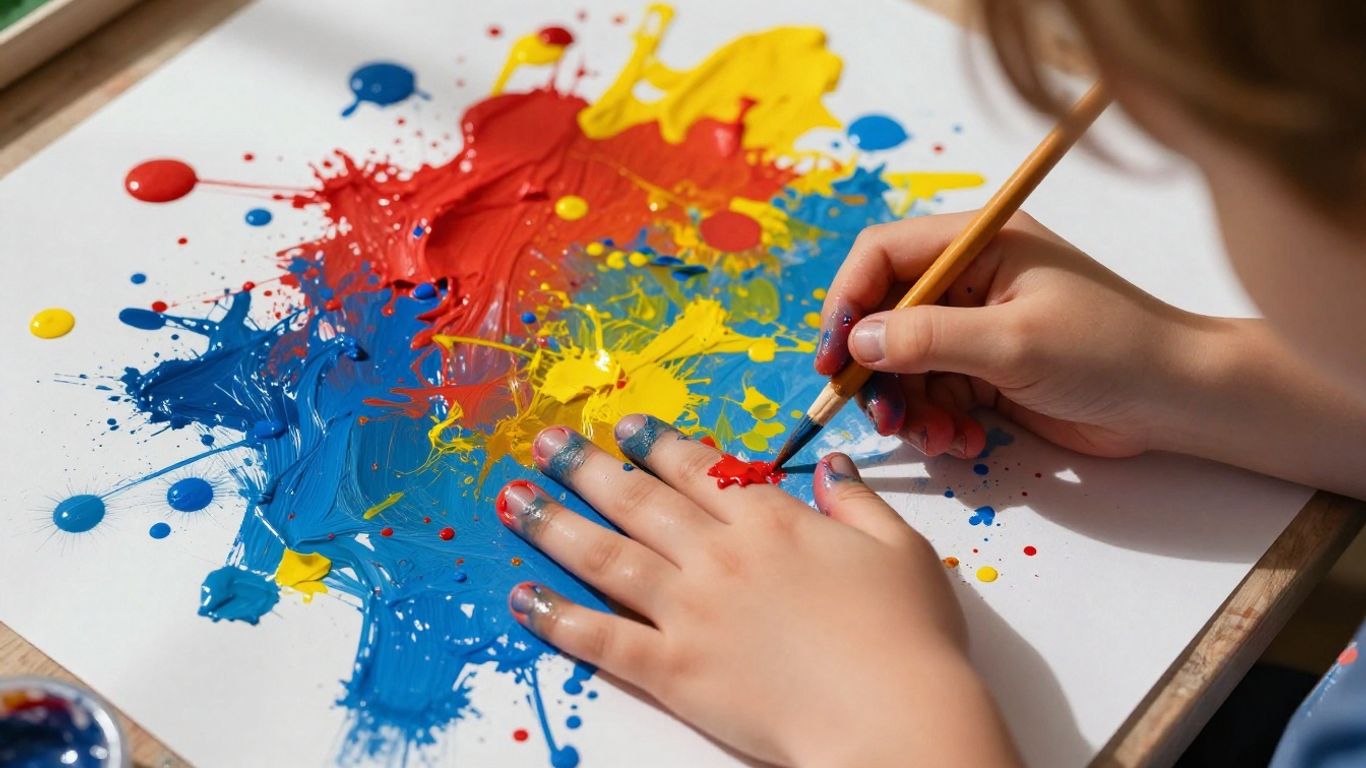
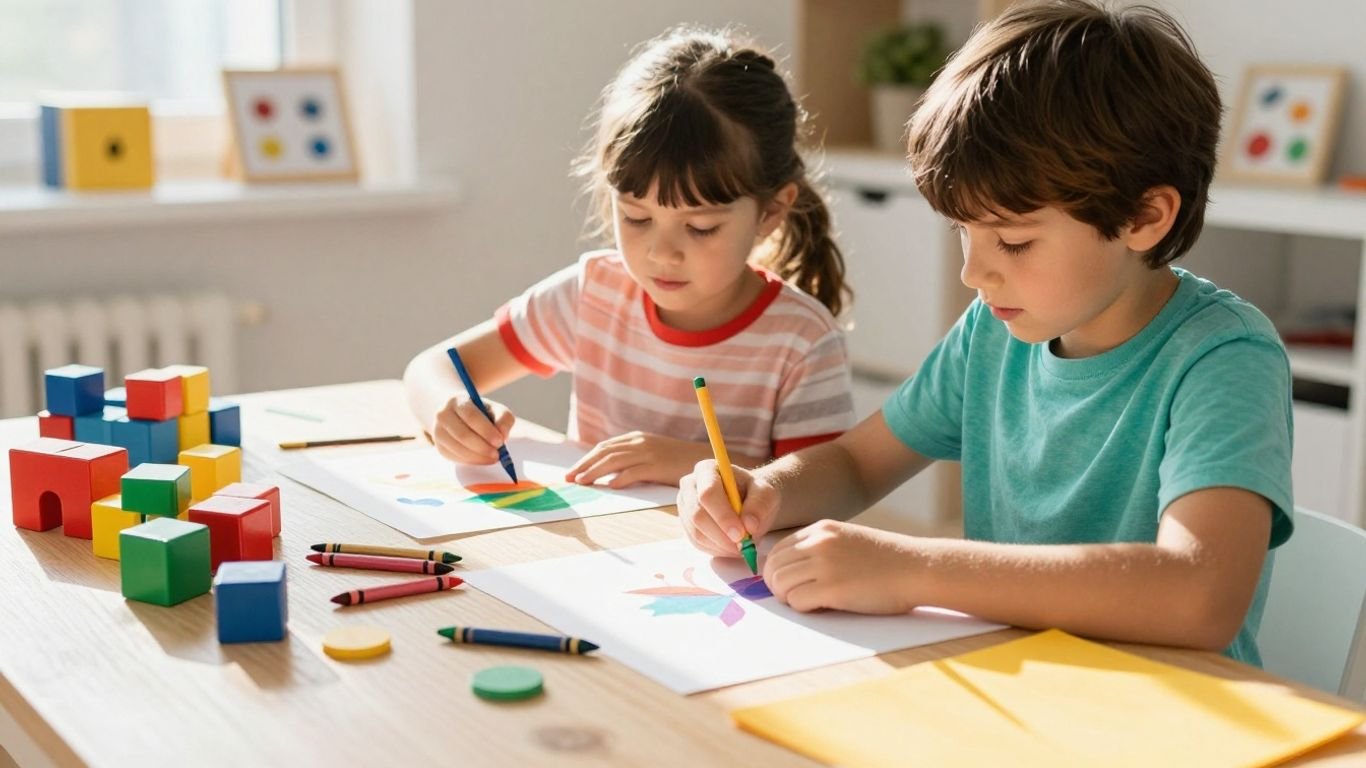
Getting your kids involved in arts and crafts is a fantastic way to let them explore their imagination. It’s not just about making pretty things; it’s about the process, the mess, and the learning that happens along the way. These activities help children develop fine motor skills and learn to express themselves in unique ways.
Sticker Art And Origami Fun
Sticker art is super simple to get started with. You can find books where kids fill in pictures with numbered stickers, which is a great way to introduce them to famous artworks in a fun format. Or, just grab some plain paper and a big pack of stickers and let them go wild creating their own scenes. It’s amazing what they can come up with!
Origami, the Japanese art of paper folding, is another wonderful activity. It requires focus and following directions, which is great practice for kids. Plus, they end up with a cool creation they can play with afterward. There are tons of origami books out there, some even themed around popular characters like Harry Potter, which can make it even more exciting for little ones. It’s a great way to practice sequencing and patience.
DIY T-Shirt Decorating
Why buy plain t-shirts when you can turn them into wearable art? This is a project that can get a little messy, but the results are always worth it. All you need are some plain t-shirts, fabric markers, fabric paint, or even some iron-on transfers. Kids can draw their own designs, write their names, or create patterns. It’s a fun way to personalize their wardrobe and a great activity for a birthday party or a rainy afternoon. You can even use stencils or tie-dye techniques for different effects. It’s a project that really lets their personality shine through.
Pipe Cleaner Creations
Pipe cleaners are surprisingly versatile. They’re bendy, colorful, and easy for little hands to manipulate. Kids can twist them together to make all sorts of things: animals, people, abstract shapes, or even jewelry like bracelets and rings. You can also combine them with other craft supplies like beads, googly eyes, or pom-poms to add more detail and texture. It’s a low-mess way to create 3D figures and encourages a lot of imaginative play once the creations are finished. It’s amazing how many different creatures and objects can be brought to life with just a few fuzzy sticks.
Crafting with kids doesn’t have to be complicated or expensive. Often, the simplest materials lead to the most creative outcomes. The goal is to encourage exploration and enjoyment, not perfection. So, embrace the process, even if it means a little extra cleanup afterward!
Here’s a quick look at some popular craft supplies and their uses:
| Supply | Primary Use |
|---|---|
| Stickers | Decorating, filling in pictures, creating scenes |
| Paper | Folding (origami), drawing, cutting, gluing |
| Fabric Markers | Decorating t-shirts, bags, and other fabric |
| Pipe Cleaners | Sculpting, creating figures, connecting items |
| Beads | Adding detail, making jewelry, decorating |
These activities are a wonderful way to spend time together and create lasting memories. For more ideas on creative projects for young children, check out expressive arts and design activities.
Developing Essential Life Skills
Beyond the ABCs and 123s, kids need to learn how to handle everyday situations and manage themselves. These skills aren’t always taught in school, but they’re super important for growing up. Helping your child build these abilities now will set them up for a smoother path later on.
Fine Motor Skill Development Activities
Working with small objects and tools helps little hands get stronger and more coordinated. This is key for things like writing, buttoning clothes, and even eating. You can make it fun with simple activities.
- Play with Play-Doh or Clay: Squishing, rolling, and cutting it works those finger muscles. Try making different shapes or even little creatures.
- Use Tweezers: Have kids pick up small items like pom-poms or beads with tweezers and sort them into containers. This is great for hand-eye coordination.
- Threading Activities: Use large beads and string, or even pasta shapes with holes, to practice threading. This builds dexterity.
- Cutting Practice: Start with safety scissors and paper. You can draw lines or shapes for them to follow. As they get better, try cutting out pictures from magazines.
Learning Cursive Writing
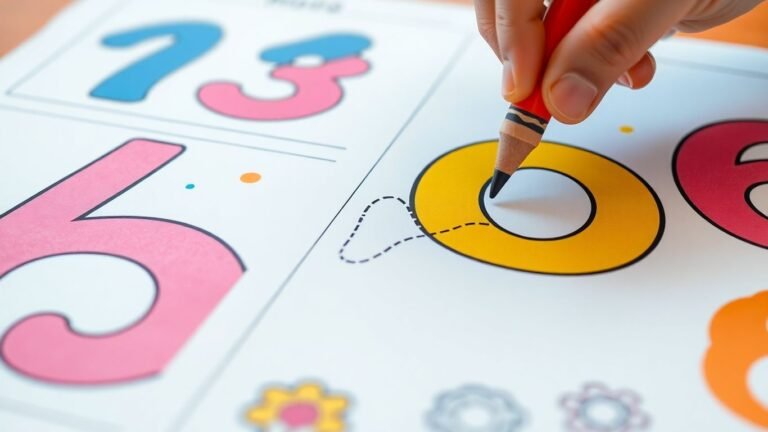
While not everyone uses cursive daily, it still has benefits. It can help with spelling and reading, and it looks pretty neat! Plus, it’s a good way to practice consistent hand movements. You don’t need fancy tools to start.
Learning cursive can actually help some kids with dyslexia by making the letters flow together, which can be easier to track than separate printed letters. It’s a different way of seeing words that can sometimes click.
- Start with the Basics: Focus on individual letter shapes first. There are plenty of free printables online that show the correct strokes.
- Connect the Letters: Once they know the letters, practice joining them into simple words.
- Write Fun Things: Encourage them to write their name, short messages, or even a simple story in cursive.
Practicing Anger Management Skills
Everyone gets angry sometimes, and kids are no different. Teaching them how to handle these big feelings in a healthy way is a big deal. It helps them avoid meltdowns and learn to solve problems without lashing out.
- Identify Feelings: Help your child name their emotions. Saying “I’m feeling really frustrated right now” is the first step.
- Take a Break: Teach them to recognize when they need a moment to cool down. This could be going to their room, taking deep breaths, or listening to music.
- Problem-Solving: Once they’re calm, talk about what made them angry and brainstorm solutions together. This builds problem-solving abilities.
- Calming Techniques: Practice things like deep breathing exercises, counting to ten, or squeezing a stress ball. Finding what works for your child is key. You can find some great resources for life skills activities that include anger management.
Adventures In Learning About The World
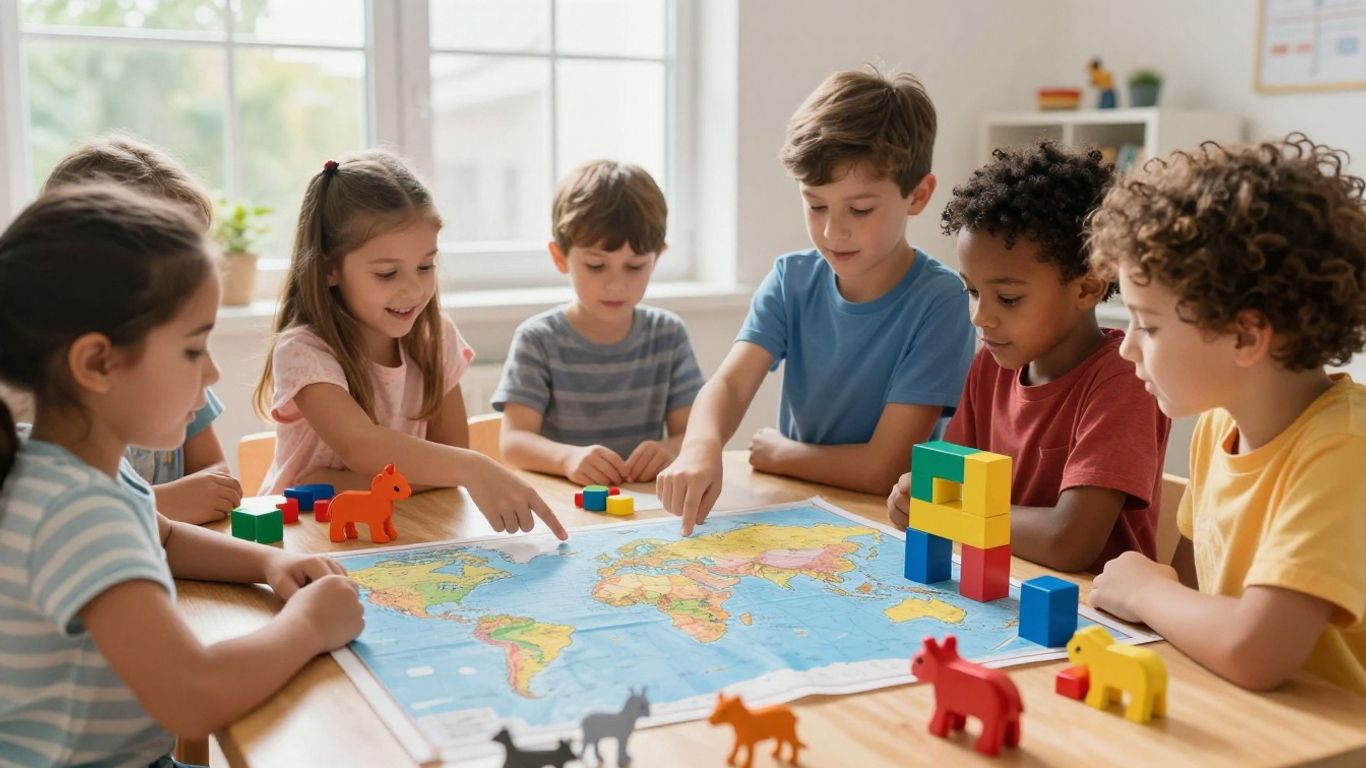
It’s amazing how much kids can learn about the world without even leaving the living room. We’ve found some really neat ways to explore different places and cultures. Making learning an adventure is key to keeping them interested.
Exploring the 50 States
Learning about the United States can be a blast! Instead of just reading facts, try making it interactive. You can use activity books that focus on each state, perhaps with coloring pages or simple quizzes. We found a great book that has a map for each state, and kids can find specific landmarks or animals. It’s a fun way to get them familiar with geography. You can even make it a game, like a scavenger hunt for state capitals or famous historical sites. For a more hands-on approach, consider creating a large map on poster board and having your child place stickers or draw pictures representing each state’s unique features. This visual aid really helps solidify their knowledge.
Virtual Travel Through Activity Books
Who says you need a passport to travel? There are so many activity books out there that take kids on a journey around the globe. These books often feature different continents or countries, with activities like matching local animals to their habitats, learning simple phrases in different languages, or coloring famous landmarks. It’s a fantastic way to introduce them to diverse cultures and environments. Some books even come with stickers or cut-outs to make the experience more tactile. We’ve used books that focus on different regions, and it’s been wonderful to see my kids get excited about places they’ve never been. It really sparks their curiosity about what else is out there.
Understanding the Human Body
Learning about our own bodies can be just as exciting as exploring faraway lands. There are activity books that break down complex concepts like how our organs work or the different systems in our body into kid-friendly terms. Think about building a model of the skeleton using craft sticks or drawing a diagram of the circulatory system with different colored markers. Some books even include fun facts about how our bodies grow and change. It’s a great way to teach them about health and wellness in an engaging way. We found a book that had simple experiments to show how our lungs work, and the kids absolutely loved it.
Learning about the world, whether it’s geography, cultures, or even our own bodies, doesn’t have to be dry. Using activity books and hands-on projects makes it an enjoyable experience for everyone involved. It’s about sparking that initial interest and letting their natural curiosity take over.
Here are some ideas to get you started:
- State Exploration: Use a large US map and have kids place a pin or sticker on each state as they learn a fact about it.
- Cultural Crafts: Try making a simple craft related to a country you’re learning about, like paper lanterns for China or a mini Eiffel Tower for France.
- Body Systems: Draw or build models of different body systems. A shoebox diorama of the digestive system can be quite illuminating!
- Global Cuisine: Try a simple recipe from a different country together. Even making tacos can be a culinary adventure!
These activities can help children develop a broader perspective and a greater appreciation for the diversity of our planet. It’s a wonderful way to connect with them and share in the joy of discovery. You can find some great resources for geography activities online, like those that focus on STEM and global cultures.

Exploring the world through books and activities is a fantastic way to broaden horizons. It’s amazing what kids can absorb when it’s presented in a fun, engaging format. In fact, we’ve found that incorporating games and hands-on projects makes the learning stick much better than just reading. For instance, when we were learning about different countries, we tried making a simple dish from each one. It was a messy but delicious way to learn about their food and culture.You can find some really neat games for family learning that make geography exciting.
Active Play And Movement
Sometimes, the best way to keep kids engaged is to get them moving! Active play isn’t just about burning off energy; it’s a fantastic way to help them develop coordination, balance, and problem-solving skills. Plus, it’s a great way for the whole family to have some fun together.
DIY Obstacle Courses
In fact, setting up an obstacle course at home can be surprisingly simple and incredibly effective. You don’t need fancy equipment. Think pillows to crawl over, chairs to weave under, or a line of tape on the floor to balance along. The goal is to create a fun challenge that encourages kids to use their bodies in different ways. You can adapt the course based on your child’s age and abilities. For younger kids, focus on simple movements like crawling and stepping. For older ones, add more complex tasks like jumping or throwing a soft ball into a basket. It’s a wonderful way to boost their physical confidence and creativity.
Here’s a quick idea for a simple course:
- Crawl Tunnel: Use chairs and blankets to make a tunnel.
- Balance Beam: Lay a line of masking tape or a flat cushion on the floor.
- Jumping Zone: Place hula hoops or chalk circles on the floor to jump in and out of.
- Target Toss: Set up a cardboard box or laundry basket to throw soft balls into.
Kids Yoga And Stretching
Yoga for children is a gentle yet powerful way to connect mind and body. It helps improve flexibility, strength, and body awareness. It can also be very calming, which is a bonus for busy little ones. You don’t need special mats; a clear space on the floor is all that’s required. There are tons of great resources online, like Cosmic Kids Yoga, that offer themed yoga sessions that kids find really engaging. Simple stretches are also beneficial. Try reaching for the sky, touching your toes, or doing some gentle twists. It’s a great way to introduce them to the idea of self-care and mindfulness.

Indoor Bowling And Treasure Hunts
Who says you need a bowling alley? You can create a fun bowling game right in your living room using empty plastic bottles as pins and a soft ball. Knocking them down is always a hit! For a different kind of excitement, an indoor treasure hunt is a winner. You can make it as simple or as complex as you like. For younger kids, a simple map or picture clues work well. For older children, try riddles or a series of challenges that lead them from one spot to the next. It’s a great way to get them thinking and moving, and the thrill of finding the ‘treasure’ at the end is always rewarding. This type of activity really gets their curiosity going.
Active play is more than just physical exertion; it’s a vital part of a child’s development. It helps build confidence, encourages problem-solving, and teaches them how to interact with their environment in a dynamic way. Making movement fun is key to fostering a lifelong love of being active.
Keep the Fun Going!
So there you have it – a whole bunch of ideas to keep the kids busy and learning. Whether you’re stuck inside on a rainy day or just looking for something new to try, this guide has got you covered. Remember, the best activities are the ones your kids actually enjoy, so don’t be afraid to mix things up and make them your own. The most important part is just spending time together and making some good memories. Happy playing!
Frequently Asked Questions
What are some easy indoor activities for kids when it’s raining?
When the weather keeps you inside, there are tons of fun things to do! You can play classic games like hide-and-seek or ‘I Spy.’ Building a cozy blanket fort is always a hit, and so is turning a big cardboard box into a cool spaceship or race car. Simple science experiments using stuff from your kitchen, like making DIY gummy bears or doing easy at-home science projects, can also be super engaging and educational.
How can I make learning fun for my kids at home?
Making learning fun is all about using engaging materials! Activity books that focus on STEAM (Science, Tech, Engineering, Art, Math), like those with science experiments or math puzzles, can really spark curiosity. Books about nature or exploring the world, like learning about the 50 states or the human body, also make learning an adventure. The key is to find topics your child is interested in and present them in an interactive way.
What are some creative arts and crafts ideas for kids?
Get creative with simple supplies! Sticker art and origami are great for practicing fine motor skills and following instructions. Decorating plain t-shirts with fabric markers or iron-on designs lets kids express their style. And pipe cleaners are amazing for bending into all sorts of fun shapes, from animals to jewelry. These activities allow for lots of personal expression.
How can I help my child develop important life skills at home?
Life skills can be taught through everyday activities. Fine motor skills can be improved with activities like tying knots, using scissors safely, or even practicing handwriting, including cursive. Helping kids understand and manage their emotions, like practicing coping strategies for anger, is also a crucial life skill that can be supported with specific activities and discussions.
What are some ways to explore the world with kids without leaving the house?
You can travel the world from your living room! Activity books focused on geography, like learning about the 50 states or exploring different continents through maps and coloring, are fantastic. Virtual travel can also be done through books that highlight different countries or cultures. Learning about the human body is another fascinating way to explore the world we live in.
How can kids stay active indoors?
Even when stuck inside, kids need to move! Setting up a DIY obstacle course using pillows, chairs, and tunnels can be a blast. Simple kids’ yoga or stretching routines are great for flexibility and calm. You can even create an indoor bowling alley with empty bottles and a soft ball, or organize a treasure hunt around the house to get them running and searching.

Ms. Kerri’s Corner provides a exciting virtual space for preschool learning. Through a variety of engaging activities, she exposes young minds to early math, literacy, science and social-emotional skills in a developmentally appropriate way. Centers for blocks, art, books and music allow children to explore hands-on learning at their own pace. Guided lessons subtly introduce number sense, letter sounds and narrative thinking. Careful observation gives insight into each child’s progress across domains. Viewers are also invited to participate, reinforcing that their ideas are valued. By making learning fun yet purposeful, Ms. Kerri lays the groundwork for future academic success while fostering creativity and imagination. Her program offers preschoolers valuable screen-based learning experiences.