Mastering Calm Parenting Strategies for a More Peaceful Home
Parenting can feel like a constant whirlwind, right? One minute everything’s fine, and the next, you’re in the middle of a full-blown meltdown – yours or theirs. It’s easy to get caught up in the chaos and feel like you’re losing control. But what if there were ways to bring more peace into your home, even when things get tough? This article is all about exploring practical calm parenting strategies that can help you and your kids navigate those tricky moments with a little more ease. We’ll look at understanding what sets you off, simple techniques to stay grounded, and how to help your children manage their own big feelings. It’s not about being perfect, it’s about building a more connected and calm family life, one step at a time.
Key Takeaways
- Recognize your own stress signals and triggers to respond thoughtfully, not react impulsively.
- Practice the ‘pause’ and use simple calming techniques like deep breathing to manage your own emotions before addressing your child.
- Teach children to identify and express their feelings, equipping them with tools to handle big emotions constructively.
- Create a predictable home environment with routines and a designated ‘calm down corner’ to support emotional regulation.
- Prioritize your own well-being through self-care, as your calmness directly influences your child’s ability to regulate.
Understanding Your Triggers and Reactions

Parenting is a wild ride, right? Some days feel like smooth sailing, and others? Well, they feel like you’re trying to navigate a storm with a leaky boat. It’s totally normal to feel overwhelmed sometimes. The first step to a calmer home is understanding what sets you off and how you tend to react when things get tough. Knowing your personal triggers is like having a map to avoid emotional landmines.
Identifying Personal Triggers for Parental Frustration
What makes you feel that hot flush of frustration or that urge to just scream? It’s different for everyone. Maybe it’s the constant whining, the endless questions, or when your child seems to deliberately ignore you. Sometimes, it’s not even about the kids directly; it could be a messy house that feels like too much, or feeling like you’re always the one doing all the work. These are your triggers. They’re like little alarms that signal your stress response is kicking in. Recognizing them is key. For instance, I used to get really worked up when my son would leave his toys all over the floor right after I’d cleaned. It felt disrespectful, and my immediate reaction was anger. Once I realized that was my trigger, I could start to prepare myself or address it differently.
Recognizing the Signs of Escalating Stress
Before you snap, your body and mind usually give you clues. Are you clenching your jaw? Is your heart racing? Do you feel a knot in your stomach? Maybe your thoughts start racing, telling you things like, “They never listen!” or “This is impossible!” These are signs your stress levels are climbing. It’s like a thermometer for your emotions. When you notice these physical or mental cues, it’s your cue to pause. Ignoring them is like ignoring a smoke alarm – it just lets the fire grow.
Here are some common signs your stress is building:
- Physical: Tight muscles, rapid heartbeat, shallow breathing, headaches, fatigue.
- Emotional: Irritability, impatience, feeling overwhelmed, anxiety, sadness.
- Mental: Racing thoughts, difficulty concentrating, negative self-talk, feeling on edge.
The Impact of Parental Stress on Children’s Behavior
Kids are incredibly perceptive. They pick up on our stress, even when we try to hide it. When parents are stressed, children can become more anxious, clingy, or even act out themselves. It’s like a ripple effect. If you’re constantly on edge, your child might feel unsafe or insecure. Their own stress levels can rise, leading to more meltdowns or difficult behaviors. This can create a cycle where parental stress fuels challenging child behavior, which in turn increases parental stress. It’s a tough loop to break, but understanding this connection is the first step toward changing the dynamic. Learning about problem behavior in children can offer insights into these cycles [3b45].
When we’re stressed, our nervous system goes into overdrive. It’s designed to help us in emergencies, but when parenting demands constantly push us to our limit, we can get stuck in that ‘fight or flight’ mode. This makes it hard to think clearly and respond calmly to our kids. Our kids, in turn, sense this tension and can become more dysregulated themselves, making our job even harder.
Implementing Effective Calm Parenting Strategies

Sometimes, when our kids are acting out, our first instinct is to react. We might yell, get frustrated, or shut down. But what if we tried something different? What if we learned to pause and choose a calmer response? This is where effective calm parenting strategies come in. They aren’t about being perfect, but about building skills that help us and our kids manage tough moments better.
The Power of the Pause: Creating Space Before Reacting
Think about it: when your child spills juice for the third time that morning, or refuses to put on their shoes, your body might tense up. Your heart rate might go up. That’s your cue that you’re about to react. The ‘pause’ is simply taking a moment, even just a few seconds, before you say or do anything. It’s like hitting a mental ‘snooze’ button on your immediate reaction. This little bit of space allows your rational brain to catch up with your emotional one.
Here’s how to practice it:
- Notice your physical cues: Are your shoulders tight? Is your jaw clenched? These are signals.
- Take a breath: A slow, deep breath can do wonders. Inhale through your nose, exhale through your mouth.
- Count to three (or ten): This gives your brain time to process.
- Mentally step away: Imagine yourself taking a step back from the situation.
This pause isn’t about ignoring the problem; it’s about addressing it from a more regulated place. It helps prevent saying things you might regret and models self-control for your child.
Mindful Communication Techniques for Peaceful Interactions
How we talk to our children matters. Mindful communication means being present and intentional with our words. It’s about speaking in a way that connects rather than alienates. Instead of focusing on what the child is doing wrong, we can focus on understanding what they might be feeling or needing.
Consider these approaches:
- Use “I” statements: “I feel frustrated when the toys aren’t put away” instead of “You never clean up your toys.”
- Reflect their feelings: “It sounds like you’re really angry that playtime is over.”
- Offer choices: “Would you like to wear the blue shirt or the red shirt?” This gives them a sense of control.
- Be specific with praise: Instead of “Good job,” try “I like how you shared your blocks with your sister.”
These techniques help children feel heard and understood, which often de-escalates conflict. It’s about building a stronger connection, which is key to peaceful family interactions.
Utilizing Deep Breathing and Grounding Exercises
When emotions run high, our bodies react. Deep breathing and grounding exercises are simple yet powerful tools to help both parents and children calm their nervous systems. They bring us back to the present moment and away from overwhelming feelings.
Deep Breathing:
- Belly Breathing: Place one hand on your chest and the other on your belly. Breathe in slowly through your nose, feeling your belly rise. Breathe out slowly through your mouth, feeling your belly fall. Try to keep your chest still.
- Square Breathing: Inhale for a count of four, hold for four, exhale for four, hold for four. Repeat.

Grounding Exercises:
- 5-4-3-2-1 Method: Notice 5 things you can see, 4 things you can touch, 3 things you can hear, 2 things you can smell, and 1 thing you can taste.
- Sensory Focus: Hold a smooth stone, feel the texture of a blanket, or focus on the sensation of your feet on the floor.
These practices can be done anywhere, anytime. Teaching them to your children when they are calm makes them more accessible when they are upset. It’s a way to help them learn to self-regulate, which is a vital skill for life. For parents, regularly practicing these can help manage parental overwhelm, making you a more present and calm caregiver.
Building Emotional Resilience in Children
Kids have big feelings, and honestly, sometimes it feels like we’re just trying to keep our heads above water, right? But teaching them how to handle those emotions is super important. It’s not about making them never feel sad or angry, but about giving them the tools to get through those tough moments without completely falling apart. Think of it like building a strong foundation for a house; the stronger it is, the better it can withstand storms.
Teaching Children to Name and Understand Their Feelings
This is where we start. Kids can’t manage what they don’t understand. So, the first step is helping them put words to what’s going on inside. When your child is upset, instead of just saying ‘calm down,’ try to help them identify the feeling. Is it frustration? Disappointment? Anger? Even if they’re too young to say the words, you can label it for them. ‘You seem really mad that your tower fell down.’ This builds their emotional literacy. It’s like giving them a vocabulary for their inner world.
- Notice the feeling: “I see your face is scrunched up. Are you feeling frustrated?”
- Name the feeling: “It looks like you’re feeling sad because we have to leave the park.”
- Validate the feeling: “It’s okay to feel angry when someone takes your toy.”
Equipping Kids with Coping Mechanisms for Big Emotions
Once they can start naming feelings, we can introduce ways to cope. This isn’t about suppressing emotions, but about finding healthy outlets. Some kids respond well to physical activity, like jumping jacks or a quick run around the yard. Others might need a quiet space to draw or listen to music. Deep breathing is a classic for a reason; it really does help calm the nervous system. You can even make it fun with ‘animal breaths’ – like a lion’s roar breath or a snake’s hiss breath. Finding what works for each child is key, and it often takes some trial and error. Remember, these are skills they’ll use their whole lives, so practicing these strategies regularly is a good idea.
Creating a Supportive Environment for Emotional Expression
Our homes need to be safe places for kids to express themselves. This means we, as parents, need to model this too. When we can admit when we’re stressed or upset and show how we’re handling it constructively, our kids learn from us. It’s also about listening without judgment when they come to us with their problems. Sometimes, they just need to be heard. The goal isn’t to fix everything, but to be a steady presence.
When a child is overwhelmed, their brain isn’t in a place to learn or problem-solve. They need connection and regulation first. Trying to lecture or discipline them in that moment is like trying to teach someone calculus during an earthquake. It just won’t stick.
Building this resilience is an ongoing process, and it’s one of the most rewarding parts of parenting. It’s about helping them become capable, confident individuals who can handle life’s ups and downs. Every interaction is a chance to build that capacity.
Cultivating a Peaceful Home Environment
Creating a home that feels calm and steady isn’t just about quiet evenings; it’s about building a predictable structure that helps everyone, especially kids, feel secure. When things are predictable, there’s less anxiety and fewer unexpected bumps in the road. It’s like having a roadmap for your day.
Establishing Consistent Routines for Predictability
Kids thrive on knowing what comes next. Think about your own day – don’t you feel better when you have a general idea of what to expect? For children, this predictability is even more important. It helps them feel safe and in control, even when their own emotions feel overwhelming. This doesn’t mean every minute has to be scheduled, but having a rhythm for things like waking up, meals, playtime, and bedtime can make a huge difference. It reduces the number of times you have to say “no” or manage a meltdown because someone didn’t know what was happening.
The Role of a ‘Calm Down Corner’ or Safe Space
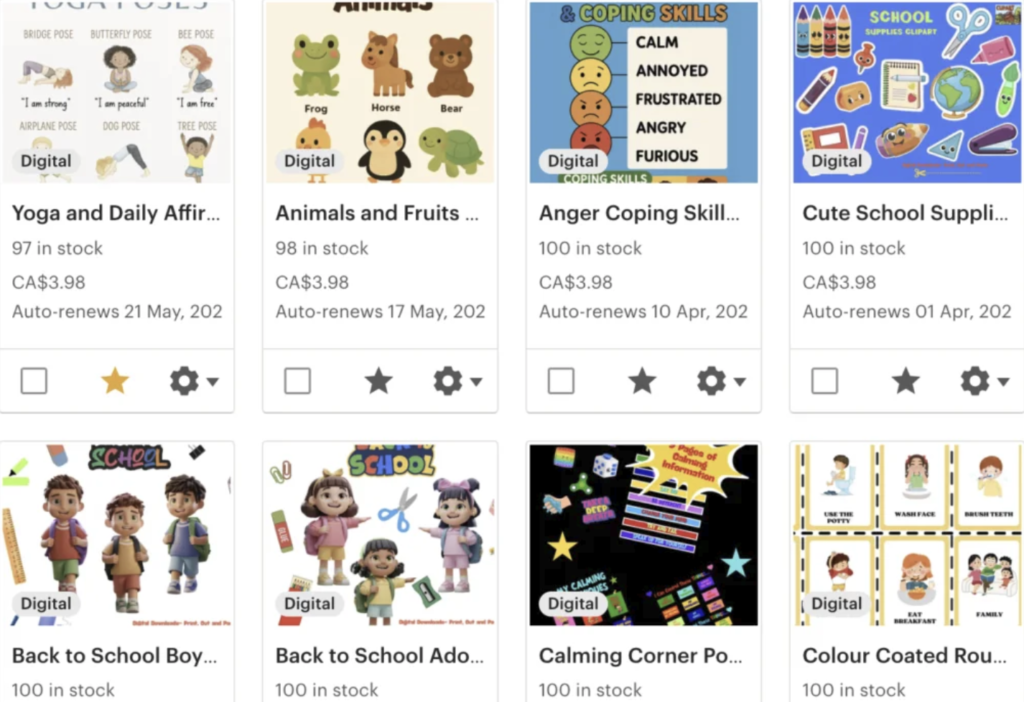
Every home can benefit from a designated spot where anyone can go to decompress. This isn’t a punishment zone; it’s a sanctuary. Think of it as a cozy nook with soft pillows, maybe some books, drawing supplies, or sensory items like a squishy ball. The idea is to give kids (and parents!) a place to retreat when feelings get too big. It’s a proactive tool, not a reactive one. It teaches them that it’s okay to step away and regulate themselves before things escalate. Having a well-stocked calm down corner can be a game-changer.
Incorporating Playful Learning into Emotional Regulation
Who says learning about feelings has to be serious? We can make it fun! Games, stories, and even silly songs can help children understand and manage their emotions. For instance, you could play a game where you all make faces showing different feelings, or read books that explore characters dealing with big emotions. You might even try “feeling charades.” When we approach emotional learning with a sense of play, kids are more likely to engage and absorb the lessons without feeling lectured. It makes the whole process feel less like a chore and more like an adventure in understanding themselves and others.
The Importance of Self-Care for Parents
Okay, let’s talk about something that often gets pushed to the very bottom of the to-do list: taking care of yourself. It sounds almost selfish, right? Like, how can you possibly have time for a bubble bath or a quiet coffee when there are snacks to make, laundry to fold, and tiny humans demanding your attention 24/7? But here’s the thing: you can’t pour from an empty cup. Prioritizing your own well-being isn’t a luxury; it’s a necessity for effective parenting. When you’re running on fumes, every little thing feels like a crisis, and your patience wears thinner than a well-loved t-shirt. This impacts not just you, but your kids too. They pick up on your stress, and it can make their own behavior more challenging. It’s a cycle, and breaking it starts with you.
Prioritizing Parental Well-being for Effective Parenting
Think of yourself as the engine of your family’s car. If the engine overheats or breaks down, the whole car stops. You need to make sure your engine is running smoothly. This means actively looking for ways to recharge your batteries, even if they’re just small moments. It’s about recognizing that your needs matter, and meeting them allows you to be more present and patient with your children. When you feel more balanced, you’re better equipped to handle the daily ups and downs of parenting. It’s not about being perfect; it’s about being present and capable.
Strategies for Managing Parental Overwhelm
Feeling overwhelmed is a common experience for parents. It’s that feeling of being swamped by demands and responsibilities. Here are a few ideas to help manage those feelings:
- The ‘Pause’ Button: When you feel yourself getting stressed, take a moment. Just stop. Breathe. This simple act can prevent an overreaction.
- Micro-Moments of Calm: You don’t need hours. Try a one-minute meditation, a quick stretch, or just stepping outside for fresh air. Even 60 seconds can make a difference.
- Ask for What You Need: Whether it’s help from your partner, a listening ear from a friend, or just a few minutes of quiet, learn to communicate your needs clearly. Sometimes, just saying it out loud helps.
- Schedule ‘You’ Time: Even if it’s just once a week, block out time for something you enjoy. This could be reading, a hobby, or meeting a friend. It’s about dedicating quality time to yourself.
When you’re constantly giving, it’s easy to forget that you need replenishment too. Think about what truly recharges you, not what you think you should be doing. It’s about finding what works for you.
The Connection Between Parental Calm and Child Regulation
It’s pretty amazing how much our own emotional state affects our children. When you’re calm and regulated, your children are more likely to feel calm and regulated too. They look to you as a model for how to handle emotions. If you’re constantly frazzled, they learn that’s the norm. But if you can manage your own stress and respond to challenges with a calmer demeanor, you’re teaching them valuable skills. This creates a more peaceful atmosphere at home for everyone. It’s a powerful way to support your child’s emotional well-being and build a stronger connection.
Shifting Your Mindset for Lasting Change
Changing how you think about parenting, and about your kids, is a big part of making things calmer at home. It’s not just about using new techniques; it’s about seeing things differently. This shift takes time, and honestly, it’s a process. You’re not going to be perfect, and that’s okay. The goal is progress, not perfection.
Reframing Challenging Behaviors with Compassion
When your child is acting out, it’s easy to jump to conclusions. You might think they’re being difficult on purpose, or that they’re trying to push your buttons. But what if you tried looking at it from a different angle? What if their behavior is just a signal that they’re struggling with something? Maybe they’re tired, hungry, overwhelmed, or just don’t have the words to express what they’re feeling. Thinking of their actions as communication, rather than defiance, can really change how you respond. Instead of seeing a tantrum as a power struggle, see it as a child needing help to manage big emotions. This doesn’t mean you let bad behavior slide, but it changes your internal reaction, making it easier to respond calmly. It’s about giving them the benefit of the doubt, even when it’s hard.
Focusing on Connection Over Correction
It’s natural to want to correct behavior that you don’t like. We’re often taught that discipline means punishment or making sure kids learn their lesson. But what if the most effective way to change behavior is by building a stronger connection first? When kids feel seen, heard, and understood, they are more likely to cooperate and regulate themselves. Think about it: when you feel connected to someone, you’re more willing to listen to them. The same goes for children. Prioritizing moments of connection, even small ones throughout the day, can make a huge difference. This could be a quick hug, a shared laugh, or just really listening when they talk. These moments build a foundation of trust and safety, making correction much more effective when it’s needed. It’s about building a relationship where they feel safe coming to you, even when they’ve made a mistake. This approach helps them feel secure and understood, which is key for their development. Mindful parenting is all about this connection.
Celebrating Small Wins in Your Parenting Journey
Let’s be real, parenting is tough. There will be days when you feel like you’re failing, and days when you feel like you’ve got it all figured out. It’s important to acknowledge both. Instead of only focusing on the times things go wrong, make an effort to notice and celebrate the small victories. Did you manage to pause before reacting to a meltdown? Did you have a calm conversation instead of yelling? Has your child used a coping skill you taught them? These are all wins! Keeping a mental note, or even a quick journal entry, of these positive moments can help shift your perspective. It reminds you that you are making progress, even if it feels slow. This positive reinforcement for yourself is just as important as encouraging your child. It helps build your own resilience and keeps you motivated on this journey. Remember, you are learning and growing right alongside your children. It’s a continuous process of figuring things out, and every small step forward counts.
Keep Practicing, Keep Connecting
So, we’ve talked a lot about staying calm when things get hectic at home. It’s not always easy, right? There will be days when you feel like you’ve got it all figured out, and then there will be days when you just want to hide in the pantry with a bag of chips. That’s totally normal. The goal here isn’t to be a perfect parent, because honestly, that doesn’t exist. It’s about making progress, one deep breath at a time. Remember to be kind to yourself, celebrate the small wins, and keep showing up for your kids with patience and love. This journey of calm parenting is ongoing, and the most important thing is that you’re trying. Your efforts are making a difference, building a stronger, more peaceful connection with your family.
Frequently Asked Questions
What does it mean to ‘understand my triggers’ as a parent?
It means figuring out what makes you feel extra frustrated or angry when you’re parenting. Maybe it’s when your child won’t listen, or when things get messy. Knowing these things helps you prepare and react in a calmer way instead of just getting upset.
How can I use ‘the pause’ when I feel like yelling?
The pause is like hitting a mini-pause button before you react. When you feel yourself getting mad, stop for a few seconds. Take a deep breath. This little break gives your brain time to think instead of just reacting, helping you choose a calmer response.
What are some simple ways to help my child calm down?
You can teach them to take deep breaths, like blowing bubbles. Having a special ‘calm down corner’ with soft things or books can also help. The key is to show them these tools when they are already calm, so they know what to do when they get upset.
Why is self-care important for parents?
When parents take care of themselves, they have more energy and patience. It’s like filling your own cup so you have more to give. If you’re constantly drained, it’s harder to stay calm and handle tough parenting moments.
How can I create a more peaceful home environment?
Having regular routines helps kids know what to expect, which can reduce meltdowns. Making sure there’s a calm space where kids can go when they need a break is also great. Playing games that teach feelings can make learning about emotions fun too.
What if I still lose my temper sometimes?
It’s okay! No parent is perfect. The goal is progress, not perfection. When you mess up, apologize to your child. Then, try to learn from it and keep practicing those calm strategies. Every little step you take makes a difference.


Ms. Kerri’s Corner provides a exciting virtual space for preschool learning. Through a variety of engaging activities, she exposes young minds to early math, literacy, science and social-emotional skills in a developmentally appropriate way. Centers for blocks, art, books and music allow children to explore hands-on learning at their own pace. Guided lessons subtly introduce number sense, letter sounds and narrative thinking. Careful observation gives insight into each child’s progress across domains. Viewers are also invited to participate, reinforcing that their ideas are valued. By making learning fun yet purposeful, Ms. Kerri lays the groundwork for future academic success while fostering creativity and imagination. Her program offers preschoolers valuable screen-based learning experiences.