Your Child’s Quirks Are Their Superpowers
Sometimes our kids do things that seem a little… different. They might get really focused on one toy, or get upset by loud noises, or have really big feelings. It’s easy to wonder if these child quirks are something to worry about. But what if those unusual behaviors are actually signs of something amazing? What if they’re the beginnings of real superpowers, unique personality traits that will help them shine? This article is all about looking at those special traits through a different lens, using strengths based parenting to help your child see their own amazing abilities.
Key Takeaways
- Child quirks, like intense focus or sensitivity, can be seen as strengths, not problems.
- Strengths based parenting means focusing on what your child does well, not just what’s challenging.
- Understanding your child’s unique personality traits helps you support them better.
- Preschool behavior that seems odd might just be a sign of a developing superpower.
- Helping your child see their own strengths builds their confidence.
Embracing the Oddball: Why Different Is Delightful
Unpacking Those Peculiar Preschool Behavior Patterns
Let’s be honest, sometimes our little ones do things that make us scratch our heads. You know, the kid who insists on lining up all the toy cars by color, or the one who can’t stand the seams on their socks. These aren’t just random acts of toddler weirdness; they’re often the early whispers of unique ways of thinking and experiencing the world. Instead of seeing these as problems to be fixed, what if we saw them as fascinating clues? These aren’t glitches in the system; they’re features. Think about it: that intense need for order might just be the precursor to incredible organizational skills later on. The sock-seam sensitivity? That could be a sign of a finely tuned awareness of their surroundings. It’s about shifting our perspective from ‘what’s wrong here?’ to ‘what’s interesting about this?’ This shift can be a game-changer for how we interact with our children and how they feel about themselves. It’s a journey many families are on, and finding shared experiences can be incredibly helpful navigating neurodiversity.
From ‘Weird’ to Wonderful: Reframing Child Quirks
We’ve all been there, haven’t we? That moment when your child does something so… different… that you instinctively brace for judgment. Maybe it’s the way they talk to their stuffed animals like they’re actual people, or their insistence on wearing a superhero cape to the grocery store. Society often labels these behaviors as ‘weird,’ but ‘weird’ is just a label for something we don’t quite understand yet. What if we replaced ‘weird’ with ‘unique’? Or ‘quirky’ with ‘creative’? This simple reframing is powerful. It acknowledges that our children aren’t trying to be difficult; they’re simply being themselves, often in ways that are more complex and interesting than we initially realize. That elaborate imaginary world they inhabit? That’s not just playtime; it’s a testament to their imaginative capacity. The intense focus on a particular topic, to the exclusion of all else? That’s the seed of deep expertise. It’s about recognizing that the things that make them stand out are often the very things that will make them shine.
The Secret Sauce of Strengths-Based Parenting
So, how do we actually do this reframing thing? It’s all about adopting a strengths-based approach. Instead of constantly trying to correct perceived flaws, we actively look for and celebrate what our children are good at, even if those strengths manifest in unconventional ways. This means paying attention. Really paying attention. What lights them up? What do they gravitate towards, even when no one is prompting them? It’s about seeing their quirks not as obstacles, but as indicators of their unique talents. For example, a child who struggles with group activities might be an absolute whiz at independent problem-solving. A child who is very particular about their routine might be incredibly reliable and detail-oriented. This approach isn’t just about making our kids feel good; it’s about building a foundation of self-belief that will serve them throughout their lives. It’s about recognizing that neurodivergent individuals often possess incredible abilities celebrating neurodiversity.
The Superpowers Lurking in Your Little Legend
Sometimes, it feels like our kids have a secret stash of extraordinary abilities, doesn’t it? We see them get completely absorbed in something, or notice how they react to the world in ways we just don’t. These aren’t just random behaviors; they’re often the early signs of incredible strengths. Think of them as their own personal, temporary superpowers that might just fade as they grow up, so it’s worth paying attention to them now. These abilities are a fascinating aspect of childhood development.

Hyperfocus: The Laser Beam of Concentration
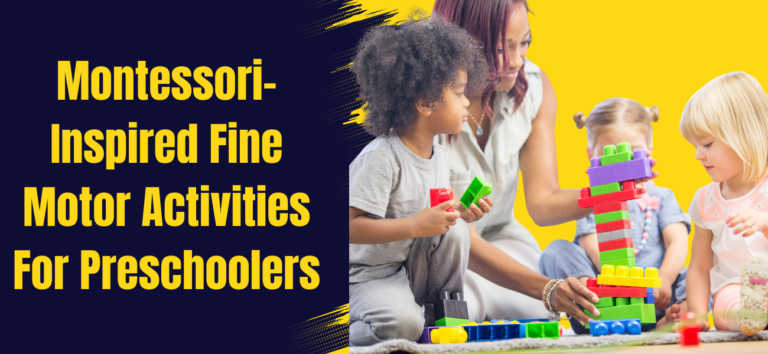
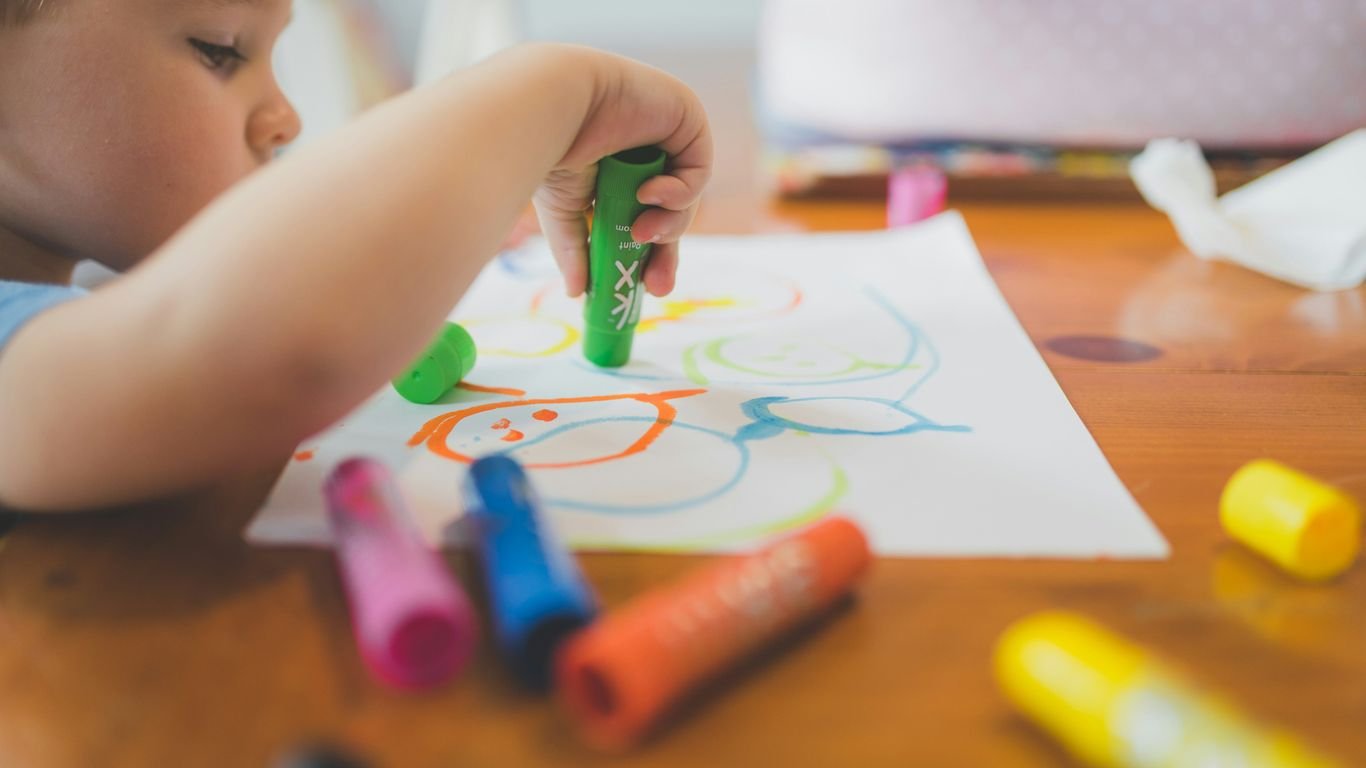
Ever watched your child get so into building a Lego castle or drawing a picture that the rest of the world just disappears? That’s hyperfocus, and it’s a seriously cool superpower. It’s that intense, laser-like ability to zero in on a task, shutting out distractions like a pro. For kids, this can mean they spend hours on something they love, learning and creating without even realizing time is passing. It’s not just stubbornness; it’s a deep well of concentration that can lead to amazing things.
Sensory Sensitivity: A World of Nuance
Some kids seem to experience the world with a super-charged sensory system. The tag on a shirt feels like sandpaper, a loud noise makes them jump, or the texture of certain foods is just a no-go. This isn’t being difficult; it’s a heightened awareness of their surroundings. They pick up on details others miss – the subtle shift in someone’s mood, the faint smell of rain, the way light hits a surface. This sensitivity can make them incredibly empathetic and observant, seeing and feeling the world in a way that’s rich with detail.
Intense Emotions: The Passionate Powerhouse
When kids with intense emotions feel something, they really feel it. Joy is ecstatic, sadness is profound, and frustration can be a full-blown storm. While it can be challenging to manage, this intensity is also a sign of a deeply feeling, passionate individual. They approach life with a fire that can be channeled into incredible drive and determination. This passion is the engine that can power their future achievements.
These unique ways of experiencing and interacting with the world are not flaws to be fixed, but rather unique lenses through which your child perceives and engages with life. Recognizing and appreciating these differences is the first step toward helping them thrive.
It’s amazing how these traits, often seen as just ‘quirks,’ are actually the building blocks of incredible strengths. Understanding these superpowers helps us see our children not just as kids, but as little legends in the making, each with their own special way of shining. It’s about appreciating their unique way of being in the world, which can be a powerful advantage. By understanding how and when to leverage these distinctive traits, you can help them establish a special niche for themselves.
Turning Quirks into Character Strengths
Nurturing Unique Personality Traits
So, your kiddo has a thing for lining up all the toy cars by color, or maybe they can talk your ear off about the mating habits of dung beetles for hours? Instead of sighing and thinking, ‘Oh, that’s just them,’ let’s reframe this. These aren’t just odd habits; they’re the raw materials for some seriously cool character strengths. Think of it like this: that intense focus on the car colors? That’s the foundation for meticulous attention to detail, a trait that’ll serve them well whether they’re dissecting a frog in biology or debugging code later on. And the dung beetle expert? That’s a budding passion for deep research and a willingness to explore subjects others might find, well, a bit niche. We’re talking about cultivating the unique spark that makes your child, your child. It’s about seeing the potential in the peculiar, the promise in the peculiar. It’s about recognizing that what might seem like a distraction or an eccentricity is actually a sign of a developing, distinct personality. We want to help these traits blossom, not get pruned back into conformity. It’s about finding those character quirks that make them shine.
Leveraging Child Quirks for Growth
Okay, so we’ve identified the ‘superpowers.’ Now what? It’s time to put them to work, gently. If your child has an amazing memory for facts but struggles with group projects, don’t just tell them to ‘be more social.’ Instead, find ways to integrate their strength. Maybe they can be the designated fact-checker for the group, or the one who remembers all the key dates for a history presentation. This isn’t about forcing them into a mold; it’s about finding opportunities where their natural inclinations can shine and contribute. Think about how a child who loves to organize can help plan a family outing, or how a child who’s incredibly sensitive to sounds might be the first to notice a subtle change in a pet’s behavior. It’s about finding the sweet spot where their unique way of being meets a need or an opportunity. This approach can be incredibly effective in settings like summer camps, where structured activities can be adapted to individual strengths.
Building Confidence Through Their Superpowers
When kids see their ‘weird’ traits celebrated and used effectively, their confidence skyrockles. It’s a powerful message: ‘The things that make me different are actually good things.’ Imagine a child who is always asking ‘why’ about everything. Instead of getting frustrated, a parent might respond with, ‘That’s a great question! Let’s find out together.’ This validates their curiosity and turns it into a shared learning adventure. When their unique abilities are acknowledged and appreciated, they start to see themselves not as odd, but as capable and special. This positive self-perception is the bedrock of resilience and self-esteem. It’s about showing them that their individuality isn’t a bug; it’s a feature.
The goal isn’t to eliminate what makes a child different, but to help them understand and appreciate those differences. When we do that, we give them the tools to navigate the world with a strong sense of self, turning potential challenges into genuine advantages. It’s about building them up, not smoothing them out.
Here’s a quick look at how different traits can translate:
| Quirk Example | Potential Strength | How to Nurture |
|---|---|---|
| Obsessive interest in a specific topic | Deep knowledge, passion | Provide resources, encourage sharing |
| High energy, constant movement | Stamina, enthusiasm | Channel into physical activities, sports |
| Sensitivity to textures | Detail-oriented, empathetic | Encourage art, fine motor tasks, noticing subtle cues |
| Intense focus on rules | Organized, fair | Assign roles requiring structure, discuss fairness |
| Vivid imagination | Creativity, problem-solving | Storytelling, imaginative play, brainstorming |
This process is about more than just acknowledging differences; it’s about actively cultivating them into assets that will serve your child throughout their life. It’s a journey of discovery, for both of you.
Navigating the World with Your Wonder Child
So, your kiddo marches to the beat of their own drum, huh? Maybe they get really into one thing, or perhaps the world feels a bit too loud sometimes. That’s not a bug, it’s a feature! Helping them figure out how to exist in a world that doesn’t always get it can be tricky, but it’s also where some of their greatest strengths start to shine. It’s about helping them find their people and their place, even if it looks a little different than the usual path.
Social Skills: The Art of the Quirky Connection
Let’s be real, making friends can be tough. For kids who see the world through a unique lens, it can feel like trying to solve a puzzle with pieces from a different box. They might not always pick up on social cues the way others do, or they might have a very specific way they like to interact. Instead of pushing them to be someone they’re not, let’s think about how their particular way of being can actually help them connect. Maybe their intense interest in dinosaurs means they can bond with another dino-lover over shared facts, or their quiet observation skills mean they notice when someone else is feeling left out. It’s about finding those shared sparks and building from there. Sometimes, it just takes a little help to translate their unique communication style into something others can understand. We’re not aiming for them to be the life of the party if that’s not their jam; we’re aiming for them to find genuine connections where they feel seen and accepted. Helping them understand social rules, not to conform, but to navigate, is key. Think of it as giving them a map for a territory that feels a bit foreign.
- Identify their social comfort zone: Are they happier with one-on-one play or small groups?
- Practice social scenarios: Role-play common situations, like joining a game or sharing a toy.
- Highlight their unique social contributions: Did they notice someone was sad? Did they share a cool fact that made someone laugh?
Sometimes, the most profound friendships blossom from the most unexpected soil. It’s about finding kindred spirits who appreciate the unique melody your child dances to.
Academic Adventures: Unleashing Their Inner Genius
School can be a minefield for kids who don’t fit the mold. But what if their ‘quirks’ are actually the secret ingredients to academic success? That intense focus that can make them seem a bit zoned out? That’s a superpower for deep learning. Their unique way of thinking might mean they solve problems in ways no one else has considered. Instead of forcing them into a one-size-fits-all learning style, let’s figure out how their brain actually works best. Do they need to move while they learn? Do they thrive with visual aids? Can they spend hours researching a topic that fascinates them? These aren’t distractions; they’re pathways to knowledge. We want to help them see that their way of learning is not just valid, but incredibly powerful. It’s about finding the right environment and the right tools to let their brilliance shine. This might mean talking to teachers about accommodations or finding extracurricular activities that feed their specific passions. Supporting their learning is about meeting them where they are and helping them soar.
Everyday Life: Making the Most of Their Superpowers
Life outside of school is where those quirks really get to play. Think about the child who needs to organize everything just so, or the one who can’t stand the tag in their shirt. These aren’t just annoyances; they’re often indicators of how they process the world. That need for order can translate into amazing organizational skills later on. That sensory sensitivity might mean they have a keen eye for detail or a deep appreciation for art and music. The trick is to work with these traits, not against them. If they need quiet time after a busy day, build that into the schedule. If they have a specific way they like their food arranged, maybe it’s not worth the battle. It’s about creating a supportive environment where their unique needs are met, allowing them to feel secure and confident. This approach helps them manage the world on their terms, reducing stress for everyone. It’s about finding practical solutions that honor their individuality, turning potential challenges into everyday triumphs. Helping them develop coping strategies for overwhelming situations is also a big part of this. Navigating friendship difficulties can be part of this everyday learning process.
- Create sensory-friendly spaces: Designate a quiet corner or provide noise-canceling headphones.
- Establish predictable routines: Knowing what to expect can reduce anxiety.
- Offer choices within limits: Give them a sense of control over their environment.
- Celebrate their unique contributions: Acknowledge when their specific skills or perspectives make a difference.
The Parent’s Role: Your Strengths-Based Sidekick

Okay, so you’ve noticed your kiddo does things a little… differently. Maybe they line up their dinosaurs by color, or perhaps they get really into a specific topic for weeks on end. It’s easy to get caught up in the “normal” way of doing things, but honestly, that’s where the magic often gets lost. Your job, as the chief sidekick in this adventure, isn’t to “fix” these quirks, but to see them for what they are: potential superpowers waiting to be activated. It’s about shifting your perspective from “what’s wrong here?” to “what’s amazing about this?”
Spotting the Sparkle in Your Child’s Quirks
Think of yourself as a detective, but instead of solving crimes, you’re uncovering your child’s unique talents. That intense focus your child has? That’s not just stubbornness; it’s the ability to concentrate like a laser. The way they notice tiny details others miss? That’s a superpower for observation. Even those big emotional reactions can be a sign of deep passion and empathy. It’s about looking past the surface-level behavior and seeing the incredible potential underneath. This approach is all about recognizing and building upon what your child does well, which is a core idea behind strengths-based interventions.
Strategies for Fostering Their Superpowers
So, how do you actually do this? It’s not about grand gestures, but small, consistent actions.
- Observe and Acknowledge: Really watch what your child enjoys and excels at. Don’t just say “good job,” but be specific. “I love how you noticed the pattern in those leaves!”
- Provide Opportunities: If your child loves building, give them more building blocks. If they’re fascinated by bugs, get them a magnifying glass and some nature books.
- Connect with Their Interests: Show genuine interest in what they’re passionate about. Ask questions, do activities together related to their interests. This validates their unique way of seeing the world.
- Model Strengths-Based Thinking: Talk about your own strengths and how you use them. Show them that everyone has unique talents.
It’s easy to get bogged down by the challenges, the meltdowns, the social awkwardness. But when you actively look for the strengths, you start to see a different child. A child who is capable, creative, and has a unique way of contributing to the world. This shift in focus can change everything for both of you.
Celebrating Every Little Victory
Don’t wait for huge achievements. Celebrate the small wins. Did your child use their intense focus to finish a puzzle? Awesome! Did their sensitivity help them comfort a friend? Fantastic! These moments are the building blocks of confidence. When you consistently acknowledge and celebrate their unique abilities, you’re not just praising them; you’re teaching them to value their own individuality. This positive reinforcement helps them understand that their quirks aren’t just acceptable, they’re actually their greatest assets. For parents looking to support their neurodivergent children in school, understanding and celebrating these differences is key to creating a positive learning environment.
As a parent, you’re already a superhero! Think of yourself as your child’s ultimate sidekick, using your unique talents to help them shine. Discover how to tap into your strengths and be the best support system possible. Ready to unlock your parenting superpowers? Visit our website to learn more!
Frequently Asked Questions
What exactly are ‘quirks’ in kids, and why should I care about them?
Think of quirks as those little things that make your child unique – maybe they line up their toys a certain way, have super-intense interests, or react strongly to certain sounds. Instead of seeing them as odd, these quirks are actually signs of special talents or ways of seeing the world. Paying attention to them helps you understand your child better and helps them feel good about being themselves.
My child gets really focused on one thing. Is that a problem?
Not at all! That intense focus, sometimes called hyperfocus, is like a superpower. It means they can concentrate deeply on something they love, which can help them learn a lot and become really good at it. It’s like having a laser beam for attention when they’re doing something interesting.
My child is very sensitive to noise or textures. How can I help them?
Being sensitive to things like loud noises or scratchy clothes means your child experiences the world with more detail. It’s like having super-senses! You can help by creating a calm environment when possible, offering choices in clothing, and letting them know it’s okay to feel overwhelmed sometimes. Understanding their sensitivity is key.
How can I help my child’s unique traits become strengths instead of challenges?
It’s all about how you look at it. If your child is really passionate about something, encourage that! If they’re a bit shy, help them find ways to connect that feel comfortable. When you focus on what they’re good at and what makes them special, they start to see those things as strengths, which builds their confidence.
What if my child struggles with making friends because they’re different?
Sometimes, kids who are a bit quirky might find social situations tricky. Help them by finding other kids who share their interests, or practice social skills in low-pressure ways. Remind them that being different is cool and that true friends will like them for who they are. It’s about finding their ‘people’.
As a parent, how can I best support my child’s quirks?
Your job is to be their biggest fan! Watch for those special things they do and celebrate them. Create opportunities for them to use their unique talents. Be patient, offer understanding, and let them know you love their individuality. When you see their quirks as awesome, they will too.


Ms. Kerri’s Corner provides a exciting virtual space for preschool learning. Through a variety of engaging activities, she exposes young minds to early math, literacy, science and social-emotional skills in a developmentally appropriate way. Centers for blocks, art, books and music allow children to explore hands-on learning at their own pace. Guided lessons subtly introduce number sense, letter sounds and narrative thinking. Careful observation gives insight into each child’s progress across domains. Viewers are also invited to participate, reinforcing that their ideas are valued. By making learning fun yet purposeful, Ms. Kerri lays the groundwork for future academic success while fostering creativity and imagination. Her program offers preschoolers valuable screen-based learning experiences.