How to Raise Confident Kids: Proven Strategies for Building Self-Esteem
Want your kids to feel good about themselves? It’s a common goal for parents, but honestly, figuring out how to raise confident kids can feel like a puzzle. So many of us didn’t have that strong sense of self growing up, and now we’re trying to break those patterns. We’re bombarded with advice, and it’s easy to feel lost. This article breaks down simple, real-world ways to help your children build a solid inner belief in themselves, starting today.
Key Takeaways
- Build your child’s self-esteem by encouraging them to learn new skills and praising their effort, not just the outcome.
- Be a positive example by showing your own confidence and handling everyday tasks with a good attitude.
- Create a safe space by setting clear boundaries and avoiding harsh criticism, focusing instead on patience and redirection.
- Help children develop a strong sense of self by letting them make choices and contribute to the family, trusting their judgment.
- Guide your kids through modern challenges like technology and media by teaching them to be smart consumers and to value their own worth over external opinions.
Understanding the Foundation of Confidence

Building confidence in our kids isn’t about teaching them to be the loudest or the best at everything. It’s more about helping them develop a solid sense of who they are, deep down. This inner feeling of worth is what we call self-esteem, and it’s the bedrock upon which true confidence is built. It’s that quiet knowing that they are okay, just as they are, regardless of what’s happening around them.
Defining Self-Esteem for Children
Think of self-esteem as a child’s personal narrative about themselves. When a child has healthy self-esteem, their story about their own worth comes from within. They aren’t constantly looking for approval or worrying too much about what others think. This internal compass allows them to stand firm in their decisions and trust their own judgment. It’s about having autonomy in their sense of worth, using their own values to define themselves rather than relying on outside opinions or achievements. This is a key part of helping children feel good about themselves.
The Internal Source of Self-Worth
Where does this inner sense of worth come from? It’s not usually tied to getting perfect grades or winning every game. Instead, it grows from experiences where children feel seen, heard, and valued for who they are. It’s in the effort they put into learning a new skill, the way they show kindness to a friend, or even how they handle a mistake. These moments, when acknowledged and supported, help children build a strong internal foundation. They learn that their value isn’t conditional.
How Our Own Confidence Impacts Our Children
It might sound a bit backward, but a big part of raising confident kids starts with us. Our own confidence, or lack thereof, sends powerful messages to our children. If we’re constantly critical of ourselves, or if we seem unsure of our own decisions, our kids pick up on that. They might start to believe that self-doubt is normal or that they, too, should be worried about not measuring up. Shifting our own perspective and working on our own self-compassion can be one of the most effective ways to model confidence for our children. It’s about asking ourselves, “How should I be to raise confident kids?” rather than getting lost in a sea of “what to do” strategies. When we embody confidence and self-acceptance, we give our children a living example to follow. This is why parental self-awareness is so important.
Practical Strategies for Nurturing Self-Esteem

Building a strong sense of self-worth in your kids isn’t about grand gestures; it’s often in the small, consistent actions you take every day. It’s about creating an environment where they feel capable, valued, and secure in who they are. This section focuses on actionable ways to help your children develop that inner confidence.
Encouraging Skill Development and Effort
Kids naturally want to learn and do things for themselves. When they master a new skill, whether it’s tying their shoes, reading a chapter book, or figuring out a new video game, it’s a huge boost to their confidence. Your role here is to support their learning process. Start by showing them how, then let them try, even if they stumble a bit. Mistakes are just part of learning, after all. The key is to encourage them to keep trying and celebrate the effort they put in, not just the perfect outcome. This helps them understand that persistence is valuable.
- Break down new tasks into smaller steps. This makes them feel less overwhelming.
- Provide opportunities for practice. Repetition builds mastery.
- Offer gentle guidance when they get stuck. Avoid taking over completely.
It’s easy to want to jump in and fix things for our kids when they’re struggling, but letting them work through challenges, with our support, is where real growth happens. This builds their belief in their own ability to handle things.
The Power of Honest and Specific Praise
We all like to be recognized for our hard work, and kids are no different. But not all praise is created equal. Vague compliments like “Good job!” can feel a bit hollow. Instead, try to be specific about what you’re noticing. Did they work really hard on a drawing? Tell them, “I can see how much time and effort you put into coloring those details.” Did they finally manage to ride their bike without training wheels? Say, “I’m so proud of how you kept practicing and didn’t give up, even when you fell.” This kind of feedback helps them understand what they did well and encourages them to repeat those positive actions. It’s about acknowledging their process and dedication, which is a big part of building self-esteem and resilience.
Focusing on Strengths and Positive Experiences
It’s natural for kids (and adults!) to sometimes dwell on what went wrong. Help your children shift their focus by highlighting what they’re good at and what they enjoy. If your child loves building with blocks, give them more opportunities to do that. If they’re a great listener, acknowledge that. When they’re feeling down about something, gently guide them to think about something positive that happened that day. You could even make it a nightly ritual: each person shares three good things that happened. This trains their brain to look for the good, both in themselves and in their surroundings.
The Role of Modeling and Behavior
Kids are always watching, even when we don’t think they are. What we do, how we react, and the effort we put into things really matters. It’s like they have a built-in radar for our actions, picking up on everything from how we handle a tough day to the way we talk about ourselves.
Being a Positive Role Model in Daily Tasks
Think about everyday chores, like making dinner or tidying up. When you tackle these tasks with a decent attitude, your kids notice. They see that putting effort into things, even small ones, is just part of life. It teaches them that homework, cleaning their room, or even making their bed is worth doing right. It’s not just about finishing, but about taking a little pride in the job. When you don’t grumble through your to-do list, your kids are more likely to do the same. This kind of modeling is a quiet but powerful way to show them how to approach responsibilities. It’s about showing up and doing the work, day in and day out.
Avoiding Criticism and Fostering Patience
It’s so easy to focus on what our kids get wrong. But constantly pointing out mistakes can really chip away at their confidence. Instead of harsh words, try a gentler approach. When they mess up, focus on what you’d like them to do next time. Sometimes, just showing them how is the best way to help. Patience is key here. We all make mistakes, and our kids need to see that we can correct them without making them feel like failures. It’s about guiding them, not shaming them. This approach helps build their resilience and trust in you.
Cultivating Healthy Friendships
Friendships are a big part of a child’s world, and the kind of friends they choose can really shape how they see themselves. Teach your kids that good friends are the ones who treat them well and build them up. It’s important for them to steer clear of people who put others down. Help them find friends they can be their true selves around, friends who make them feel okay about who they are. And just as importantly, encourage them to be that kind of supportive friend to others. This helps them understand healthy relationships and builds their own sense of worth within a social context. Learning to be a good friend is a skill that helps them feel more connected and confident in their social circles. How parents influence children can be significant in this area.
Navigating Modern Challenges
It feels like we’re raising kids in a whole new world, doesn’t it? Things our parents didn’t have to worry about are now everyday stuff for us and our children. We’ve got screens everywhere, and messages about what kids ‘should’ be like are coming at them from all sides. It can be a lot to handle, and it’s totally normal to feel a bit lost sometimes.
Setting Boundaries for a Secure Environment
Think of boundaries like the walls of a safe house. They protect our kids and let them know what’s okay and what’s not, both in how we treat them and how others treat them. This is especially important when it comes to things like body image or food. If we constantly comment on what our kids eat or how they look, they start to think that’s what matters most. We can decide that in our home, we don’t shame food choices or make comments about weight. It’s about creating a space where they feel accepted, no matter what.
- Don’t shame food choices.
- Avoid comments on appearance.
- Focus on health and well-being, not just looks.
Setting these limits also shows our kids how to stand up for themselves and what they believe in. It’s a quiet way of teaching them confidence.
Guiding Children Through Technology and Media
Technology is a big one. It’s not going away, so we can’t just pretend it doesn’t exist. Instead, we need to teach our kids how to use it wisely. When they’re little, we can be right there with them, like on the first step of a ladder. As they get older, they’ll climb higher, and we need to have talked with them along the way. It’s about helping them understand that not everything they see online is real and that comparing themselves to others is a trap. We can talk about ads and how they try to make us feel. It’s not about banning everything, but about building their ability to think for themselves and make good choices. We can help them develop their own media literacy.
We can’t shield our kids from the digital world forever, but we can equip them with the tools to navigate it safely and confidently. This means open conversations and consistent guidance, not just restrictions.
Addressing Body Image and Societal Pressures
Kids today are bombarded with images of what they’re ‘supposed’ to look like. It’s tough because, as humans, we naturally want to fit in. When those images don’t match our reality, it’s easy to feel like we’re not good enough. This happens to our kids too. If they feel they don’t measure up to what society or even we expect, they can start to doubt themselves. We need to be mindful of the messages we send, both directly and indirectly. Focusing on effort, kindness, and inner qualities rather than just appearance can make a huge difference. Remember, building confidence starts young, and positive messages about self-worth are key.
Empowering Children Through Autonomy
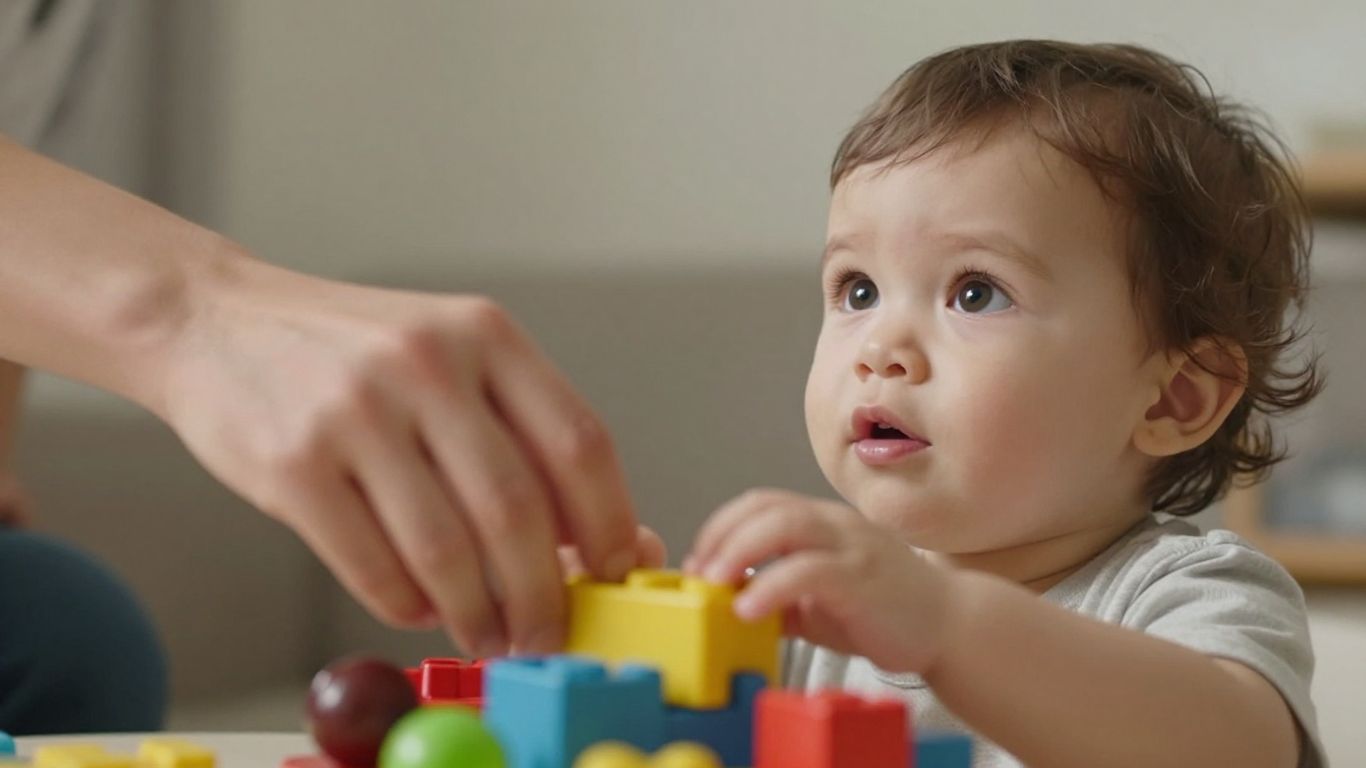
Giving kids the space to make their own choices and contribute is a big part of helping them feel good about themselves. It’s not just about letting them pick out their own clothes (though that’s a start!). It’s about showing them that their opinions matter and that they can handle responsibility.
Allowing Children to Help and Contribute
When kids get to help out, whether it’s with chores around the house or a small project at school, they see that their actions have an impact. This feeling of being useful is a real confidence booster. It tells them, “Hey, I can do things that matter to others!” This is a great way to build up their sense of self-worth. Think about simple tasks like setting the table, helping a younger sibling with a toy, or even just tidying up their own play area. These aren’t just tasks; they’re opportunities for kids to feel capable and valued. It’s about recognizing that their contributions, no matter how small they seem to us, are significant to them and to the family or group.
Fostering Decision-Making Skills
Letting kids make decisions, even small ones, helps them learn to trust their own judgment. It’s a skill that grows with practice. Start with simple choices: “Do you want to wear the blue shirt or the red one?” or “Should we read this book or that one before bed?” As they get older, you can offer more complex choices. This process helps them understand consequences and learn to weigh options. It’s about giving them a roadmap for thinking through things themselves, rather than always relying on someone else to tell them what to do. This builds their ability to think independently and feel secure in their choices. We want them to be able to stand strongly in their own decisions.
Trusting Children’s Inner Judgment
This is where things get really interesting. As kids get more practice making choices, we need to start trusting that they can figure things out. It doesn’t mean letting them run wild or make dangerous choices, of course. It means stepping back a bit and letting them try. Sometimes they’ll make mistakes, and that’s okay. Mistakes are actually great learning opportunities. We can help them process what happened without making them feel like a failure. This builds their resilience and their belief in their own ability to handle life’s ups and downs. It’s about letting them develop their own internal compass, so they aren’t constantly looking outside themselves for validation. This is a key part of building lasting self-esteem and confidence. It’s about helping them develop their own sense of competence and autonomy [5c76].
When we allow children to contribute and make choices, we’re not just teaching them practical skills. We’re teaching them that they are capable, that their voice matters, and that they can trust themselves. This is the bedrock of genuine confidence.
Here’s a quick look at how different age groups can start taking on more responsibility:
| Age Group | Simple Contributions | Decision Making |
|---|---|---|
| Toddlers (1-3) | Putting toys away, helping feed pets | Choosing between two snacks, picking a book |
| Preschoolers (3-5) | Setting the table, helping with laundry | Choosing outfit, deciding on a game to play |
| Early Elementary (6-8) | Packing their own lunch (with guidance), helping with yard work | Picking an after-school activity, choosing a friend to invite over |
Putting It All Together
So, raising kids who feel good about themselves isn’t about having all the answers or being a perfect parent. It’s more about showing up, trying your best, and letting your kids see you do the same. Remember to focus on their effort, not just the wins, and to be honest with your praise. By modeling confidence yourself and creating a safe space for them to learn and grow, you’re giving them a solid foundation. It’s a journey, for sure, and there will be bumps along the way, but the goal is to help them trust themselves and know their own worth, no matter what. You’ve got this.
Frequently Asked Questions

What exactly is self-esteem and why is it important for kids?
Self-esteem is basically how much kids like and believe in themselves. It’s like an inner feeling of being good enough. When kids have good self-esteem, they feel more confident to try new things, handle challenges, and be happy with who they are. It helps them feel secure and sure of themselves, even when things get tough.
How can I help my child build confidence if they seem shy or unsure?
You can help by encouraging them to learn new skills, no matter how small. Celebrate their effort and the work they put in, not just if they win or get it perfect. Also, focus on what they’re good at and let them know you notice their strengths. Giving them chances to help out and make small decisions can also boost their confidence.
Should I always praise my child, even if they don’t do a great job?
It’s better to be honest but kind. Instead of saying they did a great job when they didn’t, praise their effort or their willingness to try. For example, you could say, ‘I saw how hard you worked on that,’ or ‘I’m proud you didn’t give up.’ This teaches them that trying is important and that you support them, even through mistakes.
How does my own confidence affect my child’s self-esteem?
Kids learn a lot by watching you. If you show confidence in yourself, handle mistakes with grace, and believe in your own abilities, your child will likely pick up on that. Your own self-talk and how you treat yourself can send powerful messages to your child about how they should view themselves.
What’s the best way to handle mistakes or failures with my child?
Mistakes are chances to learn! Instead of getting upset, help your child understand what happened and how they can do better next time. Show patience and guide them through it without making them feel bad about themselves. Frame it as a learning opportunity, not a personal failure.
How can I help my child feel good about their body and avoid comparing themselves to others, especially with social media?
Talk openly about how media often shows unrealistic images. Encourage your child to focus on what their body can do, not just how it looks. Help them understand that everyone is different and that’s a good thing. Set limits on screen time and teach them to be critical of what they see online, focusing on their own values and strengths instead of outside opinions.


Ms. Kerri’s Corner provides a exciting virtual space for preschool learning. Through a variety of engaging activities, she exposes young minds to early math, literacy, science and social-emotional skills in a developmentally appropriate way. Centers for blocks, art, books and music allow children to explore hands-on learning at their own pace. Guided lessons subtly introduce number sense, letter sounds and narrative thinking. Careful observation gives insight into each child’s progress across domains. Viewers are also invited to participate, reinforcing that their ideas are valued. By making learning fun yet purposeful, Ms. Kerri lays the groundwork for future academic success while fostering creativity and imagination. Her program offers preschoolers valuable screen-based learning experiences.