
Mastering Early Childhood Parenting Strategies: A Guide for Nurturing Growth
Parenting little ones is a wild ride, right? You’re trying to figure things out as you go, and honestly, some days are tougher than others. It’s all about learning and growing with your child. Whether you’re expecting your first or already in the thick of it, getting a handle on some solid Early childhood parenting strategies can really make a difference in creating a happy home.
Key Takeaways
- Setting up regular daily routines gives kids a sense of security and makes things easier for everyone.
- Building strong family connections through quality time and open talks helps kids feel safe and loved.
- Teaching kids to understand and manage their feelings is super important for their well-being.
- Encouraging kids to try new things and learn from mistakes helps them grow more independent.
- Remembering to take care of yourself is just as vital as taking care of your child; you can’t pour from an empty cup.
Establishing Foundational Early Childhood Parenting Strategies

Getting started with parenting little ones can feel like a big task, right? It’s all about setting up a good base for your child’s growth and your family’s well-being. Think of it like building a house – you need a solid foundation before you can add the walls and roof.
Creating Consistent Daily Routines
Kids really thrive on knowing what to expect. Having a predictable schedule for things like meals, naps, playtime, and bedtime helps them feel safe and secure. It’s not about being rigid, but more about providing a gentle rhythm to the day. This consistency can make transitions, like moving from playtime to dinner, much smoother for everyone. It also helps little ones learn to manage their own time and expectations as they get older.
- Morning Routine: Wake up, get dressed, eat breakfast.
- Afternoon Routine: Playtime, lunch, nap.
- Evening Routine: Dinner, bath, quiet play, bedtime story.
Fostering Secure Family Bonds
Your family is your child’s first world. Making sure those connections are strong and loving is super important. This means spending quality time together, even if it’s just for a few minutes each day. It could be reading a book together, playing a simple game, or just talking about your day. These moments build trust and make your child feel deeply loved and connected. Building trust is key here.
The simple act of being present, without distractions, can make a huge difference in how secure your child feels. It shows them they are a priority.
Practicing Mindful Parenting Techniques
Mindful parenting is about being fully present with your child. It means paying attention to what’s happening right now, without getting too caught up in worries about the past or future. When you’re mindful, you can really tune into your child’s needs and emotions. This doesn’t mean you have to meditate for hours; it can be as simple as taking a few deep breaths before responding to a tantrum or really listening when your child talks to you. It helps you react with more calm and understanding, which is good for both of you. It’s about connecting with your child in the moment, supporting positive parenting through your actions.
Nurturing Emotional Growth and Resilience
Kids go through a lot, and helping them figure out their feelings is a big part of growing up. It’s not just about them being happy all the time; it’s about equipping them to handle the tough stuff too. This means teaching them to understand what they’re feeling and why, and then giving them tools to manage those feelings in a healthy way. When children can identify and express their emotions, they’re better prepared to face life’s inevitable bumps.
Developing Emotional Intelligence
Emotional intelligence is basically a child’s ability to understand their own feelings and the feelings of others. It’s like having a built-in emotional compass. We can help this by talking about feelings openly. When your child is upset, instead of just saying ‘stop crying,’ try to figure out what’s making them sad or angry. Naming the emotion – ‘You seem really frustrated because your tower fell down’ – is a big step. This helps them build self-awareness and empathy.
Here are some ways to build emotional intelligence:
- Talk about feelings: Use books, stories, or everyday situations to discuss different emotions.
- Model emotional expression: Show your child how you handle your own feelings, both good and bad.
- Validate their emotions: Let them know it’s okay to feel sad, angry, or scared.
- Teach empathy: Encourage them to think about how others might be feeling.
Cultivating a Growth Mindset
A growth mindset is the belief that abilities and intelligence can be developed through effort and learning. Kids with this mindset see challenges not as roadblocks, but as chances to get better. Instead of saying ‘You’re so smart!’ when they do well, try praising their effort: ‘Wow, you worked really hard on that puzzle!’ This teaches them that their hard work pays off. It’s about focusing on the process, not just the outcome. This approach helps them bounce back when things don’t go as planned.
Building Resilience Through Challenges
Life isn’t always smooth sailing, and kids need to learn how to get back up when they fall. Resilience isn’t about avoiding problems; it’s about developing the inner strength to cope with them. This often starts with secure attachments and responsive caregiving, which helps children feel safe enough to explore and try new things, even if they might fail. When they face a setback, like not making a team or struggling with a school subject, we can help by:
- Allowing them to experience discomfort: Don’t rush to fix every problem for them.
- Helping them problem-solve: Guide them through thinking about solutions.
- Focusing on what they can control: This shifts their attention from helplessness to action.
- Celebrating their efforts: Acknowledge their bravery in trying, regardless of the result.
Facing difficulties is a normal part of life. Our role as parents is to provide a safe harbor where children can learn to weather storms, knowing they have our support. This builds a deep-seated confidence that they can handle whatever comes their way.
Learning to manage emotions and bounce back from tough times is a skill that takes practice. By supporting your child in these areas, you’re giving them a gift that will last a lifetime. For more on building these skills, check out resources on social and emotional development. It’s all about helping them grow into capable, confident individuals who can handle whatever life throws at them.
Effective Communication and Positive Discipline

Talking with your kids and guiding their behavior are huge parts of parenting. It’s not just about telling them what to do, but really connecting with them and teaching them how to handle things. When we get this right, it makes a big difference in how they grow up.
Mastering Active Listening and Open Dialogue
This is more than just hearing words; it’s about truly understanding what your child is trying to say, even when they’re upset or can’t quite find the right words. Being present and giving them your full attention is key. Put down your phone, make eye contact, and really listen. This builds trust and shows them that their thoughts and feelings matter.
- Show you’re listening: Nod, use encouraging sounds like “uh-huh,” and sometimes repeat back what you heard to make sure you got it right. For example, “So, you’re feeling sad because your friend didn’t share the toy?”
- Ask open-ended questions: Instead of “Did you have fun?” try “What was the most fun part of your day?” This encourages them to share more.
- Validate their feelings: Even if you don’t agree with their actions, acknowledge their emotions. “I see you’re really angry right now” is better than “Don’t be angry.”
Implementing Positive Discipline Approaches
Discipline isn’t about punishment; it’s about teaching. Positive discipline focuses on guiding children toward good behavior rather than just reacting to bad behavior. It’s about setting clear boundaries and helping them learn from their mistakes.
Here are some ways to approach it:
- Set clear expectations: Kids do better when they know what’s expected. Keep rules simple and consistent. For example, instead of “Don’t be messy,” try “Put your toys away when you’re done playing.” This approach can make a big difference.
- Use redirection: If a child is doing something they shouldn’t, gently guide them to a more appropriate activity. If they’re banging on a table, give them a drum or a toy to hit instead.
- Natural and logical consequences: Let consequences be related to the action. If they make a mess, they help clean it up. If they refuse to wear a coat, they might feel cold (but always ensure safety).
- Positive reinforcement: Catch them being good! Praise effort and good choices. “I love how you shared your crayons with your sister” goes a long way.
When we react calmly and with understanding, children learn to manage their own emotions better. It’s a marathon, not a sprint, and consistency is your best friend.
Encouraging Emotional Expression
Children need to know it’s okay to feel all sorts of emotions, not just the happy ones. Creating a safe space for them to express themselves is vital for their emotional health. This helps them develop emotional intelligence and learn how to cope.
- Talk about feelings: Name emotions as they happen. “You seem frustrated because the blocks keep falling down.”
- Read books about emotions: Stories can be a great way to explore different feelings and how characters handle them.
- Allow for tears and frustration: Don’t rush to fix every problem. Sometimes, kids just need to feel their feelings. Be there to offer comfort and support without judgment.
Remember, building strong communication and using positive discipline are ongoing practices. It takes patience and a willingness to learn, but the rewards of a connected and well-guided child are immense.
Promoting Healthy Development and Independence
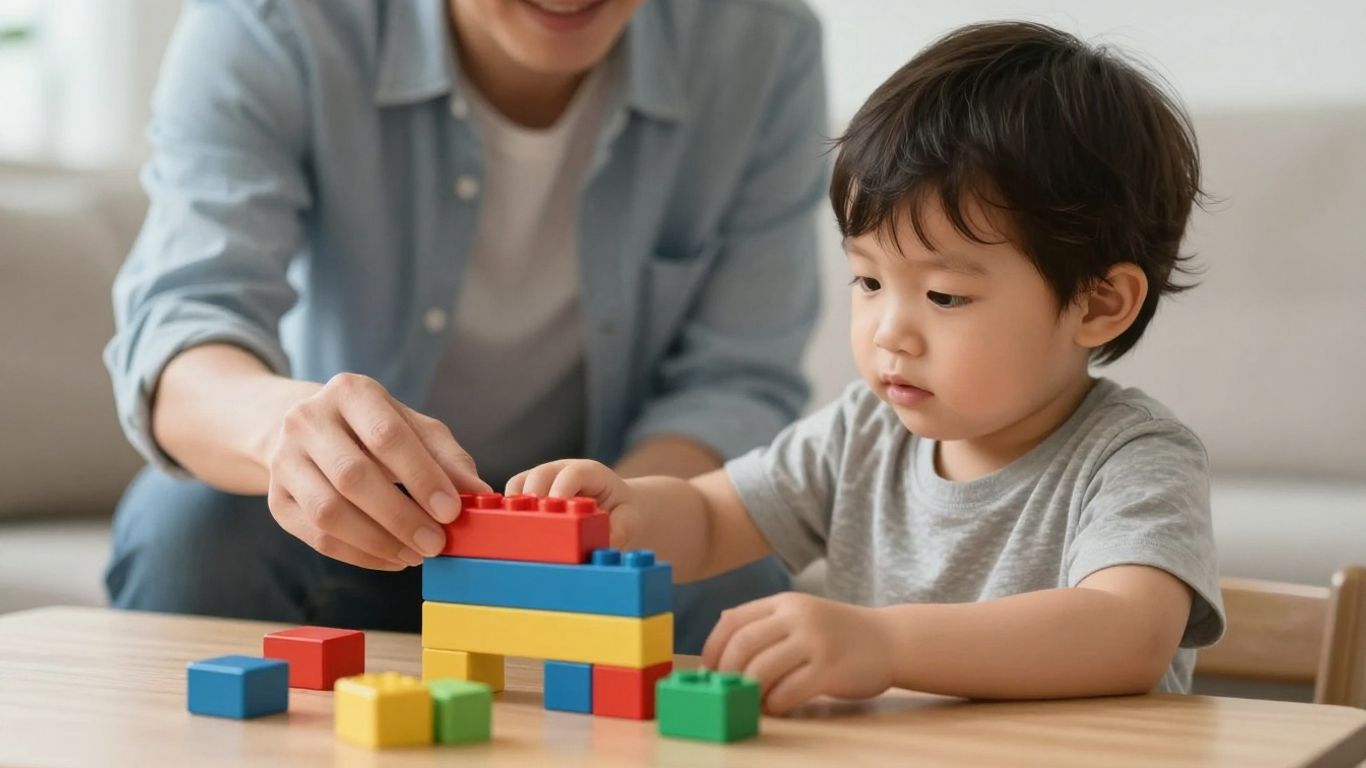
Getting kids to do things for themselves is a big part of growing up, and honestly, it’s a game-changer for them. It’s not just about them learning to tie their shoes or clean up their toys, though those are super important. It’s about building that inner confidence, that feeling of ‘I can do this!’
Think about it: when a child is allowed to try things on their own, even if they mess up a little, they learn. They learn problem-solving, they learn persistence, and they learn that mistakes aren’t the end of the world. It’s a slow process, for sure. You have to be patient and let them figure things out, offering help only when they’re really stuck. This is where daily routines can really help, giving them a predictable structure to practice these skills.
Here are a few ways to encourage this:
- Offer Choices: Let them pick out their clothes (within reason!), choose a book to read, or decide which game to play. This gives them a sense of control.
- Assign Age-Appropriate Chores: Even little ones can help. A toddler can put toys in a bin, a preschooler can help set the table, and older kids can do more. It teaches responsibility.
- Let Them Try Self-Care: Encourage them to dress themselves, brush their teeth, and wash their hands. It might take longer, but it’s a huge step towards independence. You can find more tips on teaching self-care skills.
It’s easy to want to jump in and do things for our kids because it’s faster and we know it’ll be done ‘right.’ But stepping back and letting them try, even if it’s messy or imperfect, is one of the best gifts we can give them. It shows we trust them and believe in their ability to learn and grow.
And let’s not forget about healthy habits. Getting enough sleep, eating well, and moving their bodies are all part of healthy development. When kids feel good physically, they’re better equipped to tackle new challenges and learn new things. Making healthy choices a normal part of family life is key. It’s not about perfection, but about creating a foundation for a lifetime of well-being. This includes making sure you are also taking care of yourself, because a well-rested parent is a more patient and present parent.
Seeking Support for Early Childhood Parenting Strategies
Look, parenting is a marathon, not a sprint, and nobody expects you to have all the answers right out of the gate. It’s totally normal to feel like you’re winging it sometimes, or even most of the time. The good news is, you don’t have to go it alone. There’s a whole network of resources and people out there ready to lend a hand or just offer a listening ear.
Accessing Parenting Classes and Support Groups
Getting together with other parents can be a real game-changer. You can share stories, swap tips, and realize you’re not the only one dealing with those 3 AM wake-up calls or toddler meltdowns. Many communities offer parenting classes that cover everything from sleep training to picky eaters. These classes can give you practical tools and a chance to connect with folks going through similar things. Online groups are also a great option if getting out of the house feels impossible. You can find forums and social media groups dedicated to specific age groups or parenting challenges. It’s a good way to get advice and support without even leaving your couch.
Utilizing Professional Guidance When Needed
Sometimes, you might run into issues that feel a bit bigger than what a casual chat with another parent can solve. That’s when bringing in a professional can be super helpful. Pediatricians are a great first stop for health and development questions. If you’re struggling with behavioral issues, anxiety, or major family stress, a child therapist or counselor can provide specialized support. They have the training to help you understand complex situations and develop strategies tailored to your family’s unique needs. Don’t feel like you’re failing if you need this kind of help; it’s actually a sign you’re committed to doing what’s best for your child and yourself.
Learning from Experienced Parents
There’s a special kind of wisdom that comes from parents who have been there, done that, and lived to tell the tale. Connecting with seasoned parents, perhaps through mentorship programs or even just by chatting with family friends who have older kids, can offer a different perspective. They can share anecdotes that make you laugh, offer advice that’s grounded in real-life experience, and remind you that the tough phases do eventually pass. These peer-to-peer connections can be incredibly reassuring. Programs specifically designed for parents of children with special needs, for example, connect families with experienced parents who can share their journey and provide encouragement Parent to Parent programs.
Remember, seeking support isn’t a sign of weakness; it’s a proactive step towards becoming the best parent you can be. Building a strong support system, whether it’s through classes, professionals, or other parents, makes the journey much more manageable and enjoyable.
Wrapping It Up
So, parenting is definitely a marathon, not a sprint, right? We’ve talked about a bunch of stuff here, from getting kids to think positively to just being there for them. It’s a lot to take in, and nobody gets it perfect all the time. The main thing is to keep trying, keep learning, and remember to be kind to yourself through it all. Your kids are learning and growing every day, and so are you. Just keep showing up, keep loving them, and you’re doing a great job. Thanks for sticking with us on this parenting adventure!
Frequently Asked Questions

What are the most important things to do when my child is very young?
When your child is very young, focus on building a strong connection with them. This means spending quality time together, talking and listening a lot, and creating a safe and loving home. Also, try to set up regular daily routines for things like meals, naps, and bedtime. This helps kids feel secure and know what to expect.
How can I help my child deal with big feelings?
Helping your child understand their emotions is super important. Teach them the names for feelings like happy, sad, or angry. Let them know it’s okay to feel all sorts of things and help them find healthy ways to express them, like talking about it or drawing a picture. This builds their emotional smarts and helps them bounce back from tough times.
What’s the best way to guide my child’s behavior?
Instead of just punishing, think about teaching. Positive discipline means setting clear rules and explaining why they’re important. When your child does something good, praise them! If they make a mistake, help them understand what went wrong and how to do better next time. It’s all about guiding them, not just scolding them.
How can I encourage my child to be more independent?
Let your child try things on their own! Give them age-appropriate chores or let them pick out their own clothes. When they try something new, cheer them on, even if they don’t get it perfect the first time. Letting them make small choices helps them feel capable and confident as they grow.
Why is it important for parents to take care of themselves too?
Parenting takes a ton of energy! If you’re always running on empty, it’s hard to be the best parent you can be. Taking time for yourself, even just a little bit each day, helps you feel refreshed and less stressed. This could be reading, going for a walk, or talking with a friend. It’s not selfish; it’s necessary!
What if I’m struggling with parenting? What kind of help is out there?
You’re definitely not alone! There are many ways to get support. You can join parenting classes or local support groups to meet other parents and share ideas. Don’t hesitate to talk to your child’s doctor or a counselor if you’re feeling overwhelmed. Asking for help is a sign of strength and can make a big difference.


Ms. Kerri’s Corner provides a exciting virtual space for preschool learning. Through a variety of engaging activities, she exposes young minds to early math, literacy, science and social-emotional skills in a developmentally appropriate way. Centers for blocks, art, books and music allow children to explore hands-on learning at their own pace. Guided lessons subtly introduce number sense, letter sounds and narrative thinking. Careful observation gives insight into each child’s progress across domains. Viewers are also invited to participate, reinforcing that their ideas are valued. By making learning fun yet purposeful, Ms. Kerri lays the groundwork for future academic success while fostering creativity and imagination. Her program offers preschoolers valuable screen-based learning experiences.