
What Your Child Is Really Saying With Their Behavior
Kids can be a puzzle, right? One minute they’re happy, the next it’s a full-blown meltdown. It’s easy to get frustrated, but what if their actions are actually telling us something important? We often miss the signs because we’re looking for grown-up words. But children, especially young ones, communicate a lot through their behavior. This article is about figuring out those signals, understanding what your child really needs, and responding in a way that helps them. We’ll look at different situations, from tantrums to picky eating, and try to decode what’s really going on beneath the surface. It’s all about recognizing their behavior cues and seeing them as a form of emotional communication.
Key Takeaways
- Tantrums often signal that a child is feeling overwhelmed, needs attention, or is struggling to understand something.
- Withdrawal or the silent treatment can mean a child is feeling hurt, scared, or is taking time to process their feelings.
- Playtime behaviors, like struggles over toys or imaginary friends, offer insights into a child’s social development and inner world.
- Food refusal or picky eating can sometimes be linked to stress, texture issues, or a child’s need to feel in control.
- Bedtime resistance and aggressive actions frequently point to underlying fears, a need for connection, or difficulty expressing emotions like frustration.
The Tantrum Tango: When Words Fail, Meltdowns Prevail
Oh, the glorious, ear-splitting symphony of a toddler tantrum. It’s like a tiny, operatic performance where the main theme is usually ‘I CANNOT EVEN RIGHT NOW.’ You know the scene: the floor becomes the stage, the tears flow like a dramatic monologue, and the sheer volume could shatter glass. It’s easy to feel like you’re failing, like you’ve somehow broken this small human. But take a deep breath. This isn’t about you being a bad parent; it’s about your child’s brain being a bit overloaded, like a computer trying to run too many programs at once.
Decoding the ‘I’m Overwhelmed’ Scream
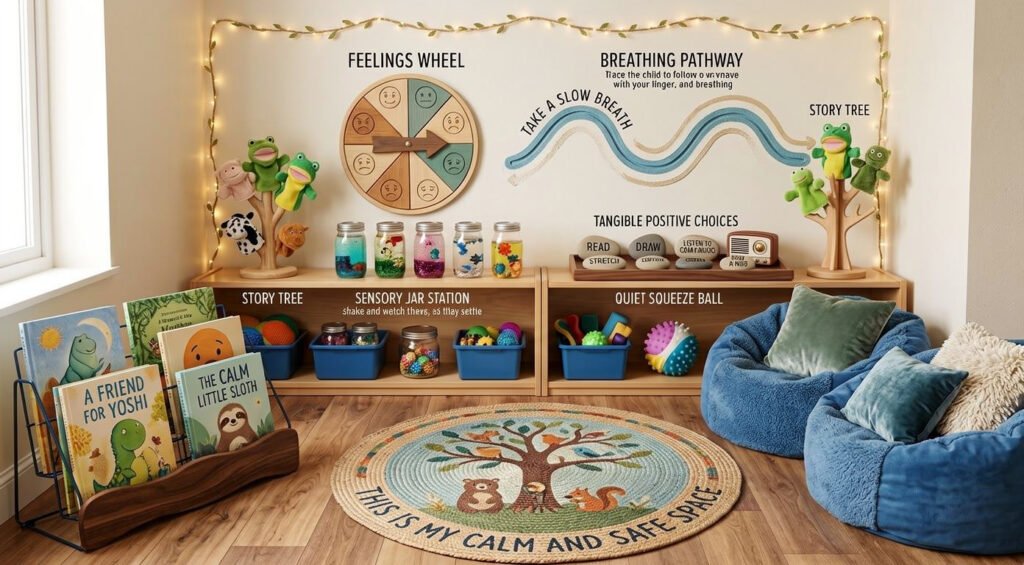
Sometimes, the biggest meltdowns aren’t about wanting a cookie or a toy. They’re about the sheer, unadulterated too muchness of life. Too many people, too much noise, too many transitions, too much sensory input. Their little nervous systems just can’t cope. Think of it as their internal ‘Error 404: Brain Capacity Not Found’ message. They’re not trying to be difficult; they’re genuinely struggling to process the world around them. For kids who have trouble with communication, like those on the autism spectrum, these overwhelm screams can be a primary way to signal distress when other methods aren’t working [f5b8].
The ‘I Need Attention’ Drama
Let’s be honest, sometimes the tantrum is a carefully crafted plea for you to just look at them. It’s the toddler equivalent of a flashing neon sign that says, ‘Hey! Remember me? I exist and I need my people!’ They might have been playing nicely, but the silence from your end was deafening. So, they crank up the volume. It’s not malicious; it’s a primal need for connection. When you can, try to offer that attention before the meltdown hits. A quick snuggle, a silly face, or just sitting with them for a minute can sometimes head off the storm. Learning to interpret these non-verbal cues is key [de34].
When ‘No!’ Really Means ‘Help Me Understand’
That defiant ‘NO!’ that echoes through the grocery store? It’s rarely a simple refusal. More often than not, it’s a sign that they’re confused, scared, or simply don’t have the words to explain what’s really going on. They might not understand why they have to leave the park, or why they can’t have the sugary cereal. Their world is still pretty new and confusing, and sometimes ‘no’ is the only tool they have to express that.
- They lack the vocabulary: Words are hard, especially when you’re three.
- They feel powerless: Saying ‘no’ gives them a tiny bit of control.
- They’re genuinely scared: New situations can be terrifying.
When a child is having a meltdown, your calm presence is their anchor. It doesn’t mean you have to fix everything, but just being there, breathing with them, can make a world of difference. It shows them they aren’t alone in their big feelings.
The Silent Treatment: More Than Just Being Moody
Decoding the ‘I’m Hurt’ Withdrawal
So, your kid has gone full ice queen or king, right? The door slams, the answers are monosyllabic grunts, and suddenly you’re living with a tiny, moody statue. It’s easy to just think, ‘Oh, they’re just being dramatic,’ or ‘They’ll get over it.’ But honestly, this quiet act is often a big, flashing sign that something’s up. It’s not just about being upset; it’s a whole different language of distress. When they clam up, it’s usually because they’re feeling something big and don’t have the words to let it out. Maybe they feel misunderstood, or perhaps they’re nursing a bruised ego after a disagreement. This withdrawal isn’t about punishing you; it’s their way of saying, ‘I’m overwhelmed and need a moment to myself to figure this out.’ It’s a form of social exclusion that can really sting, even for little ones [4fe1].
When Quiet Means ‘I’m Scared’
Sometimes, that silence isn’t about anger at all. It’s pure, unadulterated fear. Think about it: when we’re scared, our instinct is often to freeze, to become small, to disappear. Kids are no different. If they’ve done something they know is wrong, or if they’re facing a situation that feels too big for them, they might retreat into silence. It’s a defense mechanism, a way to avoid further trouble or to try and process a scary thought. They might be worried about the consequences, or maybe they’re just feeling vulnerable and unsure of how to ask for reassurance. This quiet can be a plea for safety, a signal that they need you to be their calm in the storm, not add to it. It’s easy to misinterpret this as defiance, but often it’s just a child trying to cope with a feeling that’s too big to handle.
The ‘I’m Processing This’ Pause
Kids aren’t always equipped with the emotional vocabulary of a seasoned therapist. When they’re faced with a complex situation, a disappointment, or even just a lot of new information, they might need time to just… sit with it. This isn’t defiance; it’s a mental pit stop. They’re not ignoring you; they’re busy sorting through their thoughts and feelings. It’s like their brain is running a background program, and they can’t quite engage with you until it’s done. This pause is incredibly important for their development. It’s where they learn to self-regulate and problem-solve. Instead of pushing them to talk immediately, try giving them a little space. You can let them know you’re there when they’re ready. Sometimes, the loudest behaviors aren’t the real issue; it’s what’s happening beneath the surface [6219].
Here’s how to handle the silent treatment:
- Acknowledge the feeling (without judgment): “I see you’re feeling quiet right now. Is everything okay?”
- Offer a safe space: “You don’t have to talk if you don’t want to, but I’m here if you need me.”
- Don’t force it: Pushing a child who is withdrawing can make them shut down even more. Patience is key.
- Model healthy communication: Talk about your own feelings (in an age-appropriate way) and how you work through them.
Remember, silence from a child is rarely empty. It’s usually filled with a complex mix of emotions and thoughts they haven’t yet learned to express clearly. Your job is to be the translator, not the interrogator.
The Playtime Puzzles: Unraveling Preschool Signals
Ah, playtime. For us grown-ups, it’s a chance to zone out with a cup of lukewarm coffee while the little ones burn off steam. For them? It’s serious business, a complex world where they’re figuring out everything from sharing their favorite dinosaur to why that block tower just had to tumble down. It’s not just random chaos; it’s a language, and we’re here to be the translators.
Sharing Struggles: The ‘Mine!’ Manifesto
That insistent “Mine!” isn’t just about possessiveness; it’s often a declaration of self. When a preschooler clutches a toy like it’s the last cookie on Earth, they’re not just being selfish. They’re learning about ownership, about what belongs to them, and about the boundaries that define their personal space. It’s a big concept for a little brain, and sometimes, the only way to express that burgeoning sense of self is through a firm grip and a loud proclamation. Think of it as their first foray into property law. We can help by acknowledging their feelings and gently introducing the idea of taking turns, perhaps using a timer so everyone knows when their turn is up. This helps them understand that ‘mine’ can also mean ‘yours for a bit’.
Imaginary Friends: A Window to Their World
Suddenly, there’s an extra guest at the dinner table, or a secret whispered to an invisible companion. Don’t fret; imaginary friends are a sign of a healthy, creative mind at work. These pals are often a way for children to process their own emotions, practice social interactions, or even work through anxieties they can’t quite articulate. If ‘Mr. Snuggles’ is suddenly very upset about bedtime, it might be your child expressing their own fears. It’s a fantastic opportunity to gain insight into their inner world. You can even engage gently, asking questions about their friend’s day or what they like to play. It’s a peek into their developing social skills and their capacity for empathy, even if it’s directed at someone only they can see.
The ‘I’m Practicing Social Skills’ Shenanigans
That elaborate game of ‘house’ where one child is the bossy parent and another is the crying baby? It’s not just make-believe; it’s a miniature social experiment. Children use play to rehearse real-life scenarios, trying on different roles and figuring out how relationships work. They’re learning about negotiation, conflict resolution, and cooperation, often through trial and error. When they squabble over who gets to be the doctor, they’re actually learning how to manage disagreements. It’s messy, it’s loud, and sometimes it involves a lot of tears, but it’s how they build the foundation for future interactions. Helping them navigate these moments, rather than just stopping the conflict, is key. We can guide them through the tricky bits, offering simple phrases or suggesting compromises. It’s all part of the grand plan to prepare them for the big, wide world, one pretend scenario at a time. Remember, these early play experiences are vital for their development, and understanding the stages of play can offer a helpful framework for observing their progress. For more on managing these transitions and play overload, consider looking into transition strategies.
Playtime is their laboratory, their classroom, and their stage. Every squabble, every shared toy, every imaginary conversation is a lesson learned and a skill honed. Our job is to watch, to listen, and to offer a gentle hand when they stumble, celebrating their triumphs along the way.
The Food Fights: More Than Just Picky Eating

Oh, the dinner table drama. It’s a scene many parents know all too well: the plate pushed away, the dramatic sighs, the sheer refusal to even look at that perfectly innocent broccoli. We often chalk it up to “picky eating,” a phrase that can feel like a parental surrender. But what if it’s more than just a phase or a stubborn streak? What if your child is actually trying to tell you something important through their food battles?
The ‘I Don’t Like This Texture’ Rebellion
Ever notice how some kids will eat anything as long as it’s mushy, while others recoil from anything remotely soft? That’s often down to texture. For little ones, especially those with sensory sensitivities, the feel of food in their mouth can be a big deal. A lumpy sauce might feel like a thousand tiny invaders, or a crunchy carrot could be like chewing on gravel. It’s not about being difficult; it’s about their sensory system processing the world differently. This isn’t just about taste; it’s about touch.
When ‘I’m Not Hungry’ Means ‘I’m Stressed’
Sometimes, a child’s appetite can be a barometer for their emotional state. If your usually ravenous eater suddenly claims they’re full before the meal even begins, it might be a sign they’re feeling anxious or overwhelmed. Maybe there was a disagreement at school, a change in routine, or even just a busy day filled with too many new experiences. Their body is telling them to conserve energy, or perhaps to avoid anything that requires too much effort, including chewing and digesting. It’s their way of saying, “Whoa, too much happening right now.” Understanding the psychology of picky eating in children can shed light on these moments.
The ‘I Need Control’ Mealtime Maneuver
For toddlers and preschoolers, asserting independence is a major developmental milestone. Food is one of the few areas where they can genuinely exercise control. They can decide what goes in their mouth and what doesn’t. When they refuse a certain food or demand only a specific snack, they’re often practicing this newfound sense of autonomy. It’s their way of saying, “I can make my own choices, even if it’s just about peas.”
Here’s a little cheat sheet for navigating these food fights:
- Offer Choices (Limited Ones!): Instead of “Eat your peas,” try “Would you like peas or carrots?” This gives them a sense of agency.
- Don’t Force It: Pressuring a child to eat can create negative associations with food and mealtimes. It often backfires spectacularly.
- Keep Offering: Even if they refuse a food multiple times, keep putting small amounts on their plate. Exposure is key, and sometimes it takes many tries before they’ll even consider it.
- Make it Fun: Sometimes, cutting sandwiches into fun shapes or creating “food art” can make a meal more appealing.
Remember, mealtimes don’t have to be a battleground. They can be a space for connection and exploration, even if that exploration involves a lot of “yucky!” It’s a normal part of development for many kids, and understanding picky eating can make all the difference.
The Sleep Struggles: When Bedtime Becomes a Battleground
Ah, bedtime. That magical hour when you envision a peaceful transition to dreamland, but often get a full-blown circus instead. It’s like they’ve been saving all their energy for this exact moment, a final, epic stand against the encroaching darkness and the dreaded act of closing their eyes. We’ve all been there, haven’t we? Staring at the ceiling at 10 PM, wondering how your sweet angel turned into a tiny, sleep-resistant dictator. It’s more than just a preference for staying up late; it’s often a complex mix of emotions they just can’t quite put into words. Addressing the underlying causes can help resolve these common sleep challenges.

The ‘I’m Not Tired, I’m Scared of the Dark’ Plea
That sudden, intense fear of the dark can feel like it comes out of nowhere. One minute they’re fine, the next they’re convinced monsters are lurking under the bed, or that the shadows are actually creepy crawlies plotting their next move. This isn’t just a ploy to get an extra story; it’s a genuine expression of anxiety. Their imagination, which is usually a source of wonder, can turn into a source of terror when the lights go out. It’s their way of saying, ‘Hey, I feel vulnerable right now, and I need some reassurance.’
When ‘One More Story’ Means ‘I Need Connection’
That seemingly endless request for ‘just one more book’ or ‘one more song’ isn’t always about delaying sleep. Often, it’s a subtle plea for more time with you. In our busy lives, bedtime might be the only quiet, focused time they get with their parents. They’re not trying to be difficult; they’re trying to soak up every last drop of connection before you disappear for the night. It’s a bid for closeness, a way to feel secure and loved before they drift off.
The ‘I’m Testing Boundaries’ Nighttime Negotiation
Let’s be honest, kids are little scientists of the world, and bedtime is their grand laboratory for experimentation. They’re figuring out what they can get away with, what the rules are, and what happens when they push them. This can manifest as elaborate requests, sudden demands for water, or the classic ‘I need to go potty’ maneuver, even if they just went. It’s their way of asserting some control in a world where so much is decided for them. Consistency is your superpower here.
- The ‘Just Five More Minutes’ Gambit: They’ll try to stretch out the routine, hoping for a little extra playtime or screen time.
- The ‘I Can’t Sleep’ Declaration: Even when they’re exhausted, they might insist they’re wide awake, hoping for a different solution.
- The ‘What If’ Scenarios: They might invent hypothetical situations to keep you engaged and delay the inevitable.
Bedtime battles are often a reflection of a child’s need for predictability and a sense of control. Establishing a clear, consistent routine, offering limited choices within that routine, and providing ample reassurance can transform this nightly struggle into a more peaceful transition. Remember, preparation is key, and a calm, firm approach goes a long way in signaling that it’s time to wind down. Remind your child about bedtime at least three times beforehand.
The Aggression Antics: When Little Fists Fly
Oh, the joys of toddlerhood and beyond, where little hands sometimes forget their primary purpose is for holding juice boxes and building magnificent block towers, and instead decide to become tiny, flailing weapons. It’s enough to make any parent want to hide in the pantry with a bag of chips, isn’t it? When your child resorts to physical outbursts, it’s easy to feel a mix of embarrassment, frustration, and a desperate urge to just make it stop. But before you start researching escape routes to a remote island, let’s try to figure out what’s really going on behind those flying fists.
The ‘I Can’t Express This Feeling’ Punch
Sometimes, a shove or a hit isn’t about being mean; it’s about being stuck. Imagine trying to explain a complex math problem without the right words. That’s often how kids feel when they’re overwhelmed by big emotions like anger, jealousy, or even intense excitement. They haven’t quite developed the vocabulary or the emotional regulation skills to articulate what’s bubbling inside. So, the frustration spills out physically. It’s their way of saying, ‘This is too much for me to handle, and I don’t know what else to do!’ Understanding these underlying causes is key to addressing the issue effectively. This is a common issue.
When ‘Hitting’ Means ‘I’m Frustrated’
Frustration is a massive part of childhood. Think about it: they want a toy someone else has, they can’t reach the cookie jar, or their elaborate Lego creation just crumbled. These are legitimate grievances in a small person’s world! When they hit, it often signals a breakdown in their ability to cope with that frustration. They’ve tried asking, they’ve tried whining, and now they’re at their wit’s end. It’s a primal scream of ‘I can’t get what I want or need, and it’s making me crazy!’

The ‘I’m Seeking a Reaction’ Provocation
Let’s be honest, sometimes kids are little master manipulators, not out of malice, but because they’ve learned what gets a rise out of us. If a child discovers that a little push or a swat gets your immediate, undivided attention (even if it’s negative attention), they might repeat it. It’s a bid for connection, albeit a misguided one. They might not even be that angry; they just want to see you react. It’s a way of testing the waters and seeing how the world responds to their actions. Behavioral therapies can help children and parents manage aggression and explosive behavior. These therapies offer strategies.
Here’s a quick look at what might be behind the behavior:
- Overwhelm: Too much stimulation, too many demands, or too many big feelings at once.
- Lack of Skills: Not knowing how to share, ask for help, or express needs appropriately.
- Imitation: Copying behavior they’ve seen from peers, siblings, or even on screens.
- Physical Discomfort: Hunger, tiredness, or feeling unwell can lower their tolerance for everything.
When a child resorts to aggression, it’s rarely about being ‘bad.’ It’s usually a sign that something else is going on – a need not being met, a skill not yet learned, or an emotion too big to manage. Our job is to be the calm in their storm, helping them find better ways to communicate their inner world.
Sometimes little ones get a bit too excited and their hands start flying! It’s a common part of growing up, but it can be tough for parents. We’ve got some helpful tips to guide your child through these moments. Want to learn more about managing these outbursts and teaching gentle interactions? Visit our website for practical advice and resources.
Frequently Asked Questions
Why does my child throw tantrums when they can’t get what they want?
Tantrums often happen because little kids haven’t learned how to handle big feelings yet. When they can’t express themselves with words, they might yell or cry to show they’re upset or overwhelmed. It’s their way of saying, ‘I’m having a hard time right now!’
What does it mean when my child gives me the silent treatment?
The silent treatment can mean a few things. Sometimes, it’s because they’re feeling hurt or sad about something. Other times, they might be scared or just need a moment to think through what just happened. It’s like they’re taking a break to process their emotions.
Is it normal for my preschooler to always say ‘Mine!’ during playtime?
Yes, it’s super common! When kids say ‘Mine!’, they’re usually learning about ownership and personal space. It’s part of how they figure out how to share and interact with others, even if it seems a bit selfish at first.
My child refuses to eat certain foods. Is it just picky eating?
Sometimes picky eating is just that, but other times it’s about more. A child might dislike a food’s texture, or maybe they feel stressed and using food choices to feel in control. It can also be a way to signal they’re not feeling well or are just not hungry.
Why does my child fight going to bed every night?
Bedtime battles can be tough. Your child might not be tired, or they could be afraid of the dark or being alone. Often, asking for ‘one more story’ is their way of wanting more time and connection with you before sleep.
When my child hits or pushes, what are they trying to tell me?
Hitting or pushing is usually a sign that your child is struggling to manage strong emotions like frustration or anger. They might not have the words to explain how they feel, so their body acts out. It’s their way of saying, ‘I’m overwhelmed and don’t know what else to do!’

Ms. Kerri’s Corner provides a exciting virtual space for preschool learning. Through a variety of engaging activities, she exposes young minds to early math, literacy, science and social-emotional skills in a developmentally appropriate way. Centers for blocks, art, books and music allow children to explore hands-on learning at their own pace. Guided lessons subtly introduce number sense, letter sounds and narrative thinking. Careful observation gives insight into each child’s progress across domains. Viewers are also invited to participate, reinforcing that their ideas are valued. By making learning fun yet purposeful, Ms. Kerri lays the groundwork for future academic success while fostering creativity and imagination. Her program offers preschoolers valuable screen-based learning experiences.